It is recruiting season in many sports including college rodeo. This is a very busy time of year for coaches, practices, spring rodeos, fundraising and recruiting. It is an exciting time of year as well, building for the future.
From previous experience recruiting is not an exact science. In fact recruiting difficulties carry over to all sports. Five star recruits, walk-ons and everyone in between start with a clean slate as soon as they walk on campus. But they do not all come equipped with the tools to be successful at the next level. Some come with tons of talent, some come with character, a few come with both. Send me the ones with lots of character who just need the opportunity to be successful.
Recently I came across an interesting statistic, 37 of the 44 NFL Pro-bowl selections this year were three-star or lower recruits out of high school. Like I said recruiting is not an exact science, even for football programs that have huge budgets and hired professionals just to scout talent and recruit. The 37 recruits worked their way to success on the highest level and rest assured that it was not an easy journey. Through their character and development of their talent they were able to face many difficult times to find their way to the elite level they compete on now.
What talent scouts and recruiting experts struggle with on every level struggle with is sorting through the high school success and finding the true character of their recruits. How determined are they to be successful? How hard are they willing to work to be successful? How goal orientated are they? How good of a student are they? How fierce of a competitor are they? Can they motivate themselves on a daily basis? Can they avoid social distractions? Are they satisfied with their previous successes?
These are all good recruiting questions that are not easy for the coach to find answers to. From the high school level to the pro draft these questions may go farther in determining future success than the measurable numbers.
In the past I have had walk-ons with very little experience, and scholarship athletes with a great high school resume. The walk-on had the key character tools that we all look for, the talented kid had just relied on talent. Over the course of the first year the gap in performance was closed between the two based on the character of the athletes. By the second year the walk-on was out performing the high school star and had been selected a team captain by his peers. By the third year the walk-on was competing at the CNFR and the high school star had progressed very little from when he first arrived. (By the way the walk on did earn his scholarship after his first semester of school).
I have watched this unfold in the past, I see it currently, and I know I will see it in the future. This proves that no matter how much success you had in high school or early in your career you have to keep working. The hardest workers will find a way to be great no matter what sport or profession they choose. Character and hard work are the best equalizers, don’t let others beat you in these areas…
Category: Uncategorized
-
Recruiting Season
-
Heith DeMoss, Hunter’s Paradise
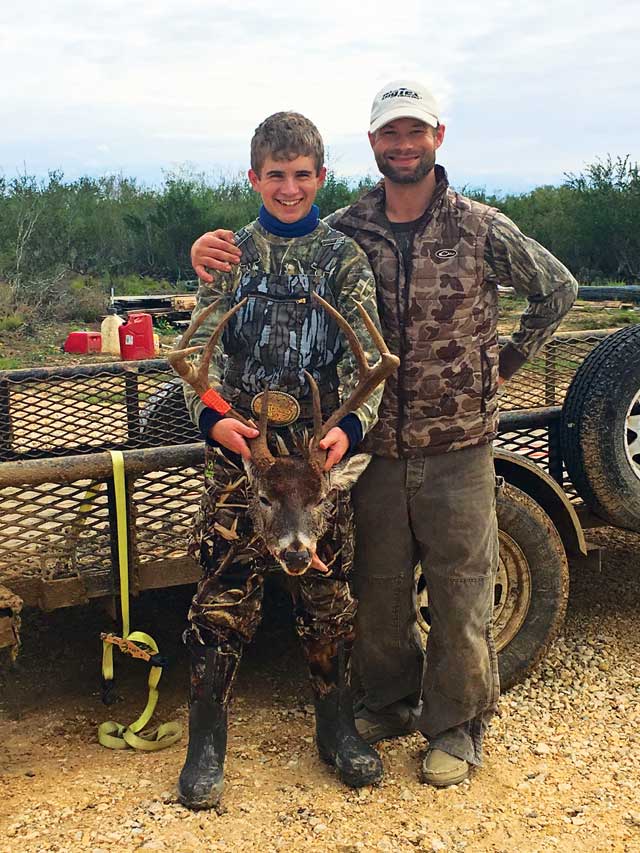
Heith DeMoss has traversed the width and breadth of the United States, setting eyes on some of the most beautiful scenery the country offers. But at the end of a summer run, the saddle bronc rider can scarcely wait to return to Louisiana, the place he says feels and tastes like home thanks to the people, the landscape, and a hunter’s paradise.
The Bayou State offers diverse hunting opportunities, and Heith has experienced many of them, such as deer, squirrel, duck, dove, hog, rabbit, frog, and gator hunting. One of his latest trips took him to South Texas for white tail bow hunting, where a hunter recently tagged a buck nearing 200 inches. “Being in a spot like that is thanks to Record Rack, which is what they feed there,” says Heith. “I’ve never killed a big buck – I’ve always wanted to – and being out there gives me a good shot.”
Before the eight-time WNFR qualifier started rodeoing professionally, he was an avid hunter and belonged to several hunting clubs. “Rodeo is more on my radar screen now, but my friends invite me and I go whenever I can,” he says. “I really like being out in nature, completely camouflaged so nothing knows you’re there. You get to see things happen that you wouldn’t normally just walking in the woods. Squirrels come up close and birds land on the branch next to you. It’s more of a plus just for me to be out there in the quiet and the moment of what God created.”
Less peaceful but highly entertaining is Heith’s penchant for squirrel hunting. “It’s a big deal down here – people train dogs for it. You take your dog and horse, grab your shotgun, and go ride. It’s quite a task to shoot a running squirrel, let alone doing it from a running horse. It’s a challenge and great fun. You can eat squirrel, but there’s a special way to cook it,” Heith adds with a laugh. “For the average person to shoot a squirrel and cook it, they’d probably lose a few teeth. You can put squirrel in gumbo or a mulligan or whatever you want, but there’s a right and a wrong way to cook it.”
Heith’s 16-year-old son, Gavin, follows close in his dad’s bootprints when it comes to hunting. His current interest is bow hunting, and father and son make a trip at least once a year to a hunting club in South Texas. They also went gator hunting last year and came home with a total of eight. “Most gator hunting is down south. We live by the Red River, and there’s gators in pretty much any river in Louisiana,” Heith explains. Gavin also competes in high school rodeo, team roping as a header. With the spring high school rodeo season on the horizon, Heith and his wife, Hallie, are always on the move to practices or team ropings with their kids. “Our daughter, Dixie, is five, and she has a good time at whatever she’s doing. She’s a high-spirited young lady!” says Heith.
Heith competing at the 2016 WNFR – Hubbell His own rodeo season starts with the RNCFR in Kissimmee, Florida, on April 7 after qualifying on the Southeastern Circuit. Only weeks after his qualification, Heith had surgery on his ACL, which he had torn in Calgary, Alberta, in 2015. “I got it fixed two days after going to the NFR, and it’s been sheer hard work since then. On top of physical therapy, I’ve been trying to get my body in shape, and at thirty-one years old, it’s time for a fellow to step up not just mentally, but physically.”
Heith and Hallie are relocating their Louisiana roots a quarter mile down the road where they’re building a new house this year. Heith also teaches several rodeo schools a year and helps with his father-in-law’s youth camp, Redeemed Ranch. His ultimate goal is clinching a gold buckle at the WNFR, along with winning Cheyenne Frontier Days, Calgary Stampede, and Pendleton Round-Up. “I’d love to win The American as well, so those are the goals I have set thus far. I believe they’re in reach, but a fellow has to do his part!” -
Participation Parents
I don’t think that participation trophies are as prevalent in rodeo as other sports, but I do think the participation trophy problems carry over into rodeo as well. I have a different take on the problem than a lot of people. The kids and participants are not the problem, the problem is the parents.
Not many want to hear that, but the problem is the parents. I have never heard of the junior rodeo contestants budgeting for the rodeo they are putting on and making sure that they order awards for all of the other participants. At a young age prize money and prizes are not the main priority, just ask any nine year old entered in a rodeo. Most young participants in any sport are more interested in the having fun and the social aspect.
Kids are at competitive events for one of two reasons. One reason is they like to compete and have fun competing with their friends. Two, their parents want them entered.
Here is where the participation trophies come in. The parents want to justify the time and money they spend on and with their children, so the parents are the ones that need and want the trophies for their kids. The parents are the ones responsible for the “Participation Trophy Generation” not the kids, the problems that are developing in the students come directly from the parents’ actions. Everyone learns to win, but no one learns how to handle the disappointments, especially the parents. These parents are too protective of their kids, they don’t teach them basic life lessons of dealing with success and more importantly dealing with failure. Of work and accountability for your actions.
Put the blame where it belongs, on the parents. So how do we fix the problem?
At an early age students should be competing for the love of the sport, to develop their fundamental skills and improving. For this process to be complete there has to be a balance, there have to be up and downs. At an early age students need to learn how to win, but they also need to learn how to handle defeat and disappointments as well. Many times the lessons learned from losing are much better than any they learn from winning.
As a parent and a coach this can be tough to watch. It is hard to see your kid crying in disappointment. But a disappointment can go different ways as a learning tool, use it wisely. Don’t make excuses for your kid, don’t try to make it easy for them, and don’t give them a trophy for trying. Let them learn from their experience to be better in the future; if it is something they truly want, they will work at learning from their experience. They will become stronger and achieve more in the future as long as you don’t reward them for just participating.
Make sure you raise kids that understand that nothing is owed to them, and that nothing will be given to them for just participating.
Our main jobs as parents and coaches are to use our sport to develop the character of our kids as much as their skills inside the arena. -
Quiet Time
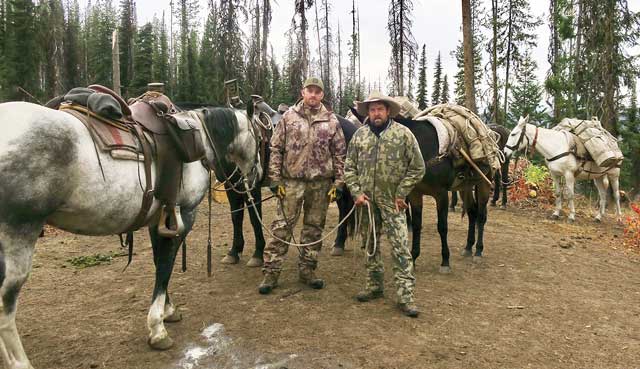
“A large amount of people that rodeo come from a ranching or farming background,” said Dakota Eldridge, four time WNFR qualifier from Elko, Nevada “They appreciate and enjoy an outdoor lifestyle that includes hunting.” Dakota grew up hunting. “Elko has it all; hunting, fishing, snowboarding, snowmobiling, you name it… and I am active in all of it. When I was a kid, I had to stay busy, I still have to! Having so much to do right in my hometown really rounded out the person I am today… And going down the rodeo road is not only my career now, but has also become a passion of mine. I am blessed to get to do what I love for a living and live such an engaging life between rodeo and all of my outdoor hobbies.”
Once he is done going down the road from January through September, Dakota is ready for some quiet time. “You are gone from the home so much, always driving from town to town, and around so many people that when Fall hits – my passion is being outside with the peace and quiet of nature, hunting, getting to know yourself, and enjoying the outdoors.
It is neat to see how closely related outdoor enthusiasts are with rodeo in many different aspects – Just one example of many is when I recently went hunting with mules this Fall and it was amazing how the guides took
Dakota winning round 7 at the 2016 WNFR – Molly Morrow care of their horses – it’s similar to me taking care of my horses on the rodeo road.” For Dakota, the best source of organic meat and a trophy on the wall is hunting. “I am excited to be partnering with Sportsman’s Choice and Record Rack Feed because I admire their dediation to the outdoor lifestyle and their commitment to providing quality feed for wildlife.”
His mom and dad (Mark and Veronica Eldridge) have supplied Dakota with horses to get down the road. “Ever since I was a little kid my parents have made sure I always have good horses to ride” he said. “I couldn’t ask for a better support system than I have between my family, friends, sponsors and fans. I am so grateful to have such good people standing behind me”.
His goals for 2017 are simple ones. “Make the Wrangler National Finals Rodeo again, win a gold buckle, and invest my money wisely so I can keep rodeoing for years to come!” -
Staying Sharp
Ropers, hope you are doing great and had a successful fall start! The USTRC Finals are over with and now on to Las Vegas if you are planning to compete. I wish all of you the best of luck!
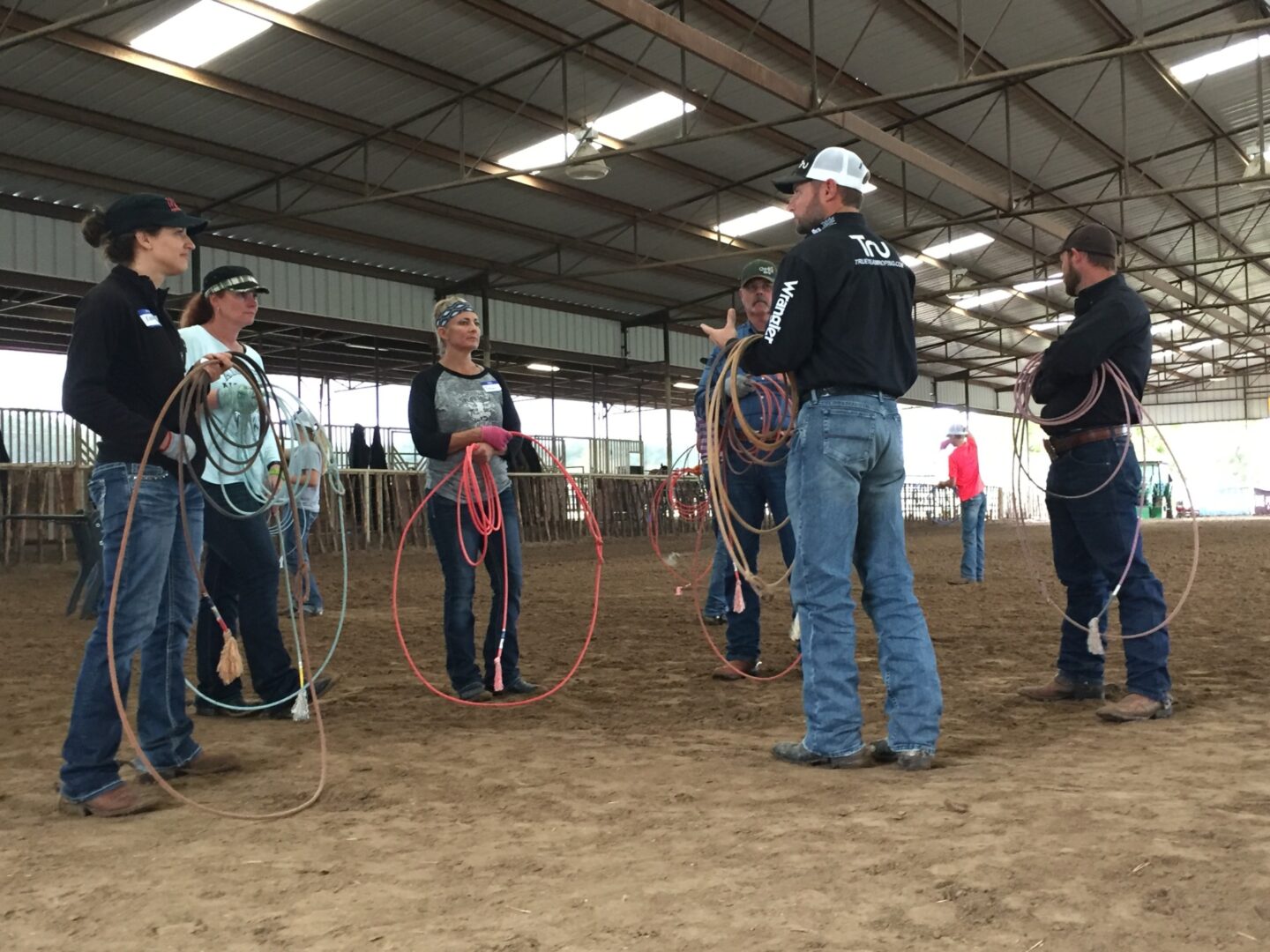
As we move into winter, we are blessed to have many indoor arenas across the country now where we can still put forth the effort to stay sharp. What I would like to discuss with you in this article is just that, Staying Sharp! It does not matter how many clinics or lessons I do through out the year, it easy to see who has continued to put time into the practice pen. All of the articles so far have been about breaking your practices down to execute a sound and fundamentally correct business plan within practicing. How you practice is how you will compete. The one thing that no clinic or lesson will ever teach you is to rope at a higher level than what you are capable of achieving. I have many students that come in throughout the year for tune-ups or wanting to advance to the next level of their roping career. It is so fun and rewarding to see the excitement of those who have been working at it and knowing they are enjoying the sport that much more. When asking them what they have been working on, I continue to hear what we have discussed in previous sessions but always hear whom they have been roping with. Where I am going with this is they have continued to keep their game plan in place and rope with other ropers that rope at a higher level than they do. The first thing that comes to mind is I don’t rope good enough to get invited to rope with “that” person or even practice with them. As long as you think that, you will not get the opportunity. If you believe you want to get better and be around a higher level of roping, then you will. We can lay out the instructions of the sport but roping with someone that pushes you to being better is taken in by sight and sound. If you are around it, you will start to perform and do it. Once we have reached the roping status and moved on from the chute working status, we are all guilty of becoming complacent within our practices. Since we do not do this for a living and want to enjoy the time we get to rope, practices tend to flat-line. If you have the opportunity to work chutes around someone that ropes really good, you will still absorb what is going on and pick things up that will help you within your roping. The most incredible thing to happen in the team roping world has been the handicap system and everyone able to compete on their own level. But, then we continue to remain at that level and go through the ups and downs of being successful. The good days come and go and seem like they get further apart. Keeping yourself sharp by practicing or watching better ropers practice will push you to excelling and doing things you don’t even think about. Remember, iron sharpens iron! God Bless until next time. -
Ace High Roughstock Academy
We recently concluded the Ace High Roughstock Academy at Odessa College. We had forty students from across the country come to learn from some of the top athletes in our sport. Over the time spent with the instructors and students I was able to pick a lot up. I learned from watching students make mistakes, from the instructors, and from the students.
A few things that I learned from the instructors at the Roughstock School:
• They pay attention to details. They know their sport inside and out. They pay attention to the horses. They watch the gate men, the flank man and the pick-men. They really know the judges and their tendencies, who watches the mark outs like a hawk, which ones like certain riding styles or certain horse types.
Little Details. Big Details.
Rodeo is their livelihood and they learn and pay as much attention to all of their surroundings as possible. They know their equipment, they know how to fix it, and they know when not to fix it. Most everything they do in and around the arena is done on purpose. Everything in their world is detail oriented to give them the best shot to be competitive.
• If you want to win a gold buckle or make the WNFR you had better be dedicated to the sport. The Top ranked bareback rider (Tim O’Connell) and the top ranked saddle bronc rider (Jacobs Crawley) were both at the school as instructors. They had early morning workouts before the school started. They were on the spur board with the students. Even though they were instructors at the school they each got on practice horses with the students. So did most of the other instructors. They are extremely dedicated to their craft; to be in their spot in the future or take their spot at the WNFR you are going to dedicate yourself to the sport. You will have to earn your right to compete with these guys and they aren’t just resting waiting for you to come get them.
• If you want to be great you must have an inner competitive drive. Your mom and dad can’t make you want to be great; your friends can’t make you want to be great. It has to come from you and it has to be your passion. On the way to lunch we had five 2016 WNFR qualifiers in the truck. Everything they do inside the arena is competitive and everything they do outside of the arena becomes a competition as well. The top guys thrivwe on competition, they enjoy it, and they become great because of it. If rodeo is your passion make sure you have the competitive fire.You can learn a lot at any rodeo school. To get the most out of it make sure you watch and learn as much as you can from everyone around you.
A special thanks to Cervi Rodeo, Jabob and Sterling Crawley, Richie Champion, Winn Ratliff, Binion and Chase Cervi, Tim O’Connell, Clint Johnson, Chuck Kite, Randy Britton, Vicki Pack and Hanna Wiebelhaus. Also a big thanks to the sponsors, Justin Boots, the PRCA, Rodeo Houston, and Cinch for helping put on the third annual Odessa College Ace High Roughstock Academy.C.J. Aragon was named the 2008-2011 Grand Canyon Region Coach-of-the-Year. 2014-2015 WJCAC Coach-of-the-Year, 2016 Southwest Region Coach-of-the-Year, and 2010 National Intercollegiate Rodeo Association Coach-of-the-Year.
-
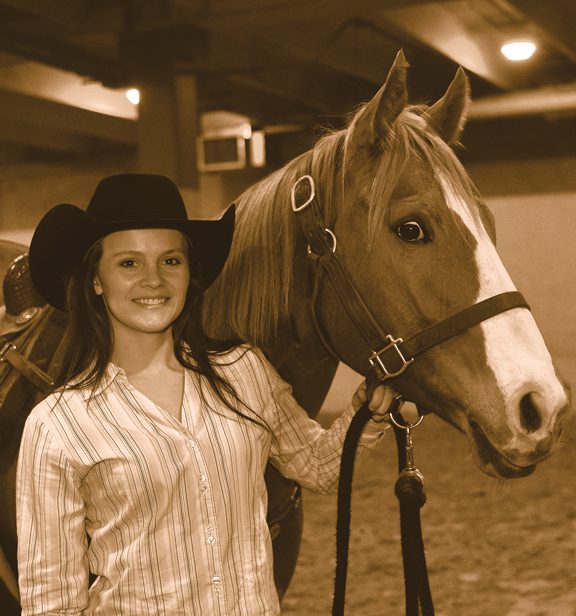
On the Trail with Ivy Conrado
Ivy Conrado has figured out what it takes to make 18 hour drives. “I listen to audio books, music, and call people all the time.” To stay awake, she drinks lots of water and doesn’t eat much. “Then you have to go to the bathroom and you can’t go to sleep,” said the 22-year-old who will run into the Thomas & Mack for the first time in December. Ivy comes from two generations of rodeo. “I grew up going to amateur rodeos, but I’m the first one in the family to make it to the NFR.”
Ivy started riding when she was three on a little pony named Snip. “I rode her all the time while my parents were riding futurity colts.” Both her parents, Cody Doig and Kelly Conrado, are horse trainers. They divorced when Ivy was five and she spent the school year with her mom in North Carolina and the summers with her dad in South Dakota. “My brother, Chance, lived with whoever he wasn’t in trouble with and Paige and I lived with mom.” Both parents moved back to Colorado when Ivy was 12.
She hasn’t always been horseback though. She was involved in a terrible horse accident at the Ft. Smith futurity when she was five. It took more than a year for her to get back on a horse, and the horse she got on was Tibbie’s mom. Little Fancy Granny (Racie) was raised and trained by Ivy and the duo took Barrel Racing Champion for the Colorado State Junior High Rodeo when she was 14. She never made the trip to the National Junior High Finals because it fell at the same time as the Junior Olympics for volleyball.
“I picked volleyball,” she said. “I quit riding in high school and focused on volleyball.” She played club volleyball and said it was the best experience of her life. “I played for some of the greatest coaches – it was a great experience. If I had to go back and do it again, I would.” The club she played on was a high level club and to get invited in took talent and work.
“Ivy is not tall, 5’5”, but she’s so gritty,” said Cody, who spent six years hauling her daughter to practices and tournaments. “The girls – who were mostly 6’ tall –told her she’d never make it playing for Front Range because she’s so short.” From October through July, the schedule was grueling. “I would go to work, pick Ivy up from school, and drive an hour and a half to South Denver to practice. She’d have a couple months off, then back to it.”
Ivy concurred. “Her schedule revolved around me – if we didn’t have tournaments all over the state on the weekends, we would have two practices a day.” The results of her dedication and hard work were several Division 1 scholarship offers for college. Ivy made another huge decision – to get back into competing.
“My dad was very thick into the horses and that’s where I ended up – at Dad’s house.” She started working with the colts and doing chores – feeding up to 75 head and cleaning stalls for her dad while Paige was rodeoing. “I loved futurities and taking eight horses, having the colts and the three years olds.” And along came Tiddie.
“Ivy and Paige had been riding and winning with Racie, and we did an embryo transfer on the mare,” explained Kelly. “I liked the Dash to Fame line, but it wasn’t reality to breed to because of the stud fees, so I’m opted for his son, Eddie Stinson, who I’d seen run on the track.” Chad Harddt owned the horse at the time, and he was willing to work with Kelly on getting the stud fees paid. “Then I worked with Royal Vista to get the embryo transfer done – it took a while to pay off the embryo transfer. We were eating at Wendys on the dollar menu and paying with quarters to get her here. She was the first foal out of the crop of Eddie Sins, first one of the crop and she’s been an excellent athlete from the beginning.”
CFour Tibbie Stinson – Tibbie – won 7 futurities with Kelly and has now taken Ivy to the fourth position going into the NFR. “When you’re running barrels you have to have a great horse,” said Ivy. “The amazing kind to make a living at it. It is up to you to keep it going, but you’ve got to have a good horse. I’ve got the good one.” The 7-year-old mare has proven herself again by winning the Barrel Horse of the Year, a distinguished award given by the AQHA and the WPRA.
The partnership between Tibbie and Ivy took time. “Getting on a horse that was a proven performer with my dad and hitting maybe $60,000 worth of barrels in our first year together was disheartening,” shared Ivy. “I’m not a quitter – those kinds of things make me want to be better. I went with Tibbie until I figured out a good routine for us. Rodeo is so different from jackpotting or futurities – you have to be able to adapt.” Ivy and Tibbie spent hours together, and with the continued encouragement and support of her dad, Ivy feels the team is ready for the Thomas & Mack. “Dad is a huge tool in my success because he is always there if I’m unsure – which is often. The goal is to stay in tune and in center with your horse which never happens perfectly every time.”This was their first full year going hard down the road. Kelly got in the rig at Ft. Worth and went with Ivy for most of the year, helping with Tibbie. They are partners on the horse and the winnings. “Ivy is a really focused young person. We work really well together as a team,” he said. “She is very respectful of my experience and is very coachable. She strives to continue to be the best and looks at this as her job, which I appreciate. She doesn’t take any of it lightly. She’s been a real pleasure to work with. It’s been a lifetime goal and we’ve been able to work towards it together and that’s something I will always value.”
Ivy has used her dad’s lifetime of experience to help her this year. “He’s really good at entering, so he does that. If I feel very very strongly about something, he listens. I get to make the decision on how many runs we make.”
Ivy plans to keep right on rodeoing. “I want to see what Tibbie can accomplish. She’s so sound for a barrel horse and I get to be on for the ride.” After that, she plans to either train or find another horse and keep winning. “I like to win, first place is my favorite. I want to be the best I can be in this industry and have a healthy life.”
-
No Excuses Just Results
I really like that saying, to the point that I had a four foot by eight foot sign of it in the practice arena.
I think that with many of todays’ students it has become much easier to make excuses. If students don’t succeed in the arena there is someone or something to blame. If they don’t succeed in the classroom there is someone or something to blame. Very rarely is the blame put where it should be, on the individual who is making the excuses.
The main problem I see is that it is easy to make excuses and not accept responsibility for your performance. It is much more effort to go to study hall for two hours every day. It is much more difficult to spent time on the spur board while everyone else is watching Netflix. It takes more dedication to spend time in the weight room every day. It takes commitment to show up and work in the practice pen every day.
Or you can use an excuse. You make the choice; you live with your results.
Coaches and teachers have heard them all. They can be rather creative and amusing at times, but the bottom line is they are still excuses. Excuses have become an easy escape for those who do not want to put out the effort, commitment or dedication to their work. As a result of their lack of effort, commitment and dedication they will find blame for why they failed.
Don’t want these types around, don’t need them around.
Make sure that you do not use excuses. Find a way to prepare yourself so that you will not need to use them. Don’t be the person who only practices the day before the rodeo then makes excuses for a poor performance. Don’t say that you don’t practice much because you start to tie slower. Make sure you are not just studying the night before the test. With a little effort, commitment and dedication you can prepare yourself to have good results, and have no need for excuses.
The most successful students and athletes that I have been around very rarely used excuses. They didn’t need to because they took responsibility for their performance in the class room and in the arena. They found the time to take care of the things that mattered most to them. Some were great students, the Academic All-American types. Others have gone on to compete at the WNFR. They didn’t make excuses, they simply produced results.
Be proud of your results. Know that you did the work and preparation to be successful. When you get away from using excuses and accept responsibility you are ready to do great things in and out of the arena. -

Karen Vold recognized with Donita Barnes Award
COLORADO SPRINGS. – Some know her as a talented trick roper, others as a rodeo organizer alongside her husband, ProRodeo Hall of Fame stock contractor Harry Vold. But Karen Vold considers herself to be a Girl Friday – that is, someone who does a lot behind the scenes – and it’s that multi-faceted talent that earned her the 2016 PRCA Donita Barnes Lifetime Achievement Award.
“It’s quite a shock, and an awesome compliment, because I thought the world of her (Barnes), she was a very dear friend,” Karen Vold said. “I consider my title as a Girl Friday – someone who does a lot of different things – I multitask in the background. Rodeo takes a lot of people behind the scenes to make what happens in the arena successful, and there’s a lot of people who do those things and don’t get acknowledged – people at the gates, selling tickets, the offices – they are Girl Friday or Guy Friday.”
Her father, the late Andy Womack, was a ProRodeo Hall of Fame clown and it was through his connections to the sport that Karen was introduced to the art of trick riding. She was just 14 years old when she made her first appearance as a trick rider.
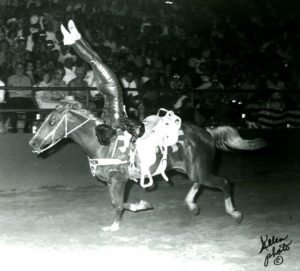
“It was just something that appealed to me – when your heart wants to do something, you follow your dream,” Karen Vold said. “The highlight of my life was as a kid, working the Phoenix Jaycee’s Rodeo since that was my dad’s last rodeo as a clown.”
After marrying Harry, the couple put on many of the country’s biggest rodeos, and at one time they worked rodeos in 11 different states.
“The joke in the family is I’ve been a member (of the PRCA) longer than Harry,” Karen Vold said.
For the last 28 years, she and her former student, Linda Scholtz, have taught trick riding to students from around the world at the Red Top Ranch Trick Riding School in Avondale, about 20 miles outside of Pueblo, Colo.
“As long as they keep coming, I’ll keep teaching,” Karen Vold said. “That’s what you do when you can’t trick ride any more. My family would ask me what I would do when I stopped trick riding and I said I didn’t want to talk about it – so then I became a coach.”
The inaugural PRCA Donita Barnes Lifetime Achievement Award was given to Barnes in 2011.
“I was so pleased when they created the honor in her name because she so rightly deserved it,” Karen Vold said.
Art and Linda Alsbaugh were the recipients in 2012, then Fred and Norma Dorenkamp won it in 2013. Quail Dobbs received the award in 2014, and Cotton Rosser was last year’s winner.
All other year-end PRCA awards will be announced at the 2016 PRCA Awards Banquet, Nov. 30 at the South Point Hotel, Casino & Spa in Las Vegas.
-
College Rodeo Recruiting
It is that time of the year that high school students start looking for the college or University they are interested in attending. Every year College rodeo coaches hear from a lot of students who are interested in their programs. And College Rodeo coaches contact many students about their program. The process can be confusing and sometimes difficult.
Here are a few tips that may help you:
Have a plan for your future.
Know what you want to study. Even if you are just plan on taking general studies for your first two years, have a plan. Most college rodeo coaches want to see you do well academically and it is much easier if you have a plan. When you visit schools the coach should ask about what you plan on studying in your two or four year stay. If you can pick up a copy of the degree plan you are interested in.
Do your research on the rodeo programs you are interested in.
Talk to current and former athletes in the program. Ask the coach about graduation rates or how many students transfer to other schools if it is a two year school. Ask the current students about the coaches and the practices. Check back the past several years to see how well the program has done. How well have the students done after they have been through the program. You can learn a lot from current and former students.
Check your options. There are a lot of schools with good rodeo programs. Don’t go to the first one you look at, or the first one to make an offer. Check different schools, visit with coaches. Go on campus visits, stop by practices. Maybe even go to one of their regional rodeos. At the rodeo you will see different schools, coaches and athletes. Find a fit that is good for you.
Do not let your parents take control of the recruiting/decision process. Speaking for myself and a few other coaches that I know, nothing throws up a red flag more than over involved parents. We want you to choose our school because you want to be here, not because you mom and dad want you here. You will be the one spending several years at the school, make sure it is your choice.
Come to the campus visit prepared. Have thoughtful questions. Ask about financial aid. Ask a lot of questions about practices. Ask about travel money. Ask about stalls. Prepare a list of questions. Don’t be afraid to ask the tough questions. Ask. Ask. Ask. The more prepared you are with questions, the more knowledge you will have to make your decision with.
Narrow your schools down and go on campus visits.
Check out some of the classes; see how many students are in them. Meet instructors in areas that you are interested in studying. Make sure you will feel comfortable at the school. See how well you will fit in with the team. Try the cafeteria. Go by and get an admissions packet. If you have any duel credit classes from high school meet with a counselor to see how they will transfer.
Choosing the right school is a big decision. Most college students just base their decision on academics. As a student athlete you have many more factors that will play into the decision. Take the time to educate yourself and make a decision that will benefit you, hopefully for the rest of your life. The more information you have the easier it will be to make a decision on March 1st._____
C.J. Aragon was named the 2008-2011 Grand Canyon Region Coach-of-the-Year. 2014-2015 WJCAC Coach-of-the-Year, 2016 Southwest Region Coach-of-the-Year, and 2010 National Intercollegiate Rodeo Association Coach-of-the-Year.
-
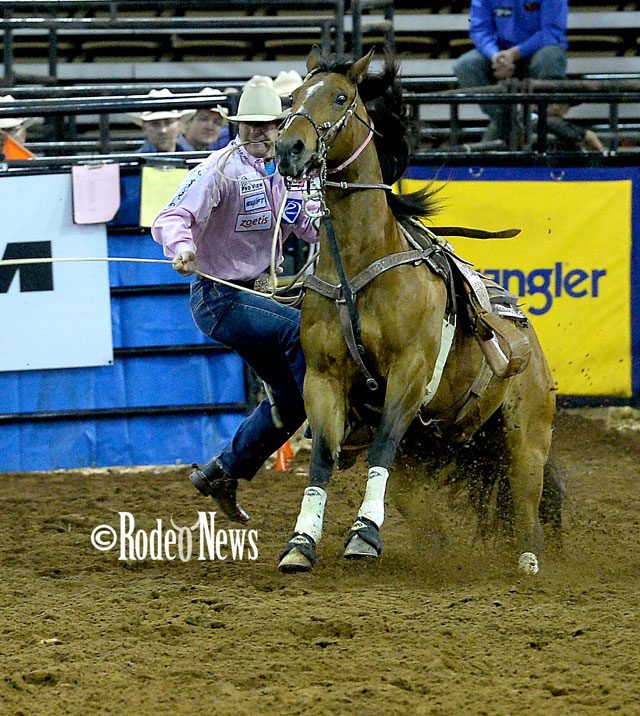
Pasadena title puts Durfey into WNFR
Courtesy of the PRCACOLORADO SPRINGS, Colo. – Tyson Durfey waited until the 11th hour to qualify for his ninth Super Bowl of rodeo. By winning the second round and the average at the Sept. 24-29 Pasadena (Texas) Livestock Show & Rodeo, Durfey jumped from 17th position in the WEATHER GUARD® PRCA World Standings all the way to Las Vegas, leapfrogging Adam Gray, J.C. Malone and Marty Yates. Durfey will enter the Dec. 1-10 Wrangler National Finals Rodeo presented by Polaris RANGER in the No. 14 spot, with Yates holding down the 15th and final position in the tie-down roping. “This is a great feeling,” Durfey said. “There’s a lot of pressure coming into the last week, but we were lucky enough to have some blessings from the Lord and lucky enough to get in there. Now I just want to be home with my newborn baby and my wife and work on the ranch. It’s about as good of a finish as I could’ve asked for.” Durfey also competed in Vegas in 2007-11 and 2013-15. “Even though this is my ninth NFR, it feels like my first,” he said. It took a big-time performance to get the job done. Durfey tied for ninth in the first round in Pasadena to earn just $82, so the pressure was really on for round two. He responded with a 7.5-second run that was the fastest of the rodeo. The team of Zac Small and Wesley Thorp finished second in the team roping at the Ross Kelly Arena, and that allowed Thorp to clinch his first berth in the WNFR, eliminating Justin Wade Davis and Logan Medlin. Small was already safely in the field, so this assures they can rope together on the sport’s biggest stage. Coleman Proctor secured the final spot on the heading side by finishing sixth in the team roping average with Billie Jack Saebens, quashing the challenge of Billy Bob Brown and Logan Medlin. British Columbia’s Jake Watson finished sixth in the saddle bronc riding in Pasadena, while Tyrell Smith failed to place, assuring that Watson will make his WNFR debut this December, one of three Canadians to qualify in the bronc riding, along with Zeke Thurston and Clay Elliott. Bull rider Trevor Kastner’s nice late-season surge fell short in Pasadena, leaving the 15th position to 2011 World Champion Shane Proctor. It was the same story for Jake Rinehart in steer wrestling when he failed to earn checks in either Pasadena or Mona, Utah, so the 15th WNFR spot went to Cody Cabral, making him the first Hawaiian bulldogger to ever make the field, and the first Hawaiian in any event since bull rider Myron Duarte made the last of his eight appearances in 2004. Rinehart, Joshua Clark, Dean Gorsuch, Clayton Moore and Sterling Lambert were all within mathematical striking distance at the start of the week in the tightly-bunched steer wrestling field, and none could get enough done to unseat Cabral. The only WNFR berth that was still open for discussion entering the final night of the PRCA season Sept. 30, was in the bareback riding. After a fourth-place finish in Pasadena, Bill Tutor had moved to within $1,857 of Wyatt Denny in 15th place, and both of them rode in Mona. Denny retained the 15th spot in the standings by finishing second in Mona, while challenger Tutor was fourth there; both had their rides in the last few hours of the season. -
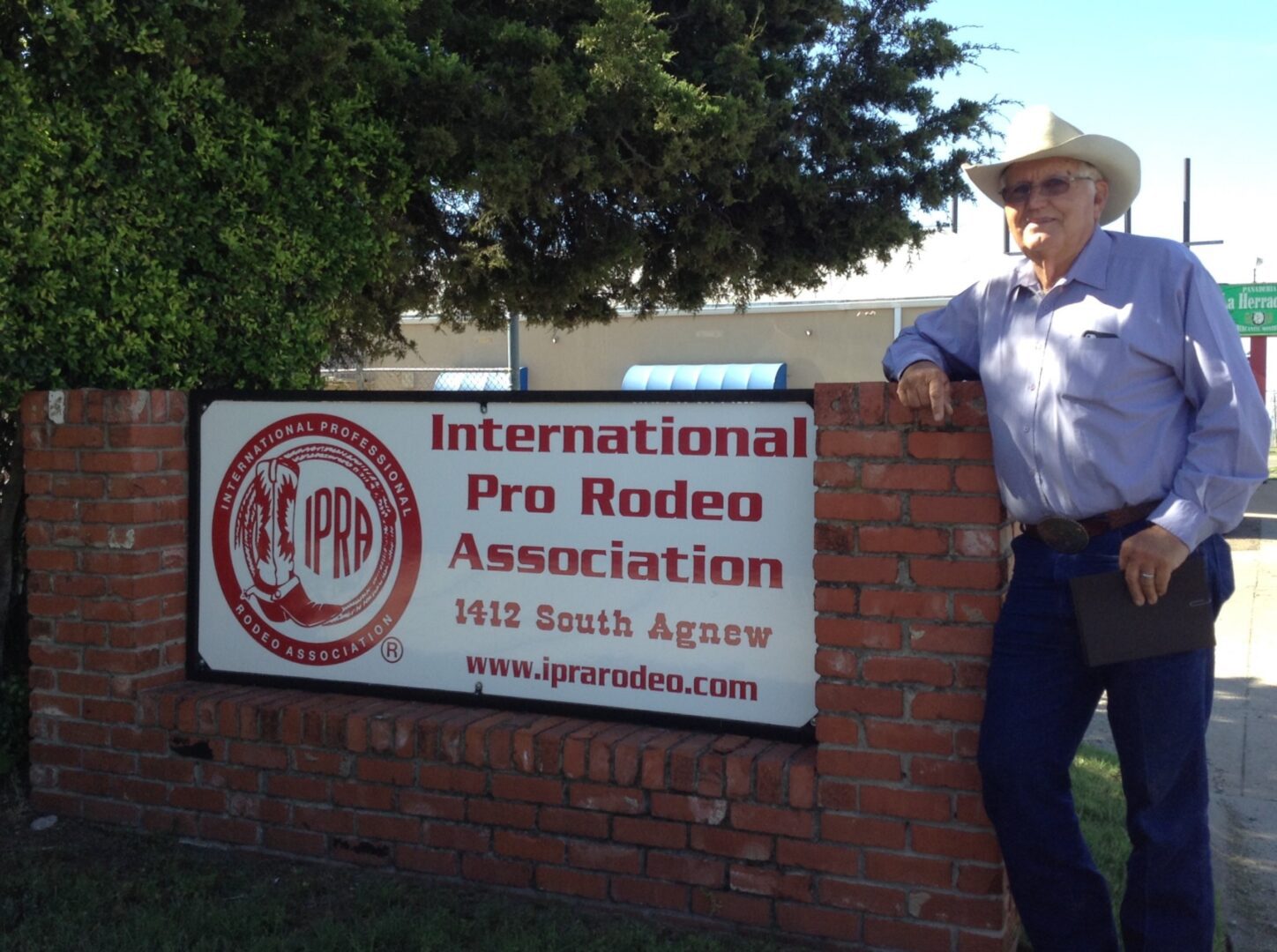
Ken Etchieson
It was the allure of rodeo life that drew Ken Etchieson to the sport.
“I started out just like anybody else. I always had a love and a desire for the sport, enjoyed the people,” Ken said.
He had an uncle who roped, and though he played other sports in high school, Ken was always aware of what it meant to be an athlete in rodeo because he grew up around the cattle industry.
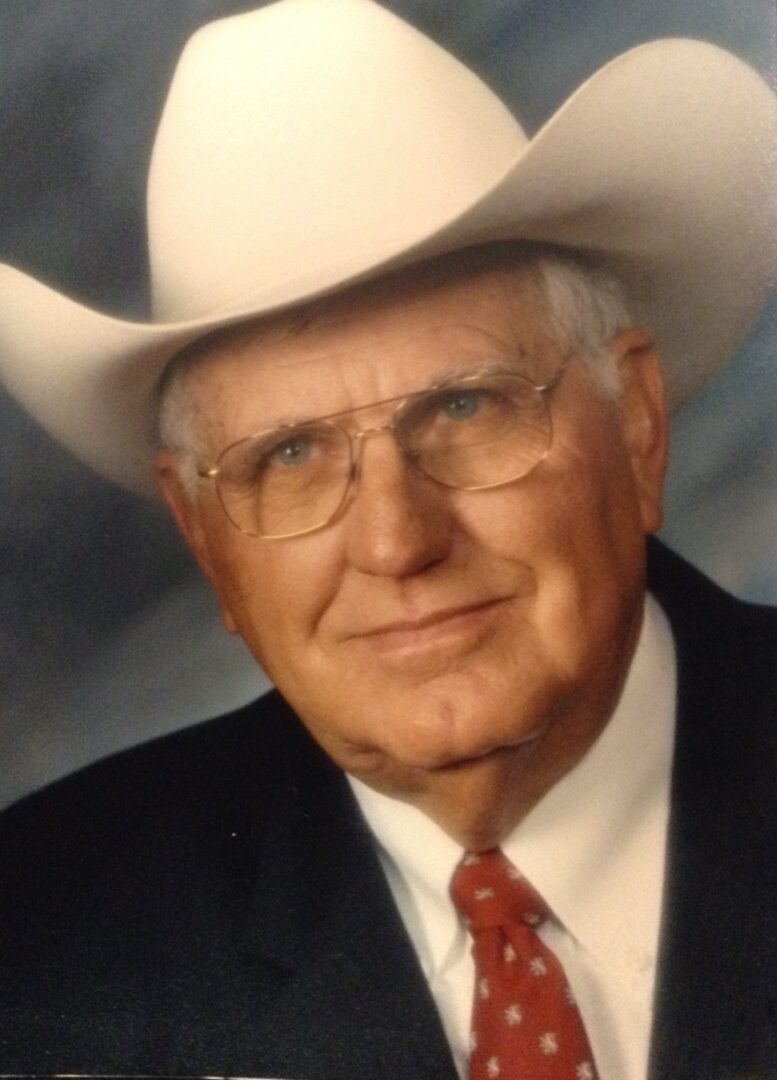
Ken Etchieson Naturally, Ken set out to ride bulls at first, but quickly found he was better behind a microphone than a bull rope.
Ken explained he didn’t have the talent to compete, but clearly, his love of the sport was just as great as any of the athletes’.
“All I could do was talk about it, and therefore, the opportunity came quite by accident to start announcing rodeos through the miniature rodeo association.”
This was back in the early 1960s, and starting with the very youngest in the sport made sense to the also green beginning announcer.
“I figured to get somewhere I needed to start with a group of young people. I had a great affection for them as far as watching them develop, and away we went. I grew up with those kids literally from behind the microphone. So as they matured and went on, so did I.”
This led to an in-depth and varied career in rodeo for Ken, who has been a staple of the International Professional Rodeo Association since its inception. He’s a gold card holder number 5383.
Given his start with the youngest competitors in rodeo, it was only natural that one of his greatest successes later in life would also involve young people. Ken is a founder and creator of the International Finals Youth Rodeo.
Leading up to this was Ken’s longtime work announcing professional rodeo.
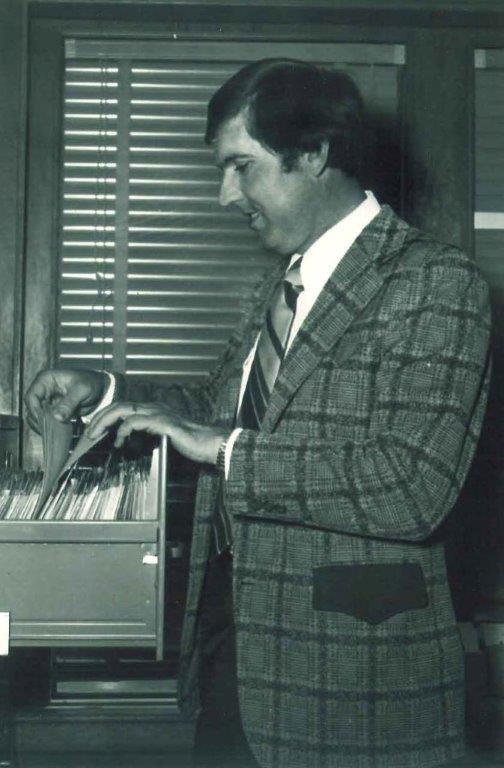
Ken Etchieson “I started announcing a lot of rodeos, and I chased my own gold buckle like a lot of the guys chasing a world championship title. I wanted to go to the finals, and I did, and I got my buckle, but along the way I got involved in a lot of different aspects of rodeo,” said Ken. He announced IFR6, as well as worked as a producer and served as the business manager at the IPRA headquarters from 1973 to 1975.
Rodeo was magic to Ken.
“There was a uniqueness of the era in the ‘70s, the days of Bobby DelVecchio, and Rob McDonald and Dan Dailey. All of those guys I grew up with, and there was a mystique, a wonderment, about them, the way they cooperated with each other and anted up in a truck and traveled. I was envious of that in a way, but I could still tell about it. I could tell about the relationship and try to expand that knowledge to people out there that weren’t aware of what being a real cowboy was all about,” he said and added, “It wasn’t necessarily about riding a horse or roping a calf. It’s an attitude. It’s a culture. It’s a way of life.”
That way of life afforded Ken the opportunity to travel and see a lot of different event facilities at fairgrounds around the country. That experience, coupled with his work back home in the construction field, equipped Ken with the tools needed to create a successful expo center in Shawnee, Oklahoma.
“In order to build the expo in Shawnee the way we wanted it, we needed something big, we needed something to happen.”
That “something big” was the National High School Finals Rodeo, which Ken and his team began pursuing in 1985.
“We went after that with a dream, and through their goodness and the efforts of our community, we built the expo center with the sport of rodeo in mind,” he said.
The impact of the event was good for the community, but the fact that the NHSFR did not have a permanent home and rotated locations every three years, made that impact a temporary one. Ken was already listening to the wants of contestants and parents and formulating something else in his mind, something that would become a mecca of rodeo for youth competitors.
Going off the feedback that contestants were really interested in a rodeo with a direct payout, Ken and his team started the IFYR in 1993 with the help of the IPRA.
“The IPRA became a very valuable partner, because they provided us with a means, a direction to go for personnel, stock etcetera… so there was a marriage there and through their hands-on [participation] that gave us the opportunity to be able to get contestant insurance and make things happen. [The IPRA] gave us a rule book, gave us opportunity.”
Ken did not want the IFYR to be exclusive in that resulting opportunity. He spread the obligation and reward across the rodeo world involving many stock contractors and other personnel.
“The amount of cooperation that all of those people put in to making this thing happen really contributed to its overall success,” he said.
“We didn’t have anyone in the country putting it down, because there were so many people out there trying to make it work.”
Those involved shared a bigger vision through the IFYR, Ken said.
“We let a lot of people be able to come and participate. They were coming for a cause, because they wanted to see the sport get bigger and get better, and we wanted to expose the IPRA to a lot more people.”
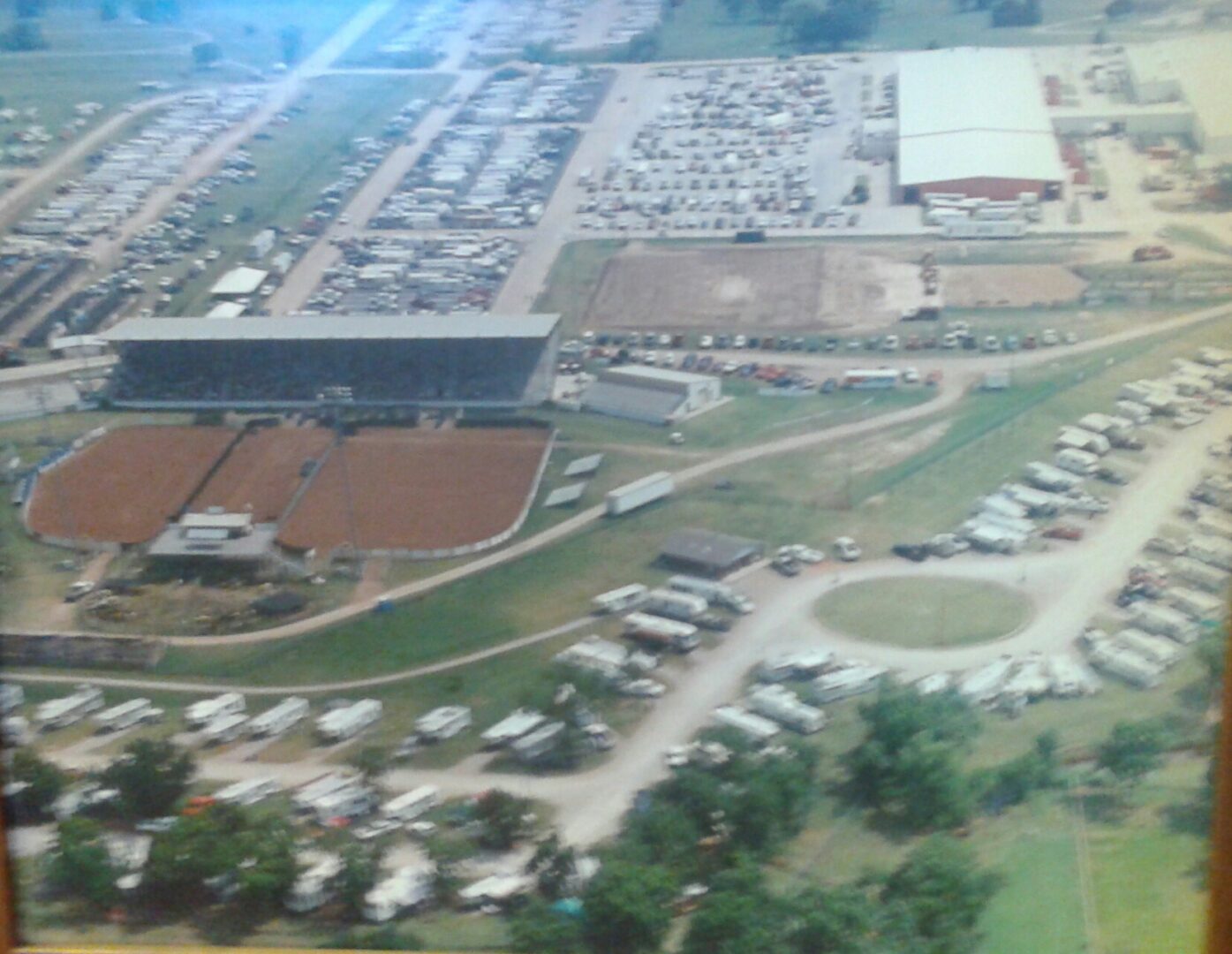
IFYR, Shawnee, OK The IFYR has been a success. Ken’s goal was for the grandeur to become a pinnacle for youth rodeo contestants, and by the sheer size and excitement of the event, that goal has clearly been achieved.
Many contestants have gone on to professional rodeo success in adulthood, but just as important, they’ve become successful in many professions, from the medical field, to politics, to working in finance.
Around 2006, Ken retired to enjoy being with his family, which includes wife Betty of 51 years and three sons, Bill, Russell and Justin, as well as eight grandchildren and two great-grandchildren.
But he still stays involved in rodeo and the IP
RA, giving committee seminars and pondering ways to help continue the growth of the sport he dearly loves.
“It’s a great sport. My involvement with it over the years, the greatness of the people,” he said and added, “On an all-too-often basis I still think about [many well-known rodeo legends]. Those people were dedicated to the sport they loved, and that was the way I was. I loved the sport because of the personalities, the camaraderie, the involvement. They always had your back. They were there for each other. I had a lot of instances to see how they supported each other, and that’s really all that’s about.”