Rodeo Life

Blog

  • Ride Aggressive ~The Fierce Resolve of Ty LaVergne

    Ride Aggressive ~The Fierce Resolve of Ty LaVergne

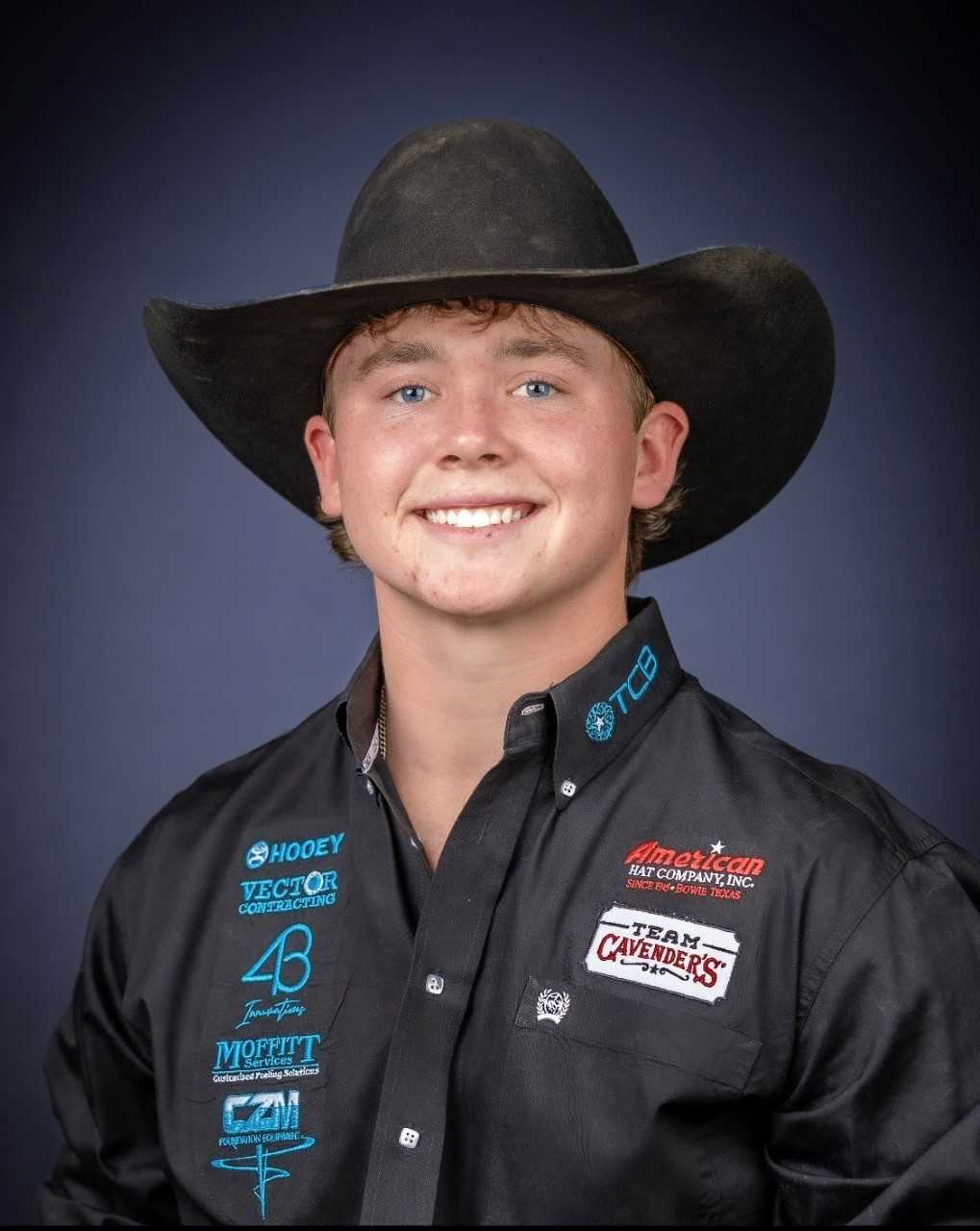
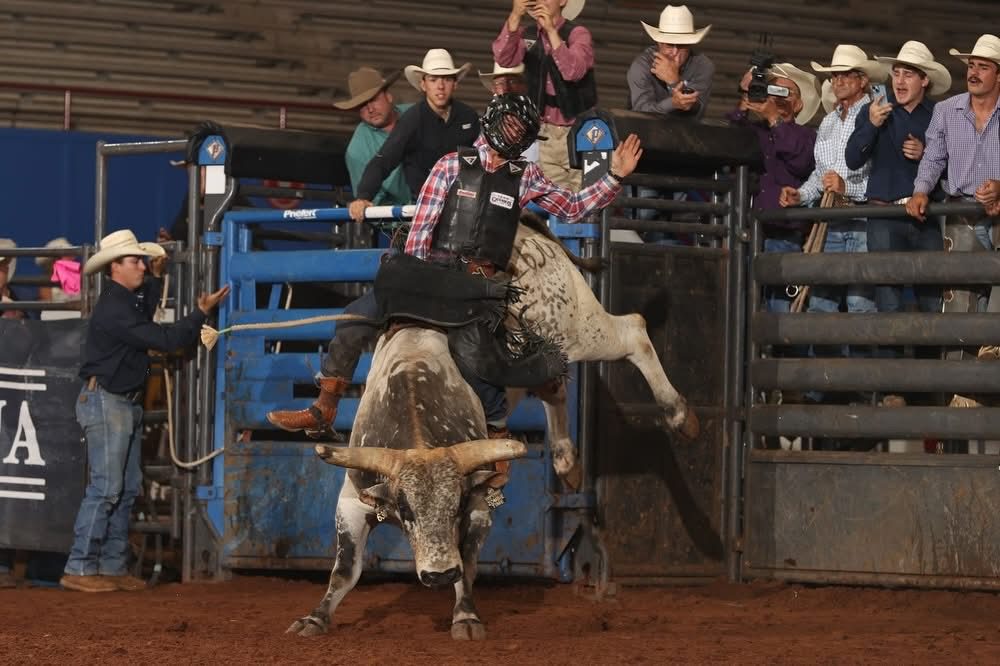
    There’s something steady, not loud and not showy, about Ty LaVergne, just tough minded in a way that doesn’t need announcing. As a Cavender’s team member, he carries that same quiet steadiness with him, the kind that shows up in how he rides and how he represents the people standing with him.

    When I asked him how he would describe himself, he didn’t reach for anything dramatic. “I would describe myself as a confident person, and I know what I am capable of. I am also the one people go to when they need help. Like, say a guy behind the chutes needs a hand, I tend to be the one to help.” That tells you more than a buckle ever could.

    Bull riding doesn’t reward ego for long. It rewards presence, discipline, and the willingness to show up again, especially after you’ve been humbled. Ty knew early this would be his event. “I first realized bull riding was going to be my event when I was young. Probably around 6 years old, I would beg and beg my dad to let me start riding bulls, and he finally gave in, and now here I am today.”

    He didn’t stumble into bull riding. He chased it. “I think the main thing that hooked me to bull riding was the adrenaline rush and the feeling of hearing the buzzer go off, knowing that you rode the bull. It is the greatest feeling you can feel, and words can’t even describe it.”

    Most people stop at adrenaline, but adrenaline doesn’t keep you here. The mind does. “I think bull riding is more mental. This is because someone can be in the best shape possible and still fall off of bulls constantly. If your mind isn’t where it’s supposed to be, then you normally won’t ride very well.”

    When the chute gate opens, there isn’t chaos in his head. “Surprisingly, not a lot goes through my mind when the chute gate opens. The main thing that I tell myself is I’m about to strap this bull. Another way is just having confidence to set yourself up for success and not failure.” That kind of clarity is built over time, and his dad has been central to that foundation. “My dad has taught me about everything I know about bull riding, but the thing that sticks with me the most is riding aggressively. If you don’t ride aggressively, then the outcome isn’t going to be great all the time because it’s a battle between you and the bull every second until you step off of him.” It’s not recklessness or chaos, it’s resolve.

    Freshman year, Ty missed qualifying for nationals by eleven points, close enough to taste it and far enough to sting. “I would say winning High School Nationals is my favorite win because back in my freshman year of high school, I got humbled at the state finals by missing nationals by 11 points. This lit a fire underneath me and drove me to get better and make it to nationals the next year. I ended up winning it, and I felt a sense of relief because I had been looking forward to just making it to nationals, and I tried my heart out and ended up pulling off a win.” Relief is the word he chose, not spotlight or pride, but the kind of relief that comes from answering disappointment with discipline.

    “Bull riding has taught me so much about discipline because it has taught me that if you don’t get on practice bulls, then you won’t get much better because you aren’t fixing what you need to fix and working on your fundamentals. This will start showing at rodeos, getting on bulls is the best way to get better.” Humility, for him, looks like owning the ride, even when it did not go his way, “It has taught me a lot about humility because you don’t always win, and you have to take the losses and learn from them and keep that drive to win.”

    Along the way, Ty has also earned a place as a Cavender’s team member, and he does not talk about that like a logo, he talks about it like a responsibility. He knows he is representing more than himself when he puts his hand in the rope.

    Before every ride, he prays. “I pray before every ride. It brings me peace and lets me know God is protecting me. If it’s his will, it will work out.” In a sport where nothing is guaranteed, not the draw, not the score, not the landing, peace matters. “Everything I have accomplished was because of him.” That perspective carries beyond the arena. “They treat me like family, and I’m grateful to represent them. I’m not just representing a company. I’m representing a family.” The way he describes Cavender’s is the same way he describes the people who shaped him, with gratitude and a sense of loyalty that runs deeper than business.

    When I asked what he hoped people would see when they watched him ride, his answer was simple. “I hope they see that I’m humble and grateful because there are so many kids who wish they were in my position.” And when he talks about the future, he doesn’t just talk about winning, he talks about providing for a family one day.

    The aggression his dad talks about, the kind required for eight seconds on a bull, isn’t reckless. Instead, it’s fierce resolve: full commitment, learning, adjusting, and going again. While bull riding may last only eight seconds, the person it shapes you into lasts much longer.

    Ty’s Accolades/Courtesy of Cavender’s Team:

    2023 LJHSRA State Bull Riding Champion

    2023 NLBRA World Bull Riding Champion

    2025 LHSRA State Bull Riding Champion

    2025 NHSRA Bull Riding World Champion

    2025 Cinch WCJR Junior Bull Riding World Champion
  • Kyle Lucas ~Holding the Standard

    Kyle Lucas ~Holding the Standard

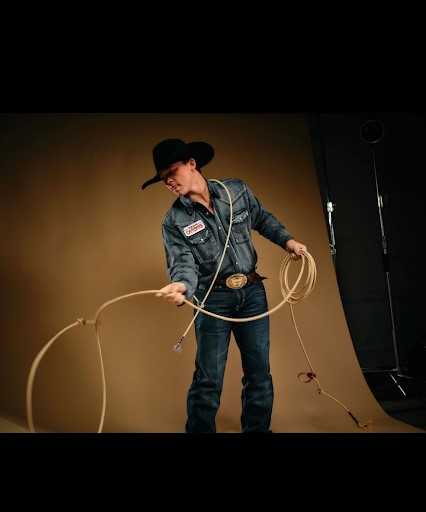
    Canadian tie-down roper Kyle Lucas says his relationship with American Hat Company began years before a partnership was ever discussed. For most of his career, he chose American hats on his own, believing they were the sharpest and most reliable in the industry. He wanted his appearance to reflect the level of professionalism he brought into the arena, and he felt American Hat Company helped him do exactly that.

    “I’ve been wearing American hats for about six years,” Lucas said. He already felt loyal to the brand long before the idea of an official relationship came up. He admired the clean structure of the hats and their consistent shaping. As he traveled from damp Canadian springs to dry summer rodeos across the United States, his hats stayed solid and polished.

    To Lucas, that consistency matters because rodeo athletes represent their sport the moment they arrive at a venue and step into the arena.

    “We have to act like professionals and think like professionals,” Lucas said. “We have to dress like it, too. America is the leader in that.”

    Lucas grew up in Alberta as the son of Canadian standout tie-down roper Joe Lucas. He remembers following behind the chutes while his father competed, watching the standard Joe set in both performance and presentation. Joe retired in 2006 after a final season that Lucas still clearly remembers. Those early years helped fuel the desire that eventually led him into junior rodeos, high school rodeos, and amateur associations throughout Alberta.

    Lucas began in breakaway roping because he was smaller than many of the other kids. As he grew, he fully transitioned to tie-down roping. In 2013, he purchased his Canadian and PRCA cards and qualified for his first Canadian Finals Rodeo. This year, he reached two major milestones: qualifying for his tenth CFR and earning his first Canadian championship.

    Along the way, Lucas developed a close friendship with world champion tie-down roper Tuf Cooper. He spent several winters living and practicing with the Cooper family and credits that time with shaping his roping in lasting ways. Cooper taught him small details that did not always make sense at first but later led to breakthroughs. Cooper also helped connect Lucas with American Hat Company, though by that point, Lucas said he already believed in the product.

    Nothing about the partnership felt forced. Lucas said it developed the same way his loyalty to the hats did, naturally, without a single defining moment.

    Lucas said spending time with Cooper’s late father, Roy, was just as influential. Roy called him weekly or every other week, and each call lasted about thirty seconds. They usually ended the same way, with Roy telling him he was good enough and that he loved him. Lucas said those brief conversations carried weight, especially coming from an eight-time world champion whose belief mattered, no matter how difficult a season felt.

  • San Angelo Makes Format Changes

    San Angelo Makes Format Changes

    Nearly 1,000 contestants had already competed days before last Friday’s opening performance of the San Angelo Stock Show and Rodeo.

    It’s an extensive change in workload for all involved, with contractors, contestants, arena workers and stock show staff spending numerous hours over four days to help run 958 cowboys and cowgirls through their preliminary rounds.

    It’s a distinct format change for the longstanding rodeo, which will be inducted into the ProRodeo Hall of Fame this summer. For several years, San Angelo timed events featured two go-rounds, with the top 12 advancing to the championship round on the final Friday of the three-week event. Barrel racing was the outlier, with all ladies making a first-round run; the top performers advanced to the progressive round, and the best 12 cumulative times advanced to the short round.

    While barrel racers will remain in that format – and breakaway ropers adjusting to the same schedule – the men’s events switched to a two-round progressive, with the top times advancing to the nine preliminary performances.

    “San Angelo has always been a very timed event-friendly town, and we, as a rodeo, have prided ourselves on that,” said Josh Hilton, the rodeo manager for the stock show association. “We’re a community of 100,000 people going up against communities of millions, and we’re trying to attract contestants to town.”

    He’s referring to other Texas stops like Fort Worth, San Antonio and Houston, which features larger populations and have rodeos that are payoff powerhouses. Still, San Angelo adds $45,000 per event. With entry fees, each of the timed events will have a purse greater than $70,000. Changing the format has opened the doors for as many, if not more, contestants to be part of the West Texas rodeo, which has been in existence since 1934.

    “We want to have a purse of over $1 million,” Hilton said. “It’s something we can hang our hat on that we do for the contestants. Another major factor is the fairness of it, especially with how hard it is to get cattle. The last few years, at least nine of the 12 guys in the tie-down roping short round came out of slack.

    “The way I see it, it’s a fairer circumstance to the contestants that we do it this way.”

    That $1 million mark is a stress point for the rodeo’s organizers. A year ago, San Angelo paid out more than $1.43 million. But there’s more to it.

    While the aggregate still comes into play with the final-round qualifiers and the rodeo’s titlists, the new format will be easier for fans to follow, whether they’re in person or watching on The Cowboy Channel.

    It’s better for the rodeo and better for all who experience the San Angelo Stock Show and Rodeo.


  • Fire Doesn’t Extinguish Miller Family’s Faith

    Fire Doesn’t Extinguish Miller Family’s Faith

    Bradlee Miller didn’t spend much time in the Texas capital city celebrating his bareback riding victory at Rodeo Austin.

    Instead, he had more important things to tend to 150 miles east.

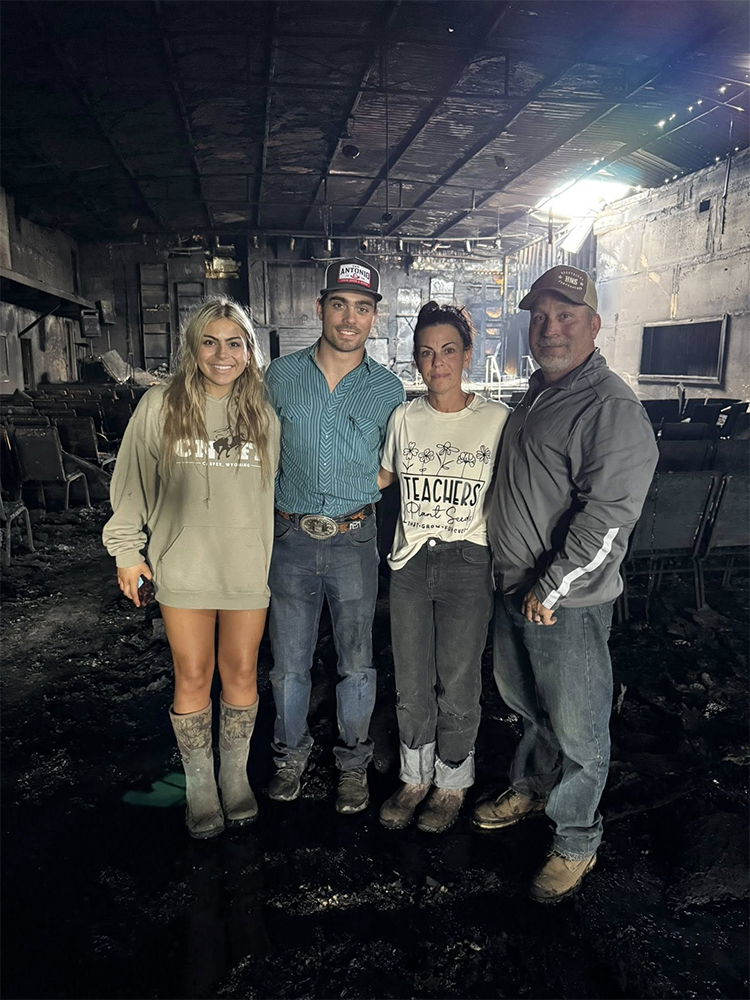
    Not far from his home in Huntsville, Texas, stands the burned skeleton of Branded for Christ Ministry, a church founded by Bubba and Tammy Miller two decades ago. It is a family ministry, involving Bradlee and his sister, Sonilyn.

    The church caught fire last Wednesday, and while there is much rebuilding ahead, the Millers and their congregation still needed to worship.

    “For the last five years or so, we’ve slowly but surely been building a really big sanctuary with classrooms for the school kids, a game room for college kids and youth events,” said Miller, who sits third in the world standings. “We were finishing up the final steps of it. Recently, we added 50-foot wings on both sides of the building for more classrooms for the private school we have. We’ll have worship there Sunday, and then we’ve got a tent donated that we’ll use until we get the building back covered.”

    School also returned to session.

    “I thought it was one of the best lessons they could learn, that no matter the hard times, disappointments and hardships we face, you don’t take a day off,” he said. “Those kids came right back to school, whether they were helping us clean up, doing the little bit of school they could, or just being there for the people who were hurt the most.

    “All the kids showed up with their families, and there’s not an event that’s going to be canceled because of the fire. We’re not letting it affect anything.”

    Resilience is part of it. Faith is, too. More than anything, the Millers and their congregation are determined to let the fire become part of their testimony, not the end of it.

    “My mom and dad started the church in 2004,” said Bradlee Miller, a two-time National Finals Rodeo qualifier. “My dad had a barn that he shod horses out of for years, and he started the church in the alleyway of that horse barn with the horse stalls on each side of the sanctuary. There may have been days when there were only four to six people in it. I know there were some days where the only people at church were me and my mom, and I was in a stroller.”

    Like most churches, Branded for Christ Ministry feels like family. In this case, though, that faith has been built by one family for years and now will be built again.

    In the photo are Sonilyn, Bradlee, Tammy and Bubba Miller. Photo Courtesy of Miller Family

  • A great deal goes into RodeoHouston

    A great deal goes into RodeoHouston

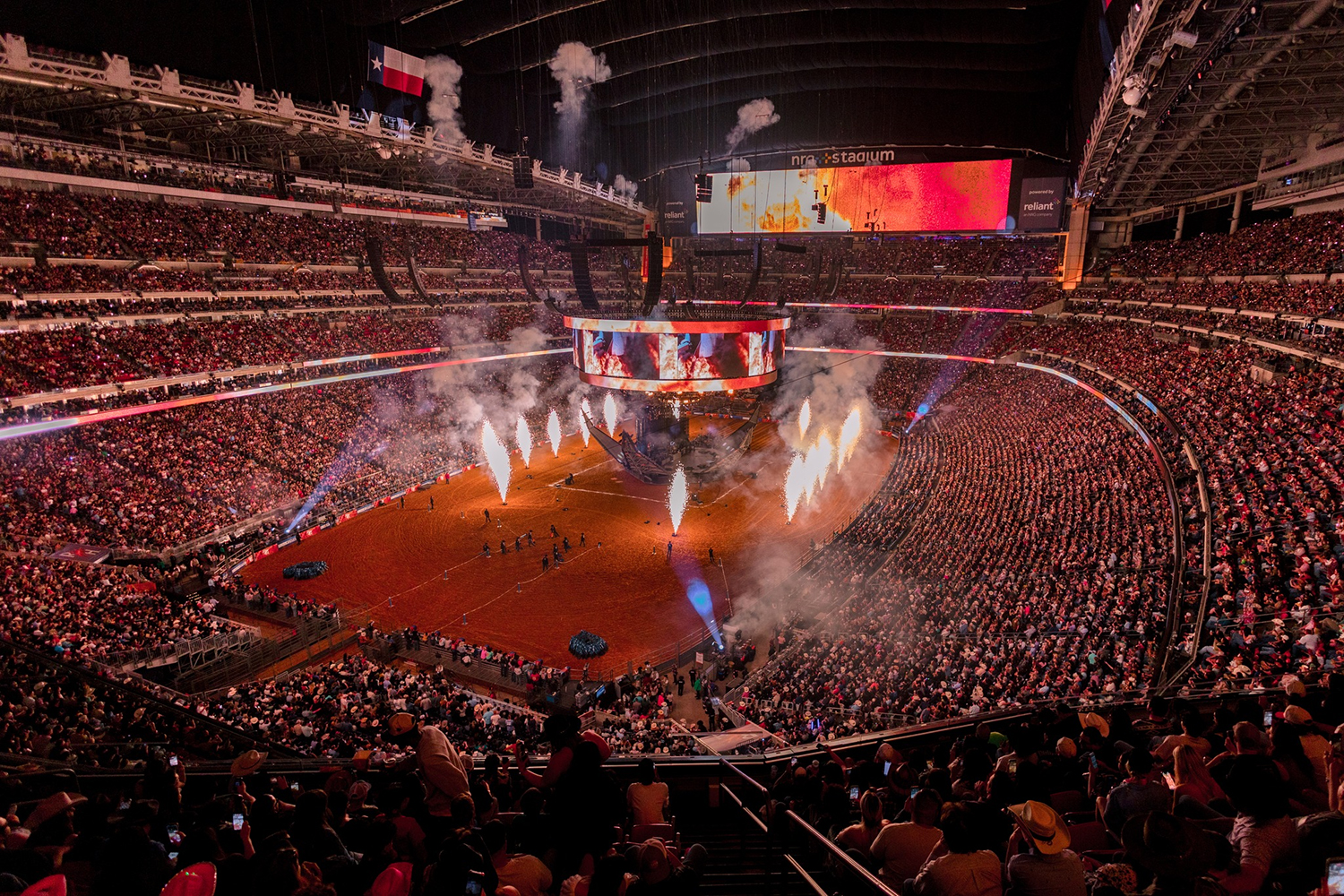
    It’s a 19-day spectacle with a total payout of $2,518,500, with $65,000 awarded to each of the nine champions. It culminated Saturday afternoon with the finale, which featured 10 contestants in each event battling in the championship round. From there, the top four advanced to the shootout.

    That’s where the big money was distributed, with $125,000 per event. That was $1.125 million awarded in one day, but big checks were just the icing on the cake. The batter that baked was filled with colorful characters and amazing feats.

    It’s hard to pick just one thing that stands out, so it’s best to start at the beginning of the four-person round. Houston kicks off each performance with tie-down roping, and the race to the championship was one to remember. The NRG Stadium record was 7.4 seconds, established in 2017 by four-time world champion Caleb Smidt.

    Shane Hanchey, the 2013 world champion, was the gunner and threw his hands in the air in 7.2 seconds. Two ropers later, Kincade Henry was 7.3. The last to rope, Riley Webb – the defending Houston champion and reigning three-time world titlist – beat them both with a 6.5. It was Webb’s third title at the stadium that also houses the Houston Texans.

    “They pushed it, and they made me step it up and go faster,” Webb said in a story I wrote for ProRodeo.com. “So, when they started breaking arena records, I just had to shorten my rope up.

    “I knew I had to try the barrier on, try the start on and just go as fast as I can and throw caution to the wind and let it all hang out. There was no choice.”

    The fans were rewarded with greatness, from Stetson Wright winning the bronc riding title after a ride-off with Shorty Garrett to all four cowboys in the shootout having a ride-off in bull riding. Canadian Jake Gardner was the only man to cover in eight attempts. After finishing outside the top 50 in 2025, the British Columbia cowboy now leads the race for rodeo gold with six months left in the season.

    Kassie Mowry has found a sweet spot at NRG Stadium. She won for the third time and was one of three contestants to repeat, joining Webb and bareback rider Rocker Steiner – all three happen to be sporting 2025 gold buckles. With its massive purse, Houston has a way of being a major push. In addition to Mowry, Webb and Steiner, earnings from the Bayou City helped pave the way for steer wrestler Tucker Allen and breakaway roper Taylor Munsell to win gold buckles last season.

    Maybe the same can happen for breakaway roper Madi Williams, the daughter of eight-time heading champ Speed Williams;steer wrestler Holden Myers, the son of 2001 titlist Rope Myers and grandson of Butch, the 1980 bulldogging champ; and team ropers Korbin Rice and Cooper Freeman.

    We’ll have to wait and see, but we can always look back at this past weekend and remember the greatness.

  • Celebrating the History of Rodeo

    Celebrating the History of Rodeo

    In a year that the Unites States celebrates its 250th birthday, it’s only natural to look at history. From the signing of the Declaration of Independence in 1776 to the 1787 Constitutional Convention to the 27 amendments to the Constitution, there’s a patriotic theme that spreads across this land.
    Rodeo has its own history, and it began about a century after the Founding Fathers signed that acknowledgement of our freedoms. The first recognized rodeo occurred on Independence Day 1869 in Deer Creek, Colorado.
    Before we get into that, let’s take a look at what led to all this. In writing the book “World’s Toughest Rodeo” with Steve Gander, I conducted many hours of research to include a little information on the history of cowboys in America. What I found was fascinating.
    As settlers made their way west of the Mississippi River, there was a ruggedness that came with it. Many were crossing into the Mexican Territory, which included Texas, Oklahoma, Kansas, New Mexico, Colorado, Wyoming, Arizona, Utah, Nevada and California. Vaqueros were prevalent, because they had incredible horsemanship and amazing talent with a rope.
    Their skills were handed on to men who became the first American cowboys, and the ranches that helped tame the Old West needed them. They herded and corralled, then they led the cattle drives to the railheads. Among these outfits were ranch hands who were quite capable, and contests emerged.
    Rodeo’s name is derived from the Spanish verb, rodear, which means to circle or round up. It’s a natural confluence of human competitiveness, amazing skills and a bit of ego.
    The “World’s First Rodeo” in Pecos, Texas, came about July 4, 1883, when two well-known drovers working for outfits that were making their way through town on their respective journeys had earned reputations of being excellent ropers. The exchanges from their cohorts led to a competition to establish the bragging rights for the best cowboy in the Old West. That hot, summer day in 1883 became launching pad to what we see in rodeo today.
    An excerpt from “World’s Toughest Rodeo”: “Like everything in the pioneering life, the daily work became the chessboard by which the cowboys played their games. Who was the best with the rope? Who could rope a steer and tie it down the fastest? Who could ride that bronc nobody wanted to try?
    “The roots of rodeo run deep. In today’s society, it’s a throwback to a way of life but also a tip of the cap to the generations of people who founded this land.”
    Rodeo’s history should be celebrated, while we also honor the champions of today.

  • Mentors almost meant the world to rookie

    Mentors almost meant the world to rookie

    Two seasons ago, Riley O’Rourke was still dipping his toes into ProRodeo.

    He was in the second year of his PRCA permit, a tryout of sorts. Once a cowboy earns enough money on a permit, he is eligible to become a card-carrying member of the association. During that stretch, the young single steer roper had accumulated $19,005 to lead the permit standings in that discipline

    He had planned to follow that with a third year on his permit. He was just 20 years old and in no rush, but he received an intervention that changed everything.

    “Thomas Smith calls and is like, ‘What are you going to do this year?’ and I was like, ‘I’m just trying to get my permit,’ ” O’Rourke recalled. “He was like, ‘Why don’t you buy your card and try to make the finals? You went to 12 rodeos and almost won $20,000, and it just takes $45,000 to make the finals.’ ”

    “That’s when I decided to do that.”

    Smith is a five-time qualifier to the National Finals Steer Roping. He was just one of the mentors who helped guide the fortunes for O’Rourke, who in 2025 finished second in the steer roping world standings as the PRCA Steer Roping Resistol Rookie of the Year.

    “I really didn’t have a choice, because Jess told me I was buying my card, too,” O’Rourke said with a laugh, pointing out that Jess Tierney is the most veteran of his advisers as a 13-time finals qualifier.

    Also in the mix is Billy Good, a three-time qualifier. The trio helped make O’Rourke’s inaugural year of ProRodeo memorable and profitable. O’Rourke spent the first half of his life in Pawhuska, Oklahoma, dubbed the “Steer Roping Capital of the World,” before his family moved to Skiatook, a town about 30 miles southeast.

    During his career-opening campaign, O’Rourke won $151,000 focused on steer roping. About $40,000 came last July, and another $55,000 was secured during the steer roping finale this past November at Mulvane, Kansas. That’s where he experienced all the emotions of playing on the sport’s biggest stage.

    “I was so nervous before my first steer I couldn’t spit,” he said. “That weekend was a mixed deal, because I roped so bad the first day.”

    He rebounded, thanks to his “big brothers,” who were also in the field with him. Smith finished the year sixth in the world standings, followed by Tierney in eighth and Good in 13th. Their protégé led the charge, though, and he’s even more motivated for 2026.

    “I really don’t like getting my ass kicked,” O’Rourke said with a laugh. “As much as it sucks, it still felt pretty good to have a chance.

    “I’ve had a lot of help this winter, and I feel better about my roping now than I did at the finals.”

    ________________________________________________________________________________________________________________________________

    Photo by Robbie Freeman

  • Any Means Possible: Planes, trucks get players from one short round to another

    Any Means Possible: Planes, trucks get players from one short round to another

    About three hours before the championship round of the San Antonio Stock Show and Rodeo, tie-down roper Ty Harris reached out on social media.
    “Anyone have room on a plane or a rig headed from San Antonio to Tucson short round?” asked Harris, a seven-time National Finals Rodeo qualifier.
    Saddle bronc rider Wyatt Casper offered an funny response: “Kade Bruno has a Dodge that can fly lol.”
    It was more than a comedic answer; it was a solution. When their competition ended inside Frost Bank Center, Harris grabbed a backpack and a piggin’ string and loaded into the passenger seat of Bruno’s white RAM pickup, along with young cowboy Jack Mitchell, who was on hand to help Bruno along that nearly 900 miles of Interstate 10.
    “We just jumped in the truck after San Antonio’s short round and put the pedal down; I guess the white Dodge did fly,” Bruno said with a laugh.
    They were just two of a dozen cowboys and cowgirls who made the short rounds at both rodeos. Four of those walked away with the La Fiesta de Los Vaqueros titles: bareback rider Jess Pope, tie-down roper Shane Hanchey, barrel racer Emily Beisel and steer wrestler Stetson Jorgensen. Bruno won the short round and moved up to share fourth in the bronc busting average.
    Before grabbing Harris as hitchhiker, Bruno had reached out to Jorgensen and Pope to see if they’d have interest. Both had flights arranged, so they pulled the plug rather quickly.
    “After the Florida run, my wife, son and I drove out to Tucson so Kellie could run barrels Tuesday morning in slack, so they were already in Tucson,” Jorgensen said. “It didn’t matter what I did in San Antonio; I was going to fly back. Kade was trying really hard. He said, ‘You don’t have to drive or pay for fuel or nothing; just sit over there.’
    “I said, ‘Man, I’m going to go to my hotel room and get a good night’s rest, and I’ll see you in Tucson in the morning.’ ”
    Many seemed to have skipped the 12-hour jaunt on the interstate, opting for flights. For his part, Harris put in the miles with Bruno, and the two found easy conversation.
    “Talking with Ty was really fun,” Bruno said. “Throughout my years of rodeoing, I’ve only ever given a ride to a handful of timed-event contestants, and it’s usually so busy in the summer that we don’t have time to visit then. It was cool to be able to sit down with somebody like that and visit about different events and different aspects of rodeo.”
    Harris didn’t stay in the pickup for the return trip to Texas. Instead, he caught a flight for Houston, where he was to compete in Monday’s opening night. That’s when Mitchell’s part of the trip came in handy. 
    “When we left San Antone, I took the first six hours, and Ty took the next six, and I saved Jack for the ride home,” Bruno said. “Right after the rodeo, I went to sleep and had him drive the first eight hours and made it home in pretty decent time.”
    It served as just a little taste of what contestants will experience during the busiest times of the summer run.
    “Yeah, it’s a little early (in the season) to catch flights, but thankfully we didn’t have to charter anything,” Jorgensen said.

    Big money is on the table, so getting a seat is important by any means possible.

    __________________________________________________________________________________________________________________________________
    Photos by Fernando Sam-Sin (La Fiesta de los Vaqueros in Tucson)
  • Audrey Bridges ~ Steady Hands, Sure Confidence

    Audrey Bridges ~ Steady Hands, Sure Confidence

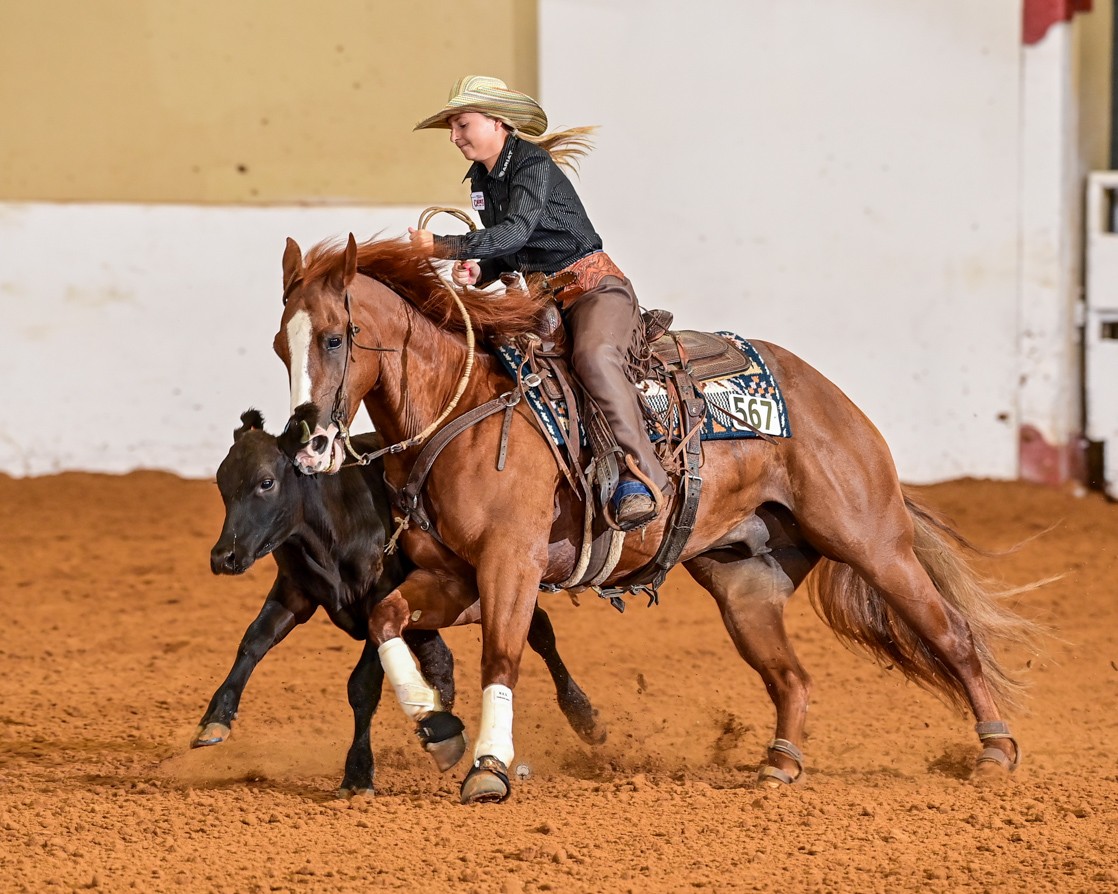
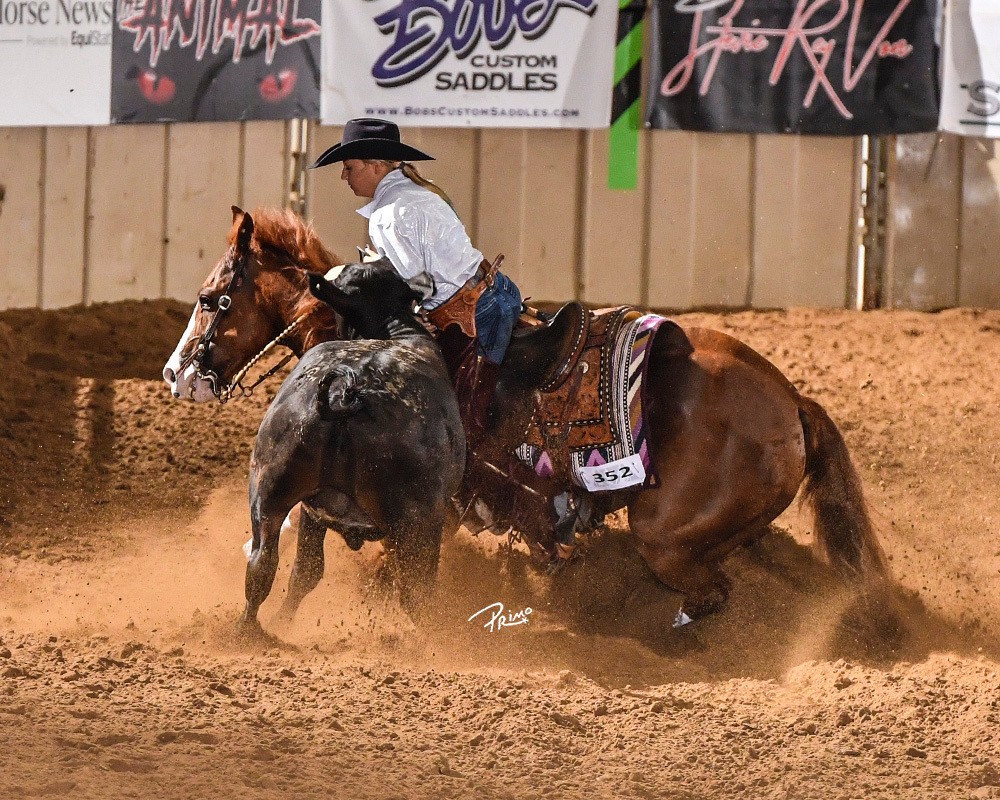
    Photos by Primo Morales Photography

    At sixteen, Audrey moves with a composure often reserved for seasoned riders. She did not rush there. She has learned to tune into her horse, to the voices that matter, and to the quiet insights competition reveals when no one is looking. As a committed member of the Cavender’s team, she recognizes that what you bring to the arena weighs as much as what you do inside it.
    Though Audrey lives in Oklahoma today, she grew up in Texas, and horses have been part of her life from the beginning. By age seven or eight, she was already showing cow horses at local cowboy competitions. One particular run stands out, not for a trophy, but for the clarity it provided.
    This is it, she remembers thinking. This is what I love.
    Today, Audrey competes in reined cow horse, reining, and barrel racing ~disciplines requiring feel, timing, and composure. However, when asked about her greatest challenge, she does not mention the run itself.
    “It’s the waiting,” she says. “Sitting back there, listening to scores, counting riders. That’s the hardest part.”
    Before she goes in, Audrey leans on routine. Music, especially Christian music, helps her settle her mind and refocus on what matters.
    “It grounds me,” she explains. “It reminds me why I’m there.”
    It’s not only the rhythm, but it’s also the truth in the words. It refocuses her spirit and brings her back to center. That grounding shapes her view of confidence ~it is humility and preparation. “You have to stay humble,” she says. “People remember how you treat them, not just how you place.”
    Audrey’s horse, Shiny Little Rey “Rey-Rey”, is a seasoned quarter horse with cutting and reining bloodlines, never needing micromanagement. “He’s taught me to leave him alone,” she says. “He knows his job. I’m there to guide him, not control him.”
    Audrey is more hands-on than people expect, often doing her own tuning and small adjustments, a skill she has developed over time, through practice and good instruction. “I can feel when something’s off,” she explains. “A shoulder leaning. A balance shift. Even if someone watching can’t see it.”
    It is an intuitive skill. She considers it a blessing, and she has learned to trust it.
    That trust extends to how she handles setbacks. She recalls a competition where a difficult cow kept her from a top finish. Though disappointed, what stayed with her was the encouragement of an older competitor, who reminded her that one run does not define a rider. “That meant more than winning,” Audrey says.
    When frustration rises, Audrey resets the same way each time ~by riding. “I’ll just saddle up and walk him,” she says. “The arena, the pasture, anywhere. My mindset fixes itself pretty fast.”
    Her achievements reflect her steady approach. Rather than seeking the spotlight, she has built a record of quiet excellence and reliability.
    She earned the title of 2022 Reined Cow Horse World Champion, followed by a third-place finish in the World Youth Cow Horse standings in 2023. That same year, she claimed the UPRA Junior Barrel Racing Championship. In 2024, she placed third in Reined Cow Horse and went on to win the Wild Rag Classic Reined Cow Horse Circuit Championship. Her momentum continued in 2025 with a first-place finish at the Wild Rag Classic Reined Cow Horse, along with the title of SRCHA Youth Bridle Champion.
    Audrey carries the Cavender’s name with intention. It means showing up as part of a team: how you treat people, handle pressure, and respond after a win. “It’s not just a sponsorship,” she says. “You’re part of a family, and you represent that everywhere you go.”
    Criticism, when it comes, is filtered carefully. If it is untrue, she lets it pass. If it is worth learning from, she considers it. She does not let it define her. “There will always be people cheering for you,” she says. “And people against you. Sometimes, just because you won.”
    Amid these experiences, another transition emerges. What matters most to Audrey is the reputation she is building. “When someone mentions my name,” she says, “I want them to say I’m kind, that I work hard, and that I treat everyone the same.”
    For Audrey, responsibility means daily discipline. She chooses a strong mindset and a positive attitude, displaying quiet maturity that needs no announcement. Just as she rides by feel, she lives with purpose: attentive, grounded, and undistracted.
    For a sixteen-year-old with steady hands, sure confidence, and a deep respect for her horse, the future is not rushed. It is steady.
    And that may be her greatest strength of all.

    Audrey’s Accolades

     
    2022 Reined Cow Horse World Champion
     
    2023 3rd in the World Youth Cow Horse
     
    2023 UPRA Junior Barrel Racing Champion
     
    2024 Reined Cow Horse: 3rd Place
     
    2024 Wild Rag Classic Reined Cow Horse: Circuit Champion
     
    2025 Wild Rag Classic Reined Cow Horse: 1st Place
     
    2025 SRCHA Youth Bridle Champion
  • What is rodeo? Is it competition? Is it entertainment?

    What is rodeo? Is it competition? Is it entertainment?

    Like all professional sports, rodeo is a combination of both. Fans are drawn to the competitive nature of sports, the drive to excel athletically over an opponent, whether that’s a Seahawks’ enthusiast cheering for Seattle to win the Lombardi Trophy or an old cowboy in New Mexico hoping Stetson Wright adds to his collection of Montana Silversmiths gold buckles.

    But there is a delightful tone to sports. There’s a reason why the Oklahoma City Thunder has dance teams, why there are Dallas Cowboys Cheerleaders and why there’s an elaborate Super Bowl halftime show. There are hotdog races at major league ballparks and members of the audience getting a chance at big money by sinking a half-court shot at college basketball games.

    Tom Brady earns $37.5 million as an on-air talent during football games. He works, in essence, 20 weeks a year, which breaks down to $1.875 million per game. Why? Because his pedigree of seven world championships lends credence to his analysis during a game. It’s entertainment as he converses with play-by-play announcer Kevin Burkhardt throughout every broadcast.

    In rodeo, there are plenty of sideshow pieces to accentuate the competition, from rodeo clowns to public-address announcers to specialty acts. It’s a proven commodity that’s been tested over time. Well-produced rodeos feature seamless transitions from bareback riding to steer wrestling and eventually to bull riding.

    Video replay has played a big role helping keep an audience captivated. It started 43 years ago at Houston’s Astrodome, and other stadiums started picking it up from there. The Gund Arena in Cleveland or the Met Center in Minneapolis have utilized them since the 1980s. Rodeo began utilizing replay more in the early to mid-2000s.

    Video boards are just another topping that is the pizza of sports. It provides more interaction between teams and fans, whether it’s a QR code sending viewers to a poll on screen or the “Kiss Cam.”

    Rodeo exemplifies a crowd’s experience because of variety of events and man-vs.-beast mentality of the game. It shows a magnitude of athleticism, from a bull rider countering the G-force on top of a 1,600-pound bucking machine to a tie-down roper scurrying down the line to the calf or the muscles expanding when a world champion bucking bronc displays its raw power in competition.

    When it’s folded together into a two-hour performance, rodeo is entertainment at its finest.

    ________________________________________________________________________________________________________________________________

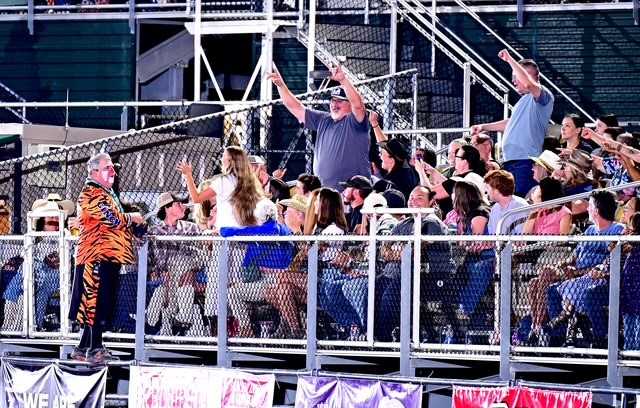
    Crowd members dance with veteran rodeo clown Cody Sosebee during Utah’s Own PRCA Rodeo this past September in Salt Lake City. 
    PHOTO BY JENNINGS FAMILY PHOTOGRAPHY
  • Northwestern Oklahoma State Bulldoggers Share Fort Worth Crown

    Northwestern Oklahoma State Bulldoggers Share Fort Worth Crown

    Alva is a community of about 5,000 people and a small college, Northwestern Oklahoma State University.

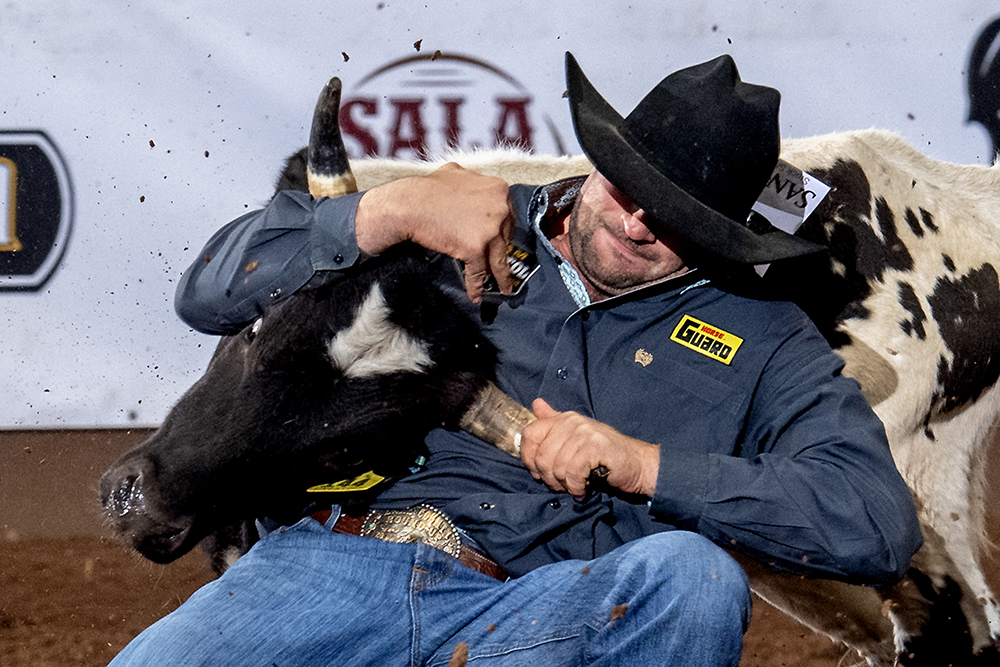
    It’s also been a home to Bridger Anderson and Trisyn Kalawaia, who shared the steer wrestling title at the Fort Worth Stock Show & Rodeo this past Saturday night. In the tournament-style format, both stopped the clock in 3.8 seconds. Each man cleared more than $20k for their Texas adventure, with Kalawaia clocking out with $20,625 and Anderson snagging $23,400.

    “Bridger’s one of my really good friends,” said Kalawaia, 23, of Hilo, Hawaii. “We hang out together a bunch, and just being from the same school and coming out to split the win in Fort Worth is really cool. I wish I could have just won it by myself, but to do it with a good friend was fun.”

    Kalawaia moved to the mainland for rodeo, with his first stop being at Central Arizona College. While there, he made the 2021 College National Finals Rodeo as a freshman. That was Anderson’s senior year at Northwestern, two years after Anderson won the intercollegiate bulldogging title on Whiskers, the horse he still rides.

    “Trisyn rode Whiskers at the college finals one year when he was going to school in Arizona,” said Anderson, 27, of Carrington, North Dakota. “I told Trisyn about Alva and said, ‘We don’t do anything but bulldog, play cards, and go to school, but if you want to get better, this is the place to go.’ ”

    Kalawaia followed that lead. Anderson stuck around Alva a few more years before heading off to Millsap, Texas. The duo practiced together and shared a bond. Both studied under the tutelage of then-coach Stockton Graves, who not only trained them but traveled with them while they were learning the lessons of professional rodeo. It’s worked for others, including two world titlists –Jacob Edler in 2020 and J.D. Struxness in 2024– and a handful of others who have made the NFR.

    “Stockton taught us a lot of things, especially how to rodeo and how to be confident,” Anderson said. “He did it leading by example, and he’s a stud. He’s an awesome mentor.”

    That’s how Northwestern became the “Bulldogging Capital of College Rodeo” and why some of steer wrestling’s best have found a home in Alva. Alas, that’s another nice tie between the two Fort Worth champs.

    “I actually bought the house Bridger and (Riley) Westhaver were living in, and I still live in that house,” Kalawaia said with a laugh.

    Fort Worth marked the biggest victory in the young Hawaiian’s career, but it’s also a stepping stone he can use to build a fortress. He and Anderson are hoping to climb every stairway they can.

    “I think Trisyn would say the same thing,” Anderson said. “We wouldn’t be where we are in our careers if it weren’t for Alva.”

    _______________________________________________________________________________________________________________________________

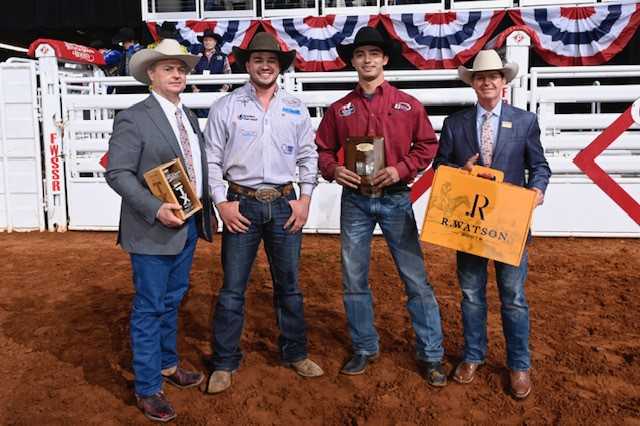
    Flanked by the Fort Worth Stock Show & Rodeo’s Matt Carter, left, and Philip Williamson, right, steer wrestling champions Bridger Anderson, second from left, and Trisyn Kalawaia pose with some of the rewards. 
    Photo by James Phifer 
  • The Cost of Doing It Right

    The Cost of Doing It Right

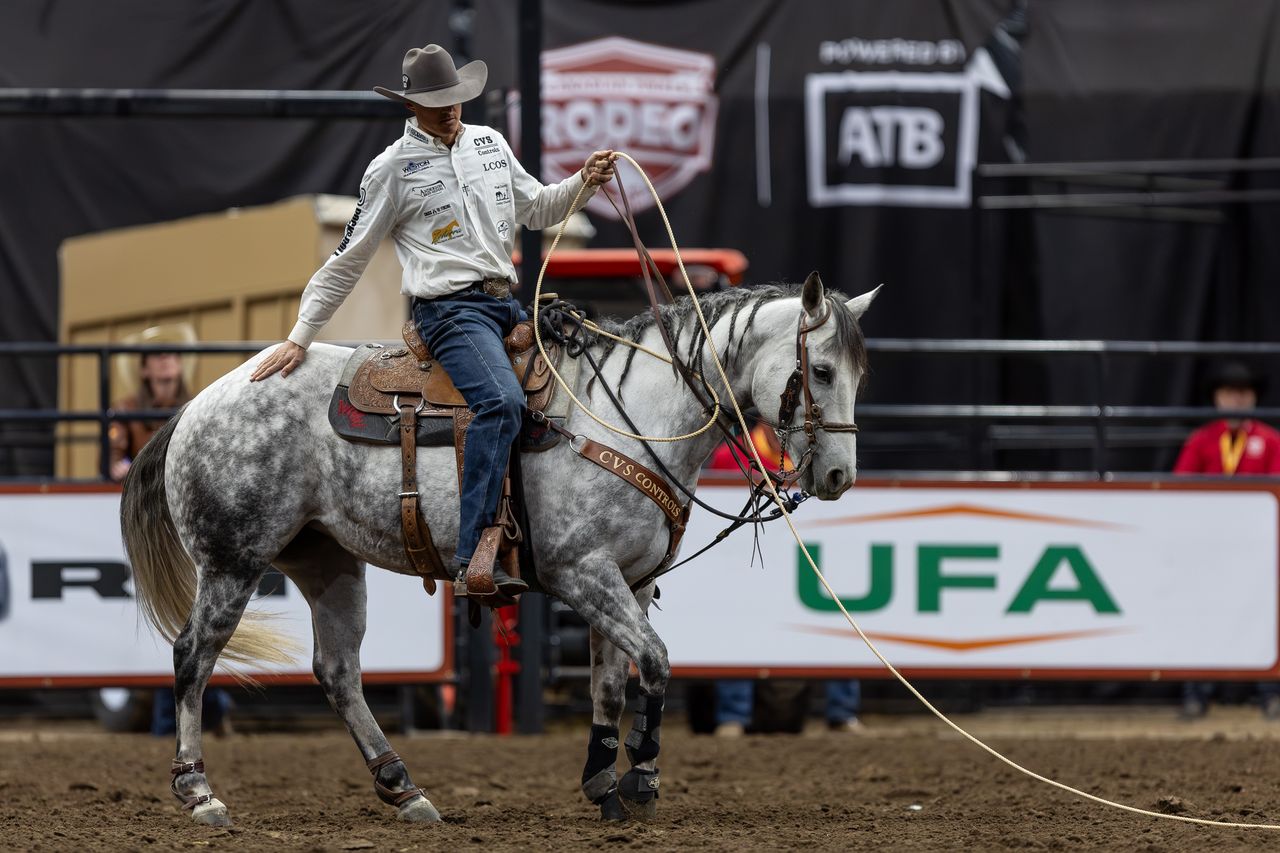
    by Lori Bizzell | Photos Courtesy of Cavender’s & Trevor Bentley

    There is a kind of strength you cannot time.

    There are some young men who rope with talent, and there are some who rope with a deeper kind of strength, the kind you cannot fake. Trevor Bentley is one of those. The more I listened to him, the more I kept coming back to this simple truth: his gifts show up in the arena, but his character shows up everywhere.

    It is also why Team Cavender’s fits him. Cavender’s is known for quality Western wear, but the Team Cavender’s program is about more than a logo. It is about investing in the next generation with leadership, character, and the kind of work ethic that keeps rodeo strong.

    Long before rodeo became the center of his world, Trevor had another dream that ran just as hot. Baseball was his first love, and it was no passing interest. It was a real pursuit, tied to family history and real opportunity. His dad had offers to go pro, his grandfather played in the minors, and you could tell that competitive fire and that respect for the spotlight was in his blood. But somewhere along the line, rodeo did not just replace baseball. It became the thing he was willing to give his whole heart to. He said it plainly: when he is into something, he goes all in. That kind of single-minded dedication is rare, and it is one of the first places you can see perseverance starting to form.

    And yet, dedication does not always get recognized the way it should. Trevor has felt that.

    People see a win and assume it was luck, like it was handed to him, or he just happened to be the lucky one. He admitted it used to get to him. “But when I started taking this sport seriously, I learned that it is not the case anymore. All of the blood, sweat, and tears put into this sport are no joke. Between the thousands of hours in the practice pen and the 20-hour drive to Vegas, you learn very quickly that it takes a lot of work to go anywhere in rodeo.”

    That is honest, and I respect that kind of self-awareness in a young man. But what I admire most is what he did with that pressure. Instead of letting it harden him, he let it refine him. He learned early that there is a difference between being seen and being built. Around twelve years old, after winning the Patriot, he realized people were not seeing the qualifiers, the practice, the timing, and the planning that went into that moment. They were only seeing the outcome. So, he decided to keep his head down and keep working, to be patient, faithful, and endure.

    That same steadiness shows up in how he talks about advice and in the kind of voice he allows to shape him.

    The best advice Trevor has ever received came from his mom: “Listen more, talk less.” That one sentence carries a lot of wisdom. It takes humility to listen. It takes discipline to be teachable. It takes self-control to stay quiet long enough to actually learn. Trevor has taken that to heart, especially in a sport where growth depends on openness to correction and a willingness to adjust. And because he is learning discernment, he has also learned what not to listen to. He remembers the worst advice too, the kind that sounds strong but is actually pride dressed up as confidence: “We do not need to listen to anybody, we will figure it out.” Trevor knows better. He values an outside opinion. He understands that talking through a run matters. He is not trying to prove he is above learning. He is trying to become the kind of man who never stops growing.

    You can also see his maturity in the way he handles disappointment.

    When things go wrong at a rodeo, Trevor does not stay stuck. He resets. His first instinct is prayer, and that tells you where his peace comes from. Then he calls a friend, and I love that about him, because it shows he is grounded enough to lean on the right people. He said they never fail to make him laugh, and that laughter clears his head. That is knowing how to return to the center rather than spiral. A young man who does not need to perform for the world, because he is secure enough to be real.

    And while Trevor’s mindset is strong, he is just as serious about the skill.

    When he looks back at his roping from even two years ago, he sees a major difference in his hand-eye coordination and his ability to manipulate the rope. He has learned through experience that roping is not magic. It is repetition. It is time. It wants it badly enough to show up for the hours nobody sees. He said plainly, “There are no shortcuts.” That is not just a rodeo principle. That is a life principle. It reveals diligence and long-suffering, the willingness to stay with the process until it produces something real.

    What stood out to me even more is the part of his work that most people do not notice: his horsemanship.

    Trevor knows you cannot rope well if you are not riding correctly. He respects the horse and the partnership, and he understands the level of skill it takes to make your horse do what you need while you are roping at speed. He called it an art, and he meant it. That is a kind of quiet excellence. It is faithfulness in the hidden places. It is stewardship. It is doing the unglamorous work because it matters, not because it gets applause.

    That same inner steadiness is what shows up when the pressure rises.

    Trevor has learned how to handle the moment when the run has to count. He does not deny the nerves. He uses them. He treats it like an opportunity. When he feels that wave come over him, he turns it into intensity and confidence, not reckless, but focused. He understands that rodeo has a big mental side, and he has learned how to manage it. He said he thrives under pressure. That is self-control. That is clarity when everything in you could want to rush.

    Of course, pressure does not only come in the box. Sometimes it comes through pain.

    One of the hardest seasons Trevor walked through was the end of eighth grade, heading into his freshman year, when he tore his ACL at the TYRA finals. His horse was ducking off a little in the tie down, and Trevor told himself it would be fine, like the other times when he tried to cut a corner. But this time it cost him. That injury took away his freshman year of rodeo, and that kind of setback could have made him bitter. Instead, he came back stronger for his sophomore year. It made him wiser. He learned not to take shortcuts, not in the arena and not in life. Learning to make sure everything is right. He understands there is a balance between competing to win and roping the way it ought to be roped. Some situations call for smooth fundamentals, clean and steady. Other situations require him to apply pressure, to push the pace while still staying anchored in what is right. He has learned that too much speed can become a trap, especially in calf roping, and he lives by a saying that holds more truth than people realize: slow is fast.

    That truth has also shaped him outside the arena, especially in his discipline.

    Trevor learned the value of money early. Around the age of 12, he started paying his own entry fees. As he got older, he has taken on more, including the feed and the real costs of living this life. That is not just responsibility, it is stewardship. It is learning to value a dollar, to respect what it takes to sustain a dream, and to carry yourself with maturity rather than entitlement.

    But beyond the work ethic and the skill, what moved me most is the kind of man Trevor is becoming.

    He said it simply: a hardworking, God-fearing man. God first. And you can tell his mom has been a powerful shaping force in that vision. He looks to her as his example of character because even when she is tough, she does the right thing. As opportunities and recognition come, Trevor works to stay grounded. He remembers where he started. It was not long ago that he was slick horning his first steer. He keeps perspective through prayer. He keeps his heart in the right place by remembering that every person starts somewhere, and none of us is as above it as we can be tempted to think.

    Trevor’s faith is not something he pulls out only on big days. It shows up in the way he competes, the way he thinks, the way he defines success. He believes it is all in God’s plan. He goes out and does his job to the best of his ability, and he leaves the outcome in God’s hands. He is learning focus. He is learning not to get greedy. He is learning how to surrender the results while still showing up.

    To Trevor, success through a faith lens looks like this: not falling apart when things do not go right, because God is still God. That kind of perspective does not happen overnight. It takes trust. It takes repeated surrender. It takes a steady return to prayer when things feel heavy or uncertain. He told me, when it is hard, he prays and says, “I am going to go do my job to the best of my ability, and it is in Your hands from there.”

    He is not letting rankings or results define him. He said it plainly: it is just money, it is just roping, nothing surpasses the Lord our God. And I love that he is honest about the practical pieces that help him stay there, too, like friends who can make him laugh and remind him who he is when the world tries to shrink him down to a scoreboard. If a younger kid were watching Trevor and asked what matters most, his answer would be simple and strong: have faith in God and do your best. Be happy you are there doing it. One rodeo does not define you. This understanding takes the weight off a young person’s shoulders and puts it back where it belongs.

    I asked Trevor what he hoped others would remember about the kind of presence he carried, and he told me, “I hope they remember how fun I was. I like to have fun when it is time to have fun, but I am very serious when it is time for that too. That is how I am at rodeos. I work hard, and I am nice to others.” That right there is the kind of legacy that lasts, not just because of what he won, but because of how he lived.

    Right now, outside of rodeo, God is teaching Trevor something that will protect him for the rest of his life: to trust His plan, and to let things roll off his back like water off a duck. A young man learning how to stay steady, keep his eyes forward, and live from a place deeper than the moment.

    He is becoming the kind of man you can trust. Because talent is common. But a young man with discipline, humility, joy, integrity, and real faith is rare. By investing in young leaders like Trevor, Team Cavender’s helps build the future of rodeo the right way, because when a brand chooses to stand behind character, it strengthens more than a career. It strengthens a culture.