Rodeo Life

Category: Articles

  • Yesterday’s Rodeo: God Loves a Thankful Heart and Celebration

    Yesterday’s Rodeo: God Loves a Thankful Heart and Celebration

    The first Thanksgiving celebration was the Lord’s last supper with Jesus and his twelve disciples in Jerusalem. What a glorious time of fellowship! God calls us blessed! “Blessed are your eyes because they see and your ears because they hear.” Matthew 13:16

    Texans celebrated the first Thanksgiving according to a 1992 resolution passed by the Texas Legislature. It was held in North America on April 30, 1598, near El Paso, Texas. Thanksgiving day
    is one of the most precious holidays we have been given. In God’s Word, the Holy Bible, He assures us that we have salvation by grace through faith in Jesus Christ.

    The apostle Paul writes us in Ephesians 2:8-9 “For it is by grace you have been saved, through
    faith—and this is not from yourselves, it is the gift of God— not by works so that no one can boast.”

    Wow, isn’t this something to be thankful for, along with the Holy Sacrament of Communion, when
    we remember Jesus’ sacrifice on the cross for each of us? Today, when we understand all that we must be thankful for, we can enjoy Thanksgiving with even more appreciation.

    On October 3, 1863, our 16th president, Abraham Lincoln proclaimed the last Thursday of each November to be Thanksgiving Day. It is a time of joy to be with family and friends, sharing gratitude for God’s blessings and abundance. Thanksgiving is a bit more than that for a rodeo cowboy like me. Every time I can walk away from a near-death disaster from hanging up, or a crazy bull, or a wild bronc that fell or rolled over on me, I am saved and will live another day to be thankful for the life my Lord has given me!

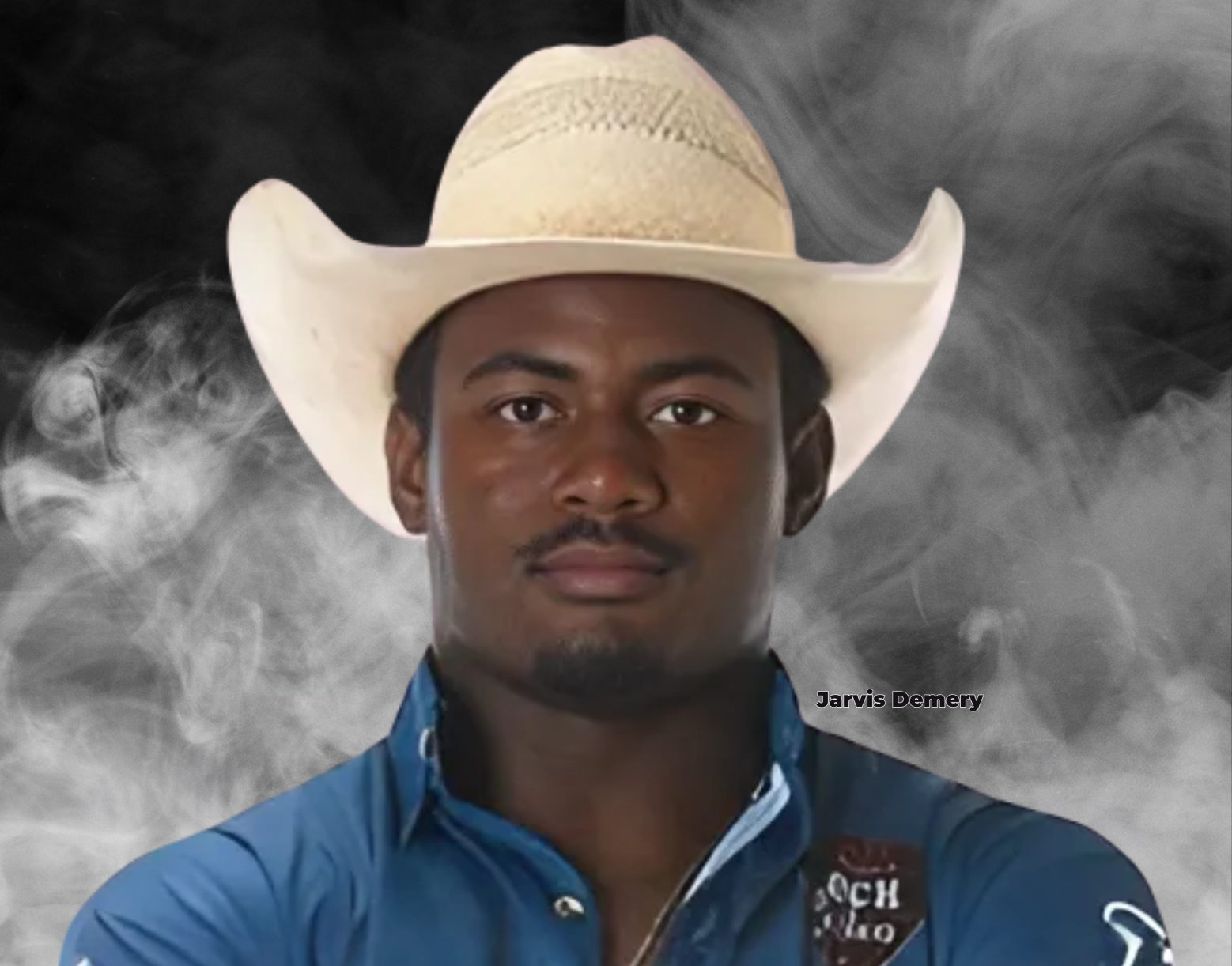
  • American Hat Company: Jarvis Demery

    American Hat Company: Jarvis Demery

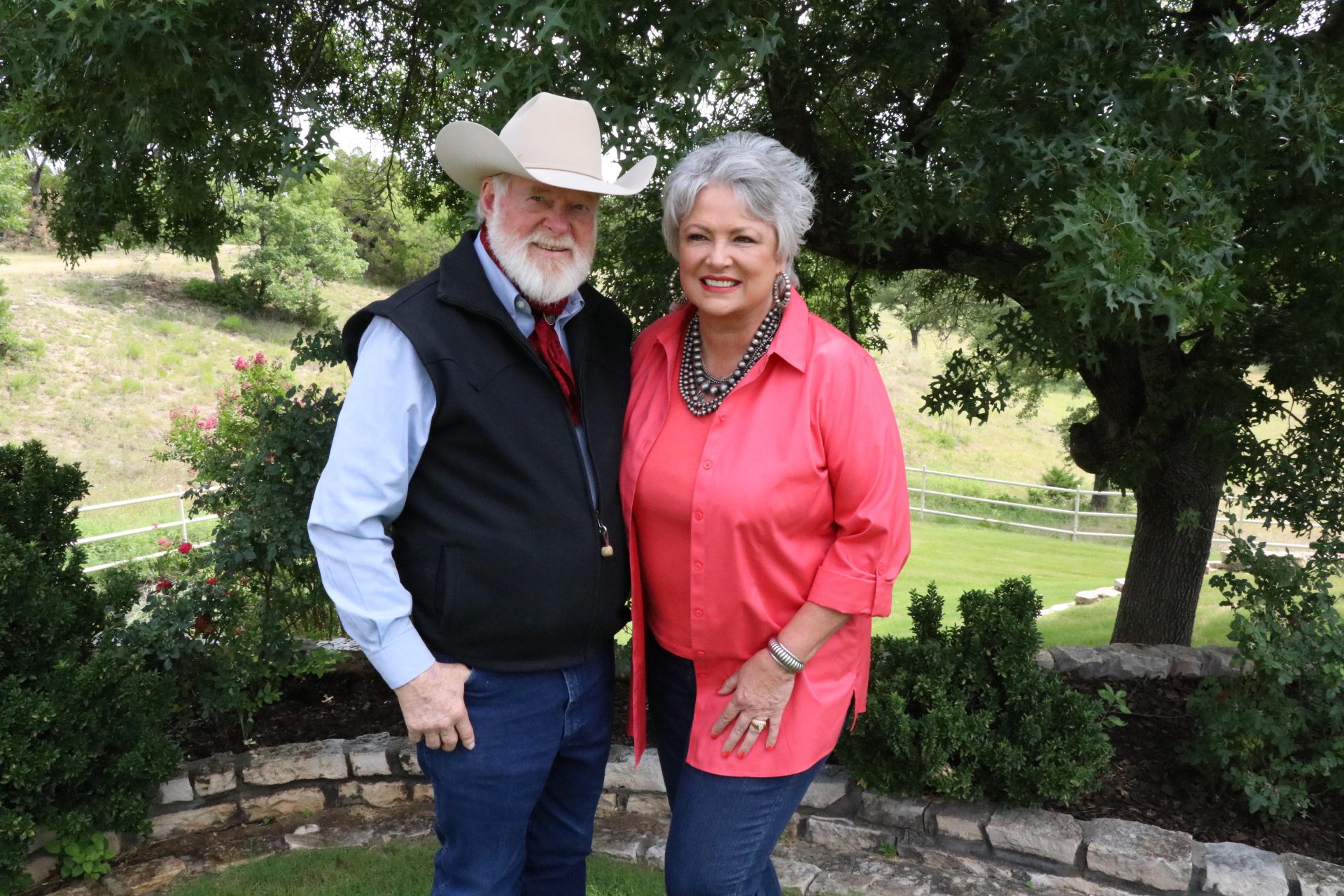
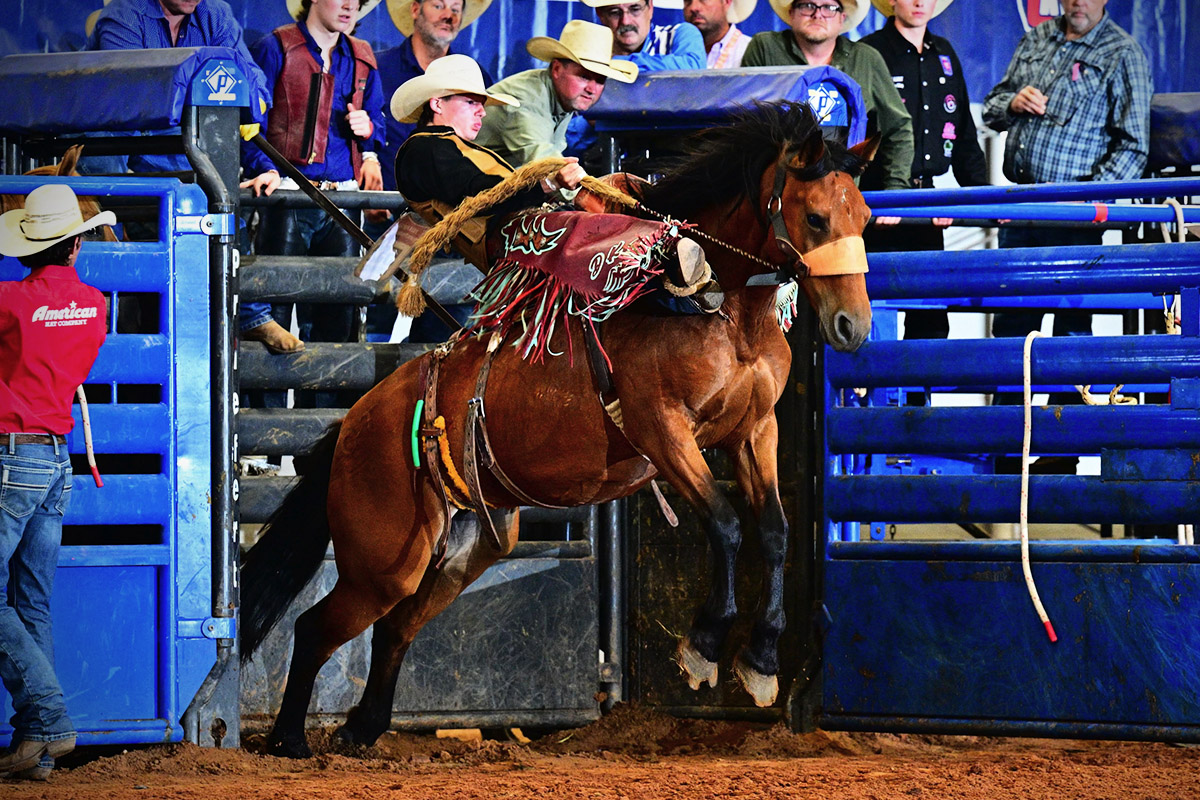
    “The rep stopped me and told me I would look good in an American,” Demery said. “That’s where it all started for me. The hat I was wearing before was not good at all. I did not know the difference between 10X and 100X.”


  • The Original Wrangler Bullfights Hall of Fame: Rowdy Barry

    The Original Wrangler Bullfights Hall of Fame: Rowdy Barry

    On October 19th, bullfighters, young and old, will descend upon Cowtown for the annual Original Wrangler Bull Fights Hall of Fame ceremonies. This year’s event will take place at the River Ranch Stockyards in Fort Worth, TX. Each year, The Original Wrangler Bull Fights holds a Hall of Fame induction ceremony; aside from being inducted into the Hall of Fame by the Professional Rodeo Cowboys Association (PRCA), this is the top award a bullfighter can receive.

    James (Jim) Sutton Jr. of Sutton Rodeo Company started the Black Hills Stock Show and Rodeo in 1978. He wanted the show to be a success and started coming up with ideas to draw crowds, so the Wrangler Bull Fights were born (Pro Rodeo Hall of Fame,2021). Sutton later pitched a sponsorship deal with Wrangler to the PRCA, who had no relationship at the time. After the Wrangler Bull Fights were disbanded, this sponsorship would later give way to branding the Wrangler National Finals Rodeo.

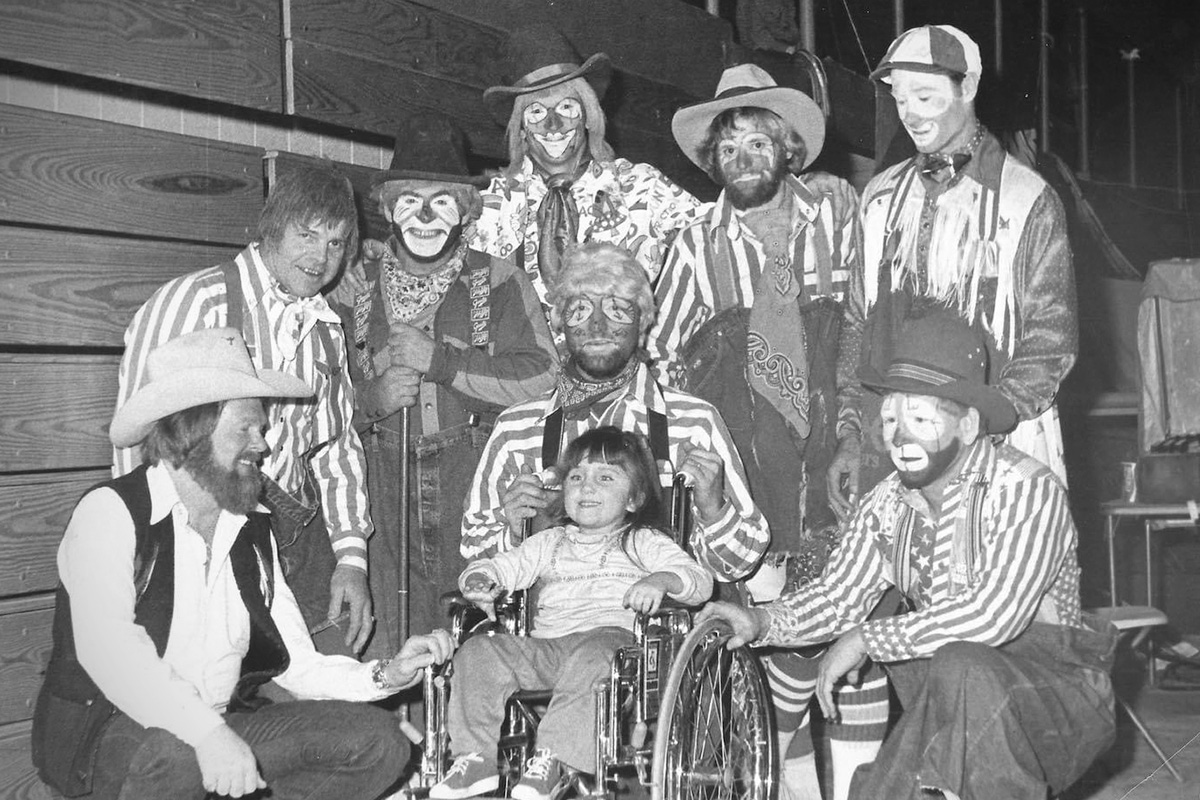
    The Original Wrangler Bull Fights took place in the early 1980s as a bullfighting tour. The top 16, most elite bullfighters, were asked to join the tour to compete in 20 or so bullfights; the events were not held at rodeos like we see today. In order to keep the competition fresh, the bottom four bullfighters would fall off the tour, and four new bullfighters would join for the next season.

    These competitions eventually made their way into the PRCA. Although The Original Wrangler Bull Fights petered out in the early 2000s, this program built the path for cowboy protectors, freestyle bullfighters, and rodeo clowns as we see them today. It gave way to change the industry in new unique ways through organizations like Bull Fighters Only. After the PRCA disbanded the tour, it opened it up for any rodeo around the country to hold Wrangler Bull Fights, creating opportunities for bullfighters across the United States.

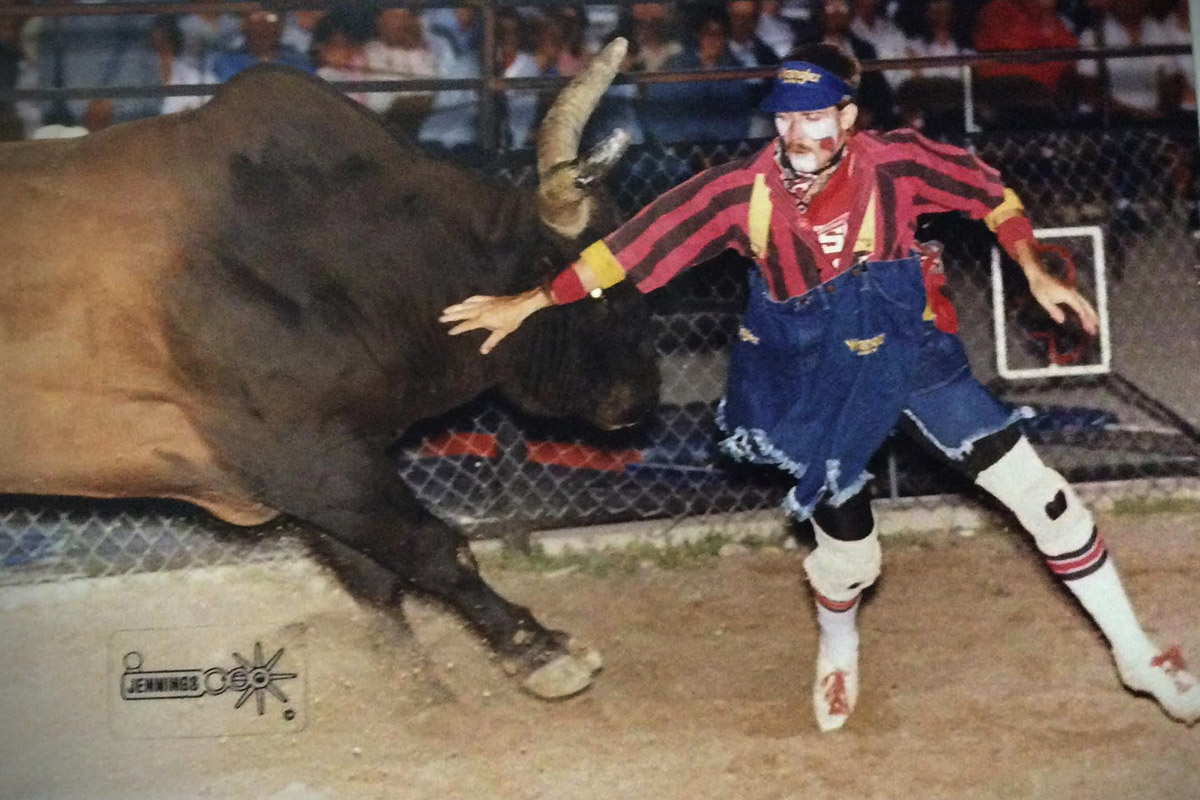
    If you aren’t familiar with freestyle bullfighting, it is different than protecting cowboys during the bull riding at a rodeo. Freestyle bullfighters are alone in an arena with a Mexican fighting bull. Their job is to keep the bull engaged with them for the time they are in the arena. Similar to freestyle bullfighting, you will sometimes see a fighting bull turned out in the arena at the end of the bull riding, so the bullfighters can work it to add excitement for the crowd. One of the many bullfighters part of The Original Wrangler Bull Fights was Rowdy Barry, a freestyle bullfighter for 15 years and cowboy protector for over 30 years.

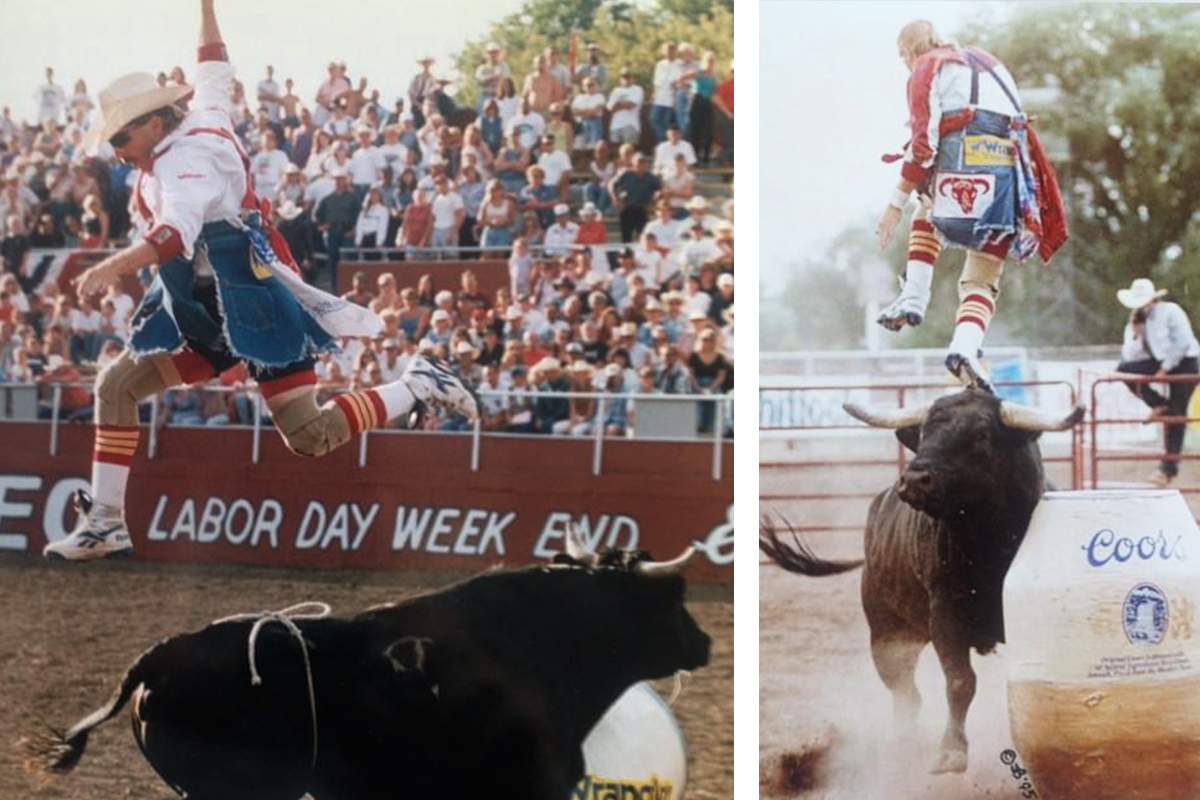
    Barry is being inducted into the 2024 class of The Original Wrangler Bull Fights Hall of Fame. His incredible bullfighting career has spanned more than three decades. When his career started, rodeos were not required to hire more than one bullfighter to protect the bull riders. This meant that if a bullfighter wanted to gain any traction in their career, they had to hustle. Barry did just that, with his signature move, running straight at a bull and hurdling over it, nose to tail. In 1992, Barry made his first appearance bullfighting at the National Final Rodeo as a part of the Wrangler Bull Fights Tour; he placed third in the season that year.

    Barry’s final performance in the arena was in January of 2019 at the Columbia River Circuit Finals. He has had a fulfilling career in bullfighting for both the freestyle and cowboy protection, making it to the NFR for both. During his final year fighting bulls, he was able to work his hometown rodeo, the Horse Heaven Round-Up in Kennewick, Washington, alongside his youngest son, Miles. Barry’s sons, Ryan Manning and Miles Barry continue his legacy of fighting bulls; he also has a daughter, Clay Noel Harper (Barry), who barrel races. Barry has much to say about bullfighting and being honored with this nomination.

    Photo Courtesy of Rowdy Barry

    Q: What made you start fighting bulls?
    A: “Even as a child, I was attracted to bulls. So, when I started fighting bulls, I thought I wanted to be a bull rider at first. I was tall and thin and strong-legged and fast, but I wasn’t built like a bull rider. Anyway, that’s how I kind of ended up fighting bulls. So that was more appealing to me, being strong-legged and fast.”

    Q: What does receiving this Hall of Fame nomination mean to you?
    A: “I don’t even know how to really answer that. It’s so honoring. I feel fortunate to do something I love to do for a living, and to have a recognition like this at the end is something I’m very thankful for. I guess it puts me in the same place that I was growing up, with my role models and guys I tried to emulate, you know, that are in the Hall of Fame before me. Being there, with them, just kind of closes a chapter on my bullfighting career.”

    Q: What is some advice you would give to someone starting out as a bullfighter?
    A: “I had to learn from different bullfighters because sometimes somebody can say the same thing in a different form laid out, and you might pick it up differently than somebody else trying to teach you the same thing. Learn from different bullfighters and see what works best for you. Then the other thing is go be around livestock; that’s the most critical part to being a good bullfighter. Go get a job at a sale barn or something where you’re sorting cows, calves, steers, bulls, every day. The cow sense or bull sense is one of the most critical parts to fighting bulls; knowing how they’re going to think, how they’re going to move, where they’re going to be, and being able to anticipate that is going to get you in position.”

    Q: What makes a good bullfighter?
    A: “You have to be very aggressive and very strong-minded. A good bullfighter has to be mentally strong, right? Because especially in the freestyle bullfight world, we had some 1,800-pound bulls that if you messed up or they caught you, they’re big enough that they’re gonna break things. With these Mexican bulls, most of them fight now; they’re smaller, they can tear you up and bruise you, but most of the time, they’re not gonna break a lot of things. But back then, those big bulls would be rattling the chutes; they’re bad, and if you let that get into your head, you can’t just walk out there, nod your head and let them have you. A big old 1,800-pound bull that’s been pounding the chutes letting the whole coliseum know that he’s mad; for your confidence, you’ve gotta walk out with a mindset of I’m the baddest S.O.B. and this bull hasn’t met me yet.”

    Q: What do you think the future looks like for bullfighting?
    A: “In the last ten years, freestyle bullfighting has grown tremendously. In 2000, the tour stopped through the PRCA; so a rodeo could have a bullfight at it, but it was just an independent bullfight. Some rodeos did that: Fort Smith, Arkansas; Salinas, California; there’s a number of (them), so they went ahead and just had bullfights on their own, but they weren’t part of a tour. They hired who they thought was the best freestyle guys they could get. It kind of went that way for a few years, and then Bull Fighters Only came along. Then they started putting together a tour and doing their own standalone events, with social media and cell phones started making everything more available. So that’s brought in a lot of young, good athletes that probably wouldn’t have been drawn to rodeo. There’s quite a few young bullfighters (that) all they do is freestyle bullfighting. Then there’s other young bullfighters that have no plans on being a freestyle bullfighter, but they want to be Dusty Tuckness, Cody Webster, or whoever that are at the top of the game just protecting bull riders. So, there’s not very many that cross over. There is still a certain amount in the middle that do; but as their protection career grows, usually their freestyle career starts minimizing once they’re making enough money and can just make a living off of working rodeos and bull riding events. But as far as bullfighting, it’ll just keep growing.”

    As Barry looks to the future, he is a rodeo man through and through. He contracts out for rodeos as a chute boss or arena director. He judges bullfighting, having worked six of the Bull Fighters Only World Finals. He enjoys watching his sons fight bulls or spectating at his daughter’s barrel races. Barry wants to continue to pass on knowledge to the next generation of bullfighters.

    Courtesy of The Original Wrangler Bullfights Hall of Fame

    The following are the recipients of The Original Wrangler Bull Fights Hall of Fame class of 2024:

    • Wick Peth Memorial Awards- George Mills
    • Stock Contractor- Cotton Rosser
    • Fighting Bull of the Year- Vold’s “141 Purple People Eater”
    • Committee Award- Fort Smith, Arkansas,
    • Barrelmen: Jim Bob Feller, Kellie LaCoste, Ted Kimzey
    • Wrangler Bull Fighters: Tony Johnson, Kenny Watson, Stan Ham, Jim McLain, Kevin Rich, Ted Kimzey, Rowdy Barry
    • Honoring 1985 and 1986 World Champion Rob Smets
    • Supporting Legend Award: Jerry Gustafson, Bob Tallman, Red Steagall
    • Julie Sutton Special Recognition Award: Jackie Romer, Leslie Kinsel

    -Article by Article by Kristen Sublette

  • Smarty Rodeo Collegiate Rodeo Scholars

    Smarty Rodeo Collegiate Rodeo Scholars

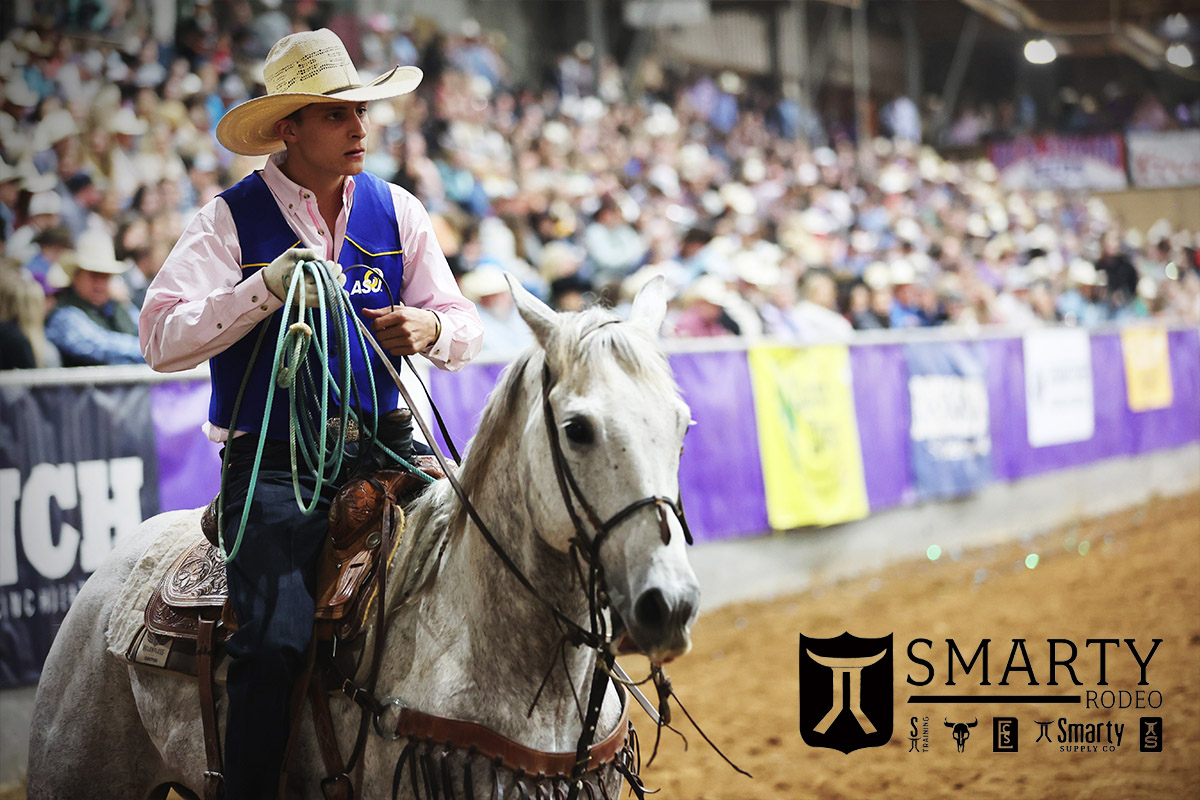
    At Smarty Rodeo, we’re more than just a brand—we’re a collaboration of products, services, and values committed to cultivating champions both in and out of the rodeo arena. Our goal is to preserve the western way of life while supporting athletes as they transition from high school rodeo into the professional ranks. To do that, we’ve built several programs, including our Smarty Rodeo Collegiate Training Program, which we launched in 2022 to enhance the collegiate rodeo experience and support young athletes.

    We started the Collegiate Training Program with one key goal in mind: to give every rodeo team within the National Intercollegiate Rodeo Association (NIRA) the opportunity to access Smarty and Heel-O-Matic training products at discounted rates. We aimed to make sure these students had the right tools to succeed in their rodeo careers. Initially, the program focused on offering discounted roping dummies and bronc riding simulators, but as we progressed, our vision expanded. We realized that with our internal resources, we could do much more. We could help schools market their rodeo programs and build more awareness for this often-under-recognized sport.

    As the program grew, we began forming strong relationships with coaches and teams across the country, such as Tarleton and Cal Poly. We quickly found ourselves thinking outside the box, creating new ways to support athletes. It wasn’t just about selling equipment anymore; we wanted to offer mentorship and guidance, helping these college students navigate the tricky transition from high school to adulthood. Our program became a resource where athletes could find the support they needed to not only continue their passion for rodeo but also thrive as young adults.

    One of the main reasons we created this program was to help keep the western way of life alive. Rodeo is a sport rich in heritage, but as the costs of horses, rigs, and training rise, it’s becoming harder for young athletes to pursue their dreams. College rodeo is a critical stepping stone for these passionate young adults, providing them the opportunity to continue developing their skills. But rodeo also teaches life lessons like hard work, commitment, and teamwork—values we believe should carry through both in and out of the arena.

    We see collegiate rodeo as a key part of the future of our sport. As our team says, “You can never get comfortable or status quo with anything we do.” We recognize that traditional western values are fading, and we are committed to making college rodeo a platform that helps young adults transition into future professional careers—whether in rodeo or in other walks of life. Our program is about more than rodeo; it’s about personal growth and offering mentorship that goes beyond the arena.

    Transitioning from high school to college can be tough. Many of these young athletes are leaving behind structured environments—family support and the guidance of high school coaches—and entering a world where they must make their own decisions. We’ve already built a strong reputation with our Young Pro Program and Pro Team, but we saw a real need to bridge the gap for students just starting their college careers. That’s why we created the Collegiate Training Program—to give students the resources they need not only to succeed in rodeo but to thrive as young adults.

    Our goal is to partner with NIRA and work directly with college rodeo coaches to help these athletes develop both their competitive skills and their understanding of life after college. By working together, we foster an environment where athletes and supporters benefit from mutual education and collaboration. It’s a shared effort to ensure the future of rodeo remains strong.

    While the Smarty and Heel-O-Matic dummies are a staple of our program, what we offer goes far beyond products. We’re invested in building long-term relationships with collegiate rodeo teams. Our commitment to promoting rodeo has led to creative ways of highlighting the sport. Whether it’s social media coverage of practices, showcasing facilities, or spotlighting athletes, we want to ensure the hard work and dedication of college rodeo athletes doesn’t go unnoticed.

    We don’t see this program as a seasonal initiative. It’s an ongoing effort that we continue to expand throughout the year. Our network is growing, and our exposure in the collegiate rodeo space is increasing. We even have two full-time collegiate program managers whose role is to make sure we’re constantly connecting with schools, coaches, and students to deliver the services and products they need.

    Additionally, we make it a point to physically visit every school that participates in the program. This gives us the chance to gather real feedback from students and coaches while showing our commitment to improving the sport. These interactions strengthen our relationships and give us valuable insights into how we can continue to make a positive impact on the future of collegiate rodeo.

    The success of our Collegiate Training Program is just one example of our commitment to innovation. We started with humble beginnings, creating anatomically accurate roping dummies, and have since grown into a global leader in roping products. Acquiring Heel-O-Matic in 2022 strengthened our presence in the industry even further, while our Elite Custom Saddles and Smarty Saddlery brands provide athletes with both premium and cost-effective saddle options.

    Beyond our products, we’ve always been dedicated to giving back to the rodeo community. We support youth programs, high school and college rodeos, and numerous charitable initiatives each year. Our partnerships with professional athletes and our commitment to maintaining a small business mentality have allowed us to stay true to our roots, even as we continue to grow.

    As we look ahead, we’re excited about the future of the Collegiate Training Program. We’re committed to expanding our network and enhancing our impact, working closely with coaches and students to reach more athletes. At the end of the day, our passion is about more than just rodeo—it’s about helping young athletes transition into adulthood, achieve their goals, and embrace the western way of life. Whether through roping dummies, mentorship, or simply fostering a love of the sport, we remain dedicated to cultivating champions both in and out of the arena.

    Find Out More About Smarty Rodeo!

  • Rodeo Queen 101: Jordan Todd

    Rodeo Queen 101: Jordan Todd

    Growing up on the road with a team roper dad and a barrel racer mom, it’s safe to say that Jordan Todd is no stranger to the rodeo lifestyle. She’s a barrel racer herself, winning her very first buckle in pee-wee barrels at just three years old at the Flickerwood Arena in Jackson, MO. Todd recalled, “I remember seeing this old picture of me standing in front of my horse at the time, and I don’t even come up to his knee, with my buckle and my hand wrapped around his leg.” Todd still enjoys competing at barrel races all over Missouri and surrounding states, as well as amateur rodeos.

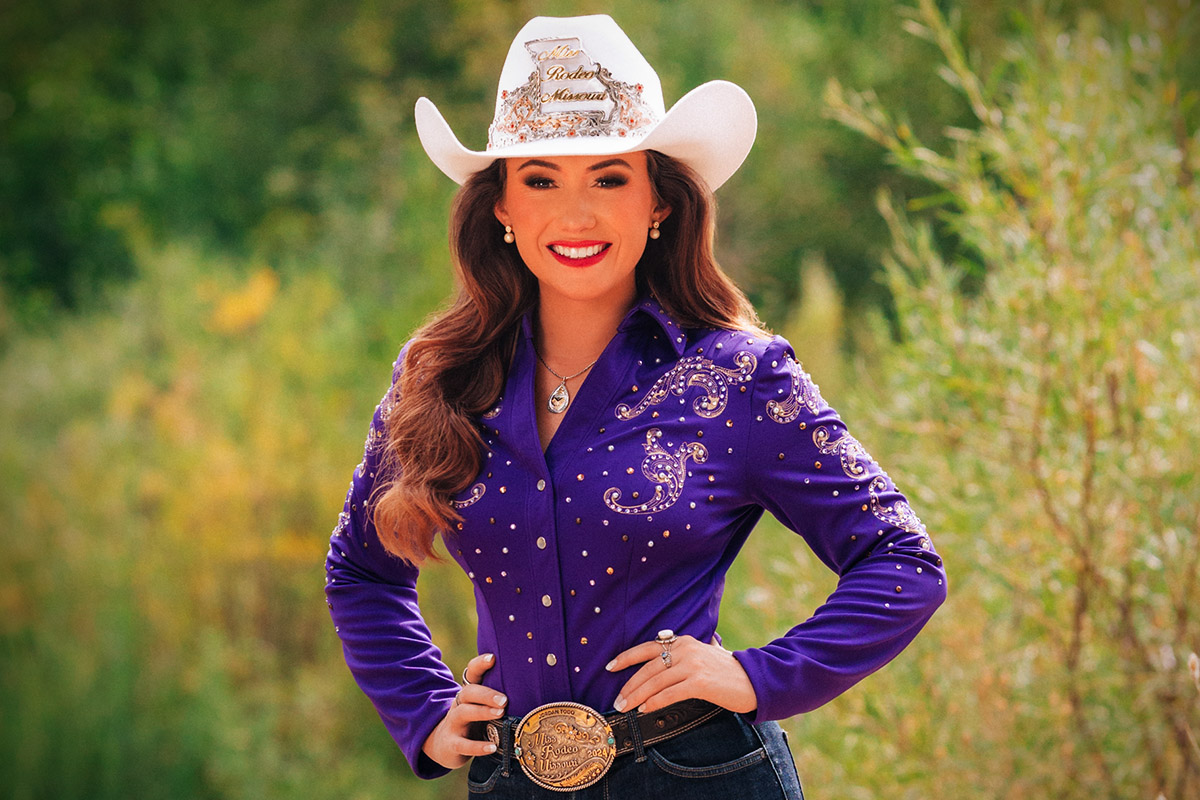
    Jordan Todd is the current Miss Rodeo Missouri 2024 and also finished law school in May of this year. Interestingly enough, this is her first Rodeo Queen title! An Instagram post unknowingly planted a seed in Todd back in 2018 by a former Miss Rodeo America and now legal attorney, Katherine Merck of Katherine Merck Law, who managed to complete her law degree during her busy reign. Todd was never able to shake Merck’s inspirational post and decided to take a leap of faith. “In 2023 I was like, all right, it’s still on my heart, still at the back of my brain. I need to do this for some reason, I’m not sure exactly what it is, but God is really pulling me in that direction.” Todd decided to go straight to the top and submitted her application to compete at the Miss Rodeo Missouri Pageant. Although she had no prior pageant experience, she was a quick study and was able to pull from her years and knowledge as a horsewoman, with some additional training for the horsemanship portion. Her dance background helped tremendously with modeling and having grace on stage, and competing on the mock trial team at the University of Central Missouri gave her excellent public speaking skills for speech and impromptu questions. She was such a natural that she impressively won all but one category! Todd said, “I have some sort of purpose here. I don’t know what it is, and there’s a possibility that I’ll never know, but I’m on this journey because God put me here and I’m just rolling with it.”

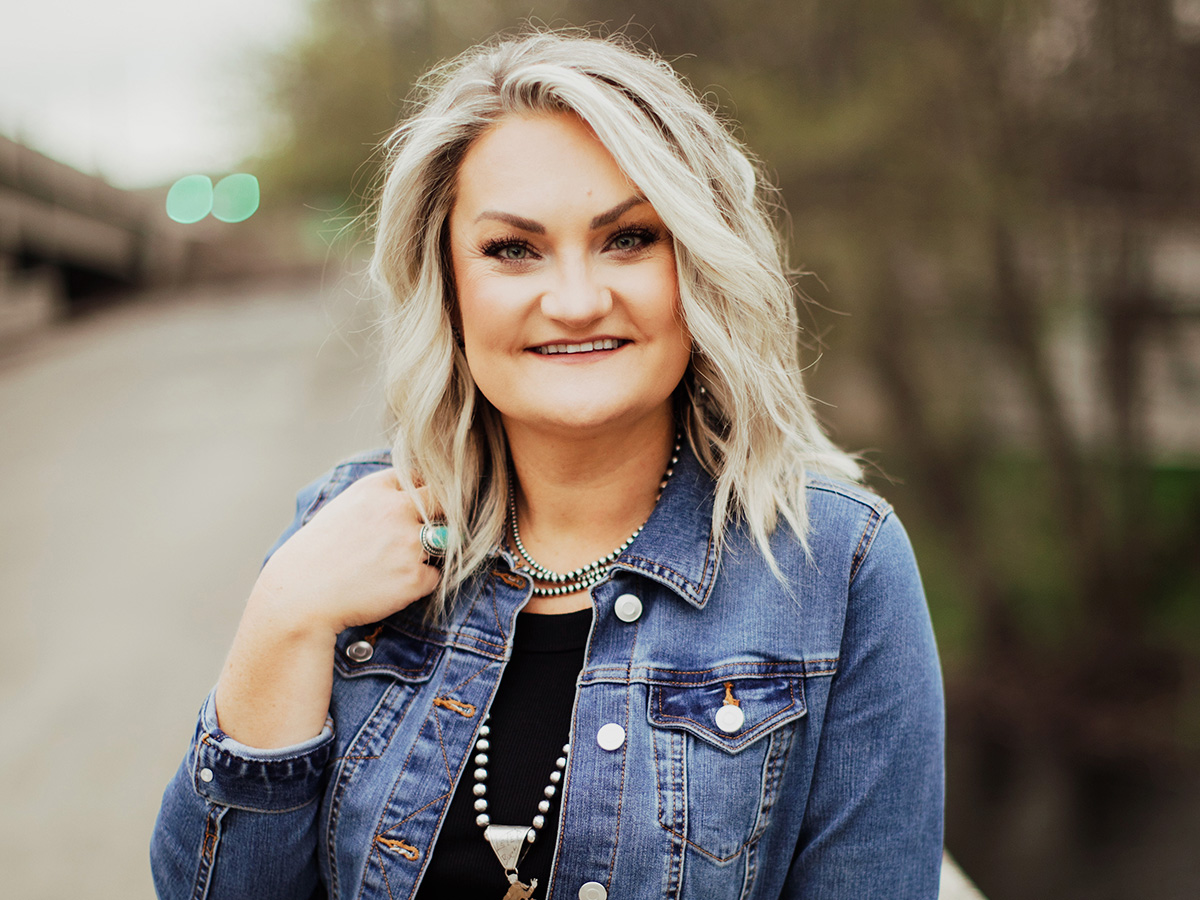
    Jordan Todd, Photo by Art of Aperture Photography

    Because Todd is passionate about both rodeo and law, she wanted to take a minute and talk about the future of Rodeo and the Working Animal Protection Act (WAPA), which is now law in Oklahoma and Arkansas. Todd asked, “What do we want the future of our industry to look like? How are we going to make it better and how are we going to keep it alive? The industry has grown exponentially in the past few years which is fantastic, however, we are inevitably getting some backlash from that.” Todd explained that the Working Animal Protection Act was created by the Cavalry Group, headed by Mindy Patterson. Simply put, it is to protect lawful animal-related businesses. This includes animal-based attractions that are used for entertainment purposes – rodeos, horse-drawn carriages, animal exhibitors, etc. This law potentially prevents local governments from making these businesses illegal. Todd encourages anyone involved in the rodeo industry to call their local representative for their State House of Representatives and tell them they need WAPA in their state. Either that or contact the Cavalry Group directly for help. “All of us rodeo personnel don’t like to get caught up in a lot of politics, but your local government officials don’t know what you want unless you tell them,” Todd said. “We like to go to our rodeos, work hard, and see our progress in the arena, but sometimes we forget about what goes on outside of the arena and how important it can be to preserve this sport on the government level.” For more information about the Working Animal Protection Act, go to www.thecavalrygroup.com.

    Jordan Todd grew up in Warrenton, MO. She spent four years at the University of Central Missouri where she received her Bachelor’s of Science in Political Science and Criminal Justice and competed on the Mock Trial Team. She then attended the University of Missouri School of Law, where she completed her law degree in May of 2024. Once Todd’s queening career comes to a close, she plans to intern with a law firm. Multiple offers are on the table, but Todd has narrowed it down to a location either in Missouri or Texas. This December 1 – 8, Todd will represent the state of Missouri at the annual Miss Rodeo America Pageant in Las Vegas, Nevada.

    Follow Jordan Todd and her many interviews with rodeo athletes and government officials on her socials. Instagram at @missrodeomissouri, Facebook at @missrodeomo, TikTok at @missrodeomissouri or visit the Miss Rodeo Missouri website at www.missrodeomo.com.

    -Article and Photos by Art of Aperture Photography

  • Western Art Round-up: Red Steagall

    Western Art Round-up: Red Steagall

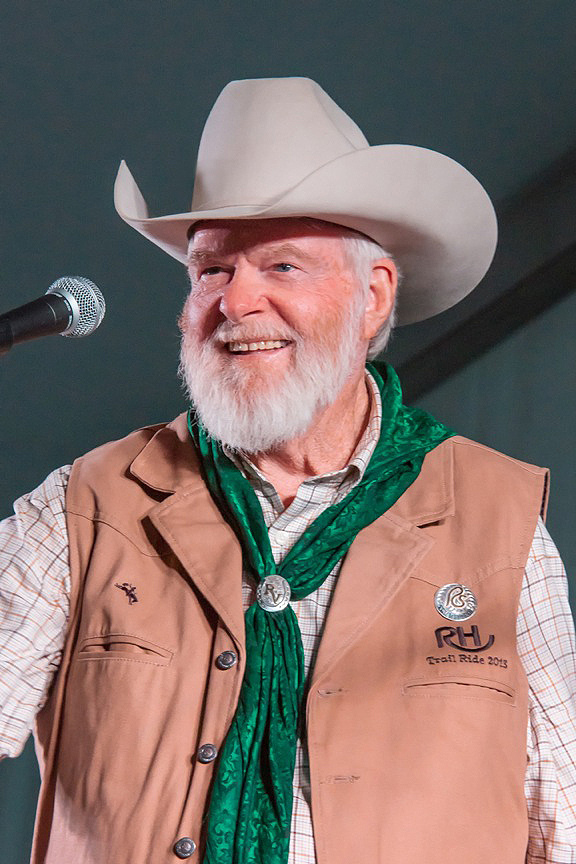
    Red Steagall’s career has been diverse, from writing western swing and cowboy songs to creating his own radio and TV shows. His music, poetry, and programs have been recognized and loved by everyone from working cowboys to U.S. Presidents, and he has inspired generations of artists. Throughout his work, Steagall has remained committed to the preservation and future of Western culture. Recently, he agreed to donate his extensive archive of creative material to Texas Tech University and to help build the Red Steagall Institute for Traditional Western Arts. The Institute will be located at the University’s Lubbock campus, adjacent to the National Western Heritage Center, and will focus on educating and building up Western artisans through interactive learning.

    Always a Cowboy

    Steagall was born in Gainesville, Texas, and spent his childhood in the Panhandle. Cowboys and music were a part of his life early on, and he dreamt of working in agriculture. “I always wanted to be a cowboy,” Steagall shared.
    He played high school football and also rode bulls at local rodeos. Bull riding was fun, but he knew it wasn’t a good long-term plan. “I never won a dime,” he laughed.
    Steagall dreamed of being a veterinarian and working cowboy until he was stricken with Polio at 15. Fortunately, the Salk vaccine was available to halt the virus four months after he became ill, but it had irreversibly damaged the deltoid muscle in his shoulder.

    No longer able to meet the physical demands of rodeo and ranching, Steagall turned to his other interest — music. His mother gifted him a second-hand mandolin and music lessons, changing the course of his life.
    Playing music helped him regain dexterity and strength, and he soon began writing songs. Following high school, Steagall was still planning to have a career in agriculture, attending college at what is now West Texas A&M to study animal science and agronomy. Following college, he took a job as an agricultural chemist. His role required extensive travel throughout the West, and he took his guitar along, playing at cafes and coffee shops on the weekends. He also formed a band, playing many rodeos and dances.

    A call from a friend again changed the direction of Steagall’s career, taking him to California to work in the music business. During his eight years as an executive in Hollywood, Steagall started making his mark as a songwriter and performer. He was in the room for a long list of chart-topping recording sessions and many of his songs became popular on the radio.
    Steagall’s life was changed forever when a song he wrote with Don Lanier was released in 1967. Lanier was sharing a simple melody he had stuck in his head with Steagall, saying that he couldn’t figure out the right words to go with it. When Lanier’s phone rang, he said, “Here we go again…”, and both he and Steagall lit up, knowing they had just landed on the hook for the song.

    They sat down, and the rest of the song came together in short order. Steagall described himself as being “bulletproof” and wasn’t afraid to pitch his songs to the top musicians of the time. He took it to Buck Owens’ record label, but Owens demanded full publishing on the song, which Steagall couldn’t agree to. After another label executive told Steagall they would need full publishing, he said he would take it to Ray Charles. This likely seemed like an unrealistic, idle threat to the label executive, but Steagall was serious, and after Charles heard the song, he wanted to sing it. They agreed on publishing, and before Steagall and Lanier knew it, they had a number-one hit on the radio.
    Here We Go Again has been recorded by a long list of notable singers, from Nancy Sinatra to Glen Campbell. Norah Jones sang the song with Ray Charles on his last album, Genius Loves Company. The album won eight Grammy awards and has currently sold over five and a half million copies.

    Getting Back to His Roots

    After living in Hollywood and then Nashville, Tennessee, Steagall moved home to the Lone Star State in 1977. He married his wife, Gail, who played a critical role in his career, soon after.

    Steagall continued writing and releasing country western music, but after playing dance halls and honky tonks across the country for years, frequently spending over 200 days a year on the road, he felt called to rethink his career.
    Fortunately for Steagall, an opportunity to shift came his way. He had been sifting through the songs he wrote, feeling more drawn to stories and ballads than classic honky-tonk songs. Coincidently, the first National Cowboy Poetry Gathering was held in 1985, which he attended with his brother. Steagall returned home with a newfound inspiration to follow the thread of cowboy stories and poetry.

    This chapter of Steagall’s career also included an expansion beyond the radio, live performance, and CDs. “I had a friend in the car business, and he asked me if I could come speak to the Rotary Club in Fort Worth,” Steagall shared. “After that, his ad agency called and asked if I would do a cowboy poetry session every morning on WBAP radio in Fort Worth.”

    The original idea was to share a minute and a half of poetry, but Steagall shared that 30 minutes of programming would be better. “I went into my studio and I cut a demo of what I thought the show should sound like,” he recalled.

    Steagall shared the demo with the ad agency and other friends in the radio business, and the response was overwhelmingly positive. Many listeners of this first demo shared that an hour of content would be even better. This started Cowboy Corner, which is now syndicated on 150 stations in 34 states. The program was born out of Steagall’s passion for western stories and includes music, interviews, and stories of the American cowboy.

    In 2010, Steagall expanded his storytelling to TV, airing the first episode of In The Bunkhouse with Red Steagall on RFD-TV. Steagall now hosts Somewhere West of Wallstreet for the network.

    Throughout these programs, Steagall has focused on sharing real cowboy stories, often interviewing people the public likely would never know about otherwise. Steagall has traveled throughout the West to historic ranches, like the 6666’s Ranch, King Ranch, and many others.

    The extensive archive Steagall has amassed now serves as a look back in time and includes interviews with legendary Western figures like Roy Rogers, Reba McEntire, and Buster Welch.

    The common thread throughout these stories is the value of western culture and an agrarian lifestyle. “I’m really attached to the western way of life,” Steagall shared. “The western way of life actually came from an agrarian society, at a time when we depended on each other for survival.”

    Steagall believes that sharing the values of western life benefits society as a whole. “We’re respectful of our neighbors, and we have a certain code of ethics, and we live by them. We honor tradition and heritage. We look to the future with an open mind and a wide, open eye. We have a set of values that make us a harmonious society. I treasure that and I want to preserve it,” Steagall explained.

    Western culture and the agrarian lifestyle have changed dramatically since Steagall started his career, and he wants to make sure the story lives on for future generations. “I’m afraid that if we don’t preserve it, in the next 50 years, nobody will know who we were, what we said, what we did, or anything about the values that we live by. I’m proud of who we are and I want the rest of the world to know,” he reflected.

    Steagall also founded the Red Steagall Cowboy Gathering and Western Swing Festival, held every October in Fort Worth, Texas, for the past 30 years. The event celebrates the music Steagall first fell in love with in West Texas.

    The Next Chapter

    Steagall’s music, poetry, and storytelling have had an indelible impact on the preservation of western culture. He is now expanding on these efforts through the Red Steagall Institute for Traditional Western Arts. The center will be located at the National Ranching Heritage Center in Lubbock, Texas, and include an amphitheater, bit and spur shop, saddle and boot shop, outdoor sculpture court, archive, recording studio, garden featuring West Texas flora, and more.

    While the center will include an archive, the primary focus is on the future, and providing a space for artisans to learn, work, and commune. Steagall wants to connect western artisans throughout the country with masters in their craft, giving them the opportunity to learn and grow. “I know how important it is to work with someone who really is a professional. It can help you find other things about your talent and help you take the next step. There are so many people who are very talented, but give up because they don’t have a platform,” Steagall shared.

    The center will also benefit the public, allowing people to explore western culture, watch artisans at work, and learn about the history of the West. “I also want to provide a research library, and over time, it will be the most complete research library in the world about ranching and the ranching industry,” he added.
    The National Ranching Heritage Center is an ideal neighbor for the Institute, already including western art, exhibits on oil and ranching, western history archives, a series of homes walking visitors through hundreds of years of life in the West, and much more.

    The Institute is currently being fine-tuned and funded, with plans to break ground in the spring of 2025. Steagall is proud to have his name and brand attached to the project and believes it will be important in preserving western culture. “I believe with all my heart that the traditional arts can keep our lifestyle alive,” he concluded.

    -Article by Lilly Platts

  • Team Cavender’s: Kinley Lowry

    Team Cavender’s: Kinley Lowry

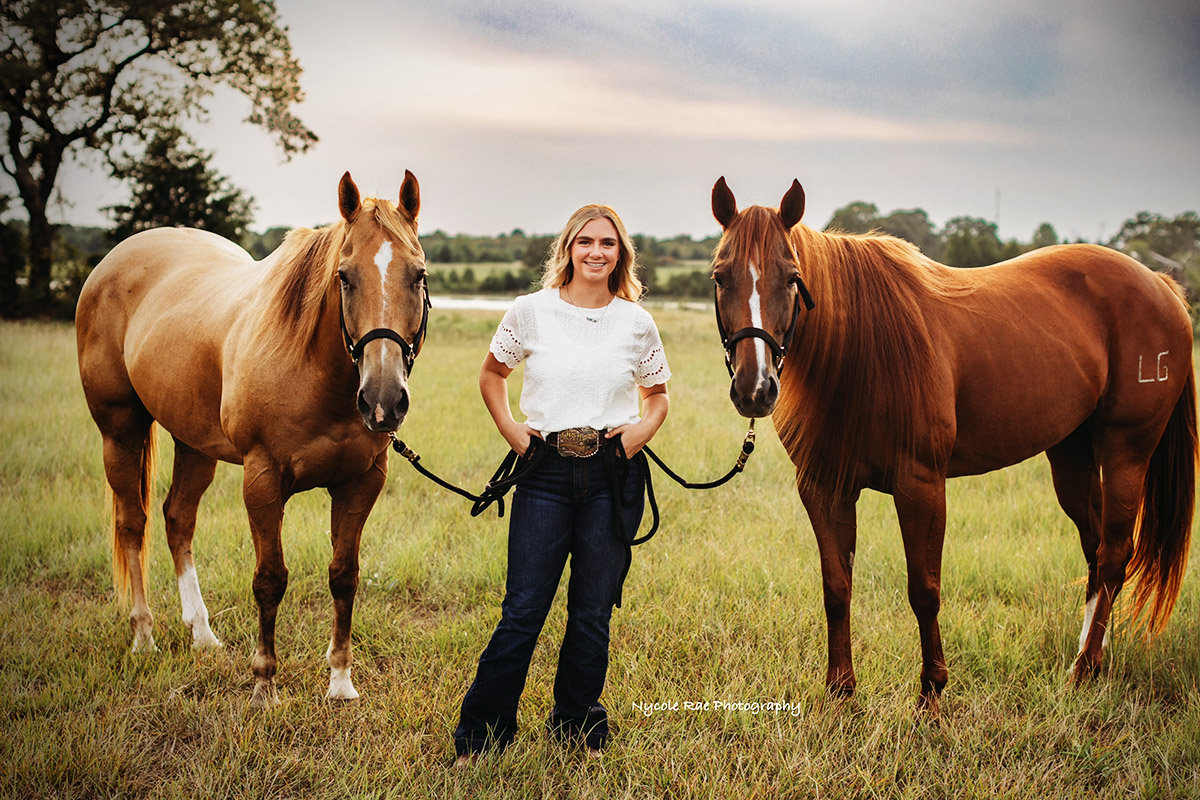
    I got my first pair of boots and first hat at Cavender’s,” said Kinley Lowry, a first-year member of Team Cavender’s. “A former member of the rodeo team, Jolee Alvey, reached out to me and told me about the team.

    “So, I went on their website and read a little more about it and decided to apply,” she added. “I officially signed with them this past August.”

    Kinley Lowry is a senior at Chapel Hill High School in Mount Pleasant, Texas. While she is an active member of Team Cavender’s and the Texas High School Rodeo Association, she said she has her sights set on attending veterinary school at Texas A&M University.

    “I have always wanted to be a vet since I was very, very little,” she said. “I love animals so much. I want to be able to be a vet and help them and their owners as much as possible.”

    Lowry said she is currently a dual-enrolled student at North East Texas Community College, earning college credit hours while still in high school. She said this would give her a head start on her college career.

    “I am planning on attending Texas A&M-Commerce after I graduate,” she said. “So, the classes I am taking at NTCC right now will help me start as a sophomore or a junior when I get to Commerce.”

    As a current member of the National Honor Society, Lowry said she wants to continue that trend of academic excellence by being a part of the Honors College at A&M-Commerce, where she will study Pre-Veterinary Science with a minor in equine science to prepare her for vet school.

    Lowry said her involvement in the FFA organization helped her chase her dream of attending vet school. She said she serves as treasurer on her FFA chapter’s officer team and is heavily involved in the organization.

    “I do Leadership Development Events and Career Development Events,” she said. “In the fall, I compete on the Agricultural Advocacy and Agricultural Issues team, and this spring, I will compete on the vet science team and the horse judging team.”

    According to a description on the National FFA website in Veterinary Science CDE, students will work in teams to demonstrate their technical knowledge with small and large animals. They complete written exams, scenario questions, identification, and hands-on practicum.

    “Our team made it to the state contest in vet science last year,” Lowry said. “When we were getting ready for the contest, we had a local vet come and talk to us. That was really cool to be able to ask him questions and learn from him.

    “Being on the team has helped me learn a lot about certain skills and instruments used in equine medicine,” she said. “I can carry all those skills over to my horses and my rodeo career.”

    Lowry said she hopes to work towards buying a WPRA card, but vet school and a career in veterinary medicine will be her main focus once she starts attending classes at A&M-Commerce.

    Learn More About Team Cavender’s!

  • Team Cavender’s: Dylan Ouzts

    Team Cavender’s: Dylan Ouzts

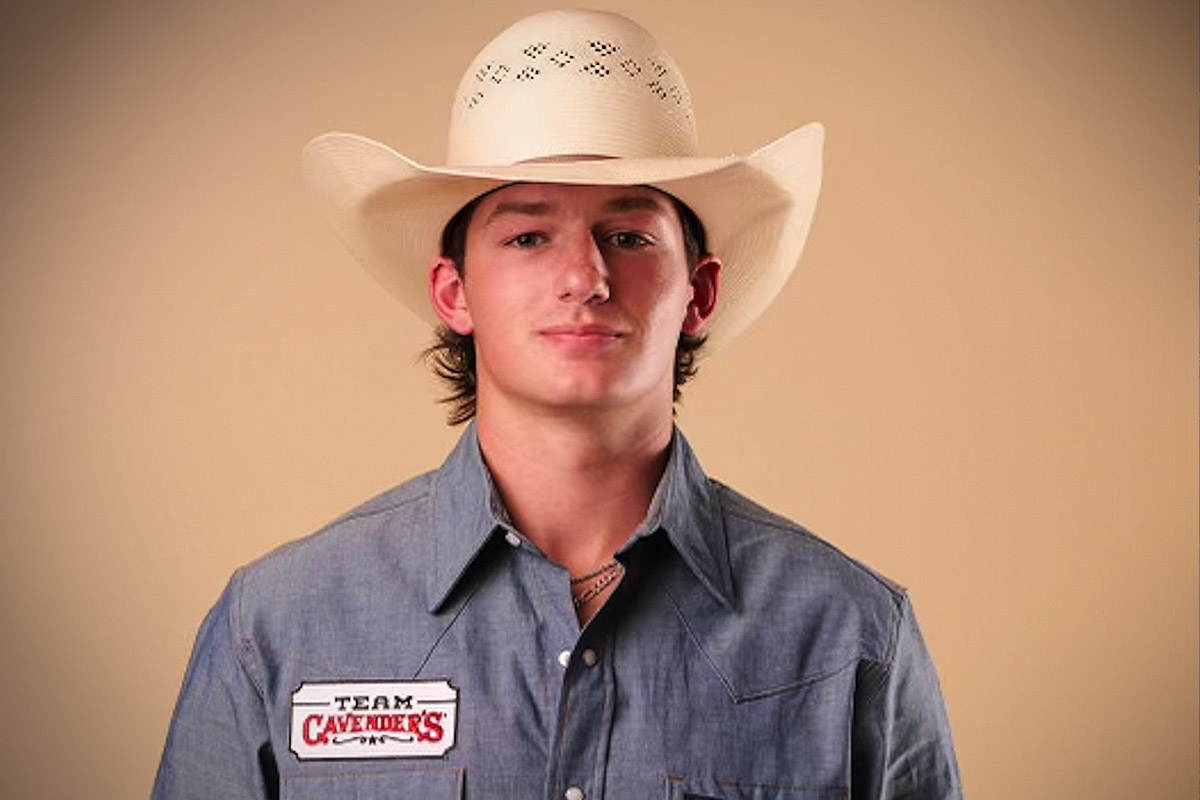
    I had seen things really good about Team Cavender’s,” said Team Cavender’s Athlete Dylan Ouzts. “I think a few of my friends who had been on the team put in a good word for me, and I was officially made a part of the team during the National High School Rodeo Finals this year.

    “It had been a dream to be on Team Cavender’s for a while,” he added. “Now that it’s actually happening and it is real, I am very thankful and excited for the rest of this year.”

    Dylan Ouzts said that although he had lived in Texas all his life, a state that has produced multiple rodeo legends, he had not grown up in a traditional rodeo family.

    “I always rode horses growing up just like everyone else here, but I didn’t really have any family that was involved in rodeo,” Ouzts said.

    Although he did not grow up in a traditional rodeo family, Outzts said he had no shortage of role models and teachers.

    Robson Palermo, a three-time Professional Bull Riders World Champion and 2021 Ring of Honor Inductee, played an instrumental role during the start of Ouzts’s rodeo career.

    “Robson taught me how to really ride my horse so that I could even have the ability to rope and the basics of team roping,” he said.

    “Later, I was able to learn more from Lightning Aguilera, who made the NFR in 2022,” he added. “I started to see a real future in rodeo.”

    Ouzts said he realized he had to choose between school sports and rodeo.

    “I felt like between school and rodeo, I was living two different lifestyles,” Ouzts said. “I played sports at school, but the injuries I would get from rodeoing would stop me from playing baseball and football, so I decided to focus only on rodeo.

    “It’s hard because I love rodeoing, and I see more opportunities and a future there, but I miss playing football and baseball with my buddies at school,” he added.

    During his freshman year of high school, Ouzts said he decided to add another event to his resume, this time on the opposite end of the arena.

    “Jeremy Stevenson, who knew my mom, texted me one day and said he’d like to help me get into bronc riding,” he said. “I went to his house, and he let me use his saddle and gear when I started. I am very thankful for everything he’s taught me.”

    While Ouzts was learning to rodeo, he said his family was learning along with him. One person he said has taken it all in stride is his dad, Burton Ouzts.

    “He didn’t grow up around rodeo at all, and he didn’t think much of it when I started roping,” he said. “When I started riding broncs, he did question me pretty hard because he knew how much I loved playing football. I think he sees now how much I also love riding broncs.”

    No matter what he chose, Ouzts said he knew his parents would be supportive.

    “My mom, Shana Ouzts, always makes it to my rodeos,” he said. “I can’t say how thankful I am for her being supportive of me and my dreams.”

    He added there is no shortage of support from the friends he’s made on Team Cavender’s.

    “Jace Stout and Cooper Lane have helped me a lot too,” he said. “Whether they are teaching me something new about bronc riding or giving me pep talks, they are always helping.”

    Learn More about Team Cavender’s!

  • American Hat: Josie Conner

    American Hat: Josie Conner

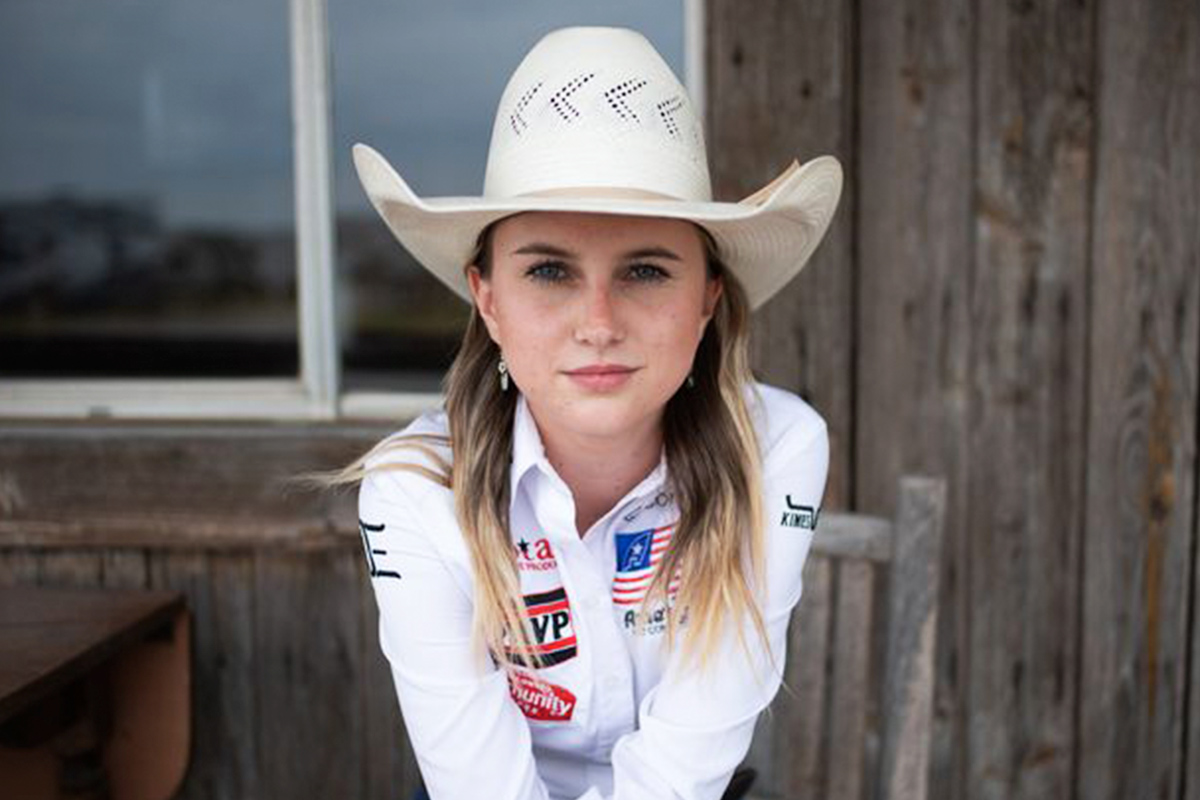
    I have been with American since 2020,” said American Hat athlete Josie Conner. “It has been a great experience.”
    “I love their hats, and the people at American are amazing,” she added. “You walk into one of their stores, and the atmosphere is unbeatable.”

    Iowa, Louisiana cowgirl Josie Conner is nothing short of a superstar in the breakaway roping world. She qualified for her first National Finals Breakaway Roping in 2022 and was the Women’s Professional Rodeo Association Breakaway Rookie of the Year. In 2023, she made her second trip to Las Vegas and finished 13th in the world.

    The 20-year-old cowgirl has sat comfortably in the top 15 of the breakaway world standings all year, but she said one rodeo changed her trajectory going into the 2024 NFBR.

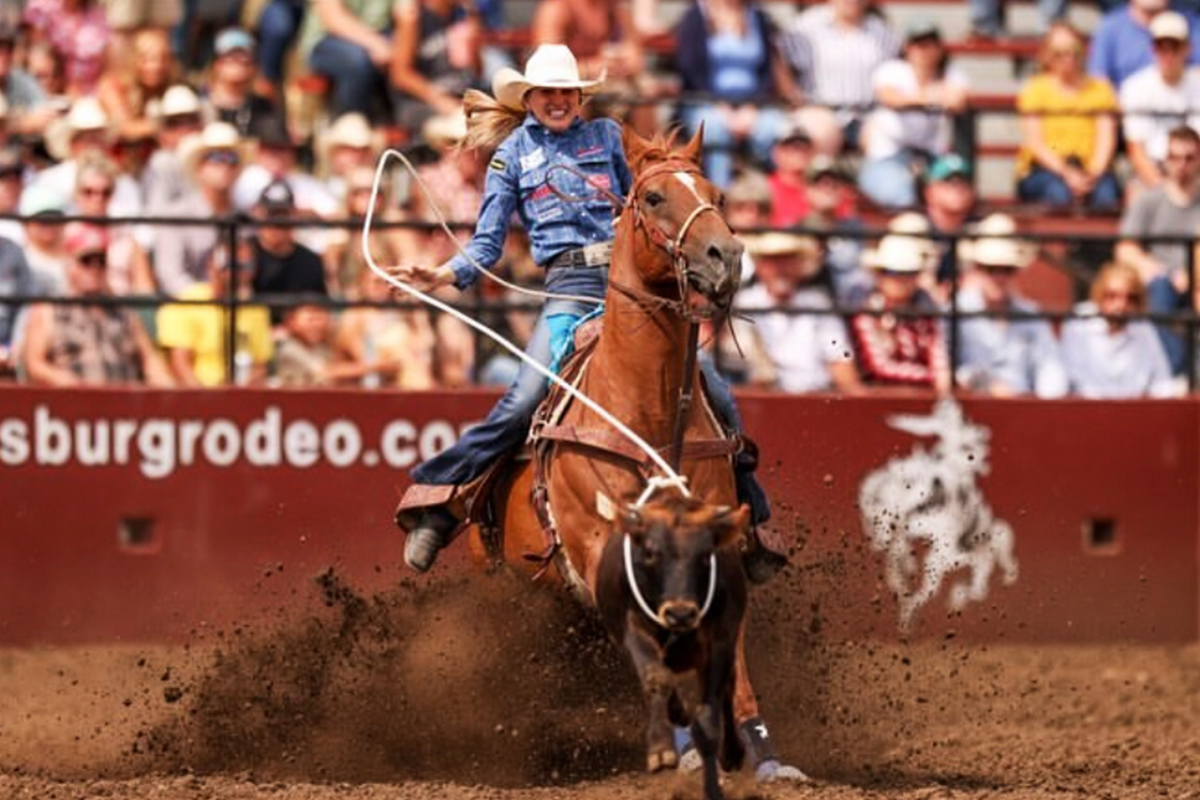
    “My win in Ellensburg this year I will remember forever,” she said. “The weekend after that win, I jumped to the number one spot in world standings.”

    Conner won $11,015 in Ellensburg, WA, placing her at the top of the WPRA breakaway roping world standings.

    “The same person had held the number one spot since March,” she said.

    Jackie Crawford, who boasts 19 WPRA world titles, has led the standings since her big win at Rodeo Huston earlier this year.

    “I think the horse I have been riding this year has a lot to do with my success,” Conner said. “He has been great this year. He has been putting me in the places that I need to be and giving me the opportunities that I needed.”

    Conner was referring to her 16-year-old American Quarter Horse Association gelding, Stylish Drifter, whom she affectionately calls Dutch. Before she bought Dutch, Conner said he was being used as a tie-down roping horse.

    “I rode Dutch my rookie year and made the finals, but I was not having the success I would have liked,” she said. “I had not transitioned well into pro rodeo yet. They are so much different than the junior ropings I was used to.”

    Conner qualified for the National Finals Breakaway Roping in 2022 and 2023. She said that in her rookie year and sophomore season, she had to rodeo until the last week of the season to secure her spot at the finals.

    “It has been a lot different this year not having to be on the bubble race,” Conner said.

    The “bubble” Conner referred to is when a contestant sits just on the edge of being in the top fifteen-ranked athletes at the end of the pro rodeo season. She is far from being on the bubble rounding out the 2024 regular rodeo season.

    “My second year in pro rodeo, I gave Dutch the year off, and Riley Webb roped on him for a while,” she said. “I came back with Dutch this year, and he has been so great for me.

    “I think it’s funny how God works in mysterious ways,” Conner added. “I had put him aside for that time in my life, and we came back this year so much better than we ever have been.”

    Find out more at AmericanHat.net

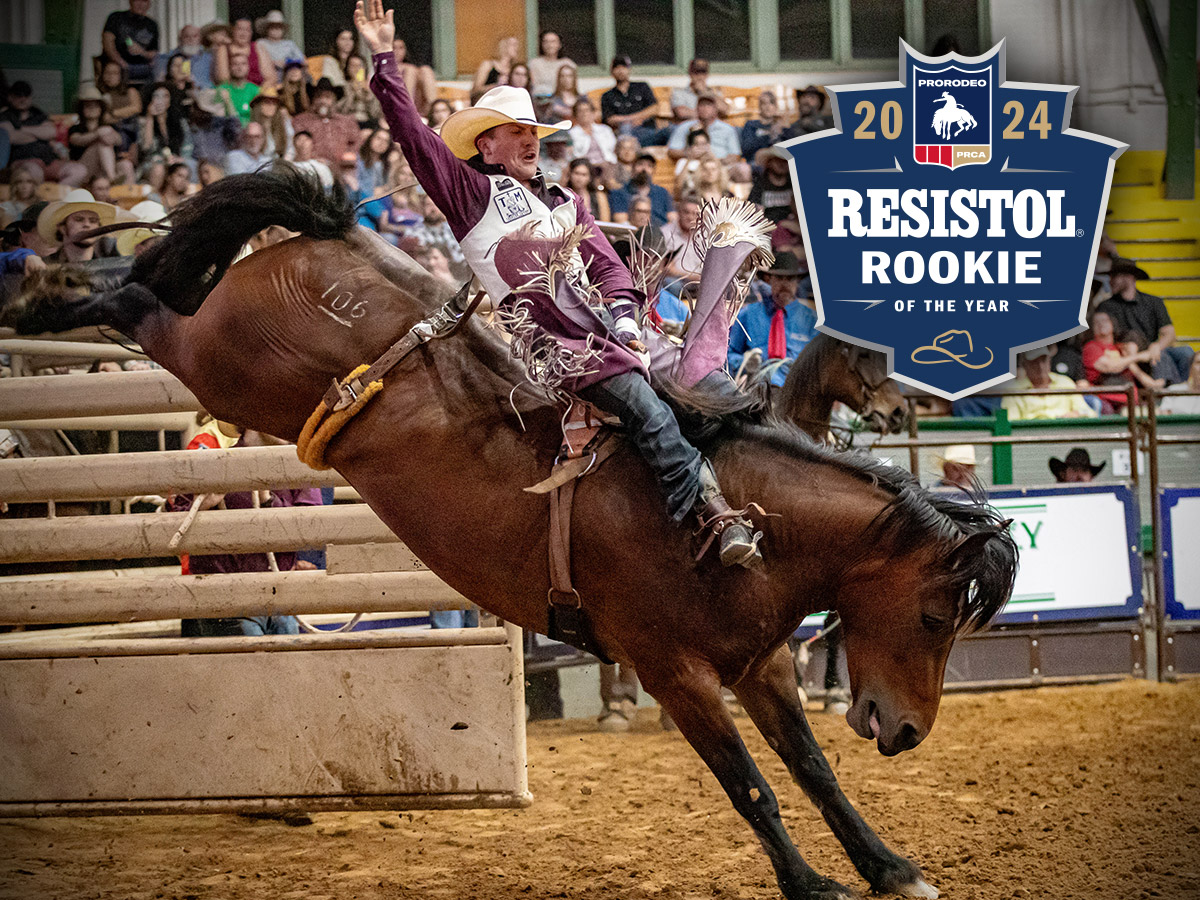
  • Resistol Rookie: The race for the PRCA Resistol Rookie of the Year title is in full swing.

    Resistol Rookie: The race for the PRCA Resistol Rookie of the Year title is in full swing.

    The PRCA Resistol Rookie of the Year is the only world champion title with one shot. First-year PRCA card holders in their debut season strive for the coveted crown and the honor of having their name alongside legends like Trevor Brazile, Joe Beaver and Luke Branquinho.
    Throughout the year, each rodeo serves as a proving ground for PRCA Resistol Rookies vying for the title.

    Saddle Bronc Riding

    Zachary Dallas aims for an NFR qualification in his first year. Over $80,000 separates him from Darcy Radel in second place. He is ninth in the world, with over $100,000 in season earnings.
    He secured his leap into the top 15 in the world standings after bringing an estimated $40,000 home during Cowboy Christmas.

     Tie-Down

    Other PRCA Resistol Rookie races are neck-in-neck, specifically in the calf-roping. Only $6,000 separates Cole Clemons from Bryce Derrer, who have been swapping between first and second all summer.
    They are the only two PRCA tie-down rookies to penetrate the top 15 in the world standings. Clemons is 13th, and Derrer is 15th.

    Steer Wrestling

    Cole Walker drew attention when he took home the 2024 San Angelo Rodeo Steer Wrestling Co-Champion title. He’s capitalized on this win since and has consistently kept his number one spot in the PRCA Rookie standings.
    Ty Bauerle is catching up with only $6,000 separating them after his reserve win from the Fiesta Days Rodeo.

    Bareback Riding

    Weston Timberman made a name for himself right out of the chutes. He went into this year’s Resistol Rookie Roundup sitting first, left as the champion, and has been leading it since. Over $40,000 separates him from Mason Stuller, the man sitting second in the PRCA rookie standings.
    His wins at the CINCH World’s Toughest Rodeo and the Ponoka Stampede pushed him to sit 13th in the top 15 in the world.

    Steer Roping

    Trent Sorey is leading the rookie standings in steer roping by $17,000, positioned just outside the top 15 at 17th in the world. Most recently, he reserved the Crooked River Roundup to add over $2,000 to his season earnings.

    Team Roping (Header)

    The team roping standings in both heading and heeling is anyone’s game. Since the start of this rodeo season, no roper has consistently claimed the number one spot.
    Success during Cowboy Christmas, specifically a win at the Livingston Roundup Rodeo, pushed Tyler Tryan into the number-one spot. Only $7,000 stands between him and Korbin Rice, the man in second.
    A few hundred dollars split the difference between 3rd, 4th, and 5th place in the standings.

    Team Roping (Heeler)

    The heeler rookie race is even narrower, with $1,000 splitting first and second.
    Logan Moore claimed first with his most recent check from Deadwood Days of ‘76 Rodeo.

    Bull Riding

    Jeter Lawrence brought home over $18,000 from his time at the California Rodeo Salinas. This fruitful weekend pushed Lawrence over the $100,000 season earnings mark. It moved him to eighth in the world standings, securing his spot in the top 15.
    Right behind him, Cooper James is actively trying to break the $100,000 mark. He is less than $6,000 away, putting him 12th in the world.
    James and Lawrence are the only bull riding rookies to break into the top 15, striving towards their first NFR qualification.

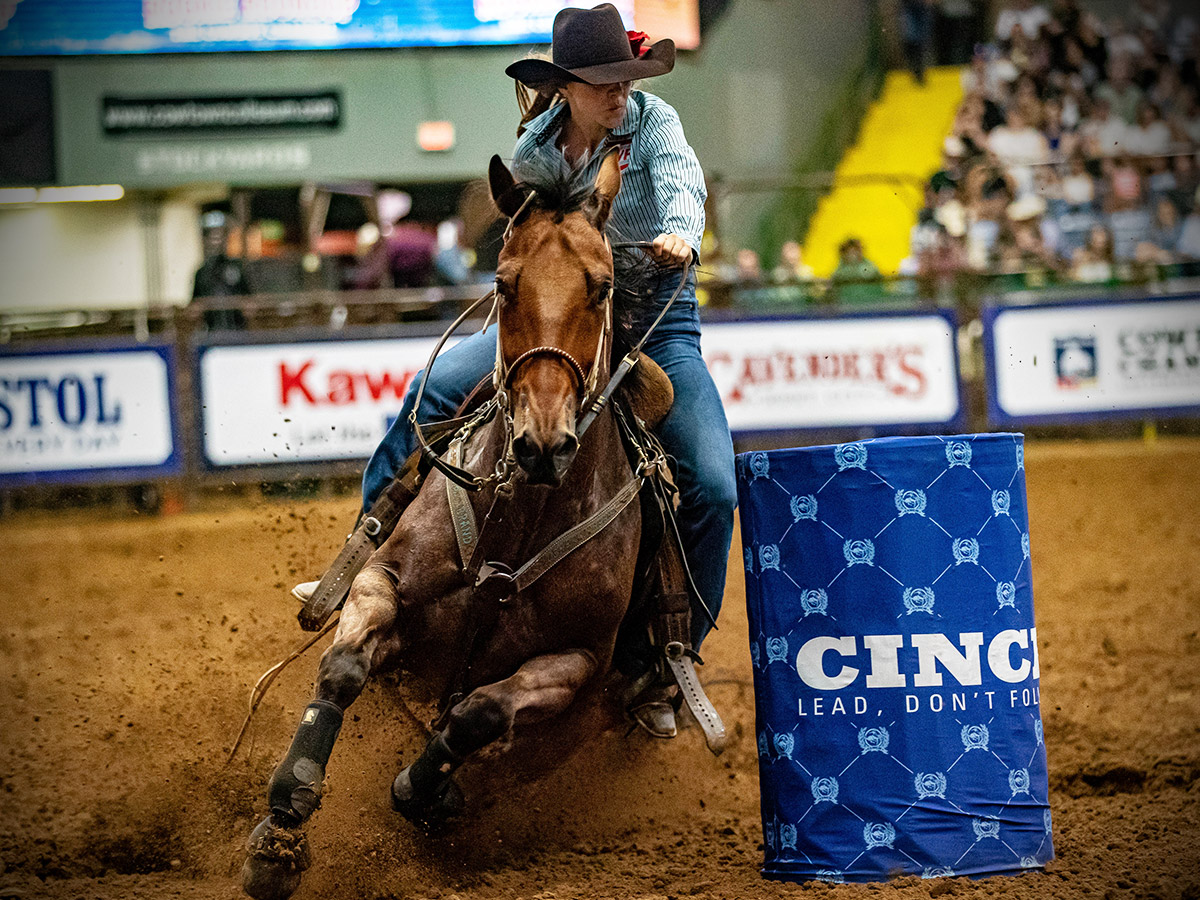
    Barrel Racer Oceane Veilleux. Photo Courtesy of Jake Hodnett

    Barrel Racing

    The barrel racing rookie race competition is fierce and closely fought. Oceane Veilleux and Millie Marquart are less than $2,000 apart.
    Veilleux won the Resistol Rookie Roundup, to highlight her as a frontrunner in the rookie race.

    Breakaway Roping

    KC-Gail Churchill is leading the breakaway rookie standings by $6,000.
    After her, only a few hundred dollars separate places second through sixth.

    All-Around

    All-around rookie leader Wacey Schalla excels in both bull riding and bareback riding. The 18-year-old has over $72,000 to his name. His second place win at Fiesta Days Rodeo in bareback riding added nearly $10,000 to his season earnings.
    Less than $4,000 behind him is Cole Clemons, the current tie-down PRCA Resistol Rookie leader.

    The Race Is On

    As we continue to watch the rookies through the end of the season, it leaves us asking:
    – Who will qualify for the NFR in their debut year?
    – Who will win the Resistol Rookie of the Year in their respective event?

    Find out more about Resistol!

  • From Queen to President: Pendleton Round-Up President, Tiah DeGrofft

    From Queen to President: Pendleton Round-Up President, Tiah DeGrofft

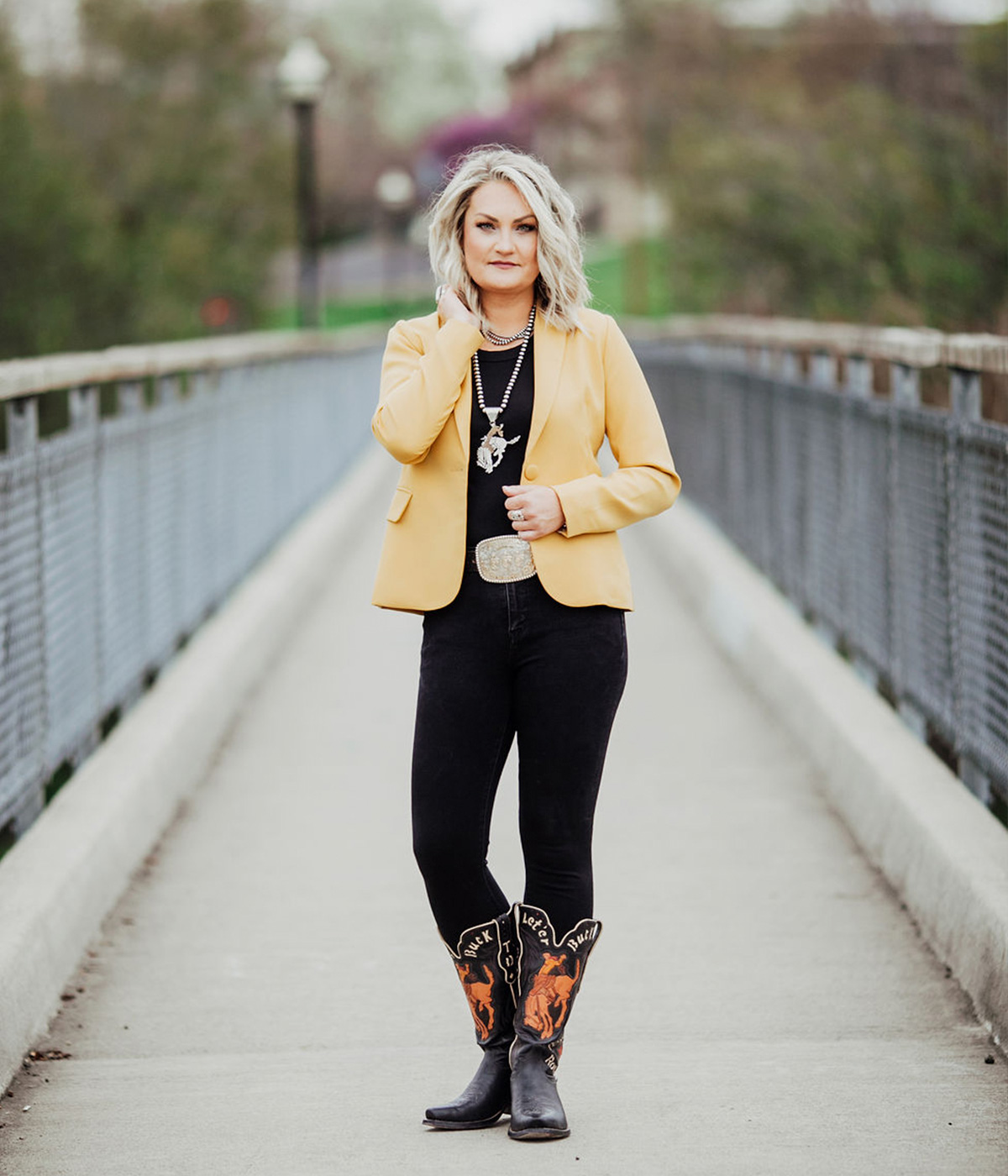
    Tiah DeGrofft is a 38-year volunteer and the 47th President of the Pendleton Round-Up. She is the first female president in the Round-Up’s history. DeGrofft combines her passion for Pendleton and the Round-Up with a career background in professional Sports Marketing and Event Management. She joined the board to give back to her community and continue to pursue her passion in sports marketing. DeGrofft served as a director before becoming president. She received a nomination from her peers, and the Board voted that she was the best person for the job, and the stockholders agreed!

    I had the opportunity to interview Tiah DeGrofft, Pendleton Round-Up’s first female president, and hear firsthand about her path to presidency and why the Pendleton Round-Up is a one-of-a-kind event each year.

    RL: You’ve been involved with Pendleton Round-Up since you were about six years old. Will you tell me a little bit about your experience with the Round-Up and how you became involved in Rodeo?
    TD: My parents didn’t grow up in Pendleton. They moved here right after they got married. In order to meet people, they kept hearing that the Pendleton Round-Up was kind of the epicenter of town—so both of them started volunteering for the Round-Up. Fast forward to my childhood. My dad was a volunteer at the Round-Up, and my mom was a stay-at-home mom. I think to get us out of the house, she would send my brother and me to work parties with my dad. My dad would give us a nickel or a quarter to walk around the massive track with a five-gallon bucket and pick up rocks. That was how he would keep us busy so he could go do other things with the Round-Up. That was probably my first official volunteer job. We “guesstimated” I was six, maybe five years old, and when I was eight years old, my dad was on the Happy Canyon board, which is our night show. I started volunteering over there as well. My dad said, “You’re down there all the time and doing all the things, may as well be a volunteer there.”

    My dad was the Livestock Director at Happy Canyon. We were rebuilding stagecoaches, so my brother and I started repainting stagecoaches. We have what we call pennant bearers who carry the flags in the parade in front of our cleaning fort, so we were going to the parades anyway. We started hauling a horse so that I could pennant bear. I then started working in the hospitality room, doing dishes, and clearing the dishes off tables. Then eventually, in 1999, I was named a Princess to our fort. You have to be a princess before you can be a Queen. In 2001 I was selected as Queen for that year.

    Once I graduated from college, I moved to Portland and worked for the PGA Tour. I would make it home only for Christmas and Round-Up. I ended up moving to the greater Boston area, Rhode Island, where I owned a sports marketing company. I continued to just get back around Round-Up. Unfortunately, my dad got sick with cancer, and then my brother’s wife started having babies and I thought I’m just too far from home, so I ended up moving back to Pendleton. Once I got back, I started getting more involved in the Round-Up, and eventually, I was nominated for our Hall of Fame Board of Directors. I went on the Hall of Fame board as a Round-Up delegate and eventually became their president. And then one year after being their president, I was asked to apply for the panel’s Round-Up board. So I came over and spent eight years as Sponsor Director for the Round-Up, which was right in my wheelhouse given my sports marketing background. After eight years as Sponsor Director, last November, I was elected president. It’s been a really fun ride.

    We were the first major rodeo to have a female president, and then Reno named Carrie Ann Sattler president, which was awesome. We met in Vegas, and it’s just really cool for the sport to have such a big year. Vogue Magazine also named 2024 the Year of the Cowgirl, and it seems like we’re just kind of steamrolling into that.

    You just live your life, and every day goes by, and you don’t think anything crazy happens that day, but then look back on the year, and all of a sudden, you’re like, holy smokes! It has really been that way this year, you know, and signing on to be president is a huge deal. It never seemed like I was doing anything outside of my wheelhouse, and now looking back on it and having some of these conversations with the media, it’s pretty cool to be able to fly that flag for women across the sport of rodeo.
    RL: Will you explain your role, your daily tasks, and what you’re up to right now?
    TD: Our entire board is made up of volunteers, including the president. My job as president is to oversee the board; keep the board on track; oversee; and make sure that we’re following our mission, getting our critical tasks completed and staying on course with the long-term planning. Round-Up is so ingrained with the city we have an ex officio position on our Chamber of Commerce board of directors so I end up at a lot of meetings about a lot of different things—kind of the jack-of-all-trades. I was really busy throughout the winter checking in with the board helping them with things that they need and making sure that they’re on the right track. We have 16 incredible people on our board, and they don’t require a lot of babysitting, which is fantastic! They’re each specialized: for example, we have a Livestock Director, a Medical Director, and an Arena Director. They each know their area of focus very well. I get involved in those areas on a broader level, such as the changes this year as we bring in a new charity. Our Saturday used to be National Patriot Day. This year, we’re moving that to Friday and bringing in the Golden Circle of Champions, which raises funds for pediatric cancer patients in our area. We’re very excited to welcome them on board, and because I had a couple of ties into that, I’ve spearheaded bringing them in, so that’s been a big focus for me recently.

    RL: What are some of the other charities that you work with, and what are the other theme days going to be this year?
    TD: Wednesday, we have the Farmers Ending Hunger charity. Round-Up started as a celebration of the end of harvest here in eastern Oregon so that ties in well with us. Farmers Ending Hunger was started here in Umatilla County, and their mission is to raise extra acres of crops that they give to the Oregon Food Bank to help feed the hungry. Thursday is Tough Enough to Wear Pink; this will be our 18th anniversary with Tough Enough to Wear Pink. Friday, as we discussed, we will have National Patriot and Military Appreciation Day, and then Saturday, the Golden Circle of Champions.

    Because Pendleton is such a small town, we rely heavily on tourism. All of our parking lots are run by charities, as well as the majority of our concession stands, our beer booths, and our camping areas, so nearly every charity in town or service organization like the Rotary or the Kiwanis Club are involved in one way or another to use Round-Up as one of their biggest fundraisers of the year. We also have a lot of the local sports teams—one of my favorite booths at Round-Up is the swim team’s with really great hamburgers. Sports teams from around town use Round-Up as fundraisers for their costs as well, so we have tons of charities that we support. In 2020 when we had to cancel the rodeo, we knew that all of these charities relied on us to keep going and even the downtown businesses, restaurants, and hotels, so we started a fund called Let ‘Er Buck Cares and asked our sponsors if they wanted to donate to it. For our ticket holders, we offered to either roll your ticket, refund your ticket, or you could donate the cost of your ticket to this fund. We were hoping to make two to three hundred thousand dollars, but we made almost a million dollars from the generosity of the Round-Up family, and we were able to then pay a lot of our contract help who obviously were not working when all the rodeos were canceled, and all of our charities—we made everyone whole. It was an incredible way to make something positive out of a terrible year.

    RL: Talking about community and circling back to women in the Western industry in similar positions, we featured Carrie Ann Sattler as one of our cover stories earlier this year. Are there similarities between Reno Rodeo and Pendleton Round-Up?
    TD: There are a lot of similarities in size and scale. And when you’re looking at the Large Outdoor Rodeo of the Year competition, both of us are always included in that. But we’re very different in that Reno is a metropolitan area. We’re three hours from any major city. We’re only about 16,000 people. Reno is more of a traditional rodeo where you have sponsors and banners in the arena. They’re much more commercialized than we are. That was my challenge as Sponsor Director; we don’t offer any advertising in our arena, even in our grand entry. It’s the American flag, the Oregon flag, things like that. So trying to find sponsors that understood our mission without needing those return-on-investment opportunities was really my challenge. Reno has a lot of incredible sponsors. Carrie did a fantastic job with it; I know she was a sponsor director as well. So while we are similar in the sport of rodeo, our business models are very different for that matter. Carrie and I personally, though, have a lot in common. We were both in the same sorority in college. The conversations we get to have, it’s more friends, really, than even business for similar people. It’s just wonderful.

    RL: Talking about the sponsorships, what kind of unique opportunities did you incorporate? I know you have a sports marketing background, so I’m sure that was very helpful, but Pendleton is a unique location—there are not many hotels or lodging options. How did you overcome some of those challenges?
    TD: A lot of times, my first introduction was just selling them on the tradition and the heritage of Round-Up. Many companies, when you call, would say, Pendleton Round-Up, and they’re like, where’s Pendleton? What is this rodeo? It’s not like saying Reno, where everybody knows where that is. So my first thing was always to say, “Come and see us, just be our guest, come out”, and once they set foot on our property and felt the energy, there’s something about it. We hear time and time again that people want to replicate one thing or another from Pendleton, and you can’t. It’s like this feeling when you pull into town and the whole town is just buzzing with Round-Up. I mean, the kids are out of school, so they can volunteer. All of the town is really; the townspeople and the businesses wrap their arms around it. So you get here, and you’re immersed in it. It’s not like you leave and go a few city blocks down, and you can go to a restaurant and not know that the Round-Up is happening, right? They get here, and they would just be like, “Oh, now we get it, and we want to be involved.”

    Once we got potential sponsors here, we could show them hospitality opportunities and that’s really what a lot of companies use. They bring clients, executives, or vendors. They understood then that we could put their banners outside of the concourse and how visible that would make them. I think when they saw how special it was to not have advertising in their arena, it wasn’t ever a question. It wasn’t like, “Well, how can we?” They just were like, “Oh, we get it.” So yeah, it’s definitely an experience. It is stepping back in time and in a really great way.

    We also created the 1910 room. We wanted more of a setting for a foodie experience or those coming from the city that weren’t necessarily there for the rodeo action. They were there more for the experience. The 1910 room is right on the arena floor. Guests have their own cocktails and their own restrooms. We have a chef come in and cook their meals for the day. Obviously, if they want to leave and come back and forth between the 1910 room and the general public, they can. That was a big help to get some businesses in, and they could sit in a quiet, smaller, more intimate setting together.

    RL: Do you have any tips for first-time Round-Up attendees?
    TD: Well, the hotel, first and foremost, nail down where you’re going to stay because that’s the hardest part. You have to decide what adventure you want to make of it. Choose your own adventure type of week. We start with a kickoff concert. We have two nights of bull riding. Then we have four days of rodeo action with the Happy Canyon at night. You can keep yourself busy all day. You’ll burn yourself out very quickly. So I always look at the schedule of events and pick. A lot of what happens Wednesday through Saturday includes the same options. Everything’s happening all four days. So don’t necessarily try to cram everything into one day. There are so many little nuances that aren’t happening at the rodeo grounds. We have a cowboy breakfast that takes place in a park downtown that has really great pancakes, and the radio station is there, it’s a fun atmosphere. Also, there are the underground tours; Pendleton has this great city underneath the city. The downtown has its own action and then you can come to the rodeo for a couple of days. You’ll want to make sure that you take in Happy Canyon. It’s a really cool pageant that tells the story of the Oregon Trail. There are the Native Americans, and then a gold boomtown comes about, and there’s some fighting between the Native Americans and the immigrants, and it tells their story. We also have a lot of our Native American tribe very active in our rodeo, so they put on a lot of Powwow dance competitions and beauty competitions, and if you’ve never gotten to see Native American regalia up close, it’s stunningly beautiful, many of the dresses being worn are great, great grandmother’s dresses that were handmade hundreds of years ago. It’s just a really cool piece of our rodeo, I think. Also, over in the Native American Village, there is incredible jewelry shopping, which is one of my personal favorites. They also make a fry bread taco. If you’ve never had fry bread with berries on it, that is to die for, or if you’re more of a salty person try fry bread tacos—can’t get enough of them. It’s one of my Round-Up favorites.

    There’s definitely a lot going on. If you’re here with a bachelor or a bachelorette party, there is a card passport available. If you get a drink at each one of our watering holes around the grounds, you get prizes.

    There’s something for everybody. There is a carnival downtown for kids. I mean, there really is something for everybody.

    RL: Is there anything new for fans or contestants this year that they can look forward to? Is there anything that you’re excited about?
    TD: I’m really excited about the Golden Circle of Champions. That’s going to be a great change. I know a lot of the Cowboys at the NFR are getting behind the cause, too, so that’s going to be a great opportunity to raise awareness of pediatric cancer. One of the things that I love about Pendleton is that we’re steeped in tradition; at 114 years, there aren’t usually big sweeping changes, we try to find those little nuggets where we can and polish them and get as close to perfection as we can for the year, but you know here we are 114 years later and we’re still finding those nuggets that we can polish. One of my favorite things is that there aren’t big sweeping changes but it’s also never the same. The cowboys are different, the livestock is different, and the crowd is different depending on what day you’re coming. Wednesday and Thursday have a little more of a family feel, and Friday and Saturday have a little more of a Mardi Gras-type feel. Every day brings its own vibes that way. We are bringing in the US Navy Leap Frog parachute team. We had them last year; they’re a military skydiving group that comes in and lands into the arena just prior to the rodeo with their big flags, and you always cross your fingers that we get the jet flyover on Friday and Saturday, that’s a last-minute military call, it always depends on pilots and what else is happening in the world if they’re able to do that but always the fan favorite so we’re looking forward to it.

    RL: In closing, is there anything else you’d like to add about becoming the first Pendleton Round-Up president?
    TD: I’m really grateful for the opportunity. My favorite part is the number of young women who come up and say, “I used to want to be queen. Now I want to be president.” Don’t limit yourself. Well, you know, you can be both. And then the people who have reached out for mentorship, that just really fills my heart. And again, I don’t know that I have the secret sauce, just day by day living to be myself. But, if I can help one other female know that she’s capable of anything, I am more than happy to fly that flag.

    RL: Oh, that’s awesome. I love that, especially having a little girl; we have to raise her so she knows she can do anything. One last question. What’s your favorite rodeo other than Round-Up?
    TD: I have a couple I last went to a few years ago. My mom is from Red Bluff, California. So, that is like a family reunion for me. My family on my mom’s side is very involved there, and then my dad is from a small town up here called Joseph and they have the Joseph days. If you’ve ever been there, it’s like little Switzerland. There are very high mountains. There’s a big lake. It’s a small resort town, and they have a really great rodeo that I look forward to every year. It’s another one that even the Cowboys come and camp out, and everybody goes to the lake and really enjoys it. We were just down in Sisters. That’s an incredible rodeo. I have yet to make it to many of the Texas rodeos. That’s on my list for next year!
    Tiah DeGrofft Bio

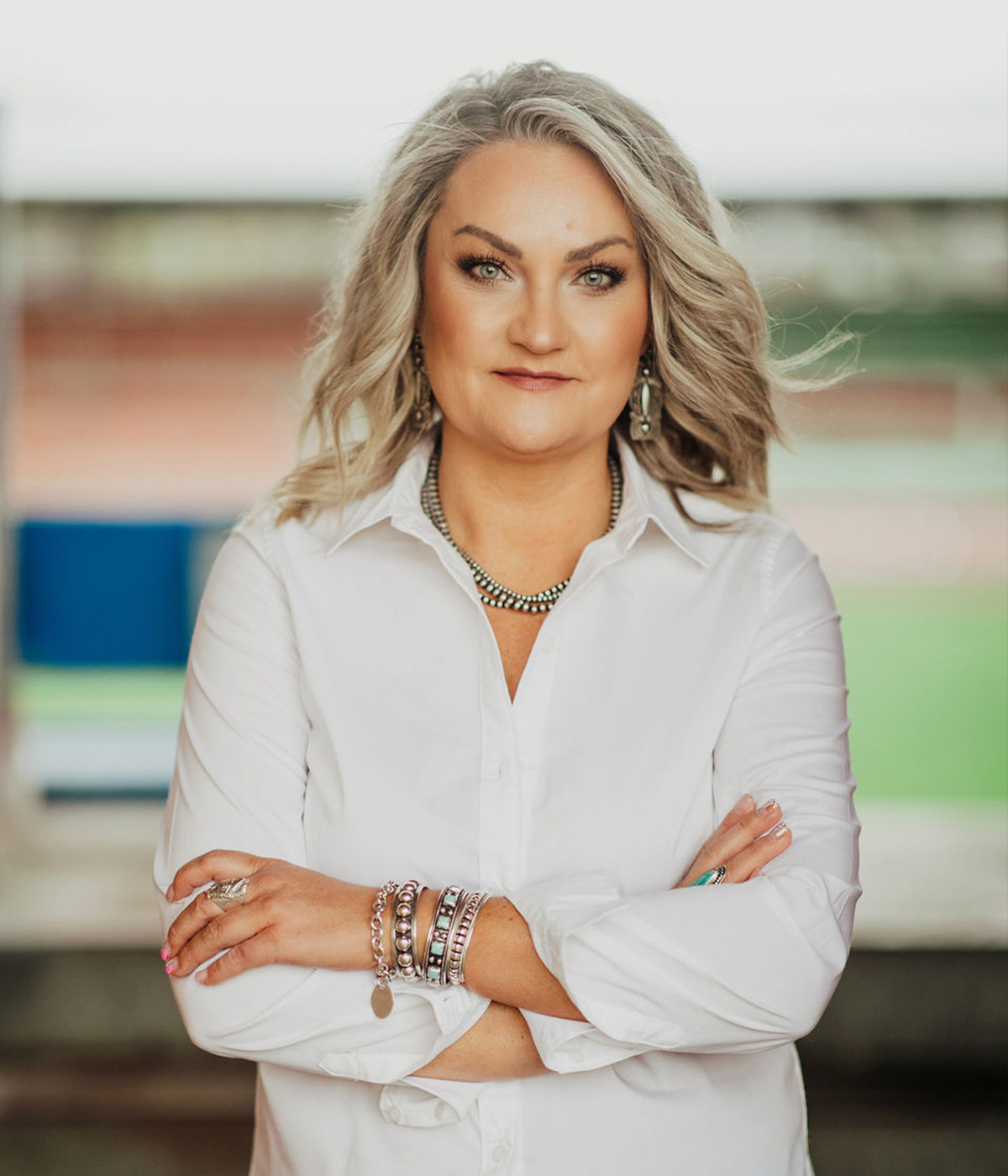
    Tiah is a second-generation director and a 37-year volunteer with the Pendleton Round-Up. She started volunteering at the age of 6, coming to Round-Up work parties with her father Duane. Her first job was picking rocks out of the arena. Since then, she has done everything from acting as a pennant bearer in parades to driving VIP Shuttle and saddling trophy horses for champions. In 1999, Tiah served as a Princess on the Pendleton Round-Up Court and, in 2001, was named Queen. Tiah is a past board member and President of the Pendleton Round-Up and Happy Canyon Hall of Fame. For 37 years, Tiah has also been a cast member in Happy Canyon. Her parts have varied from side saddler and emigrant to the madam at Goldie’s Place.

    During her 8 years on the Board of Directors, Tiah has served as Sponsor Director, something that ties in nicely with her background in, and love for, Professional Sports Marketing. During her time as Sponsor Director, Tiah nearly tripled sponsorship contributions and oversaw many renovations to the Sponsor program. As part of her directorship, Tiah also oversaw the shuttle service and chaired the VIP Committee. One of the things she has enjoyed the most is being able to welcome guests near and far to Pendleton while offering them world-class hospitality.

    As a member of the Board of Directors, Tiah served on numerous committees, including Xtreme Bulls, Concert, Trademark, and Public Relations. She has chaired the Farm II committee, Policy and Procedure Committee, and Events Committee and served as Secretary of the Board for six years. Tiah was instrumental in bringing the 1910 Room to the grounds and revamping the VIP program to what it is today. Tiah is also the first woman to complete two full terms on the Board of Directors.

    Tiah would like to sincerely thank her friends and family for their unwavering support, especially her Mother, Patty Ann, who stepped in and stepped up at every whim over the last eight years. The board commitment is really a two-person job, and Tiah contributes much of her success to the support Patty Ann has given her. In addition, Tiah would like to thank her fellow board members, the incredible Round-Up Staff, and the amazing team of Sponsor and shuttle volunteers.

    About Pendleton Round-Up

    2024 will be the 114th Pendleton Round-Up, which is synonymous with “Tradition.” That feeling of stepping back in time and experiencing a true Wild West Exhibition is what makes the Pendleton Round-Up so special.

    One thousand two hundred volunteers make the event happen each September.

    Pendleton is known for its hospitality; it speaks not only to the rodeo but also to the city. Every restaurant, hotel, store owner, etc., impacts that feeling of Welcome you get when you come to Pendleton.

    The entire city is involved in some way. Schools close so kids can volunteer, and playgrounds become campgrounds. Local service organizations and nonprofits use Round-Up as a fundraiser.
  • The Championship of Champions

    The Championship of Champions

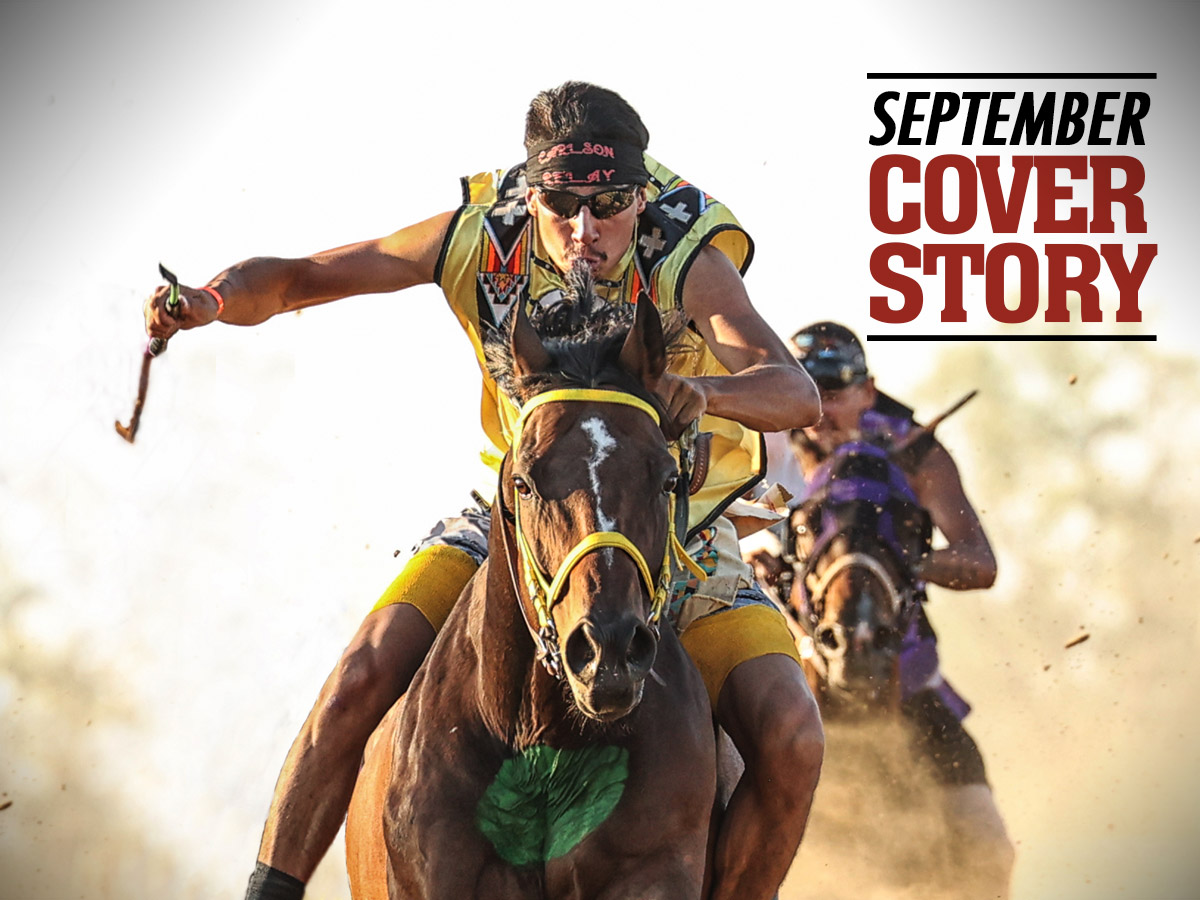
    The Horse Nations Indian Relay Council (HNIRC) is more than just an organization; it is a guardian of a vibrant cultural tradition that dates back centuries. Established in December 2016, HNIRC is dedicated to preserving and promoting Indian Relay racing, a sport steeped in Native American heritage. This unique and exhilarating sport showcases the exceptional horsemanship, speed, and agility of its participants, making it one of the most thrilling spectacles in Native American culture. As HNIRC gears up for the 2024 Championship of Champions, let’s delve into the history of both the event and the council, exploring their mission, key events, community engagement, and future goals.

    Origins and Mission of HNIRC

    HNIRC was founded with a clear mission: to honor the heritage of Indian Relay racing, support the communities involved, and inspire new generations of fans and competitors. Indian Relay is a sport that has deep roots in Native American culture, with its origins tracing back to times when horseback riding was a vital part of daily life. The sport involves riders racing bareback on multiple horses, with exchanges happening at high speeds. It is a testament to the skill and bravery of Native American horsemen and women, reflecting their deep bond with their horses and their land.

    The council’s mission is not just about preserving a sport but also about celebrating a way of life. HNIRC aims to expand the reach of Indian Relay racing, bringing its excitement and cultural significance to a broader audience. By doing so, they hope to foster a greater appreciation and understanding of Native American traditions, ensuring that these practices continue to thrive in the modern world. The council’s vision includes creating a platform where the strength, speed, and spirit of Native American horse culture can be celebrated and shared with audiences around the globe.

    The Inception and Growth of the Championship of Champions

    The Indian Relay Championship of Champions is the crown jewel of HNIRC’s efforts. This annual event gathers the best Indian Relay teams from across the United States and Canada, offering a platform for these skilled athletes to compete at the highest level. The Championship of Champions has grown rapidly since its inception, breaking records for crowd size and the number of competitors each year. It has become a major event in the Native American sports calendar, attracting thousands of spectators and participants.

    The first Championship of Champions was held in Billings, Montana, in 2017. The event was an instant success, drawing large crowds and showcasing the best talent in the sport. Following this successful debut, the event moved to Walla Walla, Washington, where it continued to grow in popularity. The choice to rotate the location of the championship is a deliberate one, designed to bring Indian Relay racing to different communities and allow a broader audience to experience this unique cultural tradition. After Walla Walla, the event moved to Casper, Wyoming, next to Fort Pierre, South Dakota, and then back to Casper, Wyoming, where it will be held in 2024.

    In 2019, a significant milestone was reached when Women’s Indian Relay was added to the Championship of Champions races. For the first time, women teams were provided with a national platform to compete, reflecting HNIRC’s commitment to promoting inclusivity and recognizing the talent of female competitors in the sport. The addition of the Women’s Indian Relay has since become a highlight of the event, attracting more participants and fans each year.

    This rotating nature of the Championship of Champions not only allows different communities to host the event but also brings a fresh environment and new challenges for the competitors. It helps keep the sport dynamic and exciting, with each location offering its unique set of conditions and atmosphere. The move to Casper was part of a three-year contract, and HNIRC plans to continue the event in Casper through 2025. This continued expansion and movement reflect the council’s commitment to spreading the excitement of Indian Relay racing and engaging with new audiences.

    The 2024 Tour of Champions: A Showcase of Skill and Culture

    The road to the Championship of Champions is paved with a series of races organized by HNIRC throughout the summer. The 2024 Tour of Champions is a carefully curated schedule of events across the United States and Canada, providing opportunities for teams to compete and qualify for the prestigious championship. The tour is not just about the races; it’s also a celebration of Native American culture, with events often featuring traditional drum groups, dancers, and vendors offering crafts and jewelry.

    The 2024 Tour of Champions includes the following events:

    • June 01-02: Season Opener, Miles City, MT
    • June 08-09: Indigenous Celebration Indian Relay, Grand Prairie, Canada
    • June 22-23: Crow Native Days, Crow Agency, MT Native Days Indian Relay
    • July 06-07: Sugar Bowl Indian Relay, Inchelium, Washington
    • July 27-28: Wyoming Downs, Evanston, WY
    • August 02: Phillips County Fair, Dodson, MT
    • August 03-04: Run with the Warriors, Pine Ridge, SD
    • August 10-11: Lower Brule Races, Lower Brule, SD
    • August 24-25: North Central Washington Fair, Waterville, WA
    • September 07-08: Turtle Mountain Indian Horse Relay, Belcourt, ND
    • September 07-08: Okanogan County Fair, Okanogan, WA
    • September 11-14: Pendleton Round-up, Pendleton, OR
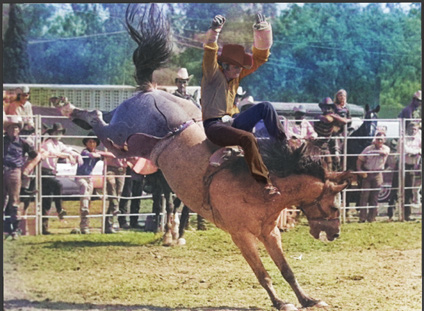
    • September 20-22: HNIRC Championship of Champions, Casper, WY

    These races are crucial stops on the road to the championship, offering teams the chance to qualify for the final showdown in Casper. The Tour of Champions Indian Relay races, accredited by HNIRC, are a series of races that test endurance, skill, and strategy. To be eligible to enter the Championship of Champions, teams must participate in at least two HNIRC-accredited races throughout the season. Each race presents unique challenges, reflecting the dedication and passion of the competitors who travel long distances and train rigorously to compete at the highest level. This tour is a testament to the relentless commitment of the athletes, showcasing the best of Indian Relay racing across diverse locations.

    Leadership and Community Engagement

    HNIRC is led by a dedicated board of directors who bring a wealth of experience and passion to the organization. The current board members are:

    • Calvin Ghost Bear – President, Pine Ridge, South Dakota
    • Carol Murray – Vice President, Browning, Montana
    • Carla Ghost Bear – Treasurer, Pine Ridge, South Dakota
    • Jamie Howard – Secretary, Wayne, Oklahoma
    • Diana Volk – Marketing, Sheridan, Wyoming

    These leaders are not only committed to the success of the sport, but also to the well-being and development of the communities they represent. Under their guidance, HNIRC has made significant strides in promoting Indian Relay racing and ensuring that it continues to thrive in the years to come.

    Community engagement is a core aspect of HNIRC’s mission. The council’s events are more than just races; they are cultural celebrations that bring people together. At each event, attendees can experience the rich traditions of Native American culture, from the stirring rhythms of drum groups to the intricate designs of traditional crafts. HNIRC also works to support the development of young riders and teams, ensuring that the sport’s future is in good hands. By providing training and mentorship opportunities, the council helps nurture the next generation of Indian Relay champions.

    Past Champions and Categories

    The upcoming Championship of Champions expects to have over 50 men’s teams from six states and two provinces. The competition includes several categories:

    • Men’s Relay: Traditional three-horse teams.
    • Women’s Relay: Two-horse teams.
    • Junior Relay (12-15 years old): Two-horse teams.
    • Youth Relay (9-12 years old): Three-pony teams.
    • Kids Relay (7-9 years old): Three-pony teams.

    Past champions highlight the fierce competition and talent present in Indian Relay racing:

    Men’s Past Champions

    • 2017: Abrahamson Relay, Scott Abrahamson, Colville, Billings, Montana
    • 2018: Northwest Express, Mathew Pakootas Jr., Colville, Walla Walla, Washington
    • 2019: Abrahamson Relay, Scott Abrahamson, Colville, Walla Walla, Washington
    • 2020: S/M Express, Dustin Kruger, Crow, Casper, Wyoming
    • 2021: Buffalo Jump, Chris Carlson, Blackfeet, Casper, Wyoming
    • 2022: Omak Express, Colville, Fort Pierre, South Dakota
    • 2023: Carlson Relay, Chazz Racine, Blackfeet, Casper, Wyoming

    Women’s Past Champions

    • 2019: Timentwa Relay, Talliyah Timentwa, Colville, Walla Walla, Washington
    • 2020: Young Money, Autumn Charges Strong, Crow, Casper, Wyoming
    • 2021: Tissidimit Relay, Brailey Tissidimit, Blackfeet, Casper, Wyoming
    • 2022: Amyotte Racing, Diamond Amyotte, Crow, Fort Pierre, South Dakota
    • 2023: Timentwa Relay, Talliyah Timentwa, Colville, Casper, Wyoming

    Future Goals and the Path Ahead

    As HNIRC continues its commitment to Casper, Wyoming, for the Championship of Champions, the council is already looking to the future. They aim to offer fresh environments and opportunities for different communities and sponsors to engage with and celebrate Indian Relay racing. By expanding the sport’s reach, HNIRC hopes to inspire new fans and competitors, ensuring that the vibrant tradition of Indian Relay continues to thrive.

    The council’s future goals include not only the continued growth of the Championship of Champions but also the expansion of the Tour of Champions. HNIRC is exploring new ways to engage with fans, including potential partnerships with media outlets to broadcast the races and bring the excitement of Indian Relay to a broader audience. The council is also committed to furthering its community outreach efforts, providing more opportunities for Native Americans from other areas of the US and Canada to learn about and participate in this unique sport.

    Prize Money

    The Championship of Champions also offers significant prize money, adding to the competitive spirit of the event. The men’s relay has $100,000 in added money, with the total payout estimated at $125,000. The women’s relay features $25,000 in added money, highlighting the importance of supporting and recognizing the talent of female competitors in this sport.

    In conclusion, the Horse Nations Indian Relay Council stands as a proud guardian of a rich cultural legacy. Through its dedication to preserving and promoting Indian Relay racing, HNIRC has created a platform where the strength, speed, and spirit of Native American horse culture can be celebrated and shared with audiences around the globe. The Championship of Champions and the Tour of Champions exemplify this mission, bringing together communities, showcasing exceptional talent, and ensuring that the vibrant tradition of Indian Relay continues to thrive for generations to come.