Rodeo Life

Category: Articles

  • The Texas Swing 

    The Texas Swing 

    From January to April, millions of cowboys and cowgirls from across North America will snowbird their way down to Texas for many high-call Western events. Rodeo fans from all sectors of the sport are drawn to the action in the arena. Music lovers come to rock out to their favorite performers. America’s youth drive to show their livestock for some of the largest payouts in the country.


    Within the Professional Rodeo Cowboys Association (PRCA) and the Women’s Professional Rodeo Association (WPRA), this is the most rotund group of rodeos collectively held in a single state. The paydirt at these will be some of the most significant competitors will receive all year. The money won at these events can help to make or break a contestant’s NFR dreams. This is known as the Texas Swing. 


    Fort Worth Stock Show and Rodeo 

    January 17- February 8 

    What started in 1896 as a stock show held on the banks of Marine Creek in North Fort Worth, Texas, now brings over a million people to North Texas every January. The Fort Worth Stock Show and Rodeo happens over three weeks and includes a variety of events and competitions. There is something for everyone, from agricultural mechanics, American Quarter Horse Association​ and National Cutting Horse Association horse shows, sheep dog trials, and a celebrity goat milking contest to wine tasting, nightly concerts, and a bracket format​​ PRCA rodeo. One thing is for sure​​​ This Thing is Legendary®​.

    2025 Champions:

    Bareback Riding: Nick Pelke

    Steer Wrestling: Jesse Brown

    Breakaway Roping: Josie Conner

    Team Roping: Tanner Tomlinson and Travis Graves

    Saddle Bronc Riding: Kade Bruno

    Tie-Down Roping: Shad Mayfield

    Barrel Racing: Andrea Busby

    Bull Riding: Maverick Potter


    San Antonio Stock Show and Rodeo 

    February 6-23

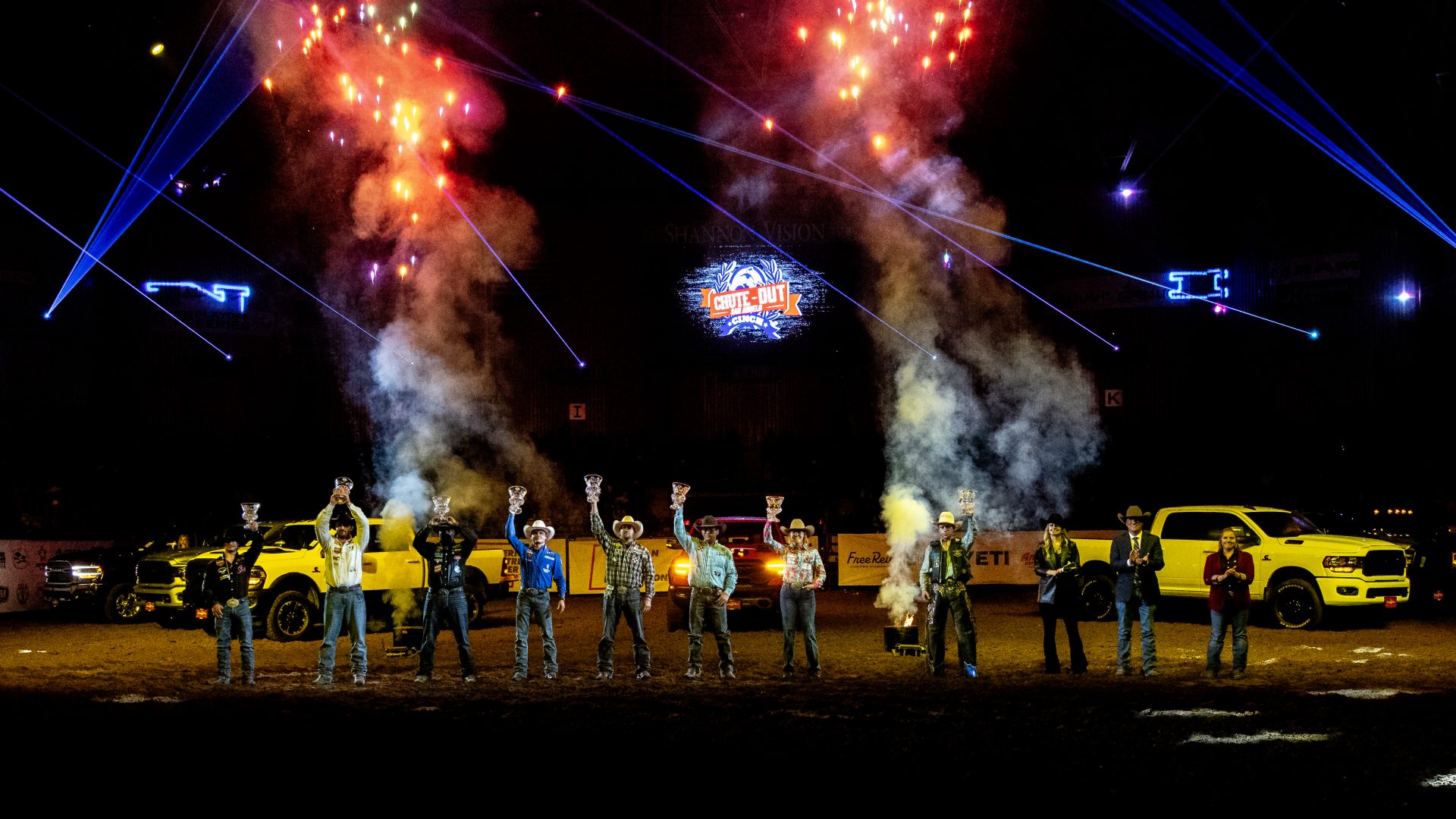
    Approximately 1.5 million people enter the gates of the San Antonio Stock Show and Rodeo fairgrounds to experience more than an 8-second ride. The first stock show was held at the historic Joe and Harry Freeman Coliseum in 1949, and the rodeo was added to the event list in 1950. Since then, the stock show and rodeo have experienced exponential growth. In 2003, the San Antonio Stock Show and Rodeo moved to the AT&T Center, a new state-of-the-art facility at the time, and was inducted into the ProRodeo Hall of Fame in 2008. 

    2025 Champions:

    Bareback Riding: Bradlee Miller

    Steer Wrestling: Brandon Harrison

    Breakaway Roping: Aspen Miller

    Team Roping: Dustin Egusquiza & Levi Lord

    Saddle Bronc Riding: Dawson Hay

    Tie-Down Roping: Tuf Cooper

    Barrel Racing: Megan Mcleod-Sprauge

    Bull Riding: Stetson Wright


    RODEOHOUSTON

    March 4-23

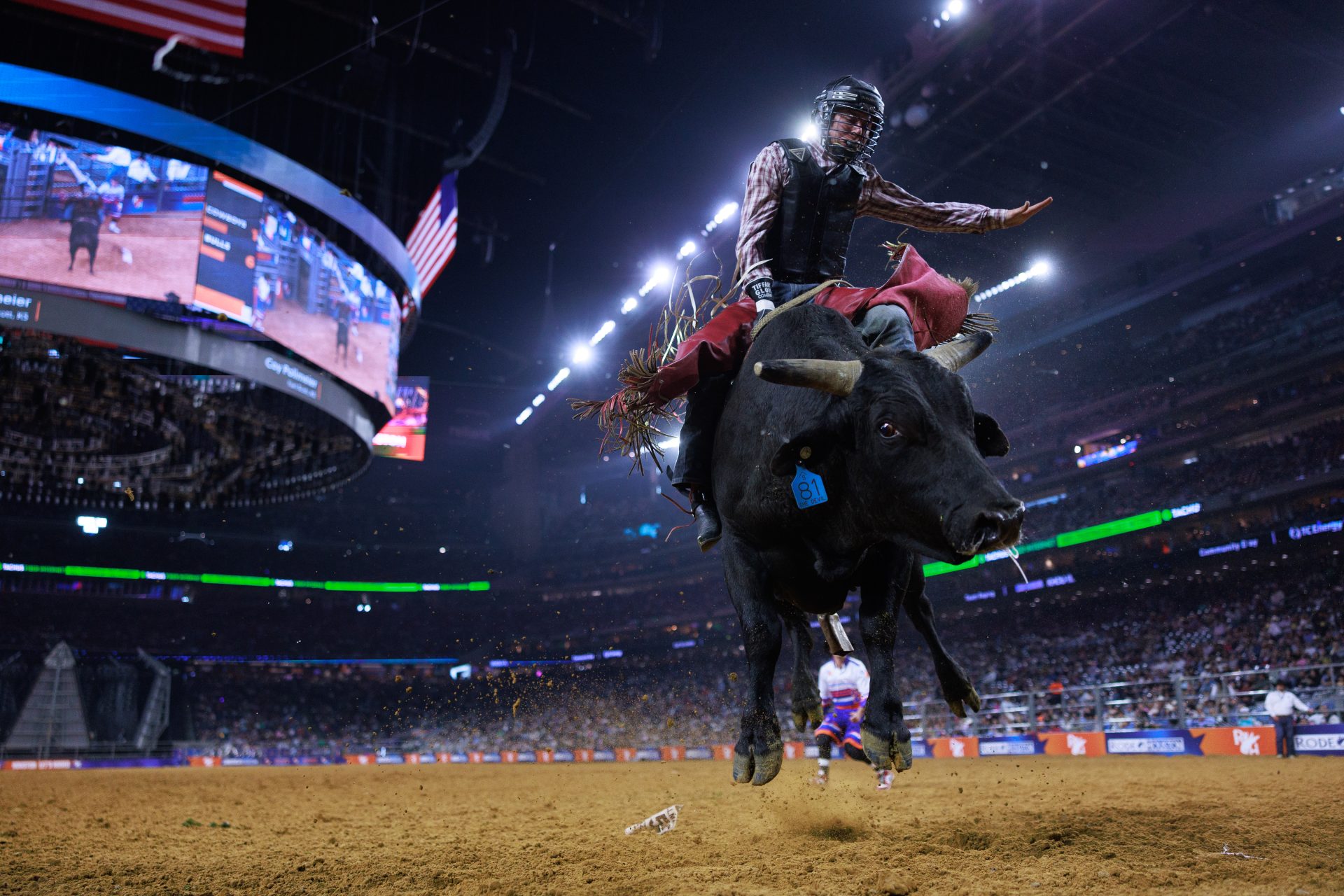
    Since 1932, the Houston Livestock Show and Rodeo has achieved many accomplishments, including but not limited to its induction into the ProRodeo Hall of Fame in 2008. With youth​ and education being the organization’s focus, they have committed more than $630 million to the youth​ of Texas since the first stock show 93 years ago. The PRCA bracket-style rodeo is a 20-day tournament where fans see a champion crowned in eight events. Along with the monetary payout, each champion receives a custom-made saddle, belt buckle, and an invitation back to RODEOHOUSTON the next year. 

    2025 Champions:

    Bareback Riding: Rocker Steiner

    Steer Wrestling: Tucker Allen

    Breakaway Roping: Taylor Munsell

    Team Roping: Derrick Begay & Colter Todd

    Saddle Bronc Riding: Ryder Wright

    Tie-Down Roping: Riley Webb

    Barrel Racing: Kassie Mowry

    Bull Riding: Tristen Hutchings


    Rodeo Austin 

    March 14-29

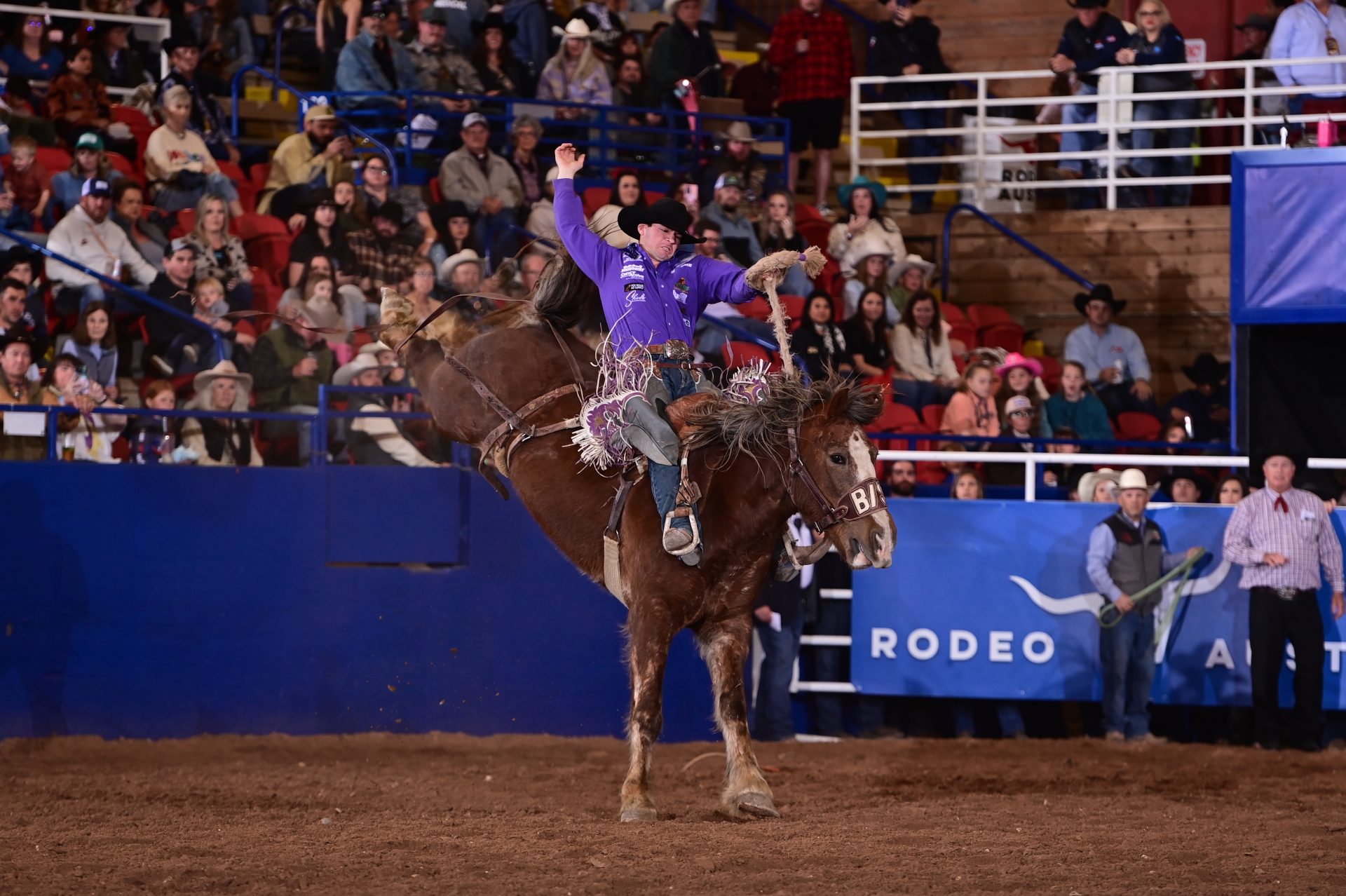
    For over 80 years, Rodeo Austin has vowed to help grow the next generation of Texans. Since 1981, Rodeo Austin’s Scholarship Program has awarded over eight million dollars and impacted the lives of over 2,000 students. While Rodeo Austin is a nonprofit that works year-round, the funds they award are raised during the monthlong real Western experience held every March. Fans gather to watch top PRCA athletes compete, but they also attend rocking concerts, and a livestock show, all while raising money to promote the Western way of life. 

    2025 Champions:

    Bareback Riding: Tanner Aus

    Steer Wrestling: Logan Kenline

    Breakaway Roping: Rylee George

    Team Roping: Marcus Theriot & Wyatt Cox

    Saddle Bronc Riding: Quintin Taylor

    Tie-Down Roping: Tuf Cooper

    Barrel Racing: Brittany Pozzi Tonozzi

    Bull Riding: Wacey Schalla


    San Angelo Stock Show and Rodeo 

    April 4-20

    Foster Communications Coliseum on the San Angelo Fairgrounds is where the tie-down ropers receive louder applause than the bull riders. Celebrating 91 years, the San Angelo Stock Show and Rodeo has a rich rodeo history. The first experimental rodeo was added to the event in 1932, and only two short years later, San Angelo hosted their first ProRodeo. Since then, the San Angelo Rodeo Committee has prided itself on knowing how to put on a rodeo. Each year, they go above and beyond to make the event bigger and better, but they never stray from the heart of it all…Rodeo.

  • Western Art Round-Up: Shea Fisher Durfey

    Western Art Round-Up: Shea Fisher Durfey

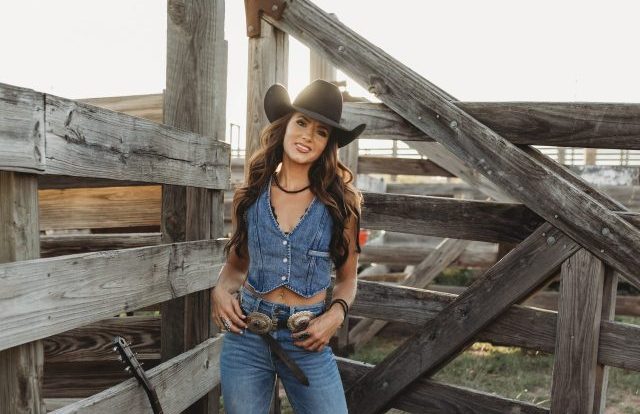
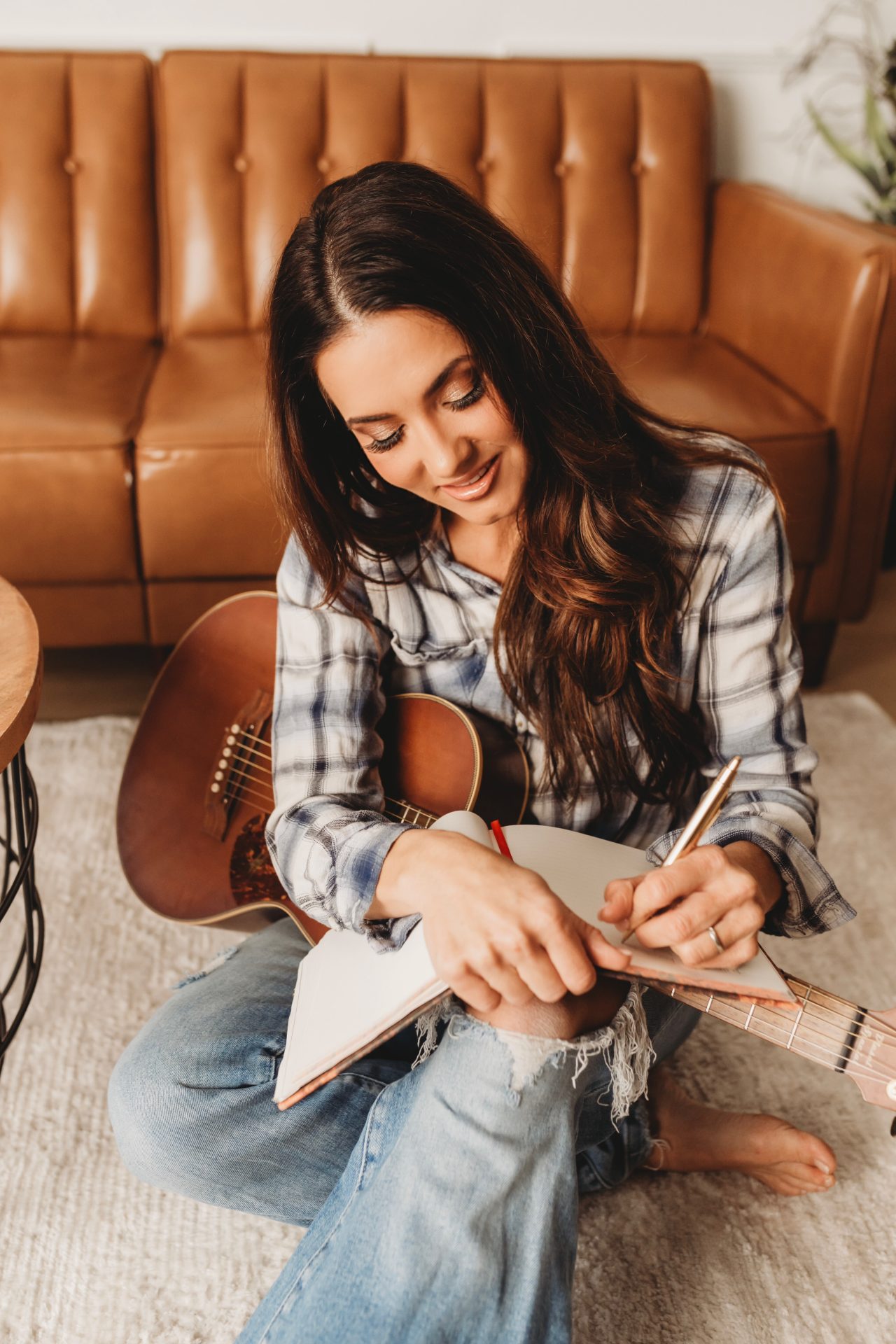
    Shea Fisher Durfey wears many hats — mother, musician, songwriter, wife, entrepreneur, business owner, and barrel racer to name a few. Born in Australia, Shea began singing and competing in rodeo as a young girl. Her passions have been woven together from the beginning; she first focused on singing with the goal of performing the National Anthem at rodeos and would do so while also competing. A recording contract at 16, six No. 1 songs in Australia, a Nashville record deal, moving to Texas, marrying World Champion Tie-Down Roper Tyson Durfey, growing a family, building businesses, running barrels, and more have led to her current focus: rekindling her music career. Shea is preparing to launch a new album campaign in 2025, which will include music videos, three singles, and, eventually, a full album.

    Western Roots

                Growing up in Australia, rodeo and Western life weren’t central to the culture. Still, with her father, Eddie Fisher, competing in the PBR and her mother, Joanne Fisher, a champion barrel racer, Shea developed a love for all things horses and rodeo at an early age. She first became interested in country music while traveling to rodeos with her dad in the U.S. “My family lived in the U.S. for a couple of years, starting when I was 9. My dad was riding bulls with the PBR, and I remember traveling to rodeos with him and listening to 90s country. I fell in love with Shania Twain and Garth Brooks,” Shea recalled.

                Back in Australia, Shea decided to try her hand at singing and playing country music. “I decided that I was going to start singing the National Anthem at rodeos because I heard that was how Reba McEntire was discovered,” she remembered.

                Shea also started entering talent competitions in her early teens. It took many losses before she got a win, but when she finally beat her competition, she had the opportunity to perform on the main stage at a large festival in Australia. “That was my first real experience performing for a crowd,” Shea shared. “I was hooked.”

                Her first big industry break came at 16. Shea was set to sing the National Anthem at a rodeo and decided to knock on the main music act’s bus door. Steve Forde, an Australian country singer, answered. Shea boldly asked if she could open the show for him, and it just so happened that the opening act was sick. Concertgoers rarely show up in time to catch opening acts, but Shea didn’t care. “There was no one in the crowd, but I had the best time performing on that big stage,” she recalled.

                Taking a chance paid off. Forde asked Shea’s parents if they would be willing to let her open the rest of the shows on the tour, and they agreed. Forde also helped Shea write and record her first album. The album was self-funded, and their next task was to see if a record label would pick it up. In Australia, there are only a few major labels, making it difficult to get signed. Fortunately for Shea, a label liked what they heard and decided to add her to their roster. “Never in my wildest dreams did I think I would get a record deal at 16”, she reminisced.

                Rodeo was still a priority in Shea’s life, and she was doing well at it. She had won a rookie breakaway title and was the first girl to qualify for the junior bull riding. The record label didn’t love knowing their new talent was crawling on bulls and asked her to put that aside for the time being. Shea continued competing in other events and singing but did hang up her bull rope.

    Taking a Big Leap  

                Shea continued singing and performing in Australia into her early 20s. She had felt drawn to the U.S., with its love for rodeo and country music, and was offered the opportunity to make this dream a reality. She was at a rodeo when a life-changing call came through. “I was offered a record deal in Nashville right before I turned 21. I packed up and moved my whole world to the U.S., including my band and my manager.”

                While this was a huge change, rodeo and her family’s time in the U.S. gave Shea an existing network and safety net. Three weeks after her first single was released on the new label, Shea’s streak of good fortune came grinding to a halt — the label shut down. This left Shea with a lot of decisions to make. “Everything looked great, and then the record label shut down. I definitely had to sit back and think about what my life could look like,” she remembered. “I knew I could go back to Australia, pursue music there, and make a good living. But I just felt like I wasn’t done in the U.S.”

                Unwilling to give up, Shea started thinking about where she could go and how she would pay her bills. She liked Nashville but couldn’t see herself there long-term. When she lived in the U.S. as a young girl, Shea fell in love with the Lone Star State. “I’ve always had a calling to Texas,” she recalled. “When we lived here when I was younger, I felt like Texas was home.”

                Shea made her way from Nashville to Texas, and her rodeo family was there to provide support while she figured out her next move. She spent time at Cliff and Dena Kirkpatrick’s house, as well as with Trevor and Shada Brazile. Her friendship with the Brazile family led to another big moment. While at Rodeo Houston, Shea was introduced to World Champion Tie-down Roper Tyson Durfey. It took a lot of persistence on Tyson’s part, but the two eventually started dating and were married. “I was a pain,” Shea laughed. “He probably messaged me for a year before I let him take me out to breakfast.”

                The record label shutting down also pushed Shea to build a business that continues to support her family — Shea Michelle Buckles. Her family had established a contract with a metals manufacturer, and when Shea needed to figure out a way to pay her bills, she asked if she could take over that contract. Her father agreed, and Shea started cold-calling rodeo associations trying to sell trophy buckles. “At the time, it was just enough to pay my bills,” she recalled. “Today, we sell thousands of buckles.”

                This was a life-changing, difficult time, but Shea chose to pivot and look for a new open door. “I do believe that everything happened for a reason. The American record deal got me to the States,” she reflected.

                Since moving to Texas and marrying Tyson, Shea’s priorities have ebbed and flowed with her dedication to growing a family, running two businesses, competing in rodeo, and playing music. In addition to her talents in music, Shea is also known throughout the rodeo community for her unique Western style. When she had her first daughter, Shea quickly discovered that most of the children’s clothing on the market didn’t fit her style. She decided to do something about it, founding Shea Baby, a Western wear brand for children.

                Shea designed the first line of clothes, ironed out the details of having the products manufactured, and then started selling online. After landing her first wholesale account with Cavender’s, Shea had to turn their garage into a warehouse for the time being. Since then, Shea Baby has expanded into Western wear stores across the country. As her three children, Praise, Risyn, and Tyen, have grown, Shea has adjusted and added to each collection. “Starting this was just a huge blessing,” she said. “We grew organically and had to embrace the growth as we went.”

    The Next Chapter

                With the family businesses running smoothly, Shea began feeling drawn back to music over the last year. Singing and songwriting have remained a part of her life, but promoting her music had to be set aside while she grew her family and businesses. Shea will be launching an entire album campaign in 2025, which will include the release of three singles, music videos, and, eventually, a full-length album.

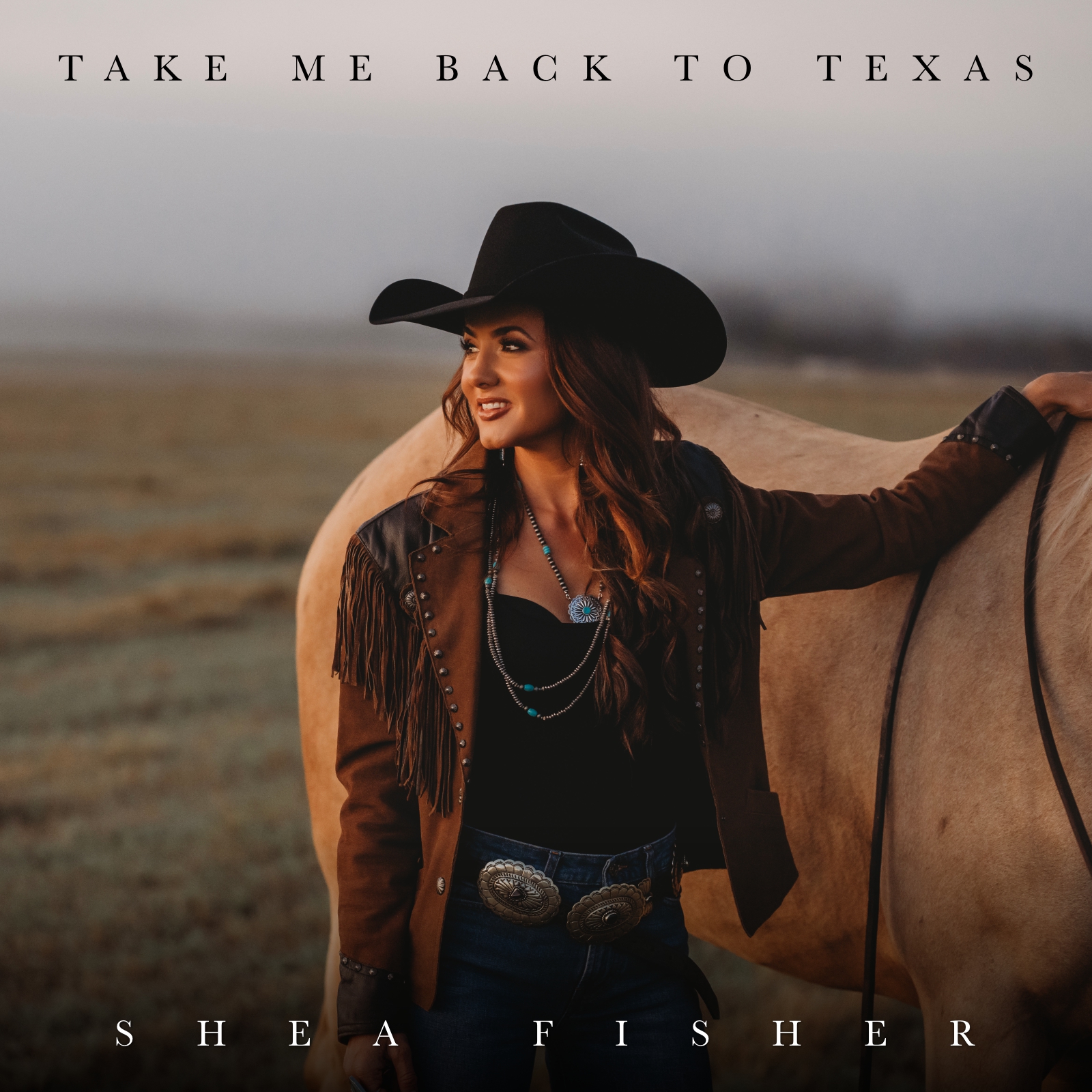
                Shea enjoys co-writing with other songwriters and has been collecting songs for the album for some time. Walker Hayes, one of her favorite people to write with, contributes significantly to the upcoming album. The first single to be released, “Take Me Back to Texas,” pays homage to Shea’s home state. The remainder of the album is similarly personal for Shea, who looks at songwriting with others as “the cheapest way to do therapy.”

                Her decision to launch a new project was also spurred by her young daughters. Women are often held to unrealistic standards in the music business, with many believing their chances at a career are over after 30. Shea wants to show her daughters that anything is possible. “Times have changed, and I want women to see that anything is possible. I don’t want age to matter. This is something I want to do for myself and for my family,” she said.

                Shea is also taking advantage of the freedom of not having a record label telling her how to pursue this next step in her career. “I had been signed to a major record label for 15 years of my career, and I no longer wanted to do that. I don’t want to be told what to say, wear, or sing. I get to do it on my terms,” Shea explained.

                In preparation for the album campaign, Shea has been sharing more about her music and life on social media. Doing so has been met with significant enthusiasm and support. In four months, her Instagram following grew from 30,000 to 275,000, which Shea is taking as a sign that she is putting her energy into something important and impactful.

                Like everything in her life, Shea didn’t want to only have one foot in the door on this new project. “I decided to hold myself accountable and flew my Australian video director over to shoot three music videos in September. I have a year’s worth of videos ready to release — I’m really doing this,” she said.

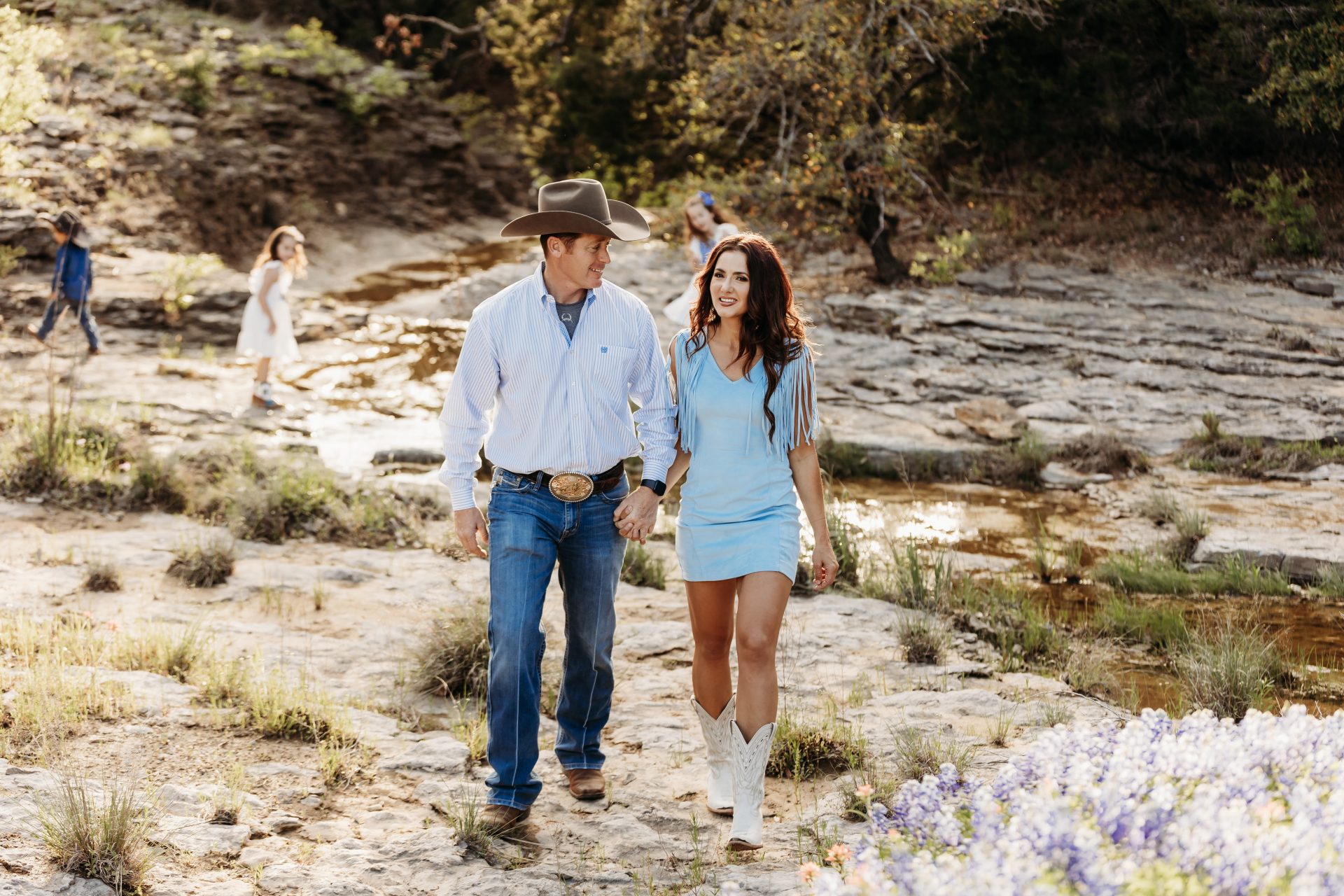
                Shea and her family are also preparing for a big year in the rodeo arena. Tyson has shared his plans to come out of retirement and make another run at qualifying for the NFR. Like Shea’s endeavors in music, Tyson is motivated by sharing the journey with his children. The couple has a lot on their plate, which they are able to balance by working as a team. “We are very supportive of each other,” Shea shared. “It’s very important, especially living a busy life and being somewhat in the spotlight. You have to be very secure with each other and supportive, which makes it work.”

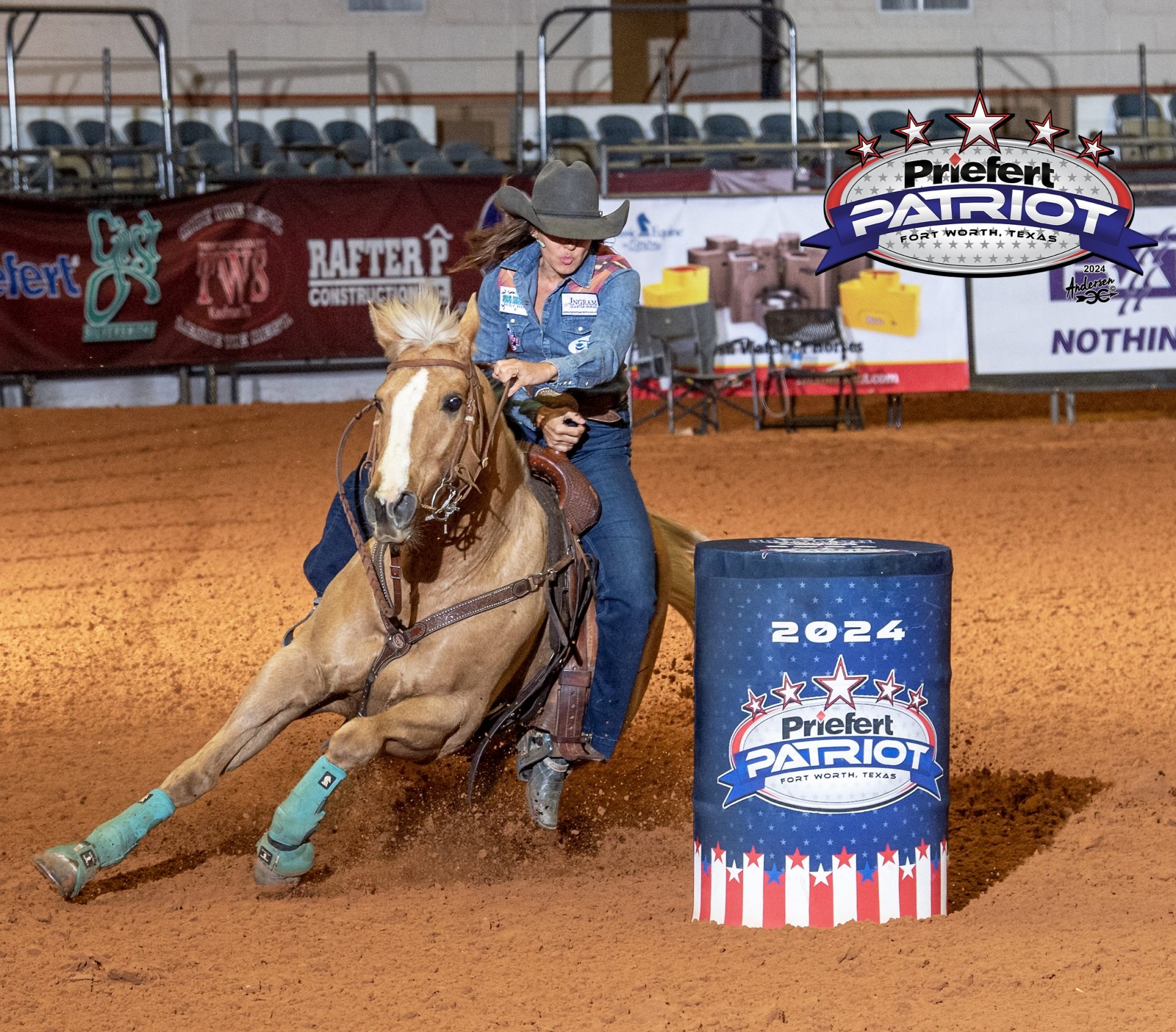
                Shea is also going to be running her little palomino barrel horse, Itchy, over the next year. After gaining momentum last summer, Itchy slipped and fractured his hock at a rodeo. Surgery and rehab have a high success rate with this injury, but it put a halt to Shea’s plans last year. She hopes to run Itchy at Texas races over the winter, enter any summer rodeos that align with Tyson’s schedule, and move up the ranks enough to enter more rodeos in 2026. An NFR qualification is Shea’s ultimate goal. Itchy is fast, quirky, and athletic. “He has the biggest heart,” Shea shared. “He isn’t easy to ride, but he’s electric.”

                Rodeo and the West are woven throughout Shea’s endeavors, from country music to running barrels, raising a family, and supporting Tyson. “Everyone has each other’s back, and it’s such a family,” Shea concluded. “I’ve always loved the Western culture. It’s really like nothing else.”

  • Western Art Round-Up: Jens Berg – Bits and Spurs

    Western Art Round-Up: Jens Berg – Bits and Spurs

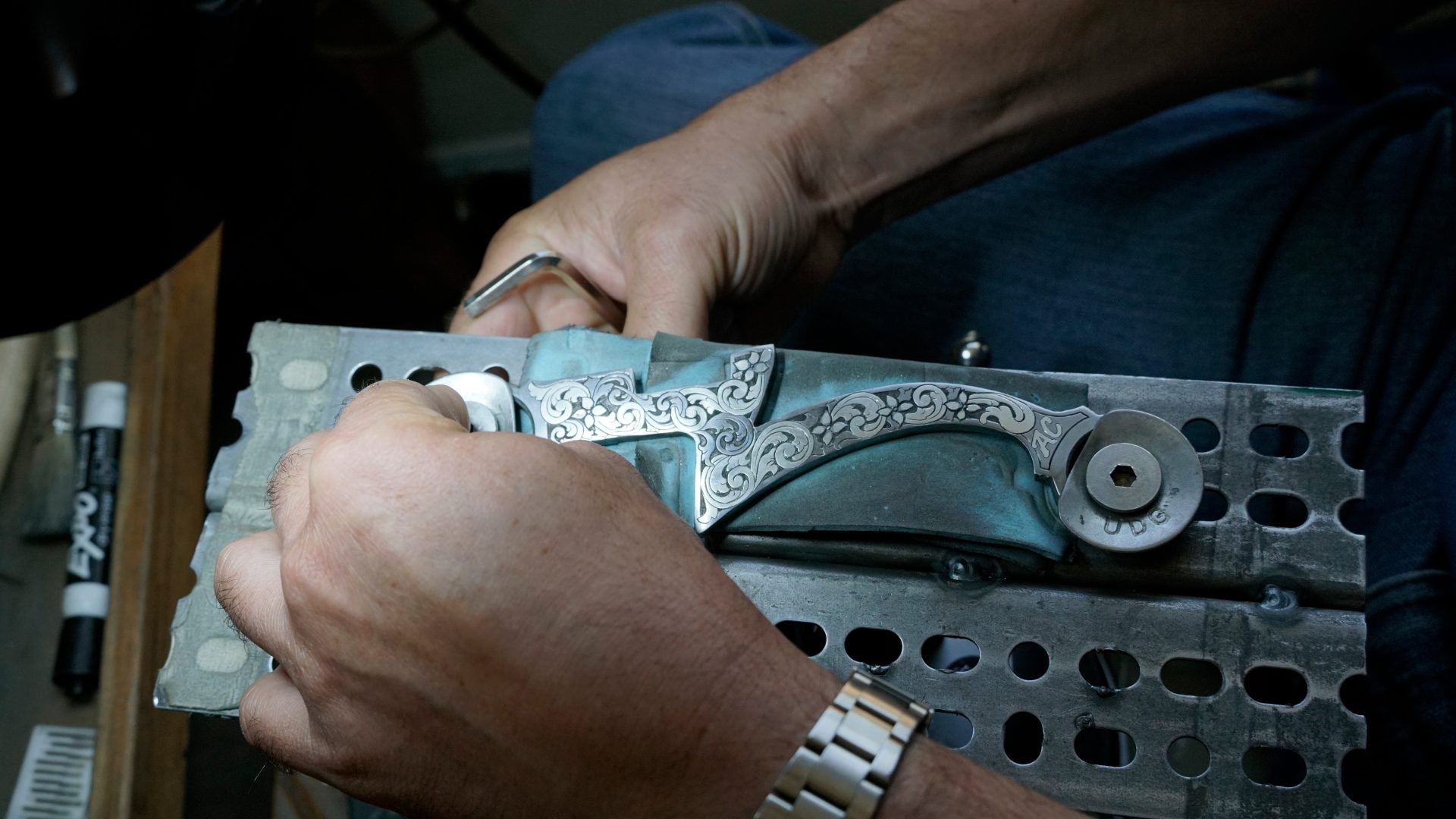
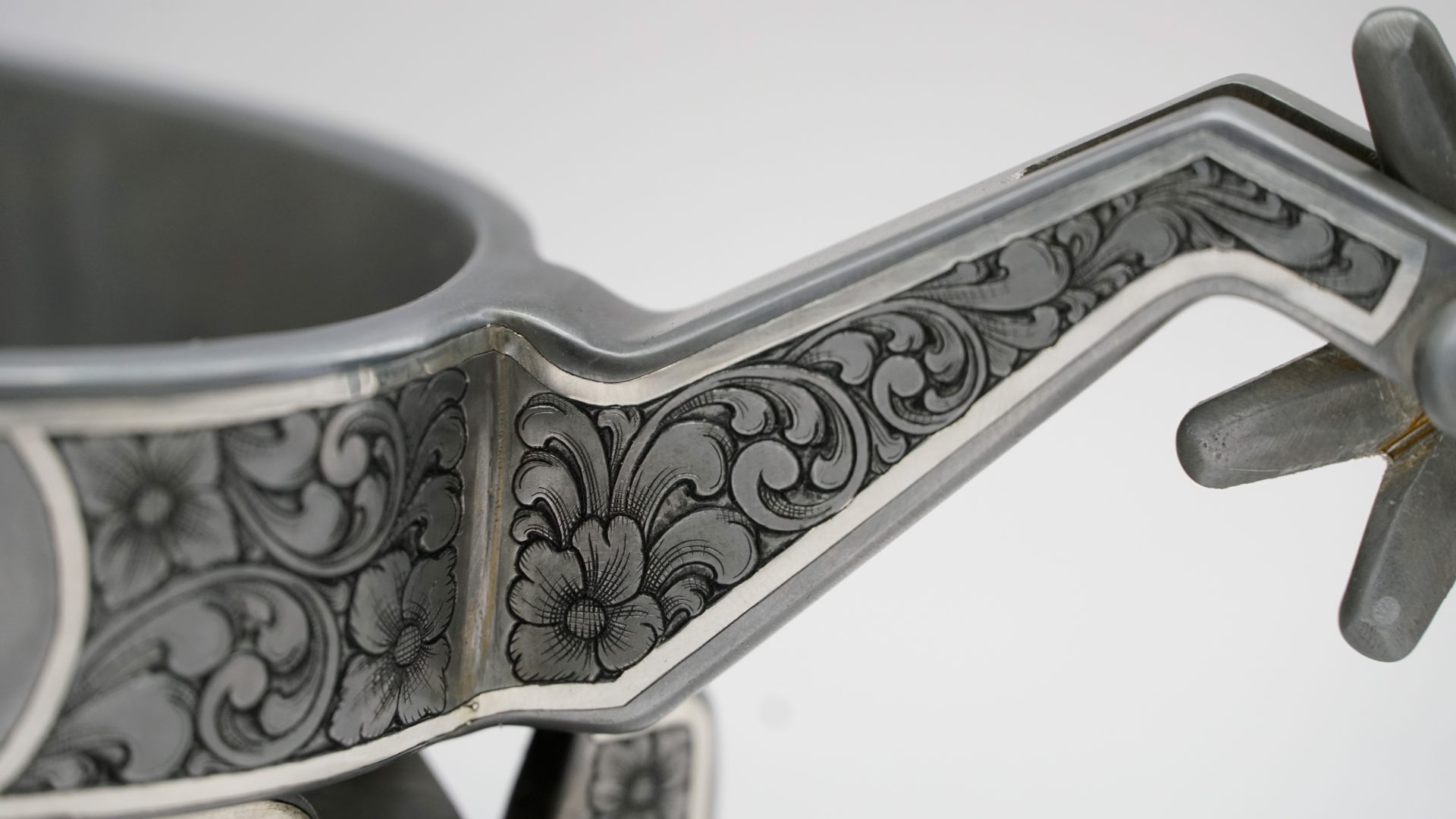
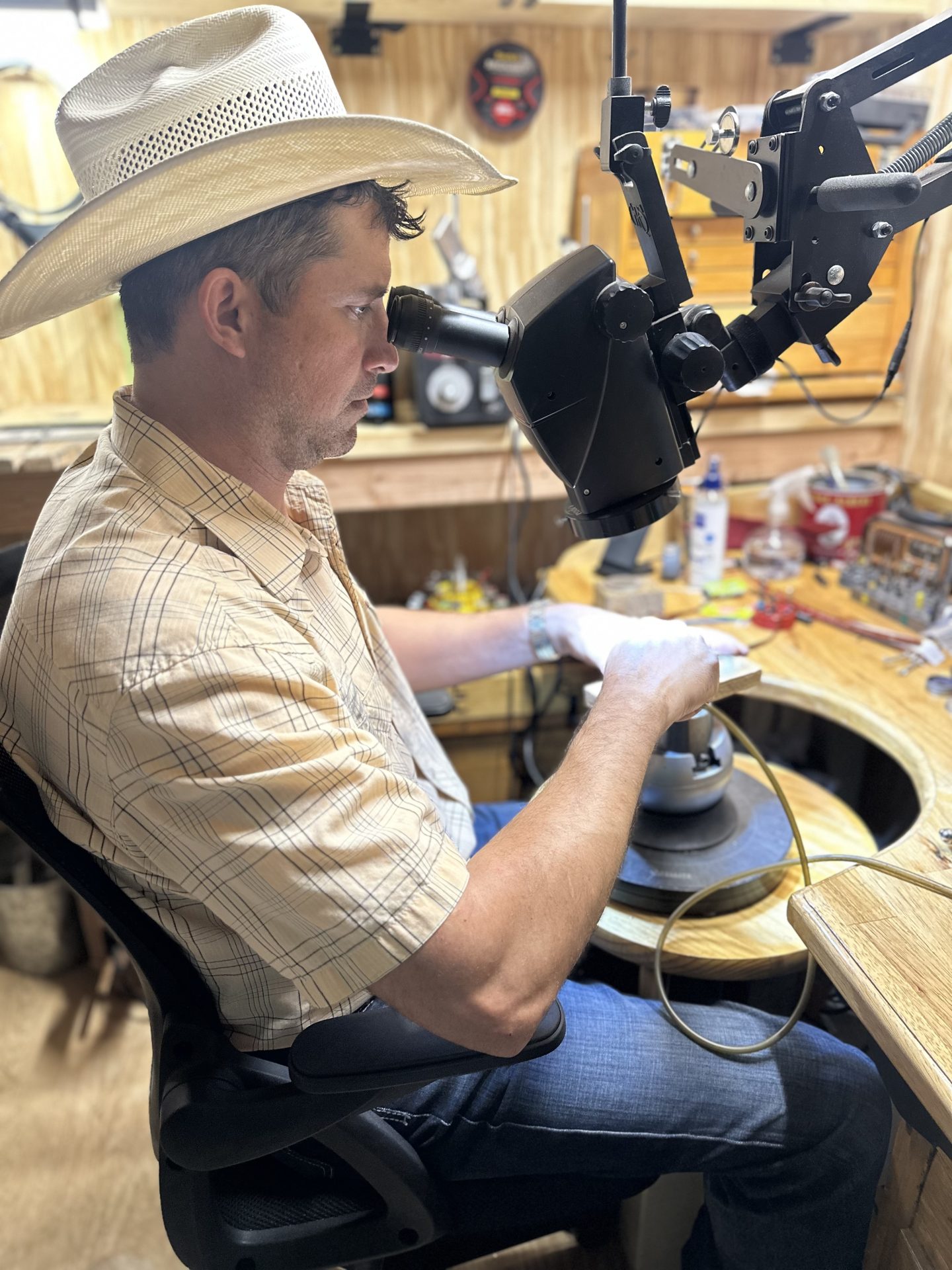
    Cowboys and cowgirls take a lot of pride in their gear, seeking out items that are both beautiful and functional. Bit and spur maker Jens Berg is creating handmade silver and metal gear that fits this bill perfectly. The Wyoming-born, Texas-based artisan grew up knowing he had a knack for art and, after starting out on leather, found his niche in metalsmithing. Unique silver engraving and overlay, which often feature the brands or initials of customers, are placed on top of functional handmade bits and spurs. Berg’s customers include rodeo competitors, working ranch hands, horsemen and women, and collectors from across the U.S. and beyond. 


    Wyoming Roots 

    Berg grew up outside the remote interstate town of Kaycee, Wyoming, which is best known for being the hometown of Chris LeDoux. The surrounding area is mostly occupied by cattle and sheep producers. Berg grew up in the ranching community — his father, Pat, worked as a farrier, and his mother Lila’s family ran cattle and sheep – and he developed a passion for Western life and an understanding of gear early on. His father was artistic, and Berg soon picked up drawing as a way to fill the time. “I always had to entertain myself quite a bit. The only neighbors who were kids were way up the road, so most of the people around were older than me,” Berg shared. 

    As an adult, Berg became interested in family history, which has informed his own life in the West. His father’s family immigrated to the United States from Norway, landing at Ellis Island on July 3, 1891. The family made their way to Minnesota, and his great-grandfather, also named Jens, moved to North Dakota. His grandfather, Leo, settled near Fargo, and Jens’s father eventually left North Dakota for Wyoming. His mother’s family settled in Johnson County, Wyoming, many generations ago. 

    Berg’s first gear project was tooling leather, with the goal of eventually building a saddle. He found that leather projects were difficult to balance with other work — leather is usually dampened for stamping, has to dry for a certain period of time, and can be finicky — so he decided to try engraving after seeing Wilson Capron’s work. “I saw one of his bits, and he’s just an amazing artist,” Berg recalled. “I knew right then and there that I wanted to know more about it.” 

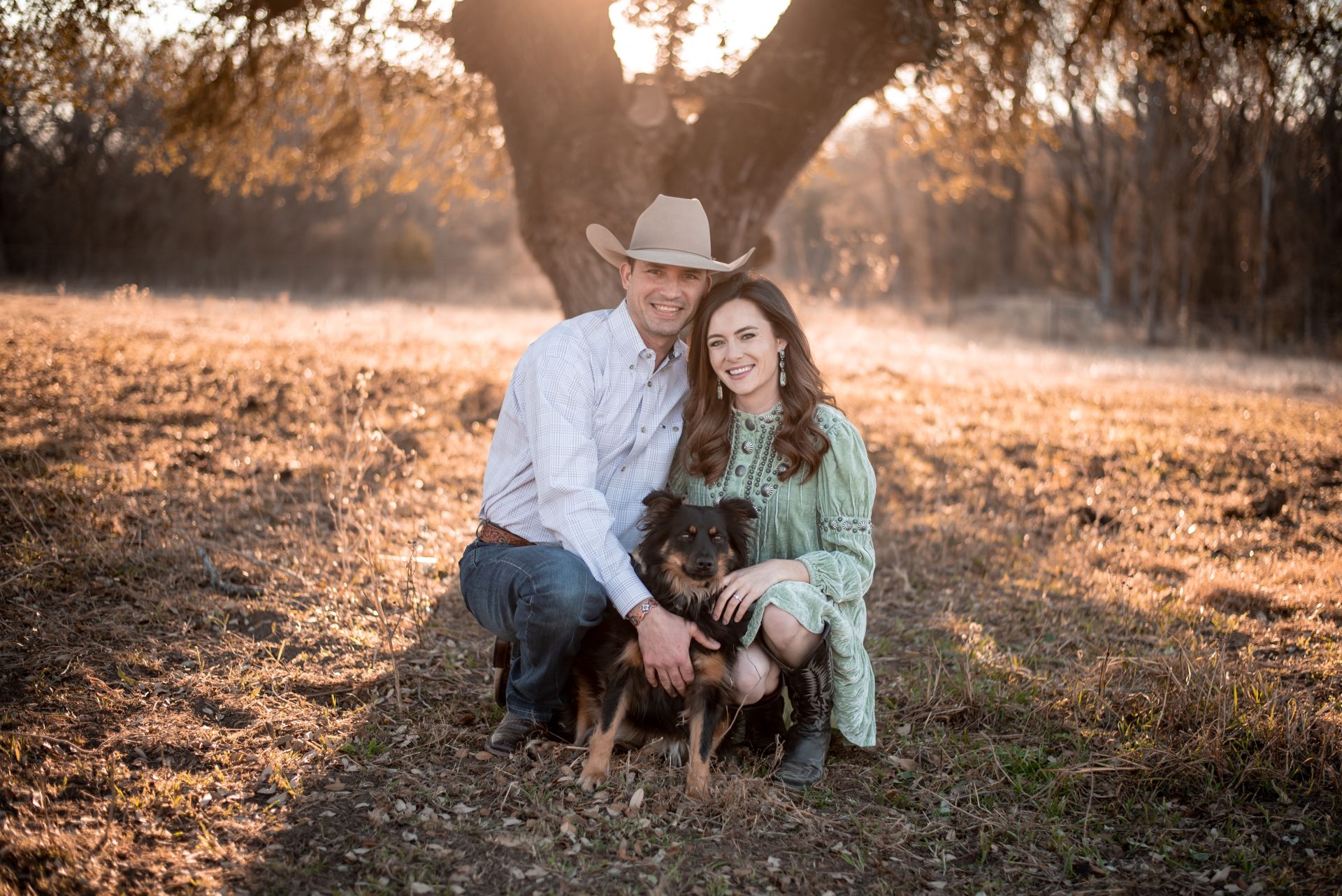
    He messaged Capron, seeking advice for getting into engraving. Capron suggested that Berg attend an engraving class hosted by GRS in Emporia, Kansas. Berg started purchasing tools and silver as he was able but held off on attending the class. Over the coming years, Berg worked a number of jobs before deciding to try his hand at silverwork full-time. He and his wife, well-known Western broadcaster Katy Berg (Lucas), had just moved south to Texas, which was another motivator for Berg to try a new career path. He attended the GRS class Capron had suggested and finished purchasing tools. “Those tools couldn’t get here fast enough,” Berg remembered.

    Berg set up a simple workspace and started honing his craft on copper cuffs and other small projects. Soon after, he traveled to Capron’s shop and spent a week building a bit, learning the fundamentals of making a product that can be used. 

    Silver is a soft metal, and adding it to bits and spurs requires soldering. To learn how to do this, Berg enlisted the help of Gordy Alderson, who was just up the road from their home in Texas. With this new knowledge, Berg was able to build Katy a bit for Christmas. After posting a photo of the bit on social media, he started receiving inquiries for custom projects. Since then, Berg has created custom bits and spurs for a long list of customers from across the U.S. and Canada. 


    Honing His Craft

    The seeds that have grown into Berg’s current style were planted many years ago, starting on the Wyoming prairie. His mother’s family ranch and his father’s work with horses put Berg around livestock and ranch life every day. Western art and culture were also early influences. “I’m a big Charlie Russell fan,” he shared. “If you look at his paintings, those cowboys didn’t have much, but they had silver-mounted bits and spurs and a really nice saddle.” 

    Berg’s style is also the product of many years of studying the work of others and spending time experimenting with designs. “I landed on my own style by studying other people’s work. I’m able to find little things I like.” Berg reflected. “I’m always working on drawing a design or studying work. I’m just always working at it.” 

    Sheridan, Wyoming, which is the home of many legendary Western gear maker

    s, also influenced Berg. “I lived in Sheridan for around six years and fell in love with Sheridan-style tooling. I knew some of the famous saddle makers, and I spent a lot of time in King’s [Saddlery]. Also, Jim Jackson is my favorite leathertooler,” he shared. 

    Beyond artistic style, there are a number of lanes a maker can choose when it comes to the functional style of bits and spurs. Berg has largely chosen to stick with simple, straightforward products using a lot of the knowledge he gained from Alderson, including how to properly set the purchase of a bit and make sure it’s balanced. All of Berg’s orders are custom, so the mouthpiece style, measurements, and other details a

    re determined by the customer. “It doesn’t matter how pretty a bit is. If it’s not a functional piece, it’s just a paperweight. I like to build things that are nice enough to put on a shelf but are also functional,” Berg said. 

    Many of Berg’s bits and spurs feature silver overlay, which is designed, engraved, cut out, and soldered to iron. He decided to try this filigree-style design after seeing other designs he liked. This process is tedious and requires the precise use of a silver saw. “If you saw out enough stuff, you’ll get good at it,” Berg laughed. “It’s time

    -consuming, but it’s a fun process to see what you imagined come into true form.” 


    Catering to the Customer 

    Each of Berg’s projects starts with a custom order. After posting the first bit he built for Katy on social media, Berg started receiving inquiries for other projects. As his business grew, Berg also started receiving orders from people who were seeing his work in person. 

    Customers come to Berg with an idea, which may be broad or specific. After gathering the necessary measurements and customer ideas, he crea

    tes a concept drawing. After the customer approves the concept, Berg is able to start building. Berg’s designs are elegant and classic, with detailed silver scrollwork and flowers. Many customers also add unique elements, like brands, initials, bucking horses, and more. 

    Berg wants to make each item unique, which has also ha


    ppened naturally as he has focused on improving his skills. “I don’t use the same pattern twice. I might steal some concepts out of another project if I really liked it,” he shared. 

    Bits were Berg’s first focus, and after his work started appearing online and at events, he was asked to build trophy spurs. His first pair were commissioned for the Professional Rodeo Cowboys Association’s Xtreme Broncs tour, and since then, he has built prizes for other rodeos and events. This also kick-started custom orders for custom spurs. “I build more spurs now than I do bits,” Berg shared. 

    Berg’s customer base has grown organically with the help of Katy, who helps with marketing and social media. Katy’s work in broadcasting and the flexibility of Berg’s work has also been beneficial, allowing him to travel to rodeos across the country. “This last year, I felt like I was on the rodeo circuit,” Berg laughed.

    The Western and rodeo community have been extremely supportive of Berg’s work. “In the Western world, people are just really good,” he concluded. “It’s really fun to be around people who support you. We’re very blessed to be in the groups that we’re in.” 


  • From Miss Rodeo Canada to NFR Sideline Reporter: Meet Katy Lucas

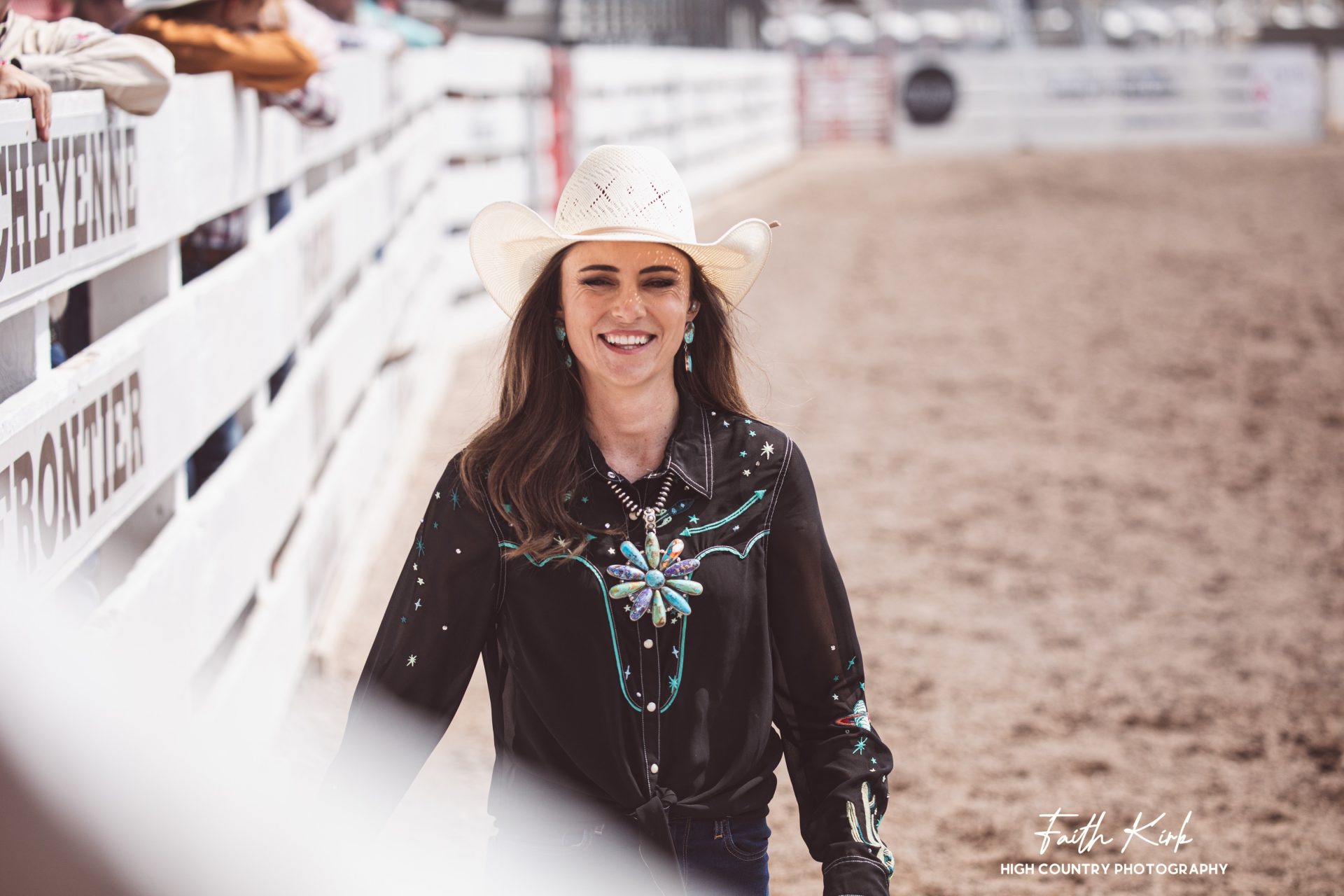
    From Miss Rodeo Canada to NFR Sideline Reporter: Meet Katy Lucas

    Photo by Roseanna Sales

    This Canadian cowgirl is living a full-circle life. Her first rodeo was at 11 days old, and years later, she’s one of the leaders promoting the industry that is everything she embodies, both on and off the air. She embodies grit and grace, from roping at the Ponoka Stampede while she was Miss Ponoka Stampede to waving to fans during her time as Miss Rodeo Canada, and now, interviewing athletes on The Cowboy Channel. Katy Lucas is the definition of a true cowgirl.

    Looking back on her childhood, she reflected on fond memories that started her love of listening to rodeo stories and wanting to share them with others. This passion began in their family home around the kitchen table.

    “One of my favorite memories growing up was during the summertime when people would stop by the house in between rodeos, park their trailers, and keep their horses at our place – after dinner, they’d all sit around the table and share these awesome stories,” shared Lucas, “I used to beg my mom to let me stay up late so I could listen to them.”

    Growing up in a deeply rooted rodeo family sparked her love and knowledge of the sport.

    “Our parents never pushed my brother or me to the rodeo, but as soon as we said we wanted to, they were behind us, ready to support us 100% of the time, and still are to this day with any decision we make.”

    Rodeo journalism and broadcasting have been her passions since high school when Lucas had a regular feature in the Canadian Pro Rodeo News Magazine. While she loves sharing pieces from the rodeo trail through writing, she has always wanted to conduct interviews.

    In 2010, the Lucas family was invited to the 100th anniversary of the Pendleton Round-Up to participate in the festivities and celebrate the milestone of an iconic rodeo. Knowing this, Lucas bought a $30 Walmart recorder and packed it in her bag just in case an opportunity presented itself. As a shy teenager, she asked her dad for help finding an athlete to interview.

    “My dad said, ‘OK, I’ll get you someone good.’ I was sitting on the grass watching the rodeo when my dad walked up with Trevor Brazile,” explained Lucas, “So my first interview was Trevor Brazile. He was patient and gave me the professionalism he would have given any experienced broadcaster. It was a great first experience.”

    Not knowing but having complete faith that something like The Cowboy Channel would exist one day is what pushed Lucas to pursue broadcasting and journalism in college, hoping it would all work out.

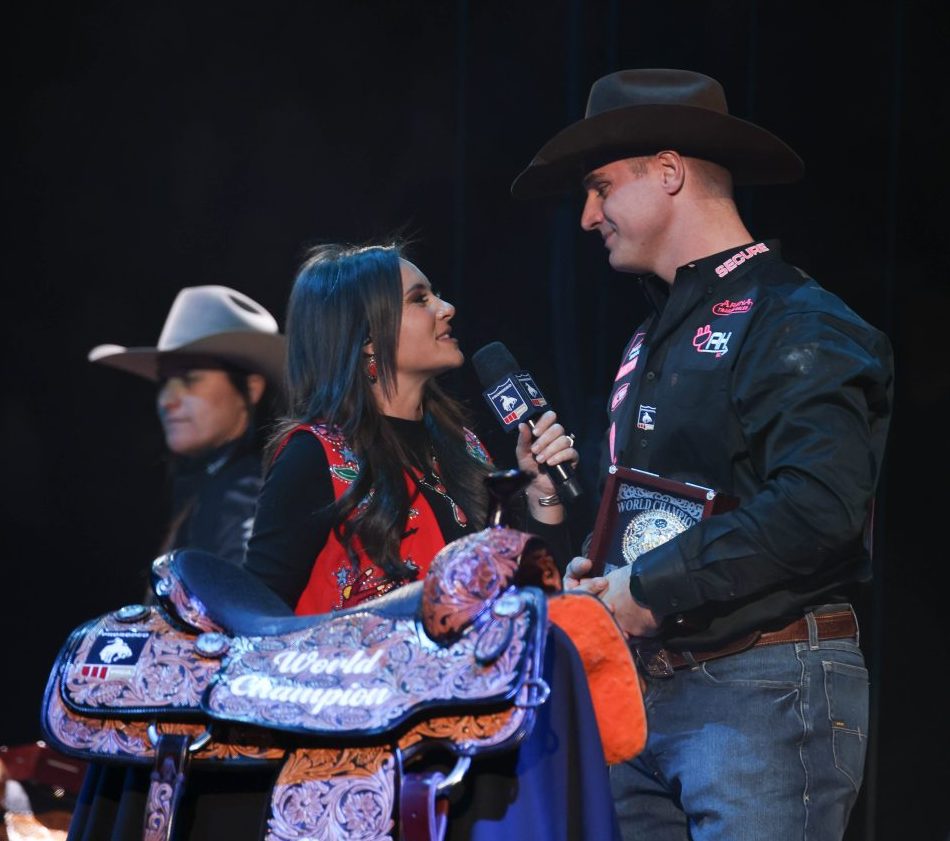
    She’s seen world champions retire and the next wave of world champions start their careers, conducted on-air interviews at historic rodeos like the Pendleton Round-Up and Cheyenne Frontier Days, reported on Western Sports Round-up, and during the 2024 National Finals Rodeo, her lifelong dream came true. Lucas conducted interviews in the tunnel for each timed event go-round champion and asked each newly crowned world champion one question as they took their place to receive their gold buckle.

    Photo by Faith Kirk | High Country Photography

    “I get to see things from a fan’s perspective. I’ll never pretend to know what these athletes go through or fully understand how hard they work. But I get to see from a fan’s perspective, from the outside looking in, and appreciate their progression,” explained Lucas, “I haven’t been there while they’ve been grinding, but I see the big moments and the milestones along the way, and that’s pretty amazing.”


    Whether you know Lucas personally or see her interviewing your favorite athletes on air, one thing is sure: her passion for broadcasting, love for rodeo, and her warm, kind nature leave a lasting impression on everyone she meets.

  • Threads of the West: Fringe Scarves

    Threads of the West: Fringe Scarves

            We live in a world where being cowboy is cool, and many of the clothing articles worn today are a fashion statement. However, these threads of the West were a primary necessity in Western culture. Pieces like boots, button-down shirts, jeans, chaps, wide-brimmed hats, and wild rags are still synonymous with the lifestyle. Today, many of these are created with a dual purpose in mind – to be worn out on the town in the summer with friends or in the middle of the pasture pulling calves during a winter storm.

    Stick You Neck Out

    Jodi Hendrickson founded Fringe Scarves with the idea to “stick your neck out and tie one on.” The concept of the company came about during her battle with Lyme disease. Toward the end of her 10-year treatment, Hendrickson knew she was getting to a point where she wanted to join the Western fashion industry again. “When I kind of started seeing some lighting of the tunnel and knew that I could do something again. I knew I could never do it at the capacity that I was. I had to make up my own rules,” she recalled.

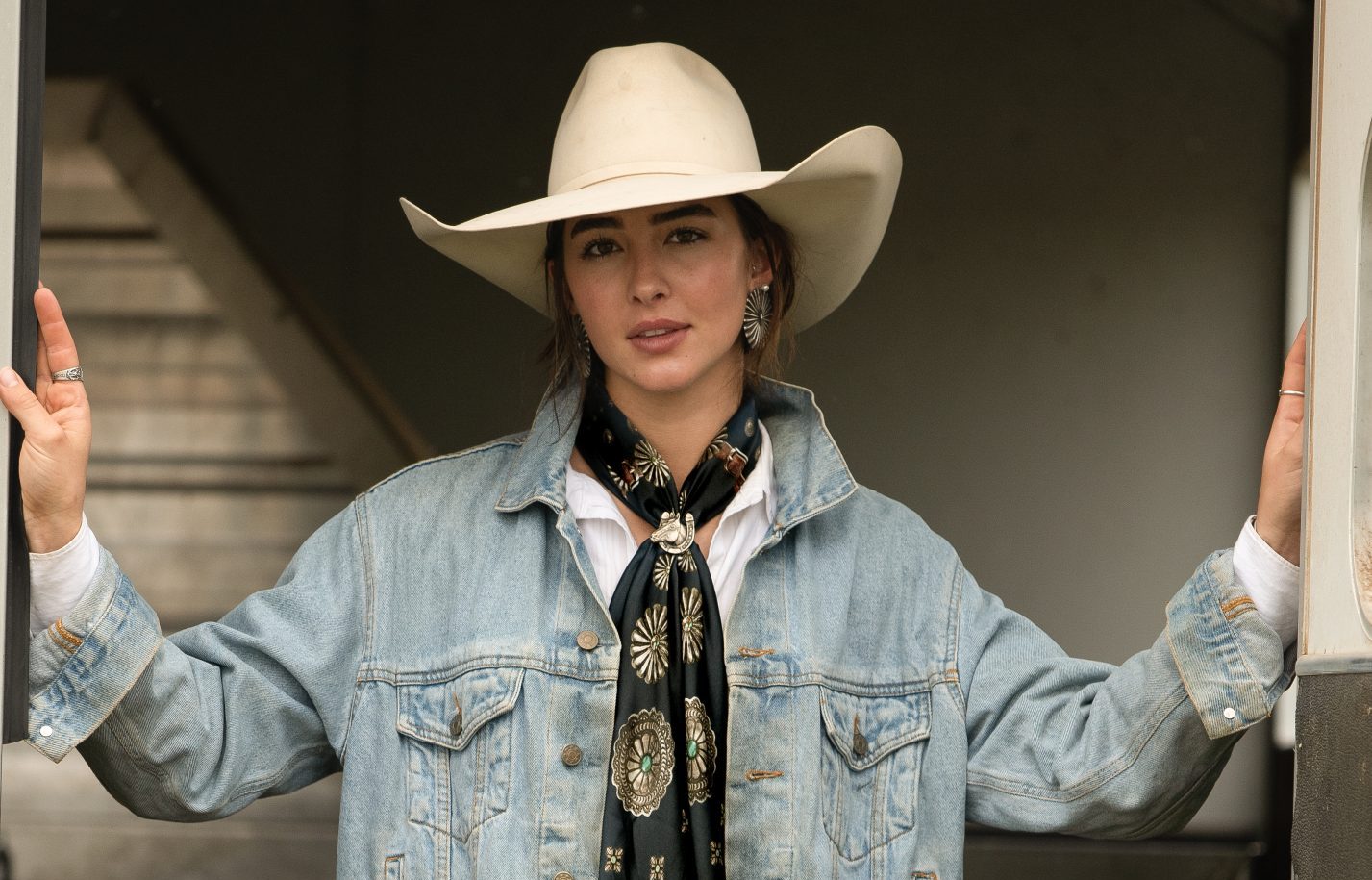
    The South Dakota native gained a lot of knowledge from previously working with brands like Western Horseman and EquiBrand. Her professional background and history in the ranching community allowed her to see a hole in the Western fashion market. While game planning what that product would be, Hendrickson decided, ” I wanted to do something in the fashion industry, but I wanted it at my house. I started in the bedroom, and I was looking at something that didn’t take a lot of space up inventory-wise.” Wild rags fit the guidelines that she put into place since they’re small, and customers didn’t have to worry about the physical fit of the product. The market was already flooded with the normal paisley and polka dot looks. With her experience in graphic design, Hendrickson realized she could create interesting patterns and pictures on the scarves. This necessity-based business move and outside-the-box creativity slowly built Fringe Scarves into one of the top Western fashion brands for wild rags and twillies.

    How to Tie One On

    Today, wild rags have become a staple piece in so many wardrobes. They are an easy article to tie together any look. Hendrickson said, “We try to really work on our designs, so you can always​ pull in some denim, or you can always pull in a brown leather jacket, no matter how bright and wild it is. We really try to encompass some of those basic colors, but I think it’s really just like putting a bow on it.”

    The brand is known for its retro, funky style depicting various aspects of Western culture. Some of their more popular prints utilize concho, turquoise stone, and spur rowel patterns that use silver and gray tones as a neutral while adding pops of color through the background or other embellishments. A lot of Hendrickson’s artistic inspiration comes from vintage trends, but she doesn’t always do the designing herself. “We design so differently than everybody else. We do a lot of artist corner stuff. I’ve worked with a lot of artists and started an artist collection, so a lot of those are really popular,” Hendrickson said.

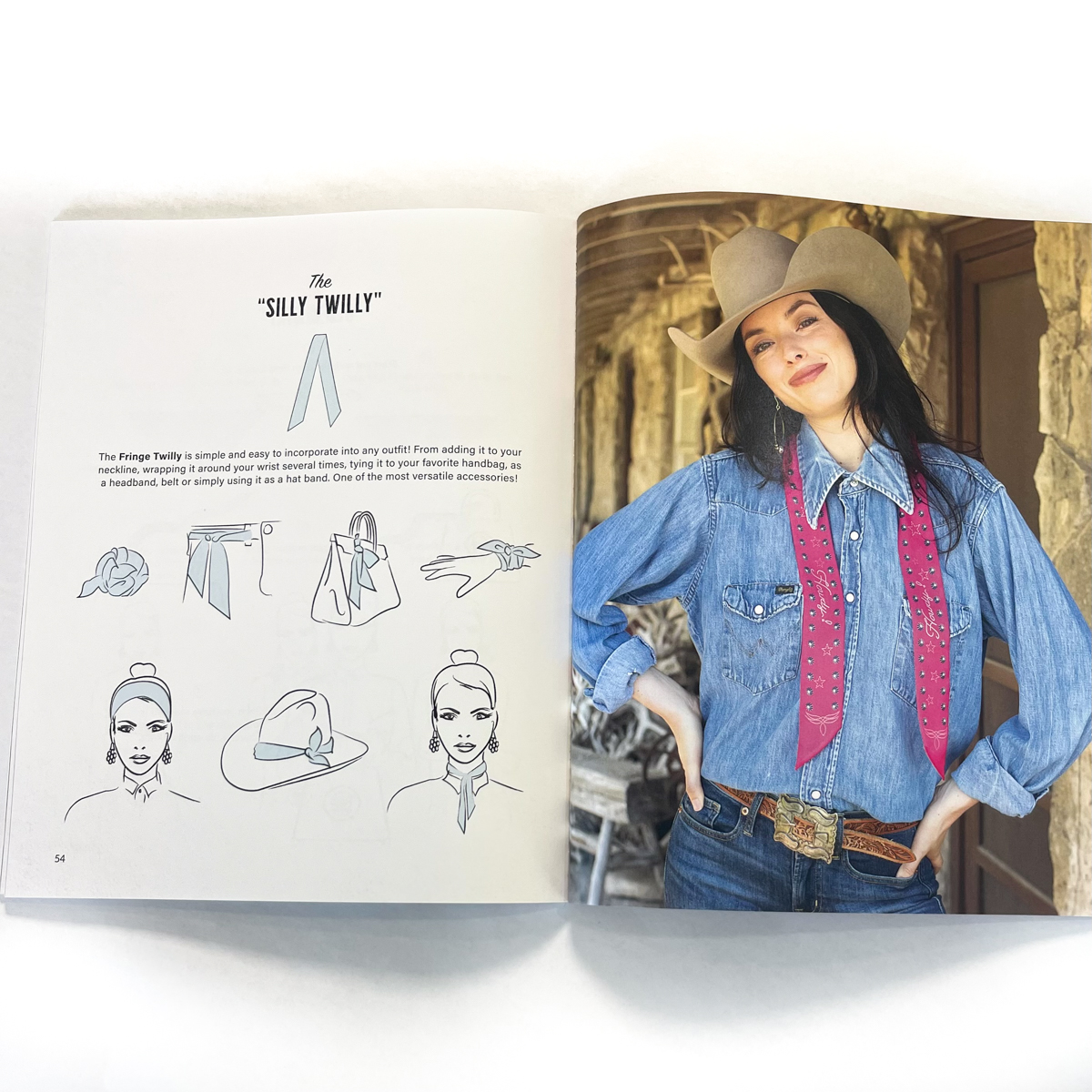
    Wild Rag’s smaller sister, the twilly, is also a very versatile piece to keep on hand. These can be worn around the neck, tied on a purse, or worn in the hair as a headband or hair extension. In addition, the brand has also started offering silk-cotton-blend bandanas to its customers. The silk gives a smooth and shiny look, while the cotton allows for more breathability. Both items are must-haves to tie in the wild rag look without the insulation during the warmer months.

    With each look put together, deciding how to knot the scarf can be difficult. Hendrickson published a three-year-in-the-making book called “The Fringe: How to Tie Book.” These ties bore necessity and fashion in mind. While some are good for staying warm in the frigid spring wind, others add the “wow factor” to an ensemble.

    Over the years, Fringe Scarves has grown to include other clothing items like scrunchies, kimonos, and wild rag slides. They have also expanded into Western home décor​ with statement shower curtains and, more recently, wallpaper. Both are excellent ways to add a little spice to your lifestyle.


    Taking Care of Your Tie


    Fringe Scarves products are imbued with silk and must be maintained to ensure longevity. So, they created specialty wild rag holders to help. “Everyone is pretty scared of silk. They’re like scared to iron it. But silk can take extreme heat, so you don’t have to worry about ironing. If it’s real silk, it can’t melt. So we do 100% real silk scarves, but our twillies are not. I always say to care for them, iron them every time you wear them if you’re going to go out cause they get really wrinkled and they don’t look as pretty. It just takes like two seconds,” Hendrickson recommended. For those wild rags that are more for work than play, she also suggests having them dry-cleaned. When that’s not feasible, hand washing with a little bit of Woolite and warm water to dampen and rinse will do the trick. “When you squeeze them, don’t wring them because you will break the fibers in silk. They’re not tough in that sense because they’re natural fibers. It’s not polyester, so you don’t need to ring them. You just squeeze them gently together and then line dry them,” she explained.


    Punctuate It

    When asked what her intention is with her customers, Hendrickson said, “I wanted people to have fun and add a little bit of spice to their outfit. Just like stick their neck out like don’t be afraid cause people are intimidated about wearing scarves and just add that punctuation mark to your wardrobe, you know.”

    While this business has looks that are big and bold, keep in mind that it is a company of around six people. Small businesses are the grassroots of our American economy. If you would like to rock some Fringe Scarves, you can shop all of the items mentioned at fringescarves.com or follow them @fringescarves on Instagram and Facebook​.


  • Team Cavender’s: Kyan Frost

    Team Cavender’s: Kyan Frost

    Kyan Frost, a third-generation cowgirl from Baldwin City, Kansas, said being on
    Team Cavender’s has become a family affair.

    “I joined Team Cavender’s my freshman year,” she said. “My sister had been on the team for two
    years, so I saw all of the stuff she was doing, and I got to know the Cavenders family before I was
    a member.

    “Then later, I got invited to join the team, and I’ve been a member ever since,” she added. “I am a
    senior, so this is my last year.”

    Frost said she is on track to graduate in May from Baldwin High School, where she participates in a
    hybrid classwork program.

    “I do this home-school program through my school,” she said. “I can play sports but still have the
    freedom of online classes.”

    She said she plays basketball and softball, but her true ambitions are in the arena.

    “I have been on a horse since before I could walk,” she said. “I have been barrel racing as long as
    I can remember.

    “My sister and I started high school rodeoing and going to barrel races,” she added.

    Frost said she has always looked up to her older sister, Marion, a student at the University of
    Wyoming.

    “I always just wanted to do what she was doing because I just thought she was so cool,” Frost said.
    “Now she lives 10 hours away, and it’s a lot different going to rodeos and barrel races without
    her.”

    Although Frost said she now travels with just her mom, her love for the sport has not wavered.
    “I know what I want to do,” she said. “I keep my horses healthy, and I give my all every time.

    “Because once you get onto a higher level, it takes a lot of time and effort,” she
    added.

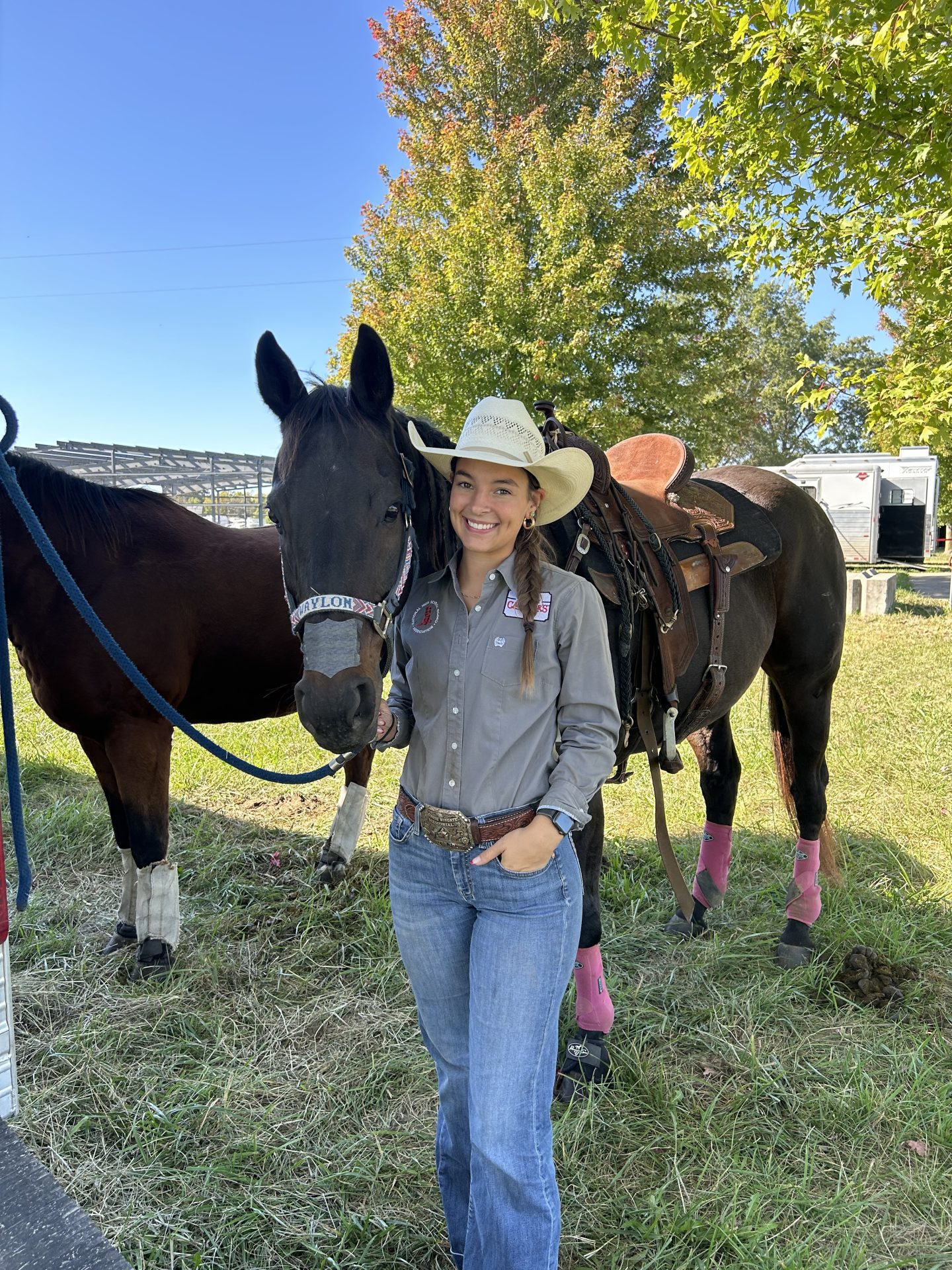
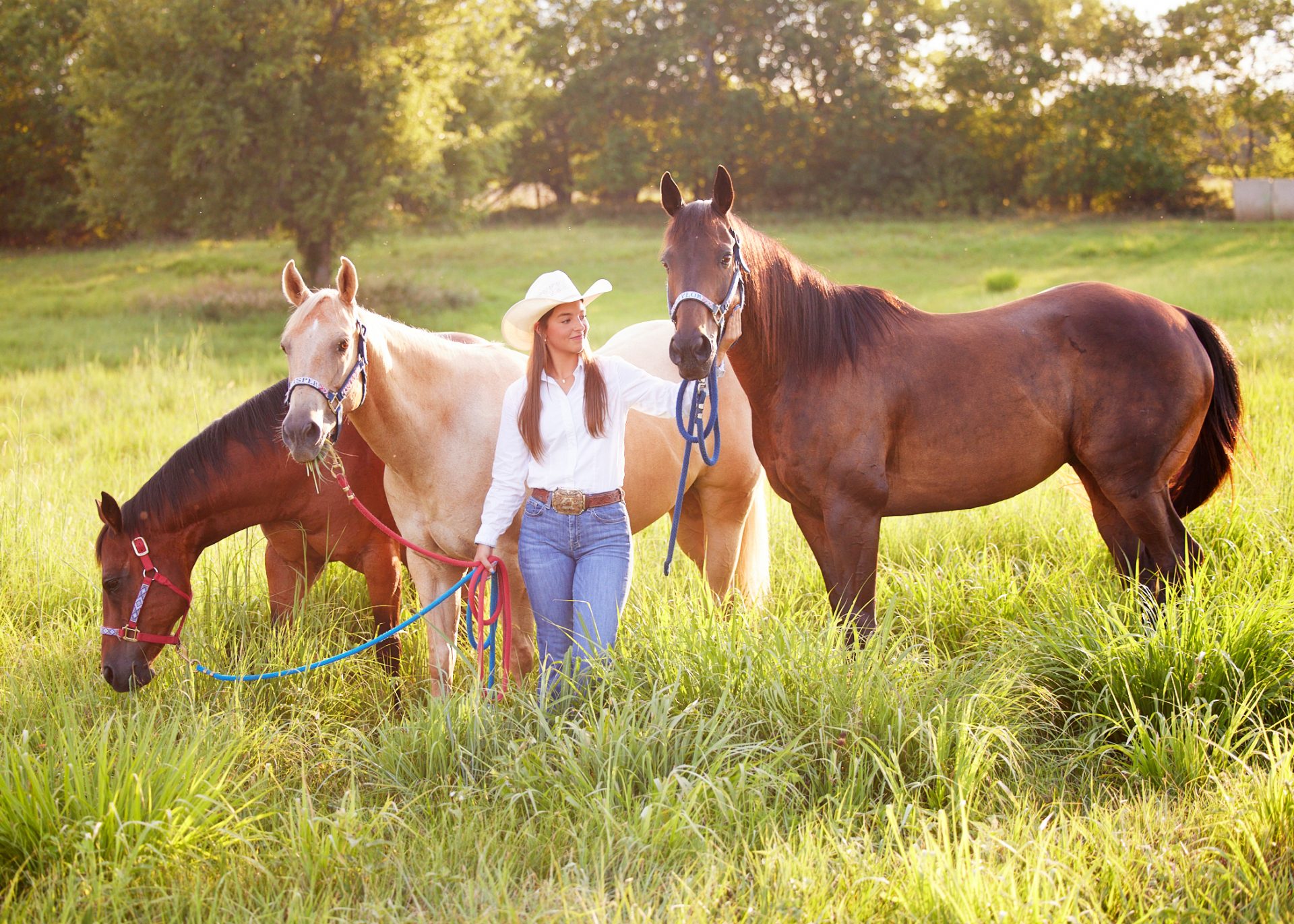
    Frost said while she has six horses at home, she most consistently runs her two
    horses, Casper and Waylon.

    “My main horse is named Casper, and my backup that I run almost as much is Waylon,” she said. “When
    I go to high school rodeos, I usually pick between them, and when I go to barrel races, I run them
    both.”

    Frost said she hopes to have a career as an equine chiropractor. While she has plans for a college
    degree, she added she does not know if she wants to compete in rodeo at the collegiate level.

    “I have not made my final decision yet, but my top school right now is Kansas State University,”
    she said. “I’ve talked to the rodeo coach there too, but college rodeo is a big decision because
    that will be a lot of schooling and having animals there too.”

    One thing Frost said she is sure she will do, no matter what life throws at her, is to continue to
    stay involved in the world of barrel racing with her sister.

    “I may not rodeo forever, but I will still go to barrel races with her because I don’t want to do
    it alone,” she said. “Even if pro or college rodeo is not in my cards, I have good horses, and I
    don’t want to waste them and the opportunity they gave me.”

  • Bridging the Gap: The Smarty Rodeo Collegiate Team

    Bridging the Gap: The Smarty Rodeo Collegiate Team

    For years, the Smarty Rodeo Young Pro Program has equipped high school rodeo athletes with the tools, connections, and knowledge to thrive inside and outside the arena. These young athletes attend a faith-based camp, receiving hands-on guidance from industry leaders, including World Champions, Performance Enhancement Coaches, and TV personalities. This experience not only strengthens their skills but also instills values and a winning mindset. 

    Recognizing a gap between high school rodeo and the professional ranks, we launched the Smarty Rodeo Collegiate Team in Fall 2024. This program provides structured mentorship, helping college athletes elevate their careers while maintaining academic and personal growth. 

    A New Era of Support for Collegiate Athletes 

    The Smarty Rodeo Collegiate Team is more than just a sponsorship—it’s a commitment to the future of rodeo. Selected through nominations from collegiate coaches, team members exemplify leadership, dedication, and work ethic, representing both Smarty Rodeo and their schools with professionalism. 

    Our inaugural team includes athletes from diverse backgrounds, reflecting Smarty Rodeo’s growing impact on collegiate rodeo. Currently, our team members represent 15 different rodeo teams, with three members being Young Pro Alumni who have been with our program from the beginning. Looking ahead, our goal for the next team is to have representatives from each region, ensuring we cover more ground and provide even greater support for collegiate rodeo athletes. 

    Smarty Rodeo is an official National Intercollegiate Rodeo Association (NIRA) sponsor and collaborates with Rodeo Life for comprehensive collegiate coverage in their digital and print magazine, enhancing our support for college athletes. Collegiate rodeo holds a unique place in the sport’s legacy, with many family traditions beginning at this level. For young athletes, college rodeo offers a sense of community and stability during a pivotal stage of their lives. Smarty Rodeo’s partnership with NIRA aims to support students’ personal and professional growth. 

    NIRA Commissioner Jim Dewey Brown stated, “The NIRA is pleased to have Smarty Rodeo partner with us in our mission to foster and develop rodeo at the collegiate level. Smarty Rodeo’s innovative products provide athletes and coaches valuable tools to refine their skills. We look forward to a long-lasting partnership that will continue cultivating champions.” 

    Providing Resources for Success & Expanding Opportunities for Collegiate Athletes 

    A key aspect of the Collegiate Team is monthly video calls with industry professionals, covering topics such as mental performance strategies, branding and sponsorship education, financial literacy, time management, and leadership development. These sessions provide invaluable insights, helping athletes navigate their careers with confidence. 

    Our commitment to nurturing talent extends beyond the youth programs. The Smarty Rodeo Collegiate Team offers a platform for young rodeo athletes to transition smoothly into a professional environment. By fostering relationships and providing mentorship from seasoned rodeo athletes and industry professionals, we aim to bridge the gap between aspiring young rodeo athletes and western industry leaders, ensuring a continuous development pathway for future champions. 

    Chancey Wright (ETAMU) shares, “I appreciate the opportunities Smarty Rodeo has created for rodeo athletes. The resources and mentorship we receive are helping me develop the skills I need to succeed at the next level.” 

    The Smarty Rodeo Collegiate Team is a one-year commitment requiring participation in monthly calls and promotions. Students will represent both Heel-O-Matic and Smarty Training, as well as the Smarty Supply Co. brands. Members must maintain a 3.0 GPA and be enrolled in a college, university, junior college, or trade school during the 2025 Spring and Fall semesters. 

    Building Leaders for the Future 

    At Smarty Rodeo, we believe success extends beyond competition—it’s about leadership, integrity, and growth. Our collegiate athletes are encouraged to be role models for other athletes, represent their schools with professionalism, and contribute to the sport’s development. 

    Cameron Haumea (SRU) shares, “I love being a part of a group of individuals who want to better themselves. Being surrounded by like-minded athletes pushes me to grow, both in and out of the arena.” 

    Transitioning from high school to college can be challenging, especially for rodeo athletes balancing school, competition, and personal responsibilities. The Smarty Rodeo Collegiate Team offers a built-in support system, ensuring they navigate this critical stage successfully. 

    A Commitment to the Next Generation 

    Our mission is clear: to bridge the gap between youth and professional rodeo by providing opportunities for growth, education, and mentorship. With the addition of the collegiate team, our support extends beyond high school, reinforcing the values that will carry these athletes into their professional careers. 

    If you’re looking to be part of something bigger—to join a team shaping the future of rodeo—the Smarty Rodeo Collegiate Team is where it begins. Applications open in the summer of 2025—stay connected with Smarty Rodeo on social media for updates! 

  • Team Cavender’s: Luke Coleman

    Team Cavender’s: Luke Coleman

    Team Cavender’s: Luke Coleman

    Photos Courtesy of Jennings Photography

  • Steve Kenyon Podcast : The American Hero Celebration featuring Trey Johnson

    Steve Kenyon Podcast : The American Hero Celebration featuring Trey Johnson

    CLICK THE LINKS BELOW TO LISTEN ON APPLE AND SPOTIFY
    Rodeo Life is thrilled to announce a new partnership with renowned rodeo announcer and TV personality Steve Kenyon, bringing his acclaimed “Steve Kenyon Podcast” to our publication. Kenyon will share insider perspectives on top rodeo events, contestants, and news from the rodeo community. With his extensive knowledge of the sport and exceptional interviewing skills, this addition will captivate rodeo fans everywhere. Last month, the American Hero Celebration with Charly Crawford came to Cowtown Coliseum in Fort Worth, Texas. Spanning from November 8-10, the event consisted of an open roping, a team roping in which first responders and military members are paired with a professional team roper, a military and first responders exclusive team roping, the ThirdAnnual Heroes Gala, and the Imus Ranch NFR Showdown presented by JP Morgan Chase. The weekend-produced by Liberty and Loyalty Foundation, a nonprofit organization committed to uplifting military members, first responders, and their families through Western lifestyle events and ropings-honors the men and women who sacrifice to keep Americans safe and protected. Earlier in the week, the Horns and Heroes Clinic took place in Decatur, Texas, at the NRS Arena. Kenyon sat down with clinic instructor, team roper, and cowboy preacher Trey Johnson to discuss the foundation’s reach and effect, not only its recipients but the rodeo community as a whole.

    Q&A with Trey Johnson

    SK: You’ve been involved in this program that Charlie’s put together since the beginning, right?

    TJ: Yes, sir. He called me the first year he did it, just wanting to honor our men and women who have served our country and asked if I wanted to come and do the heeling side. And itwas a no-brainer for me. You know, it’s just a privilege.

    SK: November 5 at NRS Arena up in Decatur all the way through November 9, then November 10, which is the day before Veterans Day at the Cowtown Coliseum in Fort Worth, a big team roping will take place. The top 15 in the world will be there at that roping. Plus, some of these guys will get a chance to rope alongside those guys who get to rope in a professional–amateur. Trey, it’s going to sound corny for me to say this because you’re the minister, not me-the roping is almost a vessel whereby Charly gets a chance to reach out to these people and give back to them, right?

    TJ: Oh, for sure. Yeah, it’s just a tool that attracts the guys, and they have fun; we have fun. You know, it’s cool because they feel so honored to get to come spend time with us. But like we tell them, we don’t have words to express how honored we are to be in their presence and just to get to spend a few days with them, honor them, bless them, and add value to their life.

    SK: Charly told me that some guys will come up and find Junior Nogueira, Kaleb Driggers, or somebody like that and thank them for what they do. The guys are immediately and rightfully ready to say, “Hey, wait a minute, you’re the one who fought for my freedom.”TJ: Yeah, that’s right. Without what they do, we couldn’t do what we do, for sure.

    SK: Tell me about the school and the events that will happen at NRS on November 5 and 6. You’re going to be there, you’re going to be teaching, you’re going to be helping. Tell me about all of that.

    TJ: The [November] fifth, they’ll kick it off that evening, but then the sixth and seventh, Charly will do the heading side, and I’ll do the heeling side. It’s just a great two days of helping them with their roping. But usually, every day, whether at lunch or at the end of the day, I’ll do teachings just to add value to their life. It’s been really neat to see what God’s done in their lives. There’s been so many guys accepting the Lord through our couple of days together this year. There are some guys who want to get baptized. We’ve just made some divine connections. We’ve seen families restored. We’ve seen their bodies healed. Their mind set free, stuff that only God could do. It’s neat because God uses a rope to get them there, but then they have an encounter with God, and God brings freedom to them. It’s just really a neat process. An encounter with God and God brings freedom to them. It’s just really a neat process.

    SK: Charly’s told me you’ve ended up doing a few baptisms out of this. So you’ve had some guys give their lives over to Christ as a result of this event.

    TJ: Yeah, I don’t even know. We’ve had a lot over the years. It’s just neat because these are big, tough men and women that have fought. They’ve seen a lot, and they have a lot of questions. God’s okay with that. If we can help any of them take one step closer to knowing God, to getting peace, to walking in freedom, to discovering what God has for them now that they’re out because they still have that heart of a leader, they have that heart of a warrior, and that’s in them by God. Now, it’s a different phase of life. There’s a different grace upon their life, and God still wants them to add value to our country. If we can create an environment where they can hear the voice of the Lord, and they get free, and they go back to their families revived and full of faith and fresh, then, man, that’s awesome.

    SK: From talking to Charly, it sounds like more people wanted to get involved in this than you guys physically had the ability to take, which is kind of a good thing, in a way.

    TJ: It is a great thing. Every year, as soon as the entries open up on it, they’ve got to shut it off pretty quick because we have people on the waiting list from all over the country. It’s just a great several days. It’s been fun to see how God has used Charly to add value to so many people and to raise money to build homes. So, if anybody wants to come out and just
    experience it, just watch what’s going on; they’re welcome because it’s a life-changing event.

    SK: November 8 and 9, the Hillwood Land and Cattle Company American Hero Celebration, join us in celebrating the hard work and effort of the Horns and Heroes Roping Clinic participants as they compete in the Military/First Responders/Professional Roping. Talk about that a little bit because there are some guys that really don’t have a lot of history, certainly with a rope in their hand or maybe even with a horse. All of a sudden, they become team ropers.

    TJ: It’s fun to see them kind of scratch that competitive itch, so to say, because all of them have so much to try. Then they get to compete against one another. They get to do the pro-am, where they get to rope with the pros. They get to see their heroes and watch their heroes compete. All of us look at them as our heroes. It’s great too, because you have the top cowboys in the world getting to rub elbows with our military. I know the cowboys feel more honored or just as honored as the military people do. I think it’s just a win-win for our industry. It’s a win-win for the cowboys and the military. It’s neat to see all the divine relationships that have been built out of this.

    SK: Have some of the guys that are the best ropers in the world, the guys that will be at the
    big roping on Sunday, November 10 – we’ll be watching starting December 5 in Las Vegas at the National Finals Rodeo– and you had a chance to develop some long-term friendships and relationships with some of the people who come to the roping that are not just military but first responders?

    TJ: For sure. It’s fun to see us helping one another. I’ve had the privilege of going to different places and different outreaches that are doing stuff with our military because of this. Even this week, I’ve been talking to several of the military guys trying to get help. Some of the guys that are struggling with their mind, maybe their family. They’re hurting. They don’t know what to do. It’s an ongoing, all-year-long relationship-building process just to addvalue to our industry and to our heroes.

    SK: These are men and women who have been through the fire. I’ve heard a lot of organizations, and I’ve talked to entities that are taking advantage of the opportunity to be involved with horses as a way of providing therapy to men and women who maybe are suffering, dealing with PTSD, things like that. Have you seen that, Trey?

    TJ: Oh yeah. I had the privilege, earlier this year, of going up, and I flew into Oklahoma, went over to Kansas, and had a chance to spend some time and to speak life into some of the guys and do some leadership development. They bring these guys in that might be hurting or tough and have a lot going on in their lives. They put them in this round pen with this horse. To see the men and women develop a relationship with the horse. Their guard comes down, and the horse’s guard comes down. Just to see the change that takes place is life-changing because the horses are so sensitive, and they feed off of us. These men and women have given their lives for us. To see God use an animal to bring softening and healing, it’s just a beautiful thing.

    SK: Somebody really smart once said, “The best thing for the inside of a man is the outside of a horse. “I think that person was right. There are a lot of stories about that, and there are other organizations that are involved, as you mentioned. Tell me about Trey Johnson Ministries. What do you guys do?

    TJ: My purpose and everything that I do is I want people to know God. I want them to be the best they can be. When I first gave my life to the Lord when I was in college, I was asking the Lord, “What does success look like?” To some people, it’s money, a gold buckle, or a saddle. Just on the inside of me, He said, “Trey, true success is a person being in the process of knowing Him, the One who made us and created us and wired us.” When we step out and we’re operating in our gifts, our strengths, then we start becoming the best version of ourselves, the best person we can be. So, my three main areas of influence areministry, leadership, and roping. When I’m doing any of these roping clinics or competing or doing leadership conferences or development, I just got back from Africa for 16 days. In the mornings, we would do pastor conferences, then we’d do crusades in the evening, then we’d feed the widows and go to orphanages-so I’m always asking, “Does this help people know God more?” and “Can it help them be the best them that they can be?” I think last month, I probably preached 60 times. It’s not always like that. But it’s probably at least 25 to 30 times a month, I’m speaking. I’m doing leadership. I’m doing roping clinics. When I do get a chance to compete at the top level, I just want to add value to people. We’re getting ready to go to Las Vegas, and I’ll preach in the morning after South Point Casino. Then, every night before the rodeo, I do what we call a “power-up time” with all of our contestants before they ride down into the Thomas and Mack. I just want to make a difference. I want to add value to people, and if I can be a small part of doing that, then I want to do it.

    SK: There’s an image of the rough and tough, independent cowboy that you know “is on his own” and “doesn’t need any help.” Occasionally, the image has been creative of the hard-partying, hard-living kind of person in our industry. Would people be shocked if they found out how many people of deep faith compete in the sport of rodeo?

    TJ: I believe it would change their perspective, and I think that’s happening. In the beginning, when I first started competing, there was only a handful of guys. I won the Rookie of the Year in 2000 and that’s been some years ago. I think I even had hair back then, and my whiskers sure weren’t great. There weren’t a lot of guys who just took a stand that really loved God and wanted to know how to walk with Him. But that’s not the case today. There are so many men and women who want to add value, who want to be who they’re created to be, and who want to use their gifts to reach people because they realize that they have influence and that they’re leaders in our industry.

    SK: I’m frequently asked to-I’m not sure I’m the right guy that should be doing this, but I sure do enjoy it-say a prayer before a rodeo I’m announcing. I’m always amazed when I look down behind the bucking chutes or if there’s a bunch of bull riders lined up in the arena; how many were on a knee at that point. Again, some smart person, I think, once upon a time said, “There are no atheists inside those bucking chutes.” It really is interesting to see how many people are taking advantage of that opportunity to reach out to the guy upstairs.

    TJ: Yeah, for sure. It’s real to most of them because when you’re dealing with horses and cattle and people and circumstances, you realize that there is a Creator, and this just didn’t happen. What I enjoy so much about our industry is that there is still an honor for God. There’s still an honor for our flag, for just what God has done for our country, and it’s not
    just lip service. There’s just a reality of the power of God, the life of God in our Western industry. It’s just a great thing to be a part of.

    SK: Did I see you getting a little emotional when you were talking about some of the relationships you’ve developed with these guys that you’ve met through Charly’s roping and through the American Heroes Celebration?

    TJ: It’s hard not to get emotional. Some of them got really mad at me when they came to the clinics, and I started to teach God’s Word and share God’s heart with them. They get emotional. Some of them haven’t cried since they’ve been on the battlefield. To see God start healing their heart and for them not to have words because once you have an encounter with God, nobody can take that from you. I know it’s only God’s goodness that brings healing to their heart. It’s only God’s goodness that restores their marriage, their family, and their sense of purpose and destiny. This is very special to me. I’m very thankful to be a part of it.

    SK: What’s it like to teach a guy who has, maybe, a little bit of experience with a horse or none at all and who doesn’t have very much experience with a rope or none at all? What’s it like to be able to teach him how to rope?

    TJ: Well, the rope is about relationships. Because everybody’s wired differently and everybody understands differently, taking somebody that’s never ridden or roped or maybe they’re just starting and they want to do this and see them progress, taking leaps and bounds within a couple of days. To see life and joy and excitement just to go off on the inside of them, and that’s fun. That’s exciting because all of us desire that. Every one of us desires to be fulfilled, satisfied, enjoy life, and have fun. So, when you see that come alive on the inside of people, it’s like, wow! This is why, with all the years of working at what I’ve done and my craft, being able to add value to these guys and girls is just an honor.

    SK: November 10, the Imus Ranch NFR showdown presented by JP Morgan Chase. The event finale is held in the historic Cowtown Coliseum. The top 15 team roping teams in the PRCA will be there for a pre-NFR showdown, including the Military/First Responders/Professionals, and there’s a stray gathering ranch rodeo, which is a kick. Things get a little Western in that deal. You’ve roped and preached in front of big crowds and in front of small crowds. I’ve announced in front of big crowds and small crowds. It would be fun to fill that place up. It would be a little kick to have Cowtown Coliseum full
    when that thing’s taken place on that Sunday afternoon.

    TJ: Oh, they would come alive. If anybody wants to come, please come out and join the event because you will have so much fun and just the cheering and encouraging our men and women. You’ll see some stuff that you won’t see just anywhere.

    SK: That’s a good way of describing it, especially in that ranch rodeo part that gets Western in a hurry. I know you’re expanding your outreach constantly. I’d love to know more about that trip you just took to Africa. I don’t know if you’ve done that before or not. Is that a once-in-a-lifetime or a first-in-a-lifetime? Tell me about that.

    TJ: It was the first. I talked to some of the people on the ground over there in Africa. Right now, we’re looking for me to go back in February. I won’t go as long this time. I’ll just go for 10 days, but I’ll just preach as many times as I can, go to as many places as I can. It waslife-changing to go into the orphanages and feed the widows. We’ve had close to 600 widows. I just saw the lifestyle that they lived and the privileges that we have. I could go on for hours and tell you story after story of what all God did while we were over there. Maybe we can do that another time or in the near future, or we can do it now; it’s totally up to you.

    SK: Give me a little synopsis. We’ll preview an upcoming show sometime soon; how’s that?

    TJ: The first orphanage I went into when I was a minister, and there are probably 125 junior high and high school kids in this orphanage. I’m just talking about the power of belief and how believing in God and believing in ourselves always lifts us to the next level. By the time I got done ministering, I had led over 50 of them to Jesus because they realized that Jesus was for them, He was good, and He wanted to help them no matter where they were. From there, I was praying for this one widow. She had blind eyes, and I laid my hands upon the eyes. The Bible says to lay hands upon the sick, and they will recover. I just asked the Lord to open her eyes. Her eyes opened, and she had never seen. My interpreter said, “If you can see, reach out and grab his nose.” She just reached out and grabbed my nose. I’m thinking, “You should have told her to grab your nose.” But there was just story after story after story of just seeing God show up because they’re so hungry. They’re willing. God looks for that. God shows up in an environment where people are hungry. It’s not about religion or denomination or all these rules and rituals. I mean, these pastors would walk for hours and hours to these pastor conferences we were doing. They would stay the night in the church on the floor so they would be there the next day. They would worship for hours and hours, from little kids to 70-year-old people. They didn’t care what anybody thought about them.And it was beautiful. They would worship and praise God. The sound system would go out because of the electricity, and they would never stop. They just kept going. They kept giving God their best. I had some of them tell me, “We worship like this because we know that
    without God, we might not have our next breath.” It’s just real to them. They don’t play church over there. They’re not just going through the motions. They know they have to have God in order to move forward in life. If we brought that same hunger over here, the sky’s the limit of what we can do with God.

    SK: I can’t imagine that that could be anything but life-changing, Trey.

    TJ: It was. Yes, sir. We’re looking to go back and do great things over there for the Kingdom and add value to as many people as we can. We’re looking at getting together with a lot of the college kids the next time I go back over. I’m trying to reach as many of them as we can as well at some of the universities.

    SK: One of the beneficial side effects of doing what you do for a living is you get to see a lot of people’s lives change.

    TJ: You get to see a lot of people’s lives changed. But there’s always more pressure at the front of the spear than there is the shaft. So, when you’re at the forefront, there are a lot of things to overcome. But I wouldn’t have it any other way. I never set out to be a preacher. I just want to know God. I want it to be real. I want to know Him for myself, and that’s my heart every day. Now, I get to stand in front of leaders of countries, teaching leadership and adding value to people, and I still get to rope. After I won the Rookie of the Year, I laid my roping down for almost nine years and started churches and pastored churches. Now, to see what God’s doing. We have our TV show on Cowboy Channel and RFD TV every Sunday morning. We’re on a lot of different networks. We’re reaching millions of people a week around the world. And I’m just so honored that God would let me be a part of that. That’s what I get to do, which is add value to people, and I’m just very thankful.

    SK: I believe it. Trey Johnson, thanks for being a part of the American Hero Celebration, and thank you for your time. I know that you are very, very busy, and giving me a few minutes means a lot to me. You and I talked about doing this two years ago, and I never got around to getting it done. I am so thankful for your time, for all the people that you’ve reached, and
    for the message that you deliver. Enjoy the heck out of this American Heroes Celebration. I like the fact that Charly included not just the military but, you know, our first responders and the people who serve us here at home as well. They deserve way more credit than they’ve been getting lately, don’t they?

    TJ: Yeah, they do. They do. They’re so important to what God’s doing in our country. The value they add to people and the strength they have; we are so thankful that they’re able to be a part of this and come and enjoy it with us. But anybody who’s watching can go to treyjohnsonministries.com on the website. We write daily devotions, my wife, Heather, and I. We have a podcast, “Being Your Best with Trey Johnson.” We have a YouTube channel. Of course, we have TV shows on a lot of different networks. We just want to add as much value as we can. Steve, thanks for letting me be on this. Once again, I want to invite everybody to come out and watch what takes place during these four or five days with our heroes and our military and first responders coming in. I just appreciate Charly and the whole team for what they’re doing. It’s making a difference in the lives of people, for sure.

    If you want to join the 2025 American Heroes Celebration, you can find more information at libertyandloyaltyfoundation.com. If you want to hear more from the accredited Steve Kenyon, subscribe to the Steve Kenyon Podcast on Spotify and Apple Podcasts.


  • American Hat: Shelby Meged

    American Hat: Shelby Meged

    “I went into the American Hat store to buy a new hat for my first NFR breakaway in 2020,” said Shelby Meged, the 2023 National Finals Breakaway Roping (NFBR) World Champion. “That is where my relationship with them started. I partnered with them after that, and I have been with them since my first NFR.”

    The three-time NFBR qualifier spoke highly of her contacts at American Hat Company and her experience as an athlete
    with the team.

    “It’s more of a family. I can call any of them at any time for anything, even if it is not hat-related,” she added. “If I am ever
    in a bind and need somebody to help me, there is always somebody I can call.”

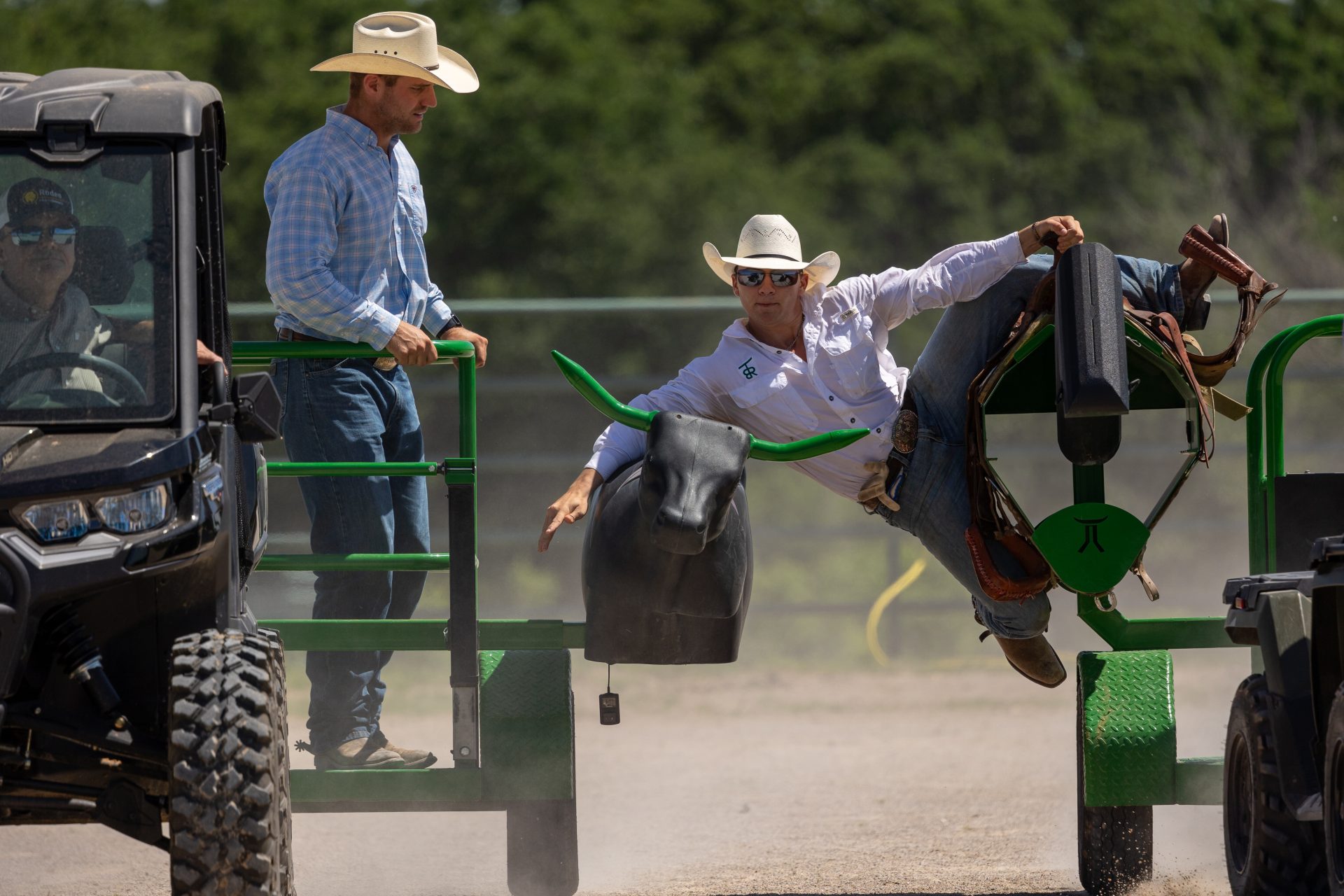
    Meged, who grew up just outside of Calgary in Langdon, Alberta, Canada, said she had arope in her hand from an early age, but it was a gift from her parents that jump-started her record-breaking roping career. “From the time I started swinging a rope, the only thing I ever wanted from my parents was a Fast Lane dummy,” she said. “Once I got one, all I did was rope. I wanted to be one of the best female ropers ever.”

    Meged said she was at a slight disadvantage as a roper because there were few places forher to compete in Canada as a breakaway roper. “There’s not a lot of opportunity in Canada for breakaway roping, she said. “There were maybe one or two jackpots I could go to each year.”

    Though she said the Alberta High School Rodeo Association lacked the contestant numbers of its counterparts in the United States, the competition was just as fierce. “In Alberta, we only had three regions compared to the ten regions in the Texas High School Rodeo Association,” she said. “I still had to be super competitive, but I was not roping against 200 other kids.”

    After moving to Ranger, Texas, on a college rodeo scholarship in 2017. Meged said she was in awe at the amount of roping found in the state. “I remember running myself broke because I was going to every jackpot. I went a little crazy,” she said. “I went to every jackpot I could once I got here because the amount of roping was insane. It was all just so new to me. I could go to three jackpots a week and an hour from my house.”

    Meged said that although she was roping more often, it was a while before she started to see success in her new home. “I think it took me about two years to win anything down here,” she said. “I got my butt kicked for a long time. It was a pretty big eye-opener for me.”

    Then, in 2019, she was crowned the Reserve National Intercollegiate Rodeo Association Breakaway Roping Champion. “I had a huge year in 2019,” she said. “I was making good money and doing well at all the jackpots. I realized I wanted to stay
    here because I was hooked.” Meged qualified for her first NFBR the following year. The Inaugural NFBR ran with the 2020
    Wrangler National Finals Rodeo (NFR) at Globelife Field in Arlington, Texas.

    “Roping in Arlington was cool because we were roping out of the same box and in the same arena as the other NFR contestants,” she said. “I did not have a very good NFR my first year,” she added. “I didn’t want to feel that way again when I left the finals that year, so I knew I wanted to work on some changes. They didn’t happen overnight, but everything eventually paid off.”

    After finishing eighth in the world, Meged said she set out to achieve the goal she had set as a young girl. She was the reserve world champion the following year at the 2021 NFBR in Las Vegas. She was ranked fifth in the world standings at
    the end of the 2022 NFBR. But Meged returned to the finals and finished the 2023 season with her first world title and a record- breaking $197,706 earned.

    “I want to keep going back and chasing that next gold buckle because it’s an addiction,” she said. “Our sport is always evolving. There are always new, up-and-coming ropers, and the competition seems to get tougher every year.”

  • Team Cavender’s: Kyan Wilhite

    Team Cavender’s: Kyan Wilhite

    K yan Wilhite, a veteran member of Team Cavender’s, said he joined the team three years ago after his now-teammate and fellow tie-down roper, Luke Coleman, mentioned the team to him.

    “I was at Texas High School Finals two or three years ago, and one of my buddies came and talked to me about it,” Wilhite said. “I thought it sounded like a pretty cool deal, so I sent in my application and joined the team not long after.” Wilhite, a New Mexico native, said his family always had horses and cattle, but no one before him was interested in roping or rodeos.

    “I was probably seven years old, and then I found a rope in his shop. Then I just started roping random things like buckets and old metal cans,” he said. “About five months later, I kept on begging to keep roping. After that, my grandpa and one of his buddies built me a wooden roping dummy.”

    Shortly after discovering his love for roping, Wilhite said his dad’s career moved his family to Albuquerque city limits. This move effectively paused any rodeo dreams Whilihite had. “That move lasted about one year, and then when I got back to where I could rope again, I was about eight and a half years old,” he said. “After that, I went to Sylvester Mayfields house for the first time.”

    Sylvester Mayfield is a two-time Wrangler National Finals Rodeo (NFR) qualifier. Mayfield’s son, Shad, has an impressive resume as well. He is a five-time NFR qualifier and won thePRCA tie-down roping world title in 2020.

    “I went to the Mayfields and started roping with them,” Wilhite said. “Sylvester taught me to rope the right way, and then I bought my first rope horse from Shad. “They are from Clovis as well, and my grandpa knew Sylvester. He hooked me up pretty good with them,” he added. “I would go down to their house and rope. I bought my first couple of horses from them.”

    As Wilhite became more serious about roping, his dad and grandfather recognized this and built him an arena to practice. After competing in junior high school rodeos in New Mexico for two years, Wilhite said he transferred to Texas to rodeo.

    “My eighth-grade year, I transferred and started to rodeo in Texas,” he said. “My whole high school rodeo career, I have been in Texas.” Wilhite said his time in Texas has been good for him. He was crowned the Texas High School Rodeo Association Tie-down Champion, and later that year, he captured theNHRSA tie-down world title. Riding his good horse Jag, whom he bought from fellow roper Marty Yates, he was also crowned the 2023 WCRA Tie-down World Champion.

    In 2024, Wilhite decided to take on the big boys in the PRCA and made the Texas Circuit Finals, where he placed third in the third round with a time of 7.7 seconds. He added that he wants to rodeo on his permit again in 2025 but plans to buy his PRCA card in time for the 2026 rodeo season.

  • Nathan Jestes’ Journey to NFR: A Life of Risk, Dedication, and Passion

    Nathan Jestes’ Journey to NFR: A Life of Risk, Dedication, and Passion

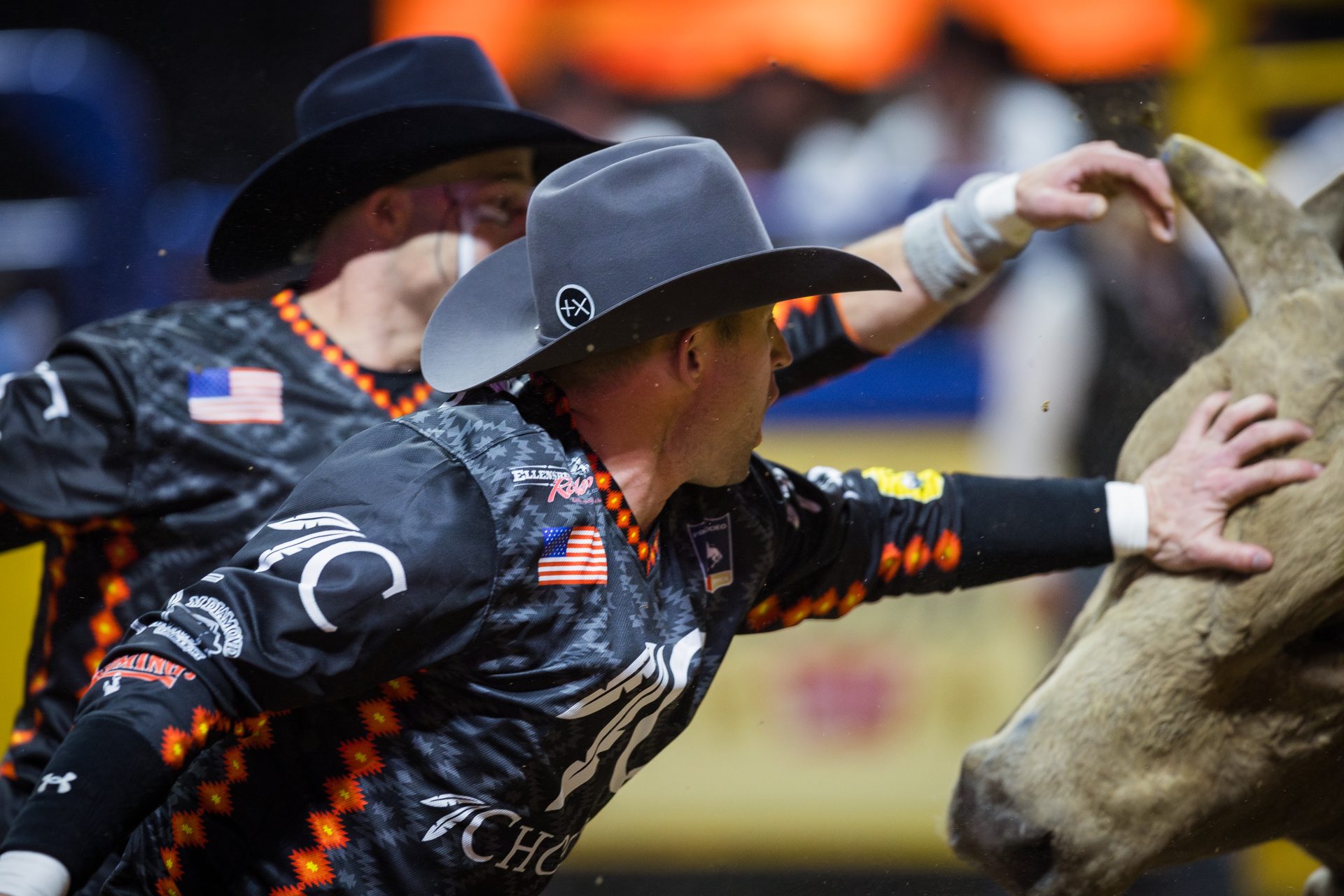
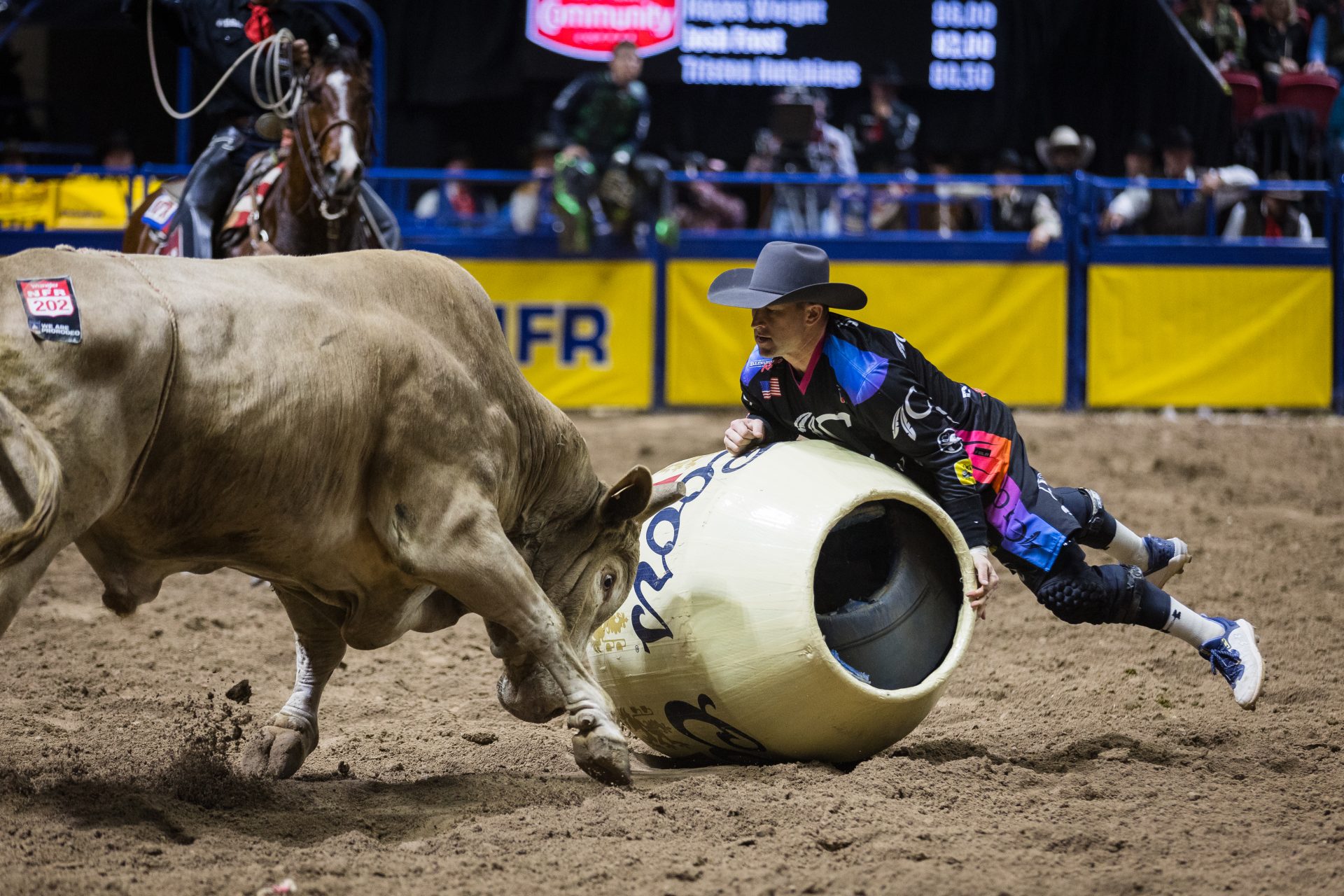
    Nathan Jestes is a household name in the rodeo industry. He has come up through the ranks fighting bulls freestyle and as a cowboy protector. The 2024 Wrangler National Finals Rodeo (NFR) marks his sixth return to the acclaimed yellow bucking chutes. Jestes is living his rodeo dreams, which he has earned through his hard work and perseverance, year after year.

    Jestes’ bullfighting career started off in an unconventional way. Growing up, he played sports and found his niche in lacrosse. While he had friends who rodeoed and was a fan himself, he never competed. In high school, he was scouted for lacrosse and received a scholarship to a Division One college in Connecticut.

    Jestes was all set for college with only two months to go when he had a change of heart. He didn’t want to live in Connecticut, study a subject he was not passionate about, or pursue lacrosse with its limited career prospects. He declined the scholarship and enrolled in Montana State University’s two-year aviation program. Jestes had an uncle who was a pilot, which sparked Jestes’ interest in aviation.

    In college, Jestes missed being an athlete; it had been a part of his identity for so long. While working at the airport, he met a professional bullfighter, Al Sandvold, who would go on to mentor and teach Jestes all about fighting bulls, even encouraging him to pursue it professionally.

    Jestes fought bulls with Sandvold for Montana State University’s rodeo team, which led to a few amateur rodeo contracts. As Jestes’ career gained momentum, he started booking professional rodeos. Things moved quickly for Jestes. He began fighting bulls in 2009, and pulled his permit for the PRCA in 2010. This momentum made Jestes face a difficult decision: choosing between aviation and rodeo.

    “At the time, if you think about it, it was the dumbest decision I’ve ever made, because I gave up an entire aviation career for $5,000 worth of amateur rodeos,” Jestes says. But Jestes followed his heart as he did when he decided against lacrosse. This pivotal choice would change his life.

    Sandvold told him, “Nate, if you want to be successful in rodeo, you’ve got to be willing to give up everything. You’ve got to be willing to give up funerals, weddings, and birthday parties; sometimes, you have to be willing to give up an entire career.”

    Jestes never looked back. He moved home to Douglas, Wyoming, where he could work for his father’s construction company and have the freedom to rodeo. There were sleepless nights spent worrying if he had made the right choice, financial challenges, and his wife (girlfriend at the time), Bridget, often helping him out.

    “I didn’t have an option; I had to succeed,” Jestes says. And succeed, he did. It took seven years after getting his permit before Jestes made his first NFR appearance.

    Bridget has been by his side every step of the way; now, with their two daughters, Harper, 3, and Channing, 2. Jestes loves raising his kids in the rodeo industry despite its challenges.

    Jestes values the friends he’s made, like Cody Webster and Dusty Tuckness. He met Webster in 2012 at the World Championship Freestyle Bullfights in Oklahoma, where he later connected with Tuckness. Through the years, each of their careers began to take off together. As their professions grew, they developed a close bond.

    The trio has a handful of rodeos they work together throughout the year. “When it comes to a three-man team, I don’t think it gets much better than us three,” Jestes says, describing how they can anticipate each other’s moves. Jestes calls it “poetry in motion.”

    “When everybody’s on the same page, it’s honestly an art. Everything just falls together, and it’s the best protection you can have for the bull riders,” he says.

    Each NFR holds a special place in Jestes’ heart, but last year’s event was particularly meaningful, as it was the first year he had all his girls with him. Jestes is a family man through and through. One of his favorite moments last year was having his daughters walk with him across the stage at the Back Number Ceremony.

    Jestes recalls unforgettable NFR moments, like watching Brendan Eldred’s 94.5-point ride on Bruiser in 2016 and witnessing Ky Hamilton’s terrifying wreck in 2023. He says it was the most violent he’s ever seen.

    Despite the exhaustion of 10 months on the road, Jestes says the phone call announcing his NFR return makes it all worth it. His passion for bullfighting and the rodeo lifestyle grows stronger with each season. For him, returning to the NFR isn’t just about the recognition; it’s a testament to his dedication and the sacrifices he’s made along the way. The countless hours in the gym, the friendships forged, and the family memories created make every challenging mile worth it. As he looks to the future, Jestes has no plans on slowing down. He will continue to push his limits for himself, the bull riders he protects, and his two young daughters, who will always have a front-row seat to his journey.