Rodeo Life

Category: Articles

  • Ride Aggressive ~The Fierce Resolve of Ty LaVergne

    Ride Aggressive ~The Fierce Resolve of Ty LaVergne

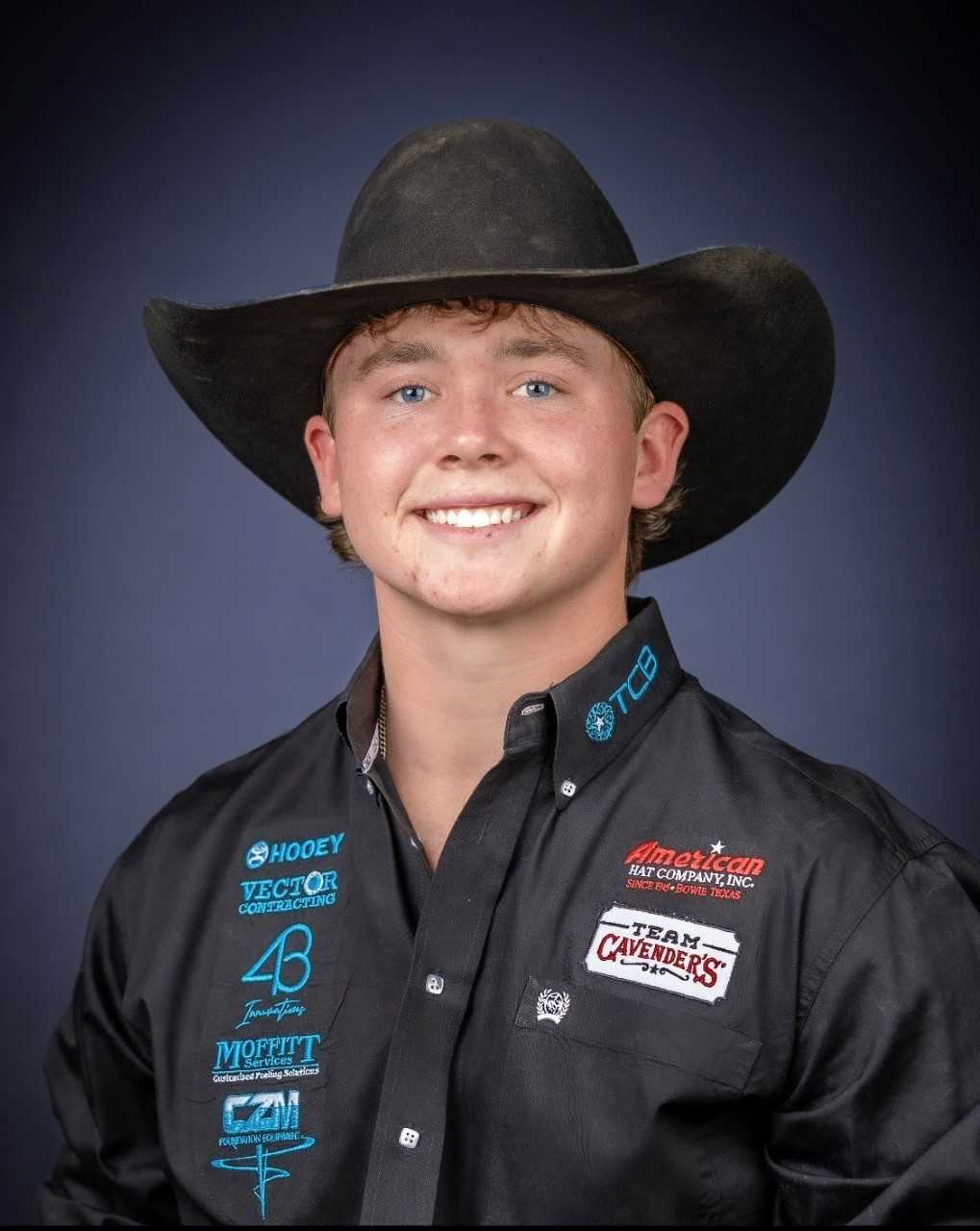
    There’s something steady, not loud and not showy, about Ty LaVergne, just tough minded in a way that doesn’t need announcing. As a Cavender’s team member, he carries that same quiet steadiness with him, the kind that shows up in how he rides and how he represents the people standing with him.

    When I asked him how he would describe himself, he didn’t reach for anything dramatic. “I would describe myself as a confident person, and I know what I am capable of. I am also the one people go to when they need help. Like, say a guy behind the chutes needs a hand, I tend to be the one to help.” That tells you more than a buckle ever could.

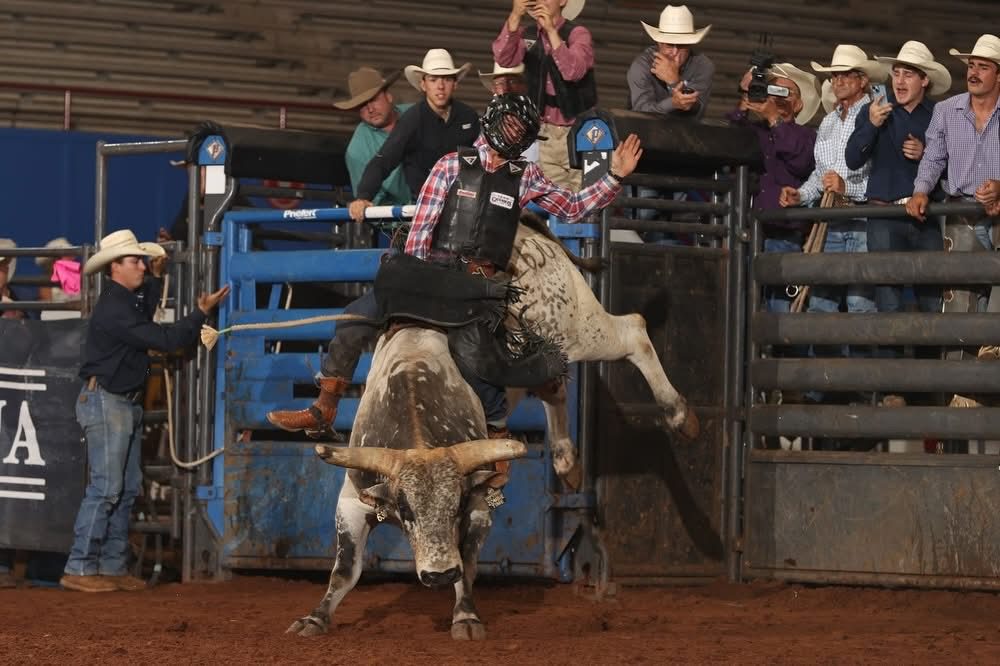
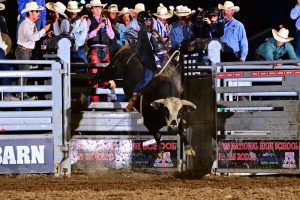
    Bull riding doesn’t reward ego for long. It rewards presence, discipline, and the willingness to show up again, especially after you’ve been humbled. Ty knew early this would be his event. “I first realized bull riding was going to be my event when I was young. Probably around 6 years old, I would beg and beg my dad to let me start riding bulls, and he finally gave in, and now here I am today.”

    He didn’t stumble into bull riding. He chased it. “I think the main thing that hooked me to bull riding was the adrenaline rush and the feeling of hearing the buzzer go off, knowing that you rode the bull. It is the greatest feeling you can feel, and words can’t even describe it.”

    Most people stop at adrenaline, but adrenaline doesn’t keep you here. The mind does. “I think bull riding is more mental. This is because someone can be in the best shape possible and still fall off of bulls constantly. If your mind isn’t where it’s supposed to be, then you normally won’t ride very well.”

    When the chute gate opens, there isn’t chaos in his head. “Surprisingly, not a lot goes through my mind when the chute gate opens. The main thing that I tell myself is I’m about to strap this bull. Another way is just having confidence to set yourself up for success and not failure.” That kind of clarity is built over time, and his dad has been central to that foundation. “My dad has taught me about everything I know about bull riding, but the thing that sticks with me the most is riding aggressively. If you don’t ride aggressively, then the outcome isn’t going to be great all the time because it’s a battle between you and the bull every second until you step off of him.” It’s not recklessness or chaos, it’s resolve.

    Freshman year, Ty missed qualifying for nationals by eleven points, close enough to taste it and far enough to sting. “I would say winning High School Nationals is my favorite win because back in my freshman year of high school, I got humbled at the state finals by missing nationals by 11 points. This lit a fire underneath me and drove me to get better and make it to nationals the next year. I ended up winning it, and I felt a sense of relief because I had been looking forward to just making it to nationals, and I tried my heart out and ended up pulling off a win.” Relief is the word he chose, not spotlight or pride, but the kind of relief that comes from answering disappointment with discipline.

    “Bull riding has taught me so much about discipline because it has taught me that if you don’t get on practice bulls, then you won’t get much better because you aren’t fixing what you need to fix and working on your fundamentals. This will start showing at rodeos, getting on bulls is the best way to get better.” Humility, for him, looks like owning the ride, even when it did not go his way, “It has taught me a lot about humility because you don’t always win, and you have to take the losses and learn from them and keep that drive to win.”

    Along the way, Ty has also earned a place as a Cavender’s team member, and he does not talk about that like a logo, he talks about it like a responsibility. He knows he is representing more than himself when he puts his hand in the rope.

    Before every ride, he prays. “I pray before every ride. It brings me peace and lets me know God is protecting me. If it’s his will, it will work out.” In a sport where nothing is guaranteed, not the draw, not the score, not the landing, peace matters. “Everything I have accomplished was because of him.” That perspective carries beyond the arena. “They treat me like family, and I’m grateful to represent them. I’m not just representing a company. I’m representing a family.” The way he describes Cavender’s is the same way he describes the people who shaped him, with gratitude and a sense of loyalty that runs deeper than business.

    When I asked what he hoped people would see when they watched him ride, his answer was simple. “I hope they see that I’m humble and grateful because there are so many kids who wish they were in my position.” And when he talks about the future, he doesn’t just talk about winning, he talks about providing for a family one day.

    The aggression his dad talks about, the kind required for eight seconds on a bull, isn’t reckless. Instead, it’s fierce resolve: full commitment, learning, adjusting, and going again. While bull riding may last only eight seconds, the person it shapes you into lasts much longer.

    Ty’s Accolades/Courtesy of Cavender’s Team:

    2023 LJHSRA State Bull Riding Champion

    2023 NLBRA World Bull Riding Champion

    2025 LHSRA State Bull Riding Champion

    2025 NHSRA Bull Riding World Champion

    2025 Cinch WCJR Junior Bull Riding World Champion
  • Kyle Lucas ~Holding the Standard

    Kyle Lucas ~Holding the Standard

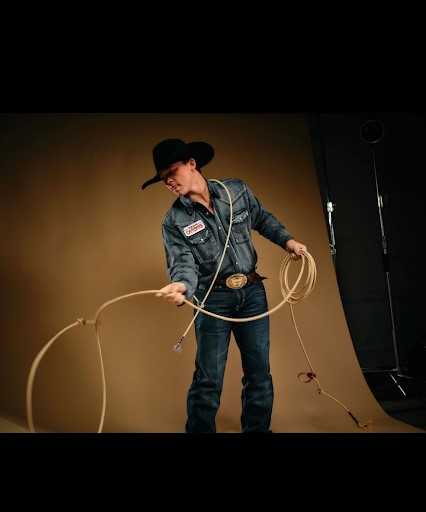
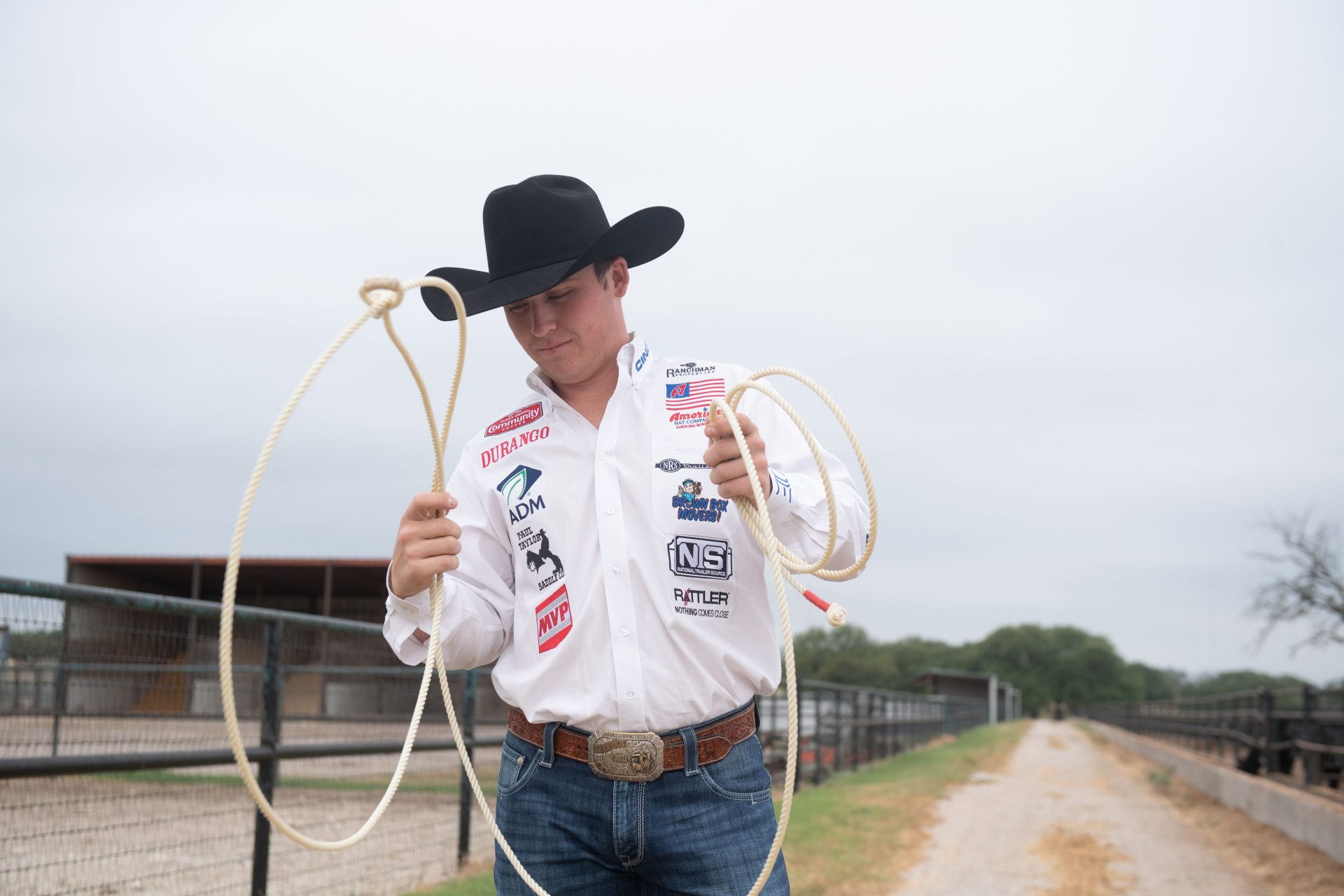
    Canadian tie-down roper Kyle Lucas says his relationship with American Hat Company began years before a partnership was ever discussed. For most of his career, he chose American hats on his own, believing they were the sharpest and most reliable in the industry. He wanted his appearance to reflect the level of professionalism he brought into the arena, and he felt American Hat Company helped him do exactly that.

    “I’ve been wearing American hats for about six years,” Lucas said. He already felt loyal to the brand long before the idea of an official relationship came up. He admired the clean structure of the hats and their consistent shaping. As he traveled from damp Canadian springs to dry summer rodeos across the United States, his hats stayed solid and polished.

    To Lucas, that consistency matters because rodeo athletes represent their sport the moment they arrive at a venue and step into the arena.

    “We have to act like professionals and think like professionals,” Lucas said. “We have to dress like it, too. America is the leader in that.”

    Lucas grew up in Alberta as the son of Canadian standout tie-down roper Joe Lucas. He remembers following behind the chutes while his father competed, watching the standard Joe set in both performance and presentation. Joe retired in 2006 after a final season that Lucas still clearly remembers. Those early years helped fuel the desire that eventually led him into junior rodeos, high school rodeos, and amateur associations throughout Alberta.

    Lucas began in breakaway roping because he was smaller than many of the other kids. As he grew, he fully transitioned to tie-down roping. In 2013, he purchased his Canadian and PRCA cards and qualified for his first Canadian Finals Rodeo. This year, he reached two major milestones: qualifying for his tenth CFR and earning his first Canadian championship.

    Along the way, Lucas developed a close friendship with world champion tie-down roper Tuf Cooper. He spent several winters living and practicing with the Cooper family and credits that time with shaping his roping in lasting ways. Cooper taught him small details that did not always make sense at first but later led to breakthroughs. Cooper also helped connect Lucas with American Hat Company, though by that point, Lucas said he already believed in the product.

    Nothing about the partnership felt forced. Lucas said it developed the same way his loyalty to the hats did, naturally, without a single defining moment.

    Lucas said spending time with Cooper’s late father, Roy, was just as influential. Roy called him weekly or every other week, and each call lasted about thirty seconds. They usually ended the same way, with Roy telling him he was good enough and that he loved him. Lucas said those brief conversations carried weight, especially coming from an eight-time world champion whose belief mattered, no matter how difficult a season felt.

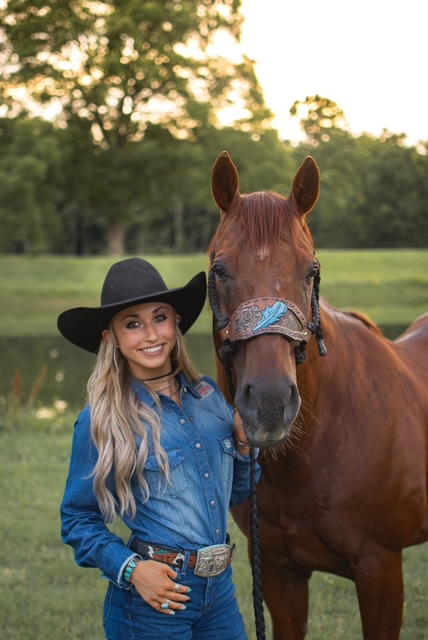
  • Audrey Bridges ~ Steady Hands, Sure Confidence

    Audrey Bridges ~ Steady Hands, Sure Confidence

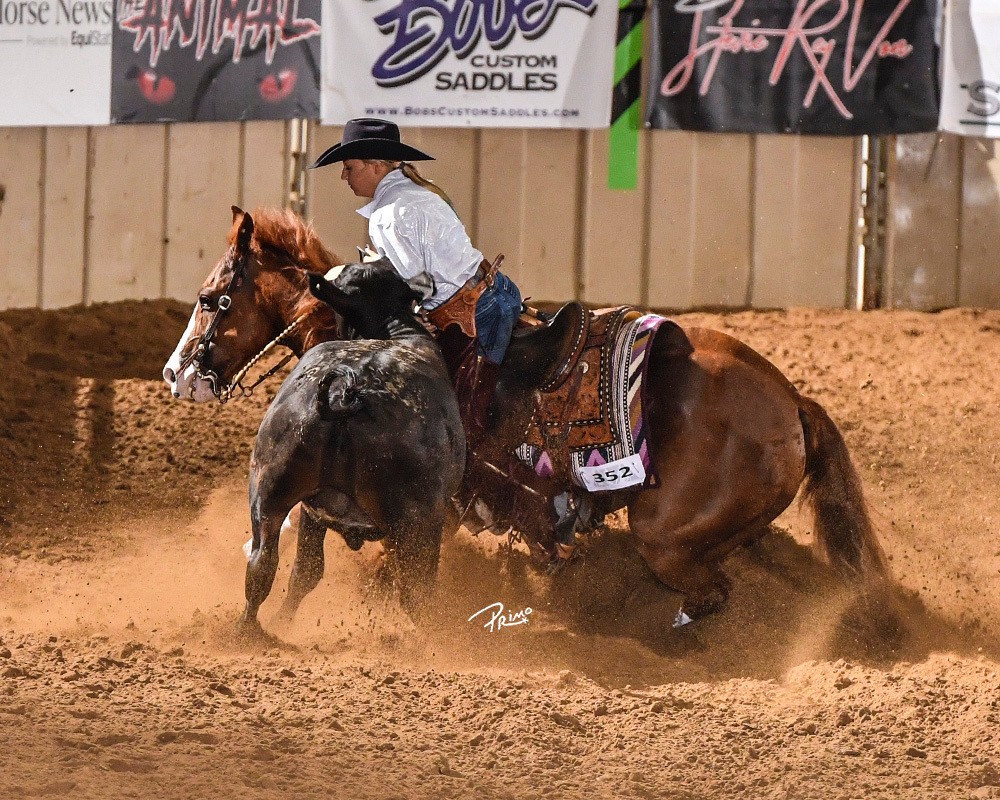
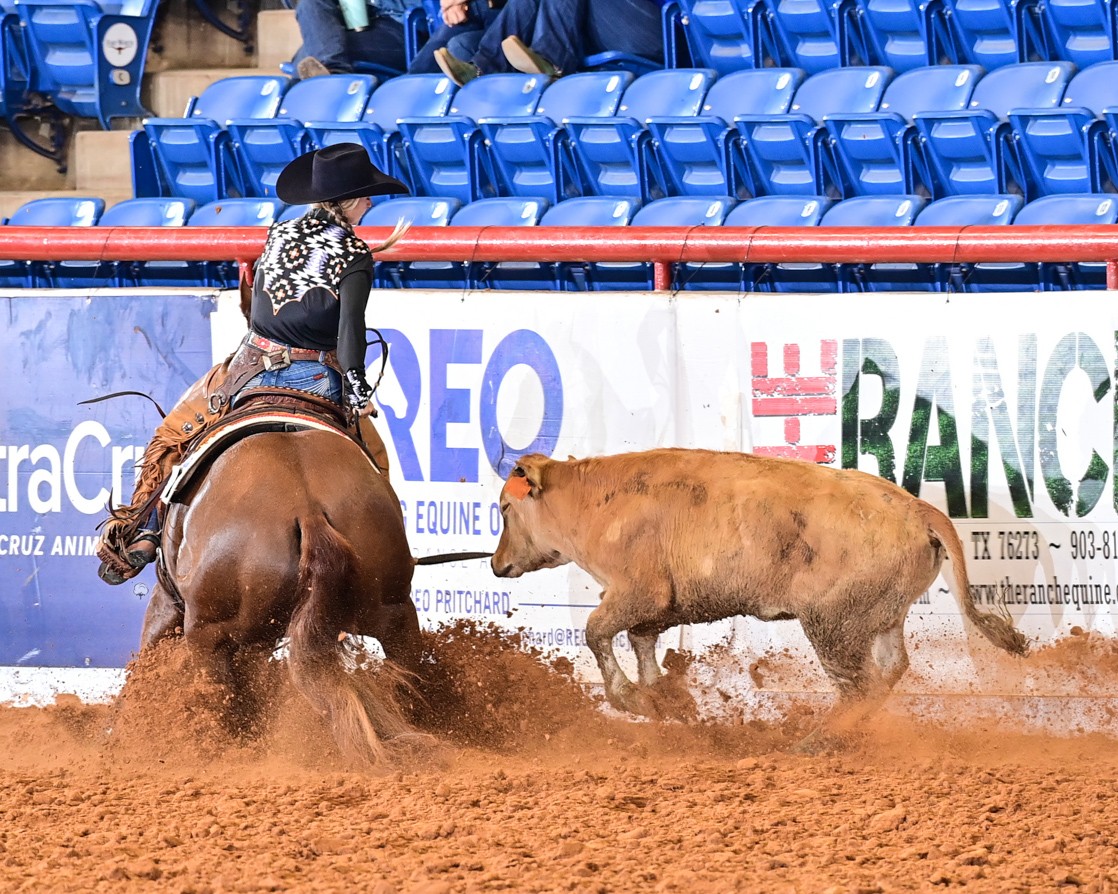
    Photos by Primo Morales Photography

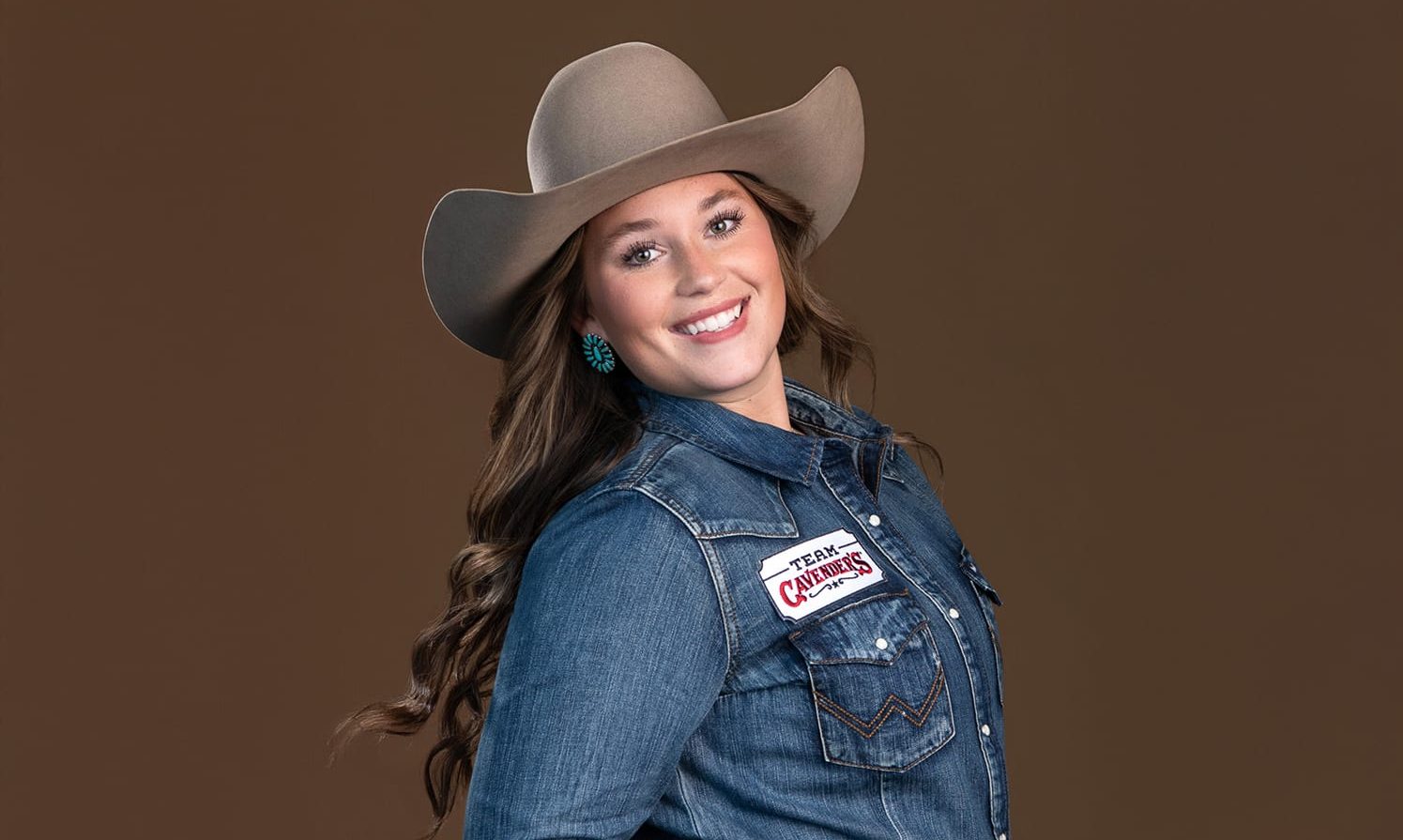
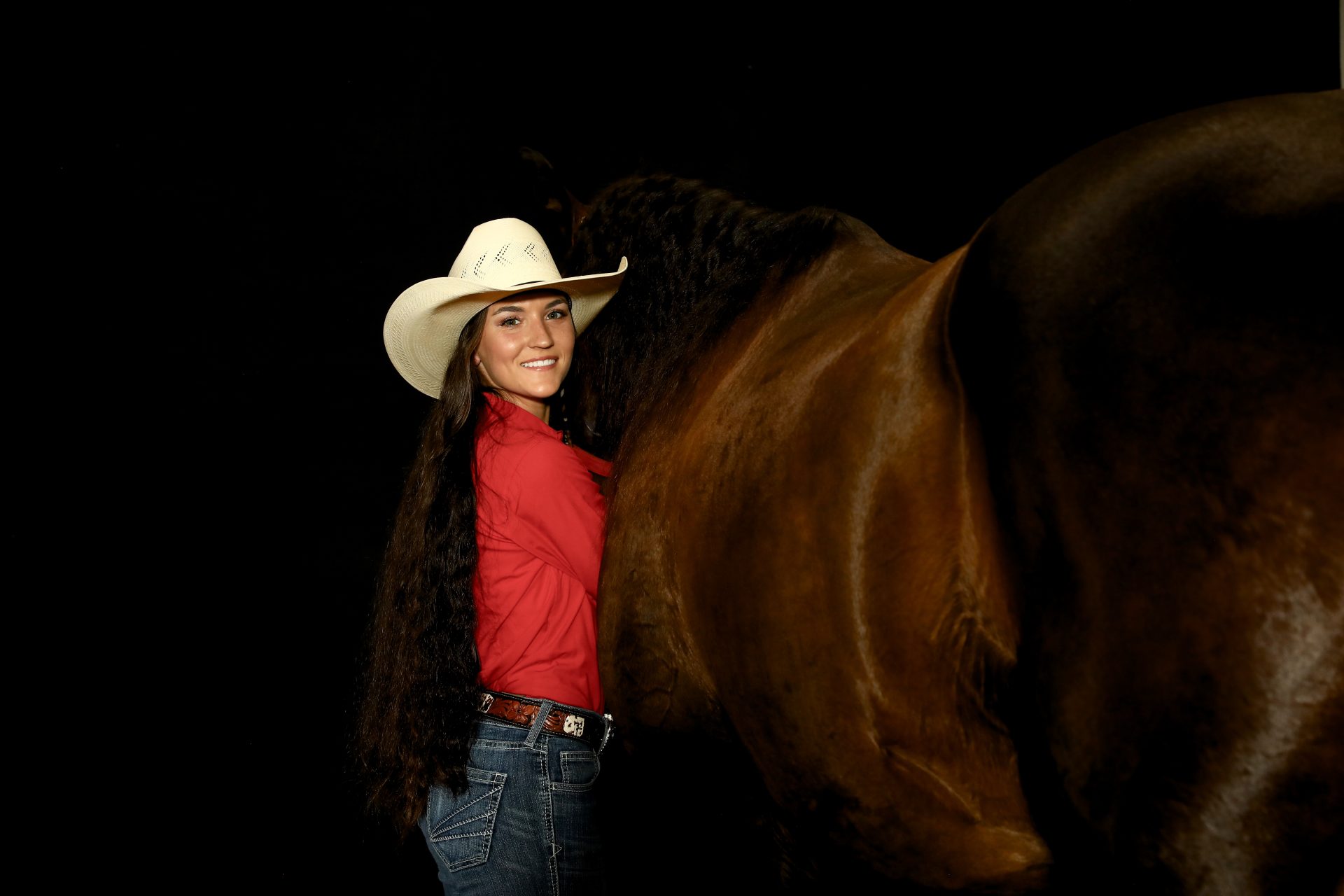
    At sixteen, Audrey moves with a composure often reserved for seasoned riders. She did not rush there. She has learned to tune into her horse, to the voices that matter, and to the quiet insights competition reveals when no one is looking. As a committed member of the Cavender’s team, she recognizes that what you bring to the arena weighs as much as what you do inside it.
    Though Audrey lives in Oklahoma today, she grew up in Texas, and horses have been part of her life from the beginning. By age seven or eight, she was already showing cow horses at local cowboy competitions. One particular run stands out, not for a trophy, but for the clarity it provided.
    This is it, she remembers thinking. This is what I love.
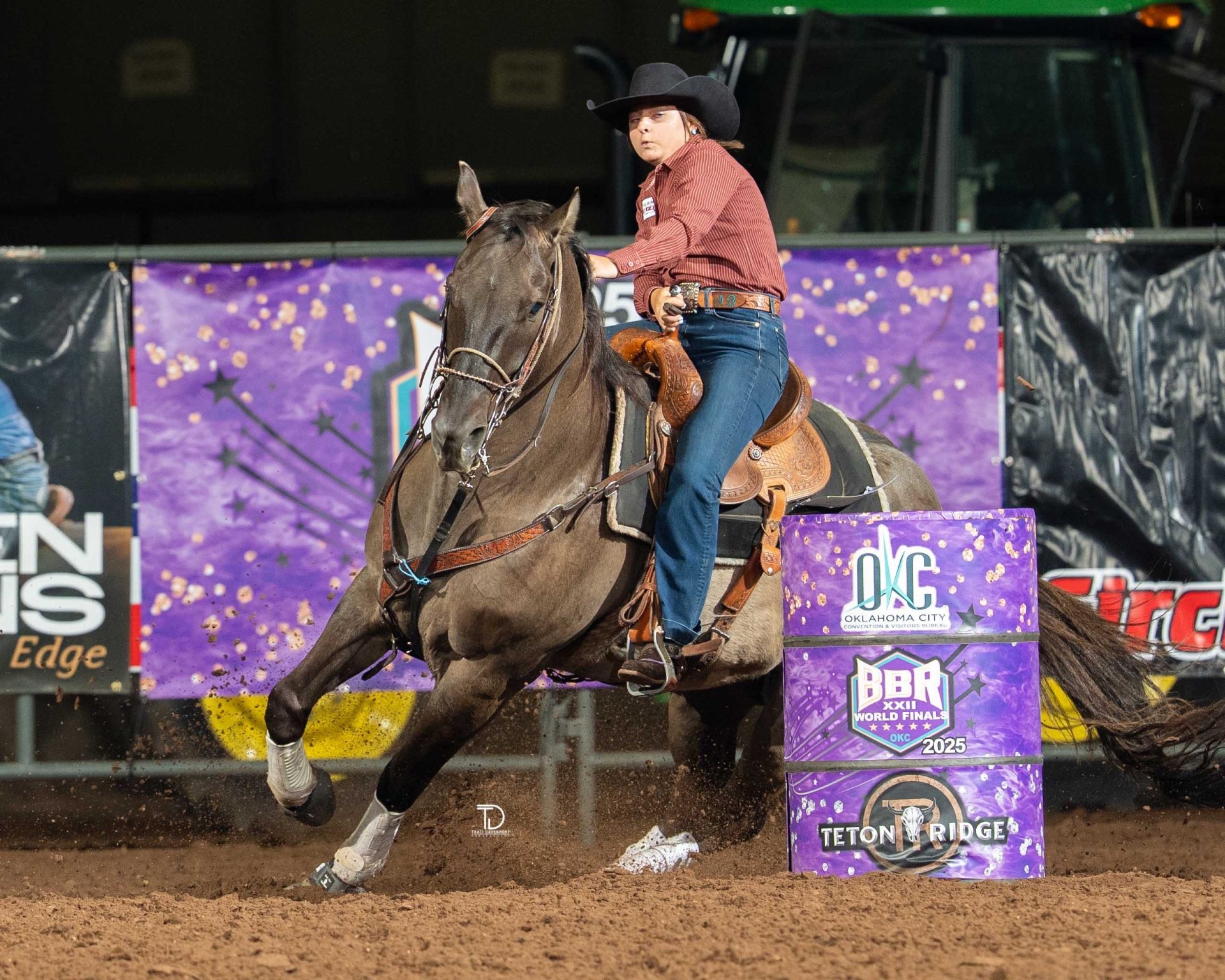
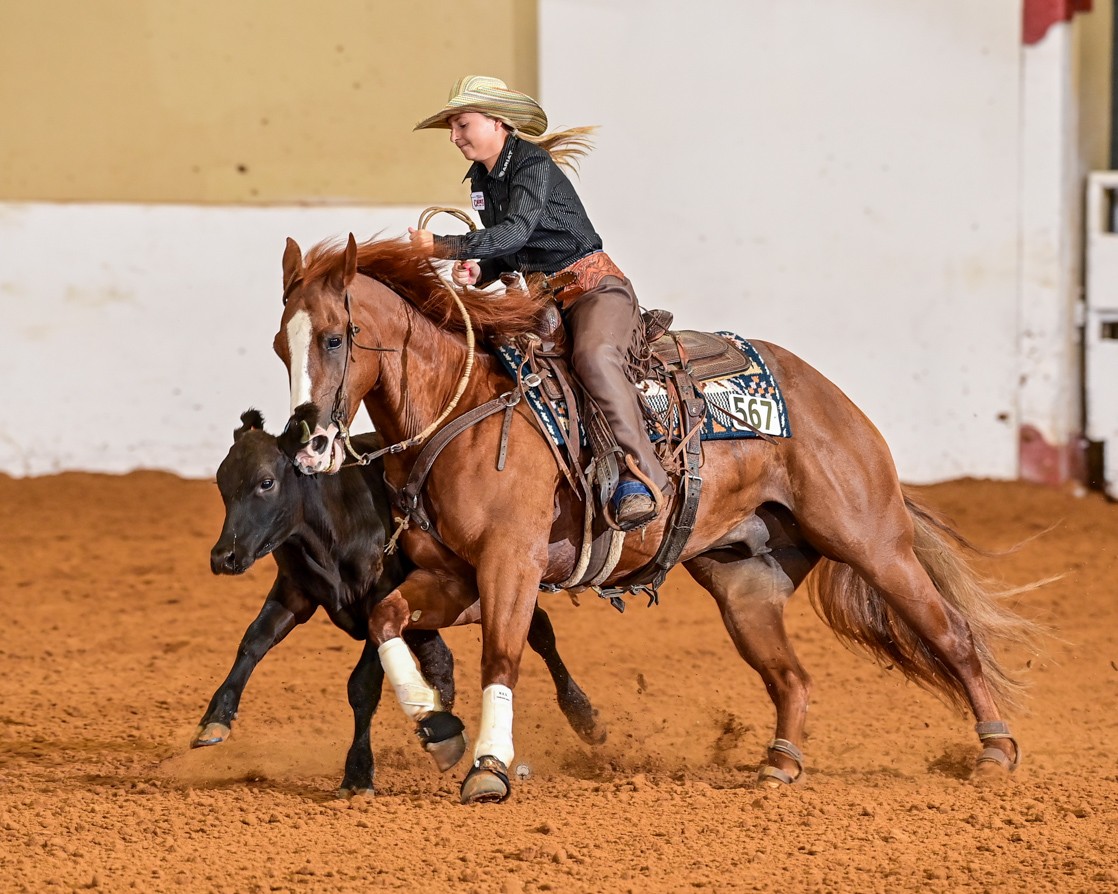
    Today, Audrey competes in reined cow horse, reining, and barrel racing ~disciplines requiring feel, timing, and composure. However, when asked about her greatest challenge, she does not mention the run itself.
    “It’s the waiting,” she says. “Sitting back there, listening to scores, counting riders. That’s the hardest part.”
    Before she goes in, Audrey leans on routine. Music, especially Christian music, helps her settle her mind and refocus on what matters.
    “It grounds me,” she explains. “It reminds me why I’m there.”
    It’s not only the rhythm, but it’s also the truth in the words. It refocuses her spirit and brings her back to center. That grounding shapes her view of confidence ~it is humility and preparation. “You have to stay humble,” she says. “People remember how you treat them, not just how you place.”
    Audrey’s horse, Shiny Little Rey “Rey-Rey”, is a seasoned quarter horse with cutting and reining bloodlines, never needing micromanagement. “He’s taught me to leave him alone,” she says. “He knows his job. I’m there to guide him, not control him.”
    Audrey is more hands-on than people expect, often doing her own tuning and small adjustments, a skill she has developed over time, through practice and good instruction. “I can feel when something’s off,” she explains. “A shoulder leaning. A balance shift. Even if someone watching can’t see it.”
    It is an intuitive skill. She considers it a blessing, and she has learned to trust it.
    That trust extends to how she handles setbacks. She recalls a competition where a difficult cow kept her from a top finish. Though disappointed, what stayed with her was the encouragement of an older competitor, who reminded her that one run does not define a rider. “That meant more than winning,” Audrey says.
    When frustration rises, Audrey resets the same way each time ~by riding. “I’ll just saddle up and walk him,” she says. “The arena, the pasture, anywhere. My mindset fixes itself pretty fast.”
    Her achievements reflect her steady approach. Rather than seeking the spotlight, she has built a record of quiet excellence and reliability.
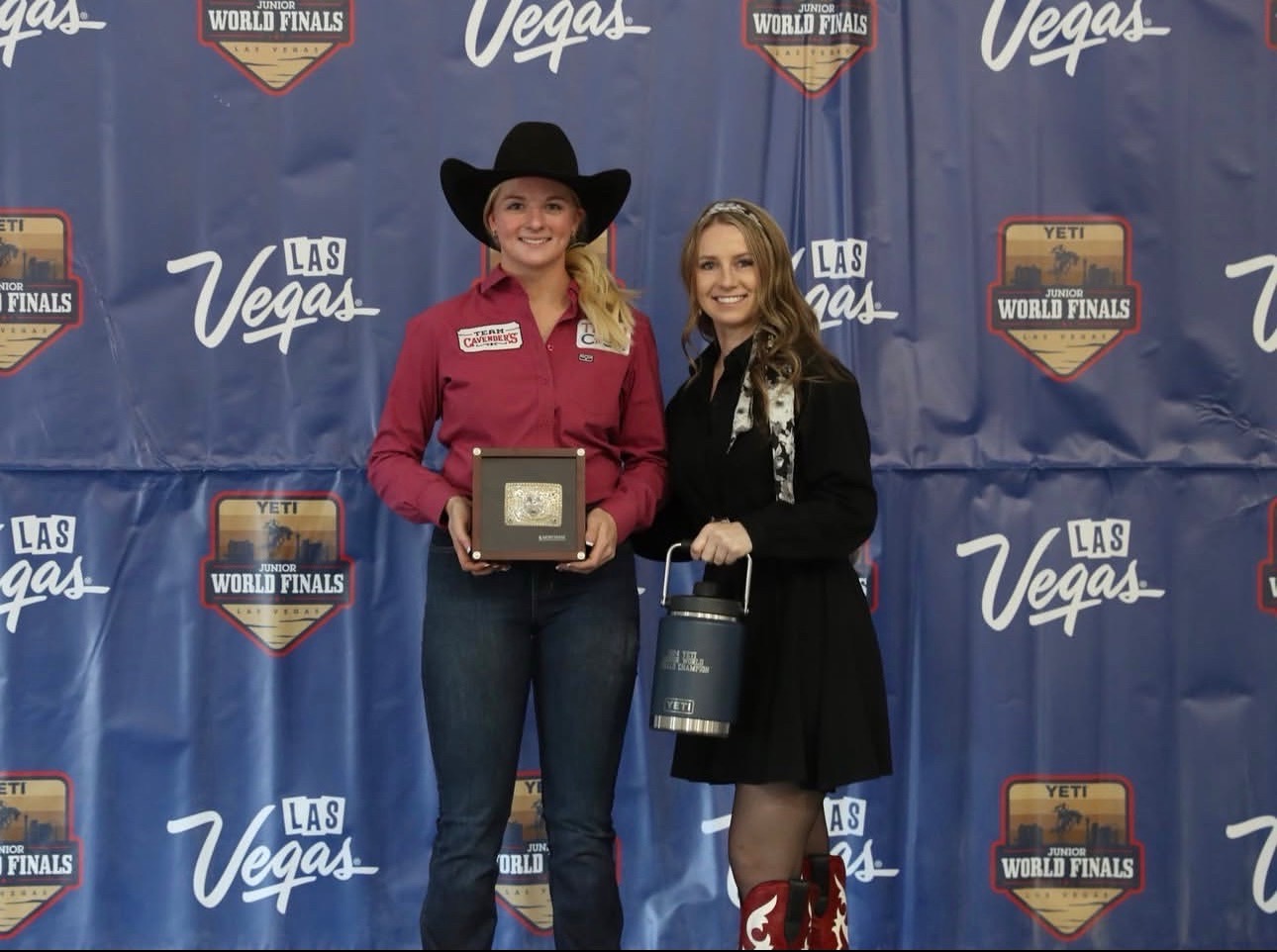
    She earned the title of 2022 Reined Cow Horse World Champion, followed by a third-place finish in the World Youth Cow Horse standings in 2023. That same year, she claimed the UPRA Junior Barrel Racing Championship. In 2024, she placed third in Reined Cow Horse and went on to win the Wild Rag Classic Reined Cow Horse Circuit Championship. Her momentum continued in 2025 with a first-place finish at the Wild Rag Classic Reined Cow Horse, along with the title of SRCHA Youth Bridle Champion.
    Audrey carries the Cavender’s name with intention. It means showing up as part of a team: how you treat people, handle pressure, and respond after a win. “It’s not just a sponsorship,” she says. “You’re part of a family, and you represent that everywhere you go.”
    Criticism, when it comes, is filtered carefully. If it is untrue, she lets it pass. If it is worth learning from, she considers it. She does not let it define her. “There will always be people cheering for you,” she says. “And people against you. Sometimes, just because you won.”
    Amid these experiences, another transition emerges. What matters most to Audrey is the reputation she is building. “When someone mentions my name,” she says, “I want them to say I’m kind, that I work hard, and that I treat everyone the same.”
    For Audrey, responsibility means daily discipline. She chooses a strong mindset and a positive attitude, displaying quiet maturity that needs no announcement. Just as she rides by feel, she lives with purpose: attentive, grounded, and undistracted.
    For a sixteen-year-old with steady hands, sure confidence, and a deep respect for her horse, the future is not rushed. It is steady.
    And that may be her greatest strength of all.

    Audrey’s Accolades

     
    2022 Reined Cow Horse World Champion
     
    2023 3rd in the World Youth Cow Horse
     
    2023 UPRA Junior Barrel Racing Champion
     
    2024 Reined Cow Horse: 3rd Place
     
    2024 Wild Rag Classic Reined Cow Horse: Circuit Champion
     
    2025 Wild Rag Classic Reined Cow Horse: 1st Place
     
    2025 SRCHA Youth Bridle Champion
  • The Cost of Doing It Right

    The Cost of Doing It Right

    by Lori Bizzell | Photos Courtesy of Cavender’s & Trevor Bentley

    There is a kind of strength you cannot time.

    There are some young men who rope with talent, and there are some who rope with a deeper kind of strength, the kind you cannot fake. Trevor Bentley is one of those. The more I listened to him, the more I kept coming back to this simple truth: his gifts show up in the arena, but his character shows up everywhere.

    It is also why Team Cavender’s fits him. Cavender’s is known for quality Western wear, but the Team Cavender’s program is about more than a logo. It is about investing in the next generation with leadership, character, and the kind of work ethic that keeps rodeo strong.

    Long before rodeo became the center of his world, Trevor had another dream that ran just as hot. Baseball was his first love, and it was no passing interest. It was a real pursuit, tied to family history and real opportunity. His dad had offers to go pro, his grandfather played in the minors, and you could tell that competitive fire and that respect for the spotlight was in his blood. But somewhere along the line, rodeo did not just replace baseball. It became the thing he was willing to give his whole heart to. He said it plainly: when he is into something, he goes all in. That kind of single-minded dedication is rare, and it is one of the first places you can see perseverance starting to form.

    And yet, dedication does not always get recognized the way it should. Trevor has felt that.

    People see a win and assume it was luck, like it was handed to him, or he just happened to be the lucky one. He admitted it used to get to him. “But when I started taking this sport seriously, I learned that it is not the case anymore. All of the blood, sweat, and tears put into this sport are no joke. Between the thousands of hours in the practice pen and the 20-hour drive to Vegas, you learn very quickly that it takes a lot of work to go anywhere in rodeo.”

    That is honest, and I respect that kind of self-awareness in a young man. But what I admire most is what he did with that pressure. Instead of letting it harden him, he let it refine him. He learned early that there is a difference between being seen and being built. Around twelve years old, after winning the Patriot, he realized people were not seeing the qualifiers, the practice, the timing, and the planning that went into that moment. They were only seeing the outcome. So, he decided to keep his head down and keep working, to be patient, faithful, and endure.

    That same steadiness shows up in how he talks about advice and in the kind of voice he allows to shape him.

    The best advice Trevor has ever received came from his mom: “Listen more, talk less.” That one sentence carries a lot of wisdom. It takes humility to listen. It takes discipline to be teachable. It takes self-control to stay quiet long enough to actually learn. Trevor has taken that to heart, especially in a sport where growth depends on openness to correction and a willingness to adjust. And because he is learning discernment, he has also learned what not to listen to. He remembers the worst advice too, the kind that sounds strong but is actually pride dressed up as confidence: “We do not need to listen to anybody, we will figure it out.” Trevor knows better. He values an outside opinion. He understands that talking through a run matters. He is not trying to prove he is above learning. He is trying to become the kind of man who never stops growing.

    You can also see his maturity in the way he handles disappointment.

    When things go wrong at a rodeo, Trevor does not stay stuck. He resets. His first instinct is prayer, and that tells you where his peace comes from. Then he calls a friend, and I love that about him, because it shows he is grounded enough to lean on the right people. He said they never fail to make him laugh, and that laughter clears his head. That is knowing how to return to the center rather than spiral. A young man who does not need to perform for the world, because he is secure enough to be real.

    And while Trevor’s mindset is strong, he is just as serious about the skill.

    When he looks back at his roping from even two years ago, he sees a major difference in his hand-eye coordination and his ability to manipulate the rope. He has learned through experience that roping is not magic. It is repetition. It is time. It wants it badly enough to show up for the hours nobody sees. He said plainly, “There are no shortcuts.” That is not just a rodeo principle. That is a life principle. It reveals diligence and long-suffering, the willingness to stay with the process until it produces something real.

    What stood out to me even more is the part of his work that most people do not notice: his horsemanship.

    Trevor knows you cannot rope well if you are not riding correctly. He respects the horse and the partnership, and he understands the level of skill it takes to make your horse do what you need while you are roping at speed. He called it an art, and he meant it. That is a kind of quiet excellence. It is faithfulness in the hidden places. It is stewardship. It is doing the unglamorous work because it matters, not because it gets applause.

    That same inner steadiness is what shows up when the pressure rises.

    Trevor has learned how to handle the moment when the run has to count. He does not deny the nerves. He uses them. He treats it like an opportunity. When he feels that wave come over him, he turns it into intensity and confidence, not reckless, but focused. He understands that rodeo has a big mental side, and he has learned how to manage it. He said he thrives under pressure. That is self-control. That is clarity when everything in you could want to rush.

    Of course, pressure does not only come in the box. Sometimes it comes through pain.

    One of the hardest seasons Trevor walked through was the end of eighth grade, heading into his freshman year, when he tore his ACL at the TYRA finals. His horse was ducking off a little in the tie down, and Trevor told himself it would be fine, like the other times when he tried to cut a corner. But this time it cost him. That injury took away his freshman year of rodeo, and that kind of setback could have made him bitter. Instead, he came back stronger for his sophomore year. It made him wiser. He learned not to take shortcuts, not in the arena and not in life. Learning to make sure everything is right. He understands there is a balance between competing to win and roping the way it ought to be roped. Some situations call for smooth fundamentals, clean and steady. Other situations require him to apply pressure, to push the pace while still staying anchored in what is right. He has learned that too much speed can become a trap, especially in calf roping, and he lives by a saying that holds more truth than people realize: slow is fast.

    That truth has also shaped him outside the arena, especially in his discipline.

    Trevor learned the value of money early. Around the age of 12, he started paying his own entry fees. As he got older, he has taken on more, including the feed and the real costs of living this life. That is not just responsibility, it is stewardship. It is learning to value a dollar, to respect what it takes to sustain a dream, and to carry yourself with maturity rather than entitlement.

    But beyond the work ethic and the skill, what moved me most is the kind of man Trevor is becoming.

    He said it simply: a hardworking, God-fearing man. God first. And you can tell his mom has been a powerful shaping force in that vision. He looks to her as his example of character because even when she is tough, she does the right thing. As opportunities and recognition come, Trevor works to stay grounded. He remembers where he started. It was not long ago that he was slick horning his first steer. He keeps perspective through prayer. He keeps his heart in the right place by remembering that every person starts somewhere, and none of us is as above it as we can be tempted to think.

    Trevor’s faith is not something he pulls out only on big days. It shows up in the way he competes, the way he thinks, the way he defines success. He believes it is all in God’s plan. He goes out and does his job to the best of his ability, and he leaves the outcome in God’s hands. He is learning focus. He is learning not to get greedy. He is learning how to surrender the results while still showing up.

    To Trevor, success through a faith lens looks like this: not falling apart when things do not go right, because God is still God. That kind of perspective does not happen overnight. It takes trust. It takes repeated surrender. It takes a steady return to prayer when things feel heavy or uncertain. He told me, when it is hard, he prays and says, “I am going to go do my job to the best of my ability, and it is in Your hands from there.”

    He is not letting rankings or results define him. He said it plainly: it is just money, it is just roping, nothing surpasses the Lord our God. And I love that he is honest about the practical pieces that help him stay there, too, like friends who can make him laugh and remind him who he is when the world tries to shrink him down to a scoreboard. If a younger kid were watching Trevor and asked what matters most, his answer would be simple and strong: have faith in God and do your best. Be happy you are there doing it. One rodeo does not define you. This understanding takes the weight off a young person’s shoulders and puts it back where it belongs.

    I asked Trevor what he hoped others would remember about the kind of presence he carried, and he told me, “I hope they remember how fun I was. I like to have fun when it is time to have fun, but I am very serious when it is time for that too. That is how I am at rodeos. I work hard, and I am nice to others.” That right there is the kind of legacy that lasts, not just because of what he won, but because of how he lived.

    Right now, outside of rodeo, God is teaching Trevor something that will protect him for the rest of his life: to trust His plan, and to let things roll off his back like water off a duck. A young man learning how to stay steady, keep his eyes forward, and live from a place deeper than the moment.

    He is becoming the kind of man you can trust. Because talent is common. But a young man with discipline, humility, joy, integrity, and real faith is rare. By investing in young leaders like Trevor, Team Cavender’s helps build the future of rodeo the right way, because when a brand chooses to stand behind character, it strengthens more than a career. It strengthens a culture.

  • Montie Montana: The Cowboy Who Roped the World

    Montie Montana: The Cowboy Who Roped the World

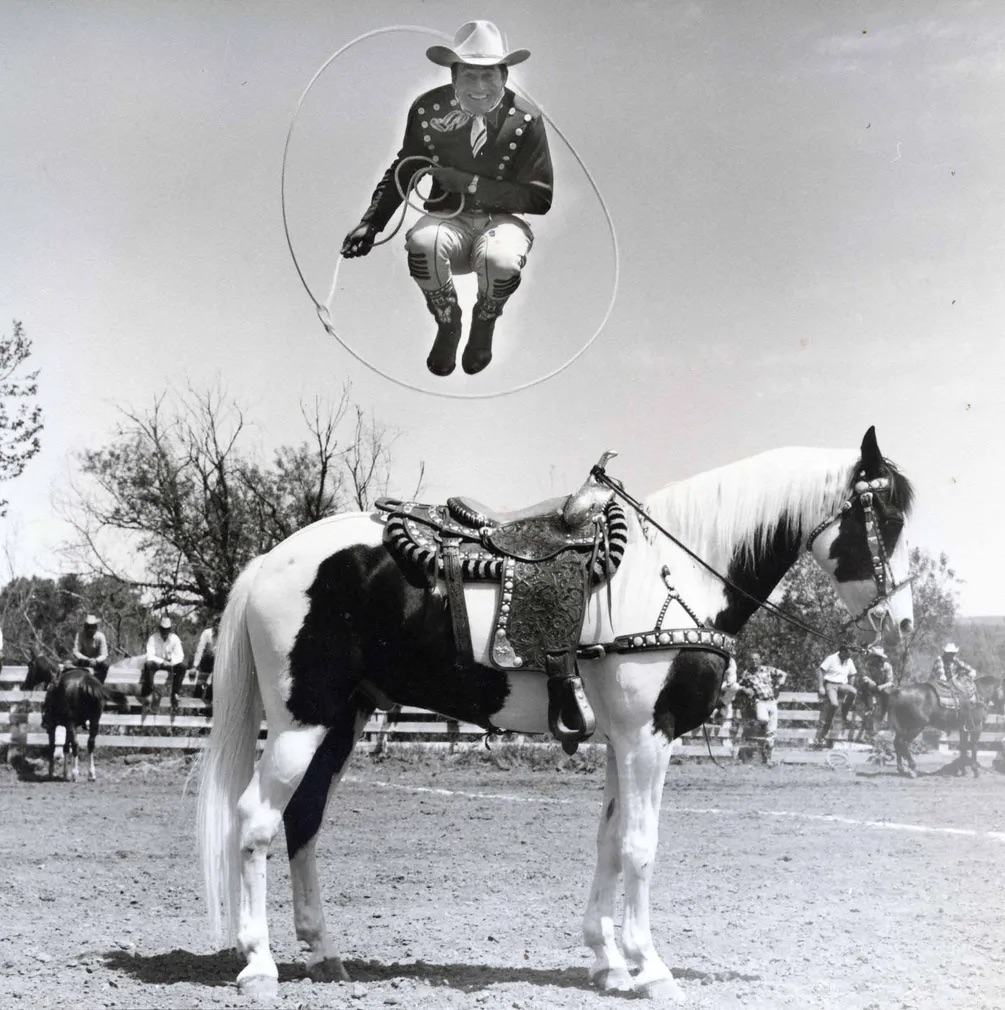
    There are legends, and then there are legends who could literally rope a president. Montie Montana wasn’t just a rodeo star. He was a walking, riding, grinning piece of Americana. From the dusty arenas of Montana to the bright lights of Hollywood, and sixty Rose Parades straight, Montie spun his rope through history and never once lost his shine.
    Montie Montana, born Owen Harlan Mickel back in 1910, came from a line of horseback preachers, wild-horse traders, and performers. His father carried a Bible. His mother cracked a whip. And Montie carried both grit and grace into every arena he entered.
    By the time most kids were learning to tie their shoes, Montie was tying loops. He practiced on chickens, dogs, and classmates alike. Any moving target would do. At fifteen, he rode into the Miles City Rodeo and, when the announcer forgot his name, was introduced as “that kid from Montana.” Montie liked the sound of it. From that day forward, Montie from Montana stuck, and so did the showmanship.

    Hollywood came calling in the late ’20s, and Montie rode straight into it with a rope in one hand and confidence in the other. He could ride, act, stunt, and charm like no one else. He shared scenes with Roy Rogers and John Wayne, but it wasn’t the company he kept that made him a legend. It was the sparkle in his performance.
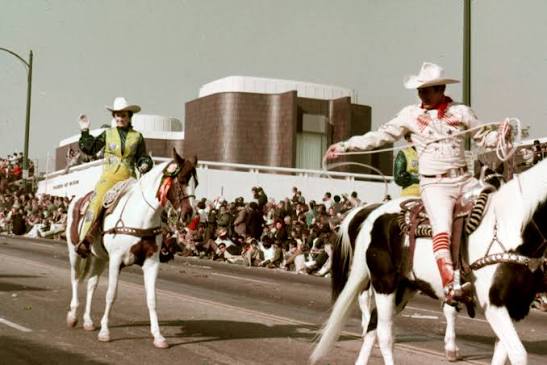
    And then came the parades. Sixty consecutive Tournament of Roses appearances. Imagine it: Montie astride his pinto Rex, silver saddle gleaming, rope twirling against the morning sun, crowds cheering as if the West itself was riding by.
    But the defining moment came in Washington, D.C., in 1953. President Dwight Eisenhower stood tall for his inaugural celebration. Montie tipped his hat, got permission, and with a flick of the wrist, lassoed the President of the United States. The crowd erupted. Cameras flashed. History was made, all with one perfectly thrown loop and a cowboy grin.
    For Montie, the rope was more than a prop. It was his language, his music, his message. He could spin a lariat into shapes that seemed to dance with him. He once roped five galloping riders at once, then turned to the crowd as if to say, “Just another day in the saddle.”

    He wasn’t just a performer. He was a teacher and an encourager. For decades, Montie visited schools across California, teaching children the art of roping and inspiring them to believe in themselves. He left behind millions of smiles. He made rodeo personal.
    Montie passed in 1998, but every rope loop still spinning under the arena lights feels a little like his. Every cowboy tipping a hat to the crowd owes a nod to the man who made rodeo entertainment, not just competition.
    He rode in with joy, rode out with grace, and left us all with a little more sparkle in our step and hope in our hearts.
    Montie didn’t just ride in rodeos.
    He rode through history.

    Montie at a Glance

    Montie’s Famous Horses: Every one of them was named Rex

    Signature Move: The five-rider loop

    Presidential Highlight: 1953 Inauguration, Dwight D. Eisenhower

    Career Span: 70 years of riding, roping, and radiating joy

    Hall of Fame: Inducted 1994, ProRodeo Hall of Fame

    Catchphrase: “Keep smiling, keep riding, and keep your rope ready.”

    Rodeo Life Magazine

    Celebrating the legends who make the West unforgettable.

    Photos Courtesy of SCV Historical Society / SCVHistory.com

  • The Making of Riley Webb

    The Making of Riley Webb

    By Lori Bizzell
    Photos courtesy of American Hat Co.

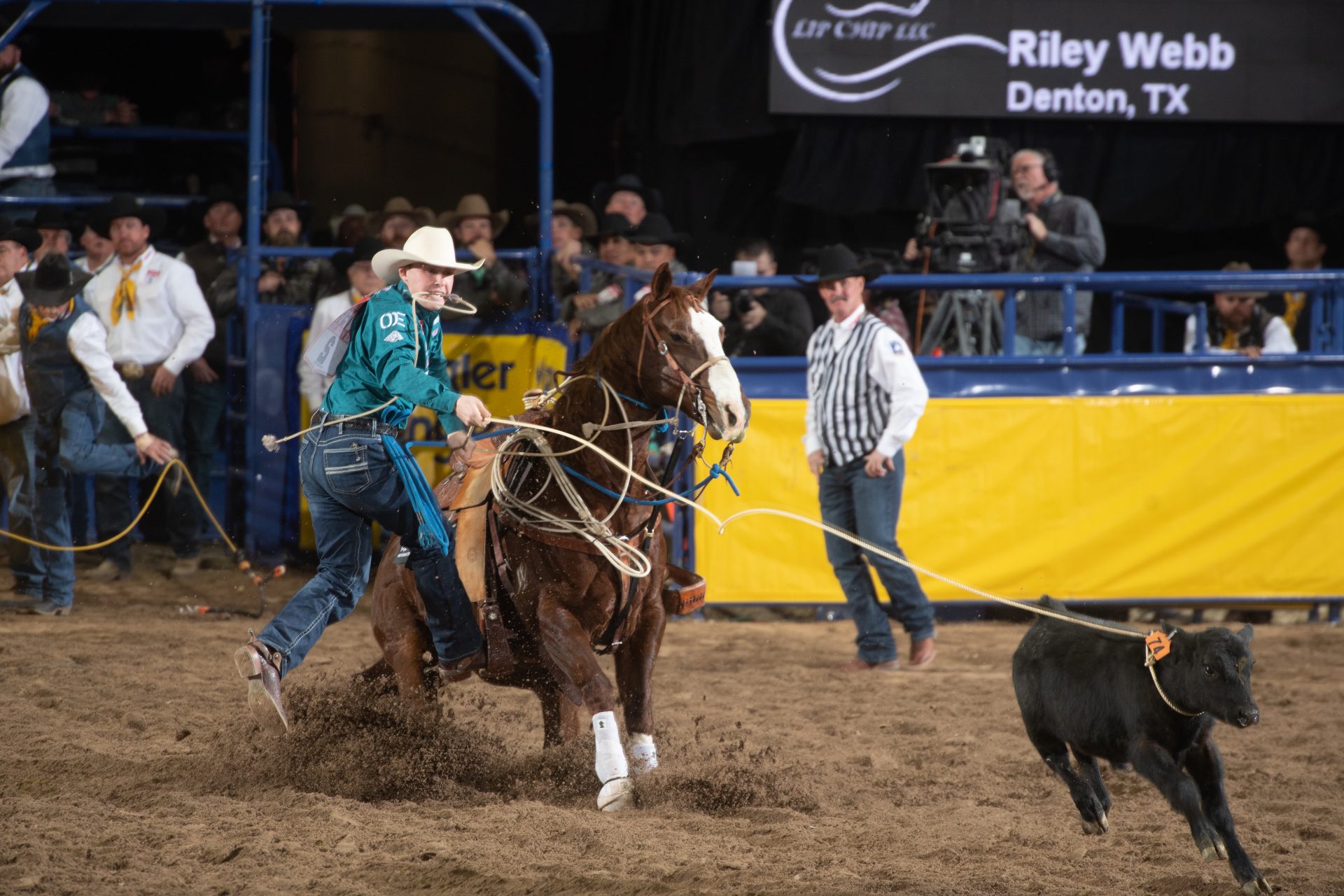
    In an arena where speed is celebrated and pressure is unforgiving, Riley Webb has built his career on something quieter: steadiness, not just in his hands or his timing, but in his heart. At a remarkably young age, Webb has become a three-time PRCA World Champion in tie-down roping, not by chasing moments, but by honoring a process shaped by faith, family, and an unwavering respect for his horses.

    Riley Webb didn’t grow up learning how to win fast. He grew up learning how to do things right. In Texas, surrounded by roping, livestock, and long days that reward consistency more than flash, he learned early that rodeo doesn’t hand anything out. You earn it quietly, over time. And along the way, you learn something else: in a sport built on trust, what you wear and who you ride for matters. In that spirit, Webb has aligned with brands that earn it. He is an American Hat Company athlete, riding with a brand known for upholding the highest standards of craftsmanship and character.

    Riley’s foundation was built long before he ever stepped into a PRCA arena. He comes out of Denton, Texas, and even early on, he wasn’t only focused on tie-down roping. He also has experience as a team roping header, which speaks to the depth of his roping background and the way he’s been shaped by multiple disciplines. Behind that is a family deeply woven into the rodeo world. His parents, Dirk and Jennifer Webb, operate Webb Roping Productions, producing sanctioned cattle for major youth events, including breakaway and tie-down qualifiers connected to the Junior World Finals. And the rodeo influence doesn’t stop there. With Dirk serving in leadership at The American Rodeo and Jennifer supporting in an official capacity, Riley grew up around real operations, real standards, and real expectations. That kind of environment doesn’t guarantee success, but it does cultivate a competitor who understands professionalism, pressure, and what it takes to consistently show up and deliver. It’s no surprise, then, that even early in his pro rise, he was already sitting inside the world’s top tier, proving he wasn’t just talented, but prepared.

    Family played a defining role. Expectations mattered. Work ethic wasn’t optional. Accountability wasn’t something you feared. It was something that sharpened you. That foundation shows in Webb today, in how he handles wins without arrogance and losses without unraveling. There’s a maturity to him that goes beyond age, rooted in being raised by people who understood that character lasts longer than trophies.

    Rodeo can tempt competitors into riding on adrenaline alone. Webb rides on something deeper. While he doesn’t make a show of it, there’s a faith-shaped restraint in the way he competes. It looks like believing preparation matters, humility protects you, and pressure doesn’t have to steal your peace.

    You see it in his runs. Clean. Controlled. Intentional. He doesn’t rush moments that don’t need rushing, and he doesn’t force what isn’t there. That kind of patience doesn’t come from confidence alone. It comes from trusting that your job is to be faithful to the work, not obsessed with the outcome.

    When Webb entered the professional ranks, he didn’t arrive loudly. He arrived ready. His rookie season hinted at something special, but it was his composure that caught attention.

    While others fought the nerves of the big stage, Webb treated it like an extension of the practice pen.

    That mindset carried him into his first world title, then his second, then a third. It’s a feat that demands more than talent. Winning once takes ability. Winning three times requires mental endurance, emotional control, and the humility to stay teachable when you’re already on top.

    Tie-down roping is often reduced to times and scores, but Webb understands the truth: the run starts long before the barrier. His success is inseparable from his partnership with his horses. He rides with feel, awareness, and respect, never asking for more than the moment calls for.

    To Webb, a rope horse isn’t equipment. It’s a teammate, one with instincts, limits, and a need for trust. His horsemanship reflects patience and gratitude, the kind that produces consistency under pressure. Something is reassuring about a constant in a world that runs hard. That respect for what’s earned also shows up in what he puts his name beside. American Hat Company represents craftsmanship that’s made to be worked in,not just worn, and you can understand why a champion would value that kind of steady presence on the road.

    The Wrangler National Finals Rodeo has a way of exposing who you really are. Ten nights. Ten chances. No room for excuses. Webb doesn’t change under that weight. He becomes clearer. He manages pressure rather than reacting to it, understanding that championships aren’t won by heroics, but by protecting your average, your mindset, and your horse.

    Despite the accolades, Webb carries himself with humility that resonates deeply in the rodeo world. He speaks with gratitude, credits his circle, and never forgets the horses and people who made the wins possible. That posture has quietly made him a role model, not just for young ropers, but for anyone learning how to carry success without being consumed by it.

    Three world titles would mark a finish line for many. For Riley Webb, they feel more like mile markers. His career is still unfolding, his approach still grounded, and his priorities still intact.

    Faith in the process. Family at the center. Horses first. That’s the formula, and it’s why Riley Webb isn’t just winning championships. He’s building a legacy that will last long after the arena lights go dark.

    Riley Webb | Accolades & Earnings Snapshot

    • Three-time PRCA World Champion (Tie-Down Roping)

    A rare three-peat at the top of the sport.

    • Career earnings (PRCA): $1,443,890

    Reported as of December 4, 2025.

    • Record-setting season earnings (example): $475,214 in 2024

    A season total reported after his second straight world title.

    • 2025 NFR Average Champion: 82.3 seconds on 10 head

    Earned $94,036 for the average title and finished the 2025 NFR with $240,412 in NFR earnings.

    • Go-round wins on rodeo’s biggest stage

    Including a Round 3 win at the 2025 NFR (7.0 seconds; $36,668).

    • Not just wins, but high finishes under pressure

    Example: a second-place finish in Round 7 at the 2025 NFR that added $28,980 to his NFR earnings.

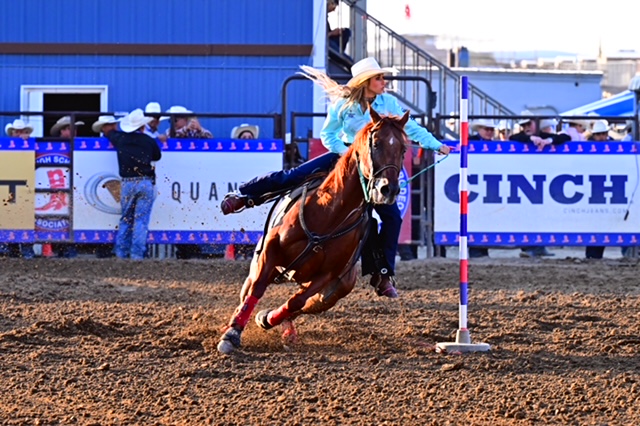
  • Bentli Taylor: Learning to Win Without Losing What Matters

    Bentli Taylor: Learning to Win Without Losing What Matters

    By Lori Bizzell
    Photos Courtesy of Bentli Taylor

    I had a chance to connect with Bentli, and what stood out to me first wasn’t an impressive list of titles; it was her heart. She’s learning how to win without losing what matters, and that kind of growth is worth paying attention to.

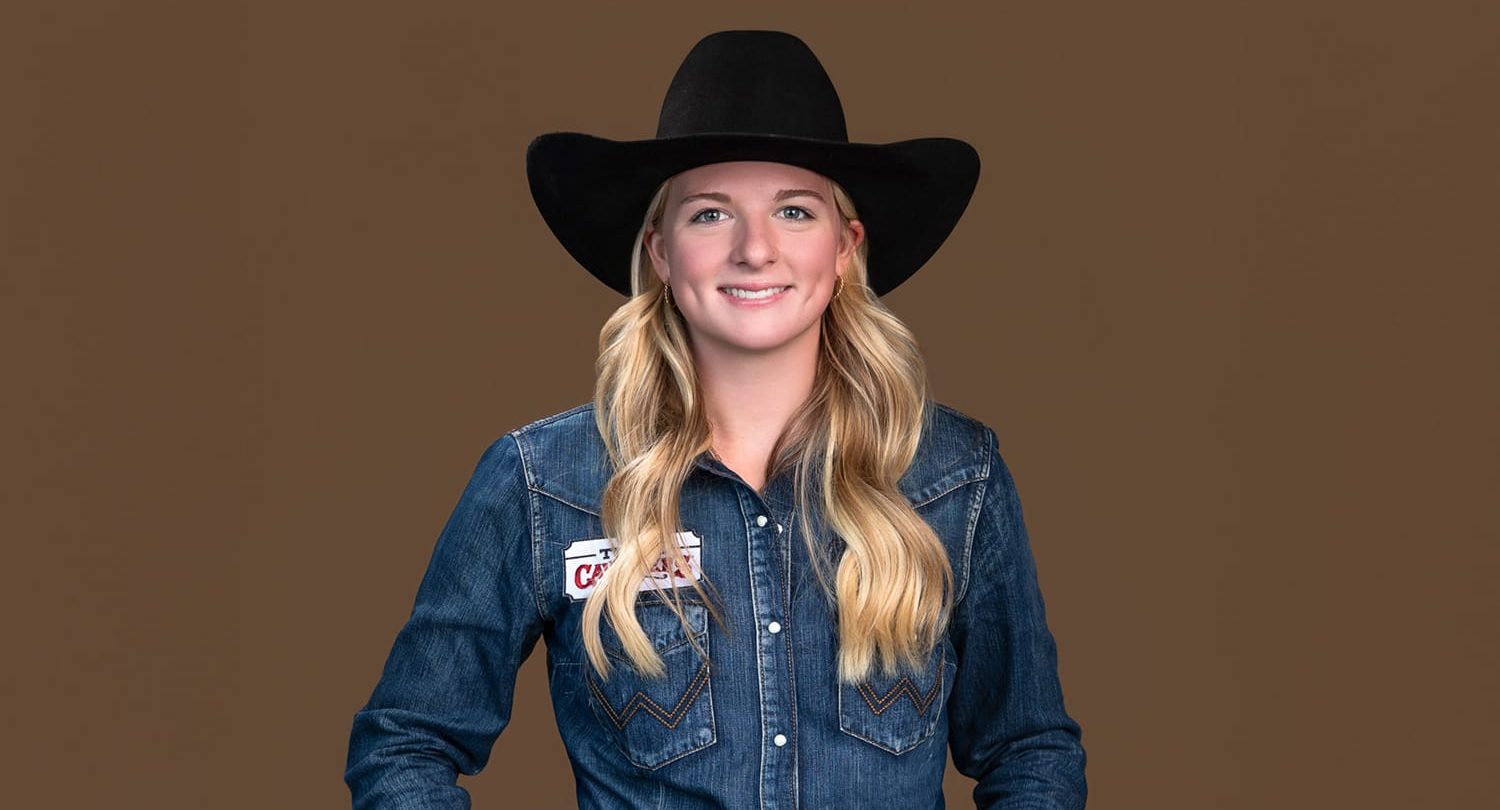
    Team Cavender’s athlete Bentli Taylor understands that growth in rodeo often requires difficult choices. “As you get older, rodeo competition gets tougher, and you have to become more focused. Sometimes that means making choices,” she says. Once a competitive gymnast and cheerleader, Bentli reached a point where she knew she couldn’t give her best to everything at once. “I decided that I could not be successful at everything. I decided  to dedicate my time to rodeo and plan to compete in College Rodeos.”

    That decision opened the door to steady progress. Bentli moved from junior high and high school state short go rounds into national-level competition, qualifying for both the National Junior High Rodeo and the National High School Rodeo while continuing to compete across multiple events.

    For Bentli, growth hasn’t come from a single source. It has come through experience ~through horses, pressure, people, and faith…..each shaping her along the way.

    Pole bending is where Bentli feels most at home. “The pole horses fit my personality. Every pole horse that I have ridden loves the event just as much as I do.” She knows quickly whether a horse belongs there. “I can tell when I get on a horse if they are a pole horse or not by the way they walk down the alleyway.”

    Her journey has been shaped by special horsesRodeo and Coloneland now by Queen. “They all have known their job and gave me 100 percent every run.” What draws her in is the intensity. “To me, there is a thrill weaving through the poles at a high rate of speed.”

    That partnership has carried her onto major stages, including the WCRA Cinch World Championship junior rounds and a Top 10 finish at the International Finals Youth Rodeo, as well as multiple championships and a reserve state title. 

    Bentli’s approach in competition is deliberate. “I try not to think about what other people do and just focus on making my run.” Afterward, she evaluates honestly. “After my run, I celebrate a good run or think about corrections I need to make before the next run.”

    When something feels off, she goes to work. “I try to figure out what went wrong. Sometimes I need to make a bit of a change or tune in the practice pen.” Then she resets. “I try to let it go and think about the next run.”

    Competing in multiple events has taught her resilience. “I have always competed in more than one event, so I cannot worry about one bad run. I have to get on the next horse and get my mind right for the next event.” Staying calm is intentional. “I focus on the run in front of me. I must stay calm because my horse feeds off my energy.”

    Loss has been one of rodeo’s hardest lessons. “Heartbreak. Your horses become members of the family, and when you lose one, it is like losing a family member or a best friend.” Much of that reality is unseen. “People do not see the hours of practice spent in the arena.”

    Bentli faced that heartbreak at the National High School Finals Rodeo when her pole horse died. Seeded for the WCJR semi-finals the following week with nothing to ride, she relied on the kindness of others. “A nice family let me borrow a horse to get through the week.” Despite the weight of grief, she finished the job. “With all my emotions, I just wanted to go home. I pushed through and finished what my horse had started for me.”

    Her priorities are clear. “My horses are part of my joy for the sport. No matter how much I want to win, I am going to put them first and make sure they are taken care of.”

    Today, she rides a team she’s proud of. “I am extremely proud of my team of horses ~ Chief, Forrest, Queen, and Viper.” Chief brings speed. Forrest brings consistency. Queen is a fireball, and Viper is quick across the line.

    Now in her third year with Team Cavender’s, Bentli embraces what representation means. “It’s a leadership role. I represent Team Cavenders. I am proud and thankful for that, and I take my role seriously.” That responsibility fuels her drive. “It makes me strive to be better because I not only want to win for myself, I want to win for my team and the Cavender’s name.”

    The team has shaped her beyond competition. “They have taught me at team summits every year how to build my image through social media.” Their presence matters. “The Cavender’s Team supports me at large events such as the National High School Finals and IFYR.”

    Bentli values the culture. “It is the best team to be part of. Not only is it a great family environment, but they also support you all year round.” The annual summits motivate her. “It is great motivation when you meet professional athletes who speak at the meetings. They try to prepare you in every aspect to get you ready for your future in rodeo.”

    Those lessons are shaping her character. “It has taught me how to be a more well-rounded person and a good teammate. They teach us how to be good role models.” She carries that responsibility daily. “I know that my actions are a reflection of the team, and I just try to be a good person and demonstrate good sportsmanship in and out of the arena.”

    When asked what she hopes to represent, Bentli answers simply. “To be a good person and a Christian. To never give up your dreams.” She adds, “I try to keep a positive attitude and drive to keep going no matter the outcome.” Looking ahead, she sees preparation. “It will help prepare me for bigger opportunities in my future.”

    Her foundation is steady. “My family has supported me through highs and lows.” “My faith keeps me grounded.” When things are uncertain, she trusts God. “I know that God has a plan. I may not always see it when things are rough, but I always know He is in control.” She releases the outcome. “I pray about it and leave it in God’s hands.” One verse she leans on is Proverbs 16:9: “In their hearts humans plan their course, but the Lord establishes their steps.”

    What Bentli hopes people see goes beyond results. “I would want them to see my love for the sport and that I always put my horses first. There are days I make mistakes, but I always come back stronger.” And her encouragement to others is heartfelt. “Enjoy the little things ~not just the wins. Enjoy the time you spend with your horses. Each horse teaches you something along the way. Appreciate the genuinely good people you meet on this journey. Keep going. You will be amazed at what you accomplish.”
    Her hope for the future is simple. “That I was a good horseman, and I took good care of my animals. I hope they remember how much I loved and appreciated each horse.”

    Keep your eye on Bentli! We’re proud to spotlight the growth happening in her life, on the dirt and off it. The wins will come, but what’s even more meaningful is the kind of horseman, teammate, and young woman she’s becoming ~and Team Cavender’s has a young athlete worth rooting for.

  • Rodeo Life Magazine Reaffirms Ownership and Expands National Storytelling Reach

    Rodeo Life Magazine Reaffirms Ownership and Expands National Storytelling Reach

    Rodeo Life Magazine confirms that ownership of the publication remains solely with Rick and Lori Bizzell, founders and publishers of the Rodeo Life brand. As Rodeo Life enters an expanded season of growth, the Bizzells are implementing strategic updates designed to strengthen editorial direction, partnerships, and long-term reach.

    As part of these updates, Rodeo Life Magazine is finalizing the appointment of a new editor. This transition reflects Rodeo Life’s continued commitment to serving the people who carry this way of life—the ranch families, rodeo athletes, small-town arenas, and the military men and women whose values of grit, honor, sacrifice, and loyalty run parallel with the Western spirit. Rodeo Life exists to steward stories with respect, protect the integrity of the community, and preserve the legacy that binds Western and military culture together.

    In 2026, Rodeo Life will broaden its national footprint, from the West to the East Coast, and North to South, bringing readers the stories of not only the well-known champions, but also the everyday cowboy and cowgirl whose grit, faith, family, and work ethic rarely make headlines. Rodeo Life is also expanding purposeful coverage that includes veteran cowboys and cowgirls, honoring their service and their contribution to the Western way of life.

    “Rodeo Life has always been about honoring the heart and soul of the West,” said Lori Bizzell, Publisher. “We’re building a broader platform, one that elevates the voices you don’t always hear, while protecting the integrity of the people and the culture we love and cover.”

    Rodeo Life is also actively strengthening relationships with rodeo associations nationwide as part of its broader outreach and community connection efforts.

    Rick and Lori Bizzell remain actively involved in all editorial, operational, and strategic decisions. These updates reflect internal realignment and forward growth only and do not change ownership, brand identity, or Rodeo Life’s commitment to the communities it serves.

    Media and partnership inquiries can be directed to Rick and Lori Bizzell at contact@mwdatademo1.com, by phone at 307-761-9053, or through RodeoLife.com.

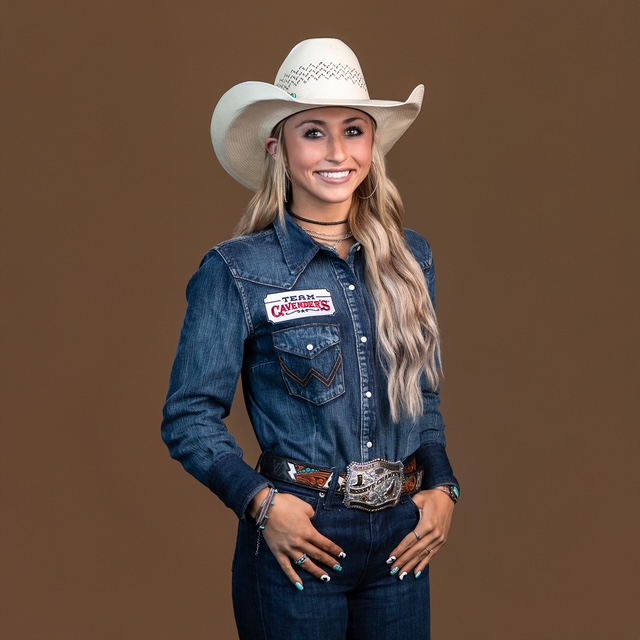
  • Team Cavender’s Rylie Eden

    Team Cavender’s Rylie Eden

    When Rylie Eden walks into an arena, she brings the same confidence she shows on the volleyball court or the basketball court back home in Hillsboro, Texas. The high school senior balances nearly every sport her small public school offers while competing at an elite level in the breakaway roping and pole bending.

    Eden, who joined Team Cavender’s three years ago, was nominated by longtime friend and fellow competitor Tana Trosper.

    “Every year when the seniors on the team graduate, they nominate somebody else to be on it,” Eden said. “Tana nominated me in my sophomore year.”

    Since then, Eden has embraced both the responsibility and the opportunity that come with representing one of the Western industry’s most recognized names.

    “Team Cavender’s has helped me in so many ways,” she said. “They have this summit every year where different rodeo athletes and sponsors come talk to us, not just about rodeo but about being a better person.”

    That annual Team Cavender’s Summit has made a lasting impression on nearly every team member, and Eden is no exception. She calls the experience one of her favorite parts of being on the team.

    “You’re there for three days with your teammates just getting to know each other,” she said. “My first year, I didn’t know what to expect. I thought it’d be like a class, but my favorite memory is always the volleyball games we play at the Sonic across the street every year.”

    Off the road, Eden’s life is equally busy. She attends the public school where her mother serves as principal and participates in volleyball, basketball, track, cross-country and softball.

    “Most schools probably wouldn’t let me get away with all my absences,” she said with a laugh. “But my mom and our school have been really supportive. They even created a rodeo team, so my absences count as school events and don’t go against me.”

    Rodeo runs deep in her family. Her mother qualified for the United Professional Rodeo Association Finals in both the breakaway roping and barrel racing, and her father competed in the tie-down roping.

    “My mom ran barrels when she was pregnant with me,” Eden said. “I’ve been around rodeo since before I was born.”

    By junior high, Eden said she was hooked. She qualified for state and national competitions in the breakaway roping, and began to realize her talent could take her far.

    “That’s when I kind of singled out breakaway as what I wanted to focus on most,” she said.

    “In barrels, you’ve got to have a really nice horse to win, but in breakaway, even if you’re not riding the nicest horse, you can make it up with your rope.”

    Her proudest moment so far came at the Days of ’47 Rodeo in Salt Lake City when she was just 12 years old. “I made the gold medal round, and I was the only kid under 16 or 17 to rope there,” she said. “Even though I didn’t finish how I wanted, it was an amazing experience. The stands were packed, and I’ll never forget it.”

    Now in her senior year, Eden said she is looking ahead to life beyond high school.

    “I definitely want to pro rodeo and try to make the finals and hopefully win the finals someday,” she said. She plans to attend college online so she can continue competing full-time while representing her future school.

    Eden credits several professional cowgirls as role models, especially Martha Angelone and Hali Williams. “Martha sets the bar high,” she said. “She came from nothing and won the world doing it all on her own. That makes me want to work hard so it’s just me and my horses against the world.”

    When asked what advice she would give to younger rodeo kids hoping to join Team Cavender’s, Eden didn’t hesitate.

    “Think of them more like a family,” she said. “If you ever need anything, you can call anyone on the team and they’ll be there. They really make you feel like family in and out of the arena.”

    Photo Courtesy of Rylie Eden

    She added a final reminder that reflects her grounded perspective. “Always thank the people who help you,” she said. “One day they might not be there and you’ll realize how much they did for you.” •

  • Team Cavender’s: Jacee Williams

    Team Cavender’s: Jacee Williams

    For senior cowgirl Jacee Williams, Team Cavender’s feels a lot like home. The Coweta High School student joined the team as a sophomore after watching her older brother, Kade, serve on the original roster. She said the family atmosphere drew her in from the start.

    “My brother was actually on the first Team Cavender’s,” Williams said. “I went with him to one of the summits and met Jennifer [Green], who was super sweet. I liked how everything felt close-knit and like family. When I got to high school, I applied and got accepted.”

    Now in her senior year, Williams said the experience has helped her grow beyond the arena. Her favorite part has been the Cavender’s Summit held each August.

    “I use those three days as personal growth days,” she said. “They bring in leaders from rodeo who share lessons about life and leadership. It’s helped me with interviews and confidence.”

    Williams said the summits taught her how to communicate under pressure. “When I first joined, I didn’t know what to say in interviews,” she said. “Now I’ve learned how to talk with people and represent myself well. It’s made a big difference.”

    Rodeo has always been part of her life. Her father was a calf roper, her mother a goat tier and breakaway roper, and her grandparents spent decades raising cattle and training horses.

    “I’ve always been around rodeo, but in the last 10 years I’ve gotten more competitive,” she said.

    Williams competes in breakaway roping, an event she said highlights both the athlete and the horse. “I tried barrels, poles and goats, but breakaway stood out,” she said. “It takes timing and trust with your horse.”

    Her most significant influence is her mother, Janna. “My mom has always been my coach and my cheerleader,” Williams said. “She’s the one who got me into breakaway, and she pushes me to get better every day.”

    Alongside rodeo, Williams plays volleyball and runs track for Coweta High School. She said managing it all takes strong time management and focus.

    “It’s hard if you don’t stay organized,” she said. “I’m taking college classes, so I rope in the mornings before school. During volleyball season, it gets busy, but I make it work.”

    Williams plans to attend Northwestern Oklahoma State University in Alva, Oklahoma, where she hopes to major in elementary education with a minor in psychology. She said college rodeo is her next goal, followed by competing professionally.

    “I had some college volleyball offers, but roping is what I want to focus on,” she said. “After a couple of years in school, I want to hit the pro rodeo trail.”

    Her main horse, a veteran gelding, will retire soon. She’s training a young mare named Jenny to take over next spring, with another two-year-old in the works. “My grandpa starts all our colts,” she said. “It’s special to ride horses our family raised.”

    Williams still ropes with her brother when he’s home from college. “He comes home in the summer, and we jackpot and go to some local rodeos,” she said. “It’s something we’ve always done together.”

    Her dream is to compete in Cheyenne, Wyoming, a rodeo that’s long been on her bucket list. “It’d be amazing to rope there one day,” she said.

    For girls who hope to follow in her footsteps, Williams offers simple advice.

    “Be yourself,” she said. “People can tell when you’re genuine, and that’s what will get you far.”

  • American Hats: Rowdy Parrott

    American Hats: Rowdy Parrott

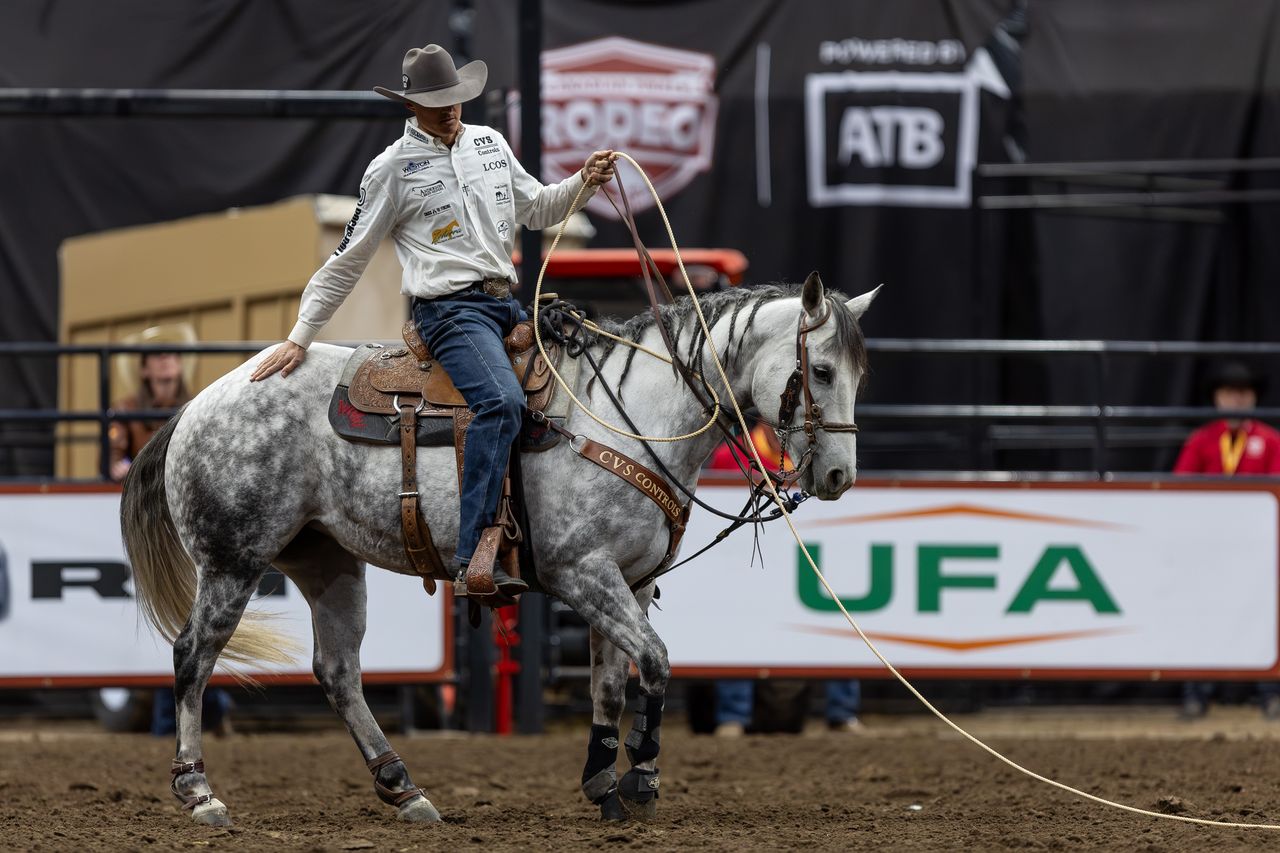
    Steer wrestler Rowdy Parrott is no stranger to the ups and downs of professional rodeo. But after a strong showing at last year’s Wrangler National Finals Rodeo, the Louisiana cowboy is carried confidence — and cash — into the end of the 2025 season.

    “This is the best position I have ever been in at this point in the year,” Parrott said. “I have never had this much money won this early, and it is just a way better feeling going down the road knowing you can do your job without stressing about every single win.”

    Parrott credits much of that success to his partnership with American Hat Company, which signed him just before the NFR last year. He joined through a personal friendship with Jake and Mercedes Bloomer, and the relationship quickly became a natural fit.

    “My favorite part of being with American is just the values we share — faith, family, all of that,” Parrott said. “They are always there to help, super easy to deal with, and just great people across the board.”

    While Parrott wears several different American hats on the road, he said he is not particular about which one tops his head. “They just send me whatever, and I roll with it,” he said with a laugh.

    On the arena dirt, Parrott’s highlight of the season came in Nashville, where he captured the inaugural win at the city’s first professional rodeo. “That one really gave me momentum going into the summer,” he said. “Winning first there set the tone.”

    Much of his recent success comes aboard Crush, the standout horse owned by world champion steer wrestler Ty Erickson. Crush was named Steer Wrestling Horse of the Year in 2024, and Parrott says the gelding makes his job easier. “When you are riding a horse like that, you do not have to worry,” he said. “You can just focus on the steer. A huge part of my success has been because of him.”

    Parrott often hits the road with Erickson and fellow steer wrestler Gavin Soileau. His brother, Remey, joins them at times as a hazer, a setup that adds comfort to the grueling rodeo schedule. “It is really nice having good friends and especially my brother out there with us,” Parrott said.

    The 31-year-old cowboy did not slow down as the regular season wound towards its September finish. With big-money rodeos like Puyallup, Sioux Falls and Pendleton on the line, Parrott planned to “keep the hammer down.”

    “At the NFR last year, I won fifth, but money-wise it was not a lot,” he said. “This year, the goal is to win as much as possible going in because it can all come down to those last rounds in Vegas.” Parrott’s career reached a milestone last December when he earned his first NFR round win after three previous appearances in Las Vegas. “That was something I had worked so hard for and envisioned for so long,” he said. “I had been close with seconds and thirds, but to finally get that win was awesome. It just lit a fire knowing how close I was in the average, and it gave me confidence moving forward.” He wears the go-round buckle proudly. “I worked hard for that one, so I am going to wear it,” he said.

    Outside of the arena, Parrott and his wife, Lynette, run a family business — Crawfish Outlet to Geaux — which he says had its best year yet. The venture not only provides a steady income but also allows the family to spend time together when he is home. His wife and three children often travel with him during the first part of the summer, though the school year keeps them closer to home in the fall.

    With family, faith, strong horsepower and solid backing from American Hat Company, Parrott believes 2025 could be his best season yet. “I am really confident going into the NFR this year,” he said. “I think it is going to be our best year.”

  • Team Cavender’s: Tana Trosper

    Team Cavender’s: Tana Trosper

    When Tana Trosper talks about her rodeo life, it’s easy to hear the energy and gratitude in her voice. The 18-year-old barrel racer from Texas said she has spent nearly her entire life in the arena, following in the footsteps of her parents while carving her own path as a member of Team Cavender’s.

    “I had a pony before I could even walk,” Trosper said. “My parents bought me one for my first birthday, and my dad would lead-line me around while I held on to the saddle horn. That’s really where it all started.”

    From those early days, rodeo quickly became central to her life. She said she began entering at local play-days, eventually moving into youth rodeo associations like Winnsboro Youth Rodeo Association (WYRA) and Little Britches, before stepping up to Texas High School Rodeo Association events. Barrel racing became her primary focus, though she also competes in pole bending.

    Photo Courtesy of Team Cavender’s


    Her family’s rodeo roots run deep. Trosper’s father, Jason, once team roped as a heeler. Her mother, Melinda, grew up competing in barrels and poles in eastern Oklahoma and was crowned Miss Rodeo Oklahoma in 1994. That second-generation influence provided Trosper and her sister, Jada, with a strong foundation.

    It was a family friend, world champion tie-down roper Riley Webb, who Trosper said first encouraged the sisters to join Team Cavender’s.

    “Riley was like, ‘Y’all need to apply. They’re a great company to represent, very family-oriented,” Trosper said. “So my sister and I both applied, and we were so excited when we got it. Team Cavender’s has been amazing to us.”

    Summit Camp, the annual Team Cavender’s gathering, has been her favorite experience so far. But for Trosper, the lessons she learned extend beyond the arena.

    “I definitely believe that connections are more significant than I realized,” she said. “The people you meet and the relationships you build matter just as much as what you accomplish in competition.”

    Today, Trosper campaigns two horses: Shiny Cartel – or “Shiner,” a tall mare with both Quarter Horse and Thoroughbred bloodlines – and Joker, her steady pole horse. Shiner’s racetrack background means she can be high-spirited, but Trosper calls her “a blessing” and a powerful athlete. Joker, though older, still plays like a colt.

    “He’s my trouble child,” she said, smiling. “But you’d never know he’s 20 or 21.”

    While barrel racing is her passion, Trosper has not ruled out roping. She began practicing during the COVID-19 pandemic with Webb and other friends, but never found the right horse to compete on. “It wasn’t that I didn’t like roping — I just didn’t have the right mount to keep going,” she said.

    Outside of rodeo, Trosper lives a busy life as a senior in public school. She has spent four years on her school’s bass fishing team, pairing with a classmate to compete in statewide tournaments. What started as a self-taught hobby in middle school grew into another competitive outlet.

    “I learned how to fish by watching YouTube videos in eighth grade,” she said. “Then my best friend and I joined the team once we got to high school, and it’s been such a fun experience.”

    She also hunts and fishes recreationally, and works odd jobs for local farmers to save money for college. That’s because she has another passion outside of the arena: aviation.

    “I’m going to apply to flight school,” Trosper said. “Within four years, I hope to have my commercial license. Then I plan on trying to pro rodeo after that.”

    She said she is considering programs close to home, though Oklahoma State University (OSU) is also on her list. Her sister, Jada, who is two years older, is currently on the rodeo team at OSU.

    Trosper’s long-term dream is to balance both aviation and rodeo, but she doesn’t underestimate the challenge. Still, the mentors she admires in the sport, like professional barrel racers Lisa Lockhart and Emily Beisel, remind her that humility and persistence go a long way.

    “They’re both so humble, and I love the way they compose themselves,” she said. “That’s the kind of presence I want to have in rodeo.”