Rodeo Life

Category: Articles

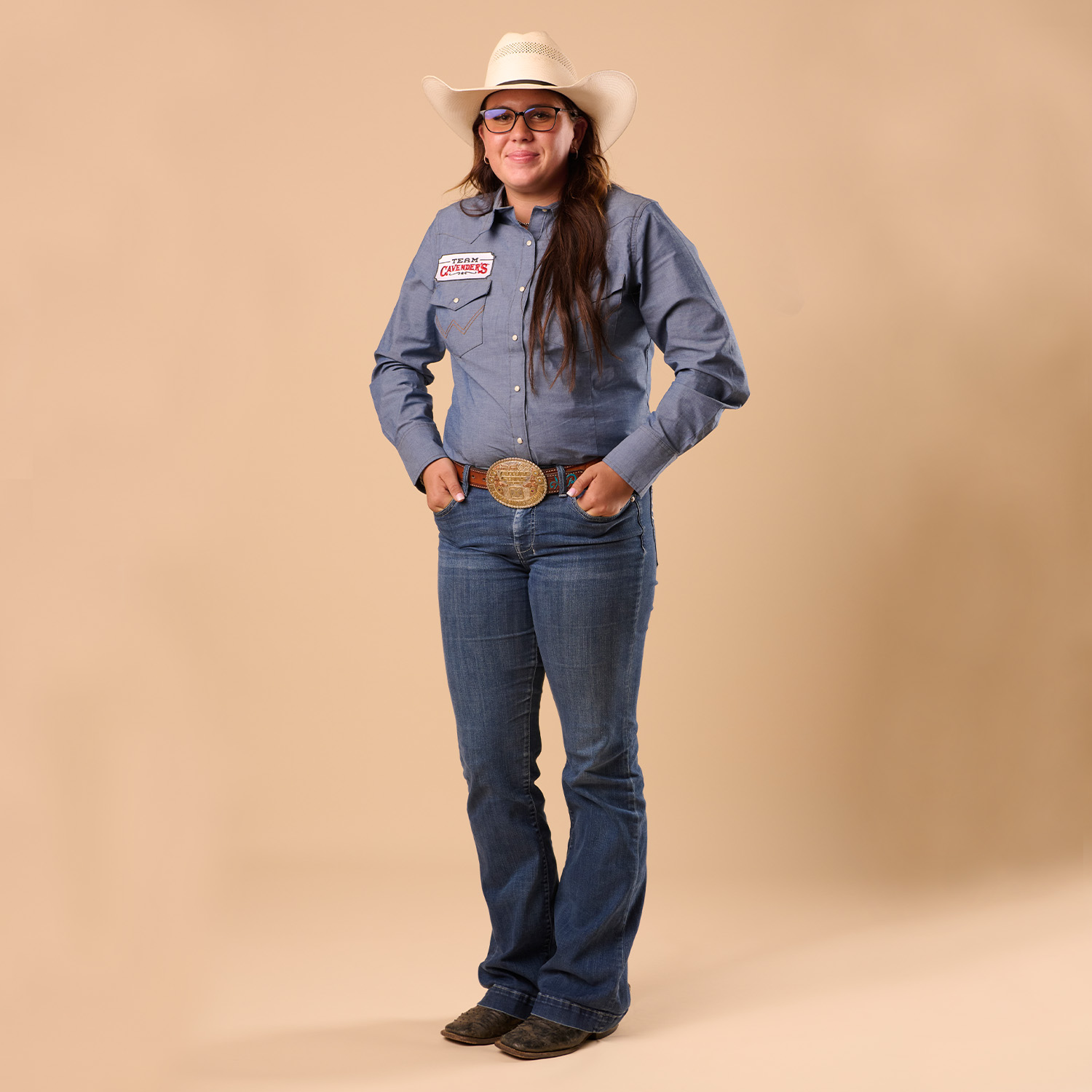
  • Team Cavender’s: Colee Cox

    Team Cavender’s: Colee Cox

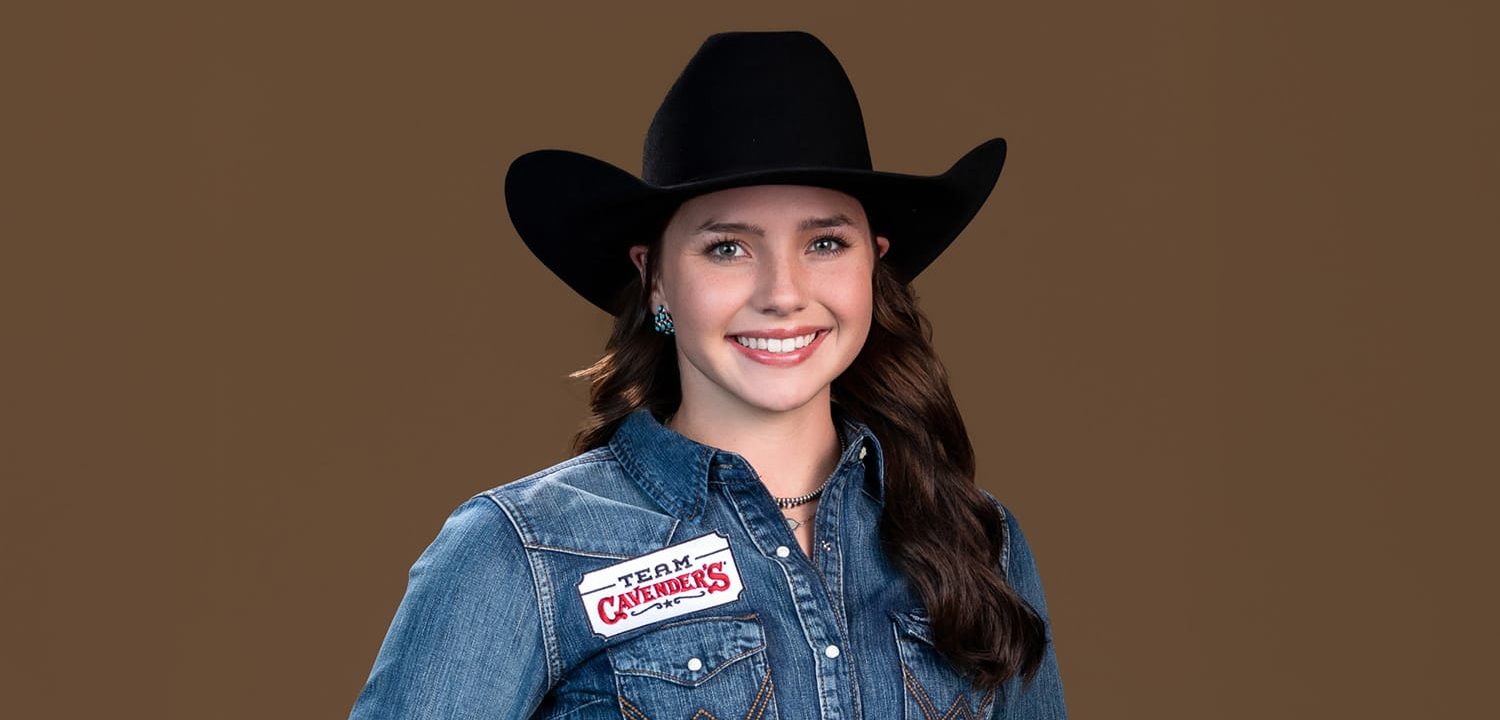
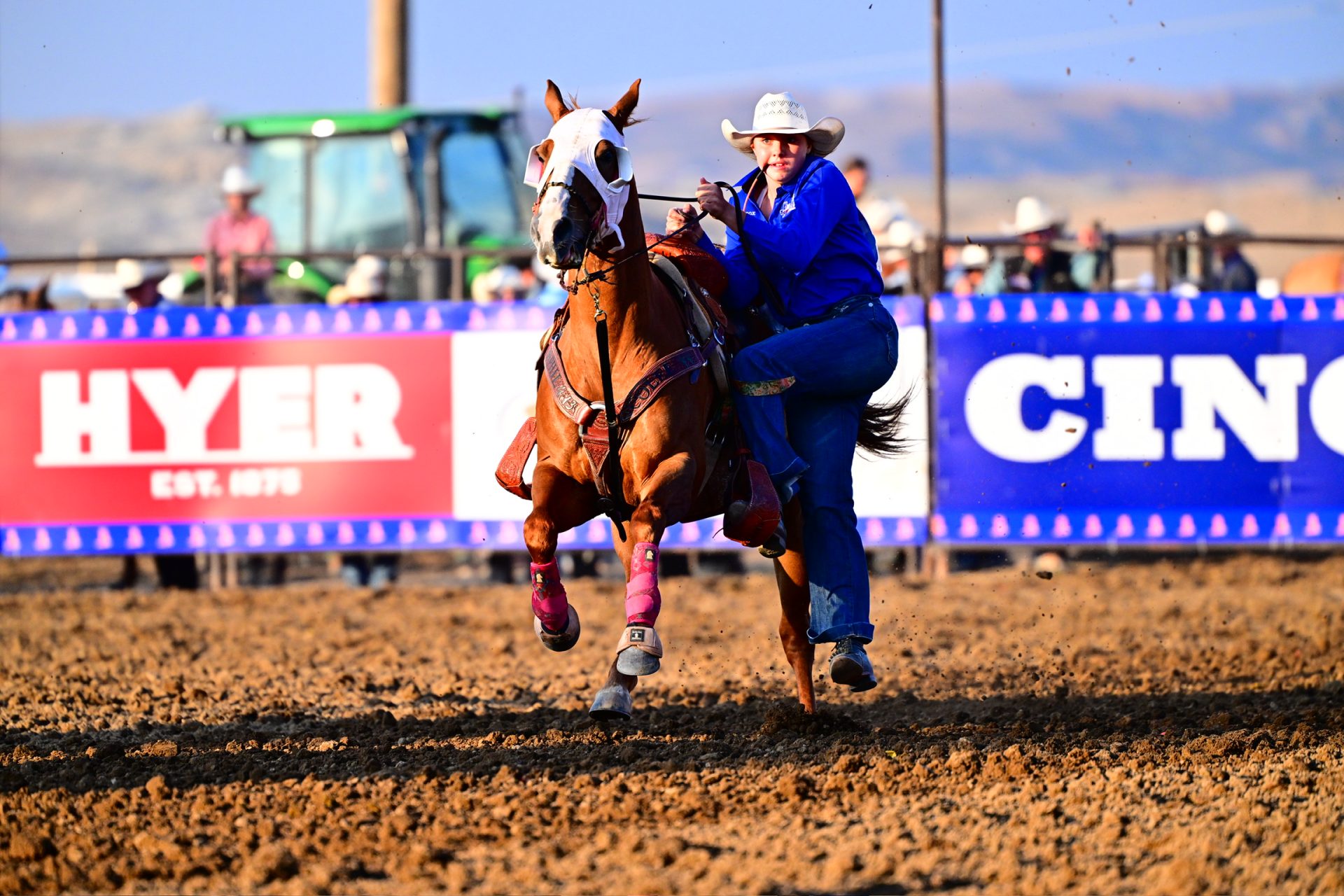
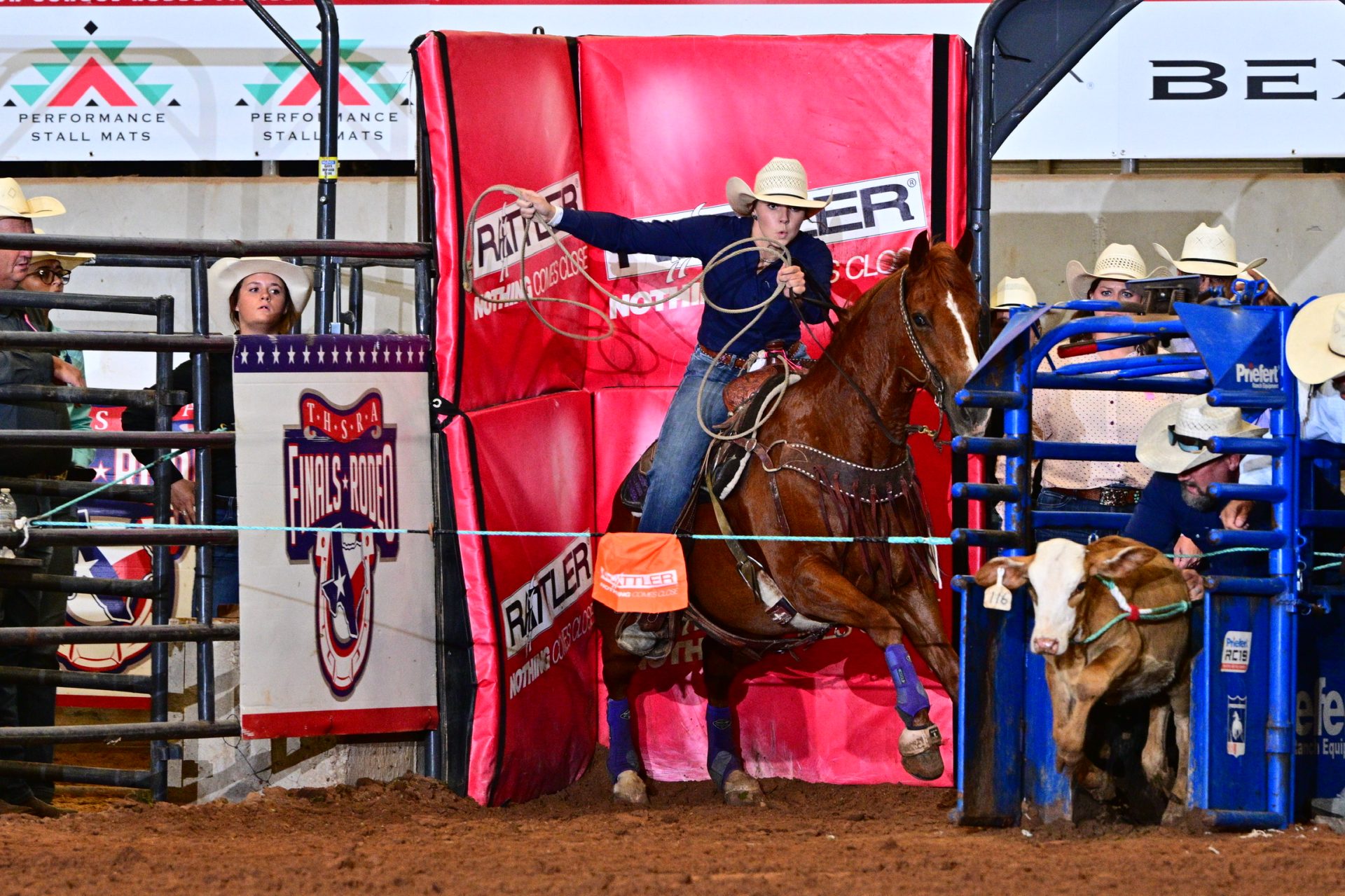
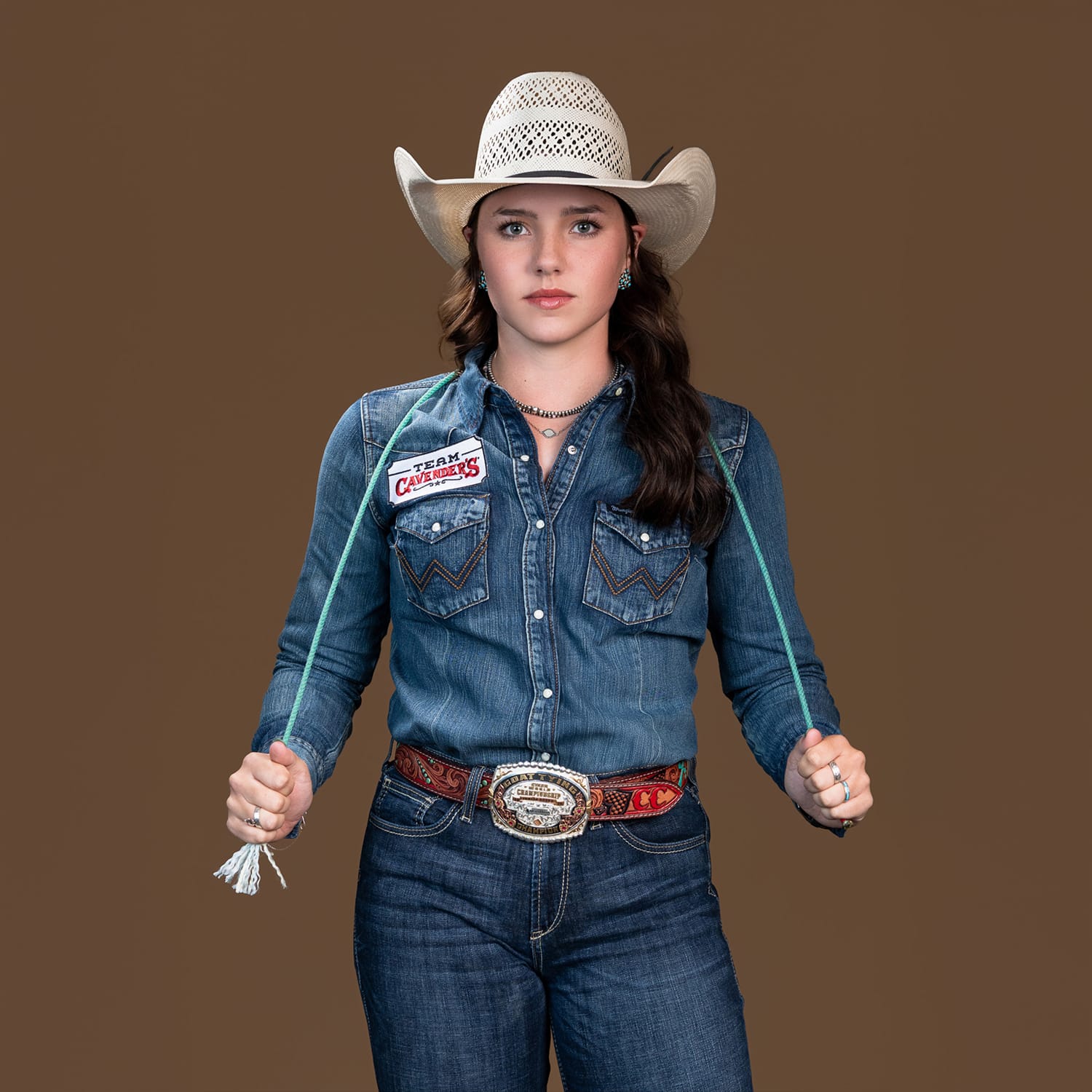
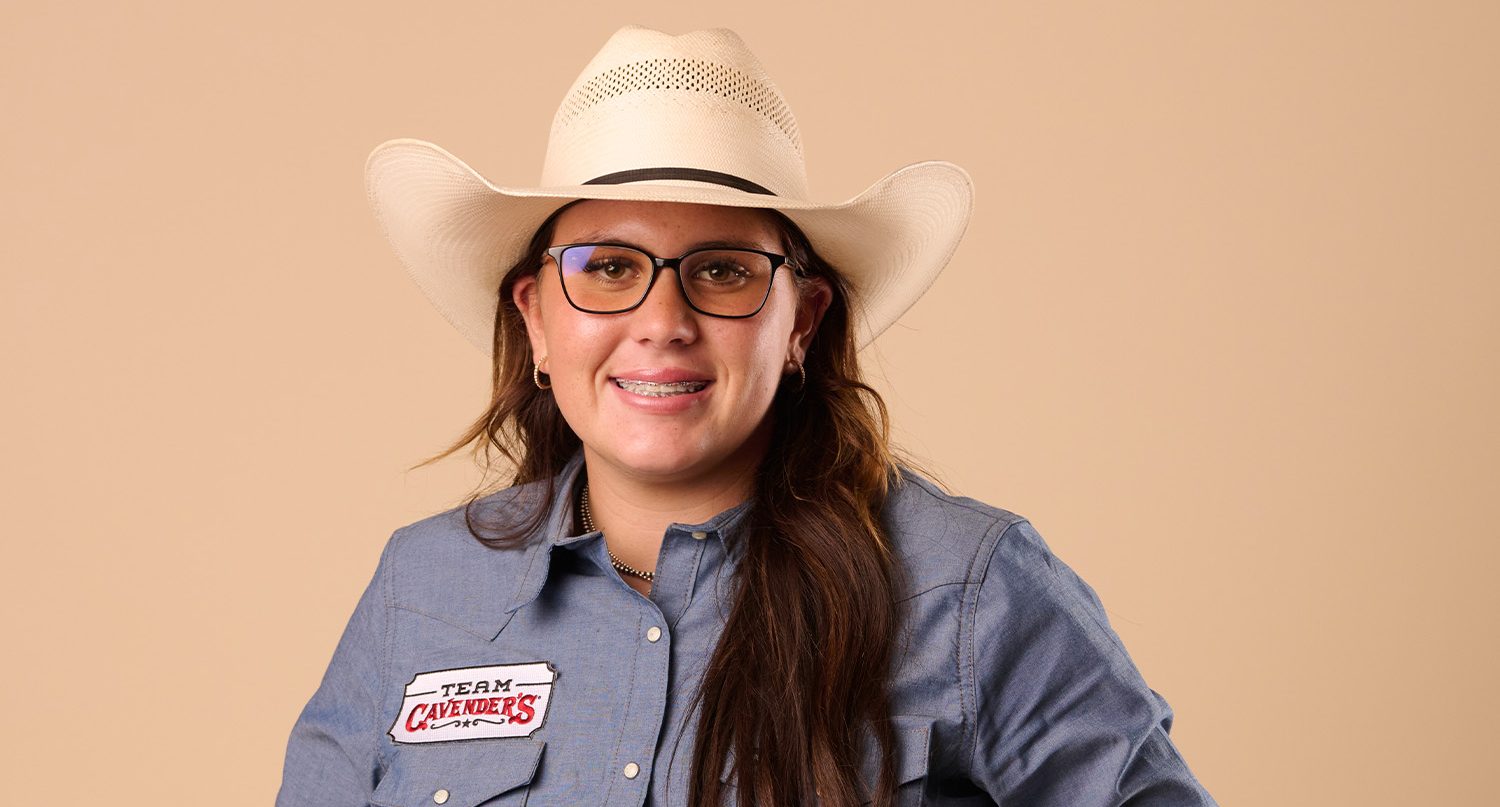
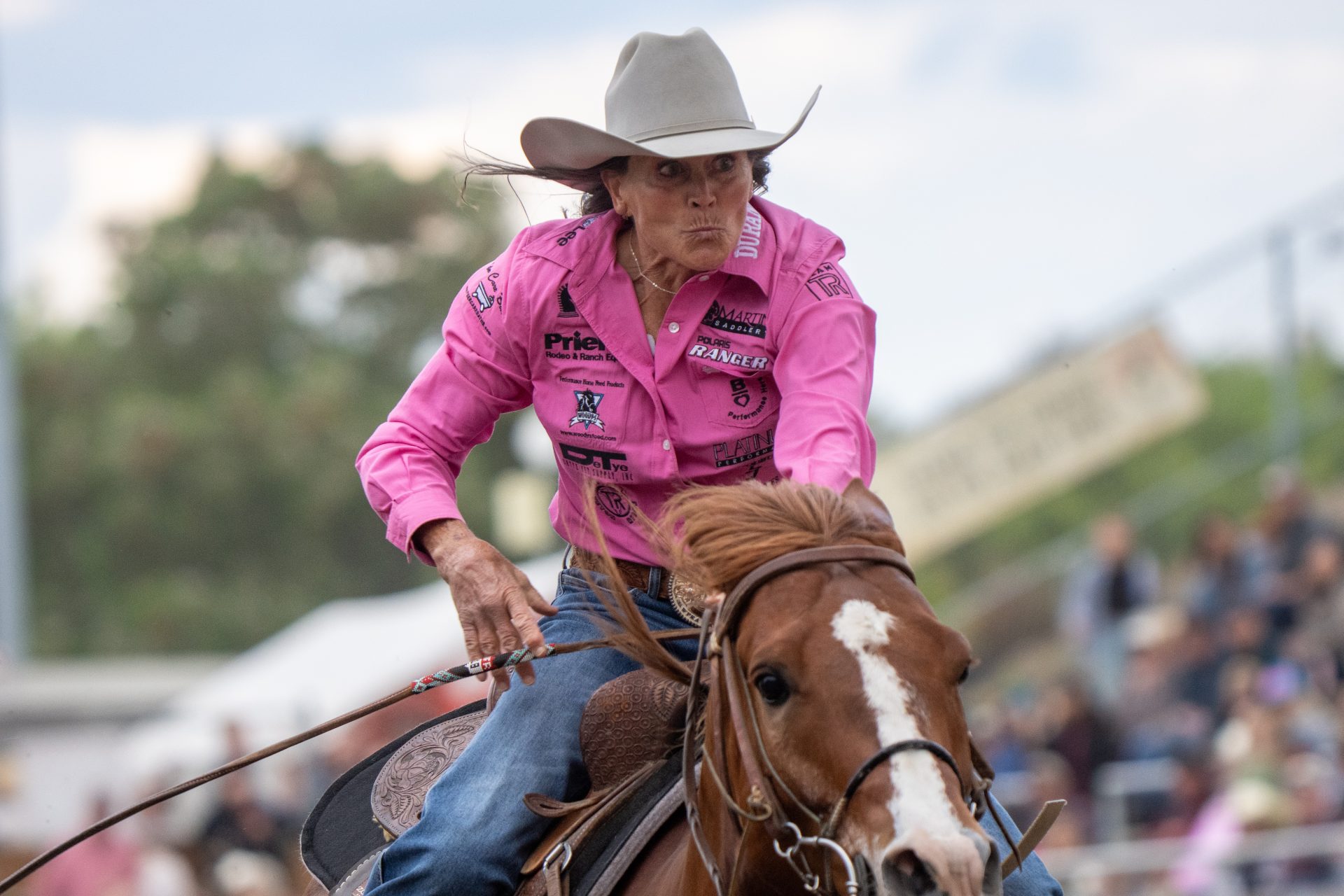
    For Colee Cox, rodeo runs in her veins. The high school senior, breakaway roper and goat tyer has carved her path into the arena as she looks ahead to the professional ranks.


    Cox, 18, joined Team Cavender’s in 2023 with the help of fellow competitor and friend Sage Galliard. The sponsorship program, considered one of the premier youth rodeo teams in the country, has given her more than just backing in the arena. 


    “Team Cavender’s is one of the most prestigious youth teams out there right now, and they’ve taught me everything from social media to resumes and job applications,” Cox said. “They’ve brought in pro athletes and industry professionals to guide us, and I’m truly honored to be part of it.”


    Photo by Jennings Photography

    Her favorite memories come from the team’s annual summit, a gathering where members train, learn and bond. This year, as a senior, Cox designed and customized a pair of boots — a standout moment in what she calls one of her most meaningful experiences. 


    But what she values most from the program may surprise some.


    “Definitely the social media aspect,” Cox said. “Before Team Cavender’s, I was terrible at it. They showed me how to be professional online, and since social media is one of the biggest things in our industry, it’s been huge for me.”


    Unlike many competitors, Cox did not grow up in a rodeo family. Her father, Chad, was a drag racer who showed horses, while her mother, Holly, played nearly every sport from volleyball to basketball. Cox said she showed horses and played youth sports before discovering her true passion almost by accident.


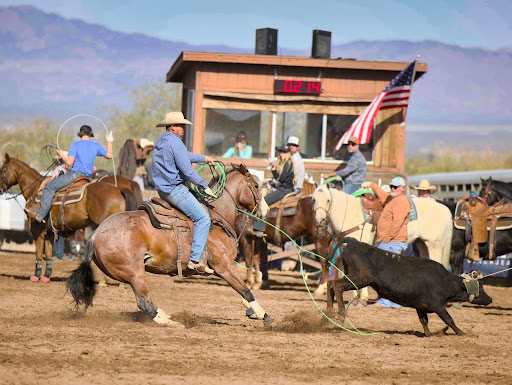
    Photo by Jennings Photography

    “I took my show horse to a local rodeo one day and won it,” she recalled. “I told my dad, ‘I have the need for speed,’ and I’ve never looked back. Rodeo has become my life.”


    With the help of mentors such as roper Chad Detweiler and goat-tying coach Kassidy Eakin, Cox developed into a well-rounded competitor. Friendships with professional cowgirls also gave her valuable insight into the rodeo lifestyle.


    Her parents, despite not having a rodeo background, quickly became her biggest supporters.

    “My parents haul me up and down the road every weekend,” Cox said. “If I say I want to enter, they’ve got me entered. I couldn’t ask for a better set of parents.”


    Photo Courtesy of Colee Cox

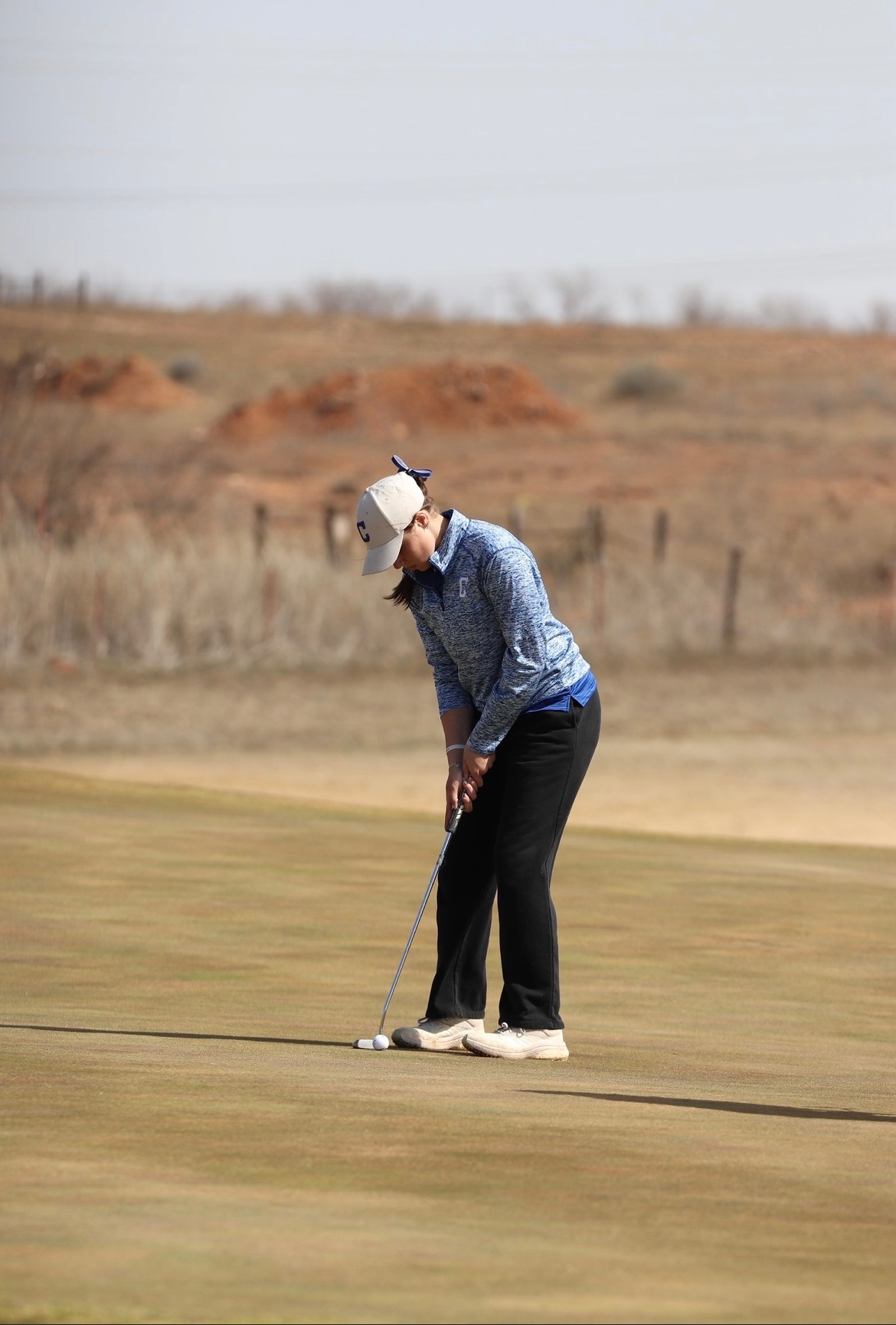
    A homeschool student, Cox has built her schedule around both academics and competition. She also competes on the Childress High School golf team, thanks to a Texas law allowing homeschoolers to participate in University Interscholastic League sports, and she shows pigs through 4-H.


    After graduation, Cox plans to attend college, where she said she hopes to balance academics with professional rodeo. Long-term, she has her sights set high.


    “I want to make the NFBR one day, and I’d love to be an all-around champion at the College National Finals Rodeo,” she said. “One of my biggest goals is to rope at Calgary when I get my pro card.”


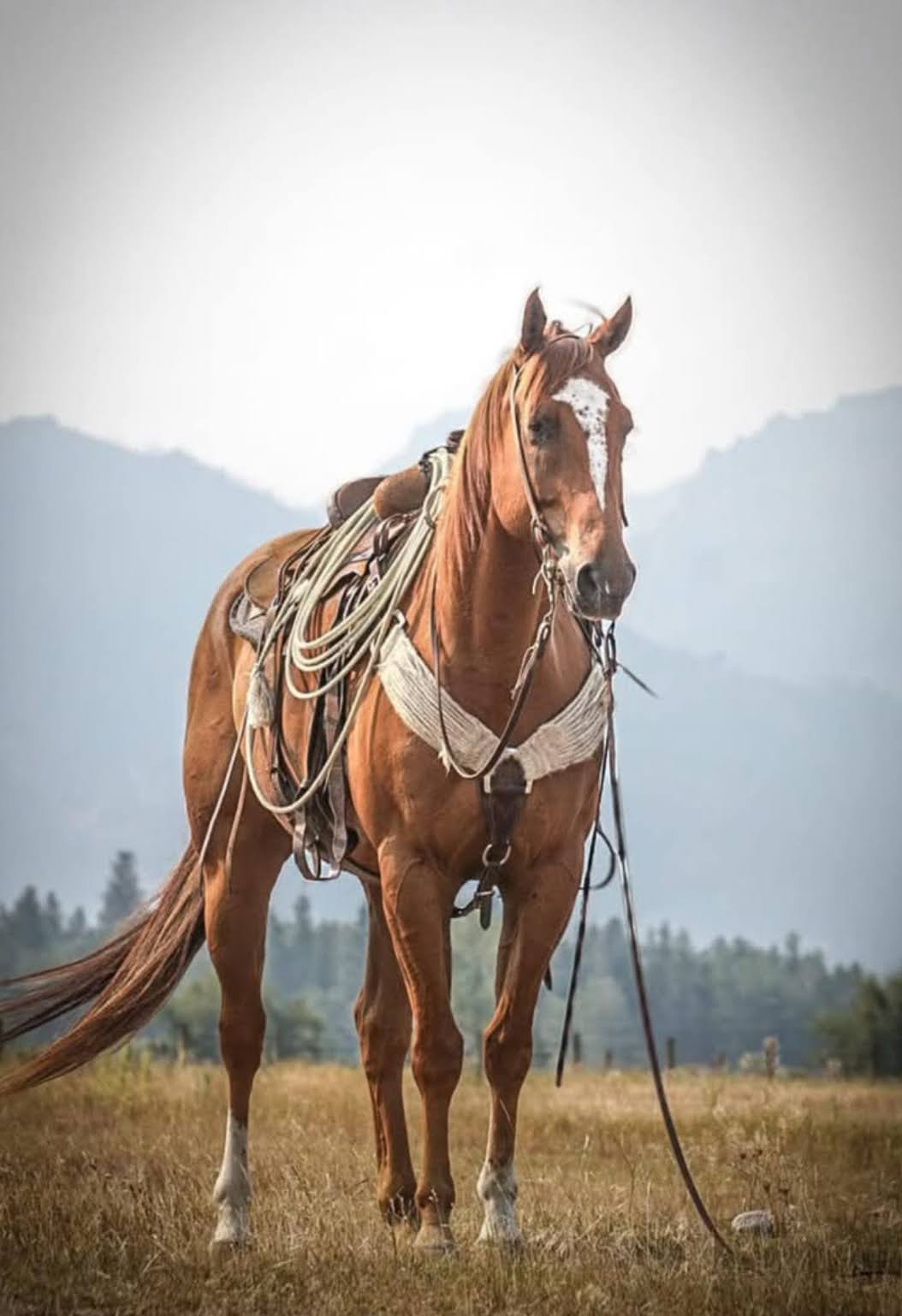
    Cox’s string of horses reflects years of dedication. Her go-to breakaway mount, Rouge, has carried her on some of the biggest stages. Fly, a sorrel gelding, is equipped for fast setups, while Tag, a buckskin, recently helped her win the Texas Cowboy Reunion. Ruby, her only mare, handles goat tying with the same grit she once used in steer wrestling.


    Together, the lineup has helped Cox secure a growing list of titles, including back-to-back junior world finals championships in breakaway roping (2022 and 2023) and the 2023 Texas High School Rodeo Association Rookie of the Year award.


    Her time competing in Las Vegas has given her a taste of what lies ahead.


    “Vegas is such a different atmosphere,” Cox said. “Getting that experience now makes it easier to handle the nerves when we get to the pro level.”


    Photo Courtesy of Team Cavender’s

    For Cox, success in rodeo is about more than buckles and saddles. She carries a personal motto with her into every competition: JISTA — “Jesus Is Still The Answer.”


    “You’ll see that or the ‘God is greater than the highs and lows’ logo on all my stuff,” she said. “That’s what keeps me going in this crazy world.”

    As Cox looks toward her future, her mix of faith, family support and relentless drive suggests that her name may be one rodeo fans will see at the top of results for years to come.

  • A Shift in Horse Power: Market Trends for this Sale Season

    A Shift in Horse Power: Market Trends for this Sale Season

    As horse sale season kicks into high gear, buyers and breeders are keeping a close eye on the traits and bloodlines that are driving demand in today’s competitive Western performance market. Watching the sport of rodeo flourish in the past decade has had a lasting impact on the market, along with other changes within the industry. Echoing what we’ve seen in previous years, market trends are leaning heavily toward well-bred, athletic horses with proven lineage, strong minds and early performance records. The top cowboys and cowgirls across the globe are always looking for the next best addition to bring to their lineup as the market changes. Whether you’re shopping for a future rodeo athlete or a solid all-around prospect that will help you get the job done, understanding the trends in each discipline can make all the difference this sale season.


    Photo Courtesy of Turner Performance Horses

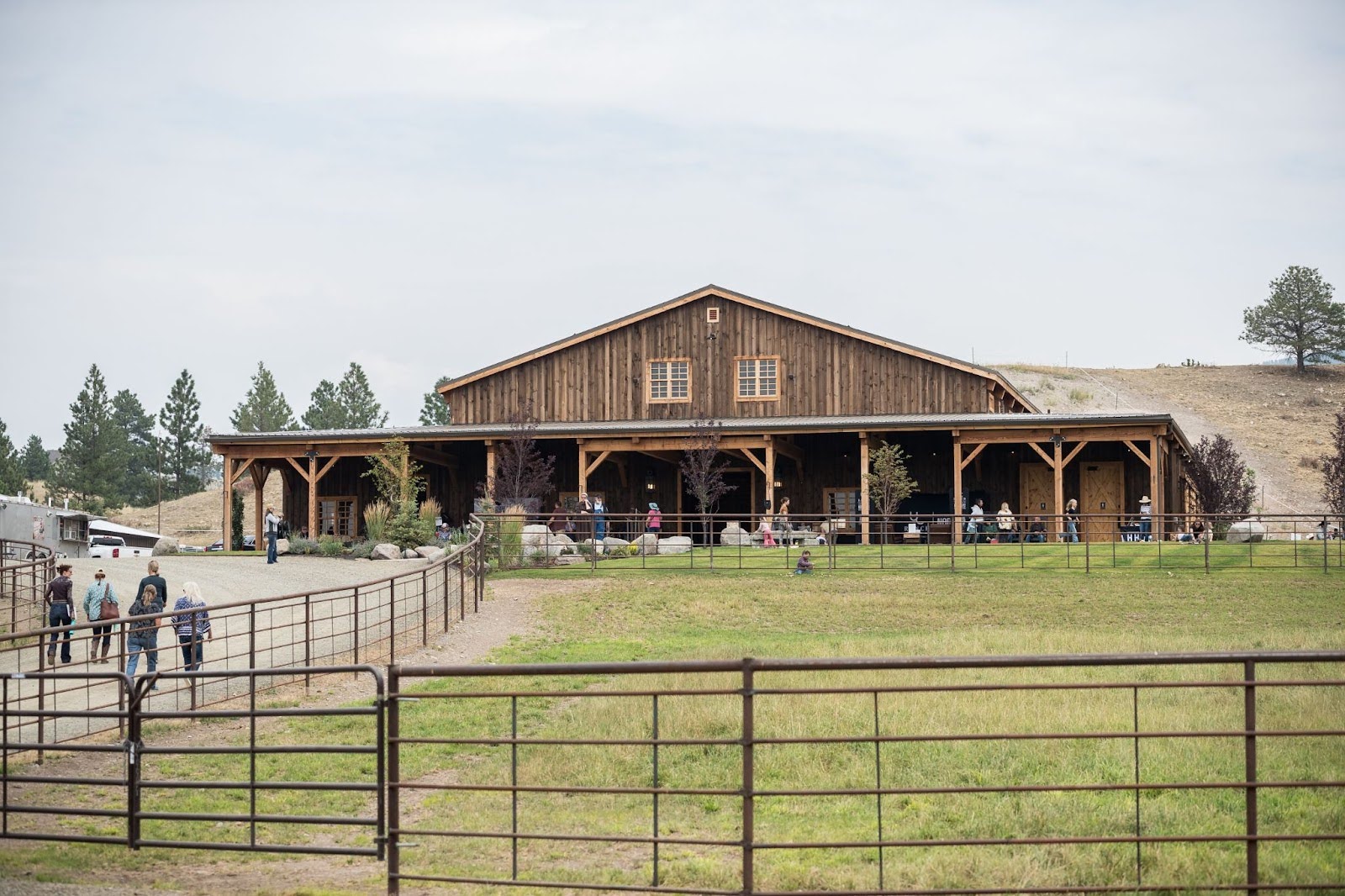
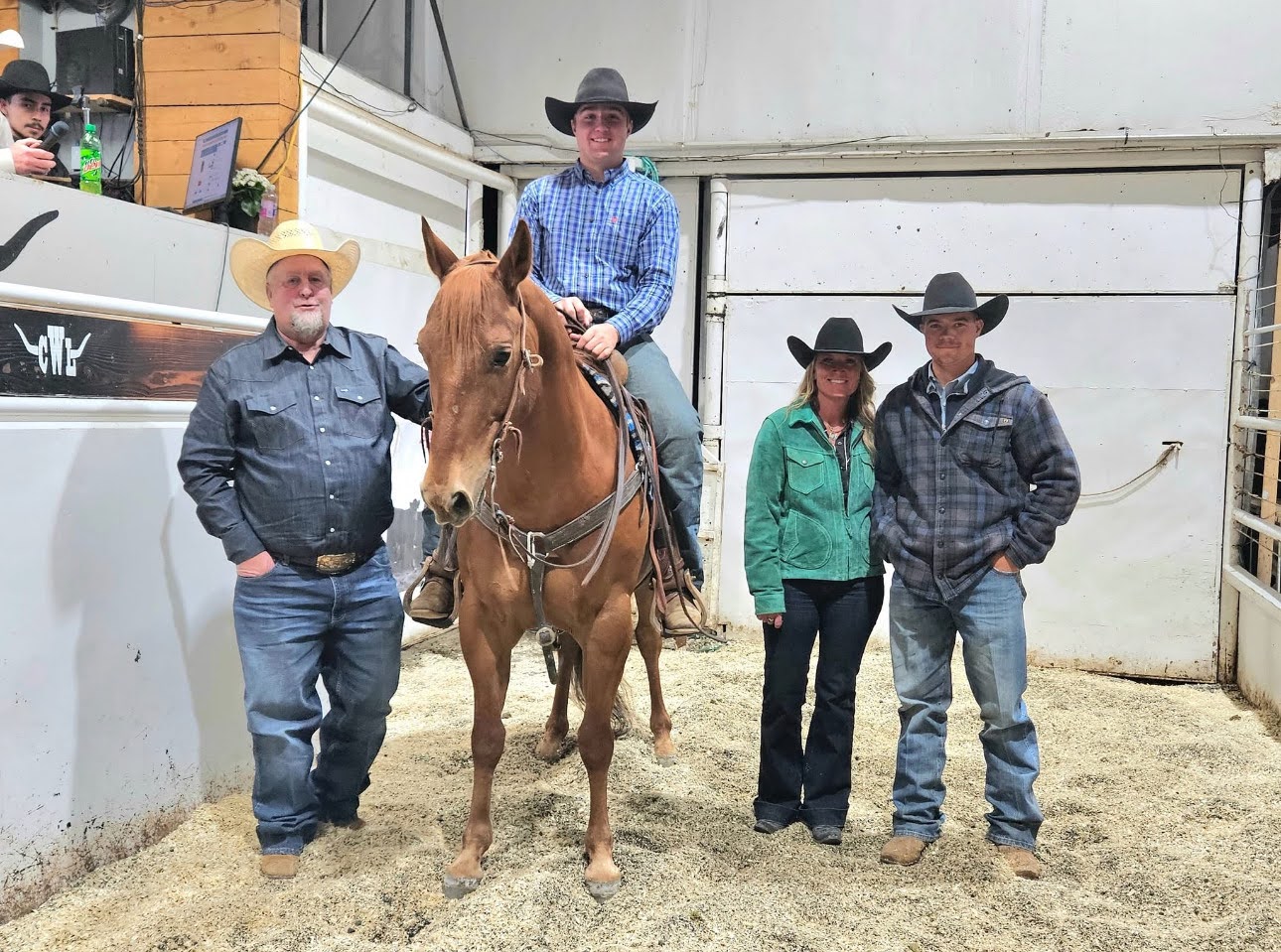
    Having a firm understanding of what sales are bringing the top horses can make all the difference this sale season, as everyone continues to search for the next big thing. One sale that continues to draw attention in the Pacific Northwest is the Central Washington Livestock horse sale in Moses Lake, Washington. In addition to their regular weekly sales, they have three upcoming dates dedicated specifically to horse auctions: September 6, October 11 and November 8. Each sale is expected to feature a dominant lineup of consignments. Known for its working-horse atmosphere, this sale offers a platform for local buyers and sellers, as well as a few highly anticipated cataloged events throughout the year. It’s become a reliable source for ranch-broke geldings, younger prospects with potential, and everything in between to find the perfect fit for you. The June 14 horse sale at Central Washington Livestock showcased strong demand across the board. The high seller, Hip #46, consigned by Paul and Tyler Smith, brought an impressive $12,400. The top five horses averaged $8,750, while the top ten averaged $6,840. The loose horse market also brought competitive bidding, with the high-seller going for $3,000 and the top five loose horses averaging $1,920. Whether you’re buying or browsing, this is a sale that belongs on your radar.


    Photo Courtesy of Central Washington Livestock

    A strong demand for versatile, well-rounded horses with solid minds, sound conformation and popular bloodlines is driving current market trends in horse sales. These are all obvious qualities that owners want to see in their horses, regardless of the job at hand. Buyers are weighing qualities heavily on horses that can perform under pressure, whether in the arena, on the ranch, or out on the trail. Desirable traits of a well-rounded horse include, but are not limited to, athleticism, trainability, a calm disposition, and a history of performance or exposure to real-world work. With how fast the rodeo industry continues to grow, buyers are looking for bloodlines that enhance cow sense and speed. Quarter Horses continue to dominate the market as we have seen for years, especially those with bloodlines tied to top money earners in the performance world. There is also growing interest in horses that blend multiple characteristics and are capable of thriving in roping, barrel racing or ranch work, while remaining safe and user-friendly for amateur riders or families. Buyers want a horse that can excel in any circumstance they are exposed to. This focus on reliability and multi-purpose ability reflects a shift toward horses that fit a wider range of riders and lifestyles.


    Another standout horse sale, grasping the attention of serious buyers this summer, is the League of Legends Horse Sale in East Helena, Montana. This auction is keeping its reputation for bringing in elite performance prospects and proven bloodlines in the heart of Big Sky Country. The origin and purpose of this sale make it very unique from others. The goal was to create a unique, invitational sale where potential buyers could come and try horses being featured before auction day. This sale is completely invitational—a decision made by founders Chad and Paje Turner, who, through their deep involvement in the industry, recognized the need for an event that highlights quality and consistency. Their vision was to bring light to horses versatile enough to transition from the show or performance arena to a hard day’s work on the ranch while still having the qualities of one that can spend the day on the trail – all of which are proven qualities buyers are constantly seeking in their next purchase. League of Legends is a sale designed for everyone, from first-time buyers and busy professionals to beginners and seasoned horsemen, making it a standout stop on the summer sale circuit. The sale kicks off as “Casual Friday” on August 1, where registered buyers can spend the day riding as many “Legends” as they want on the trails or in the arena in hopes of finding their perfect fit. The next day, buyers gather with anticipation, ready to place their bids on the ideal horse to fit their needs.


    Photo Courtesy of Turner Performance Horses

    In the past few years, the League of Legends Horse Sale has seen a noticeable rise in first-time and female buyers. Many bidders are parents and grandparents searching for safe, dependable horses for their children and family members, while others include retired couples looking to spend their next chapter on horseback. A growing trend noticed is among busy professionals who may not have time to ride regularly but are still drawn to the sale, confident that when they do get the chance, their horse will provide a safe and enjoyable experience. A rising number of first-time sale buyers have been seeking flexible performance horses that can double as reliable partners on the ranch or out on the trail. A good horse can do it all. The League of Legends Horse Sale makes it possible to ensure you are getting a quality equine athlete that fits the needs of each and every aspect of your life horseback.


    Photo Courtesy of Central Washington Livestock

    As the demand for high-quality, diverse horses continues to grow, it’s very evident that the Western performance horse market is thriving. The current broad demand in the horse market centers around finding a horse with a strong heart and the drive to support you in excelling across all areas of your life. Whether you’re looking for a seasoned performance prospect, a reliable family companion, or a strong ranch tool, success in today’s market comes down to doing your research, asking the right questions, and understanding what characteristics you truly value in a horse. With thoughtful preparation and a clear understanding of your goals, sale season offers the perfect opportunity to find the horse that fits your life, no matter the discipline.

  • American Hat: Pecos Tatum

    American Hat: Pecos Tatum

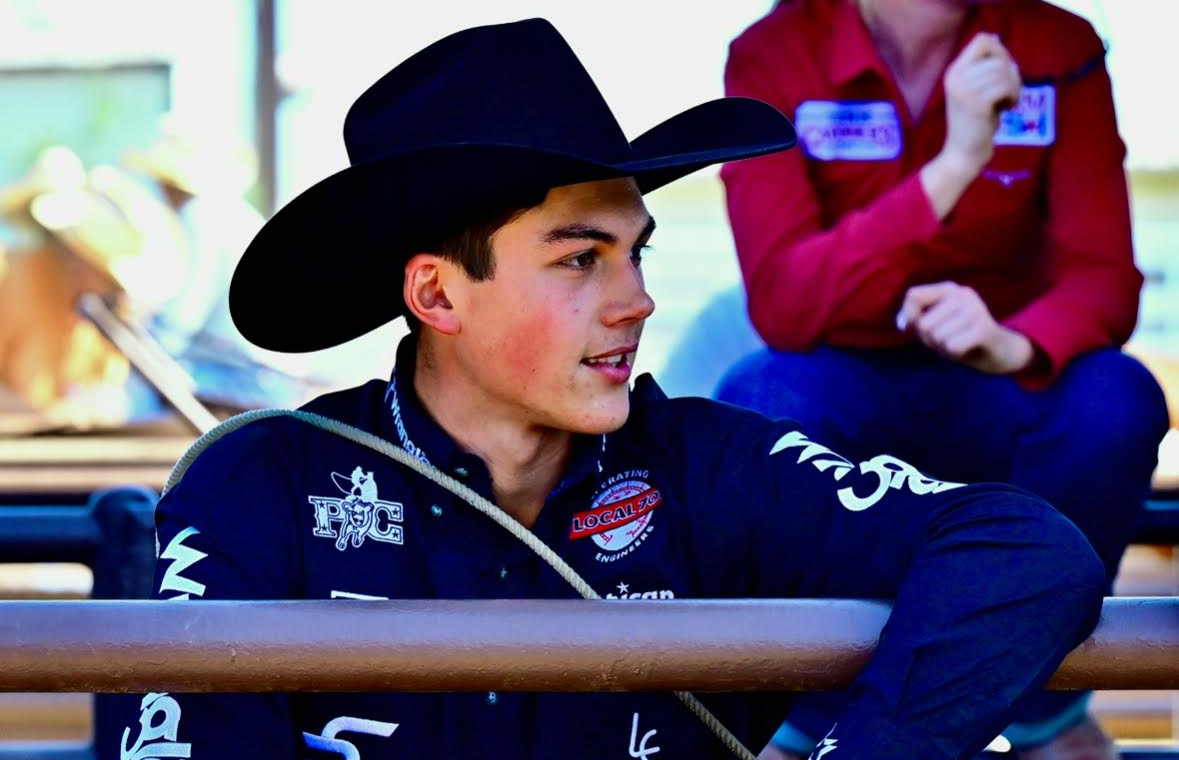
    Nineteen-year-old Pecos Tatum might be young, but his rodeo résumé already reads like that of a seasoned pro.

    Hailing from La Plata, New Mexico, Tatum said he has been roping and riding nearly all his life.

    “Everybody in my family has always rodeoed or had something to do with rodeo,” Tatum said. It’s the only thing I’ve ever wanted to do.”

    A longtime supporter of the American Hat Company, Tatum’s relationship with the brand began early.

    “I think I was like seven or eight when Mr. Keith gave me my first hat,” he said, referring to the late Keith Maddox, owner of American Hat Company.


    “Before he passed away, he was always just a great guy to me and my family. It’s very easy to support a company with such a great product and great people.”

    That early connection sparked a partnership that continues to shape Tatum’s professional image and confidence, both on and off the court.

    Now a full-time professional cowboy, Tatum bypassed college to hit the road and chase his dreams.

    “Last year was my rookie year,” he said. “I didn’t go to school. I finished high school and left home to go rodeoing.”

    Homeschooled since the first grade, Tatum credits that flexibility with helping him build the skills and experience he needed to excel.

    “It opened up a lot of opportunities,” he said. “Being homeschooled let me rope with more people and go to more rodeos.”

    Last year may not have ended the way he hoped, but Tatum views it as a learning experience.

    “It taught me a lot of things I could do differently,” he said.

    Now ranked in the top 25 in the world standings, Tatum is focused on qualifying for the Wrangler National Finals Rodeo.

    “My goal is to get to the NFR this year,” he said. “There was a big learning curve last year. I had to figure out how things worked and improve my mental game.”

    Tatum said he currently splits his time between Texas and the rodeo trail, with a dependable string of horses behind him. His central mount is a horse he purchased during his junior year of high school.

    “I bought him right before state finals and made it to nationals on him,” Tatum said. “It’s kind of just gone on from there.”

    His secondary horse, a sorrel named Raymond, was purchased from a family friend in Arizona.

    “He’s really strong in long setups like Cheyenne and Salinas. He’s my go-to for those,” Tatum said.

    Outside the arena, Tatum said he also enjoys auctioneering, a trade passed down from his grandfather, who spent years selling at local livestock barns.

    “He started teaching me when I was six or seven,” Tatum said.

    “I’d go to the sale barn with him and get to sell a few things, just messing around. I’ve been doing it ever since.”

    Despite his age, Tatum speaks with the quiet confidence of someone who knows the value of hard work, support from family and mentors, and the importance of staying grounded.

    “It’s been a blessing,” he said. “There are so many people who’ve helped me, my parents, my grandparents, friends; I wish I could name them all.”

    With ProRodeo at its peak and eyes on Las Vegas in December, Pecos Tatum said he is focused on two things: roping smart and staying consistent.

  • Team Cavender’s: Harley Pryor

    Team Cavender’s: Harley Pryor

    At just 17, Harley Pryor has spent nearly half a decade as a member of Team Cavender’s. What started as an invitation back in middle school has turned into something much more than a sponsorship.

    “It’s like family,” Pryor said. “You don’t just sign up to be on Team Cavender’s. They hand-pick people, and that makes it feel more personal and meaningful.”

    Now entering her senior year of high school, the Florida native says she is splitting her time between her hometown of Moore Haven, Florida, and the heart of Texas rodeo country—Stephenville, Texas—where she trains and competes full-time.

    Though she has been part of the Cavender’s team for four years, Pryor said her favorite memories come from the annual team summit, where members gather for a few days of connection and education.

    “They bring in speakers like Amy Wilson, fitness coaches, social media experts—just people who help us be better in and out of the arena,” she said. “Plus, it’s a lot of fun. We hang out at the pool, have dinner with the Cavender family, and get to see the main Cavender’s building.”

    Pryor’s journey into rodeo was not a matter of if—it was a matter of when. Her family has been rooted in Florida ranching and rodeoing for generations. She said her dad wrestled steers, his mom and grandparents roped, and she was roping calves by the time she could walk.

    “If I didn’t rodeo, I was going to be working cows the rest of my life,” she said. “We live on a big ranch and everyone ropes. My grandpa taught me, and he is still my biggest supporter.” Despite being raised on a Florida ranch, Pryor knew early on that Texas was where she needed to be to take her career to the next level.

    “Florida is more cowboying. Texas is rodeoing,” she said. “People don’t realize how different it is until they come out here.”

    These days, Pryor said she is homeschooled through Florida’s system, with plans to graduate and hit the professional rodeo trail full-time after filling her permit. She has already made a name for herself on the amateur circuit and once competed at The American at just 13 years old aboard her standout horse, Jol.

    “She tore both her deep flexors, and they told me I’d never ride her again,” Pryor said. “But she came back. I only haul her to the big ones now.”

    Pryor said her current string of horses is carefully selected to match different setups: Muffin, a go-fast horse; Tick, who is versatile on speed and timing; Jolene, an up-and-comer still in training; and Jol, who remains a cornerstone of Pryor’s story.


    “My grandpa always said you are only as good as your horsepower, and I have been blessed with great horses,” she said.


    When she is not in the arena, Pryor said she enjoys hog hunting and collecting gator eggs back home—a nod to her roots on Florida’s rugged ranchlands. And even with big dreams ahead, she carries her upbringing with her into every competition.

    “I told myself I wanted to get out of Florida and make a name for myself,” she said. “I’m still working on that, but I’m getting there.”

  • JJ Gottsch’s Gamblers Come Up Aces

    JJ Gottsch’s Gamblers Come Up Aces

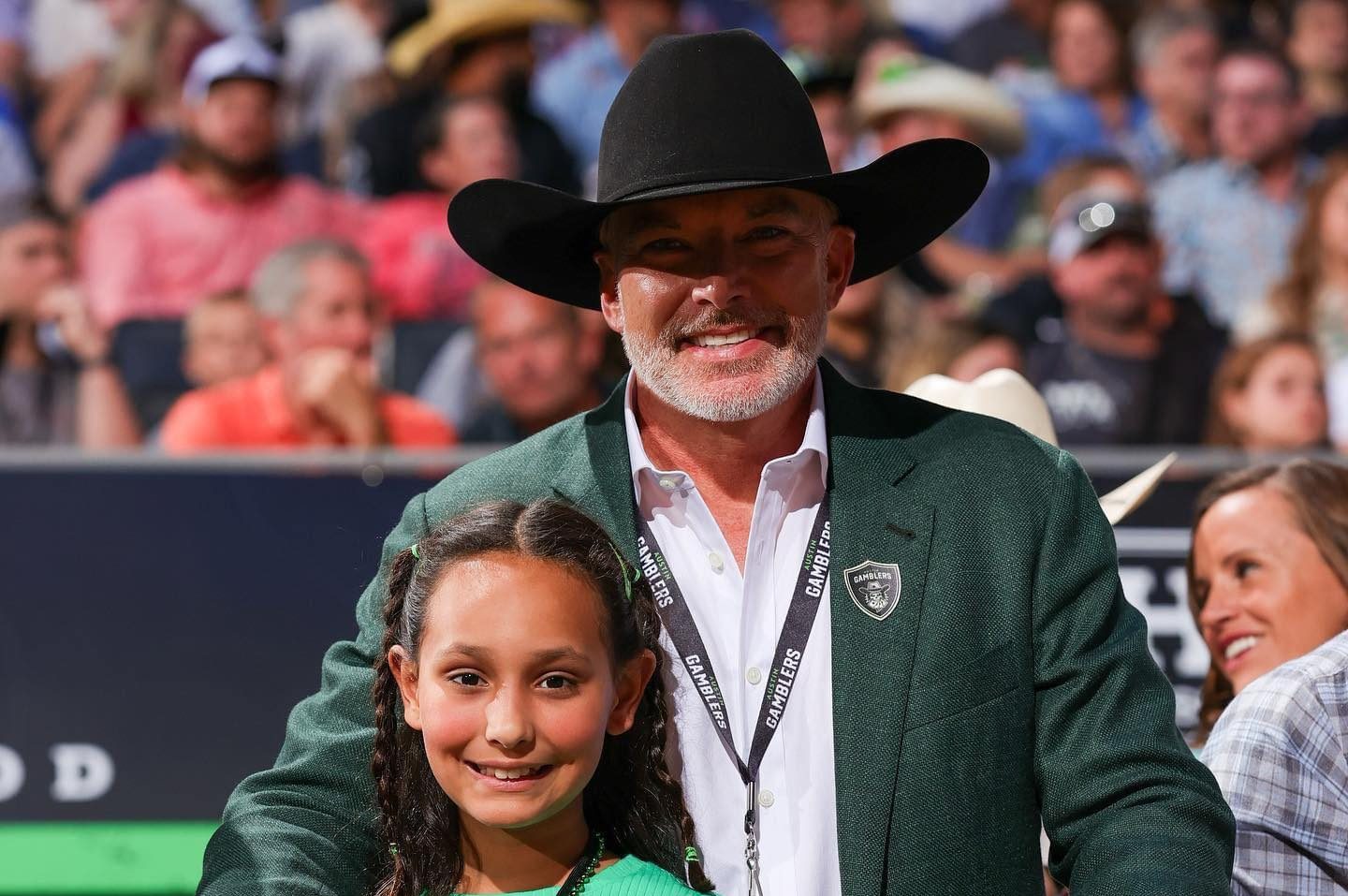
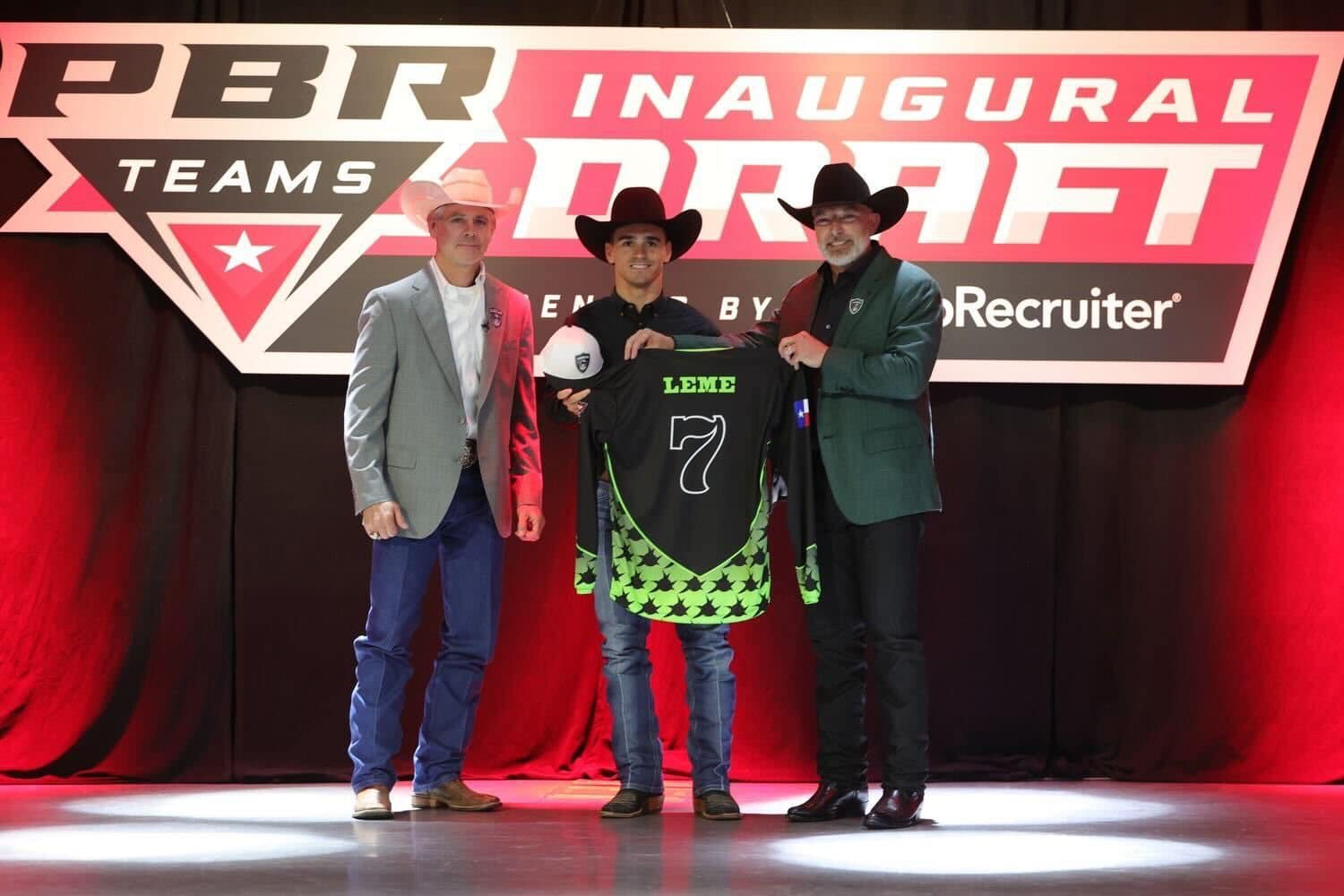
    JJ Gottsch has enjoyed eight months of basking in the glory of ultimate professional success. He is not resting on his laurels. The CEO of the 2024 Professional Bull Riding Team Series Champion Austin Gamblers, Gottsch has been busy working to keep his franchise stacked for the upcoming season. Despite being a defending champion, Gottsch recently added the top available free-agent bull rider, Sage Steele Kimzey, to an already star-studded roster.

    This relentless approach to not only achieve but to maintain success can be traced back to Gottsch’s youth. Born in Omaha, Nebraska, Gottsch was raised about 25 miles west in the small town of Valley before moving to Elkhorn.

    “My cousins, aunts and uncles lived there. The Gottsch family is big in Nebraska as far as livestock feeders. They’ve been in the top 15 for probably 40-50 years. The other uncles and their kids did a lot of farming, and then my dad and my two older brothers were involved in the commodities aspect of it, so everybody worked together. I learned by watching my family, who were all hard workers. They were all hustlers and never took anything for granted. Nobody felt like they were entitled to anything.”

    Gottsch comes from an athletic family. His father, Virgil, was a member of the Nebraska Baseball Hall of Fame, while his mother, Judy, was a professional bowler. JJ Gottsch himself had a brief career in Minor League Baseball after playing at Creighton University.

    “I was just like every other little kid with dreams of playing in the College World Series. I got to check that box. Then, you hope to make it to the major leagues. I was fortunate enough to sign a professional contract after college. The problem was that as everybody else continued to get better, I probably peaked in college.”

    His playing career eventually led him to a position as a marketing director with the Round Rock Express, the Nolan Ryan family minor-league franchise. From there, he got a position with another minor-league team, the Corpus Christi Hooks, as general manager.

    “The experience working with the Ryan family was great. There were so many things we did there that involved building a franchise from the ground up that helped me learn the fundamentals of blocking and tackling when it comes to things like politics, merchandising, creation of logos and everything like that. I was 27 at the time. I just tried to pay attention and take good notes. Then the Ryans were good enough to let me go to Corpus Christi in 2003, where we did a lot of the same things we had done with Round Rock.”

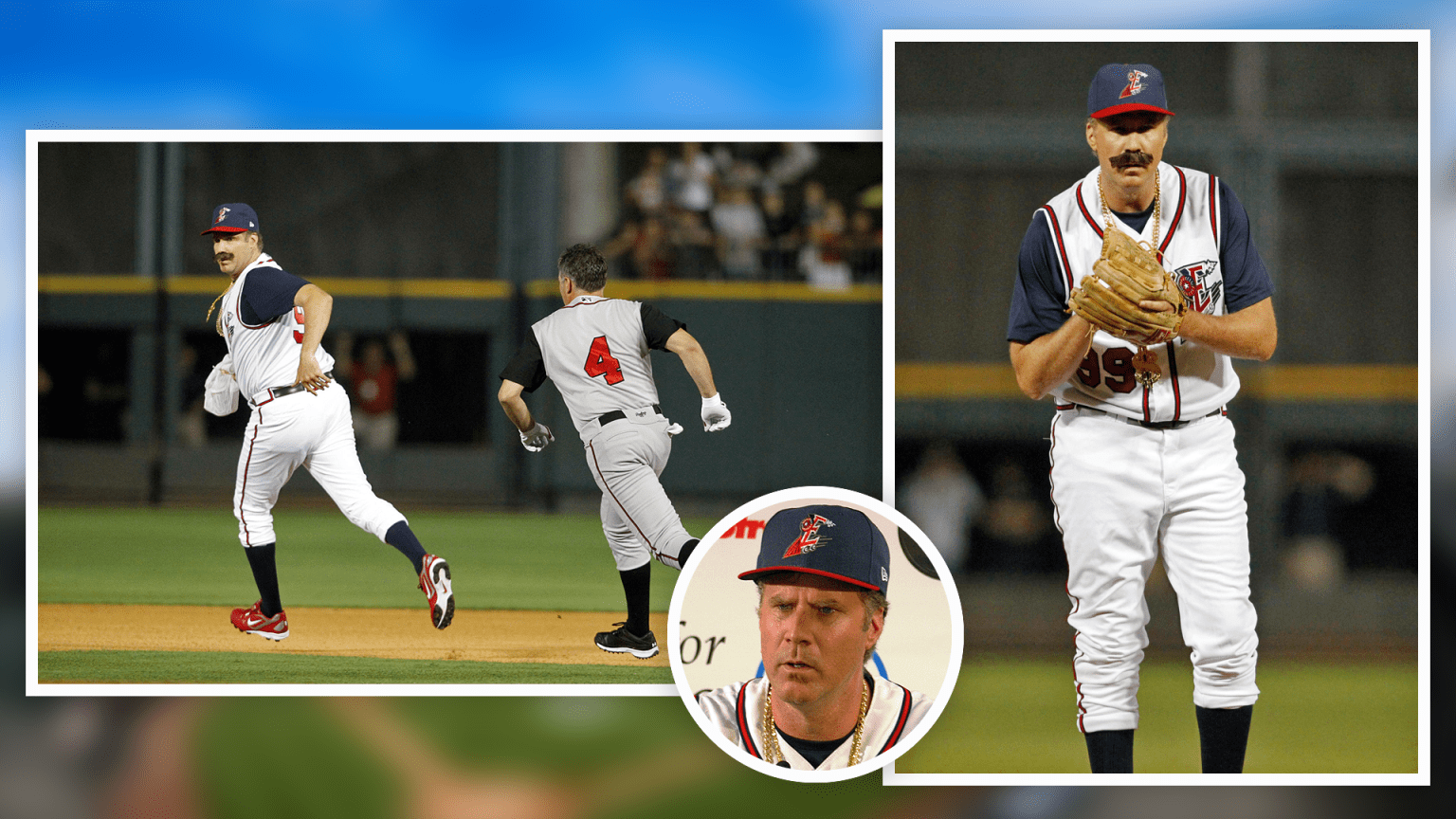
    His front office work in Minor League Baseball led to a stunt that is forever enshrined in internet history.

    “The world of Minor League Baseball is built on fun and unique promotions. It occurred on May 6, 2010. Long story short, Will Ferrell, when he was in college at USC, had a fraternity brother who got cancer and had to leave school to get treatment. This depleted a lot of the family’s funds. They had been running a golf tournament out in San Diego to help, but eventually, word got to Reed Ryan, CEO of the Round Rock Express, and they decided to do something down here. He contacted me about promoting a golf tournament here, and I suggested that we could do something really fun that would get eyeballs on it. So, we put together this creative team that came up with the idea of creating a fake baseball pitcher named Rojo Johnson, out of Venezuela, who had served jail time for importing reptiles into the United States. They just really ran with it. So, Will Ferrell comes out of the bullpen as reliever Rojo Johnson to pitch to me, pretending to be a member of the Nashville Sounds, in the middle of a real game. He was supposed to bean me with the pitch, but he missed me. I charged the mound and ended up chasing him around in centerfield. It was a lot of fun. Those were the early days of YouTube, and I think it got over a million hits in the first three or four days. It was just the epitome of Minor League Baseball.”

    These experiences cast Gottsch perfectly for what was to come next. A new professional sports league attempted to turn a traditional individual competition into a team-based concept. The Professional Bull Riding Team Series was looking to go live and a franchise in Austin, Texas, needed leadership.

    “At the time, I was on the board of the Austin Sports Commission. I remember one of the executives from the baseball team came over and mentioned this new bull riding team that’s coming to town. So, I called their headhunter and said, ‘I’m on the Sports Commission board and would love to help you with whatever assets and resources we have available to get the franchise landed here.’ So, he called me, and we went back and forth for a couple of days. He ran some things by me, and I offered some feedback on different folks locally and regionally. Then, three or four days later, he just asked, ‘Hey, what about you? Would you be interested?’ Initially, I wasn’t because I was working for Nolan Ryan and had been there for 20-plus years. We had a great relationship, and I still enjoyed my time there. But they kept coming back and continued to tell a more compelling story. The more I heard about the opportunity to build things and create things, the more it really attracted me. The opportunity to open the Moody Center, and to be a part of not only the launch of a new team and a new brand but a new league was exciting. You don’t get many opportunities in your life, especially when you’re fifty, to start something new again and utilize everything you’ve learned.”

    The Gamblers had their man JJ Gottsch, and the league had an executive well-versed in marketing and promotion. The PBR Team Series has grown significantly in three years of operation. With a slick marketing campaign that has led to a weekly broadcast contract with CBS and expansion into major markets in Florida and New York City, the league is well-positioned for future growth.

    “I think it’s hugely important to have people understand and recognize your brand. While we sit here today in April of 2025, I think a lot more people know who the Austin Gamblers are, and that we’re a professional bull riding team and part of the PBR teams; that was the case in April of 2022. But we’ve still got a lot of work to do. I think with what you’ve seen not only here in Austin but now in the other nine markets where we expanded from 8 to 10 teams, the team concept is a much-easier-to-consume product than the individual competition because you don’t really need to know the intricacies of bull riding or how bulls are scored or how riders are scored. It is just about my team being the green team from Austin, and there goes the orange team from Kansas City. We rode four bulls. They rode three. We won.”

    Gottsch attributes the growing popularity of bull riding to a parallel national interest in Western culture.

    “I think a lot of what Taylor Sheridan has done; it was the perfect time for that show to come out. You were right on the heels of COVID, and people wanted to have an opportunity to get away from the city and have their own little piece of real estate in their little piece of the country, and then Yellowstone came out and 1923 and all the different spinoffs. Then, the explosion into other parts of society in terms of fashion, in terms of music and the pop stars, which have now turned into country stars. You kind of see these trends come and go, but this one has seemed to stick, and now there’s so much investment in it. I think it’s going to be around for a long time. At the end of the day, it is just the authentic, humble nature that makes up the cowboy. Hard work, grit and determination are all the qualities that make them appealing. If you are someone who puts your hand in a bull rope and is on the back of a 1500-to-2000-pound bull, you’re going to be humble, and you’re going to understand a lot of things and have respect for a lot of things. The first thing that they typically do is to get down on their knees and pray and thank God.”

    As is the case with so many who embrace Western culture, Gottsch’s faith is important to him.

    “I’m more spiritual than I ever was before. Growing up, I went to the Lutheran Church in town, but then in high school, I transferred to a larger high school in Omaha for my last two years specifically to have the opportunity to play sports and get noticed by Division One universities. The school I went to was a Jesuit Catholic school. From there, I went and played baseball at Creighton University and was there for three years. So, for five years in a row, I was in a Catholic institution or institutions. Then, I transferred to TCU (Texas Christian University), where I graduated and ultimately coached for a couple of years. In that aspect, I had a lot of religion and theology. I was exposed to several different religions, and then as I’ve gotten older, it’s just kind of continued to develop. It definitely plays a part in my life, and probably more so since I’ve gotten into this bull riding business because it does play such an important role in all our riders’ lives and the whole PBR rodeo system. It is a very faith-based sport. I would say my faith and exposure to faith has increased probably tenfold over the last three years.”

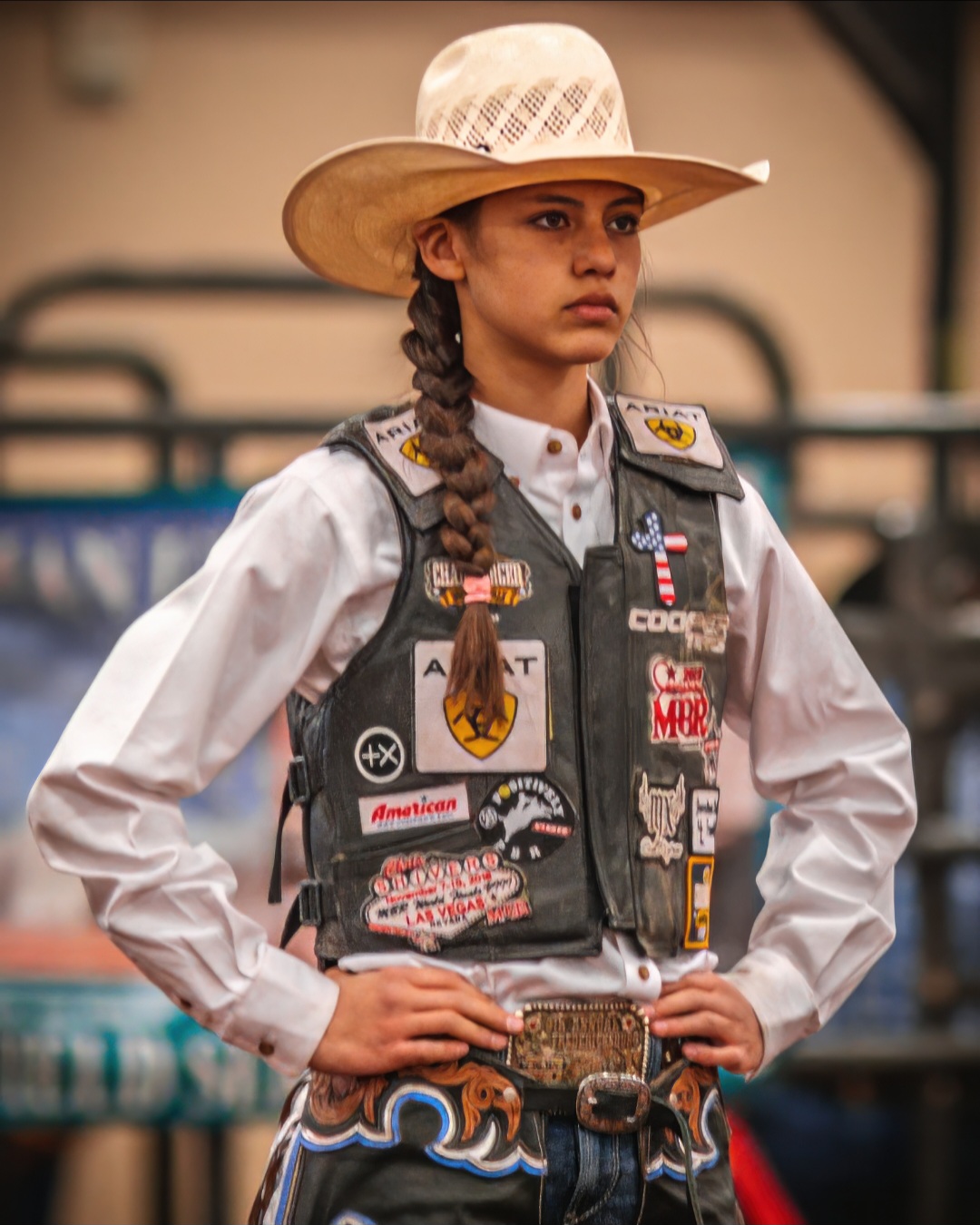
  • Breaking Barriers: From the rodeo arena to the big screen, Najiah Knight is paving her own road.

    Breaking Barriers: From the rodeo arena to the big screen, Najiah Knight is paving her own road.

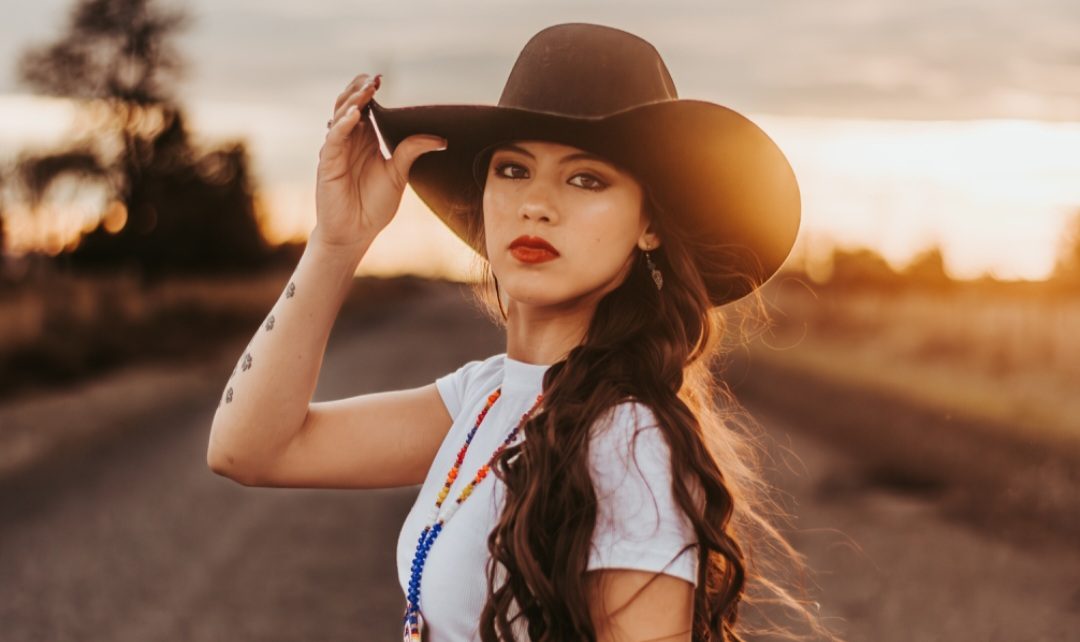
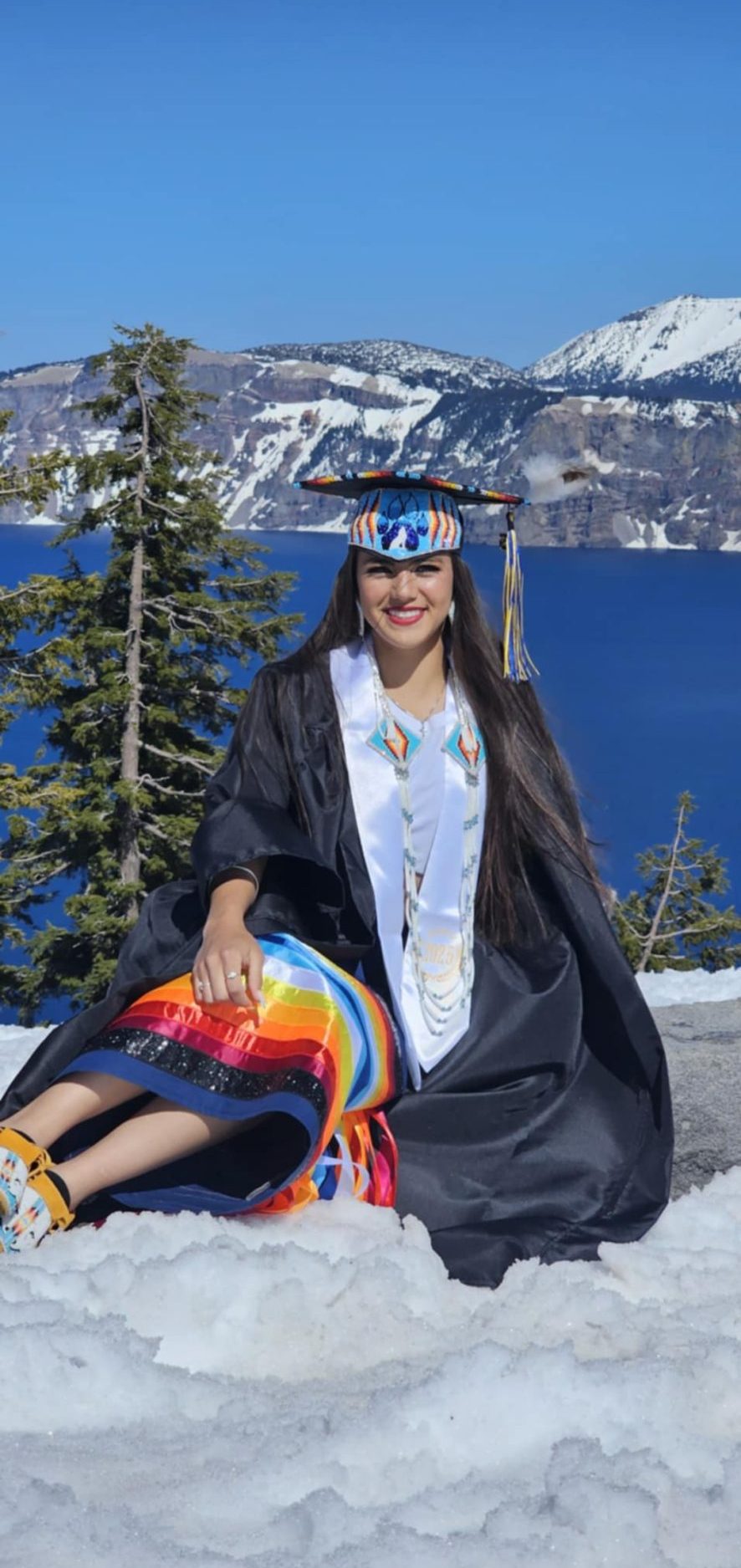
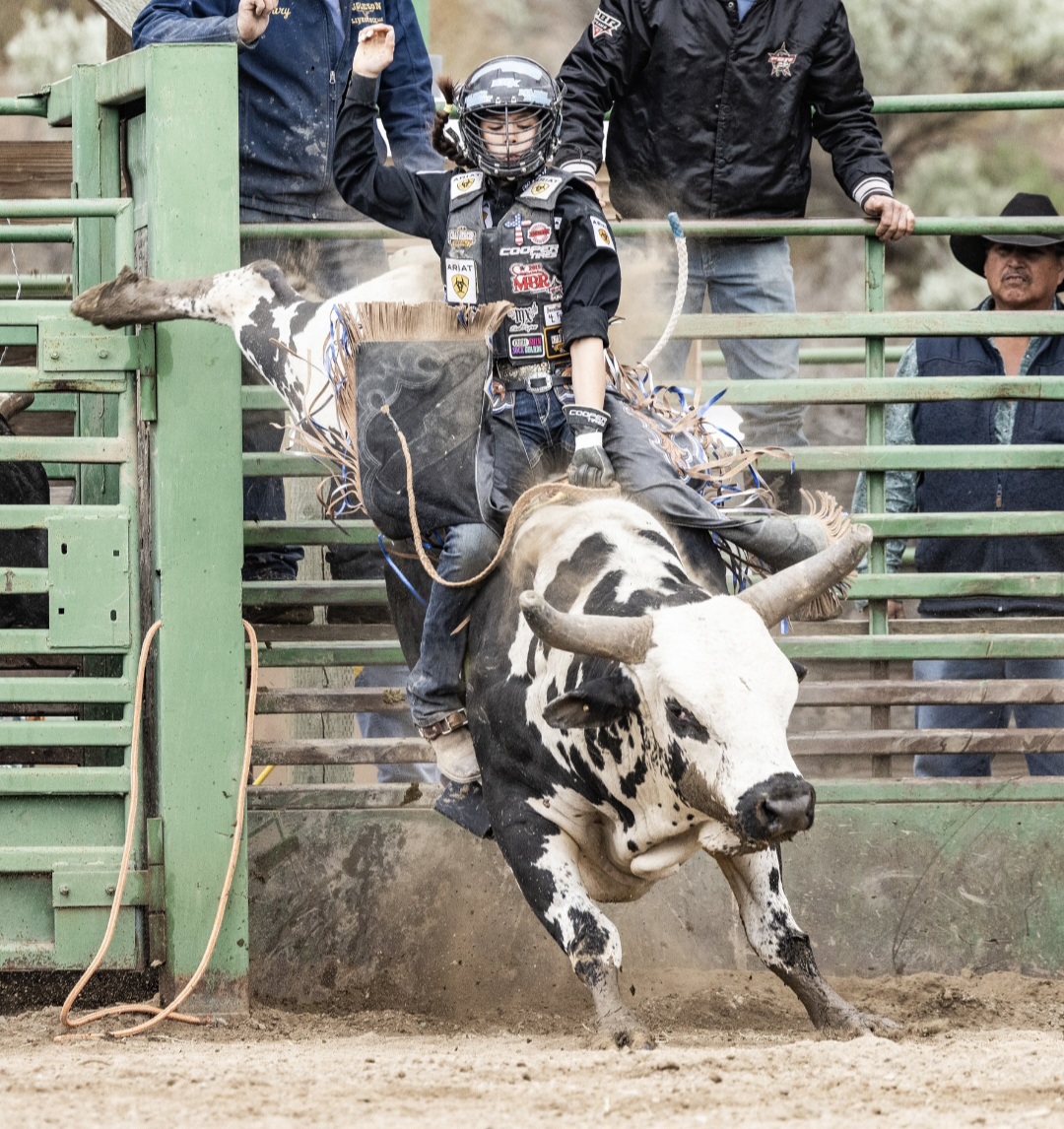
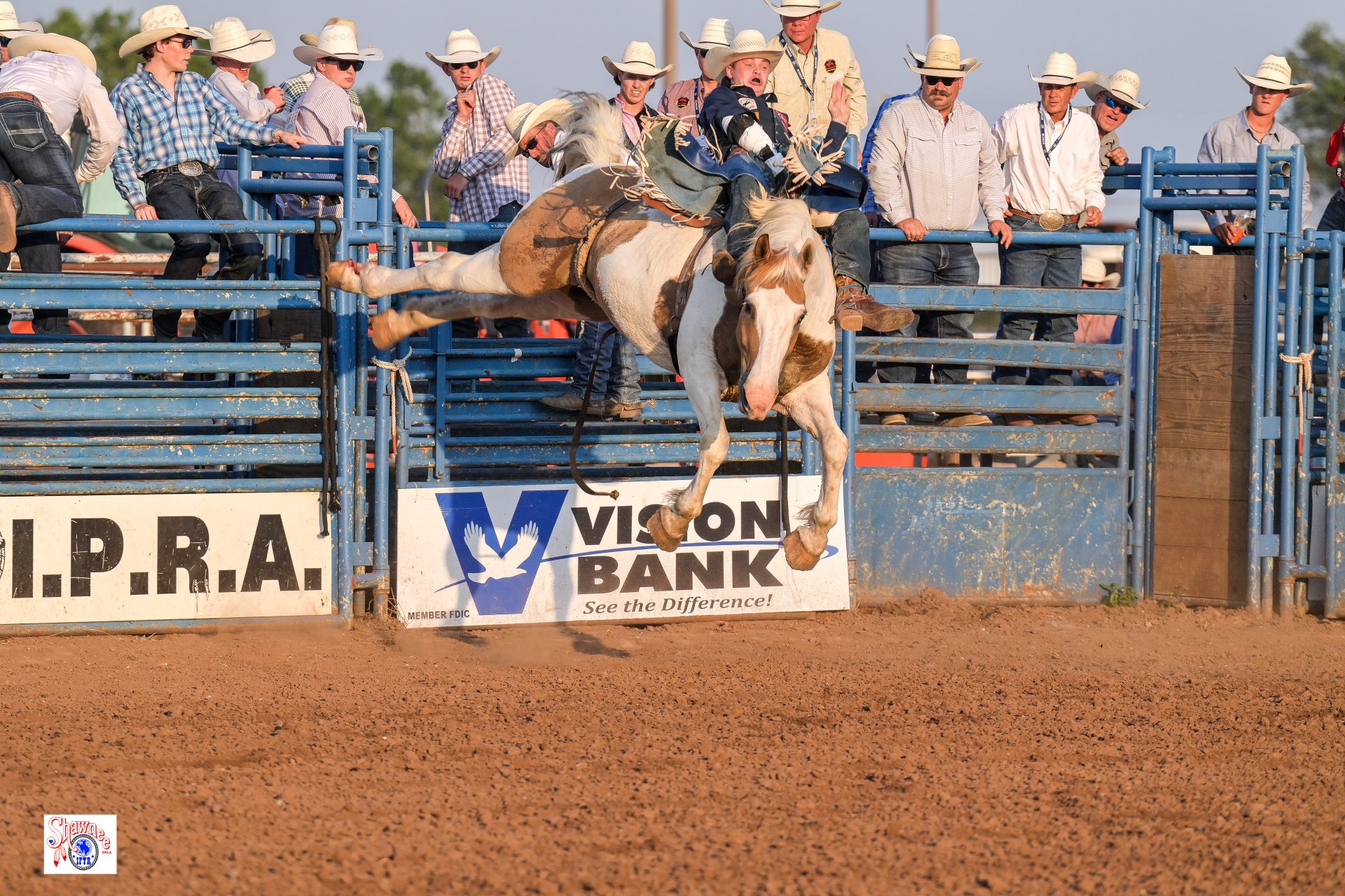
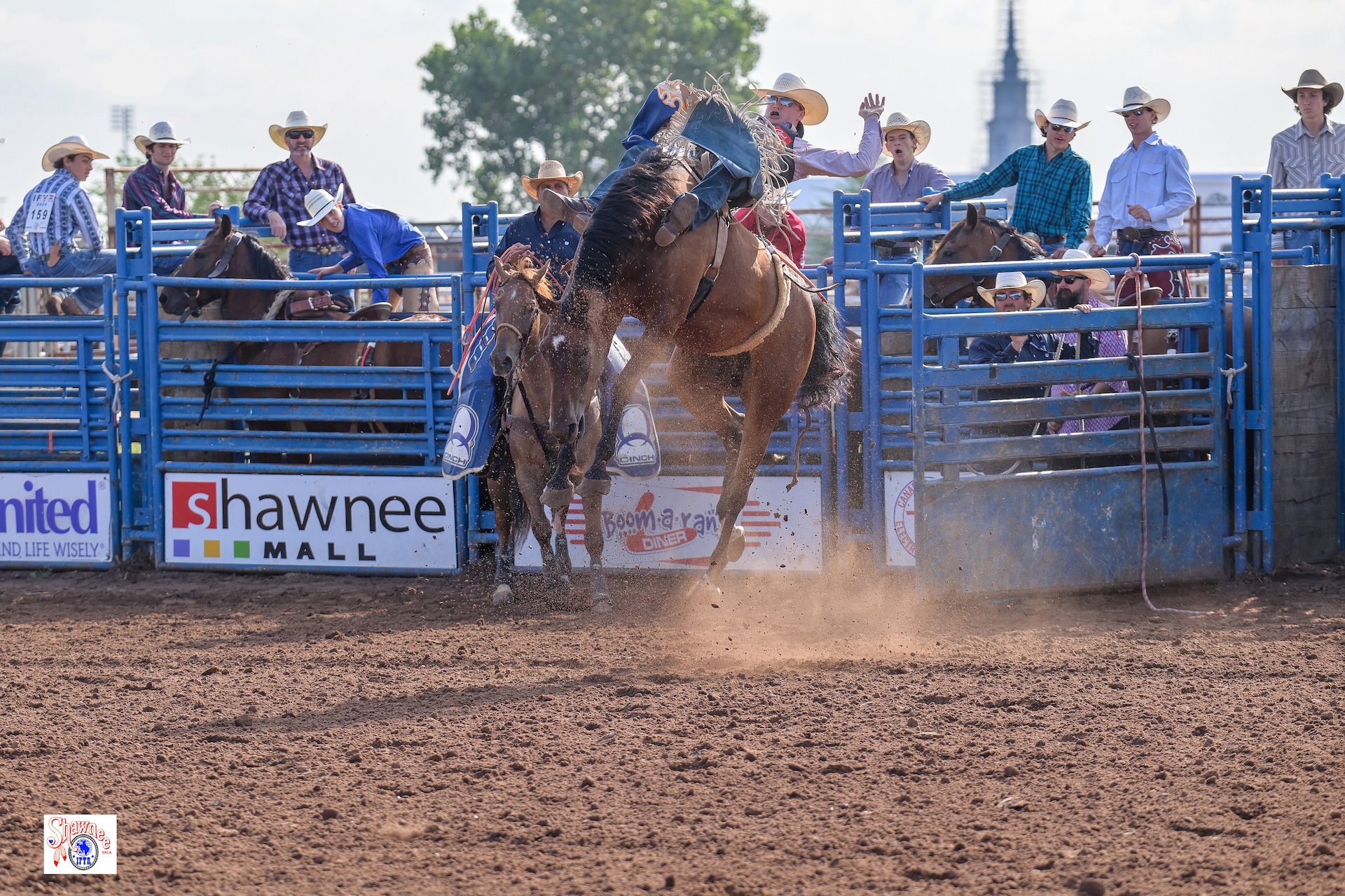
    Najiah Knight grew up watching her father ride bulls and knew from an early age that she wanted to follow in his footsteps. The high school senior from small-town Oregon has had many successes in her young career, riding her first steer at seven. Najiah has competed in the International Miniature Bullriders Association since 2010, qualifying for the finals five years in a row. She has also qualified for the Junior World Finals, appearing in Vegas for six years in total. In 2020, she was the first woman to ride bulls at Madison Square Garden. These milestones have led to opportunities outside of the arena, including acting, modeling and representing Western life on a national stage. A young woman riding bulls is certainly not common, but Najiah believes that anyone can pursue their dreams and hopes to set that example for other young people. She hopes to eventually ride in the PBR.

    Born to Ride  

    Najiah is a self-proclaimed adrenaline junky, and her early interest in bull riding didn’t come as a surprise to her parents, Andrew and Missi, who have both been steadfast supporters. “I’m a daddy’s girl through and through, so I grew up behind the chutes with him, watching him ride and learning how to put the ropes on properly,” Najiah recalled. “When I first got on a bull, it definitely scratched an itch. I just wanted to keep doing it, and my dad let me.”

    Andrew still gets on the occasional bull, sometimes competing against his daughter. “I never thought I would be riding against my dad, but then here I am. Sometimes he’s beating me, and sometimes I beat him. It’s funny, and I love it,” Najiah remarked.

    Physically being able to ride bulls and make the buzzer built Najiah’s confidence, and she realized she had a skill for the sport when she started overcoming the inevitable challenges with humility. Najiah has made many good rides, but has also broken her arm and had her fair share of tough landings.

    She shared, “Even after a bad bull ride, I always tried to keep a positive attitude. I realized I had a natural talent for it when, even if I did get hurt, I would still go for it, and I still wanted to do it.” 

    Putting in the Work

    Bull riding is just one of many things on Najiah’s plate. She will graduate from high school this spring, and has participated in sports like track and field, volleyball and basketball. In addition to her academic responsibilities, time is limited and precious in the teenager’s day-to-day life. Najiah still finds time to prepare physically and mentally for competition.

    Najiah has built this work into her daily routine, utilizing the gym she built with her dad and using practice barrels at her house. “You have to work out every day, and need to have the dedication and heart for it,” she shared.

    Riding horses is also a valuable tool.

    “I ride bareback, which really helps with bull riding — you practice feeling an animal beneath you,” Najiah explained.

    Physically, riding bareback works the core, and Najiah also goes out with her dad, riding up and down hills. “That really helps with learning how to set your hips and get back over your hips in bull riding,” she shared.

    Being smaller than the average male bull rider can be an advantage and a challenge. Najiah has found that a stock contractor’s prediction of what a bull is going to do usually doesn’t pan out when she’s aboard, no matter how consistent the animal has been in the past. “Bulls will do something completely different with me because I’m way lighter,” Najiah said.

    Mentally preparing for a ride, and dealing with the excitement or disappointment that comes after the eight-second buzzer is also important to Najiah. She has found her parents to be the best resource and support. “The way I overcome a bad ride is to talk to my parents about it. My mom records everything, and she’ll go over the videos with me. My dad will tell me what I did, and what I could have done better,” she explained.

    This review is helpful, but Najiah is careful not to dwell on bad rides for too long. She also doesn’t think too much before a ride. “I’ve learned that I can’t focus on it too much,” Najiah reflected. “I can overthink it, and then overdo things. I’ve learned that I just have to go talk to people, laugh, have fun and take my mind off of it for a minute. Then, when it’s time to ride, I definitely focus and do what I need to do.”

    Najiah points to her parents as being a critical part of her success, in bull riding and beyond. In the beginning, they helped her get to rodeos and paid entry fees. Once Najiah had momentum, Missi, who Najiah says is her “personal cheerleader,” helped her daughter find sponsors, which opened new doors and also helped pay her way. “They are the most supportive people,” Najiah shared. “Without my parents, I definitely would not be where I am.”

    Representing Western Life

    These partnerships and Najiah’s success in competition have put her on a national stage. She has appeared in advertisements for companies like Walmart, and has represented her Native Paiute culture at events like the West Coast Indigenous Fashion Show. She is sponsored by and has collaborated with brands, including Ariat, Cooper Tires, Chad Berger Bucking Bulls, MX Bull Ropes and HundredX Helmets, and has gained a significant following on social media. These opportunities, which are the result of many years of hard work and humility, have allowed Najiah to further pursue her goals.

    With modeling experience under her belt, Najiah was tapped for a role in the upcoming Yellowstone spinoff. She was a part of the filming last fall, and will be traveling back to Montana after graduation to film for six more months. Her role in the project came about thanks to relationships built through the Western community. “Corrie Caster is my agent. She wants to see me succeed in life, so when any opportunity she sees seems like it’s a good fit for me, she helps me.” Najiah shared. “I’ve become friends with Jennifer Landon and Mo Brings Plenty, and they helped me get this part because they knew I can ride horses. They were just very supportive of me, and I’m very grateful.”

    She has also stepped into her place as a role model in and out of rodeo.

    “I want to represent all of the unheard people, like women and Natives, and break down barriers that have been built up for so long,” Najiah said.

    “I love all of the support people give me. If anyone says I shouldn’t be doing what I do because I’m a girl or I’m Native, I say that I’m not doing it for anyone else. I’m doing it for me and because I get to.”

    Najiah frequently gets to hear first-hand how her life and career are inspiring others. Women haven’t been present in events like bull riding, and Najiah believes that this shouldn’t stop anyone from chasing their dreams.

    “Girls can do anything and everything they put their minds to. Do not let anyone hold you back because you can do whatever you want to do in life, as long as you work hard, put your mind to it, are dedicated, and have the heart for it,” Najiah said.

    Follow Najiah on Instagram @najiahknight to stay up to date on her work and competitions.

  • Beyond the Arena: The Jake Eary Memorial Rodeo

    Beyond the Arena: The Jake Eary Memorial Rodeo

    Rodeo is a testament to the Western lifestyle, which incorporates family, community, passion and tradition. Whether a first-time audience member, a returning fan, a child living their dream of competing in their favorite event, or a seasoned competitor, rodeo creates cherished memories for all. It is an experience that captivates those who have the privilege of being a part of it.

    All rodeos have their own unique origin story. One that holds the utmost importance for its community and fosters a sense of unity, remembrance and family is the Jake Eary Memorial Rodeo, held in Spring Creek, Nevada.

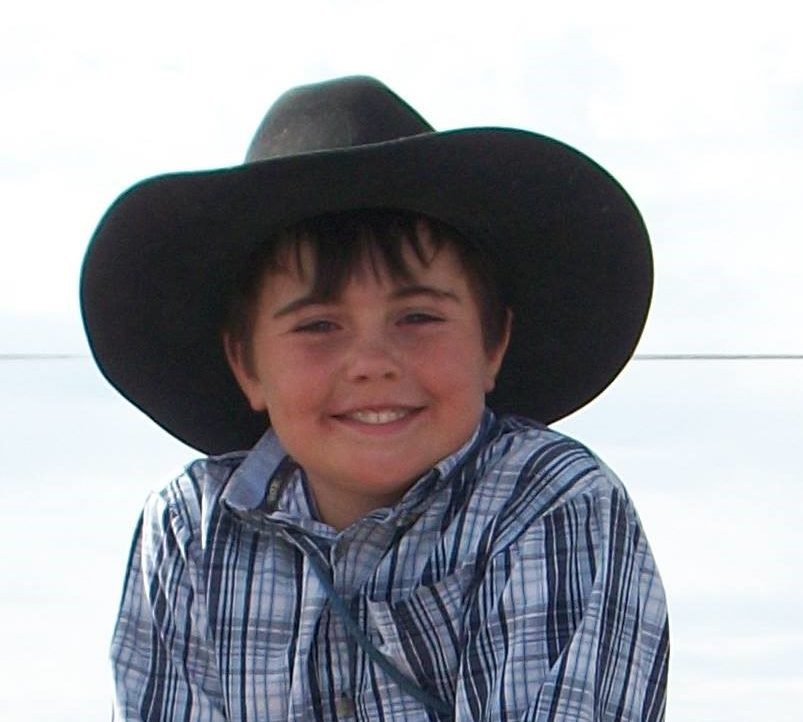
    The rodeo honors a cowboy as true as they come—a boy with a deep passion for the sport, and, more importantly, a love for the people in his life. This memorial rodeo, held May 30 through June 1, holds a place for everyone in the family. Jake touched the hearts of every person he encountered, just as the Jake Eary Memorial Rodeo does for both competitors and audience members.

    Jacob “Jake” Eary was born on October 13, 2001, to Jess and Carrie Eary in Winnemucca, Nevada. He spent the majority of his life at the Bullhead Ranch outside of Paradise Valley, Nevada, where he always offered a helping hand with ranch work.

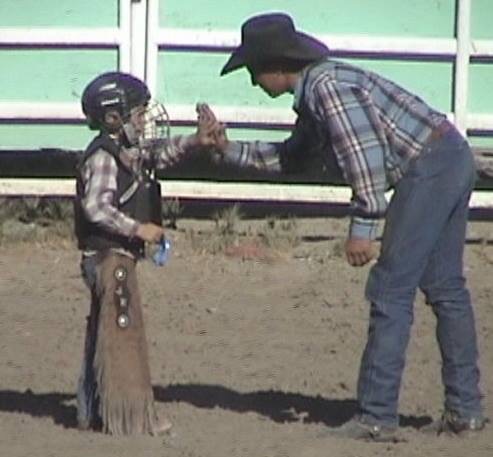
    Before his second-grade year, Eary and his family moved to Spring Creek, Nevada. He lived his life to the fullest playing in the Police Athletic League (PAL) Basketball League, competing in junior rodeos, telling stories, and making countless friends along the way. Eary tragically passed on Friday November 26, 2010, at 9 years old during a sledding accident.

    Jake dreamed of being a bull rider when he was older. He had a passionate imagination that drove his love for rodeo.

    “Many times, I would catch him riding the arm of the couch playing PBR bull rider,” said his mother, Carrie Eary. “He would get off his bull, go over, face the wall, and have his interview with whoever was interviewing him.”

    According to Carrie, Jake was her goofball. He loved rodeo but loved visiting and telling stories even more. When he was in the peewee age group, his family would have to go find him to do an event. Whether it was wooing the little girls or conversing with the old-timers, building connections came naturally for Jake.

    Carrie recalled a memorable moment when Jake won the buckle over his brother, Daniel Eary. Daniel was renowned for taking home the saddles and buckles. During a winter roping series in 2010, several months before he passed, Jake took home the win.

    “He wasn’t even trying,” Eary said. By simply swinging his rope, he proudly took home the buckle.

    Carrie explained that the first Jake Eary Memorial Rodeo was held in 2011 with about 250 contestants entered. It was the contestant’s admiration for the rodeo that led to its annual continuation, averaging about 400 contestants every year.

    “I believe they love the concept of it. I believe that they love what the memorial fund does for around the state, whether it’s the rodeo clubs, junior rodeos or 4H that we donate to,” Eary said.

    The memorial rodeo has events for the whole family to attend. According to Carrie, kids who have started in the peewee age group have evolved to become sponsors and competitors in the open events.

    “That’s pretty big in the rodeo world if you can bring your whole family and everybody gets to do something.” Carrie continues, “I believe that’s where Jake’s rodeo has continued to be what it is—because everybody is included.”

    This year, dummy roping and stick horse riding have been added to the rodeo, creating opportunities for children with disabilities to experience the joy of rodeo.

    A unique aspect of the event is its inclusive and family-oriented environment. Carrie said, “For the last five years, we have not charged a gate admission to get in to watch the rodeo.” She continues, “A family of five or six can come and enjoy something without breaking the pocketbook.”

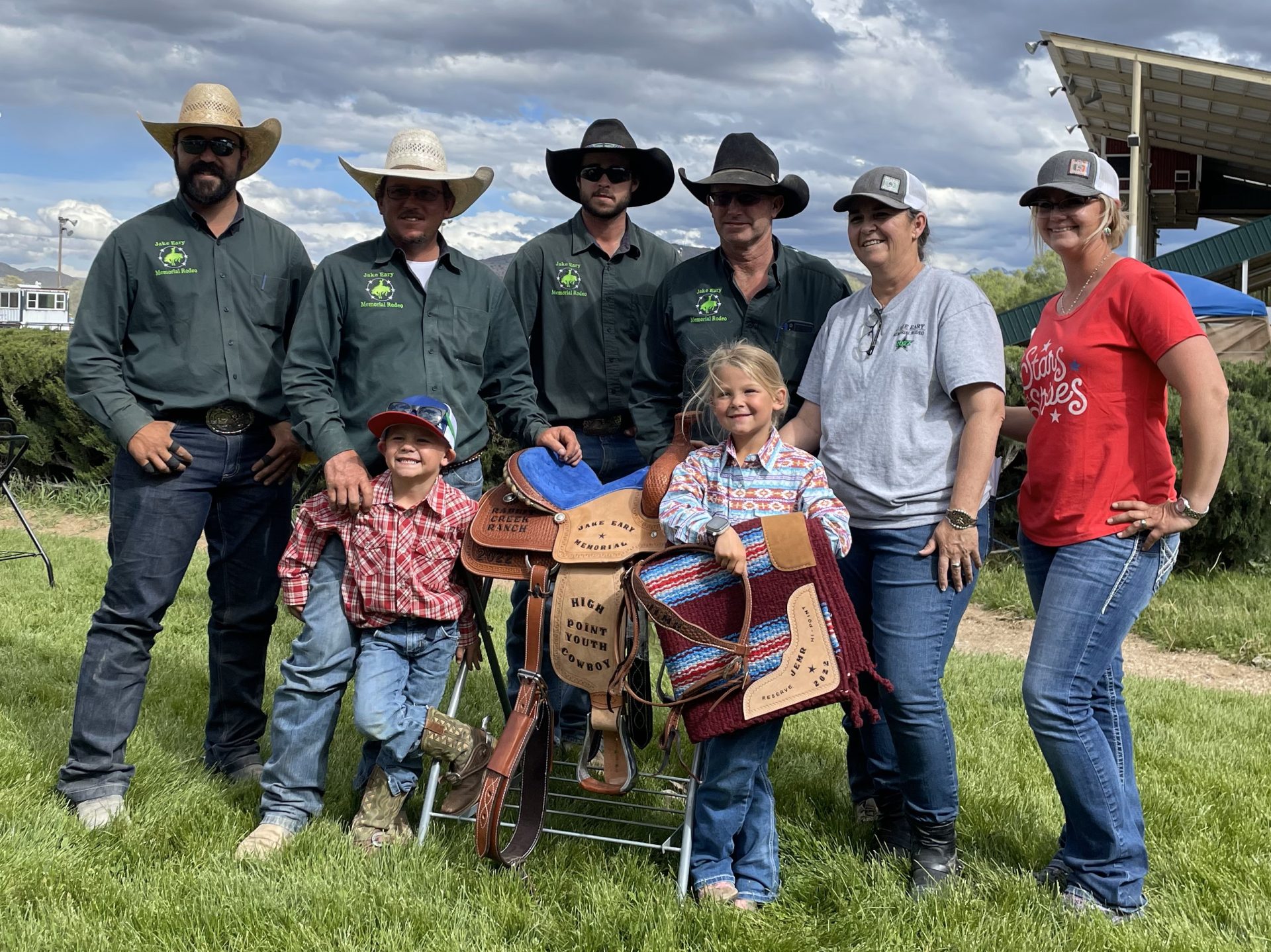
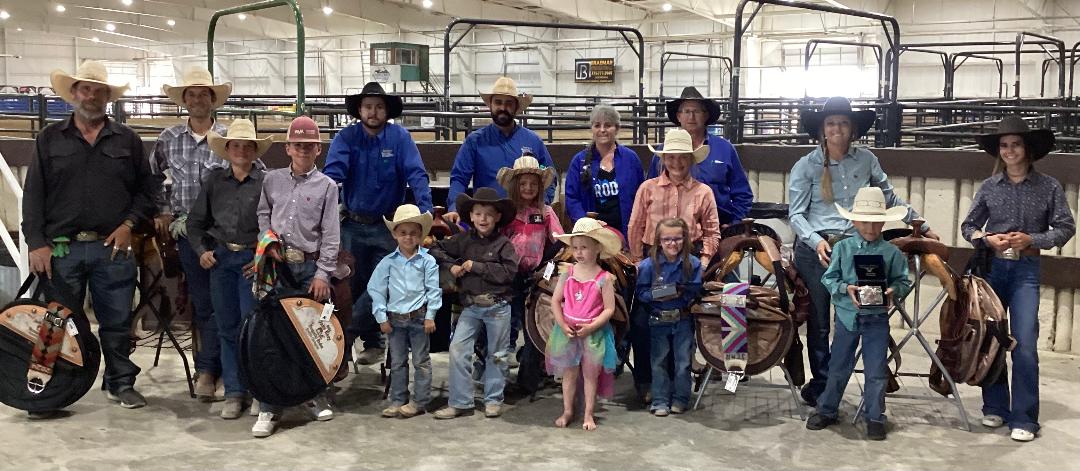
    Saddles, buckles and saddle bags are awarded to winners of the rodeo, labeled with Jake’s name on it. It is a special and unique reminder of his influence.

    “I can honestly say that we have either awarded a first-time buckle or first-time saddle at every single rodeo,” Carrie said. “Because it has Jake’s name on it, they will always remember it as their first buckle or their first saddle,” she explains.

    The Jake Eary Memorial rodeo’s influence and impact go far beyond the successes in the arena. Every win is a tribute to Jake. Families, communities and friends join together every year to honor Jake through an event centered around friendship and the Western industry. Jake’s story will always be remembered, along with new memories created in honor of him each year.

  • Walking Frito Salad

    Walking Frito Salad

    Sometimes, as mothers and wives, it can be easy to lose sight of our true role in our families and communities while we focus on the tasks at hand—raising babies, homemaking, feeding cows, raking fields, training horses, keeping books and all the things that can come with life. We can forget that in taking care of business, we are the backbone of our families and businesses.

    Christine Jenks is no different. She is the support system for her husband and children. The KC Cattle Company owner chases around three lovely children – two sons, Kutter,16, and Kannon, 9, and a daughter, Callie, 14. She helps her husband, Kameron, manage their crops and cows. The couple is also very active in their community of Basin City, Washington, and the small surrounding agricultural towns. In 2020, amid the pandemic, Kameron and other community members decided to celebrate the freedoms that the Evergreen State’s government was taking away in the best way they knew how – a rodeo! In the last 5 years, the Basin City Freedom Rodeo has continued to grow at a fast pace with a new arena setup and its sanctioning from the WPRA and PRCA, to name a few. Who has been right behind Kameron every step of the way? Christine!

    You see, a lot of the time, we follow our husbands and children in their goals and dreams, wearing the titles of secretary, chauffeur, chef, maid, treasurer and many more. In doing so, we join those communities in an untraditional way. So, to all of the women who feel like imposters because they don’t fit into the ideal picture of someone in that community, know that you are seen and welcomed! You are so much more than you realize!

    The Lord’s Word affirms this: “He who finds a wife finds a good thing and obtains favor from the Lord” (Proverbs 18:22). Your care of your children is a good thing; your support to your husband is a good thing; your service in the community is a good thing. Sister, you are a GOOD THANG!

    Walking Frito Salad

    from Christine Jenks

    Servings: 8 | Prep Time: 10-15 minutes

    Remember those small bags of plain or chili cheese Fritos from a box of assorted chips that no child (or adult) ever eats? Christine came up with a deliciously genius way – inspired by Paula Deen’s corn salad – to finally get them out of your pantry.


    Ingredients:

    • 30 ounces of canned whole kernel corn
    • ¾ cup of shredded cheddar cheese
    • 1 medium red onion
    • 1/2 of a green pepper
    • 1 cup of mayo
    • Salt & pepper to taste


    Instructions:

    1. Dice the onion and pepper.
    2. Drain the corn.
    3. Mix the corn, onion, pepper, cheese and mayo in a serving bowl until everything is thoroughly incorporated. Then refrigerate until ready to serve.
    4. Prior to serving, crush the Fritos in the bag.
    5. Add 1 cup of the corn salad to each small bag of chips
    6. Serve immediately while the chips are crunchy.

    Editor’s Note: I received this recipe as part of a wedding gift from Christine. It is so yummy any time of the year – summer BBQs, fall feasts, you name it. Every time I make it, I get so many compliments. This recipe can easily be switched into a large batch. After steps 1-3, crush a medium or large bag of chili cheese Fritos in the bag. Then, if you want to preserve the longevity of the Fritos a little bit more, you can just put them on top of the salad and serve. To add more spice, you can use the Trader Joe’s Organic Elote Corn Chip Dippers with a Mexican-Style Street Corn Flavored Seasoning instead of chili cheese Fritos.

  • Community and Kākou: How Rodeo is Staying Alive on Maui

    Community and Kākou: How Rodeo is Staying Alive on Maui

    Every Fourth of July, the Makawao Stampede brings cowboys and cowgirls from around the world to Maui’s Oskie Rice Arena, owned by Kaonoulu Ranch. Ken and Morag Miranda represent the fourth generation that manages and fosters the annual Hawaiian rodeo, which has been a part of the Maui community for over 70 years. Unique Hawaiian rodeo events give competitors and spectators the opportunity to learn about and participate in the state’s rich Western culture, and the regular rodeo events bring in some of the nation’s top competitors. The Miranda family is committed to supporting youth in rodeo and ensuring that the sport continues to thrive and grow in their home state with the support of the Rice and King family’s Kaonoulu Ranch.

    Cowboys on the Islands  

    Cowboys, ranching and rodeo have a long history in Hawaii. Like on the mainland, the introduction of cattle eventually required people skilled and brave enough to deal with them. Descendants of the cattle that had been gifted to King Kamehameha I by British Captain George Vancouver were running wild and multiplying across Hawaii by the early 1800s. With no predators, the population grew out of control. By the early 1900s, it became necessary to cull the wild cattle. The growing cattle industry also presented the opportunity to sell beef and hides. Spanish-Mexican vaqueros were brought in to help with the issue, and to teach the locals how to handle these wild cattle. Called “Paniolo,” their influence became the foundation for Hawaiian cowboy culture. This tradition evolved and rodeo soon took hold on the islands. Since then, Hawaii has been home to many top rodeo competitors and champions, from high school to the PRCA and beyond.

    Morag and Ken also have deep roots in Hawaiian rodeo and agriculture. Morag’s great-grandfather, Harold “Pop” Rice, purchased their family ranch (Kaonoulu Ranch) in 1916, which he eventually passed on to her grandfather. Around 70 years ago, her father, Freddy Rice, had the idea to build an arena in the Maui area so that local cowboys could hold rodeo competitions to showcase their cowboy skills. He, along with George Manoa, approached Morag’s grandfather, Oskie Rice, who agreed to the plan, designating a flat piece of land near Makawao. Soon, a rodeo arena was built. Morag’s father helped form the Maui Roping Club with his cousin Peter Baldwin in the 1950s. It was dedicated in the 1980s, with the arena at Makawao serving as their home base. Since then, the Oskie Rice Arena has been available for rodeos, youth competitions, community events and more.

    The Miranda family took over the management of the family ranch in 2013. In 2020, they were presented with the opportunity to also manage the Oskie Rice Event Center. The Covid-19 pandemic stopped any plans that year, which was used as an opportunity to improve the space. “It actually blessed us with a year of being able to renovate and not having to rush,” Morag reflected.

    The existing arena was in rough shape and needed to be torn down. Thanks to a friendship with Eddie Priefert, Ken, who is also a dealer for the company, was able to purchase the panel arena that had been used for the 2019 American Rodeo.
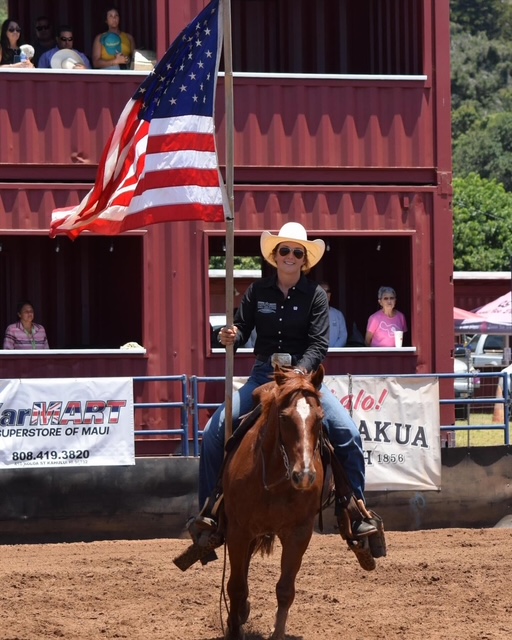
    “When the American was finished, they boxed the arena up in six 40-foot sea containers and shipped it to Maui,” Morag shared.

    A new arena was built on the same property using the American arena panels, and by 2021, they were able to host the annual Fourth of July rodeo again. The event was rebranded as the Makawao Stampede, and both Ken and Morag, along with their team, dedicated a significant amount of time to securing sponsors, inviting contestants and growing the event.

    After successfully relaunching the event post-Covid, new 2,500-seat bleachers were built to accommodate spectators. Additionally, Ken repurposed the shipping containers the arena panels had been shipped in to build ten-by-eight VIP suites. A two-story rodeo office and a concessions stand were also built with the containers.

    Ken and Morag led many efforts to revitalize and grow the community event but are quick to give credit to the community of Maui. “We have an amazing team in our community,” Morag said.

    Preserving Traditions 

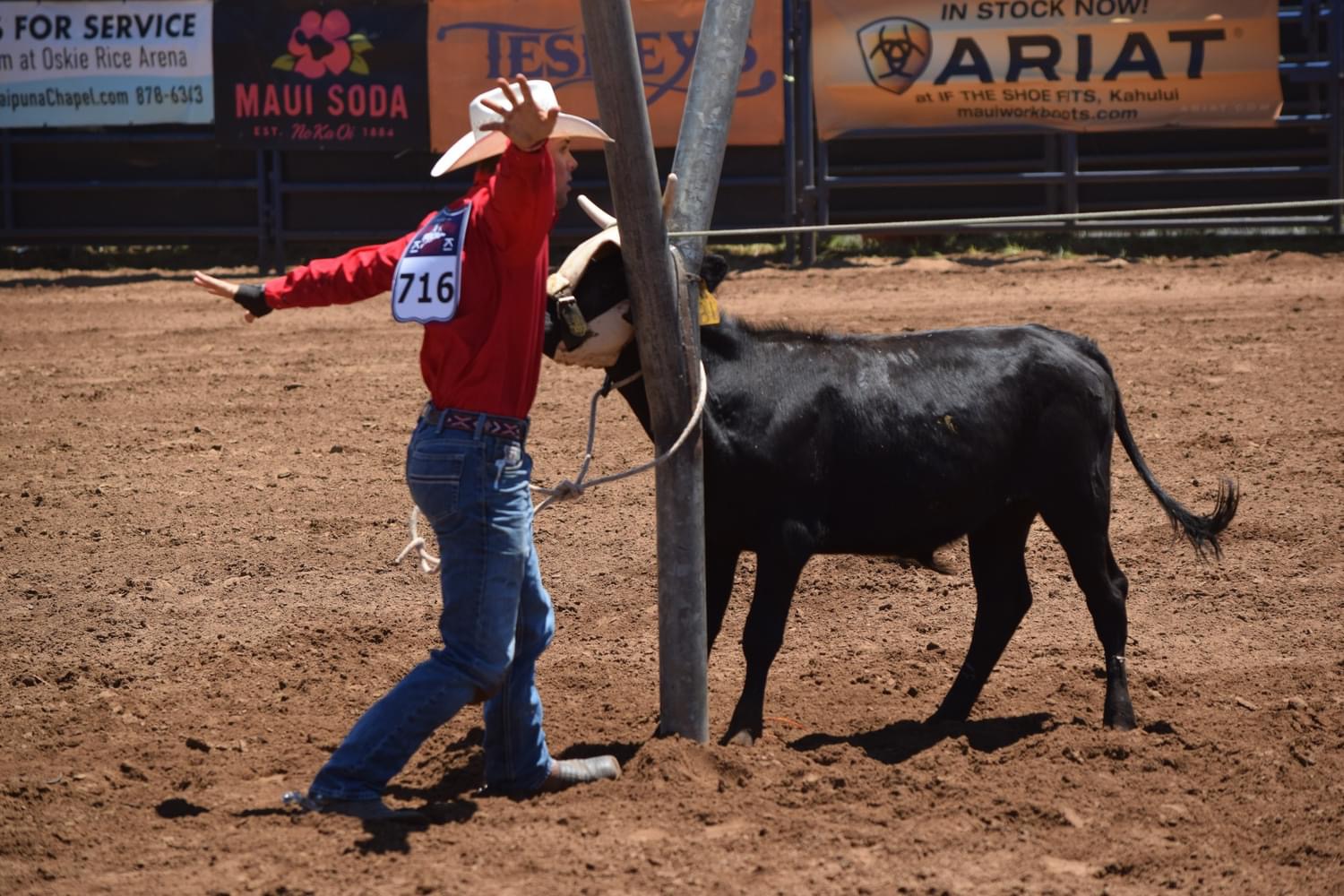
    The Makawao Stampede features regular timed and roughstock events, as well as events unique to Hawaii. The Po’o Wai U event showcases skills that were used to rope wild cattle in the mountains. Once a wild bovine was caught, the cowboy would tie them to a tree for the day or night and then come back with an oxen or another horse to trail them back down the mountain. In the arena, a horned roping steer is let out of the chute. The roper, with no barrier, has to make a clean horn catch. Instead of the tree that would be used in the mountains, a forked pipe is placed in the middle of the arena. Once the animal is roped, the rider, who is tied off hard and fast, pulls the steer toward the pipe, which is in a v-shape. The competitor then flips the rope between the pipe, faces the steer, gets off, runs up to the steer, runs a rope around the steer’s neck, and ties it to the pipe tree. Each steer’s horns and forehead are protected with plastic. The event is timed, and whoever gets their steer tied to the tree the fastest wins. “It can be done in under 20 seconds. A 16 to 18 second run is really fast, and 20 seconds is a good run,” Morag explained. “Ken, our son, Daniel, and our daughter Elizabeth are all champions in this event, which is pretty fun.”

    The regular rodeo events are also a highlight. Contestants travel from Australia, New Zealand, Texas, California, Idaho, Arizona, Montana, New Mexico and beyond to compete at the Makawao Stampede. With $20,000 added prize money and quality stock, competitors know that their trip to Maui will be worth it. A contractor on the island, RS Bucking Bulls, provides stock, and Kaonoulu Ranch has a group of bucking horses and corriente cattle for the roping events. Area ranches help provide the double mugging roping stock.

    Giving Back

    The Miranda family lives and breathes ranching and rodeo, and is committed to preserving the tradition for generations to come. Ken and Morag’s son, Daniel, and daughter Elizabeth came up through the Hawaii High School Rodeo Association and have had many successes in the arena. Daniel is attending Cal Poly San Luis Obispo, where he has qualified for the College National Finals three times. Elizabeth, who is also going to attend Cal Poly, has qualified for the National High School Finals Rodeo all four years and was the reserve world all-around cowgirl her sophomore year.

    Supporting youth in rodeo is a priority for Ken and Morag. The couple started the Maui Youth Rodeo Organization (MYRO) to help alleviate the expense of competing in rodeo in Hawaii. The MYRO offers a $1,000 senior scholarship, reimburses families for state and national memberships, gives youth a $500 scholarship each to attend state finals when it’s necessary to ship their horses, and also offers financial assistance to anyone who qualifies for the National High School Rodeo Association finals.

    “Our kids are amazing, and they can compete, but not everyone can afford it. It’s hard and so this nonprofit is there, which is possible through the generosity of the Maui community,” Morag shared.
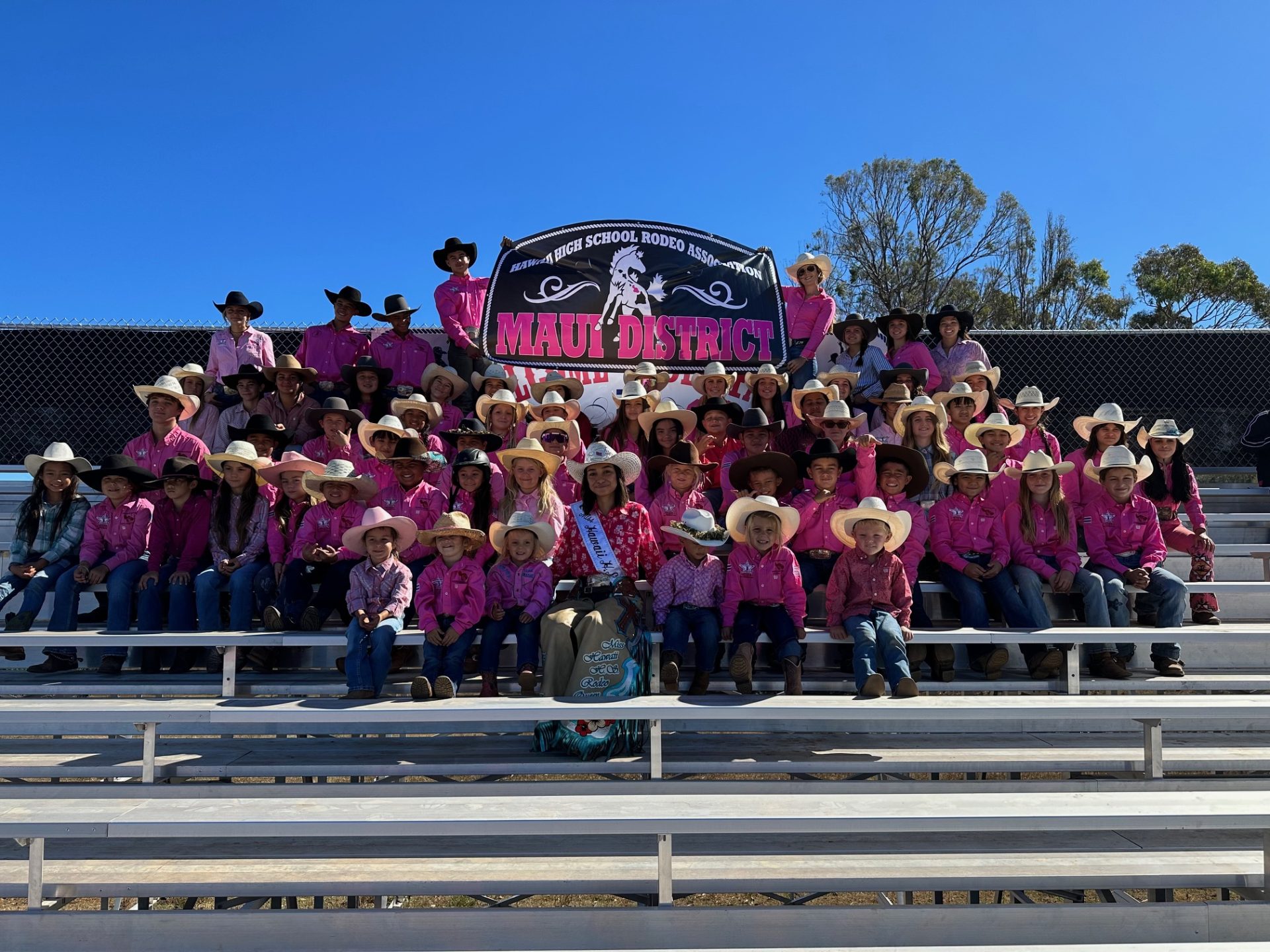
    “This support can change the trajectory of their life, and shows them they can do things, even if they need a little help. This isn’t something they are entitled to, and it isn’t welfare. We call it kākou, which means ‘we are all in this together.’ We collaborate with our families, and then we can raise this money together. They do their part to support it, and then we have this money so these kids can go out and be amazing.”

    Proceeds from the Makawao Stampede also help support the MYRO’s nonprofit mission. “It’s evolved and developed into a huge positive light. The community has definitely embraced it,” Ken shared. “You need to support the youth activities if you want them to develop into adult competitors down the road.”

    Ken and Morag’s support has had a noticeable impact on youth rodeo in Hawaii. When the Miranda family started managing the family ranch and their kids started competing, there were only a few other youths involved. Ken recalled, When we moved to Maui, the junior high and high school rodeo groups only had a few kids. Now we’re up to almost 90.” 

    Rodeo teaches valuable life lessons beyond the arena, which is evident in many of the success stories Ken and Morag have seen. “Some kids who never thought they’d go to college or a trade school realize they can. They realize they are smart enough, that they are capable, and that they are valuable,” Morag shared.

    Supporting youth in rodeo is a part of Kaonoulu Ranch and the Miranda family’s larger commitment to preserving agriculture in Hawaii. Both Ken and Morag come from multi-generation ranching families, and are the managers of the Kaonoulu Ranch, which belongs to Morag’s family, the Rice and King families. The ranch has one of the last remaining ahupua’a systems in Hawaii. When ranches were first formed on the islands, many prioritized having complete tracts of land that ran from the mountains to the ocean. This ensured that throughout the seasons and in the face of any environmental challenges, the ranch would have access to a range of resources. This also allowed families to diversify their agricultural endeavors, running cattle and growing a variety of crops. “It provides all your needs, with food, water and all your resources on one strip of land. We are very fortunate that our ranch still has that. It’s really special,” Morag shared.

    Rodeo in Hawaii is in good hands thanks to people like Ken and Morag, who are ensuring the sport will be there for generations to come. This year’s Makawao Stampede is scheduled for July 4-6. To learn more about the rodeo, visit oskiericeeventcenter.com.

  • Team Cavender’s: Kash Loyd

    Team Cavender’s: Kash Loyd

    For Kash Loyd, rodeo is more than a passion—it’s a path shaped by family, tradition and professional ambition. The high school junior from Rio Vista, Texas, has been competing since he was 3, and for nearly three years, he has proudly worn the Team Cavender’s patch—something he said he once only dreamed about.


    “I have been around rodeo for quite a long time,” Loyd said. “I saw people wearing the Cavender’s brand and thought, ‘How do I get there?’”


    With encouragement from friends already on the team and a good word from past team member Cooper Lane, Loyd said he earned his spot. Since then, he has grown not only as a rider but also as a young professional.


    “Team Cavender’s teaches you how to be a professional—how to act in public, how to eat properly, how to handle social media and sponsors,” he said. “It’s real-life training that’s incredibly beneficial.”


    Lloyd said his favorite memory has been the Team Cavender’s Summit, an annual gathering in Tyler, Texas, that brings together all team athletes.


    “You’re not just spending time with rough stock riders,” he said. “You’re with team ropers, breakaway ropers—everybody. It feels like a family.”


    Loyd said his rodeo journey started early. His dad, Kevin, was a bronc rider, and he followed closely behind—first on sheep, then on mini ponies as that division gained popularity in 2015. He won his division at the Junior World Finals in 2016 and has not looked back.

    “Growing up, that’s all I wanted to do,” he said. “Still is.”


    After briefly experimenting with saddle bronc riding, Lloyd said he found his groove in the bareback riding, where he blends techniques from top ProRodeo athletes into his evolving style.


    “If I take one thing from R.C. Landingham and another from Bradlee Miller, that style becomes Kash Lloyd,” he said. “You tweak the little things until it works for you.”


    Lloyd said mentorship from top riders, like Tilden Hooper, and his parents’ support has been crucial.


    “They help me keep a level head and focus on the mental side of the game,” he said. “Everything we do, we do as a family.”


    That includes his 12-year-old twin brothers, Kane and Crew, who ride mini ponies. Lloyd said he helps when he can, though he admitted his dad does most of the coaching.


    “I can point you in the right direction,” he added. “But I’m not the best at explaining it in detail.”


    Lloyd attends Rio Vista High School, a small class 2A school where he competes on the golf team and helped start a rodeo team. He added that balancing both sports can be tough, but his priorities are clear.
     

    “I let the golf coach know from the start—I won’t be at practices or tournaments on the weekends I’m rodeoing,” he said.


    Lloyd plans to attend Tarleton State University in the future. He said he is drawn there due to the strong rodeo program and family ties—his mom is an alumna. He added that he hopes to study agricultural business, eventually run his own company, and—if all goes well—make a living through rodeo.


    “That’s the goal,” he said. “To rodeo professionally and not need a ‘real job.’ I want to be known for doing it the right way.”


    As for his brothers, Lloyd hopes they’ll join him in the arena one day. “If we could all make the NFR in the same year,” he said, smiling, “that would be cool.”

  • Elora Kiddle

    Elora Kiddle

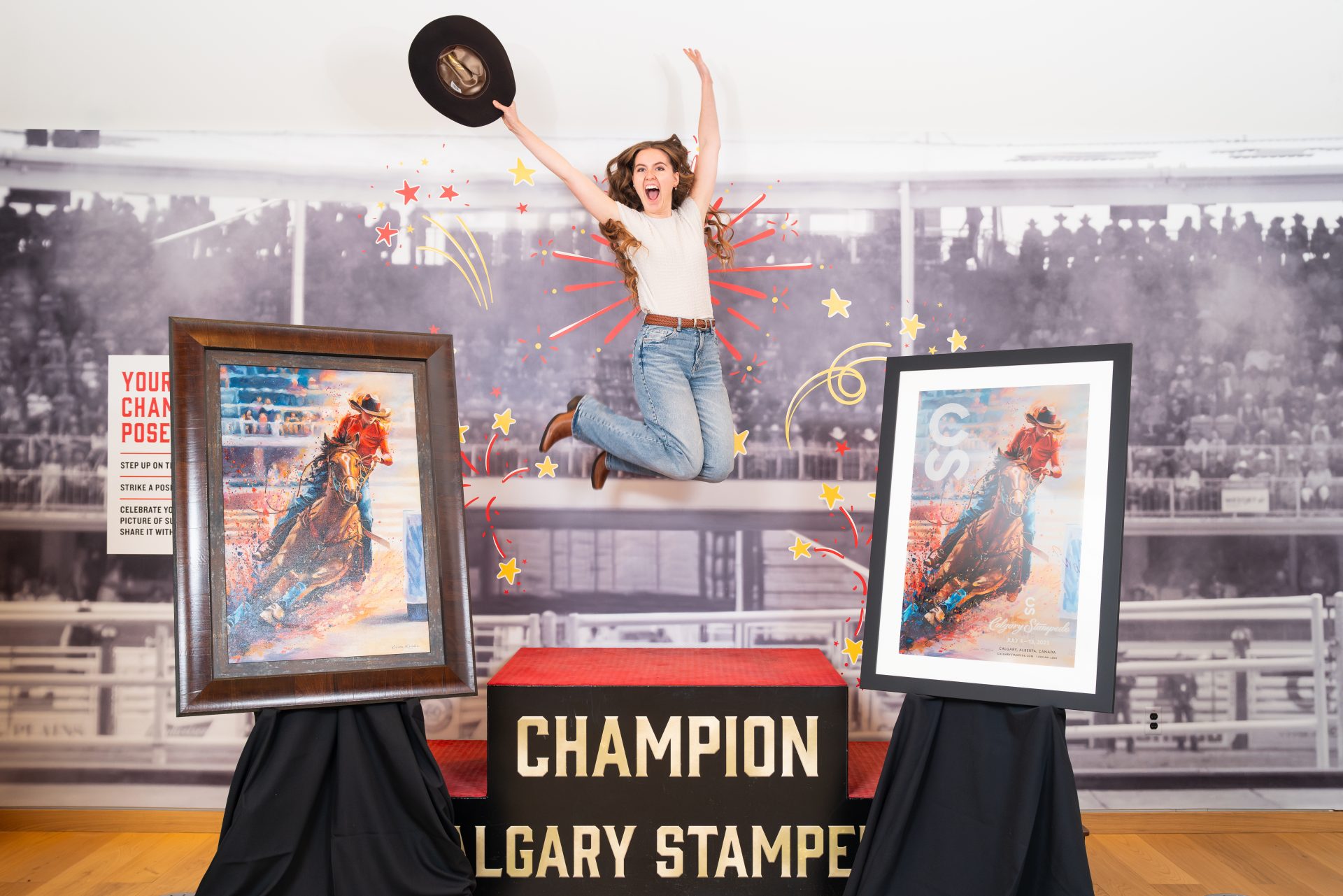
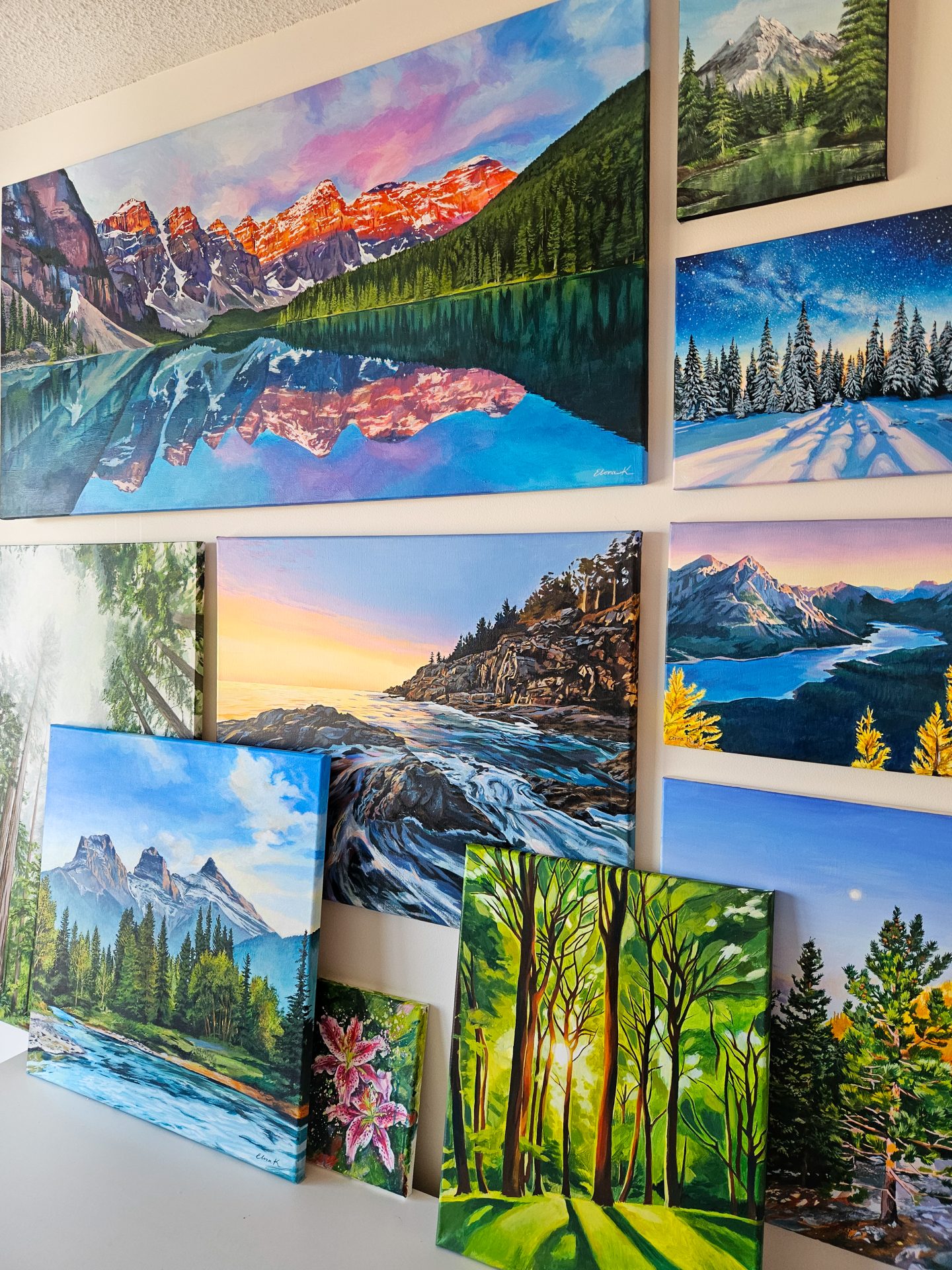
    Each year, the Calgary Stampede draws attention from around the world, not only for the historic rodeo but also for the iconic poster created to promote the event. With the Stampede now celebrating its 113th year, the posters have become valuable, collectible pieces of art; for artists, having a piece be used for this promotion is a career milestone. In 2018, the Calgary Stampede started the Youth Poster Competition, which offers education and guidance to young artists and, for the winner, the opportunity to showcase their work on the official poster. This year’s piece, which features splashes of color and the fast-paced action of barrel racing, was created by 22-year-old Calgarian Elora Kiddle. Titled Grit to Greatness, the piece captures the combination of determination and grace required to succeed in rodeo. In addition to education, the Youth Poster competition offers significant scholarship funds with the first-place winner receiving $10,000 for future education, and the total funds equaling $20,000 each year.

    Meet the Artist: Elora Kiddle 

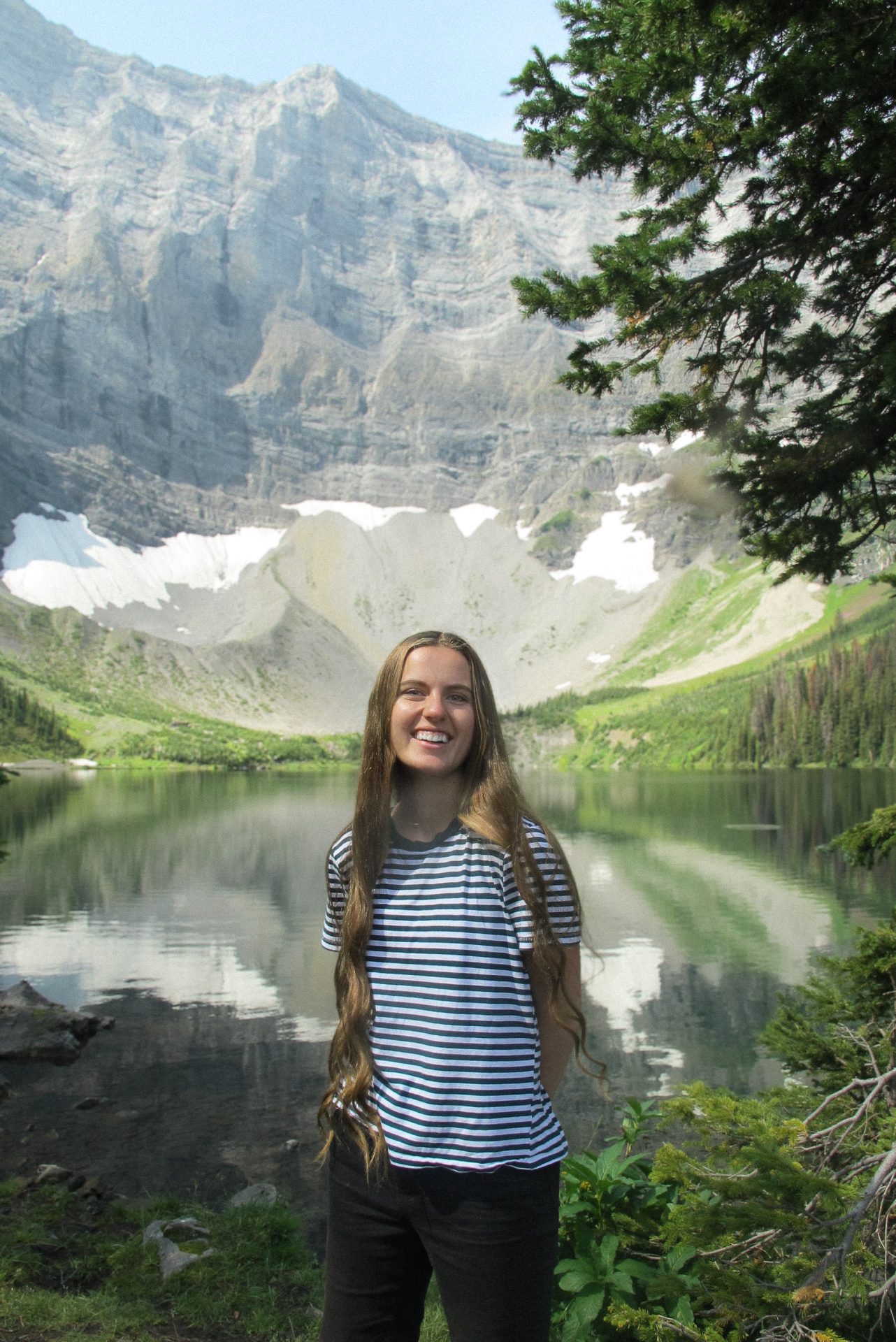
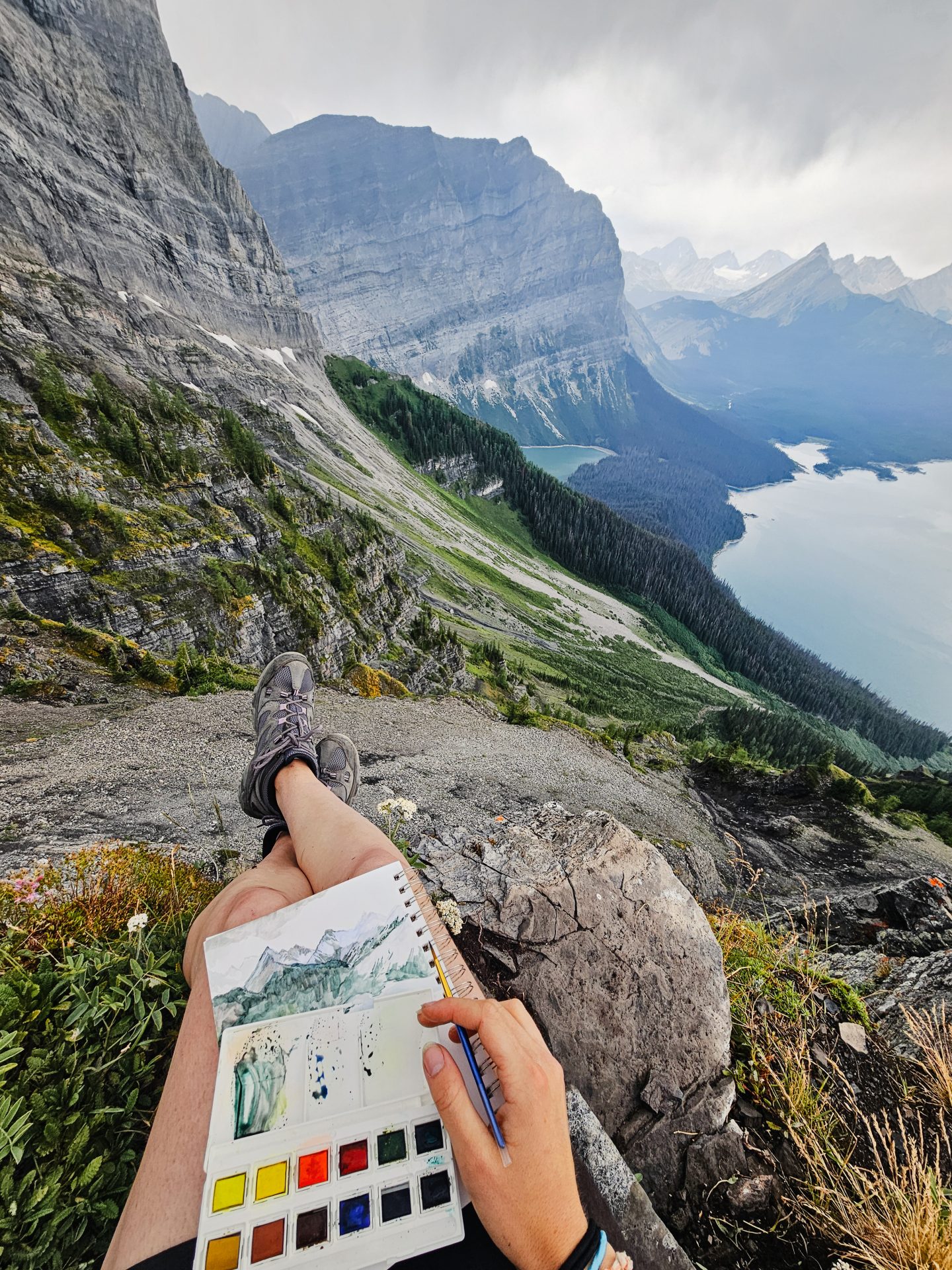
    Elora Kiddle was born and raised in Calgary, Alberta, and has been attending the Calgary Stampede with her family for many years. Her first job was working in the Grandstand at the Stampede along with her twin sister Emily, who is now a trombonist with the Calgary Stampede Showband. The recent college graduate has also been painting and creating since she was young, and after learning about the Youth Poster Competition in high school, she applied to participate. “I had a great high school art teacher who encouraged me to apply,” Kiddle recalled.

    Photo Courtesy of Elora Kiddle

    This was her third year participating in the program, which began with 30 applicants aged 15-24; eight young artists were chosen for the final round. In the previous two years, Kiddle took advantage of the program’s education, making it into the top eight and furthering her skills as an artist. The third time was a charm, and her piece was chosen as the official poster. “This year was finally my year, and I was just so excited,” Kiddle said.

    All applicants initially submit two pieces of work for consideration for the program. Once the top 30 are selected, they participate in educational opportunities and receive guidance from professional artists. Each participant creates a concept piece for the poster, and the top eight are selected for the final round. The idea for Kiddle’s winning poster came from a photo of Kellie Jorgensen on her horse Salty, competing at the Stampede in 2021. The photo caught Kiddle’s eye.

    “She just looks so fierce on her horse,” she shared.

    After being selected for the top eight, Kiddle started by drawing the base for her piece, which is 24 by 36 inches, and then completed it with acrylic paint, which is her favorite medium. A valuable part of the Youth Poster Competition is one-on-one guidance from professional artists; Kiddle’s mentor helped her fine-tune her painting, watching her work and offering advice on colors to add or proportions to adjust. “It was great to get actual critique from someone in person,” she said.

    Photo Courtesy of Elora Kiddle

    Kiddle explained that through working on pieces for the Youth Poster Competition, she has learned many skills. Getting the proportions of both people and animals right can be challenging, and her mentor helped her fine-tune this skill.

    “My mentor challenged me to adjust the figure in my work — not to mimic the photo, but to trust my eye. They explained that cameras can warp perspective, and what feels true to life often differs from what’s captured through a lens. I would practice visualization and figuring out what I felt looked right,” Kiddle shared.

    The 2025 poster is vibrant, with the dirt coming up behind the barrel horse depicted as splashes of color. Kiddle enjoys experimenting with bright colors, which acrylic lends itself to. Kiddle does commission work and will paint anything a customer wants. Much of her work is inspired by nature, which is vast and breathtaking outside her home city. She works as a graphic designer for a Calgary-based design firm, where she contributes to a variety of environmental and experiential projects. Her work often supports spaces like cities, airports and national parks, blending her love for travel, nature and visual storytelling. Kiddle shared that the Youth Poster Program’s value reaches beyond winning, and she encourages other young artists to apply. “I would say to go for it. You just have to push through, and there is no harm in trying,” Kiddle shared.

    Empowering Young Artists     

    The Calgary Stampede’s Youth Poster Competition is a unique departure from how many large rodeos obtain their yearly poster. Susan Arthurs, Youth Education Programs Manager for the Calgary Stampede Foundation, shared that the program was founded in 2018 based on an idea Dana Peers had while serving as First Vice President for the Stampede.

    “His vision was to bring a youth perspective to the way the Stampede is represented each year through the poster,”Arthurs explained.

    Simply putting out a call for young artists to create the artwork was an option, but Peers wanted to think beyond that — the Calgary Stampede poster is sent throughout the world to collectors, and becomes an iconic piece of Western history — so he suggested an educational element and mentors to ensure that the final piece is of the same quality as a piece that would be commissioned from an experienced adult artist. Following the formation of an advisory committee, the program was launched and has been evolving ever since. Kiddle is the seventh young artist to be selected.

    The scholarship monies awarded to the top competitors are through the Dustin Peers Memorial Scholarship, funded by the Brandon Flock Foundation. The winner receives $10,000, and the Brandon Flock Foundation also awards an additional $10,000 in scholarships across the competition, which is a total of $20,000 awarded annually to the top eight finalists.

    Photo Courtesy of Elora Kiddle

    Beyond mentorship and art education, the program also helps young people learn about the historic Stampede, as well as rodeo and agriculture. “This year, we organized a field trip for the participants to a ranch where they got to have an up-close and personal horse experience. There were bulls we were able to view. We also had a rodeo photographer come in and talk to them about tips and techniques for taking reference photos,” Arthurs shared.

    The scholarship money can be used in a number of ways, from undergraduate art programs to study abroad trips. The funds can also be used for endeavors outside of the arts. “They could be doing pre-med,” Arthurs shared. “It’s very generous, and is one of the largest scholarships in Canada.”

    Arthurs has enjoyed watching Kiddle advance through the competition.

    “Her confidence grew, and that confidence, boldness and creativity is really what came through in her artwork for her to become the 2025 Poster Competition winner,” Arthurs commented.

    The holistic vision of the Youth Poster Competition is something Arthurs values, too. “I really enjoy seeing people who come back year after year to participate in the competition with an open mind. They’d love to be the winner, of course, but they get so much more through their participation in the educational activities and the mentorship opportunities. You can’t put a dollar amount on the opportunity they have to work with professional artists,” Arthurs reflected.

    To learn more about the Calgary Stampede’s Youth Poster competition, please visit calgarystampede.com/postercompetition.

  • A Strategic Fourth of July

    A Strategic Fourth of July

    The road to the NFR is filled with more than just quality runs, diligent preparation and a strong mindset for success. It’s more than smart decisions regarding traveling partners or the time put into setting achievable goals that contribute to what you want out of the sport. For rodeo cowboys and cowgirls, success often begins long before they back into the box or settle down into the chute to nod their heads. It starts with a smart entry strategy that considers travel, logistics, available purse and, above all, feasibility. With hundreds of rodeos on the calendar, competitors must weigh in on decisions regarding stock quality, arena conditions and competition level. The Fourth of July rodeo run – also known as Cowboy Christmas – is considered one of the busiest weeks or months of the year due to the sheer number of rodeos that can be entered and the money up for grabs. Cowboys and cowgirls alike view this time strategically and plan their runs according to their set goals and standards for the year.

    Photo by Sam-Sin Photography

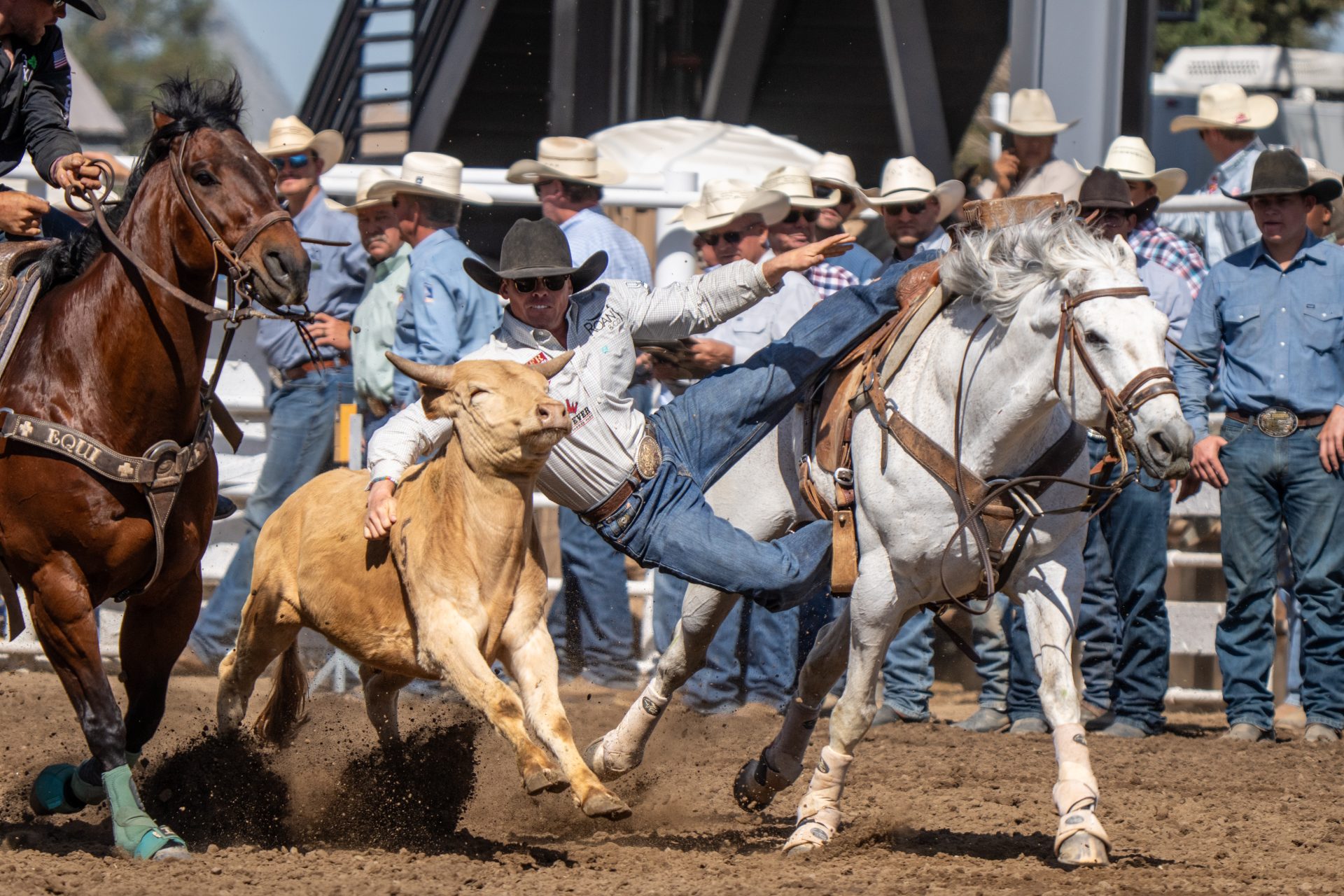
    Tucker Allen, 25, of Ventura, California, is a 2024 NFR steer wrestling qualifier and is well on the way to another qualification to Las Vegas this December. However, despite his strong start in the 2025 season, Allen is no stranger to the importance of a well-planned and executed Cowboy Christmas. To Allen,

    “The Fourth of July is one of the most important weeks of the rodeo season… some of the best rodeos are then, and it is important to work the big ones.”

    Allen furthered the idea that despite the importance of hitting the large rodeos, utilizing the vast number of smaller but well-run productions is equally as important to making the finals. As a steer wrestler, Allen takes into consideration his traveling partners, the logistics involved with travel, and the timing of performances and slacks. Allen will primarily be traveling with Justin Shaffer, Jace Melvin and Holden Myers during the 2025 season.

    When asked about his Fourth of July entry and horsepower strategies, Allen expressed that, often, they will leave horses with family and fly out to work other rodeos where they will mount out. According to Allen, “We always try to work certain slacks [over the fourth run] to make the rest of the week easier for Livingston [Montana], Red Lodge [Montana] and Cody [Wyoming].” It is no secret that the fourth run is hectic and can be classified as brutal for contestants. When asked how busy the month of July is in terms of running steers, Allen stated, “I think that is the easiest part of the whole week. You try and block out what has gone into getting to that rodeo and just do the best you can.” Allen furthered the idea by saying, “If it doesn’t work, all you can do is be ready for the next steer that day or that next morning or night.” Given the physical strain, Allen elaborated, “It’s always a given that you will be worn out mentally after the fourth, but physically, for our event, it’s not much of a toll since we are in shape and run lots of practice cattle.” Fundamentally, the Fourth of July rodeo run is instrumental in qualifying for the NFR; Allen stated, “The fourth is important to us and can almost ensure your ticket to the NFR if you hit big. You must take each steer one at a time and not carry the bad runs with you to win on the next one.”

    Photo by Sam-Sin Photography

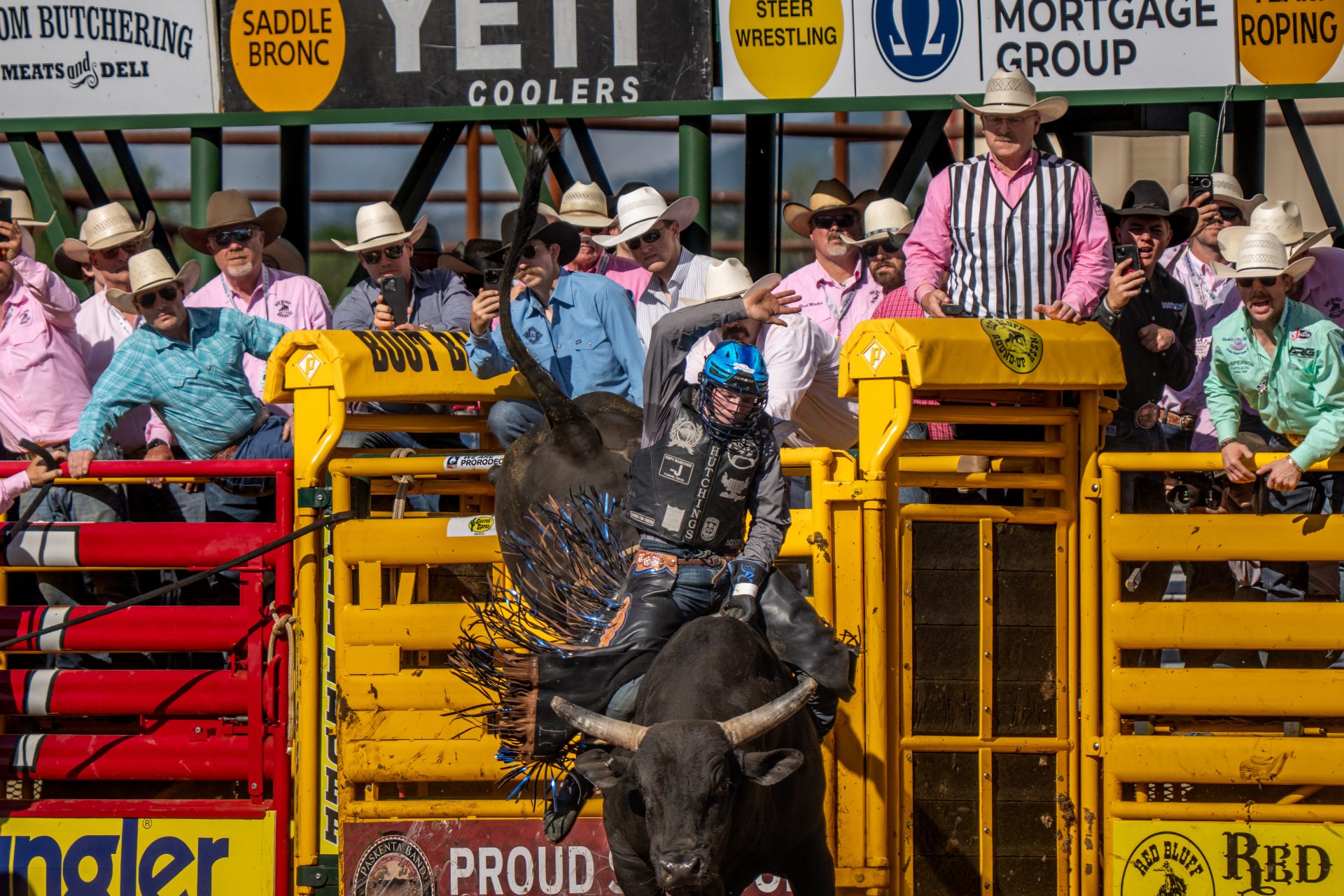
    Tristen Hutchings, 25, of Monteview, Idaho, is a three-time NFR bull riding qualifier with notable successes through NFR round wins, PRCA rodeo titles, collegiate championships and most recently, the 2025 American Rodeo bull riding title. As a rough stock competitor, the logistics of travel and the expenses associated with rodeo differ slightly in comparison to the timed event cowboys and cowgirls. However, the amount of opportunity and the need to plan strategically does not change, no matter the event you compete in. According to Hutchings, “There is a lot of opportunity when it comes to the Fourth of July … some people call it quits if they don’t have a certain amount of money won, but I’ve seen the Fourth of July make or break [a competitor].”

    Photo by Clay Noel Harper

    In terms of entry strategies, Hutchings expressed, “We go to the largest paying rodeos and make the [logistics] work. You might not trade all year, but you trade during the fourth.”

    Travel between flights and driving varies from contestant to contestant; however, Hutchings primarily “drives to everything… sometimes we pay for it in less sleep, but we have our home on wheels at the rodeos.” As for strategically planning in their entering, Hutchings, and his traveling partners “try and map it out” in a way that ensures the bigger rodeos are hit and that they are not overdoing it. The Fourth of July is busy, and according to Hutchings, “It’s nonstop. You never get a break, and it’s a great time to be on a heater!”

    Photo by Sam-Sin Photography

    Lisa Lockhart of Oelrichs, South Dakota, and 18-time NFR barrel racing qualifier has a more unique and substantial approach to the Fourth of July rodeo run to maximize profits and showcase her horses’ abilities. Cowgirls competing in barrel racing take into consideration the importance of Cowboy Christmas and its ties to an NFR qualification. Lockhart stated, “Ultimately, there is a lot of money to win in July and August… so you just never say never. It a perfect time to capitalize on some large venues, and so it is something that you plan strategically to fit your situation.” For Lockhart, the cowgirl primarily tries to fit her horses to which rodeos she believes they will excel at the best.

    Photo by Clay Noel Harper

    “It’s not always about what is the biggest rodeo, but where my horses have the biggest chance.”

    Horsepower is key to success within the WPRA barrel racing, and allowing the horsepower the chance to do the talking is necessary for a successful fourth and overall season. When asked about entry strategies to maximize the number of rodeos attended, Lockhart stated, “Quality not quantity. I’m very strategic in trying to plan my schedule where my horses are not worn out” due to the number of rodeos available at the end of July and into August. “I will strategize where I can hit as many good ones as I can and know they will fit my horses’ situations while still [prioritizing] rest.” For the NFR Barrel Racing Average Champion, in some years, the planning is very routine, while in other years, it can change. Lockhart continued with her grateful outlook on getting to compete in the Bad Lands circuit and the number of rodeos available in that region. The flexibility of schedules allows Lockhart to switch out horses or adjust her schedule depending on the needs of her and her four-legged athletes. A key decision factor that goes into Lockhart’s overall success as a barrel racer within the WPRA.

    Rodeo is a high-stakes sport where the wrong decision or lack of preparation can be the deciding factor between a gold buckle or the loss of one. The right decision can make all the difference between being crowned a champion or being sent home to try again the next year. Behind every ride or run is a careful calculation of travel routes, added money, stock draws, arena setups and overall competitive formats. No matter your level of competition, smart entry strategies are as essential as the ropes you choose to use, the way you set your feet or the decisions that go into a successful run. In the sport of rodeo, every second counts, and the factors that contribute to winning do not always start in the arena, but rather the choices made long before you pull through the gates of the grounds.