Rodeo Life

Category: Articles

  • Ken Etchieson

    Ken Etchieson

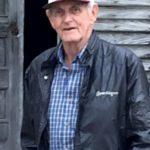
    It was the allure of rodeo life that drew Ken Etchieson to the sport.

    “I started out just like anybody else. I always had a love and a desire for the sport, enjoyed the people,” Ken said.

    He had an uncle who roped, and though he played other sports in high school, Ken was always aware of what it meant to be an athlete in rodeo because he grew up around the cattle industry.
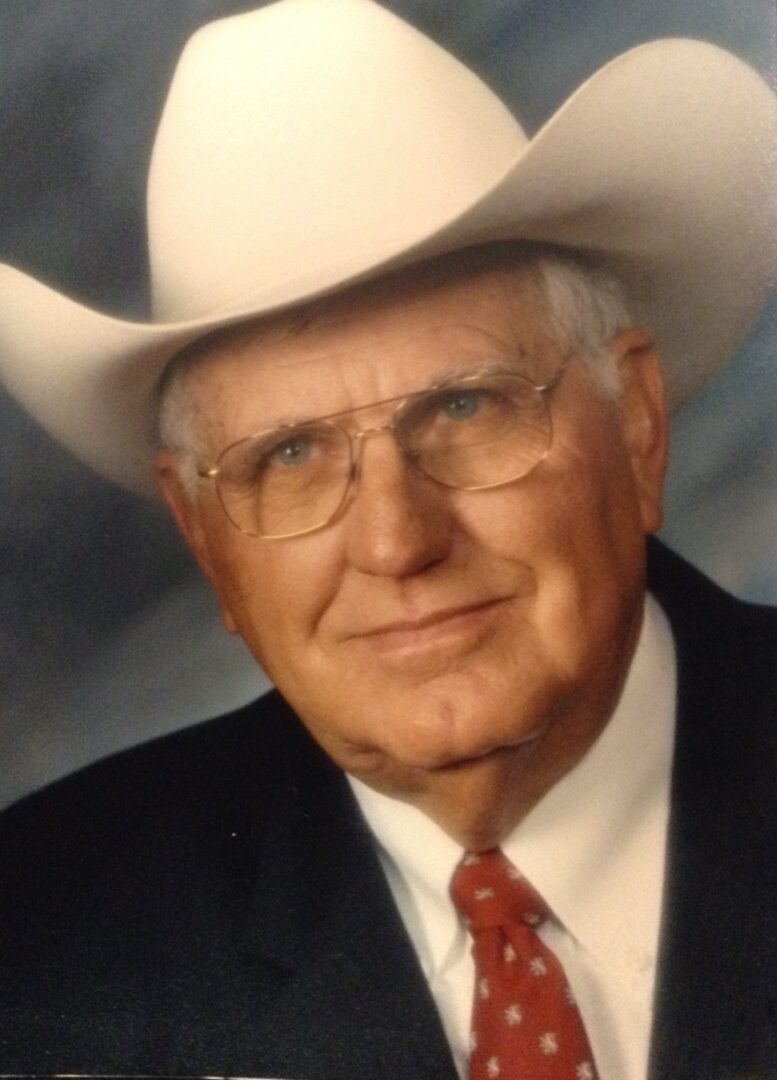
    Ken Etchieson

    Naturally, Ken set out to ride bulls at first, but quickly found he was better behind a microphone than a bull rope.

    Ken explained he didn’t have the talent to compete, but clearly, his love of the sport was just as great as any of the athletes’.

    “All I could do was talk about it, and therefore, the opportunity came quite by accident to start announcing rodeos through the miniature rodeo association.”

    This was back in the early 1960s, and starting with the very youngest in the sport made sense to the also green beginning announcer.

    “I figured to get somewhere I needed to start with a group of young people. I had a great affection for them as far as watching them develop, and away we went. I grew up with those kids literally from behind the microphone. So as they matured and went on, so did I.”

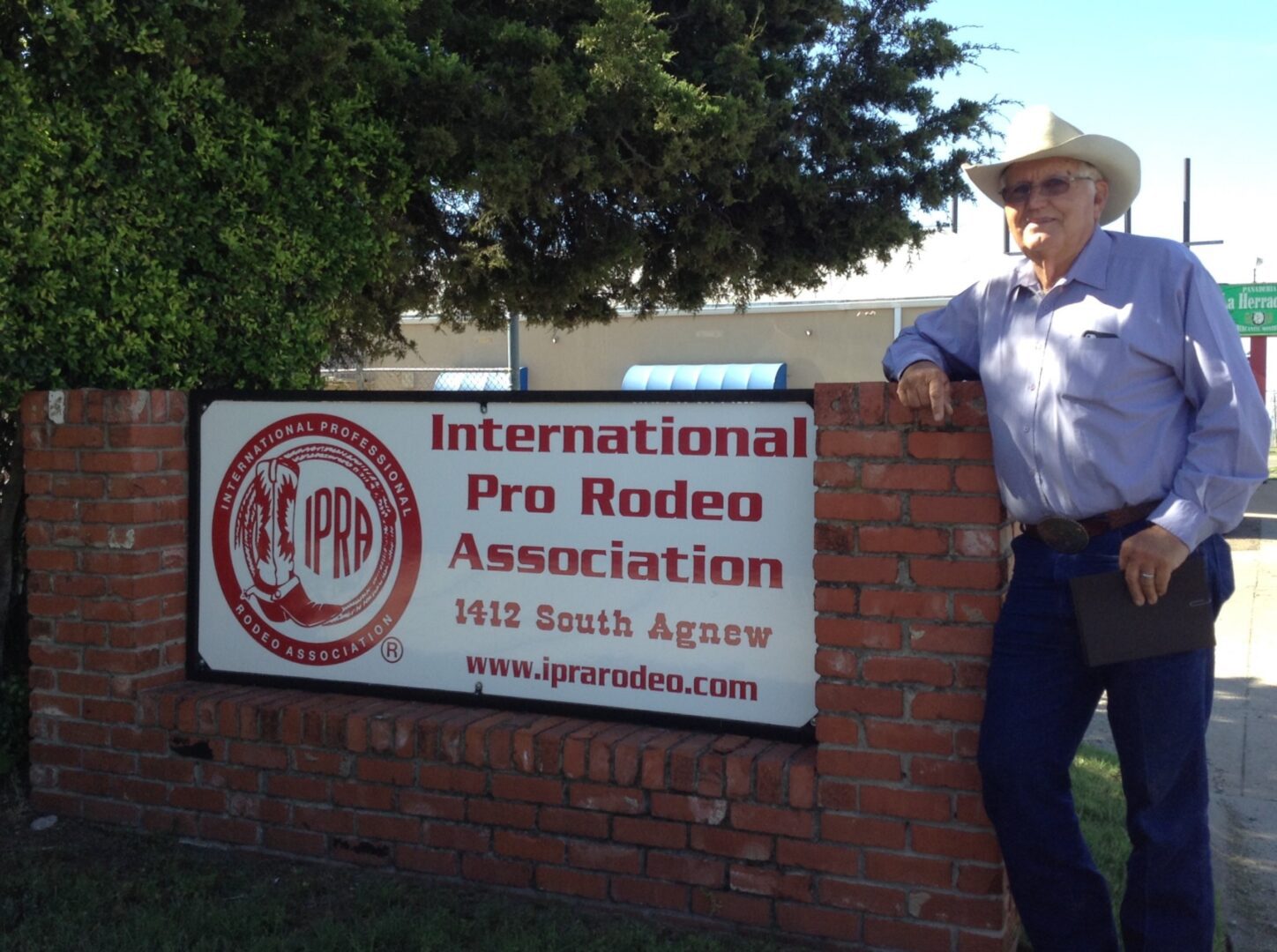
    This led to an in-depth and varied career in rodeo for Ken, who has been a staple of the International Professional Rodeo Association since its inception. He’s a gold card holder number 5383.

    Given his start with the youngest competitors in rodeo, it was only natural that one of his greatest successes later in life would also involve young people. Ken is a founder and creator of the International Finals Youth Rodeo.

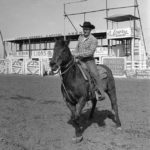
    Leading up to this was Ken’s longtime work announcing professional rodeo.
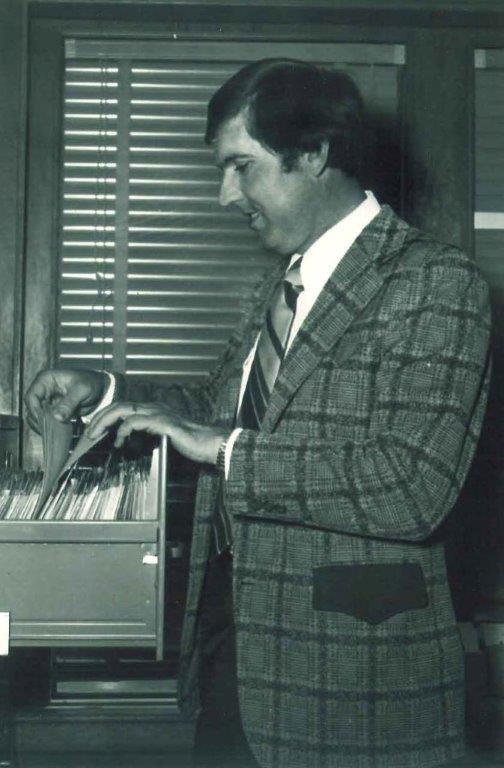
    Ken Etchieson

    “I started announcing a lot of rodeos, and I chased my own gold buckle like a lot of the guys chasing a world championship title. I wanted to go to the finals, and I did, and I got my buckle, but along the way I got involved in a lot of different aspects of rodeo,” said Ken. He announced IFR6, as well as worked as a producer and served as the business manager at the IPRA headquarters from 1973 to 1975.

    Rodeo was magic to Ken.

    “There was a uniqueness of the era in the ‘70s, the days of Bobby DelVecchio, and Rob McDonald and Dan Dailey. All of those guys I grew up with, and there was a mystique, a wonderment, about them, the way they cooperated with each other and anted up in a truck and traveled. I was envious of that in a way, but I could still tell about it. I could tell about the relationship and try to expand that knowledge to people out there that weren’t aware of what being a real cowboy was all about,” he said and added, “It wasn’t necessarily about riding a horse or roping a calf. It’s an attitude. It’s a culture. It’s a way of life.”

    That way of life afforded Ken the opportunity to travel and see a lot of different event facilities at fairgrounds around the country. That experience, coupled with his work back home in the construction field, equipped Ken with the tools needed to create a successful expo center in Shawnee, Oklahoma.

    “In order to build the expo in Shawnee the way we wanted it, we needed something big, we needed something to happen.”

    That “something big” was the National High School Finals Rodeo, which Ken and his team began pursuing in 1985.

    “We went after that with a dream, and through their goodness and the efforts of our community, we built the expo center with the sport of rodeo in mind,” he said.

    The impact of the event was good for the community, but the fact that the NHSFR did not have a permanent home and rotated locations every three years, made that impact a temporary one. Ken was already listening to the wants of contestants and parents and formulating something else in his mind, something that would become a mecca of rodeo for youth competitors.

    Going off the feedback that contestants were really interested in a rodeo with a direct payout, Ken and his team started the IFYR in 1993 with the help of the IPRA.

    “The IPRA became a very valuable partner, because they provided us with a means, a direction to go for personnel, stock etcetera… so there was a marriage there and through their hands-on [participation] that gave us the opportunity to be able to get contestant insurance and make things happen. [The IPRA] gave us a rule book, gave us opportunity.”

    Ken did not want the IFYR to be exclusive in that resulting opportunity. He spread the obligation and reward across the rodeo world involving many stock contractors and other personnel.

    “The amount of cooperation that all of those people put in to making this thing happen really contributed to its overall success,” he said.

    “We didn’t have anyone in the country putting it down, because there were so many people out there trying to make it work.”

    Those involved shared a bigger vision through the IFYR, Ken said.

    “We let a lot of people be able to come and participate. They were coming for a cause, because they wanted to see the sport get bigger and get better, and we wanted to expose the IPRA to a lot more people.”
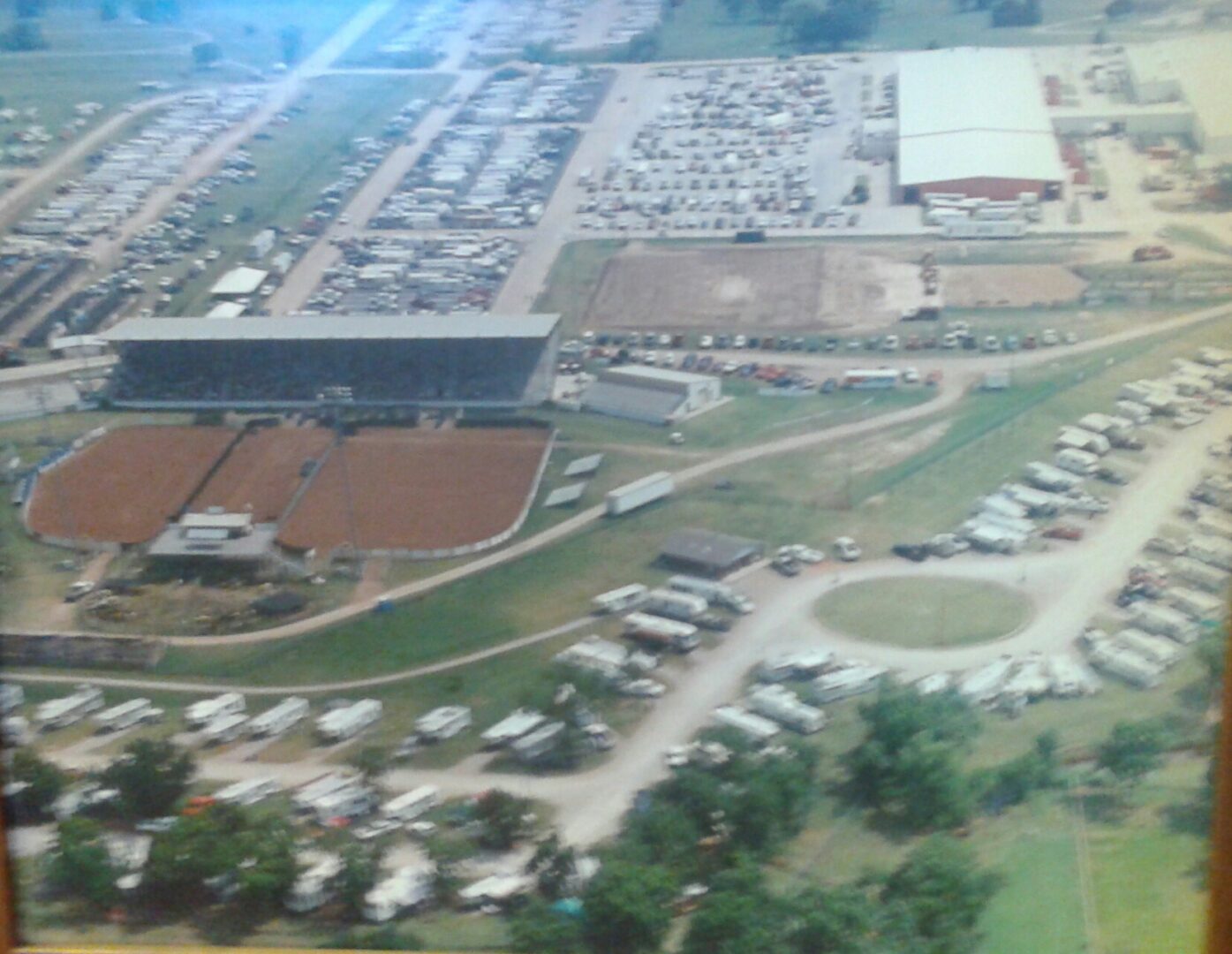
    IFYR, Shawnee, OK

    The IFYR has been a success. Ken’s goal was for the grandeur to become a pinnacle for youth rodeo contestants, and by the sheer size and excitement of the event, that goal has clearly been achieved.

    Many contestants have gone on to professional rodeo success in adulthood, but just as important, they’ve become successful in many professions, from the medical field, to politics, to working in finance.

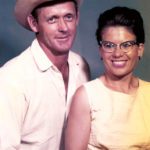
    Around 2006, Ken retired to enjoy being with his family, which includes wife Betty of 51 years and three sons, Bill, Russell and Justin, as well as eight grandchildren and two great-grandchildren.

    But he still stays involved in rodeo and the IP


    RA, giving committee seminars and pondering ways to help continue the growth of the sport he dearly loves.

    “It’s a great sport. My involvement with it over the years, the greatness of the people,” he said and added, “On an all-too-often basis I still think about [many well-known rodeo legends]. Those people were dedicated to the sport they loved, and that was the way I was. I loved the sport because of the personalities, the camaraderie, the involvement. They always had your back. They were there for each other. I had a lot of instances to see how they supported each other, and that’s really all that’s about.”


  • On the Trail with the Soileau Brothers

    On the Trail with the Soileau Brothers

    “I rodeoed and I loved it,” said Kent Soileau, from White Ville, Louisiana. “When my oldest son (Garrett) was 8, I decided he should rodeo and I built a rope pen and got a set of steers.” Life took over, and Kent didn’t push it. “We were farming and buying properties.” Three or four years went by, and Kent realized if he didn’t put rodeo as a priority, he was going to miss out and so were his boys. “They all agreed to plow the pen, get some horses and go again.” The hard work paid off and this year three of his boys are headed to the National Junior High and High School Finals. His wife, Sadie, was a city girl who came to the country.

    “I love it,” she said about rodeo. “I’m still not a horse person, but I get the clothes and the cooking together. I like seeing new places.” The family had never been to Tennessee and made the ten hour drive to Lebannon to watch their youngest son, Grant, compete. After that they will head to Gillette, Wyoming, to watch two other sons, Gavin and Gabe, compete at the National High School Finals.

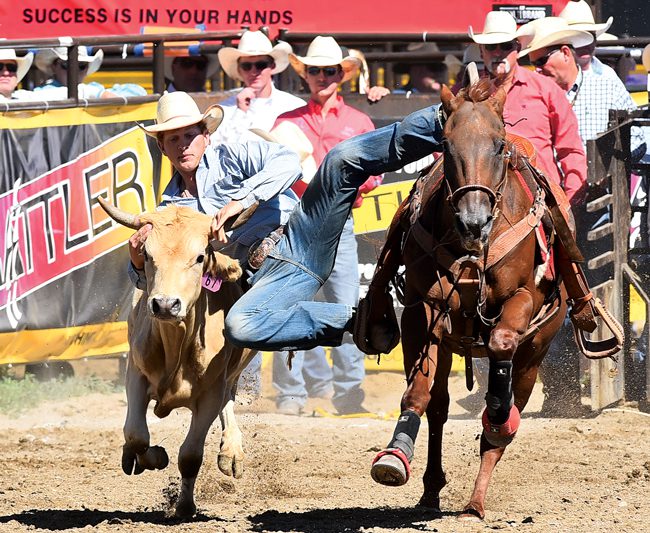
    Grant competes in team roping and chute dogging. He spends his spare time working on the family farm, where they grow rice, sugar cane, wheat, corn, and beans. They also run crawfish traps from February to mid-June. He likes working on the farm and plans to come back after obtaining an ag business degree in college. “It’s very hot and I like it,” he says of farming. Grant started competing when he was at the end of his fifth grade year. Before his first rodeo, he had practiced for about three months. He learned from his dad and family friend, Tom Carney (Steer Wrestling 101). “It looked fun and it was a challenge,” said the 14-year-old, a ninth grader at Sacred Heart High School in Ville Platte (11 miles away). “When I went to Tom’s school, I didn’t know anything about bull dogging; I didn’t want to go. I just wanted to practice team roping. But now that I’m bull dogging I like it a lot, it’s a lot of action.” Grant believes that if you want something, you have to work hard for it, and with that, he practices a lot. “I get up every morning, I practice, and every night we are bull dogging – every time it doesn’t rain and our pen is dry enough.” Grant is the red headed youngest in the family of five. “I have a sister (Lainey, 21) that is a red head, and my older brother (Garrett– 19 about to turn 20); he doesn’t rodeo. When we started he was about to graduate so he didn’t rodeo. He’s going to college for Ag Business and working on the farm.” Grant has met a lot of friends through rodeo, and when he’s not practicing, rodeoing, or working on the farm, he likes to go swimming, four wheeling, fishing and duck hunting. He works hard not to be in the shadow of his older brothers. “We ride different and we swing our ropes different, but we still help each other out.”

    Gavin is two years older than Grant and made the National High School Finals for the first time in the team roping as a heeler. He went into the Louisiana High School Rodeo Finals in the tenth hole in the team roping and ended up in the fourth hole going to Nationals. Gavin works on the farm, and he spends most of his time practicing. “We go to school and when we get home we crawfish or practice. In the summer time, I help my dad drive tractors, plow, shred, or get the cane ground ready.” His least favorite thing to do is pull red rice. “It’s hot and sweaty and my arms get cut up.” Gavin is going to be a junior and school is not his favorite to do. “There are other things I’d rather do, like rodeo or hunt or fish or drive around in my truck.” The 16-year-old drives a 2013 2500 GMC. “It was my dad’s older truck and he gave it to me and got a new one.” His dad is insistent that his sons practice. “There are days I’m lazy and he makes me go,” said Gavin, who wants to be a vet or come back to the ranch and be a foreman. Gavin stared rodeoing in the 8th grade. “We never really got into the competition big – we went to some smaller ones, and we were showing goats and we had some friends that rodeoed and we decided to do it.” Gavin is hoping to be a National Champion – and is preparing for it. “We rope our machine and even though we just got a big rain, we will get out there again and prepare for the finals.” His hero is Ote Barry. “He’s a four time world champion steer wrestler and came back to go the American and did pretty well.” He has learned along the way the he can’t look at what everyone else is doing, he just needs to be the best he can be. “I have the want and drive to get better, and reach the full potential of what I can be.”

    Gabe is the oldest in the family that competes. “I try to help my brothers in any way I can and make sure they do everything they can when we practice,” said the 18-year-old. “I want us all to succeed. When we practice, it’s me, Gavin and my dad. My dad works the chute. Gavin hazes for me and I haze for him and we haze for Grant, who just stared jumping steers. We do all the ground work first.”

    Gabe is heading back to the National High School Finals Rodeo to defend his 2015 Steer Wrestling Championship. “It really didn’t sink in right away,” said the recent graduate from Sacred Heart High School of his win last year in Rock Springs, Wyo. He is concentrating on making sure he is focused this year. “I am preparing myself as best I can to compete. It is more muscle memory – if I prepare myself the right way it’s easier to compete.” He slides the stick, jumps the dummy and chute dogs before he ever jumps a steer on a horse. He typically practices two to three hours a day. “I don’t practice every single day, but I do, at least three or four times a week.” He believes the horse has a lot to do with everything. “I have a lot of good luck with my horses. For a horse, you’ve got to get along, and me and my little brother can’t ride the same horses, we don’t always get along the same.” The horse he rode last year is Kid Rock, a horse he owns. “I bought him right before state finals last year and rode him at state finals and that was the first rodeo I rode him at. I bought him from Marcus Theriot (2016 CNFR All Around Champion) – he had three bull dogging horses at the time and he sold him. I got along with him right away.”

    Gabe will head to college at Mcneese State. “It is close to home and I always wanted to go there. Half my friends and my brother go there.” He will study Ag Business and will come back and work on the farm with his dad. “My older brother is doing the same thing.” Unlike his older brother, Gabe plans to college rodeo and once he graduates, he will get his card and travel around and see how it goes.

    Next to their dad, all three boys count their grandpa Melvin as their hero. “He’s always worked hard his whole life and he’s never quit. He’d put his mind to something and he would do it.” All of Kent and Sadie’s children have the same determination and drive. “The perfect day is waking up healthy, having my family around and being able to do the things I love, rodeo and farm,” said Gabe.

  • Back When They Bucked with Vernon Dude Smith

    Back When They Bucked with Vernon Dude Smith

    [ The Smith family’s only bootprint in the horse world was a great-great-grandfather who traded horses, but that all changed when Dude went to watch his first rodeo. ]

    Dude Smith was 13 years old when he stuck a blue-jeaned leg over his first bucking bull. In actuality, it was a milk cow tied to the fence. But for the teenager from Burkburnett, Texas, it was the start to a rodeo career that would give him the love and friendships of a lifetime, and the honor of being inducted into both the Texas Cowboy Hall of Fame and the National Cowboy and Western Heritage Museum’s Rodeo Hall of Fame.
    Born Vernon Smith, Jr., in 1928, he was the oldest of three sisters, Geneva, Anita, and Kay, and a brother, Billy. Neither Dude nor his dad, whom he was named after, had middle names, and went by Big Dude or Little Dude to tell them apart. The Smith family’s only bootprint in the horse world was a great-great-grandfather who traded horses, but that all changed when Dude went to watch his first rodeo. “I told my mom that’s what I wanted to do, and she told me I didn’t know anything about rodeo,” Dude recalls. “And I told her those cowboys didn’t know anything about it either at one time!”
    Dude rode one bucking bronc that year, but nearly didn’t make it to the chutes again after he tried to join the U.S. Navy. “I lied about my age and tried to join up, but they caught me,” says Dude. “That was just before Pearl Harbor was bombed – a few people I knew lost their lives there.” Soon after, Dude was given a 4F by the draft board after he was kicked while playing football, which broke an artery in his leg. One hospital was ready to amputate it, but another doctor was able to operate and repair Dude’s leg, cautioning him to never do anything that would bump it.
    But Dude wasn’t long out of the hospital bed before he was back in the arena, finding work for rodeo producer Paul Long in Kansas and running the rodeo arena for Floyd Reynolds of Montgomery, Ala., doing his own rodeoing on Saturday nights. Dude’s first jobs as a child were carrying water jars in wet tow sacks to field hands for 50 cents a day, or pulling a funnel wagon which carried grain. But in 1947, he and several friends, including Neal Gay and Wiz Whizenheimer, decided to head north and east to the larger rodeos, and Dude sold a cow he owned to his dad and used the money to buy a ticket to Philadelphia. “I sat on the airplane with my nose on the glass and wondered how much better it could get,” says Dude. “I had on boots with more tape than leather holding them together, and I went on to compete in Detroit and New York. I’d never seen that kind of money in my life.” He competed in 53 performances in 30 days in the Madison Square Garden rodeo, having joined the Cowboys’ Turtle Association just before it was named the RCA. He recently received a buckle from Montana Silversmiths for being one of the four oldest gold card members – #159.
    Dude competed in every event but team roping, mainly entering the bareback riding, bull riding, steer wrestling, and wild horse mugging. “I loved riding bulls, and I could ride broncs, I just wasn’t as classy as the other guys. I travelled with Casey Tibbs for a while, and if I got lucky enough to draw and beat him, he’d say we didn’t go to that rodeo,” Dude says with a laugh. “There was one bull, Iron Ore, that I got on all the time, and I never rode him. He wouldn’t hook me, but he’d look at me like I was dummy to keep trying. When I leave this world, he’ll be on my headstone – I thought he deserved to be the winner of the deal.”
    Dude saw much of his success in the steer wrestling, winning the event at Cheyenne Frontier Days more than any other rodeo. The greatest thrill of his steer wrestling career was in 1953, when he was invited to compete among the top 25 steer wrestlers in the world in Grady, N.M. Another high point came in the early 1960s, when Clem McSpadden, as part of John F. Kennedy’s “Partners of the Alliance” exchange with Mexico, asked Dude to go with a group of cowboys from Oklahoma to aid cities in Mexico and put on a rodeo. “During the rodeo, they brought out a pretty nice steer and a Mexican fighting bull that probably weighed 850 pounds,” says Dude. “I was able to throw that bull, and everybody threw their hats in the ring and hollered I could be president of Mexico!”
    Yet one of the greatest events of his life was when Dude met his wife, Frances, in the late 1940s. She was performing with a horseback square dancing team in Burkburnett when Dude met her, and they married in 1950. “I chased her for a couple of years and finally got her hemmed up, but it wasn’t easy!” says Dude. “After that, it lasted pretty good. She was one of the greatest horsewomen there ever was.” A barrel racer, Frances qualified for the 1967 NFR in Oklahoma City – the first year barrel racing was added to the finals – and won the World title. She was also a member of the AQHA and won titles in the both the junior and senior divisions, along with keeping books for rodeo producer Ed Curtis. She and Dude rodeoed together for nearly 20 years, crisscrossing the plains of Kansas, Oklahoma, Texas, Nebraska, and even into New Mexico. Dude finished 16th in the world in steer wrestling in 1966. “But I never really rodeoed to be a world champion,” he says. “My dad told me it was better to be a big fish in a little pond than a little fish in a big pond, and I hardly remember going to a rodeo I didn’t win.”
    One of Dude’s greatest horses was Scooter, born the same year he and Frances married. The horse was a gift from Dude’s father-in-law, and he was Dude’s mount in the steer wrestling, also winning Frances a barrel racing saddle in Mesquite, Texas, after her horse went lame. In his later years, Scooter went on to teach many kids how to steer wrestle and high school rodeo.
    In addition to competing, Dude ran footraces to earn extra money on the road, and he worked as a pickup man, arena director, and even an arena policeman. “We had to keep people back from the arena a certain distance,” Dude explains. “In Cheyenne, people would bring their blankets and set up in the roping box end of the arena. I helped anywhere they needed me. Sonny Ringer was the arena director for Beutlers when I helped them. He carried a pair of pliers in his pocket, but if I couldn’t get a steer to go in, I’d just bite his tail!”
    When Dude decided to retire from rodeo in the 1970s, he started training racehorses in Texas. “Frances didn’t understand how I could like training horses, since I didn’t get to ride them, but I told her when the horses crossed the finish line first you’d get goose bumps an inch high!” He and Frances had two sons, Mark and Vern. Vern went on to ride bulls after high school and qualified for the NFR in 1980 , but Mark passed away in 1973. He was driving home on a three-wheeler when a pipe fell off a passing truck and hit him. “I lost everything for a few months,” Dude remembers. “But between my friends and the Lord, I got myself on the right track.”
    Dude and Frances made their home for many years in a house near the Red River but later moved to higher ground in Burkburnett. Their son Vern now lives near the river and runs cattle with his wife, LaDonne, who college rodeoed on a scholarship. Dude lives with his granddaughter, Sage Smith, who barrel races, and trains and sells horses. She won the BFA World Championship in 2003. Dude and Frances were married for 63 years before she passed away in 2013, and she was inducted into the National Cowboy and Western Heritage Museum’s Rodeo Hall of Fame in 2014.
    Along with his immediate family, Dude continues many friendships with his rodeo family, and continues to run a small trucking business. “When I first started rodeo, Neal Gay was my closest friend, and he still is,” says Dude. “We’re like brothers.” He feels he competed in the greatest age of rodeo, where camaraderie was staying with families in the same town as the rodeo – some of them barely acquaintances – and hospitality was an ice box full of beer and a plate of chicken or steak. “I worked with committee men and contestants, and we were one big family. I never went to the National Finals, but I would venture to say I wound up better off than a bunch of the gold buckle boys.”

  • Thoughts on Attitudes

    article by C.J. Aragon, 2010 NIRA Coach-of-the-Year, Odessa College Rodeo Coach

    Each year as the college rodeo season starts, we ask our students to step up their game and improve. As coaches we want to see studenWEB_IMG_2618
    ts be successful, we want to see them improve, and we want to see them compete at a higher level. This is what is so exciting about the beginning of the season to see how much students can improve.
    Most Coaches know, and have a feel for the talent level of students and will ask students to do things that will help them reach their potential. However some of the most improved students each year are not the most talented on the roster. The most improved students are usually the ones with the best attitude, and willing to make a daily commitment to improving.
    Some students have a great attitude and embrace the challenge presented to them by their coaches. These are the students that set high goals for themselves and are willing to work hard to reach their goals. They are willing and excited to work hard in practice every day. These are the students that coaches love to have in any sport. These type of students have made a commitment to themselves, their team and their coaches and are willing to do what is needed to be successful. They may not be the most talented but these students usually rise to the top fairly quickly.
    These type have a “Can do attitude.” When you get these type of students you are excited to see them grow and reach their potential.
    On the other hand there are students who will tell coaches “I can’t.” When the talent is there and students say “I can’t” do that what is simply means is that the student simply will not make the commitment and put forth the effort to reach their potential. Their attitude has determined their potential and how much they can improve. These students will rely on their talent and usually will not work hard consistently in practice. Their attitude will go farther in determining their success than their talent.
    The attitude and commitment is a critical determining factor in your success in any sport. Students with a great attitude and a commitment to improve will be easier to coach, and work harder to be successful.
    It is much easier to coach a student with a great attitude and a commitment to improve.
    Too many students come to college relying on their talent. Students who have a positive attitude, a commitment to improve and a good work ethic the will find their way to the top over those with talent and a poor attitude.
    Your attitude may be one of the most essential keys to your success. Make sure you have a good one.

    C.J. Aragon was named the 2008, 2009, 2010, 2011 Grand Canyon Region Coach-of-the-Year. 2014, 2015 WJCAC Coach-of-the-Year and 2010 National Intercollegiate Rodeo Association Coach-of-the-Year.

  • Accountability

    article by C.J. Aragon,
    Odessa College Rodeo Coach

    WEB_IMG_2618Rodeo is the ultimate accountability sport. The principle of accountability in rodeo is very simple you are responsible for your results. If you are winning you are responsible, if you are losing you are still responsible. Rodeo is a sport where your performance dictates your accountability. Pretty simple concept for most to understand.
    With many however it seems to be easier to defer accountability and use excuses. Here are just a few that I hear often.

    “I drew badly and didn’t win.”
    “The ground was terrible.”
    “The judges don’t like me.”
    “My horse didn’t work.

    There are many more I could add to the list but these are some of the most popular. For those who use them I have some simple responses…
    The draw is the same for everyone, everyone will draw good at times and bad at times. Sure, you will not always draw an animal that you can win on, but you can do your part to make the best possible run or ride on what you have drawn. If you find yourself using the draw as an excuse repeatedly, maybe you are not prepared and need to hold yourself accountable.
    For those who complain about the ground, chances are if it was bad for you it was bad for others as well. The winners likely found ways to work around the ground conditions. Don’t let this be a constant excuse or start entering places where the conditions favor you.
    If the judges don’t like you find out why. Is it your attitude towards them? Is it something you say or do? Is it the level or respect you show the judges? Could it simply be they see your riding differently than you do? You can’t control the judges, however you can control your actions in and out of the arena which may help you with the judges in the future. Be accountable and act professional and chances are you will see a difference.
    Your horses didn’t work at the rodeo? If this is a regular excuse you need to use maybe you should find someone who can help you with your horsemanship skills. Be accountable and improve your skills.
    Accountability is one of the building blocks of a successful athlete. In rodeo this is especially true, you are solely accountable for your actions in and out of the arena. (You can blame your partner in the team roping, but who made the decision to enter with them?) Those who embrace accountability and use it as a tool to get better will excel in all areas.
    As a coach I remind students that they are accountable in many areas of their life. Students are accountable for their grades. As athletes they are responsible for their performance in the arena and the practice pen. In reality you are accountable for everything you have control over in your life.
    Rodeo is not like many other sports, you have no teammates that can cover a bad performance. You are truly accountable for your actions and decisions. You either embrace accountability or make excuses, accountability leads to progress, and excuses lead to the need for more excuses in the future.
    Embrace accountability and you will be on your way to success.

    C.J. Aragon was named the 2008, 2009, 2010, 2011 Grand Canyon Region Coach-of-the-Year. 2014, 2015 WJCAC Coach-of-the-Year and 2010 National Intercollegiate Rodeo Association Coach-of-the-Year.

  • 20 Things

    article by C.J. Aragon,
    2010 NIRA Coach-of-the-Year, Odessa College Rodeo Coach

    WEB_IMG_2618As a coach I always get asked what I think students need to be ready to be on a college team. After many years of coaching and keeping notes from meetings here is a list of things I think students need to be aware of to step up to college level competition. They are in no particular order…
    1. Set goals and work towards them. This will be your roadmap to success. If you don’t have goals you are just dreaming of being good. You hear it all the time for good reason, setting goals works.
    2. Stay focused at practice. Just showing up to practice is not enough. Have a plan and use practice to improve every day. Your goals should be directly tied to your focus at practice.
    3. Challenge yourself at practice. You will see bigger improvements when you challenge yourself daily. Don’t just run the good cattle or get on rough stock you know you can ride. Challenge yourself in practice.
    4. Don’t be the one whining about practice or coaches. If you have the opportunity to practice make the most of it, there are others who would love to be in your place. Utilize your coaches and practice opportunities.
    5. Go to bed before midnight. Get your rest. Go to class and practice charged up and ready to go to work. If you want to be a professional cowboy this is your job, treat it as one.
    6. Don’t be the students who only practice hard the day or a few days before a rodeo. You will not make improvements practicing the just a day or two before a competition. You will see better results if the work is done months and weeks in advance.
    7. Give 100% in practice. If you are not giving 100% in practice you are wasting your practice and taking practice time away from others. Practice as intense as you compete.
    8. Drinking and partying. A lot of talented athletes are beat before they ever step inside the arena because of their drinking and partying habits. You may think it doesn’t affect you, someday you will realize you are wrong.
    9. Quit worrying about your competitors. Go to the rodeo and take care of your business, don’t worry about everyone else’s.
    10. Students who only work on their strengths in practices. Work on every aspect of your event or events not just your strengths. Be aware of your weaknesses and improve them.
    11. Don’t make excuses. If you didn’t do well figure it out, make adjustments and improve. Excuses do not help you improve.
    12. Not going to class. For high school and college students this is a must. Take care of your business in the classroom so that you can compete at the rodeos.
    13. Students need to take constructive criticism from the coach/parent well. Instead you believe you are getting picked on. Coaches and parents want to see you do well, they are trying to help you be your best. Be coachable.
    14. Skipping practices and taking days off. Make sure your work ethic is on the same level as your goals. At some point your actions speak louder than words or goals you have. Your actions should be on par with your goals.
    15. Don’t be the one going to rodeos for the social aspect. If you are going to the rodeo to hang out with friends and make a social event of your trip, YOU are the added money.
    16. Believe what other contestants tell you about your draw. Keep your own list, watch the start for yourself, and watch the stock for yourself. Keep your own list, do your own homework.
    17. You should not expect to do something at a rodeo that you haven’t already done in practice. Don’t expect to do things at a rodeo that you can’t do, or are not willing to do in practice. Do great things in the practice pen and you will start to see great things happen at rodeos. Dream big and practice hard to get there.
    18. You need to spend time in the weight room. You are an athlete and if you want to be at the top of your game you need to treat yourself as one. There are benefits for you no matter what event you compete in.
    19. Don’t have a boyfriend/girlfriend that distracts you from your goals. Just don’t let this be you.
    20. Learn time management skills. Learn to manage your time and run a schedule. Classes, Practice, Work, Gym, Sleep and anything else on your schedule need to managed and prioritized. Set your priorities and manage your time well.
    To be a valuable asset to a rodeo program you will need to contribute to the team. Hopefully this list will help.

    C.J. Aragon was named the 2008, 2009, 2010, 2011 Grand Canyon Region Coach-of-the-Year. 2014, 2015 WJCAC Coach-of-the-Year and 2010 National Intercollegiate Rodeo Association Coach-of-the-Year.

  • Work to Win

    article by C.J. Aragon,
    2010 NIRA Coach-of-the-Year, Odessa College Rodeo Coach

    WEB_IMG_2618From what I have witnessed as a coach, those who work hard win. It is that simple. There are no big secrets about it, and the formula will hold true in all aspects of your life. If you work hard and diligently you will be successful. It may take time, there will still be ups and downs, but hard work will always lead you to a better place.
    I have seen talented students not reach their potential because they were not willing to work. I have watched as students with marginal talent simply outworked the competition and found ways to win. Hard work is a great equalizer of talent.
    Many of today’s top rodeo high school and college athletes think they will get by on talent. They were successful in high school on talent, and they expect the same results in college and even on the professional level. As an athlete you will progress through the levels of rodeo from high school, college and on to professional, two things will noticeably increase, the talent level of the competitors and the amount of work they put in their craft to compete at a high level. Many high school, college and professional rodeo contestants believe they can be a rodeo star, but they are not willing to do the basic work that it takes to ascend to the next level of competition.
    Successful work habits are not just in the arena, they should carry over to all aspects of your life. You should work hard in the classroom. Successful work habits should carry over when you are being paid for your time. Working hard is a great habit to develop and use every day.
    Here is a simple question I pose to many of my student athletes every year. “Are you the hardest worker on this team?” If you are the hardest worker on the team you are setting the bar for everyone else. If they answer that they are not the hardest worker on the team, the question is a simple one. Why Not?
    Can you honestly expect to beat someone like Trevor Brazil if you are not willing to out-work him? If you honestly believe that, you had better be phenomenally talented and extremely lucky. You can choose most of the top rodeo athletes, and none of them are there by accident. The qualifiers to the WNFR have put in weeks, days and hours of work to get where they are. Don’t let the brief time you watch them in the arena fool you. For every second you watch there is a long and dedicated story of hard work that got them to that point.
    One of the basic goals that everyone needs to have is to be a hard worker. By being a hard worker you are dedicating yourself to being better at your craft. Your dedication will be contagious and you will find like-minded people will soon surround you.
    Most competitors wish for success, those who truly want it will WORK for it.
    C.J. Aragon was named the 2008, 2009, 2010, 2011 Grand Canyon Region Coach-of-the-Year. 2014, 2015 WJCAC Coach-of-the-Year and 2010 National Intercollegiate Rodeo Association Coach-of-the-Year.

  • The Benefits of College Rodeo

    article by C.J. Aragon,
    Odessa College Rodeo Coach

    WEB_IMG_2618Last week I had a recruit on campus and partway through the campus tour he said that he wasn’t sure he wanted to go to college, and that he thought he would just start going pro rodeos. Then he asked me my thoughts on going to college. I am not sure he was ready for what I had to tell him.
    My first advise was this: if you are not serious about earning a degree and are just going to college to rodeo, don’t pretend to be a college student, you will not do well and it can hurt you later when you may want to really go to college.
    Competing in College Rodeo is a great opportunity. Here are just a few of my thoughts on the benefits of college rodeo.
    College is a place where you can discover what you want to do in the future. Many times your career path that you chose when you graduated is not the same one a semester or two into college. By being able to take classes that you choose, you are able to explore your options. Don’t be afraid to step out of your comfort zone and take classes that you are interested in. Just because you are a Kinesiology major don’t be afraid to take a business class.
    College rodeo gives you a great chance to network which will help you either as a professional cowboy or as a business professional in the future. Many of the people that I competed against in college rodeo have gone on to be very successful and those contacts still benefit me today. Some have been to the WNFR many times, others have become very successful in the business world either way they people you meet in college rodeo can be an great resource. You never know what paths you may cross with the people you meet during your college rodeo career.
    In college you will learn some lessons that will help you in all aspects of your life. One of the first lessons you need to learn is to manage your time. For a lot of students the first lesson is the one that is the downfall of their college and later professional careers. Your development of time management skills will prove to be valuable. As a college rodeo athlete you need to manage your class and study time, practice time and social life. Your prioritization of these will go a long way in determining your success as a student and an athlete and even later in life. The sooner you can learn this lesson the better.
    College rodeo is a stepping stone; the competition is a step up from high school rodeo and a step below pro rodeo. If you have dreams and aspirations of making it on the pro level you should be able to have plenty of success on the collegiate level, if not you need to take that time to continue to build yourself up to the pro level. Use your time in college to get an education in the classroom and in the arena, both will serve you well.
    Just remember there are only a handful of PRCA World Champions who made the jump from high school straight to the professional level. You can find a very long list of contestants that came up through the National Intercollegiate Rodeo Association that have gone on to have successful professional careers in the arena and in life that took advantage of their time at college
    Just don’t pretend to be a college student.

    C.J. Aragon was named the 2008-2011 Grand Canyon Region Coach-of-the-Year. 2014-2015 WJCAC Coach-of-the-Year, 2016 Southwest Region Coach-of-the-Year, and 2010 National Intercollegiate Rodeo Association Coach-of-the-Year.

  • On the Trail with Ali Armstrong

    On the Trail with Ali Armstrong

    Ali Armstrong has a long list of credentials for a 17-year–old. Among her credentials, she is the only one to win six straight go-rounds at the International Finals Youth Rodeo in Shawnee, Okla., and she is hoping to keep the streak alive.

    The cowgirl from Lexington, Okla., has been riding horses since she was 6-years-old and competing in barrel racing since she was 8-years-old. She got her first horse, from Audra Masterson. “I took riding lessons with Audra on her good horse, Fuel, and she found my barrel horse U-turn,” she said. U-turn got his name from Ali when Audra had to make a U-turn to go ask if the horse was for sale.

    He gets the credit for helping Ali learn to ride and run barrels. “He was a lefty and so is the horse I run now. I ‘m more confident on a horse that goes to the left and more partial to them too,” Ali said.

    Ali Armstrong and MattsFreckledCowboy, better known as Panama, are living a dream in and outside the rodeo arena but it was not always smooth sailing. She came across Panama when she went to a barrel race with her good friend Debbie Caywood. “Debbie wanted me to exhibition a 4-year-old who hadn’t been hauled much, so of course I said yes,” said Ali. They clicked right away and the rest is history.

    “He was running to the right when we got him and we didn’t have much confidence together so I switched him to the left,” said Ali. “We started winning and he was more consistent.”

    Ali is breaking records at the IFYR with hopes of keeping them going. “I’m not nervous, I know what I want to do and will try my hardest to accomplish my goals,” she said. The young superstar is thankful for what she has already done but is excited for what the future holds. “Panama likes the atmosphere at Shawnee and he likes Monty, the announcer,” she added. Monty announces many of the rodeos that Ali and Panama compete at.

    In addition to the IFYR the two won the 2015 National High School Finals, qualified for the 2014-2015 American semi-finals, won the 2014 NBHA Teen 1D World Championship, and 2015 high school Texas rodeo state average champion. She attributes her success to the small group of friends and family that stand behind her. “I have the most amazing support group. My friends and family have stood behind me and they continue to believe in me.” she said.

    Ali is homeschooled through Extension Taught Classes of south Norman and will be a senior this coming school year. After graduation she plans on going to college on a rodeo scholarship and wants to get her WPRA card when she turns 18 and start hauling in October to pro rodeos for a few years and then try her hand at futurity horses.

    “I have the best traveling partner, his name is John Wayne and he is a 7-week-old Jack Russell,” she said. Ali travels with her stepdad Clifford and mother Andrea. “The furthest I’ve been for a rodeo was Rock Springs, Wyo., for the National High School Finals and I’m looking forward to making that trip again, God willing.”

    At every barrel race and rodeo you can find Clifford in the alleyway. “He’s always there to walk me in, not just on Panama but every horse I’m on,” she said. Her mom is in the stands filming her runs and little brother Case comes to support when he isn’t roping. “It takes a village.”

    She is riding with Mary Ellen Hickman, owner of Future Fortunes, and has gained new knowledge for young horses and how each horse is different. “Mary Ellen not only has helped me as a rider but as a person,” said Ali. She rides four to five horses a day and goes to weekly night jackpots and on the weekend she finds rodeos and barrel races to enter.

    Her freshman year at the IFYR she had a goal set to make it back to the short-go, she never thought it would turn into six straight go-rounds. Before she runs she makes sure she has on her lucky beaded earrings and warms-up the same way. “I saddle him, put his boots on then I put my running bit on him. I lope him about 5-10 circles each way and do reverse arches to make sure he is listening to me.”
    Last year the duo drew up on dry ground in the first-go, however in the second-go it had rained and they ran in deep mud. She had never run Panama in mud and had brought a backup horse just in case something happened. Ali knew Panama would take care of her in the mud and that he did. “I wasn’t sure what to do but as the day went on I knew he would do his job and I decided to run him and I’m glad I did.”

    Ali would like to thank her sponsors; Dr. LeRoy Howell, Kevin Sherman, Lonice Tucker, Dustin Lucas, Sheresa Jackson and Michelle French, with Animal Element, Darla Schneider with Schneider Saddle Pads, Heritage Horse Feeds, Diamond V, Iconoclast, Justin Thomason with Resistol Hats, Marcum, Jill Beaty with Competitive Edge Chiropractic, Laney Fowler with LF Beadwork, Tonda Collins and Vickie James with Equi-Resp, Bobbi Jo with Hidez Compression Suits, Donna Wooten with Acculife and Jo Hurta with JoJo Jewels.
    For a 17-year-old Ali has her priories straight. She knows what she wants and works for it everyday. She continues to ride even in less than perfect riding conditions.

  • Back When They Bucked with Harry Straw

    Back When They Bucked with Harry Straw

    Harry Straw married well.
    When he married Betty Jane Webster, the sister of world champion steer roper Shoat Webster, he got an incredible horsewoman for a wife, the use of her horses, and the advice of her brother, Shoat.
    He was born and raised in Nowata, Okla., the son of Homer and Lillie Straw, with a daddy who roped, and Harry would tag along to rodeos with his father. His dad made a living driving truck, hauling hay to western Oklahoma and grain on the return trip. The family lived on 125 acres of corn, oats and wheat, and Harry and his mother milked ten cows by hand, separated the cream, and sold it to Gus Andrews in Nowata for grocery money. Harry hunted possums at night with his possum dog, making thirty five cents a hide. “It was kinda tough,” he said. “That’s how I was raised.”
    He learned to rope at Deacon May’s place. Deacon had a roping pen, and when Homer came over to rope, Deacon’s son and Harry would run calves in.
    During his high school days, he worked for his uncle, who owned a Phillips gas station in Nowata, pumping gas for fifty cents a day.
    After high school graduation in 1955, he went to work for Phillips Petroleum in Bartlesville, working in the plastics department.
    And in the evenings, he’d rope.
    Harry would come home after work, and Betty Jane would have the horses ready. “I’d get home by five, she’d have horses loaded, saddles in the pickup, and away we’d go,” he said, to a rodeo where he’d rope calves, steer wrestle or steer rope.
    His wife was better with horses than he was, he readily admitted. “She could do more with a horse than I could,” he said. “Shoat had her pretty well tutored before I got her.” She also trained horses, and “she could rope better than I could,” he said. But Betty Jane only roped at home, never at a contest.
    Harry roped evenings and weekends, never going too far out of Oklahoma, and concentrating mostly on steer roping. Steer roping was his strength, and his daughter Jeannie McKee remembers camping out at Cheyenne Frontier Days with her family while her daddy roped. He competed at amateur rodeos and in the Rodeo Cowboys Association as well.
    He worked for Phillips Petroleum for 33 years and was part of the research team who developed plastic pipe. Phillips built four plastic pipe plants across the country: in California, Texas, Pennsylvania, and Pryor, Okla., and Harry was sent to train employees and work with the machinery. “They’d send me to get them out of trouble when the machines acted up. I’d go there, and train them.”
    Harry often practiced with Shoat, his brother-in-law, a four-time world champion steer roper (1949-50, 1954-55) and twice runner-up. Shoat made his own horses, and Harry usually rode one of his. One of his favorites of Shoat’s was Deck, a calf horse and son of Leo. “Shoat made him, and boy he made a good one,” Harry said.
    Another horse he liked to ride belonged to Willard Combs. The famous steer wrestling horse Baby Doll “was a dream to bulldog off of,” he said. “She was all right. She done the same thing every time, she’d run right up (to the steer), and let you down, not try to cripple you or cut in front of the steer. She done everything just right.” Harry rode the little blaze-faced dark bay anytime Willard or his brother Benny offered.
    But, in his estimation, the best horse he ever got on was one owned by his wife. Betty Jane’s aunt Kate (Choteau) Lowry, the wife of Fred Lowry, took her into one of Fred’s pastures one day. “We was out in the big pastures on the Lowry ranch,” Harry remembered, with 35 mares and weanling colts, “and Kate told Betty Jane to pick a colt. That colt made the best steer horse I ever had.” The horse, named Chico, belonged to Betty Jane, not Harry, and “she never did let me forget that,” he chuckled.
    Betty Jane broke and trained the gelding, who was a Hancock horse. The horse liked to buck. “He didn’t buck hard, but he had to crow hop out there every night, till he was eight years old.” One time, at Cheyenne Frontier Days, someone offered Harry $5,000 for Chico. “I just laughed at him,” he said. “There was no way I was ever going to sell him, or do anything with him but rope on him.” And Chico wasn’t Harry’s to sell anyway. “He didn’t belong to me, he belonged to my wife.”
    Aunt Kate Lowry had a big heart and was willing to help anyone, including her niece and nephew. She didn’t ride much, Harry said, but she helped pay his entry fees. “When I first started roping, she’d stop by the house to see my wife and me, and she’d always ask, did I need a little entry fee money. Aunt Kate would help anybody.” Harry was reluctant to take her money, but in the early days, he did. “She’ll always have a soft spot in my heart.”
    Harry rodeoed with the likes of Harry Swalley, Don McLaughlin, Sonny Davis, Troy Fort, and Sonny Worrell. He remembers their friendships and the characteristics each one had. Swalley was like Harry, a cowboy with a fulltime job, who “was the only guy who could work hard enough to keep up with Shoat,” he said. And Don McLaughlin, for his ability to remember cattle. “Don could be at a roping where they had 100 steers, and three years later, he could tell you what everybody (drew) and what they did on them.”
    Harry spent a lot of time with Shoat in the practice pen. Shoat was “an extremely, extremely hard man on his horses, his dogs, anybody who worked for him or practiced with him,” a family member said. “He was rough and tough and hard to please.” But Shoat was never hard on Harry, and he attributes that to his wife. “I don’t know what Betty told him, but the only thing I knew was Shoat was scared of his little sister, and she didn’t weigh 95 lbs. Still to this day, I don’t know what she told Shoat, but he never treated me like anybody else.”
    Harry and Betty Jane had two children: a son, Lee, who married Christie and has two children, Tori, and R.J., and daughter Jeannie, who married rodeo announcer Justin McKee and their daughter, Kassidy. Justin says people love Harry. “My father-in-law is the most well-liked human being who ever lived.  He’s everybody’s favorite guy, non-judgmental, the most genuine, likeable, nice guy there ever was. Anybody who knows him, would agree one hundred percent.”
    “I had an awful good life,” Harry said. “I’ve been the luckiest man alive. I had the only woman who would ever live with me, and I’ve had some awful good horses to rope on, and Shoat to rope with and help me. I’ve had a pretty good life.”
    In 1955, he and Betty Jane moved to Lenapah, where they lived until Betty Jane’s passing two years ago. Harry just recently moved to a nursing home, and spends many days at the McKee household, surrounded by the love of his daughter, son-in-law, and granddaughter.
    Harry served in the Army and was stationed in Washington State from about 1948 to 1951.


  • Roper Review: Cody Snow

    Roper Review: Cody Snow

    Cody Snow will head out June 18, and be back to his home in Santa Ynez, Calif., when the season is over. This is the second year for this 19-year-old to cross the country in hopes of winning a chance to turn ten steers at the Thomas & Mack. “I like it,” he says of being on the road all summer. “It’s fun
    He ended last season as Resistol Rookie of the Year in the team roping as a header, turning steers for his partner, Dugan Kelly. “Dugan is a veteran at this and makes it easy for me,” he said. “He does all the entering and maps out where we’re going.”  The race for Resistol Rookie was a tight one, and Cody didn’t know he was the winner until the last couple weeks of the season. “You can win a lot of money at the end, so it’s not done until it’s done.”
    Cody learned how to rope from his dad, Van, who was a noted orthopedic veterinarian. “My dad was my biggest help as well as influence. He got me a good start. He had a vet clinic at the house and we worked out of the house. I saw a lot of lame horses, and learned how to take care of horses and how to keep them sound.” He also learned from other people. “I’ve been around a lot of people that roped and I practiced a lot and figured it out. I had plenty of help.”
    Cody was home schooled from the seventh grade through high school. He plans to take a few classes online, but not be a fulltime student, instead concentrating on his roping career. “It’s a job, and I make money at it,” he said. To make it fun, when he gets to the rodeo, he finds something to do in the town he’s in. “I don’t like sitting around, so I rope the dummy.” He likes to bowl so he tries to find a bowling alley when he has some down time.
    He has made all his own horses. “I bought younger horses and brought them along and rodeoed on them.” Right now he has nine, and hauls two or three. His goal for this year is to make it to the WNFR. “I want to make the finals, and then do it consistently.”

  • ProFile: Bubba Paschal, P&P Trailer Sales

    ProFile: Bubba Paschal, P&P Trailer Sales

    Bubba Paschal was raised in LaPorte, Texas – Southeast of Houston. “My family was involved in rodeo – they always enjoyed horses and my dad (Chuck) rodeoed in high school and bulldogged when I was growing up.  He taught us how to bulldog and hazed for me and my brother for the first several years we prorodeoed. My Mom (Cecile) ran barrels and supported us through everything. Shane, my brother, bulldogged and team ropes.  We travelled together a lot starting off, he won San Antonio one year but never really went hard enough to make the finals.”
    Bubba started off calf roping, adding steer wrestling when he got into high school. “I played around team roping and never did it a lot until recently. I won the PRCA Rookie of the Year in the bulldogging and the All Around in 1995 and made the Finals in calf roping in 1998.” He realized that in order to rope and be competitive, he had to travel and keep up with his horses. “I made the Finals after I started the business (P & P Trailer Sales), but it wasn’t in my heart to stay out there and pound the pavement.” He went just enough to make Houston and go to the big rodeos. “2010 was the last year I roped calves and just went to some local jackpots.  Since then I have changed my focus to team roping.  They have become the place of old calf roper reunions.”
    “I’ve always been somewhat of an entrepreneur. I was always looking how to make and save money. I always knew I wanted to be in business for myself.  I started with a load of utility trailers and I was pulling a trailer when I won Rookie, trying to promote and sell them for a new dealer in the Houston area. I was still finishing up college. I refinanced my truck to get the money to buy the first load of trailers. We had a hay pasture with a portable building, and we set that up and I still rodeoed to pay the bills.”
    From that hay pasture 18 years ago, P & P Trailer Sales now has five locations in Texas and Oklahoma to serve the needs of their customers. The latest one is in Hockley Texas, northwest of Houston “Every dealership we’ve added has been because of a person, not a place. If the right opportunity comes up, we’ll take advantage of it.” He believes the key to any business is good people. “I’m fortunate to have really good people at every location that are willing to show up and work hard and believe in what we’re selling. When they become part of something they enjoy, they stay. I’ve got several employees that have been with me more than 15 years.” The masthead of his business model is to treat people the way you want to be treated. “That’s how we treat anybody that comes to any of our stores. That’s the mindset that I portray to all our people. You encounter difficult people and all you can do is what you feel is the right thing.” He considers all of his locations and employees as one big family. “Both my grandfathers had tremendous work ethic, and believed to do things right the first time and always do the right thing.  I hope I can carry this with me in everything I do.”
    “I only get to practice a couple times a week right now, but that’s going to change when my arena is done.” He and his wife Sherry have two children, Cane (7) and Cade (14). Cade is involved in football, baseball, golf and other activities in school. Cane is into soccer and baseball. “I didn’t rodeo until I was in high school so there is no pressure for them to rodeo. Once I get my arena, they will be involved more, but I’ve let them do what they want to do.”
    His plans for the future are to keep doing family things, work, and rope. “I’m going to keep looking for opportunities and take them as they come.”