Rodeo Life

Blog

  • Community and Kākou: How Rodeo is Staying Alive on Maui

    Community and Kākou: How Rodeo is Staying Alive on Maui

    Every Fourth of July, the Makawao Stampede brings cowboys and cowgirls from around the world to Maui’s Oskie Rice Arena, owned by Kaonoulu Ranch. Ken and Morag Miranda represent the fourth generation that manages and fosters the annual Hawaiian rodeo, which has been a part of the Maui community for over 70 years. Unique Hawaiian rodeo events give competitors and spectators the opportunity to learn about and participate in the state’s rich Western culture, and the regular rodeo events bring in some of the nation’s top competitors. The Miranda family is committed to supporting youth in rodeo and ensuring that the sport continues to thrive and grow in their home state with the support of the Rice and King family’s Kaonoulu Ranch.

    Cowboys on the Islands  

    Cowboys, ranching and rodeo have a long history in Hawaii. Like on the mainland, the introduction of cattle eventually required people skilled and brave enough to deal with them. Descendants of the cattle that had been gifted to King Kamehameha I by British Captain George Vancouver were running wild and multiplying across Hawaii by the early 1800s. With no predators, the population grew out of control. By the early 1900s, it became necessary to cull the wild cattle. The growing cattle industry also presented the opportunity to sell beef and hides. Spanish-Mexican vaqueros were brought in to help with the issue, and to teach the locals how to handle these wild cattle. Called “Paniolo,” their influence became the foundation for Hawaiian cowboy culture. This tradition evolved and rodeo soon took hold on the islands. Since then, Hawaii has been home to many top rodeo competitors and champions, from high school to the PRCA and beyond.

    Morag and Ken also have deep roots in Hawaiian rodeo and agriculture. Morag’s great-grandfather, Harold “Pop” Rice, purchased their family ranch (Kaonoulu Ranch) in 1916, which he eventually passed on to her grandfather. Around 70 years ago, her father, Freddy Rice, had the idea to build an arena in the Maui area so that local cowboys could hold rodeo competitions to showcase their cowboy skills. He, along with George Manoa, approached Morag’s grandfather, Oskie Rice, who agreed to the plan, designating a flat piece of land near Makawao. Soon, a rodeo arena was built. Morag’s father helped form the Maui Roping Club with his cousin Peter Baldwin in the 1950s. It was dedicated in the 1980s, with the arena at Makawao serving as their home base. Since then, the Oskie Rice Arena has been available for rodeos, youth competitions, community events and more.

    The Miranda family took over the management of the family ranch in 2013. In 2020, they were presented with the opportunity to also manage the Oskie Rice Event Center. The Covid-19 pandemic stopped any plans that year, which was used as an opportunity to improve the space. “It actually blessed us with a year of being able to renovate and not having to rush,” Morag reflected.

    The existing arena was in rough shape and needed to be torn down. Thanks to a friendship with Eddie Priefert, Ken, who is also a dealer for the company, was able to purchase the panel arena that had been used for the 2019 American Rodeo.
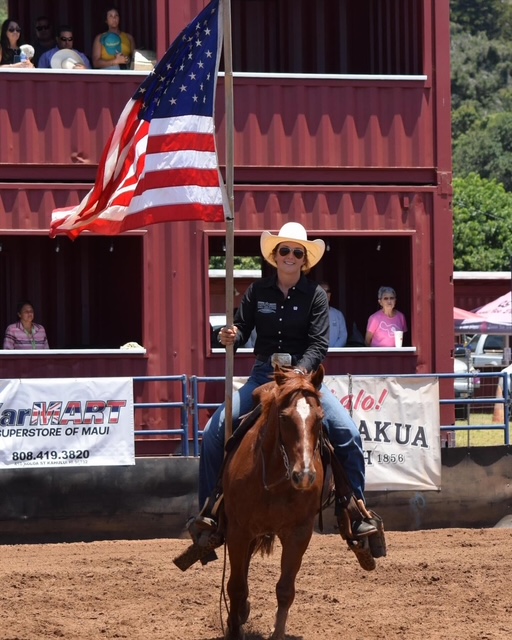
    “When the American was finished, they boxed the arena up in six 40-foot sea containers and shipped it to Maui,” Morag shared.

    A new arena was built on the same property using the American arena panels, and by 2021, they were able to host the annual Fourth of July rodeo again. The event was rebranded as the Makawao Stampede, and both Ken and Morag, along with their team, dedicated a significant amount of time to securing sponsors, inviting contestants and growing the event.

    After successfully relaunching the event post-Covid, new 2,500-seat bleachers were built to accommodate spectators. Additionally, Ken repurposed the shipping containers the arena panels had been shipped in to build ten-by-eight VIP suites. A two-story rodeo office and a concessions stand were also built with the containers.

    Ken and Morag led many efforts to revitalize and grow the community event but are quick to give credit to the community of Maui. “We have an amazing team in our community,” Morag said.

    Preserving Traditions 

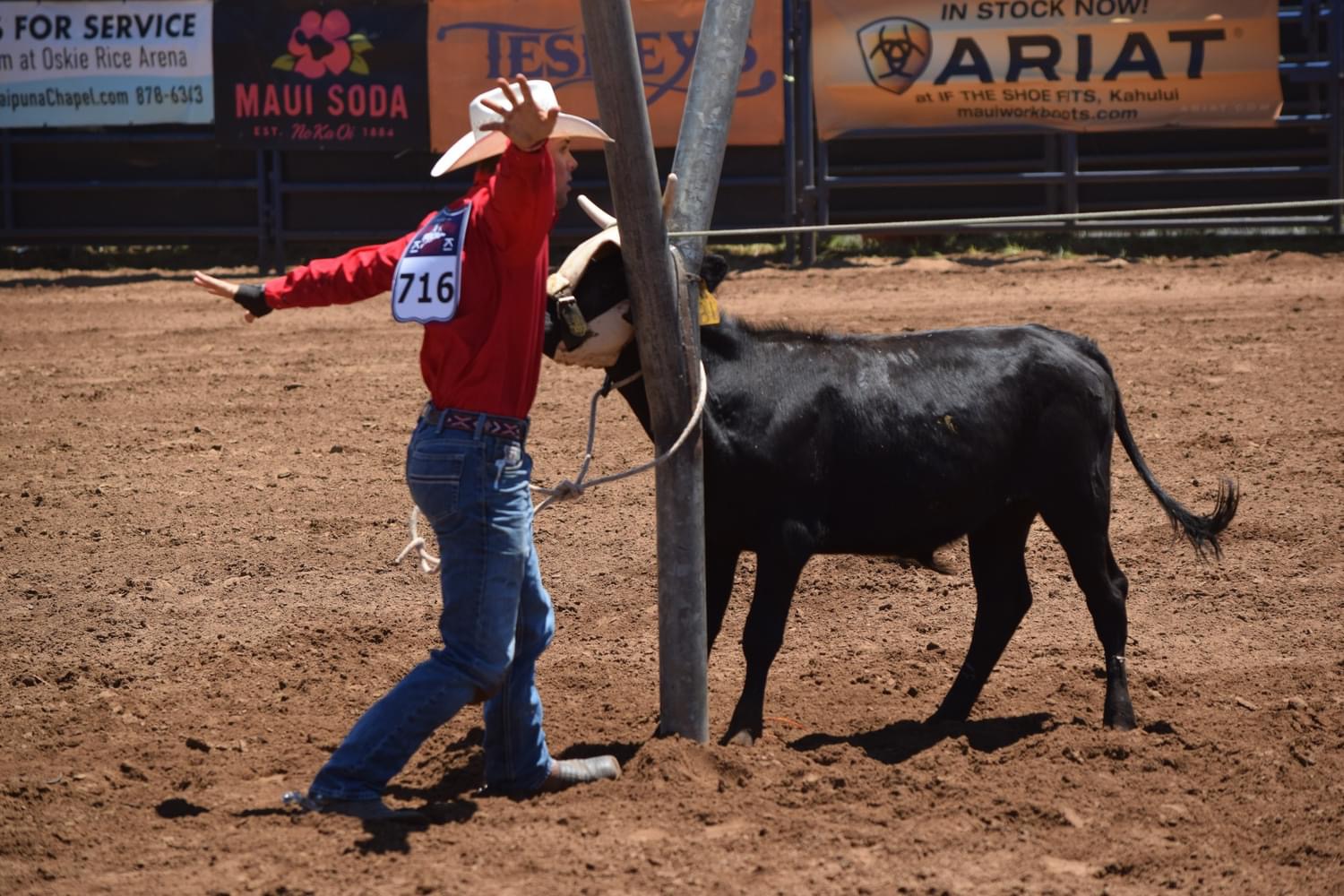
    The Makawao Stampede features regular timed and roughstock events, as well as events unique to Hawaii. The Po’o Wai U event showcases skills that were used to rope wild cattle in the mountains. Once a wild bovine was caught, the cowboy would tie them to a tree for the day or night and then come back with an oxen or another horse to trail them back down the mountain. In the arena, a horned roping steer is let out of the chute. The roper, with no barrier, has to make a clean horn catch. Instead of the tree that would be used in the mountains, a forked pipe is placed in the middle of the arena. Once the animal is roped, the rider, who is tied off hard and fast, pulls the steer toward the pipe, which is in a v-shape. The competitor then flips the rope between the pipe, faces the steer, gets off, runs up to the steer, runs a rope around the steer’s neck, and ties it to the pipe tree. Each steer’s horns and forehead are protected with plastic. The event is timed, and whoever gets their steer tied to the tree the fastest wins. “It can be done in under 20 seconds. A 16 to 18 second run is really fast, and 20 seconds is a good run,” Morag explained. “Ken, our son, Daniel, and our daughter Elizabeth are all champions in this event, which is pretty fun.”

    The regular rodeo events are also a highlight. Contestants travel from Australia, New Zealand, Texas, California, Idaho, Arizona, Montana, New Mexico and beyond to compete at the Makawao Stampede. With $20,000 added prize money and quality stock, competitors know that their trip to Maui will be worth it. A contractor on the island, RS Bucking Bulls, provides stock, and Kaonoulu Ranch has a group of bucking horses and corriente cattle for the roping events. Area ranches help provide the double mugging roping stock.

    Giving Back

    The Miranda family lives and breathes ranching and rodeo, and is committed to preserving the tradition for generations to come. Ken and Morag’s son, Daniel, and daughter Elizabeth came up through the Hawaii High School Rodeo Association and have had many successes in the arena. Daniel is attending Cal Poly San Luis Obispo, where he has qualified for the College National Finals three times. Elizabeth, who is also going to attend Cal Poly, has qualified for the National High School Finals Rodeo all four years and was the reserve world all-around cowgirl her sophomore year.

    Supporting youth in rodeo is a priority for Ken and Morag. The couple started the Maui Youth Rodeo Organization (MYRO) to help alleviate the expense of competing in rodeo in Hawaii. The MYRO offers a $1,000 senior scholarship, reimburses families for state and national memberships, gives youth a $500 scholarship each to attend state finals when it’s necessary to ship their horses, and also offers financial assistance to anyone who qualifies for the National High School Rodeo Association finals.

    “Our kids are amazing, and they can compete, but not everyone can afford it. It’s hard and so this nonprofit is there, which is possible through the generosity of the Maui community,” Morag shared.
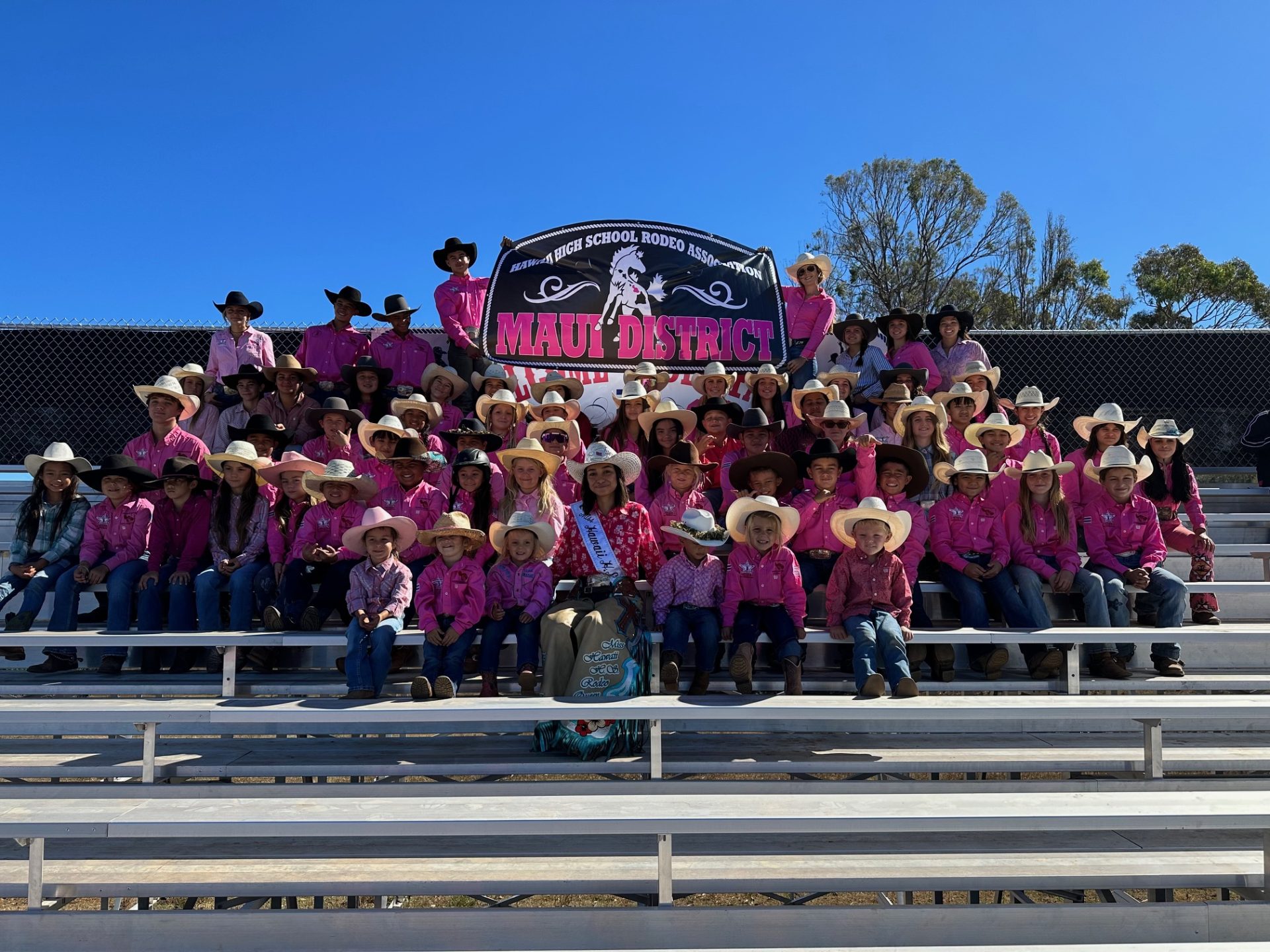
    “This support can change the trajectory of their life, and shows them they can do things, even if they need a little help. This isn’t something they are entitled to, and it isn’t welfare. We call it kākou, which means ‘we are all in this together.’ We collaborate with our families, and then we can raise this money together. They do their part to support it, and then we have this money so these kids can go out and be amazing.”

    Proceeds from the Makawao Stampede also help support the MYRO’s nonprofit mission. “It’s evolved and developed into a huge positive light. The community has definitely embraced it,” Ken shared. “You need to support the youth activities if you want them to develop into adult competitors down the road.”

    Ken and Morag’s support has had a noticeable impact on youth rodeo in Hawaii. When the Miranda family started managing the family ranch and their kids started competing, there were only a few other youths involved. Ken recalled, When we moved to Maui, the junior high and high school rodeo groups only had a few kids. Now we’re up to almost 90.” 

    Rodeo teaches valuable life lessons beyond the arena, which is evident in many of the success stories Ken and Morag have seen. “Some kids who never thought they’d go to college or a trade school realize they can. They realize they are smart enough, that they are capable, and that they are valuable,” Morag shared.

    Supporting youth in rodeo is a part of Kaonoulu Ranch and the Miranda family’s larger commitment to preserving agriculture in Hawaii. Both Ken and Morag come from multi-generation ranching families, and are the managers of the Kaonoulu Ranch, which belongs to Morag’s family, the Rice and King families. The ranch has one of the last remaining ahupua’a systems in Hawaii. When ranches were first formed on the islands, many prioritized having complete tracts of land that ran from the mountains to the ocean. This ensured that throughout the seasons and in the face of any environmental challenges, the ranch would have access to a range of resources. This also allowed families to diversify their agricultural endeavors, running cattle and growing a variety of crops. “It provides all your needs, with food, water and all your resources on one strip of land. We are very fortunate that our ranch still has that. It’s really special,” Morag shared.

    Rodeo in Hawaii is in good hands thanks to people like Ken and Morag, who are ensuring the sport will be there for generations to come. This year’s Makawao Stampede is scheduled for July 4-6. To learn more about the rodeo, visit oskiericeeventcenter.com.

  • Team Cavender’s: Kash Loyd

    Team Cavender’s: Kash Loyd

    For Kash Loyd, rodeo is more than a passion—it’s a path shaped by family, tradition and professional ambition. The high school junior from Rio Vista, Texas, has been competing since he was 3, and for nearly three years, he has proudly worn the Team Cavender’s patch—something he said he once only dreamed about.


    “I have been around rodeo for quite a long time,” Loyd said. “I saw people wearing the Cavender’s brand and thought, ‘How do I get there?’”


    With encouragement from friends already on the team and a good word from past team member Cooper Lane, Loyd said he earned his spot. Since then, he has grown not only as a rider but also as a young professional.


    “Team Cavender’s teaches you how to be a professional—how to act in public, how to eat properly, how to handle social media and sponsors,” he said. “It’s real-life training that’s incredibly beneficial.”


    Lloyd said his favorite memory has been the Team Cavender’s Summit, an annual gathering in Tyler, Texas, that brings together all team athletes.


    “You’re not just spending time with rough stock riders,” he said. “You’re with team ropers, breakaway ropers—everybody. It feels like a family.”


    Loyd said his rodeo journey started early. His dad, Kevin, was a bronc rider, and he followed closely behind—first on sheep, then on mini ponies as that division gained popularity in 2015. He won his division at the Junior World Finals in 2016 and has not looked back.

    “Growing up, that’s all I wanted to do,” he said. “Still is.”


    After briefly experimenting with saddle bronc riding, Lloyd said he found his groove in the bareback riding, where he blends techniques from top ProRodeo athletes into his evolving style.


    “If I take one thing from R.C. Landingham and another from Bradlee Miller, that style becomes Kash Lloyd,” he said. “You tweak the little things until it works for you.”


    Lloyd said mentorship from top riders, like Tilden Hooper, and his parents’ support has been crucial.


    “They help me keep a level head and focus on the mental side of the game,” he said. “Everything we do, we do as a family.”


    That includes his 12-year-old twin brothers, Kane and Crew, who ride mini ponies. Lloyd said he helps when he can, though he admitted his dad does most of the coaching.


    “I can point you in the right direction,” he added. “But I’m not the best at explaining it in detail.”


    Lloyd attends Rio Vista High School, a small class 2A school where he competes on the golf team and helped start a rodeo team. He added that balancing both sports can be tough, but his priorities are clear.
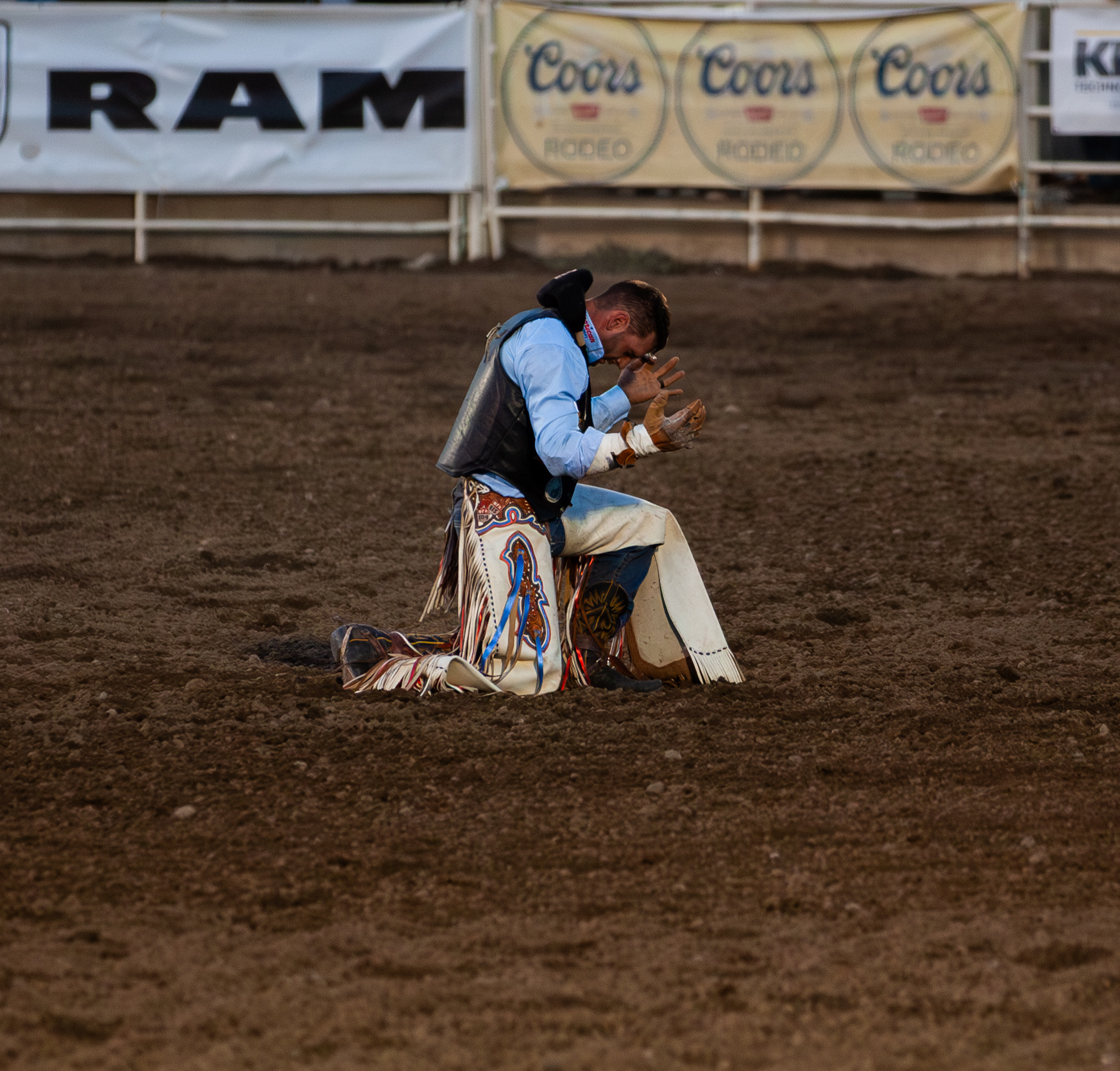
     

    “I let the golf coach know from the start—I won’t be at practices or tournaments on the weekends I’m rodeoing,” he said.


    Lloyd plans to attend Tarleton State University in the future. He said he is drawn there due to the strong rodeo program and family ties—his mom is an alumna. He added that he hopes to study agricultural business, eventually run his own company, and—if all goes well—make a living through rodeo.


    “That’s the goal,” he said. “To rodeo professionally and not need a ‘real job.’ I want to be known for doing it the right way.”


    As for his brothers, Lloyd hopes they’ll join him in the arena one day. “If we could all make the NFR in the same year,” he said, smiling, “that would be cool.”

  • A Strategic Fourth of July

    A Strategic Fourth of July

    The road to the NFR is filled with more than just quality runs, diligent preparation and a strong mindset for success. It’s more than smart decisions regarding traveling partners or the time put into setting achievable goals that contribute to what you want out of the sport. For rodeo cowboys and cowgirls, success often begins long before they back into the box or settle down into the chute to nod their heads. It starts with a smart entry strategy that considers travel, logistics, available purse and, above all, feasibility. With hundreds of rodeos on the calendar, competitors must weigh in on decisions regarding stock quality, arena conditions and competition level. The Fourth of July rodeo run – also known as Cowboy Christmas – is considered one of the busiest weeks or months of the year due to the sheer number of rodeos that can be entered and the money up for grabs. Cowboys and cowgirls alike view this time strategically and plan their runs according to their set goals and standards for the year.

    Photo by Sam-Sin Photography

    Tucker Allen, 25, of Ventura, California, is a 2024 NFR steer wrestling qualifier and is well on the way to another qualification to Las Vegas this December. However, despite his strong start in the 2025 season, Allen is no stranger to the importance of a well-planned and executed Cowboy Christmas. To Allen,

    “The Fourth of July is one of the most important weeks of the rodeo season… some of the best rodeos are then, and it is important to work the big ones.”

    Allen furthered the idea that despite the importance of hitting the large rodeos, utilizing the vast number of smaller but well-run productions is equally as important to making the finals. As a steer wrestler, Allen takes into consideration his traveling partners, the logistics involved with travel, and the timing of performances and slacks. Allen will primarily be traveling with Justin Shaffer, Jace Melvin and Holden Myers during the 2025 season.

    When asked about his Fourth of July entry and horsepower strategies, Allen expressed that, often, they will leave horses with family and fly out to work other rodeos where they will mount out. According to Allen, “We always try to work certain slacks [over the fourth run] to make the rest of the week easier for Livingston [Montana], Red Lodge [Montana] and Cody [Wyoming].” It is no secret that the fourth run is hectic and can be classified as brutal for contestants. When asked how busy the month of July is in terms of running steers, Allen stated, “I think that is the easiest part of the whole week. You try and block out what has gone into getting to that rodeo and just do the best you can.” Allen furthered the idea by saying, “If it doesn’t work, all you can do is be ready for the next steer that day or that next morning or night.” Given the physical strain, Allen elaborated, “It’s always a given that you will be worn out mentally after the fourth, but physically, for our event, it’s not much of a toll since we are in shape and run lots of practice cattle.” Fundamentally, the Fourth of July rodeo run is instrumental in qualifying for the NFR; Allen stated, “The fourth is important to us and can almost ensure your ticket to the NFR if you hit big. You must take each steer one at a time and not carry the bad runs with you to win on the next one.”

    Photo by Sam-Sin Photography

    Tristen Hutchings, 25, of Monteview, Idaho, is a three-time NFR bull riding qualifier with notable successes through NFR round wins, PRCA rodeo titles, collegiate championships and most recently, the 2025 American Rodeo bull riding title. As a rough stock competitor, the logistics of travel and the expenses associated with rodeo differ slightly in comparison to the timed event cowboys and cowgirls. However, the amount of opportunity and the need to plan strategically does not change, no matter the event you compete in. According to Hutchings, “There is a lot of opportunity when it comes to the Fourth of July … some people call it quits if they don’t have a certain amount of money won, but I’ve seen the Fourth of July make or break [a competitor].”

    Photo by Clay Noel Harper

    In terms of entry strategies, Hutchings expressed, “We go to the largest paying rodeos and make the [logistics] work. You might not trade all year, but you trade during the fourth.”

    Travel between flights and driving varies from contestant to contestant; however, Hutchings primarily “drives to everything… sometimes we pay for it in less sleep, but we have our home on wheels at the rodeos.” As for strategically planning in their entering, Hutchings, and his traveling partners “try and map it out” in a way that ensures the bigger rodeos are hit and that they are not overdoing it. The Fourth of July is busy, and according to Hutchings, “It’s nonstop. You never get a break, and it’s a great time to be on a heater!”

    Photo by Sam-Sin Photography

    Lisa Lockhart of Oelrichs, South Dakota, and 18-time NFR barrel racing qualifier has a more unique and substantial approach to the Fourth of July rodeo run to maximize profits and showcase her horses’ abilities. Cowgirls competing in barrel racing take into consideration the importance of Cowboy Christmas and its ties to an NFR qualification. Lockhart stated, “Ultimately, there is a lot of money to win in July and August… so you just never say never. It a perfect time to capitalize on some large venues, and so it is something that you plan strategically to fit your situation.” For Lockhart, the cowgirl primarily tries to fit her horses to which rodeos she believes they will excel at the best.

    Photo by Clay Noel Harper

    “It’s not always about what is the biggest rodeo, but where my horses have the biggest chance.”

    Horsepower is key to success within the WPRA barrel racing, and allowing the horsepower the chance to do the talking is necessary for a successful fourth and overall season. When asked about entry strategies to maximize the number of rodeos attended, Lockhart stated, “Quality not quantity. I’m very strategic in trying to plan my schedule where my horses are not worn out” due to the number of rodeos available at the end of July and into August. “I will strategize where I can hit as many good ones as I can and know they will fit my horses’ situations while still [prioritizing] rest.” For the NFR Barrel Racing Average Champion, in some years, the planning is very routine, while in other years, it can change. Lockhart continued with her grateful outlook on getting to compete in the Bad Lands circuit and the number of rodeos available in that region. The flexibility of schedules allows Lockhart to switch out horses or adjust her schedule depending on the needs of her and her four-legged athletes. A key decision factor that goes into Lockhart’s overall success as a barrel racer within the WPRA.

    Rodeo is a high-stakes sport where the wrong decision or lack of preparation can be the deciding factor between a gold buckle or the loss of one. The right decision can make all the difference between being crowned a champion or being sent home to try again the next year. Behind every ride or run is a careful calculation of travel routes, added money, stock draws, arena setups and overall competitive formats. No matter your level of competition, smart entry strategies are as essential as the ropes you choose to use, the way you set your feet or the decisions that go into a successful run. In the sport of rodeo, every second counts, and the factors that contribute to winning do not always start in the arena, but rather the choices made long before you pull through the gates of the grounds.

  • Elora Kiddle

    Elora Kiddle

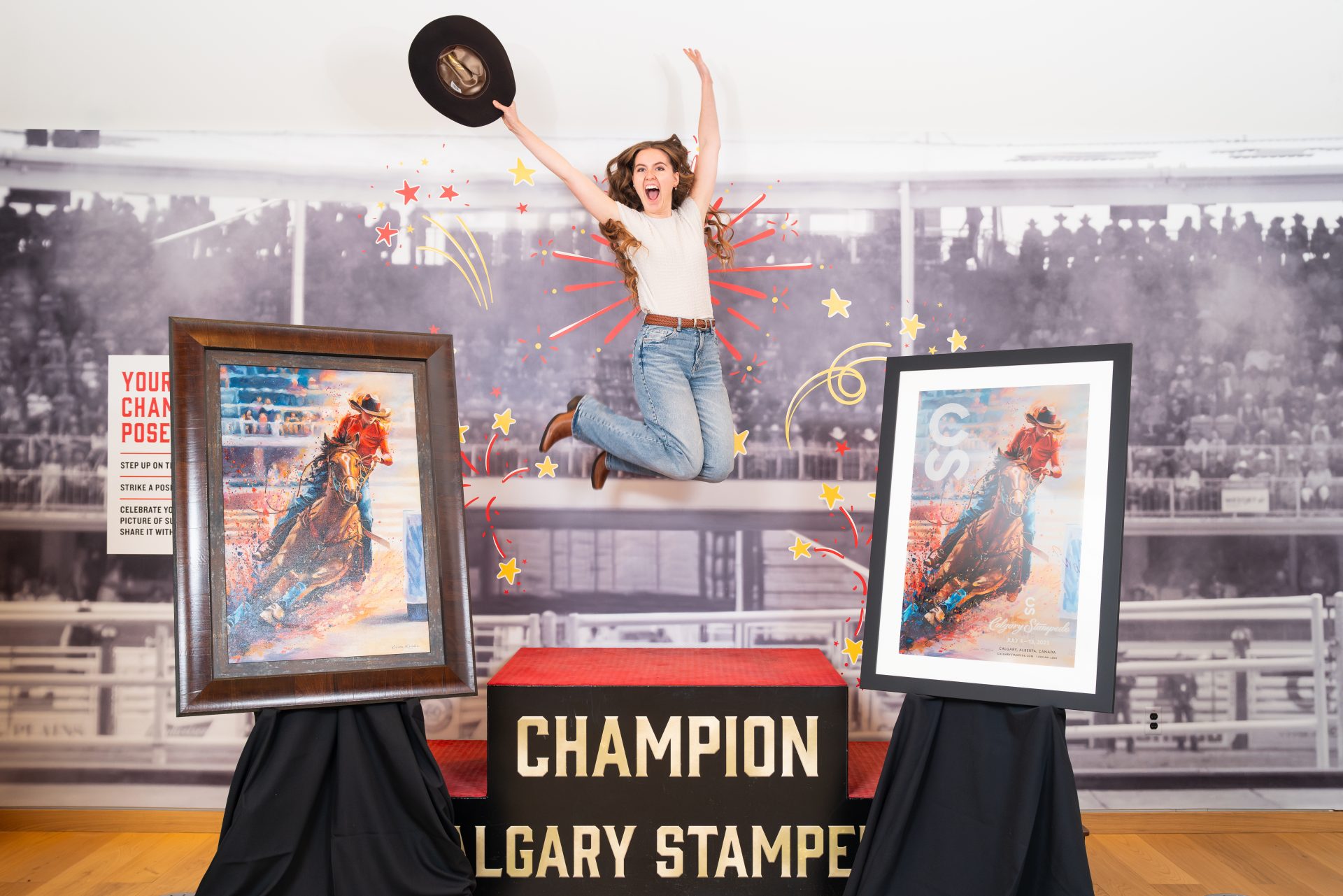
    Each year, the Calgary Stampede draws attention from around the world, not only for the historic rodeo but also for the iconic poster created to promote the event. With the Stampede now celebrating its 113th year, the posters have become valuable, collectible pieces of art; for artists, having a piece be used for this promotion is a career milestone. In 2018, the Calgary Stampede started the Youth Poster Competition, which offers education and guidance to young artists and, for the winner, the opportunity to showcase their work on the official poster. This year’s piece, which features splashes of color and the fast-paced action of barrel racing, was created by 22-year-old Calgarian Elora Kiddle. Titled Grit to Greatness, the piece captures the combination of determination and grace required to succeed in rodeo. In addition to education, the Youth Poster competition offers significant scholarship funds with the first-place winner receiving $10,000 for future education, and the total funds equaling $20,000 each year.

    Meet the Artist: Elora Kiddle 

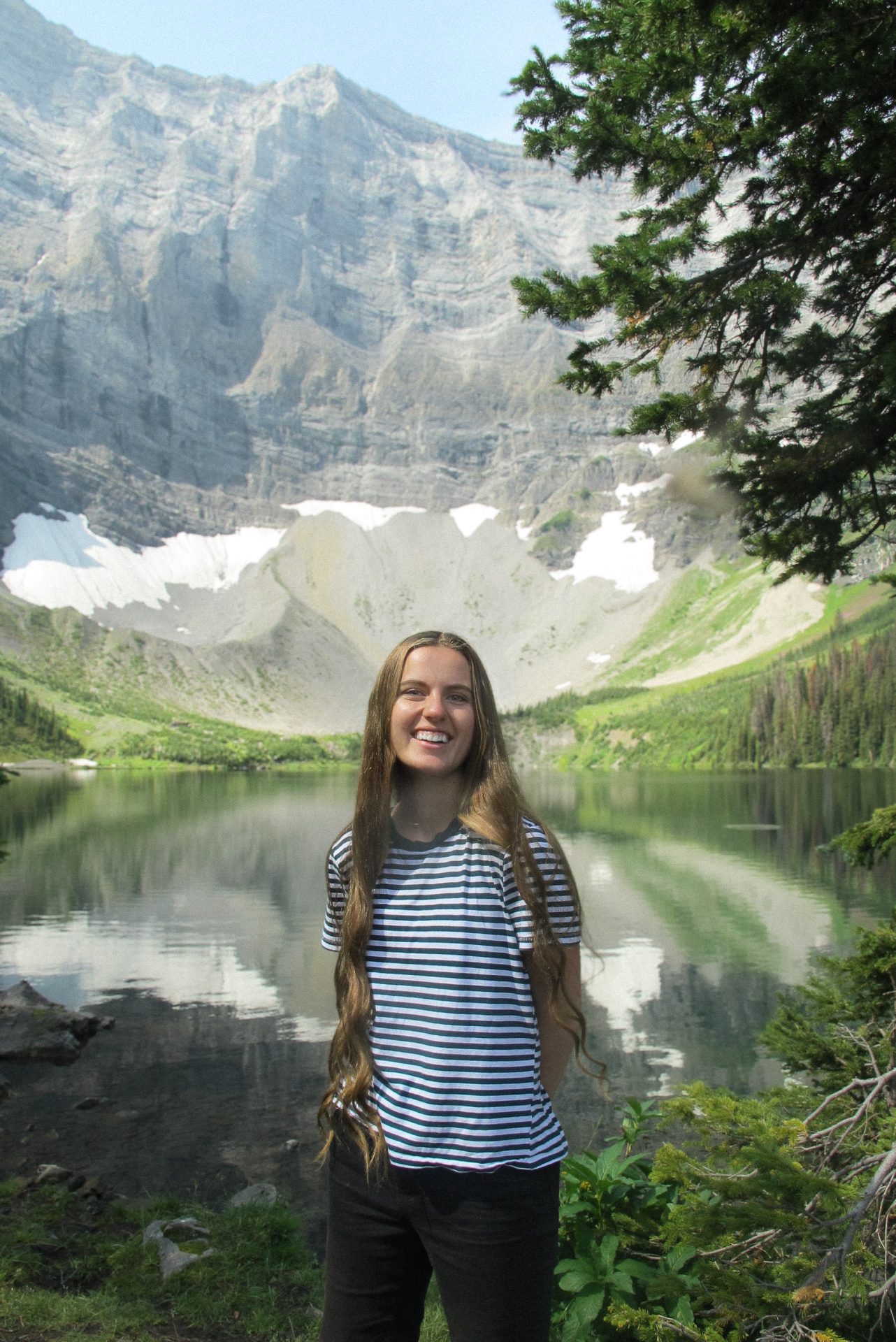
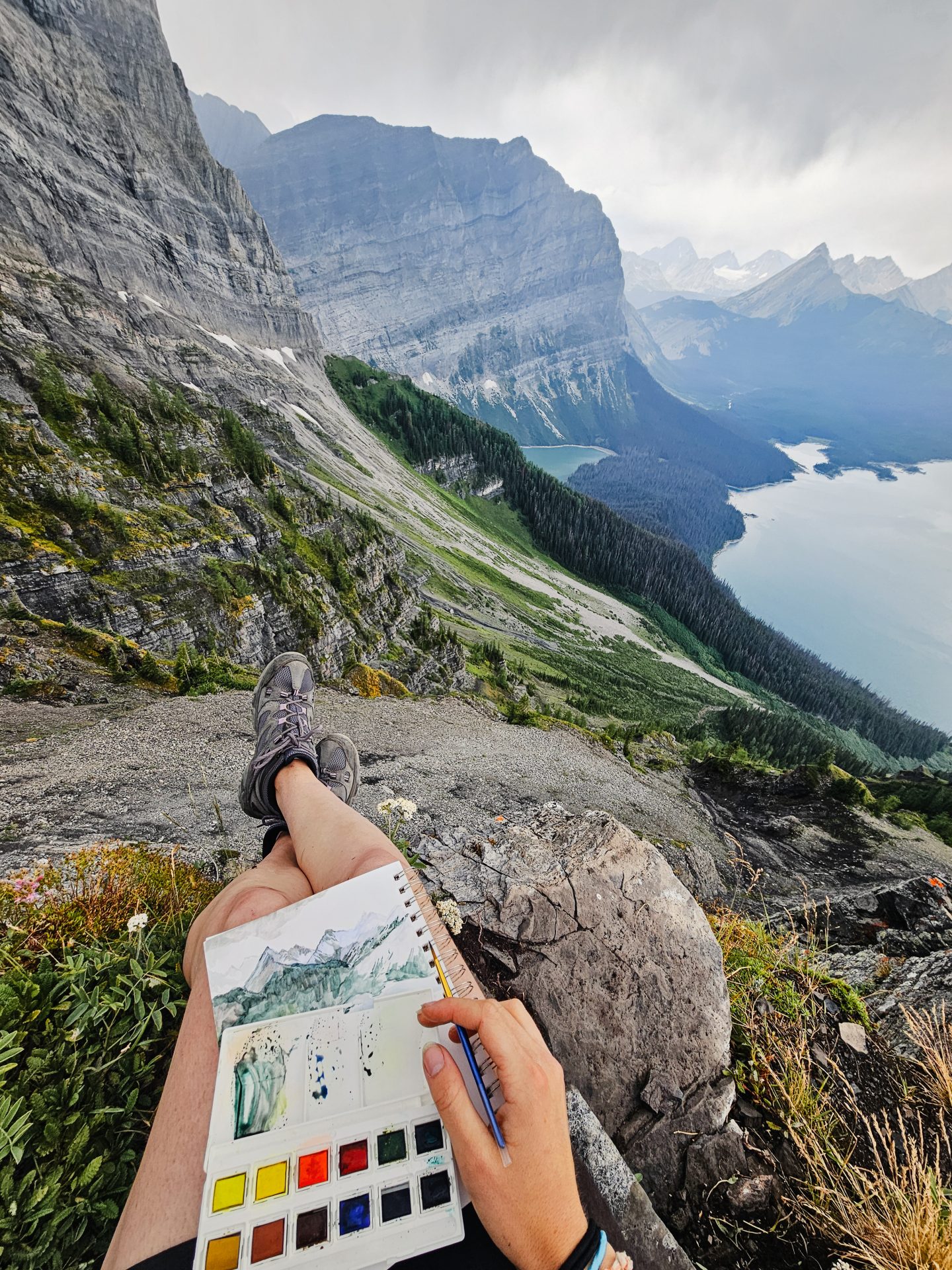
    Elora Kiddle was born and raised in Calgary, Alberta, and has been attending the Calgary Stampede with her family for many years. Her first job was working in the Grandstand at the Stampede along with her twin sister Emily, who is now a trombonist with the Calgary Stampede Showband. The recent college graduate has also been painting and creating since she was young, and after learning about the Youth Poster Competition in high school, she applied to participate. “I had a great high school art teacher who encouraged me to apply,” Kiddle recalled.

    Photo Courtesy of Elora Kiddle

    This was her third year participating in the program, which began with 30 applicants aged 15-24; eight young artists were chosen for the final round. In the previous two years, Kiddle took advantage of the program’s education, making it into the top eight and furthering her skills as an artist. The third time was a charm, and her piece was chosen as the official poster. “This year was finally my year, and I was just so excited,” Kiddle said.

    All applicants initially submit two pieces of work for consideration for the program. Once the top 30 are selected, they participate in educational opportunities and receive guidance from professional artists. Each participant creates a concept piece for the poster, and the top eight are selected for the final round. The idea for Kiddle’s winning poster came from a photo of Kellie Jorgensen on her horse Salty, competing at the Stampede in 2021. The photo caught Kiddle’s eye.

    “She just looks so fierce on her horse,” she shared.

    After being selected for the top eight, Kiddle started by drawing the base for her piece, which is 24 by 36 inches, and then completed it with acrylic paint, which is her favorite medium. A valuable part of the Youth Poster Competition is one-on-one guidance from professional artists; Kiddle’s mentor helped her fine-tune her painting, watching her work and offering advice on colors to add or proportions to adjust. “It was great to get actual critique from someone in person,” she said.

    Photo Courtesy of Elora Kiddle

    Kiddle explained that through working on pieces for the Youth Poster Competition, she has learned many skills. Getting the proportions of both people and animals right can be challenging, and her mentor helped her fine-tune this skill.

    “My mentor challenged me to adjust the figure in my work — not to mimic the photo, but to trust my eye. They explained that cameras can warp perspective, and what feels true to life often differs from what’s captured through a lens. I would practice visualization and figuring out what I felt looked right,” Kiddle shared.

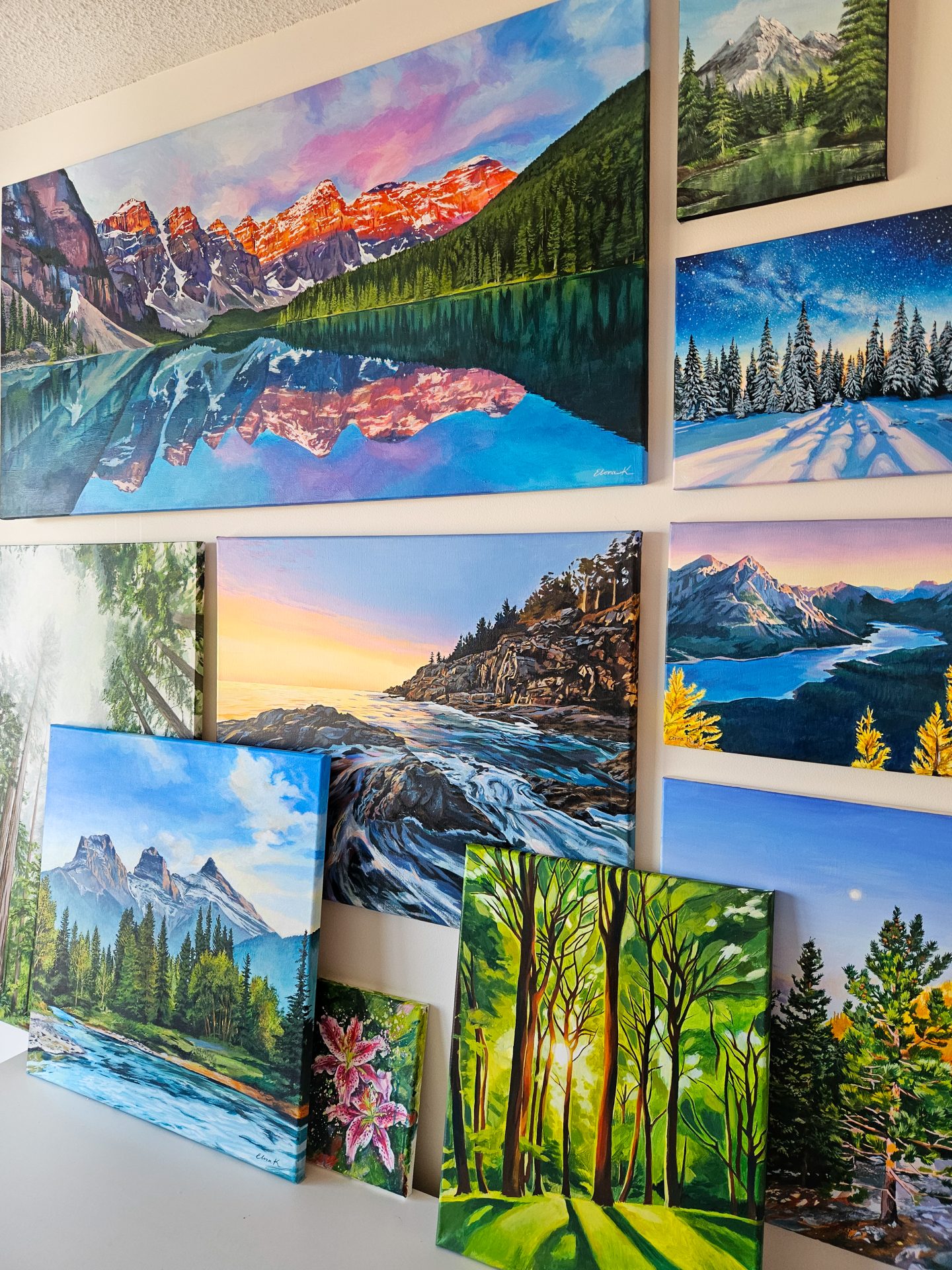
    The 2025 poster is vibrant, with the dirt coming up behind the barrel horse depicted as splashes of color. Kiddle enjoys experimenting with bright colors, which acrylic lends itself to. Kiddle does commission work and will paint anything a customer wants. Much of her work is inspired by nature, which is vast and breathtaking outside her home city. She works as a graphic designer for a Calgary-based design firm, where she contributes to a variety of environmental and experiential projects. Her work often supports spaces like cities, airports and national parks, blending her love for travel, nature and visual storytelling. Kiddle shared that the Youth Poster Program’s value reaches beyond winning, and she encourages other young artists to apply. “I would say to go for it. You just have to push through, and there is no harm in trying,” Kiddle shared.

    Empowering Young Artists     

    The Calgary Stampede’s Youth Poster Competition is a unique departure from how many large rodeos obtain their yearly poster. Susan Arthurs, Youth Education Programs Manager for the Calgary Stampede Foundation, shared that the program was founded in 2018 based on an idea Dana Peers had while serving as First Vice President for the Stampede.

    “His vision was to bring a youth perspective to the way the Stampede is represented each year through the poster,”Arthurs explained.

    Simply putting out a call for young artists to create the artwork was an option, but Peers wanted to think beyond that — the Calgary Stampede poster is sent throughout the world to collectors, and becomes an iconic piece of Western history — so he suggested an educational element and mentors to ensure that the final piece is of the same quality as a piece that would be commissioned from an experienced adult artist. Following the formation of an advisory committee, the program was launched and has been evolving ever since. Kiddle is the seventh young artist to be selected.

    The scholarship monies awarded to the top competitors are through the Dustin Peers Memorial Scholarship, funded by the Brandon Flock Foundation. The winner receives $10,000, and the Brandon Flock Foundation also awards an additional $10,000 in scholarships across the competition, which is a total of $20,000 awarded annually to the top eight finalists.

    Photo Courtesy of Elora Kiddle

    Beyond mentorship and art education, the program also helps young people learn about the historic Stampede, as well as rodeo and agriculture. “This year, we organized a field trip for the participants to a ranch where they got to have an up-close and personal horse experience. There were bulls we were able to view. We also had a rodeo photographer come in and talk to them about tips and techniques for taking reference photos,” Arthurs shared.

    The scholarship money can be used in a number of ways, from undergraduate art programs to study abroad trips. The funds can also be used for endeavors outside of the arts. “They could be doing pre-med,” Arthurs shared. “It’s very generous, and is one of the largest scholarships in Canada.”

    Arthurs has enjoyed watching Kiddle advance through the competition.

    “Her confidence grew, and that confidence, boldness and creativity is really what came through in her artwork for her to become the 2025 Poster Competition winner,” Arthurs commented.

    The holistic vision of the Youth Poster Competition is something Arthurs values, too. “I really enjoy seeing people who come back year after year to participate in the competition with an open mind. They’d love to be the winner, of course, but they get so much more through their participation in the educational activities and the mentorship opportunities. You can’t put a dollar amount on the opportunity they have to work with professional artists,” Arthurs reflected.

    To learn more about the Calgary Stampede’s Youth Poster competition, please visit calgarystampede.com/postercompetition.

  • Prescott Frontier Days – World’s Oldest Rodeo

    Prescott Frontier Days – World’s Oldest Rodeo

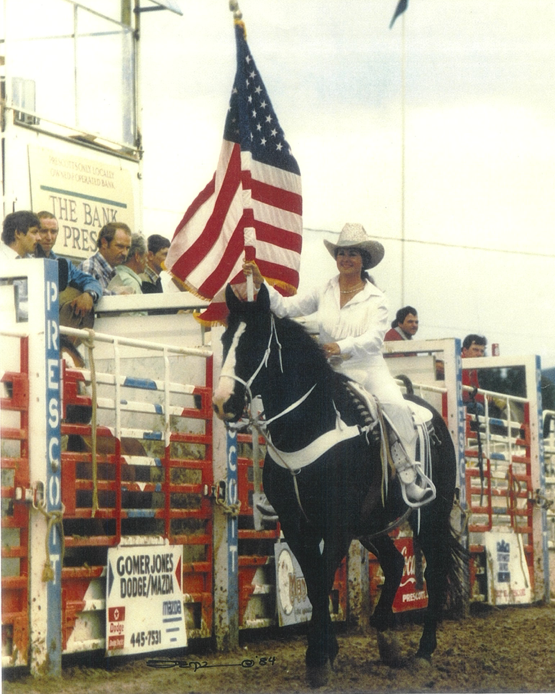
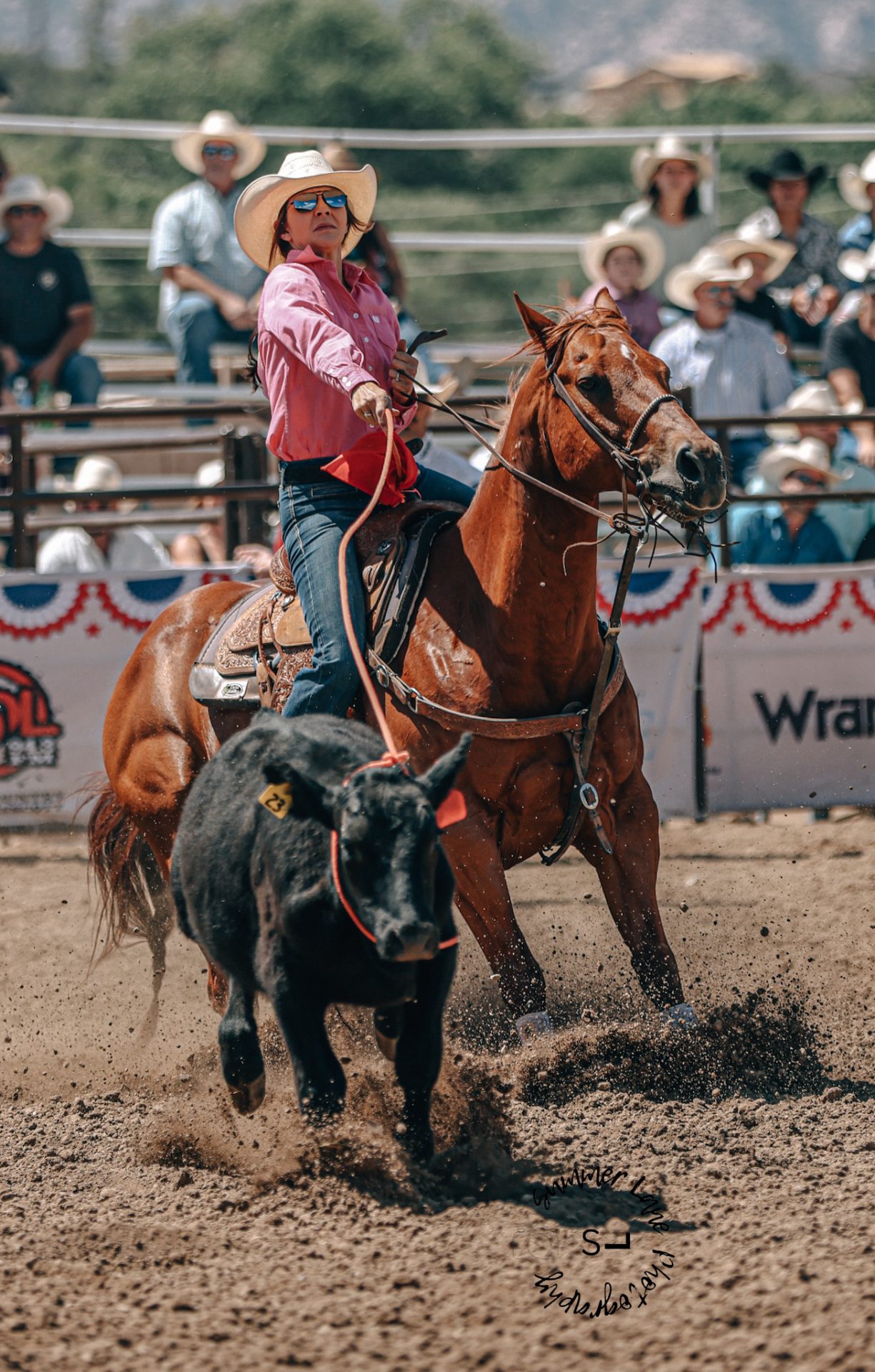
    Prescott Frontier Days, famously known as the “World’s Oldest Rodeo,” celebrates more than a century of honest cowboy competition this Fourth of July in the historic town of Prescott, Arizona. What began in 1888 as a modest cowboy gathering in the center of the Arizona Territory has evolved from its informal ranch competition into a nationally televised and highly anticipated professional event featuring the modern-day cowboy and cowgirl. This event features elite rodeo athletes from the professional ranks, thousands of spectators and a historical appeal unlike any other, all while maintaining the rugged spirit of the Arizona rancher and the Western heritage that originally brought cowboys to compete in the arena. The Prescott Frontier Days is a living tribute to the grit, tradition and heart of the American West in a modernized version of spirited competition. June 30 – July 6, 2025, will celebrate 137 years of rodeo in Prescott, Arizona, and mark its continued showcase of rodeo excellence and heritage at the Prescott Rodeo Grounds.

    Many rodeos across the nation claim to be the oldest, most continuous or most historical event to establish the sport of rodeo. However, the Prescott Rodeo has a more unique attribute to its historical relevance. July 4, 1888 was the day a group of professional businessmen organized the first formal “cowboy tournament” and offered a cash prize, which birthed rodeo as we know it today in terms of value, earnings and prestige. The Prescott Rodeo is widely recognized as the first organized and advertised event with paid admission, judges and prizes. These “cowboy contests” would continue throughout the years and be promoted, planned, and carried out by local committees and chairmen of the area. Early rodeo was a way for the American cowboy to test their skills and earn bragging rights amongst their community. Often held at ranches, roundups or community celebrations, primary events included bronc riding, steer roping and bull riding. All events that were staples in the life of daily ranching and prelude to the sanctioned events seen in today’s modern rodeo competitions. As time went on, these events would grow in spectators and draw larger crowds, setting the stage for rodeos such as the Prescott Frontier Days, and their showcase of a cowboy’s rough and ready display of grit and talent.

    In the early years of the Prescott Frontier Days rodeo, the appeal and draw of competition stemmed from the local cowboys and ranchers’ ability to demonstrate their ranch-bred skills for the local townspeople to see. The Prescott rodeo viewed in the late 1800s and early 1900s was enacted on a simple strip of land in what was called Forbing Park, with roped-off areas to contain the broncs after unseating their riders. The name Prescott Frontier Days would come to fruition beginning in 1913, the year the Fourth of July celebration began at its present location – formally the Yavapai County Fairgrounds, today the Prescott Rodeo Grounds. It would not be until the mid-1930s that the grandstands seen in today’s modern arena would be constructed, often viewed as the primary structures that make up the rodeo facility and contribute to the grandeur of rodeo in Prescott.

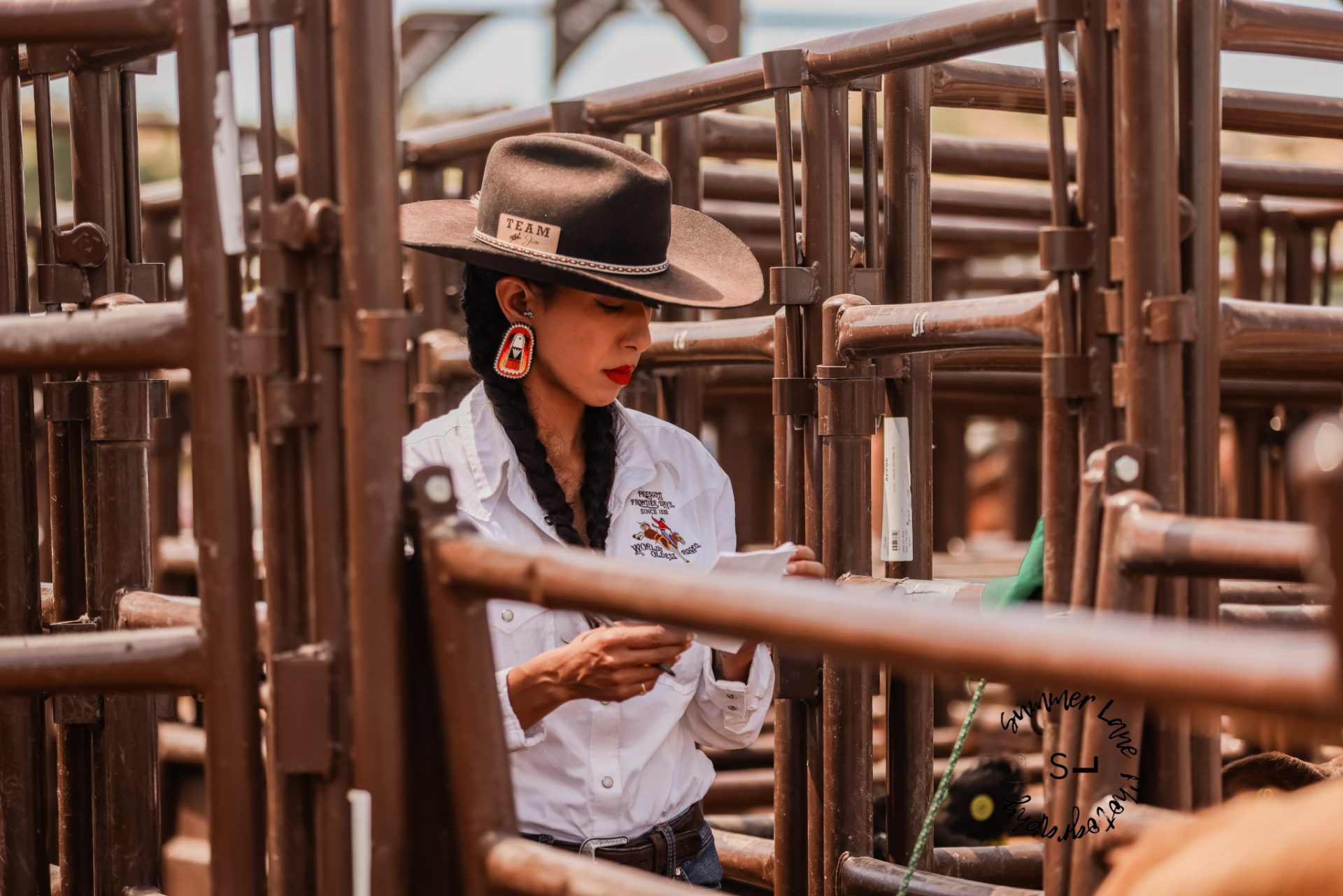
    Photos by Summer Lane Photography

    Rodeo would continue to be revolutionized and grow throughout the years as the event went on. Thanks to die-hard lovers of the sport, such as Gordon Koch, Danny Freeman, Fred Schemer and Andy Jauregui, the 40s and 50s of rodeo in Prescott would see a much-needed increase in support from local and county members for years. It was during this time that purses would grow astronomically, often exceeding $20,000, and the expectations of quality rodeo stock would begin to evolve into what is more recognized in today’s competition. The 60s and 70s marked a pivotal moment for the rodeo, as the event held to its historical roots while embracing the modern rodeo circuit and its correlating expectations. During this era, the rodeo saw an increase in participation from women in the barrel racing event with a greater push for recognition of their role in the sport. Despite the social changes, the rodeo would preserve the historical, symbolic continuity that has defined it since its formation in 1888.

    Today’s version of the Prescott Frontier Days rodeo has not deviated from its roots or founding ethics. Rather, it has built upon the legacy of over 100 years of rodeo and continued the standards and tradition the committee of 1888 established. The current General Manager of the Prescott Frontier Days, Jim Dewey Brown, has worked to ensure its continued legacy and future through both his experience in rodeo and resolve to see a successful production. When asked what the position requires, Brown stated, “Anything and everything.” Brown continued with the knowledge that it takes a tribe to produce a production of this magnitude and that the committee is instrumental in its prosperity. Brown has competed and worked amongst professional cowboys his entire career and has implemented improvements that aid in the growth of both the sport of rodeo and Prescott Frontier Days as an organization. However, the committee and Brown still pay tribute to the historical side of the rodeo, and this year’s rodeo is no different. Brown elaborated, “This year, we are honoring women in rodeo” by inviting legendary ladies of the industry and celebrating their contributions to both the Prescott rodeo and the sport.

    Former 2023 Miss Rodeo Arizona and current committee member Katie Ramos has borne witness to both Prescott’s historical contributions and current rodeo undertakings. When asked about what makes the Prescott Frontier Days unique, Ramos stated, “the leadership and community of those involved. We are so blessed to have an amazing GM who not only wants to preserve and honor the history of [the rodeo] but also educate the future contributors.”

    Ramos continued, “You don’t have to look far to find history within the rodeo. One of my personal favorites is listening to generations of rodeo fans return to watch generations of rodeo athletes.”

    The involvement of Prescott’s community and their commitment to the rodeo is evident in every aspect of their lives. According to Ramos, “Prescott is a town known as ‘everyone’s hometown,’ and with that mentality, the community takes personal pride in being the World’s Oldest Rodeo’s hometown and welcoming them with open arms.”

    One hundred thirty-seven years after the event’s first production, the Prescott Frontier Days remains a powerful symbol of tradition, endurance and community spirit. The event honors the cowboy gathering of 1888 and the contest of a cowboy’s skill, and above all, retains its roots and knowledge of the American frontier with the spirit to survive. It has grown into a nationally covered event and prime stopping point for NFR-driven cowboys and cowgirls while simultaneously honoring its rich legacy echoing of the American West. Each July, the stomp of hooves and cheers of the crowd reminds us that while the times may have changed, the values of courage, competition and camaraderie endure. The World’s Oldest Rodeo is more than just a Fourth of July celebration; it’s a living tradition carried forward by every contestant, spectator, committee man and resident who passes through their gates. 137 years of rodeo down, many, many more yet to come!

    Photo by Summer Lane Photography
  • Living Fit the Rodeo Way

    Living Fit the Rodeo Way

    In a sport defined by toughness and tradition, Natasha McCann is carving out a new path for rodeo athletes — especially women — where strength, longevity and intention are front and center.

    McCann, a coach for Champion Living, works with Western and rodeo competitors to bridge the long-standing gap between performance and health. “I’m more on the ranching side of the world regarding the Western industry,” she said. “I worked on ranches and cowboyed for most of my adult life.”

    McCann said her fitness journey began after years of physical wear and tear from riding colts and a serious accident that ended her professional basketball aspirations.

    “I got injured in a motorcycle accident in high school, then later broke my back and neck in a wreck on a colt,” she said. “That sparked my interest in sports medicine for rodeo.”

    McCann became an EMT and then earned multiple personal training and clinical rehabilitation certifications, including a dual board certification in orthopedic manual therapy. Her current work focuses on injury prevention, recovery and performance optimization for rodeo athletes.

    “There’s such a hole in the Western world for long-term care,” she said. “Justin Sports Medicine is great for acute injuries, but rodeo athletes need more. Their demands aren’t the same as traditional athletes.”

    From barrel racers to rough stock riders, McCann believes fitness is not just about aesthetics—it is about functionality. 

    “Fitness is an ever-changing thing. You reach a pinnacle, then realize there’s another peak behind it,” she said. “You have to want it. There has to be intrinsic motivation, or you’re doomed to fail.”

    McCann said her training methods emphasize realism. 

    “You’re not going to eat clean 100 percent of the time when grabbing Chick-fil-A at 2 a.m. on the road,” she said. “But if you can be perfect 80 percent of the time, that’s a win.”

    She encourages clients to prepare ahead—packing coolers, stocking high-protein snacks and avoiding processed food traps. 

    “Protein is the most satiating nutrient and essential for building muscle,” she said. “Even just planning a little will help keep your goals on track.”

    Rodeo athletes, especially women, face the added pressure of societal beauty standards. McCann, who is 5’10” and strong-built, rejects that narrative. 

    “I’m built like a two-by-four,” she laughed. “But I want muscle. I want big shoulders. I work out to look the way I do. 

    If you feel good and confident in your skin, who cares what anyone else thinks?”

    For women in rodeo, the gym does not always have barbells. McCann said resistance bands, bodyweight exercises and simple movement routines offer flexibility on the road. 

    “Movement can be anything,” she said. “Even a 20-minute walk after a 16-hour drive helps.”

    McCann also warns against the “all or nothing” mindset that plagues many in rodeo. “It’s not one catastrophic event—a thousand small ones build up. Address the little issues before they become career-ending,” she said.

    Ultimately, McCann’s message is about sustainability and support.

     “Put the pride aside,” she said. “Talk to someone. Take care of yourself—because your body is your only tool outside your horse.”

    Her work bridges the chasm between traditional sports medicine and rodeo reality, empowering women to ride longer, stronger and smarter. What is next? “Just helping more folks stay in the game,” she said. “That’s the goal.”

  • American Hats: Cooper James

    American Hats: Cooper James

    For Erda, Utah, cowboy Cooper James, rodeo has been more than just a sport — it has been a way of life. From an early age, James said he was captivated by bull riding, an obsession that grew stronger as he developed into a skilled competitor in the rodeo world. 

    James’ journey in the Professional Rodeo Cowboys Association (PRCA) is one of challenges and triumphs. However, one partnership has truly stood out: his collaboration with American Hat Company, a relationship he said feels more like family than a sponsorship. 

    “I’ve been wearing American hats since I could walk,” James said.

    “I have pictures in their hats from when I was a little kid, but I’m still just getting on sheep.” 

    His connection to rodeo started in his early childhood when he dreamed of becoming a bull rider. Over the years, that childhood dream evolved into a successful rodeo career, and he said his relationship with American Hat Company became an integral part of his journey.

    “I met with the team at the Hondo Rodeo in Phoenix,” James said. “My buddy, Lefty Holman, is sponsored by them too, so he introduced me to the team.

    “It’s been great to have them on board and be a part of their team,” James said. “It’s like a family over there.” 

    James added that the relationship with American Hat Company goes beyond sponsorship. 

    “Anything I need, I know I can call them,” he said, underscoring how much the company feels like a support system. 

    While James’ partnership with American Hat Company has been a cornerstone of his career, his rise in the rodeo world has not come without its challenges. 

    Early on, James said he faced difficulties navigating the rodeo circuit. 

    “It was tough at the start,” he said. “You don’t know where to enter and have no real qualifications.” 

    But through persistence and hard work, James found his footing. After competing in smaller rodeos, he qualified for the San Antonio Stock Show & Rodeo, where he said his career started growing. 

    “I qualified to go to San Antonio, and that’s where it took off,” he said. From there, he made his way into the top 25 and, later, the top 15 in the PRCA world standings.

    Photo Courtesy of American Hats

    James said a key part of his success has been his mental approach to rodeo. He credited much of his calm demeanor to the guidance from seasoned mentors, including Josh Frost, Sage Kimsey and Clayton Sellars.

    “Clayton Sellars knows he’s showing up to win no matter what,” James said, highlighting Sellers’ strong mental game, which he admires and works to emulate in his career.

    That mental toughness helped James during his first trip to the National Finals Rodeo, where he placed third in the world, second in the average, and was crowned the 2024 Resistol Rookie of the Year in the bull riding. 

    “Everyone going to the finals wants to win the world title,” James said. “It was such a good feeling, and you feel like you can carry that momentum for the next year.” 

    James said he is determined to continue building on his success. While focusing on bull riding, he is also interested in expanding his repertoire. 

    “Shoot, I haven’t been on a saddle bronc horse in a little over a year now, but that’s a dream I want to come true,” he said of his dream of making the NFR in multiple events. 

    However, he added that his love for bull riding stays at the forefront of his career. “Whenever people think rodeo, the fan favorite is the bull riding,” he said. “It’s the most action-packed, the adrenaline rush.”

  • Leading a Legacy: Aubrie Christensen’s Unprecedented Journey to National High School Rodeo Queen

    Leading a Legacy: Aubrie Christensen’s Unprecedented Journey to National High School Rodeo Queen

    When Aubrie Christensen began her queening journey just a few years ago, she never imagined it would end with a national crown atop her cowboy hat. A relative late-comer to rodeo queening, Aubrie didn’t start competing until her sophomore year of high school. But what began as a fun way to make friends and ride horses quickly turned into a deeper calling, a mission rooted in family, legacy, and a powerful sense of heritage.

    Aubrie started out queening at a city level, at just her local rodeo. She says, “I started queening just because I saw it as a great opportunity to make friends and ride horses.” But as she dove deeper into the world of rodeo royalty, she discovered that being a rodeo queen, for her, was about purpose more than anything else. “At one of my first clinics, a clinician asked, ‘What’s your why?’, and I said, ‘To represent the Western heritage.’ She replied, ‘Every queen does that. What’s your why?’ And that question stuck with me.” The answer would come over time, revealed through conversations with family, shared memories, and a small but powerful keepsake: a $2 bill.

    Photo by Art of Aperture

    Aubrie’s aunt, Dawn Christensen, was a fellow rodeo competitor who tragically passed away in 1996 at the age of 17 following a breakaway clinic in Delta, Utah. Though Aubrie never met her aunt, their shared love for rodeo and even holding the same queen title created an unbreakable connection across generations.

    Aubrie’s grandparents always used to carry around $2 bills for rodeo entries, and Dawn used to put them in her hat for good luck. “It was something my grandma told me in passing, and I decided to try it myself.” The first time she tucked one into her own hat was at Delta, Utah, the same town where Dawn had passed. There, Aubrie won her first-ever high school rodeo queen competition. Aubrie recalls, “That was a pretty neat experience for my grandparents to come backto Delta because they hadn’t been back since her passing.”

    But that was just the beginning.

    In a state known for producing top-tier rodeo queens, Aubrie’s path to the Utah High School Rodeo Queen title was anything but expected. Utah hosts seven high school rodeo queen competitions throughout the year, making the state title one of the most competitive in the country. Going into the state pageant, Aubrie was actually in third place behind her two friends, points-wise. And at the state pageant, it was almost a three-way tie for the crown between these three girls. “It was a huge shock for everyone that I won,” she says. “I cried when they put the Utah crown on my head because I would’ve never imagined myself being crowned the Utah queen,” she recalls.

    The National High School Finals Rodeo in Rock Springs, Wyoming, brought together 41 contestants from across the United States and Canada in 2024. While Aubrie only won the interview category, she placed in the top ten in every other division, from horsemanship to modeling to speech, and in the end, brought home the crown to the Beehive State. “Consistency is key,” she says, a motto she carries proudly alongside her other two mottos she lives by, “Win from within” and “If you’re not winning, you’re learning.” The national pageant was extra special for Aubrie because she got to bring along her Christensen family. They had never been able to qualify for nationals during Dawn’s time competing in high school rodeo.

    Winning the national crown opened doors Aubrie had never dreamed of. She has traveled to countless events across the country and has met many rodeo legends, student officers and lifelong friends. But even with the spotlight on her, Aubrie has used her platform to elevate others, especially her fellow high school queens. “I’ve been doing little spotlights for all the state queens who competed at nationals,” she says. “They’re doing amazing things too.”

    Though Aubrie gives up her title this July, her journey is far from over. She graduated high school in May and plans to attend Snow College in Utah, studying agricultural business and competing on the rodeo team. Looking ahead, she hopes to run for titles like Miss Rodeo Ogden, Miss Wilderness Circuit and, eventually, Miss Rodeo Utah.

    Photo by Art of Aperture

    But no matter where she goes, Aubrie is determined to continue the legacy her Aunt Dawn left behind. From holding local titles, like the Strawberry Days Rodeo Queen – a title Dawn once held herself – to her unprecedented national victory, every step in her journey has felt like a full-circle moment.

    Whether she’s reading to schoolchildren in suburban classrooms, making rodeo appearances, or encouraging younger queens to dream big, Aubrie embodies the spirit of rodeo: Grit, grace, and a deep love of Western heritage and, most importantly, family.

    “Rodeo is about family!” Aubrie says. “And it’s brought my family a lot of joy that I’ve been able to carry on my aunt’s legacy.”

    Follow Aubrie Christensen’s journey this year on her socials. Instagram @nationalhsrodeoqueen or Facebook at @OfficialNHSRAQueen

  • Yesterday, Today, and Tomorrow: National Intercollegiate Rodeo Association

    Yesterday, Today, and Tomorrow: National Intercollegiate Rodeo Association

    Yesterday: Callahan Crossley – Tryan

    College You Rodeoed For:

    Blue Mountain Community College [Pendleton, Oregon]

    Years at CNFR and Event(s):

    2013, 2014 and 2015 in the barrel racing and breakaway roping.

    Years You Won the CNFR:

    2015 National Barrel Racing Champion; 2014 Reserve Champion

    Hometown/Where You Live Now:

    Hometown – Hermiston, Oregon. Now, I live in Huntley, Montana.

    Graduation Year/Major/Current Career or Involvement in Rodeo:

    I graduated in 2015 with an Associate degree of general studies.

    What was your most memorable college rodeo moment?

    Probably having a great chance to win the college finals in 2014 and Taylor Engesser beating us in the last round on their amazing horse, which had also been going to the high school finals or state with her sister, if I remember right – similar stories with sharing horses like my sisters and I had shared. That will always stick with me and made losing a little easier when it was to such a cool story.

    How did college rodeo shape your career—in or out of the arena?

    It shaped a lot of my life, for sure, in and out of the arena, gave me the courage to go out and continue to pursue rodeo after college, which ultimately led me to finding my husband and my little family I have now.

    What do you miss most about college rodeo?

    Living with friends, then going to rodeos and competing together.

    Who had the biggest impact on your rodeo career?

    Oh, definitely my family because I got to grow up watching both my mom and dad compete at the professional level. Then, when I was older, I got to watch my sisters do so well in the high school, college, and pro rodeos. So, when it was finally my turn, I had all the support and horsepower from literally all of them to go rodeo – with them at first then eventually I went a little different route.

    What’s your proudest accomplishment since CNFR?

    Rodeo related – it’s probably winning the Canadian finals in 2018.

    How do you stay involved in rodeo today?

    I’m very involved in rodeo to this day, but not so much being entered. My kids and I travel around supporting my husband, seeing the sights, and taking in the moments that you take for granted when you have a great horse and are competing yourself! One day we will get back to being entered (hopefully sooner), but for now I’m enjoying the passenger seat and raising babies.

    What advice would you give your younger self before that first CNFR run?

    Don’t be dumb! Try harder to be prepared, mentally.


    Photo by Jackie Jensen

    Today: Taycie Matthews

    College You Rodeoed For:

    I rodeoed for East Mississippi Community College for 2 years and then transferred to The University Of West Alabama.

    Years at CNFR and Event(s):

    I made the CNFR in the barrel racing in the years of 2021, 2022, 2023 and 2024.

    Years You Won the CNFR:

    2023 and 2024 National Champion Barrel Racer, and 2023 National Women’s Team Champions: University of West Alabama

    Hometown/Where You Live Now:

    Wynne, Arkansas

    Graduation Year/Major/Current Career or Involvement in Rodeo:

    I graduated in spring of 2024 with a bachelor’s degree in business administrations. I currently work on our family sweet potato farm and go to rodeos and barrel races on the weekends.

    How did college rodeo propel you in your professional career?

    Rit taught me responsibly and accountably.

    What advice did someone give you during college rodeo that has stuck with you?

    Enjoy it because you can’t college rodeo forever.

    What has been your favorite rodeo memory so far?

    Winning the Women’s Team title at the CNFR.

    Who’s your biggest rodeo role model or mentor?

    My biggest rodeo mentor would have to be Lisa Lockhart.

    How did competing in Casper, Wyoming, affect the way you competed at the NFR?

    It didn’t really affect me in any way. Maybe it just helped me in preparing for a smaller pen.

    What advice would you give to CNFR contestants as they compete for a national championship this year?

    Try your best to stay consistent and take one run at a time!


    Photo by Jackie Jensen

    Tomorrow: Jordan Driver

    College You Rodeo For:

    Tarleton State University.

    Years at CNFR and Event(s):

    4 years; barrel racing and breakaway roping

    Hometown/Where You Live Now:

    Garden City, Texas

    Graduation Year & Major:

    May 2025. Bachelors of Science with a Kinesiology Major

    What has your journey to the CNFR been like this year?

    Being my last year, I wanted to go out with a bang. I set a pretty high goal of winning the Southwest Region in the barrels and all-around at the beginning of the year. I had to remind myself many times that it was a marathon not a sprint, but when the opportunity arises take advantage of it and capitalize on it.

    How do you balance college life with rodeo?

    Thankfully, I have been very fortunate that my classes and studies are online. It has been very helpful to have that, especially with pro rodeoing as well. I have definitely had to learn how to time manage, and keep myself accountable to stay ahead of my studies.

    What’s one piece of advice that you’re taking into your final CNFR?

    Have fun and let it all hang out. In the end, it is all in God’s plan what will happen, but I know I have spent the long hours and days preparing for that week, so just go do what I do every day.

    What has been your favorite college rodeo memory so far?

    There is honestly so many that it is hard to pick one. My most recent favorite college rodeo memory is winning two of the biggest college rodeos of the semesters with my roommate. As well, attending my second CNFR with my two best friends as teammates and competing together for a national title.

    What are your goals after the CNFR?

    My main goal after the CNFR is to make the NFR. That has always been the end goal, and we are going to give it a run this year.

    What role has your team and coach played in your success?

    Being apart the Tarleton State University Rodeo Team has been nothing but a blessing to me. My coaches, Mark Eakin and Brittney Stewart, have been a huge part of my success here at TSU; and I will never be able to thank them enough for pushing me past my comfort zones and always being there when I need support. I have met some of my lifelong best friends from being on this team; and I truly believe it is all from being a part of such a well-driven community that is our team. My friends and coaches want to see me succeed beyond just the college stage and would give me the shirt on their back at any time. Knowing that I have that type of support system is what keeps me driven every day.

    What’s a piece of knowledge you would give to high schoolers joining the college rodeo ranks this fall?

    Be open to change, but always stay true to yourself. You are going to experience so many highs and lows throughout your college career, but that is all what happens when you start to grow and figure out your true self. Also, always believe you belong; if you put in the time and effort everyday no matter the outcome, your success will come.

  • Raising Rodeo Stars: The Impact of NHSRA and NJHRA

    Raising Rodeo Stars: The Impact of NHSRA and NJHRA

    In the heart of America’s rodeo culture, where grit, determination and horsemanship collide, two organizations quietly cultivate the next generation of professional rodeo talent: the National Junior High Rodeo Association and the National High School Rodeo Association. These organizations are more than youth rodeo associations — they are the training grounds for many of today’s and tomorrow’s rodeo champions.

    The NHSRA, founded in 1949, and its junior counterpart, the NJHRA (established in 2004), were created to provide structured competition for young rodeo athletes. With divisions starting as early as sixth grade, these organizations offer a pathway for youth to develop skills in traditional rodeo events like barrel racing, bull riding, steer wrestling and team roping.

    What began with a handful of competitors has grown into a global movement, with over 12,000 members across the United States, Canada, Mexico and Australia. These athletes compete throughout the school year in district, state or provincial rodeos, hoping to earn a coveted spot at the National Junior High School Finals Rodeo or the National High School Finals Rodeo.

    Photo Courtesy of Katie DeLong

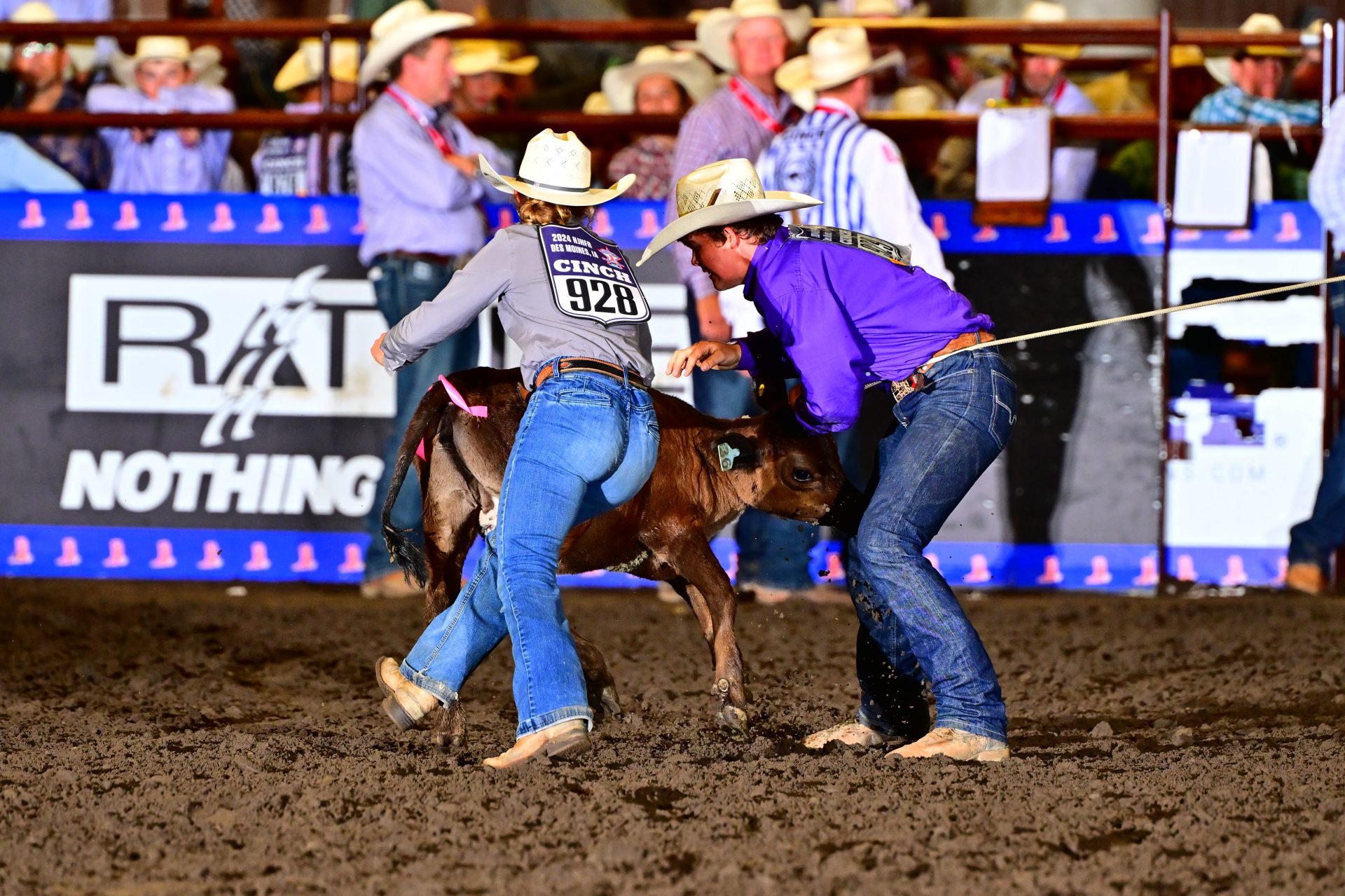
    The reigning 2024 NJHRA Ribbon Roping Champions, Henry Buchanan and Louise DeLong, hail from the Silver State of Nevada. As a multi-event cowgirl, DeLong said she used every year of eligibility in the NJHSRA. After just completing the eighth grade, she has one more shot at another world title, while Buchannan is running for his first shot at an NHSRA champion buckle.

    Buchanan says, “High school rodeo has taught me to focus on my job, not winning. I’ve learned that I need to focus on techniques and getting the job done instead of the results on paper.”

    The competitive structure and support systems built into NJHRA and NHSRA closely mirror the professional circuits run by the Professional Rodeo Cowboys Association and the Women’s Professional Rodeo Association. This familiar framework gives aspiring athletes early exposure to the expectations, travel demands and mental preparation needed at the pro level.

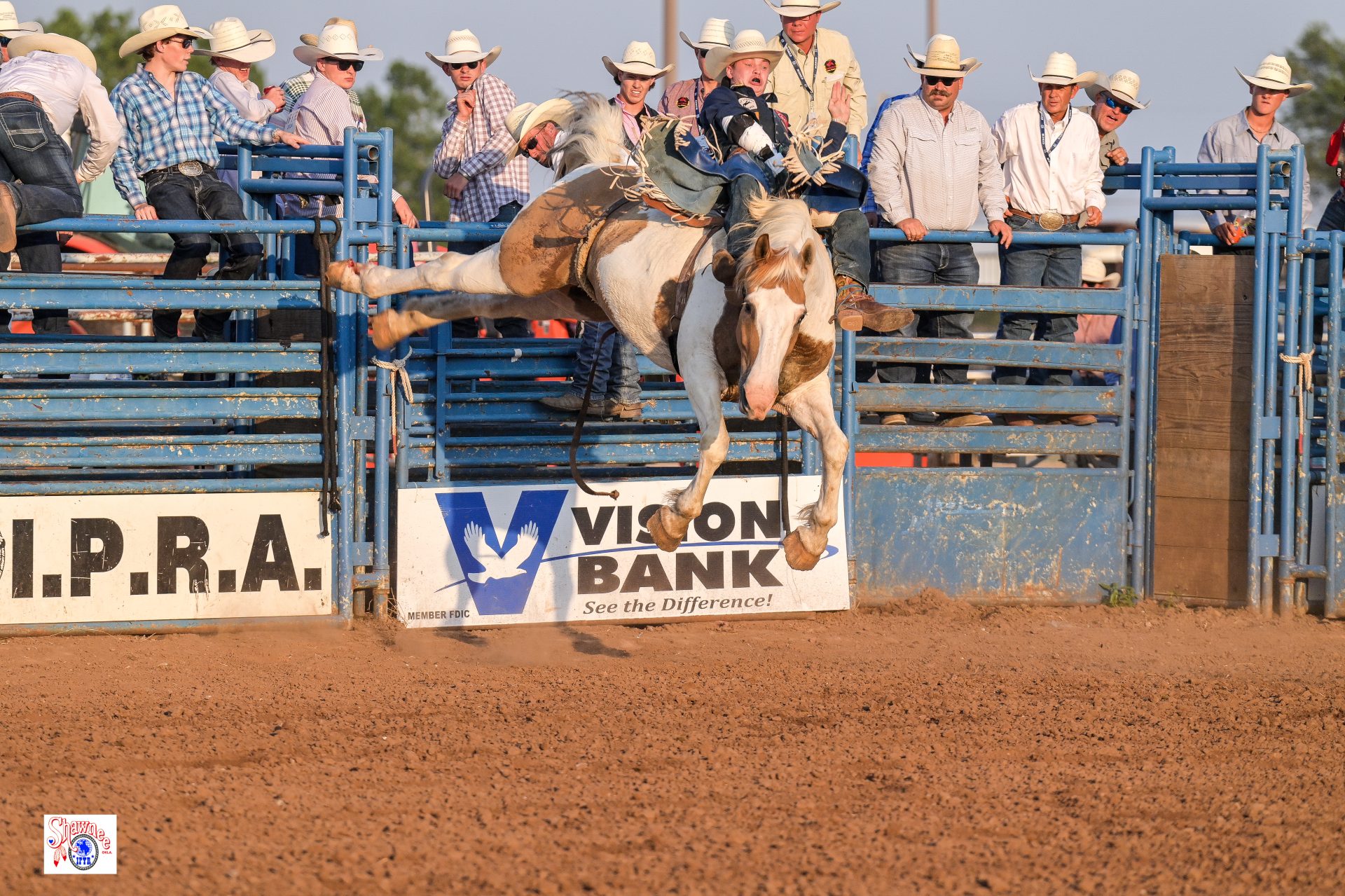
    Kash Loyd, a sophomore from Texas who won the bareback riding at the 2024 NHSFR, said he feels the NHSRA is setting him up for a future in pro rodeo.

    “High school rodeo puts you in front of the guys that go down the road now — whether that’s judges, stock contractors, other bareback riders — people are going to see your name,” Loyd said.

    Photo by 807Sports Photography

    “It publicizes my name. That makes people, other bareback riders, want to go down the road with me. If they see that I can do that, they know I can ride bareback horses well. They see that I have a good attitude. They see my relationship with God, and that’s what I want. That’s what’s been the best part of the NHSRA.”

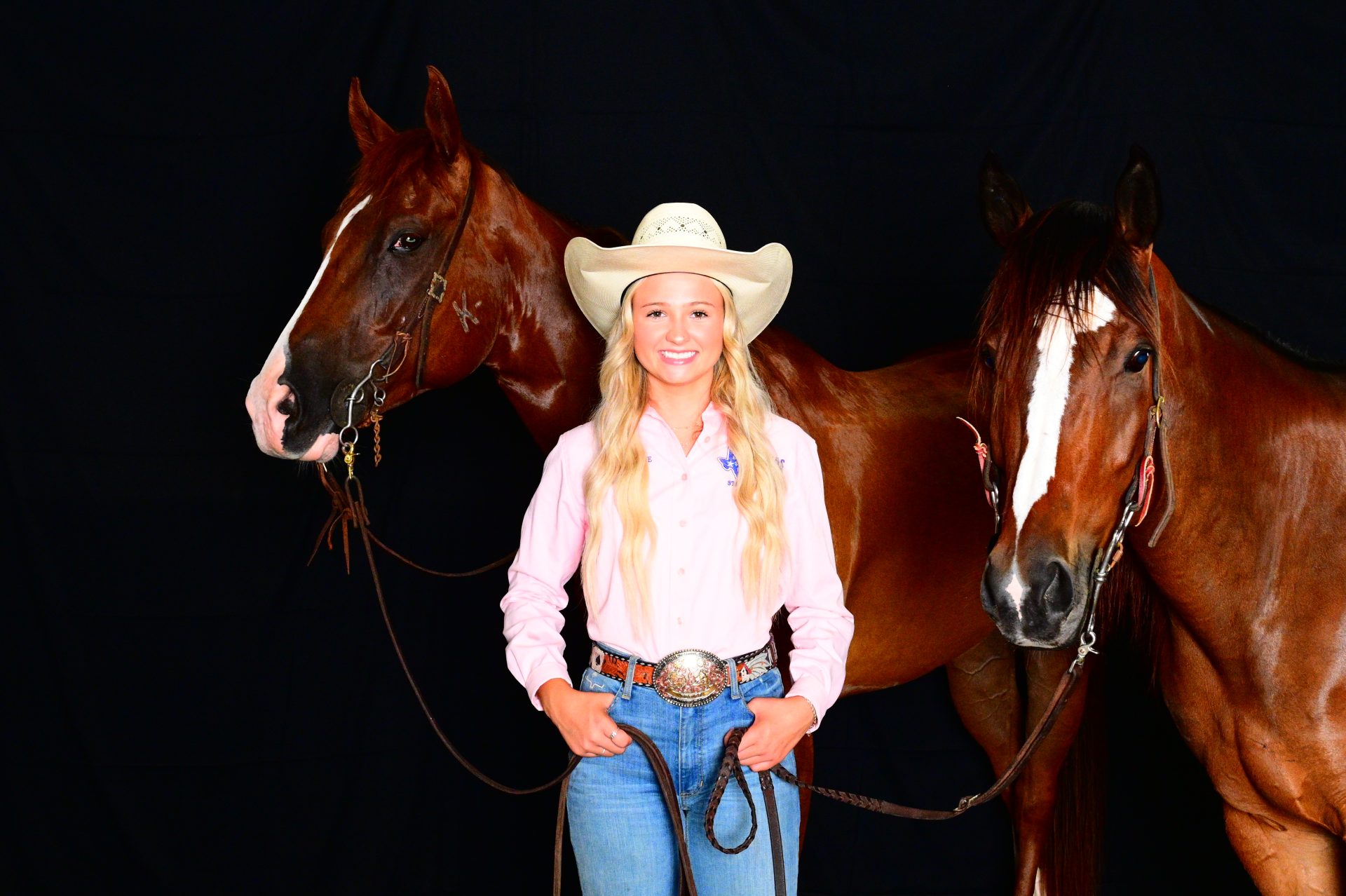
    2024 All-Around and Goat Tying Champion Drew Ellen Stewart said the NHSRA prepares students for the high-pressure situations faced by professional rodeo contestants.

    “National High School Rodeo sets a kid’s goal — like, ‘Oh, I want to go to nationals. I want to be a national champion.’ That’s the ultimate goal over any other high school event,” Stewart said. “That national title is one of the highest titles as a high school rodeo athlete. And with it being so high, it puts you in high-pressure situations that prep you for what it will be like when you go into pro rodeo.”

    Participation in junior high and high school rodeo builds more than just rodeo champions — it builds character. Competitors must manage their livestock, maintain equipment, balance travel with academics, and often help finance their careers through sponsorships or part-time work. Responsibility, discipline and resilience are ingrained in every aspect of a young rodeo athlete’s life.

    Photo by Jennings Photography

    Stewart said she knows the challenge of balancing elite-level rodeo with life as a full-time student.

    “It’s difficult because I still go to public school, and I’m one of the few rodeo athletes who still don’t homeschool,” Stewart said. “My family helps a lot, though, because it takes a whole village to allow me to be a four-event all-around cowgirl and a cross country and state track athlete.”

    Many NJHRA and NHSRA alums have gone on to dominate professional rodeo stages. Trevor Brazile, an NHSRA alumnus, is widely regarded as the “King of the Cowboys” and holds the title of the winningest cowboy in PRCA history, with an astounding 26 world championships, including 14 all-around titles.

    Sage Kimzey, who also competed in the NHSRA, has become one of the most successful bull riders in recent history, with an incredible seven PRCA World Champion titles. His journey from youth rodeo to professional rodeo stardom exemplifies how the skills and mindset developed in high school rodeo can propel an athlete to greatness.

    Jackie Crawford, an NHSRA alumna and one of the most decorated cowgirls in the WPRA, has amassed more than 20 world titles in the all-around, breakaway, tie-down and team roping. Crawford has spoken often about how the high school rodeo experience helped her develop the competitive edge and mental toughness needed to thrive in a male-dominated sport.

    These athletes prove that the path to the Thomas & Mack Center often starts in the arenas of state fairgrounds and high school rodeo events. Their stories testify to how the NHSRA and NJHRA are launchpads to greatness.

    These youth associations are now key recruiting grounds for sponsors, scouts and coaches. Rodeo camps and development programs are often held alongside NJHRA and NHSRA events to identify and nurture top-tier talent.

    The National Junior High and High School Rodeo Associations are doing more than hosting rodeos — they are building the future of the sport. Through structured competition, life-skill development and real-world experience, these organizations play a vital role in curating the next generation of pro rodeo stars.

    As long as there are young rodeo athletes with big dreams, NJHRA and NHSRA will be there, helping them prepare for success.

  • Team Cavender’s: Mallory Moore

    Team Cavender’s: Mallory Moore

    For Lufkin, Texas, cowgirl Mallory Moore, the rodeo was not something passed down—she discovered, nurtured and turned it into a way of life. From her first horseback ride at age 4 to her senior year on Team Cavender’s, Moore has grown into one of Region V’s standout high school rodeo competitors, fueled by grit, family support and a deep love for the sport.

    Moore said she began working at the Cavender’s store in Lufkin in August 2023, unaware that the opportunity would lead her to become part of the Cavender’s legacy in a much larger way.

    “I was interested in Cavender’s being one of my sponsors,” Moore said. “I didn’t even know about Team Cavender’s until I started looking into how to get sponsored, and my store manager told me about it. I applied in time for my senior year and was thrilled when I got the email saying I made the team.”

    Though she only spent one year with Team Cavender’s, Moore said she loved every minute of it. She highlighted her favorite memory as their yearly summit meeting.

    “It was a good mixture of rodeo, friendships and business,” she said. “It wasn’t just about being in the arena—it was a life perspective. I made some great friendships, and it gave me a broader view of what it means to represent something bigger than myself.”

    Moore competes in barrel racing and pole bending. While she once entered nearly every event—team roping, breakaway, goat tying, even cutting—she is now focusing her energy on the two events closest to her heart.

    “As I’ve gotten older, I’ve realized training barrel horses is where my main passion lies,” she said.

    Photo Courtesy of Mallory Moore

    That passion did not come from family tradition. “None of my family rodeoed,” Moore said. “My dad did some cutting, and my uncle runs cattle, but I was the first to get into rodeo.”

    Her journey started with riding lessons from a local woman who did not run barrels but taught her the fundamentals. “I kind of took it from there and trained my horses over the years,” Moore said.

    Moore added her most influential horse was a gelding named Hershey. “I got him in eighth grade, and he took me farther than I ever imagined,” she said. “He won me my first saddles and broke the arena record in Lufkin. He taught me everything I know.”

    Today, Hershey carries a new rider—Moore’s nine-year-old sister Remy.

    “Watching them together makes my heart so happy,” she said. “He knows when to go fast and when to take care of her. Remy has seen what I accomplished with him and wants to do the same.”

    With three younger siblings—two who dance and one who rides—Moore said her parents spend most of their time supporting their children’s passions on the road.

    “They’ve always pushed me to be my best and be the best sportsman I can be,” Moore said. “Their support, along with my grandparents and that first riding coach, has made all the difference.”

    Now preparing for life after high school, Moore said she plans to attend a community college this fall and plans on buying her permit.

    “Eventually, I want to go pro and PRCA rodeo. I’ve always dreamed of getting on the road and seeing how far I can go in barrel racing,” she said.

    One of Moore’s proudest moments was receiving the Legend Williamson Award from the Piney Woods Rodeo Association. The award is named for 10-year-old Legend Williamson, who died in a horseback riding accident in 2021.

    “Legend was a friend of mine who passed away. He never met a stranger and always shared God’s light,” she said. “Receiving that award meant the world to me. I want to carry that light and support others like he did.”

    Whether in the arena or in life, Moore rides with heart, faith and a fierce determination to make her mark on the rodeo world.

  • Taylor Broussard – Stronger than the Struggle

    Taylor Broussard – Stronger than the Struggle

    Addiction is a powerful force – one that must be confronted. It is a disease that can take root in one’s life and wreak havoc on more than just themselves. Gradually, if left unchecked, it can consume every aspect of a person’s well-being and turn into a relentless cycle of struggle, denial and, occasionally, overwhelming times of despair – an era of dependence that temps you to stray from the path intended for you. It often begins as a moment of escape or pain that transforms into something far more dangerous and destructive. However, with the right support, courage and understanding, the road to healing and recovery can be transformative and awe-inspiring. This is a telling of one such story that is about more than the grip of addiction, but about the strength it takes to overcome and prevail despite your demons.

    Photo by Sam-Sin Photography

    Taylor Broussard, age 31, of Estherwood, Louisiana, is well known for his prowess on a bareback horse within the professional ranks of rodeo. The cowboy has three qualifications for the Wrangler National Finals Rodeo (NFR) starting in 2019, 2021, and 2024; he has achieved numerous career highlights from NFR round wins, circuit championships, and other various rodeo titles. Broussard is a loving family man with his wife, Alishea, and has a deep passion for the sport of rodeo. His family owns a crawfish business, and outside of bareback horses, Broussard enjoys roping and breaking colts. However, within this mirage of happiness lives a secret that was slowly eating the talented cowboy alive. That secret was alcohol addiction and abuse.

    It all began with large family gatherings and events during his youth. Social drinking was a normal function and simply part of Louisiana culture. The accessibility of alcohol and the ease with which it could be attained laid the foundation for what would turn into a lifelong struggle with addiction. Broussard stated, “The way it started, I would open a beer for my cousins and sneak a sip here and there.” He continued with the knowledge that “I grew up in a good family; there was just a lot of partying.” The exposure to alcohol and its eventual abuse would not only disrupt Broussard’s life but would affect his well-being and career. “I started drinking beer when I was 12 years old like a man and got help when I was 29…” By the age of 19, Broussard began to recognize that he might have a problem but, at the time, could not see a way past it.

    In his early rodeo career, Broussard expressed there was a great deal of alcohol abuse. The temptation to party, drink and care poorly for oneself is intense when on the road. While riding full-time, he believed his friends and fellow competitors primarily saw his drinking as casual, with no one recognizing the underlying problem. Broussard thought he could run under the radar while competing and disassociated himself from the issue at hand. However, during his second NFR in 2021, Broussard suffered an injury that removed him from competition for a period.

    “I went on a downward slope from there because I was a little depressed about not being able to rodeo. I started drinking by myself, using it as a pain reliever.” According to Broussard, it was an excuse that would evolve into drinking in the morning by himself and would lead to his self-isolation due to his behavior. His drinking would lead to car accidents and mistakes that would ultimately feed his addiction. A tipping point came soon after he was cleared to start working out and getting prepared to rodeo again. One day, on his drive home, “I couldn’t help myself… I stopped at five stores that didn’t sell beer and finally caught one that did.” He explained that he did not know the reason for stopping or buying the alcohol in the first place.

    “I asked God for help. I don’t want to keep doing this.” The next day, his brother, who is 11 years sober, contacted him and asked if he was ready to receive support. To Broussard, it was a message from God saying, “It’s time… so I listened.”

    Forty-five days in rehab and going on three years sober and in active recovery, Broussard is a changed man and a better competitor for it.

    In reflection on how his addiction affected family and friends, Broussard stated, “It was affecting my relationships because I was putting drinking first instead of my marriage.” Today, his outlook is healthier and mirrors the changes he made in his life. The first step to recovery is to admit you have a problem and then to seek help. Broussard expressed that the aid is available; you must only seek the help and be prepared to accept it. A strong community to stand behind you is vital to maintaining sobriety and being aware of your surroundings is key to finding success. Broussard stated, “Surround yourself with champions and the people you want to be like.” Alcohol and temptation are everywhere; being conscious of the people, influences and beliefs can make the difference between being in active recovery or finding yourself reverting to addiction.

    Photo by Sam-Sin Photography

     “Don’t be afraid to ask for help because there are a lot of people out there willing to provide aid and went through the same struggles as you.” He continued with, “Just talking to someone might help just a little bit…”

    Today, Broussard’s rodeo career is flourishing thanks to the positive influences, life changes and support received after his plea for aid. His outlook on riding bareback horses and his physical health have improved immensely, along with his desire to win. “I’ve been on a lot of bucking horses since I’ve been sober… now I feel like I should win on them all.” In a comparison of his health during active addiction versus active recovery, Broussard can feel a physical and spiritual strength that was not always present before. A 31-year-old bareback rider is seasoned in more ways than one. Going into this year’s rodeos, the bareback rider can confidently say he has never felt better or more fit to compete. Broussard is nothing if not humble regarding his past decisions or thankful to the people who stepped up to be the supporters he needed. Longtime friend, traveling partner, and fellow NFR qualifier Trenton Montero – who sadly passed away after a rodeo accident in August of 2023 – was a “good buddy” and a positive example of both character and faith. Montero’s life reflected moral conviction and was grounded in integrity and devotion. His relationship with Broussard was critical to his recovery as he was his “wingman.”

    Photo by Wild Red Rodeo Photography

    When reflecting on his relationship with Montero, Broussard stated, “I think that is what kept me sober, how proud he was of me.”

    Recovery is possible for anyone. It is often deeply personal and a journey taken over one’s lifetime. There is no cure for addiction, but it is treatable, and long-term healing is more than possible. The path to active recovery is marked by courage, vulnerability and resilience, and it begins by recognizing that a change is needed. Broussard’s lasting remarks on addiction were, “Set reachable goals in both life and recovery.” The path is rarely straight or without bumps; setbacks may come, but every step forward is a victory. To take the time to rediscover one’s identity and learn to live with purpose and peace will only open the doors back into the community we all seek to be part of. Through community, accountability and inner strength, those in recovery can find the hope that was never lost but simply waiting to be held.