Rodeo Life

Blog

  • Open Call for Editorial Submissions

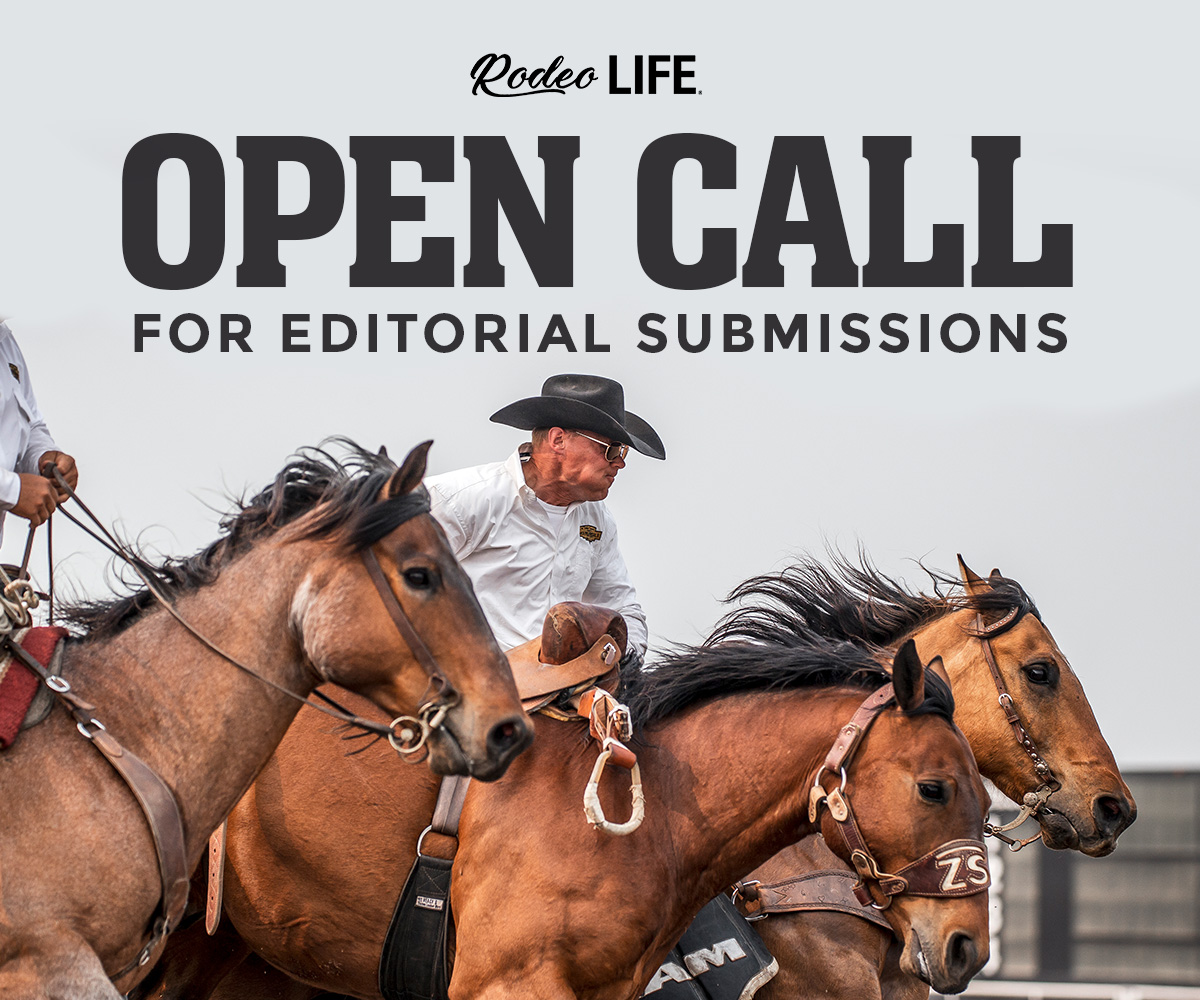
    Open Call for Editorial Submissions

    Attention, all writers! Rodeo Life Magazine is now accepting editorial submissions.

    If you are eager to showcase your writing, here is an opportunity to do so in a well-established rodeo magazine.

    Submissions must be exclusive to us, meaning they have been sent only to us and have not been published online or in print elsewhere, including on personal blogs or social media channels. We prefer that the submission be between 400 and 1,000 words.

    Please use the form below to submit your potential Editorial. We will promptly reach out to authors of relevant articles. Thank you for you interest in Rodeo Life Magazine. For additional questions, please contact kristen@mwdatademo1.com

    Editorial Submissions

    Name(Required)
    Email(Required)
    Please use the area below to input your editorial submission. Please include Title, body copy, and author.
    Please upload your photos here. Please include image credits in the file name. Files might need to be uploaded separately.
    Drop files here or
    Accepted file types: jpg, png, pdf, Max. file size: 20 MB.
    • Western Art Roundup: Jessie Veeder

      Western Art Roundup: Jessie Veeder

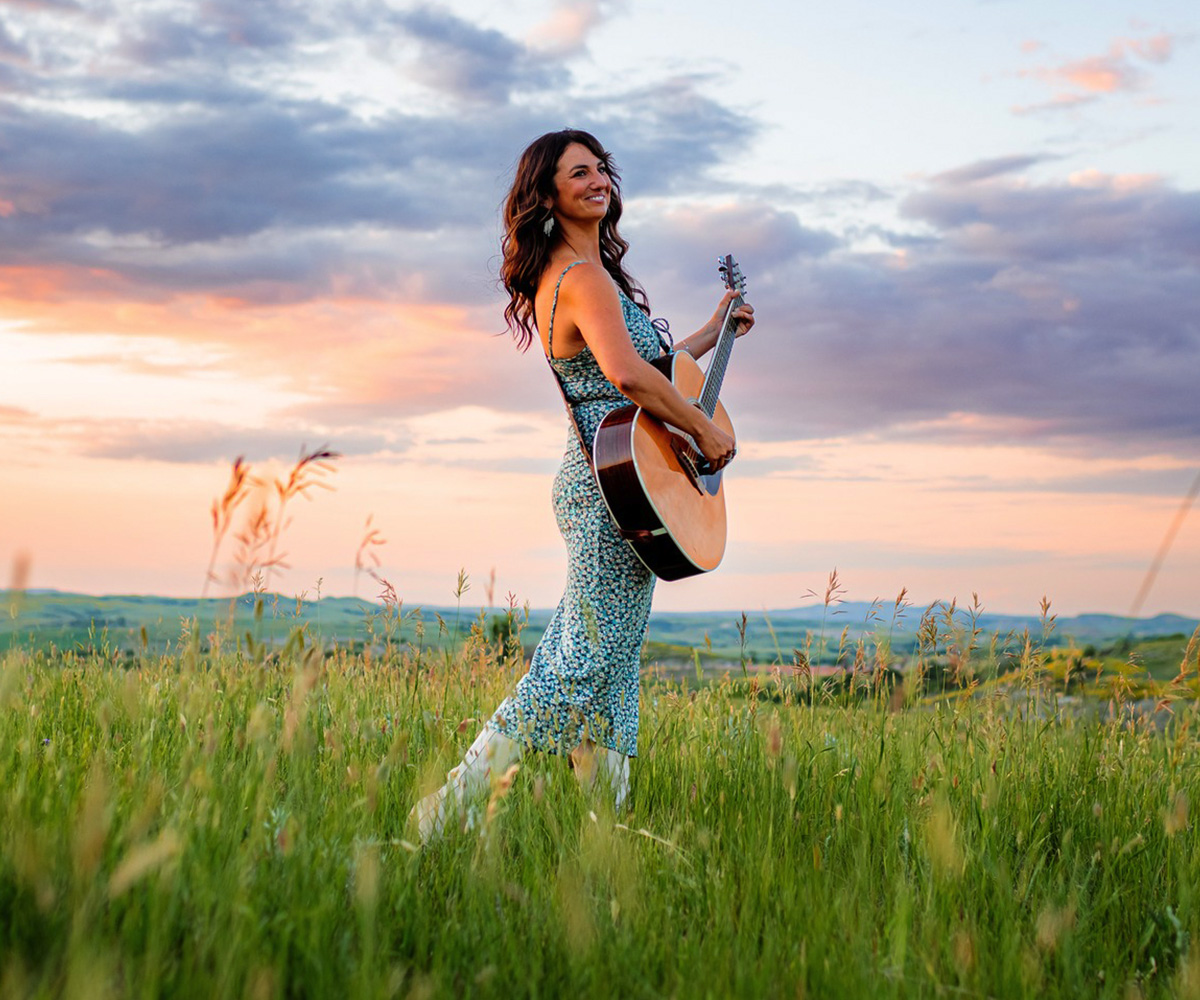
      Jessie Veeder is a songwriter, musician, journalist, North Dakotan, community builder, mother, and advocate for Western life. She explores rural living through her music, popular blog, and podcast, Meanwhile, back at the ranch, and is the director of the Long X Arts Foundation. Veeder’s latest album, Yellow Roses, was released in January 2024.

      Jessie Veeder’s music evokes a feeling that can only be replicated by driving through her home state of North Dakota, off the beaten path of the interstate. Its range and farmland, as far as the eye can see, only interrupted by grazing cows, oil flares, or a sign for the next small town’s annual summer rodeo. Western North Dakota hides a lot of its beauty below the line of sight, with much of its topography going down instead of up. This might be lost on someone who doesn’t take the time to look more closely, and Veeder has been learning how to see beyond the surface for her entire life. Her songwriting and journalism explore the moments, stories, people, and experiences that make life in the rural West unique.

      Veeder has always been surrounded by the Western lifestyle and grew up singing alongside her father, Gene, a musician and rancher. From an early age, she related to songs with a story to tell, identifying elements of her own life. “I thought it was so magical to be a kid out in the middle of nowhere,” she recalled.

      Her father performed throughout the community, and Veeder started getting on stage to sing with him at a young age. She entered and won a community talent contest, and the grand prize of $50 in “chamber bucks” was enough to buy a double tape deck. Now armed with the technology to record herself, Veeder kept practicing and writing songs.
      Knowing that her story was unique, Veeder continued pulling on the thread of rural life in her songwriting. This led to recording her first album of original material, This Road, at 16. “It was just a unique thing for a kid my age to be doing something like that,” she shared. “I think about how brave that was.”

      Veeder found a lot of support in her community, but the idea of becoming a professional musician seemed out of reach. “That was a pipe dream,” she shared. “Saying I wanted to play music professionally was a hard thing for me to say out loud as a teenager. I didn’t utter it out loud, but I did to myself.”

      This changed when she left home at 17 to attend the University of North Dakota. She studied communications and was also encouraged to pursue music further. A Nashville booking agent discovered her music, and beginning her freshman year, Veeder toured up and down the Midwest. She played coffee shops and colleges, traveling alone. “I was pretty independent and totally fine getting in the car and driving hours to play,” she shared.

      This experience was formative and taught Veeder how to use her unique qualities — like her thick North Dakota accent and childhood on a ranch — to connect with people. “Not being ashamed of it, but being proud and talking about it was interesting to these college kids,” she remarked. “Once I realized that people are curious about my upbringing and my songs about rural living, I gained confidence.”
      At 23, Veeder was engaged to her now-husband and high school sweetheart, Chad. The couple moved home to Watford City, where Chad worked in the oil field, and Veeder did various jobs while continuing to write and play music. Looking for change, the couple moved to Missoula, Montana, where she worked for a nonprofit. Chad was offered a job back in North Dakota, so they returned to the family ranch, living in the house where Veeder’s dad was raised.

      Once again, her roots and history in western North Dakota were pulling Veeder toward storytelling, and she committed herself to following this thread. “I stayed home for around a year and a half and just explored my creativity. I wasn’t going to work in a bank, in the oil field, or as a teacher. I was going to tell this story,” she shared.

      She recorded Nothing’s Forever, which features her popular song, Boomtown. The oil industry had completely transformed her hometown, and the once quiet rural area was suddenly filled with people from all over the country and the world. “You almost forgot you were in your hometown because it was so wild,” Veeder shared. This sudden growth, and the negative and positive effects, made national news. Veeder had started her blog, Meanwhile, back at the ranch, and her writing had also been picked up by local and regional publications. Soon, the media was calling her to comment on Watford City’s sudden stroke of luck — or misfortune — depending on who was asked.

      Veeder chose to look at the situation positively. Her father’s work in economic development offered perspective on the generational benefits that could come from this sudden influx of money, and Veeder used her writing skills to tell their story. “I was really curious about the stories that were coming in and wanted to help create a story for our community,” she said.

      National publications grabbed onto shocking stories of violence and oil field workers living in campers during below-zero weather. Veeder saw humanity in these people’s stories, understanding that everyone was making a sacrifice of some kind to be there. “There were people coming here who just wanted a better life for their family, and we wanted to figure out a way to keep them here or get them to bring their families here,” she recalled.

      Her high school classmates started returning home, and family ranchers who once feared not being able to pass their operations on to the next generation were able to bring their kids back home. “The next generation could make a living here and do it really well,” Veeder said.

      She honed her writing skills during this time. “I became really practiced at it and worked on seeing the magical everyday moments, or the story that could come from the turn of phrase that someone said,” she recalled. “I have always been fascinated by the stories in rural America.”

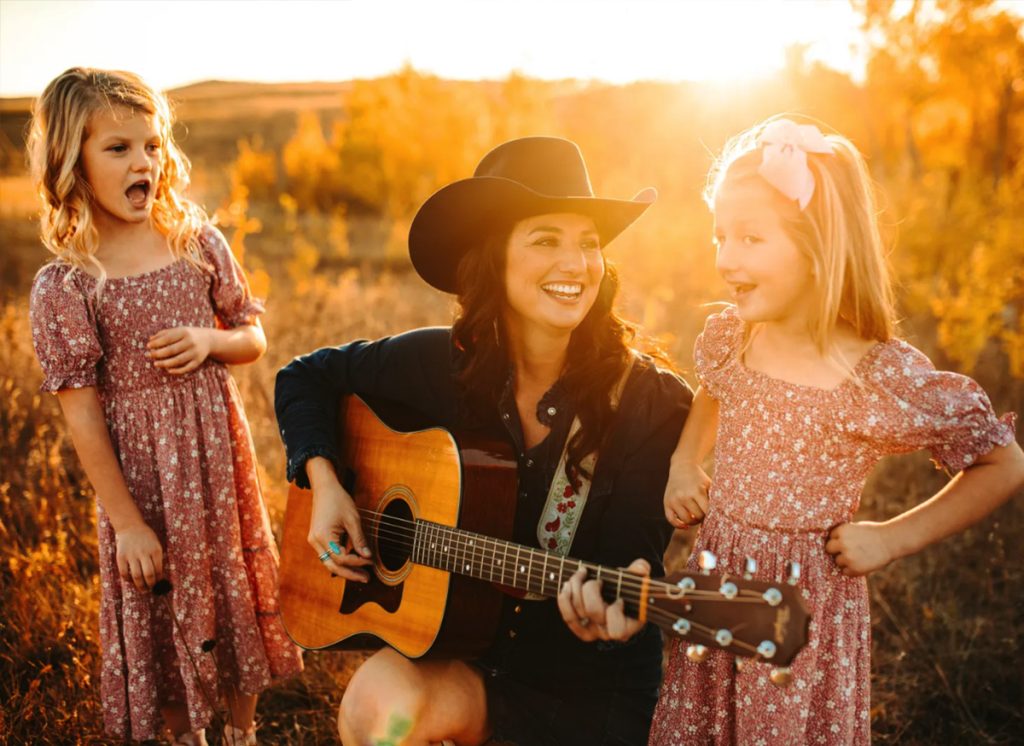
      Her latest album, Yellow Roses, further explores Veeder’s life in the rural West and her family’s deep history in North Dakota. She and Chad are the parents of two girls, Rosie and Edie, and motherhood has also become a strong theme in her writing. Released in January of 2024, Yellow Roses came on the heels of several trying years for Veeder. In 2020, right before the Covid-19 lockdown, she was diagnosed with a rare form of cancer. She had been fighting breathing issues, and having been told that she had asthma, kept trucking through life, singing and performing regularly.

      After flying to Elko, Nevada, for the National Cowboy Poetry Gathering, Veeder knew that something was very wrong. An ER doctor in Elko expressed extreme concern, and after performing for the festival and returning home, she sought out a larger hospital in Bismarck. As she drove away from the hospital toward home, the doctor called her and said she needed to return immediately. A large tumor was discovered in her airway — Veeder’s lungs were over 90% blocked. Thanks to a strong diaphragm and good posture, Veeder had miraculously been able to sing but was dangerously close to an emergency. After several surgeries, a lot of treatment, and downtime, Veeder recovered. Luckily, her voice was not affected despite the extremely invasive surgery to remove the cancer. Today, she is learning to slow down and does regular preventative scans, but Veeder is back to living life full-on.
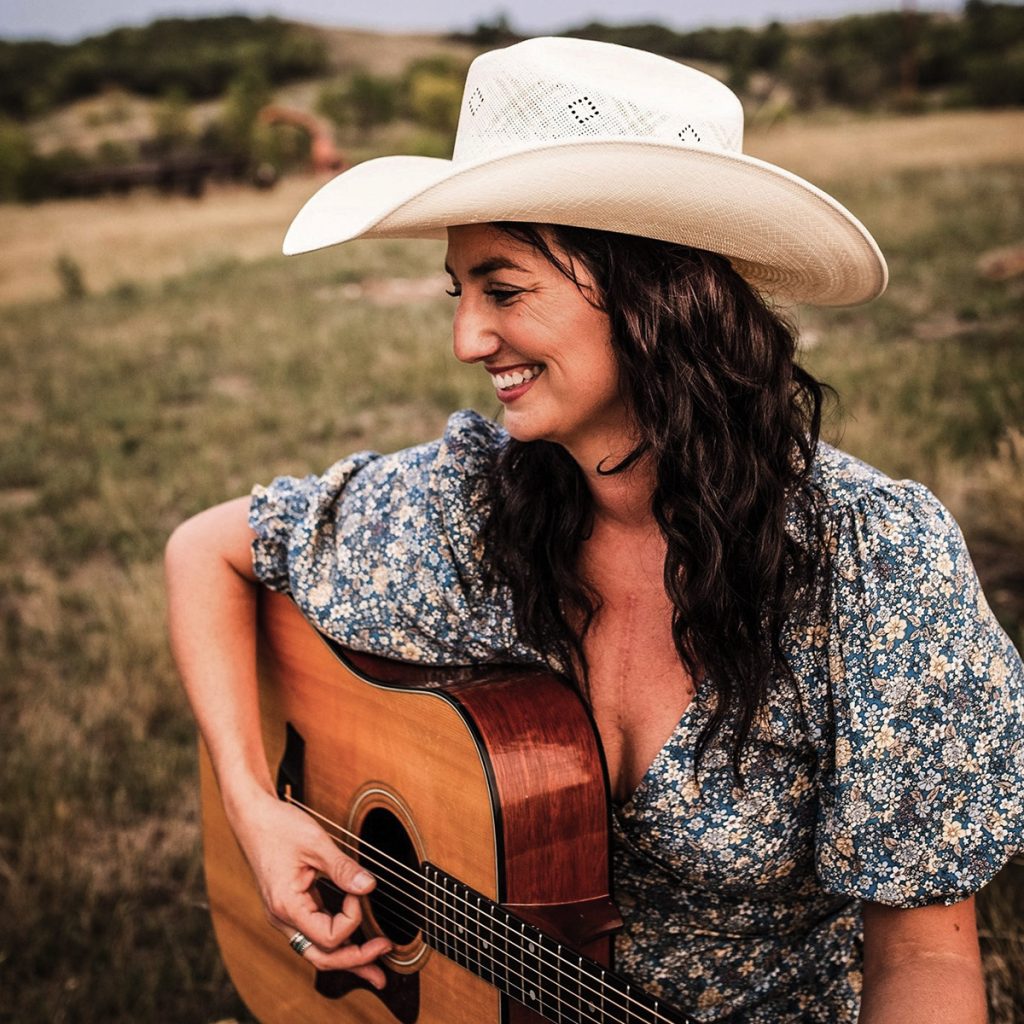
      In addition to sharing her own music, she works as the director for the Long X Arts Foundation, which brings art into the Watford City community. The organization helps plan events ranging from rodeo dances to art classes and classical piano concerts. When the oil boom brought money into the community, Veeder quickly advocated for the arts. “I knew that was something we lacked in our community because growing up here, I didn’t have as many opportunities to perform or explore the art world,” Veeder said.

      Other community members also advocated for supporting the arts, and in 2016 the Long X Arts Foundation was officially formed. “We have a permanent space in our visitor center with an art gallery and a full-time art teacher. We run a big concert series and go into the schools. We have facilitated public art projects and now are opening a retail space where we can really lift up local artists by giving them a place to sell their work,” Veeder shared.

      Art is front and center in the community, and Veeder is committed to bringing new and interesting performers into the community. Concerts have featured a Carnegie Hall trumpet player and a classical pianist.

      Veeder is an advocate for the Western lifestyle, and through her social media platforms, blog, and podcast, she shares her life on the ranch with people from across the country. Recently, she has been considering the popularity of Western culture and how that can be harnessed to benefit agriculture and Western culture. “I think we’re coming into an era where our story is our power,” Veeder shared. “I see that happening on social media in the world of agriculture, and we’re on those platforms showing people what it really looks like to be on a family ranch. This is what cowboy looks like, what being a farmer looks like, and what raising kids looks like. We’re able to grab a hold of that narrative on our own, and that’s what I think is so empowering and wonderful.”

      The newfound popularity of Western culture presents challenges, and Veeder recognizes the gap that needs to be bridged between popular culture and real life. “Let’s celebrate the culture and give people the opportunity to learn about what we do. If someone watches Yellowstone and then wants to come out to my ranch and let us show them what we do, all the better,” Veeder said.

      Rodeo is another thread connecting the general public with rural America. “I’ve been a participant in rodeo and, of course, an advocate for it. Those contestants are the ones representing our lifestyle. What we’re putting out front — and what cowboy means to us — matters to people,” she shared.

      Veeder is also the author of Prairie Princess, a children’s book written in collaboration with North Dakota artist Daphne Johnson Clark. The book celebrates rural living through the eyes of a young girl on a ranch.

      Veeder performs regularly at festivals and events throughout the country. She is a regular performer at the National Cowboy Poetry Gathering and has shared the stage with a long list of Western artists. Her efforts in music, community building, and advocacy have been recognized by several entities. Veeder is a recent recipient of the Governor’s Award for the Arts in Individual Achievement, she was named North Dakota’s favorite Folk Artist in 2016 and 2017, and she is the recipient of the North Dakota Ambassador Award.

      -Article by Lilly Platts
    • St. Paul Rodeo July 4th Rodeo

      St. Paul Rodeo July 4th Rodeo

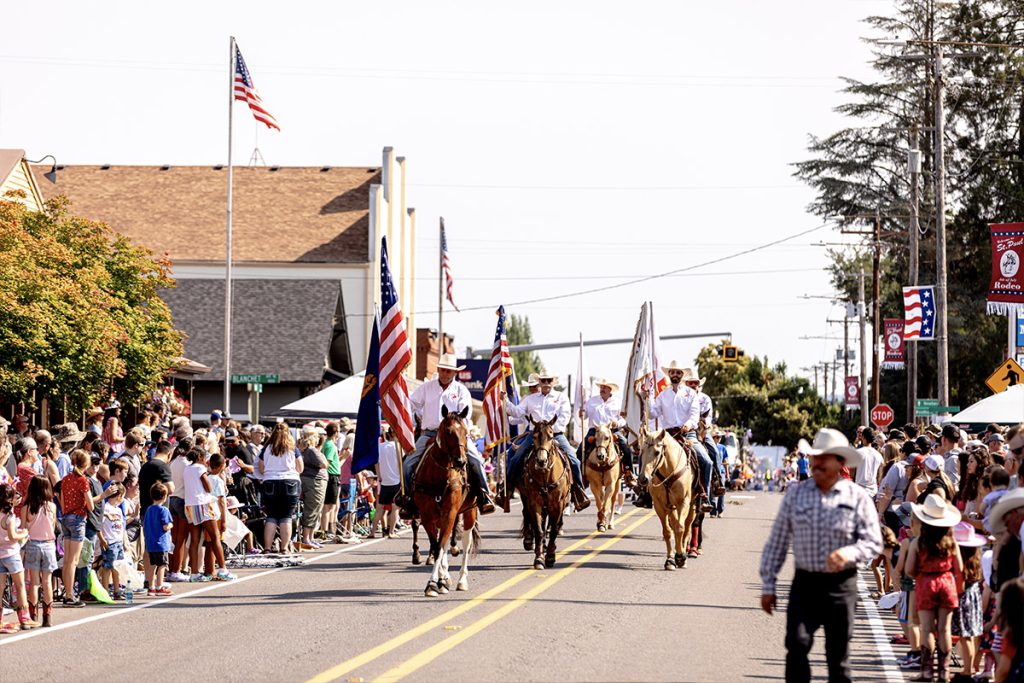
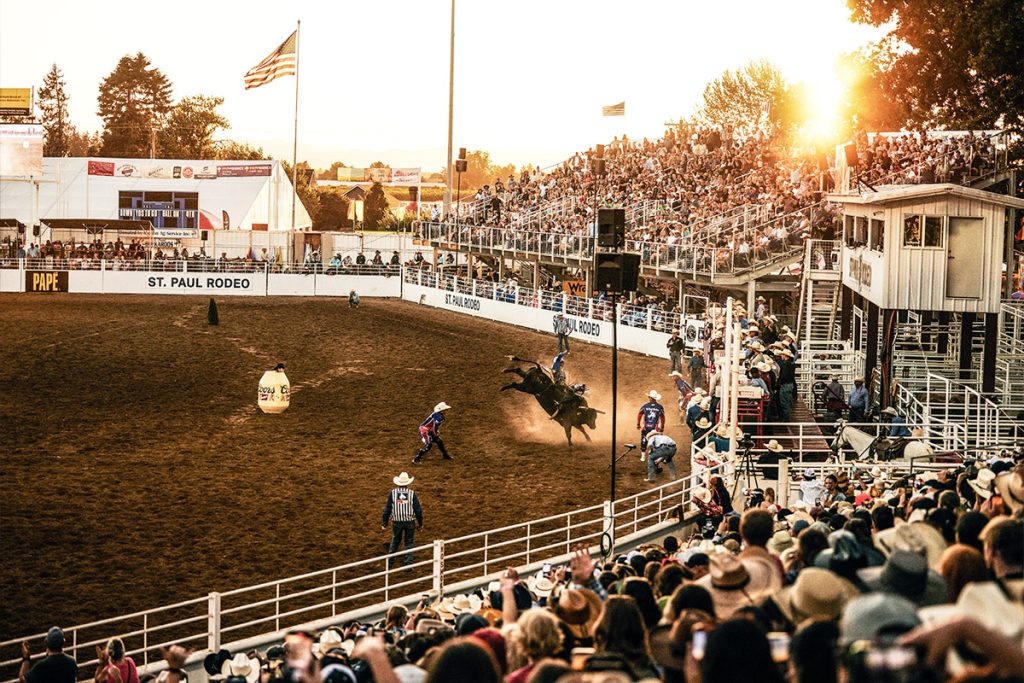
      Nestled in the heart of the Willamette Valley lies a tiny town with a big reputation. The town of St. Paul, Oregon, with a population of around 500 people, hosts over 50,000 visitors each summer for the nation’s greatest Fourth of July rodeo. Against a backdrop of star-spangled skies and crackling fireworks, the historic event captures the essence of Independence Day with the spirit of the American West. This year’s 88th annual St. Paul Rodeo will kick off on July 2nd, 2024, with nightly performances through July 6th. The rodeo will feature nightly performances followed by fireworks, an Independence Day parade, carnival games, fair food, and shopping vendors.

      History

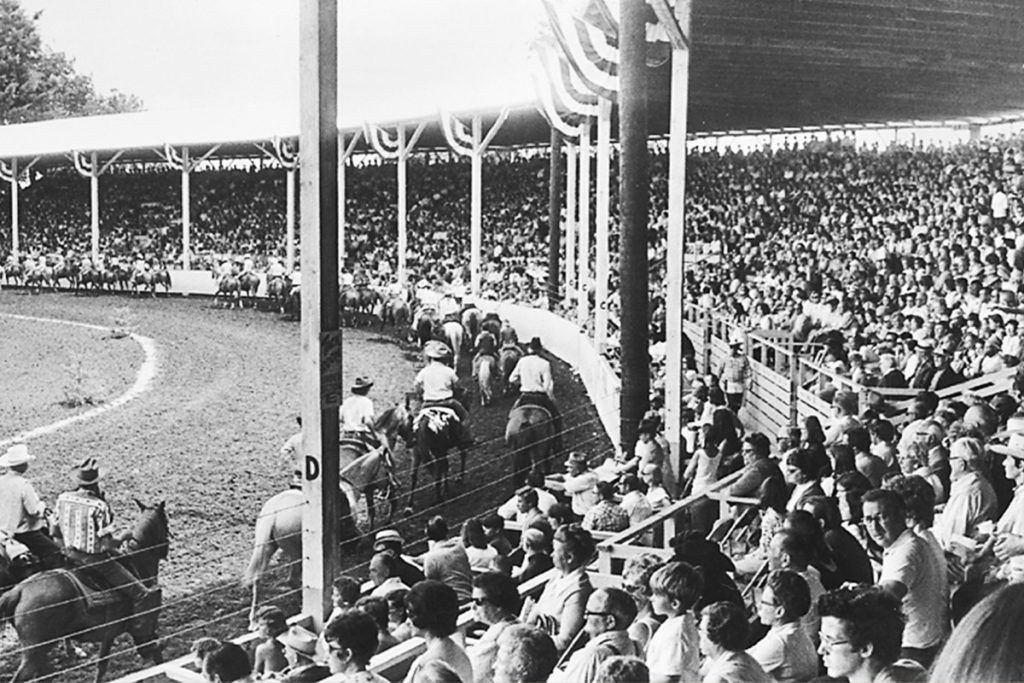
      The Finest Rodeo in the Northwest was born in 1935 when a group of eight farmers and businessmen came together with the vision of preserving the Western spirit and creating an Independence Day rodeo like no other. Led by the first rodeo president, Bill Smith, the men — Ray Manegre, John McKillip, Carl Smith, Maurice Smith, Jim Gooding, Ralph Butt, and Ed Unger — brought the events of bareback, steer riding, roping, saddle broncs, hop buggy, and chariot racing to St. Paul on July 4, 1936 in what would eventually be known as the biggest rodeo held in a small town in the United States.

      The rodeo performance featured specialty entertainment acts, including trick riders and ropers. The performance boasted a $500 purse for competitors, and the grounds sported carnival food and beverages as well as a gambling tent with poker, blackjack, and slot machines. Ray Manegre was elected president of the rodeo following the unexpected death of Bill Smith in 1938. He served until 1955 when he passed the baton to John McKillip. But no matter who led the board, constant progress was made as the rodeo grew. In 1940, the rodeo added arena lights for night rodeos. Later, in 1945, new grandstands, bleachers, and bucking chutes were constructed. The new project created seating for nine thousand visitors — six thousand in covered stands and three thousand in bleachers.

      The rodeo has continued growing throughout the decades. In 1956, another project began to bring the arena’s seating capacity to its current 10,500. The year 1998 brought new beginnings to the rodeo, as the St. Paul Rodeo Foundation was formed. Its mission is to enhance and enrich the community by supporting education, local history, and Western heritage through the annual St. Paul Rodeo. The foundation provides scholarships to local youth and supports the St. Paul Rodeo Hall of Fame.

      National Recognition

      As successful decades have passed, the rodeo has been recognized by multiple organizations for its contributions to not only the surrounding area but the rodeo industry as a whole. In 1991, the Professional Rodeo Cowboys Association gave the St. Paul Rodeo a plaque proclaiming it the “Finest Rodeo in the Northwest.” The event was also the recipient of the 2019 PRCA Remuda Award. It received recognition in 2021 as the Columbia River Large Rodeo of the Year and was recently inducted into the Professional Rodeo Hall of Fame in 2023.

      2024 Personnel

      The St. Paul Rodeo has worked to outdo itself each year, and 2024 will be no different. The announcers narrating the action will be Justin McKee from Hico, Texas, and Marty Campbell from Pendleton, Oregon. The barrelman this year will be JJ Harrison from Walla Walla, Washington, working alongside bullfighters Dave Murdoch, Josh Daries, and Logan Blasdell. The pickup men include Jared Gill, Jerad McFarlane, J2 Brown, and Mitch Coleman. The animal athletes will be provided by stock contractors The Flying Five and Big Bend Rodeo Companies, Korkow Rodeos, and Big Stone Rodeo Company. Specialty acts for the nightly performances include trick rider and liberty performer Jessica Blair-Fowlkes and Dusti Dickerson. Independence Day will draw the nation’s top talent to the northwest, boasting a $500,000 payout for competitors willing to put their skills to the test.

      Hall of Fame

      The St. Paul Rodeo Association created a Rodeo Hall of Fame in 1998 to recognize outstanding individuals throughout the rodeo’s history. Inductees of the Hall of Fame include past champions, stock contractors, contract acts, local committee individuals, and top animal athletes. The 2024 Hall of Fame inductees will be honored on Monday, June 1. The 2023 St. Paul Rodeo Hall of Fame inductees included Brittany Pozzi Tonozzi, David Bothum, Eric Layton, Frank Kirsch, Sr., and Debi McKillip. Each inductee has left their mark on the rodeo and contributed to its overall success as an Independence Day staple in the northwest.

      Royal Court

      The 2024 St. Paul Rodeo Queen is Emelia Coleman from St. Paul, Oregon. Emelia comes from a seven-generation farming family and is 22 years old. She is a senior at Oregon State University studying business marketing with a minor in new media communications. Emelia is a four-year OSU Intercollegiate Horse Show Association member where she serves as the team captain. After graduation, she plans to continue working on the family farm and pursue a career in production within the Western industry.

      Princess Morgan Cuff is a fourth-generation hazelnut and grass seed farmer from Woodburn, Oregon. Morgan is currently a sophomore at OSU studying agricultural business. She competed in 4-H and on the Oregon High School Equestrian team in previous years and is currently a member of the OSU Collegiate Stock Horse Team.

      Princess Erin Anderson is from Sherwood, Oregon, and graduated from OSU in 2023 with a bachelor’s degree in bioresource research. Erin hopes to eventually return to school to pursue a graduate degree in bioinformatics or a similar field. Erin competed in 4-H and American Quarter Horse Association shows when she was young, and credits her love and knowledge of horses to her mother.

      Impact

      Over 400 volunteers work together each year to bring the St. Paul Rodeo to life. The day following the last rodeo performance, these volunteers plant grass in the arena to transform it into a football field for the St. Paul High School Buckaroos in time for football season in the fall. The rodeo has a $250,000 charitable impact on its host town, with $70,000 of that money coming from direct donations to local organizations. The rest comes from providing a significant fundraising venue for local organizations.

      Visit

      Tickets to the rodeo are available for sale on the St. Paul Rodeo website, StPaulRodeo.com.

      St.Paul Rodeo Facts

      Mission: Support our greater community and honor our western heritage
      by producing a world class rodeo.

      • 2024 marks the 88th St. Paul Rodeo.
      • The St. Paul Rodeo has a charitable impact of close to $450,000 including direct donations to non-profits, scholarships and partnering with many organizations to fund raise during the rodeo.
      • Held in a small farm town with population of 425 – boasts attendance of over 60,000 annually.
      • Farmers and coaches plant grass the day after the rodeo each year to turn the arena into a high school football stadium.
      • The St. Paul Rodeo Hall of Fame BBQ will be held on July 1, 2024 where those who have contributed their time and talents to the St. Paul Rodeo are recognized. Live and silent auction benefits the Austin Smith Foundation.
      • Five days with Six performances: Evenings at 7:30pm on July 2 – 6 with a 1:30 pm matinee on July 4.
      • July 2 is First Responder Night, offering ticket discounts to all emergency personnel.
      • Every night, tips are collected to benefit the Justin Cowboy Crisis Fund. Since 2011, the St. Paul Rodeo annual campaign has raised more than $245,000 in donations and tips to assist injured rodeo athletes and their families.
      • Celebrate Independence Day in style with the St. Paul Rodeo 4th of July Parade at 10:00 a.m. on Main Street. July 4 1:30 matinee is Family Day with reduced prices.
      • July 4 7:30 evening performance is Patriot Night, all active military and veterans are honored and receive discount tickets.
      • 2024 marks the first year to include WPRA Breakaway Roping at each performance.
      • St. Paul Rodeo Association will add $319,175 to the purse which draws the world’s top professional rodeo contestants every year. In 2023, a total of $440,702 was paid out.
      • Fireworks follow each evening performance!
      • Televised performances on The Cowboy Channel, official network of ProRodeo
      • The Specialty Act will be Trick Riders – Jessica Blair Fowlkes and Dusti Dickerson.
      • Justin McKee will be back as our announcer and fan-favorite JJ Harrison will be back in the barrel.
      • The top livestock in the nation are provided by livestock contractors including: Four Star Rodeo, Flying 5, Korkow Rodeos, Big Stone Rodeos, Macza Pro Rodeo, Sankey Rodeo Company, Julio Moreno and King Rodeo Company
        Carnival opens every day featuring rides for all ages by Davis Shows as well as a variety of food and concession vendors.
      • The Tack Room Saloon, voted one of the top 20 cowboy bars in the west, is open every day prior to the rodeo to those 21 and over. Full of historical rodeo memorabilia, located under the grandstands with live feed to view the rodeo while inside and stays open after the rodeo for nightly fun.
      • The Outpost tent offers casual seating for another adult gathering place to meet up with friends, with picnic tables and live feed viewing parties during each rodeo performance.
      • Yes, we have TREES in the arena (arborvitae!) A throwback to the early years with horse and pony races in the arena and the trees were used to mark the track.
      • Arena capacity of 9,600 and in 2023 we SOLD OUT all 6 rodeo performances.
      • Ticket prices range $20-$60. Tickets are available online at stpaulrodeo.com or by calling (800)237-5920.

      -Article by Nicole Jasperson | Photos Courtesy of St.Paul Rodeo

    • Cowboy Christmas: The Most Wonderful Time of the Year

      Cowboy Christmas: The Most Wonderful Time of the Year

      While most folks take time off work to barbecue, spend time with family, and hit the lake around Independence Day, professional cowboys and cowgirls load up their rigs and hit the road for the busiest and richest run of the year. For many, this involves driving through the night and making multiple runs per day in order to hit as many rodeos as possible.

      “Cowboy Christmas” consists of dozens of large paying rodeos scheduled for the last week of June and first week of July. Each rodeo has a whopping amount of added prize money, and competitors hope to take home their share of the purse. This time of year can be critical for competitors, and tends to shake up the world standings in all events across the board.

      On any other weekend throughout the year, around 15-17 rodeos are held across the country. These numbers skyrocket during the Fourth of July run, with over 30 rodeos July first through third alone. Professional cowboys and cowgirls hope to pull into the driveway thousands richer after competing in as many rodeos as possible during the most wonderful time of the year.

      Here’s a rundown of the biggest rodeos you won’t want to miss during Cowboy Christmas.

      Reno Rodeo

      Although not technically over Independence Day, some consider the Reno Rodeo the official start of the Cowboy Christmas run. The 105th annual Reno Rodeo runs from June 21-29, and has added money of $560,000. Created in 1919 when community members sought a way to celebrate the end of World War I, it dubs itself the wildest, richest rodeo in the West.

      Ponoka Stampede

      This year’s Ponoka Stampede is scheduled for June 25 through July 1 in Ponoka, Alberta. The 88 year old tradition has prize money of $955,000, and attracts around 80,000 visitors and rodeo fans annually. With a large purse comes tough competition, bringing some of rodeo’s top athletes to the event for their shot at a check.

      Greeley Stampede

      The Greeley Stampede takes place June 27th through July 3rd in Greeley, Colorado, at the Island Grove Arena. The rodeo has $267,173 in added money for competitors. Last year’s highest money earner was steer wrestler Gus Franzen, who left the rodeo $13,499 richer.

      World’s Oldest Rodeo

      The World’s Oldest Rodeo takes place July 1-6 in Prescott, Arizona, and features $160,000 in added money. It was born in 1888 and continues to draw the nation’s top rodeo athletes and performers to the area each summer. This year, the rodeo will host specialty acts Broken Spoke Clydesdales, Tomas Garcilazo, and barrelman Matt Tarr.

      Cody Stampede

      Launched in 1919, the Cody Stampede Rodeo brings Western sports fans and competitors alike to the Rodeo Capital of the World for Independence Day celebrations. The event takes place July first through fourth, with nightly performances at Cody’s Stampede Park and added money of $240,000.

      St. Paul Rodeo

      The small town of St. Paul, Oregon, hosts 50,000 visitors each summer for what they claim is the nation’s greatest Fourth of July rodeo. This year’s event will run July second through sixth, with a parade and an extra matinee performance on Independence Day. The rodeo has $298,900 added money for competitors.

      Livingston Roundup Rodeo

      Montana’s oldest rodeo, the Livingston Roundup, will take place July first through fourth this year. Created in 1924, it annually hosts sold out crowds and world class competitors. This year, the rodeo will celebrate 100 years of tradition with nightly fireworks and a special anniversary concert on June 28th.

      Calgary Stampede

      Created by Guy Weadick, the Calgary Stampede’s first exhibition took place in 1886, with the first rodeo occurring in 1912. This year’s event will run July 5-14 at Stampede Park in Alberta, Canada. The rodeo will feature a competitor payout of $1.79 million in front of over one million visitors. Last year’s rodeo left multiple cowboys and cowgirls with checks for over $12,000 each, setting them up well for the remainder of the season in the world standings.

      -Article by Nicole Jasperson

    • Damian Brennan: The Mental Game

      Damian Brennan: The Mental Game

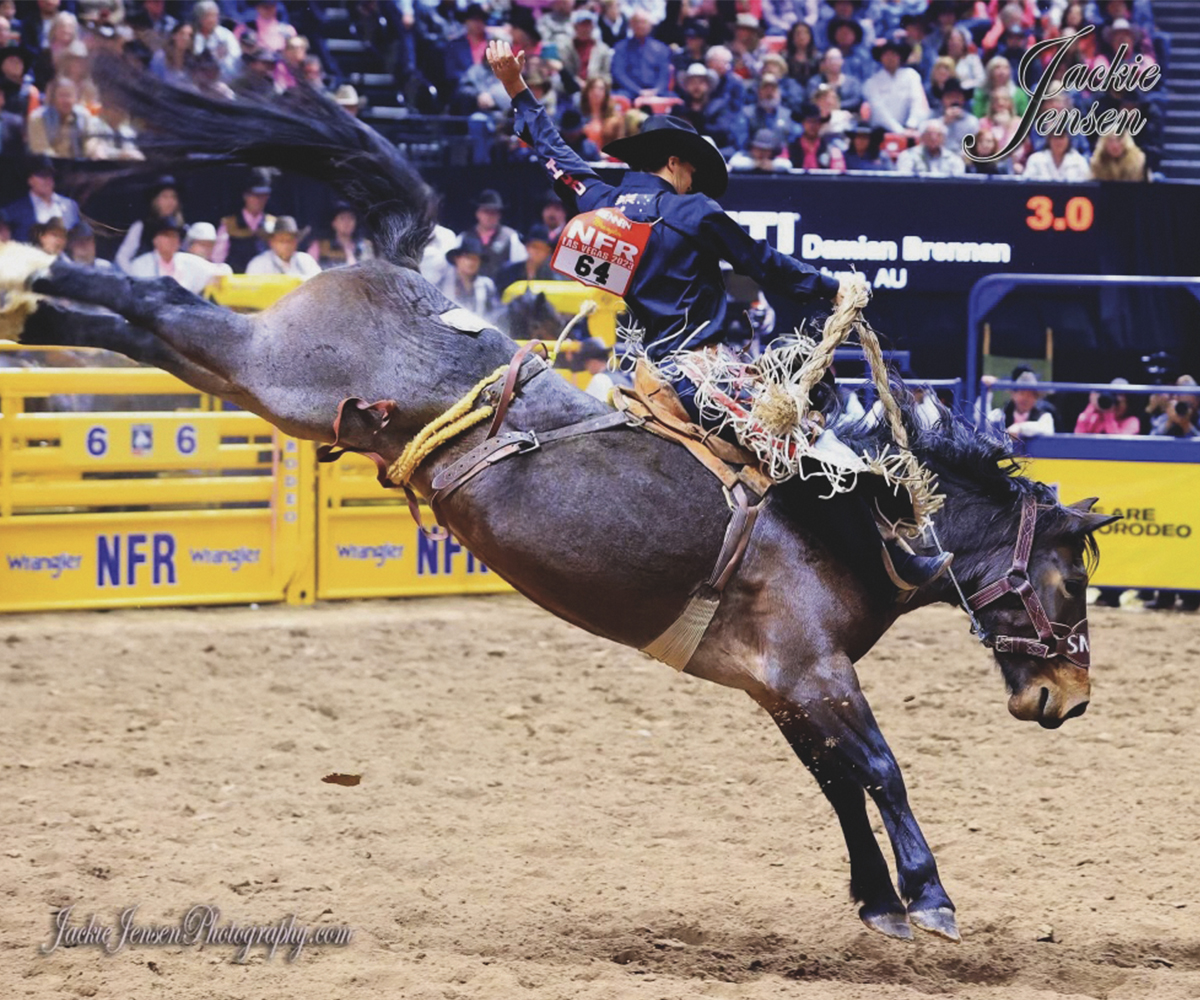
      Although Damian Brennan may be somewhat fresh to the Pro Rodeo trail, he’s no stranger to winning. Sitting at number one in the world standings in saddle bronc riding as of June 7th, Brennan accredits his success to having a good mind and staying positive.

      He cracked out with a bang in his 2023 season, and at 25 won’t be slowing down any time soon. With one NFR qualification under his belt, Brennan has collected multiple professional career highlights, including a round four win in Las Vegas with a 89-point ride on TNT Pro Rodeo’s Cancun Moon. Brennan also won the 2022 PRCA Resistol Rookie of the year award in saddle bronc riding.

      I caught up with Brennan over the phone as he was driving to his next rodeo in Idaho, just a quick thirteen hour jaunt from his previous rodeo in South Dakota. Although an Australian native, he is excited for the upcoming Fourth of July celebrations and to continue his hot streak in 2024.

      In the 2024 season Brennan has already won rodeos such as Houston, Fort Worth, Arcadia, Dixie National Rodeo (Jackson, MS), and the Rocky Mountain Rodeo Challenge (West Valley, UT). With earnings around $126,755, his success is a combination of his physical ability and mental toughness.

      Saddle Bronc Rider Damian Brennan

      “Part of rodeo is 70% mental and 30% ability. A big part of it is to stay positive. That’s when you’re riding the best, when you’re positive and happy.”

      Brennan will travel to multiple rodeo’s during the Cowboy Christmas run including Greeley, Cody, Red Lodge, Mandan, Kill Deer, Livingston, St.Paul, Alberta, and more. “I really like Cody. It’s a pretty part of the world and there’s a lot of money added.”

      The Aussie plans on traveling with bronc riders Brody Wells, Cash WIlson and Cort Scheer will jump in over the fourth. Although the plan is to drive to the numerous rodeos, they may end up flying too. “Mainly over the fourth [we’ll be] driving, we may have to fly to a few.”

      “It’s a pretty fun time of year, a lot of traveling in a short amount of time. It can be tiring on the body. But it’s a lot of fun.”

      What’s the one match-up we all would like to see this year including Brennan? How about Sankey Pro Rodeo and Phenom Genetics Black Tie. He has yet to draw The Black Tie, the 2022 saddle bronc horse of the year.

    • Shaley Ham: The West Desperado Way

      Shaley Ham: The West Desperado Way

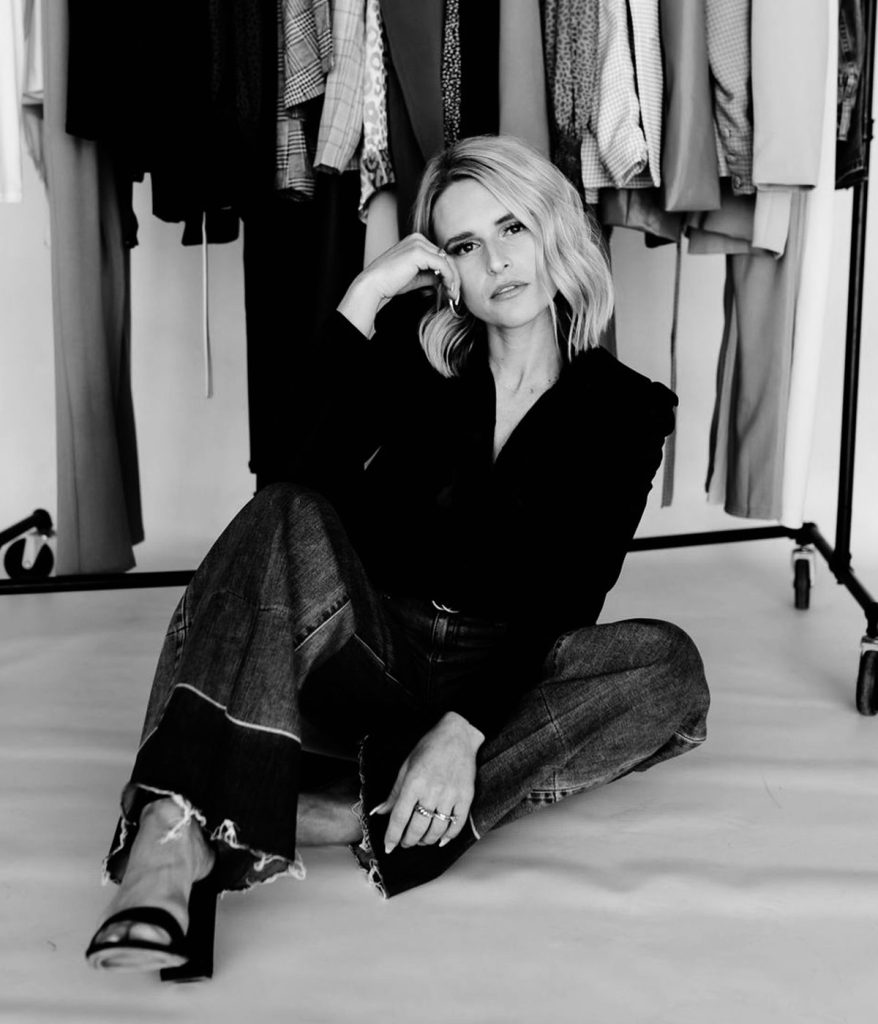
      Shaley Ham didn’t initially set out to be a fashion influencer. Though she always loved fashion — as a kid, she carried notebooks that featured her hand-drawn fashion designs — a career as a fashion icon wasn’t at the forefront of her mind during her childhood in Cheney, Washington, just outside of Spokane.

      The daughter of barrel racer Pam Capper, Ham grew up riding horses and attending rodeos on weekends, though she never really caught the competitive bug herself. But she loved traveling to the arenas alongside her mother, developing her love of the Western way of life along the way.

      “That Western lifestyle and those roots have always just been something I’ve connected with,” she says.

      Although her college years would whisk her away from Cheney, she moved back to her hometown after graduating with an accounting degree from the University of Oregon. Her return home sparked a renewed sense of passion for those Western roots.

      “I fell back in love with the romance of the Western way of life,” she says.

      The decision to return to her hometown ultimately changed her trajectory. She met bareback rider Nick Gutzwiler, who she would eventually marry. Around that time, she also began following others who sought to share their best Western-inspired outfits on social media.

      She put her accounting degree to use, cultivating a career in the field. But that job would also lay the foundation for her transition to fashion, which began after her coworkers constantly told her how much they liked her sense of style. Given the praise, she created a social presence exclusively dedicated to showing off her outfits.

      It didn’t take her long to build a community. After a couple of months, she already had a thousand followers.

      “When I hit over a thousand followers, I was like, ‘Oh my gosh, like, I’m a rock star!’ It’s funny to tell that story now because I feel like people can get a thousand followers overnight. But it was very different eight years ago,” she says.

      She now has more than 200,000 followers on Instagram, not to mention another 100,000 on TikTok. On her pages, you’ll find stylized images and videos of her in cowboy hats and boots, displaying classic Western style with a modern flair.

      While it may seem odd to some to build a Western fashion empire out of an accounting background, it has served her well. Her background in a business-adjacent field has given her an upper hand in terms of her ability to navigate the challenges that come along with being an influential personality, such as networking and maintaining a professional demeanor.

      Western fashion brands quickly identified Ham as someone they wanted to work with. They caught her attention with offers for free clothing—an irresistible perk for someone who was already fashion-obsessed. Something she’d started strictly for fun had suddenly started captivating Western fashion enthusiasts.

      That was 2016, a year her mother qualified for the National Finals Rodeo. She joined her mother in Vegas, where she also first encountered representatives of many of her favorite brands in person at Cowboy Christmas, the Western-themed holiday event that takes place in tandem with NFR festivities. This experience led to more opportunities to work with the brands she already loved.

      She also began receiving invitations to wholesale markets, such as the ones at the Dallas Market Center. These provide an early access opportunity to identify the styles and trends that Western wear brands are banking on for the coming seasons. They’re also a great opportunity to bond with the people behind the brands, which is an essential component of succeeding in the field of content creation.

      Still, even with all her success, it would take several years before she reached a point where she felt comfortable leaving behind the accounting world and transitioning into life as a full-time content creator.

      While her images often tout a carefree Western lifestyle, the truth is that success in this field requires the kind of work ethic only the most dedicated cowgirls can understand. She suggests that her background in the corporate world has proven a major asset, as her professionalism earns her kudos among her brand partners.

      “That’s always my biggest encouragement for other girls when getting started,” she says. “Set those standards because as soon as you release the reins and give some slack in the professionalism department, things can start to go sideways.”

      Presently, Ham has several collaborations with major brands — her four-year partnership with Rock n’ Roll denim stands out as a favorite among many. But Ham doesn’t foresee herself opening her own boutique anytime soon.

      However, after realizing the concho belts that are a staple of her signature style can be challenging for people to find, she wanted to be able to tell her followers how they can get their own. So, she now offers them for sale on the West Desperado website.

      “I wear them all the time. And it’s just super easy to know that I can send people somewhere to find them,” she says.

      And as with any influencer, Ham varies her style based on the season or her vibe.

      “I’m starting to love rosettes and like little accented rosettes. When they first came out, I was not vibing with them, but I’ve been seeing them incorporated in a more Western way. And I think it’s a delicate aspect to add when wearing lots of leather or fringe,” she says.

      She’s also a fan of Lariat neckties, which are becoming increasingly popular.

      “They hit the scene during this last NFR in December. And now girls are wearing them with strapless tops. A little Lariat necktie tied around your neck adds a fun kind of Western accent to any outfit.

      And then, of course, there’s the most classic of all.

      “You can’t go wrong with denim on denim,” she says.

      Follow Shaley Ham on Instagram and TikTok at @westdesperado and visit her website at www.westdesperado.com.

    • Chloé Marie Burk: Building A Life Through Art and Horses

      Chloé Marie Burk: Building A Life Through Art and Horses

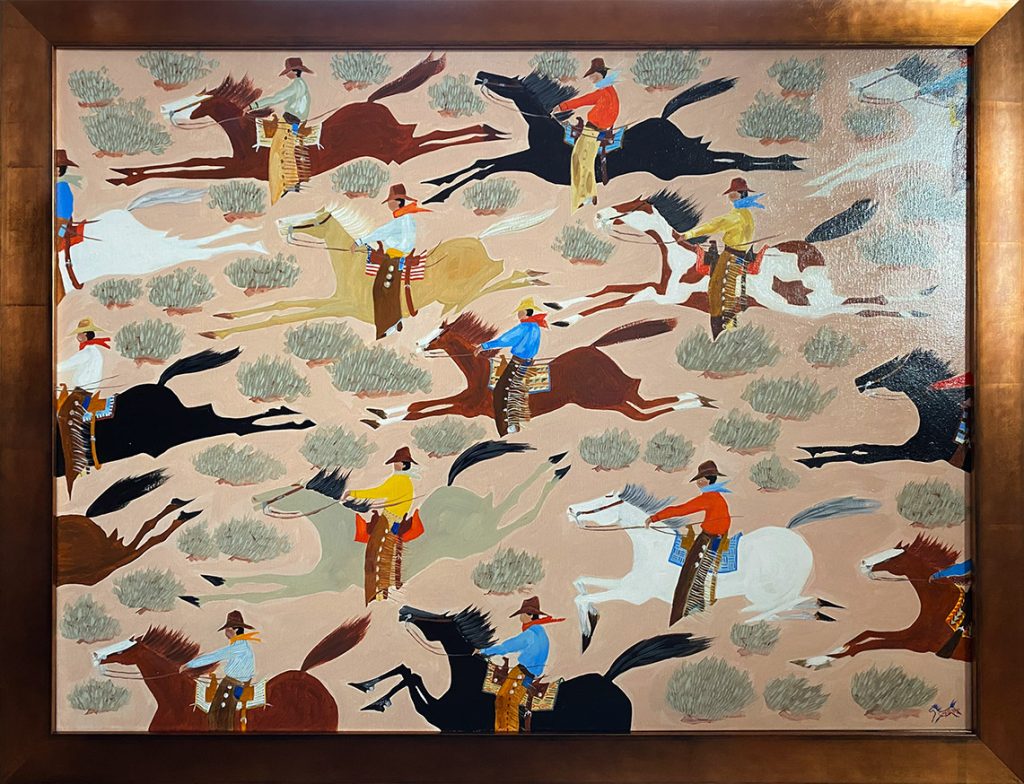
      Chloé Marie Burk has centered her life around art and horses. The French-born American artist brings western scenes to life, using movement and vibrant earth tones. Burk didn’t set out to live in the U.S., but a series of opportunities led her to eventually settle in the West. Since then, she has worked tirelessly to study and master her craft. Burk is represented by Parsons Fine Art in Taos, New Mexico. Her showings always sell out quickly, and she is supported by collectors — a serious mark of success for a professional artist. When she isn’t painting, you can find her focused on her other passion, training and racing barrel horses.

      An Artistic Upbringing

      Art has always been in Burk’s life. Growing up, her paternal grandmother was a painter, pianist, and opera director. Horses have always been there too, with her dad working as a jockey rider and farrier, and Burk riding English jumping horses throughout her youth. She first visited the U.S. at 24. “My best friend and I just wanted to visit,” Burk shared. In 2013 she returned, spending her time traveling and painting. On the last week of her trip she met Anthony and Brandi Katagas. Soon she started working for the family to make extra money, and they helped her secure a work visa. Anthony Katagas is an Oscar-winning movie producer, and the family was incredibly supportive of Burk. “They always believed in me and valued my work and who I am,” she recalled.

      Burk spent the next three years living in New York City. Her choice to stay in the U.S. wasn’t calculated, which is a common theme throughout her life. “That’s how I live my whole life. I don’t like to force things,” Burk said. “I didn’t have a goal back then. I was just finding my way through life.” After three years in New York, she was ready to get away from the chaos of the city. With $30 in her pocket and a suitcase, Burk landed in Austin, Texas, quickly finding her way to a more rural area. From there, she moved to New Mexico, where she met her husband, Thom, and started her journey in Western art. The couple has since moved between New Mexico, Montana, and Texas. Thom has worked as a roofing contractor, and most recently, founded Texas Fence and Outdoors — a custom building, deck, and fence company — alongside his best friend, Steve Cowsert.

      While moving to the U.S. wasn’t something Burk set out to do, she believes her journey here didn’t happen by accident. “It was always meant to be,” Burk shared. “It’s just a continuation of the life I started back in France. I found a similar life, just in a different culture.”

      Developing Her Style

      Western art wasn’t Burk’s first focus, but she immediately knew she wanted to pursue it after opening a Frederick Remington book. “For the first 10 years of really becoming a painter, I was doing more folk art,” Burk explained. I was exploring and knew I hadn’t found my subject yet. A friend had a book about Remington. I randomly picked it off the shelf, and I had never seen anything like it before.”
 Having moved to Taos, New Mexico, Burk was also encountering Western art throughout the community. She learned about the Taos Society of Artists, an organization of visual arts established in 1915. The small group of professional artists from the East had made Taos a focus of their work, sending their paintings across the country. This brought new audiences to Western art and made Taos one of the most important art communities in the country. Today, the work of these founding artists can be viewed in museums and through archives. Burk studied these works, and with inspiration surrounding her in the New Mexico landscape, she started to hone in on her style.

      New Mexico also led Burk to a friendship with Ashley Rolshoven-Loveless, the director and co-owner of Parsons Fine Art. “When we met we became friends right away,” Burk recalled. “She loved my studies and told me to take a year and work on it. So that’s what I did, and I became really passionate about it. Living in Taos I was really in the right place to become acquainted with Western art and learn it.” When her first show at Parsons sold out, Burk was both shocked and extremely inspired to move forward. She has continued to hold shows at Parsons, each selling out quickly.

      Style comes naturally to Burk. She studied fashion in school and has worked as a horse-savvy model for various Western brands. Finding a unique style in her art has taken time, and through dedicated work, she has landed on something truly her own. Studying painters like Remington was immensely helpful, but Burk is always conscious of how these studies affect her own painting; she always made sure she wasn’t simply copying someone else’s work. “You have to keep a very cold mind in these studies because otherwise you won’t find your style, but just “a” style.”

      “I worked hard to find my style,” Burk continued. “For years, I went through many phases to finally find it. Around four years ago I really pinned down what I wanted to do, and now I’m just refining it, year after year.”

      Daily life working horses and living in the rural West serve as inspiration for Burk’s paintings. “I am in contact with it every day,” she said. Burk calls on memories and elements of her surroundings to create subjects for her work. “All of my paintings come from my imagination. I don’t have any photo references. I just have an idea and work around it. I don’t really make a plan for each painting. If I’m going to make a series for a show, I’m going to have a larger idea of what I want,” she explained.

      Her medium of choice is oil on linen, and all of these works are sold exclusively through Parsons or select auctions. Burk’s studies, pencil drawings, and watercolors are occasionally available through her website or social media. Her partnership with Parsons has propelled Burk’s career forward and connected her with the fine art world. Many collectors of Burk’s work have become friends. “I’m completely humbled by it,” she said. “When I sold out my first show I was blown away. There are collectors who have walls of my paintings, and it’s incredible. I don’t really know how to describe it, because it makes me speechless.”

      A Passion for Horsemanship

      Burk’s friendship with Rolshoven also led her to barrel racing. Burk jumped in the truck with her for a race and immediately fell in love with the sport. “Not long after, I bought my first barrel horse. I am self-taught and have been blessed to meet a lot of people down that road who gave me pointers,” Burk shared. She has since gone all in on the sport, training her own horses and traveling to races. Currently, she has a young gelding by Corona Cartel called Hawk, and an older rope horse turned barrel horse, named Bartender.

      Burk currently lives in Texas, her husband Thom’s home state, which allows her to ride year-round. Training horses goes hand-in-hand with art, from building her schedule throughout the year to finding inspiration. “With horsemanship, you are never through with learning. Especially if you train your own horses, you are going to learn for your whole life,” she said.

      Horses are a theme in almost all of Burk’s paintings, and being around them every day feeds her work. “When I started training my horses I really enjoyed the process. It became a really strong part of my life, and I can’t see my life without it. Horses complement my art,” she shared.

      Burk is building the life that she wants, forging her own creative, unconventional path. “The main thing I enjoy is the freedom,” she concluded. “I’ve always wanted to work for myself. I get to live on my own schedule and am not dependent on anything else. I get to create my life with my hands, both with art and horses.”

      -Article by Lilly Platts, Photos Courtesy of Chloé Marie Burk

    • American Hat: Bradi Good

      American Hat: Bradi Good

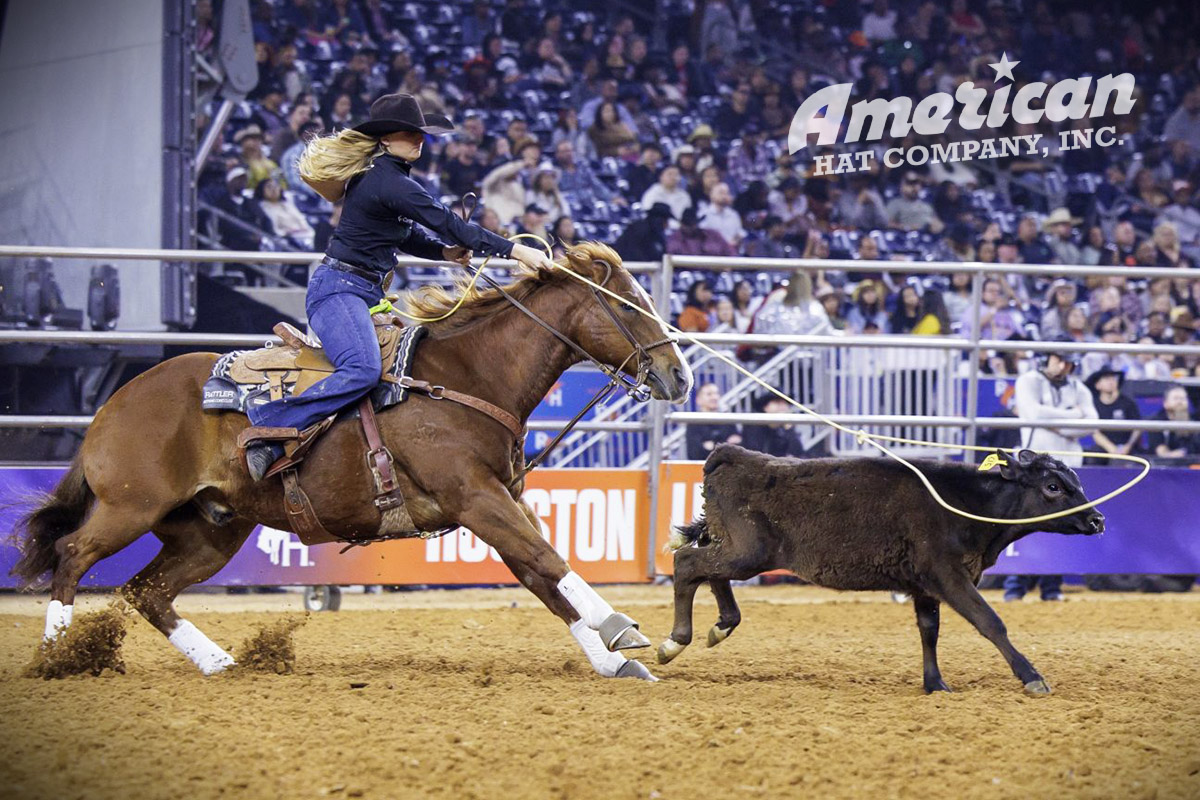
      “A great family friend of ours talked to me about switching hats,” said NFBR qualifier Bradi Good. “After talking with them, I decided to go ahead and switch over to American Hats.

      “Now I only wear American,” she added. “I am so grateful for everything they’ve done for me.”

      Bradi Good was only seventeen when the PRCA hosted the first National Finals Breakaway Roping in Arlington, Texas. The very next year, she began her career in the sport of professional rodeo.

      “I was new to professional rodeo, and so was Breakaway. It was cool to be able to learn at the same time,” she said. “It’s really picked up a lot in the last few years.”

      Good said she sees a bright future for Breakaway in the sport of professional rodeo.

      “I see so many fans and younger girls in the upcoming generation that I hope there is a bigger push for it,” she said. “But we don’t want it handed to us. We have to pay our dues and pave our way.”

      Good qualified for her first National Finals Breakaway Roping in 2023, where she finished 8th in the world. The NFBR is held in conjunction with the NFR but not during the ten rounds in the Thomas and Mac. The ladies run five head, over two days at the South Point Hotel and Casino.

      “I was so excited to go out there [to Las Vegas] and rope,” she said. “It’s a little different because we run five a day, and it’s at the South Point, but I’m used to that because I grew up watching my dad rope at the steer roping finals, and that’s how they run them too.”

      PRCA Breakaway Roper Bradi Good

      Good’s father, Shay Good, has qualified for the National Steer Roping Finals on four occasions. Similar to the NFBR, the steer roping finals run five head a day over the span of two days during the last weekend of November at the Kansas Star Casino in Mulvane, KS.

      “It’s different and not quite the same atmosphere as the Thomas and Mack, but we are still the top 15 in the world,” she said. “We still get a back number, and it’s still the coolest experience.”

      Going into her first finals, Good was sitting 8th in the world, the same spot she would finish out her 2023 year.

      “I was too far back in the standings to win the world because our rounds and averages don’t like the other events,” she said. “But coming in at I gave me the chance to watch some of the other girls go first and kind of get the feel of it all before I went.”

      Good is sitting 8th in the world again, and she said she has won more money this year. She has high hopes going into the bigger summer rodeos.

      “The ones that really come to mind are Reno, Cheyenne, the whole week of Utah rodeos, and my first time up at Calgary this year,” she said. “My horse is set up for a longer score, and that’s the way most of those big outdoor rodeos are.
      From her first year in the WPRA, Good has ridden her main horse, Rango. But she said she recently purchased a 5-year-old from Bailey and Erica Young that she is planning to haul as well.

      “I am super excited about him. They [the Youngs] train an awesome horse,” she said. “I just got him last month, so I am getting ready to start taking him and showing him the ropes.”

      -Article by Charity Pulliam


    • Team Cavender’s: Cooper Lane

      Team Cavender’s: Cooper Lane


      Although his time with Team Cavender’s is coming to an end, Cooper Lane said he fulfilled a goal he set for himself when he was invited to join the team.

      “I always wanted to be on Team Cavender’s,” he said. “It was a goal of mine. When I was in junior high, everyone that was a winner was on Team Cavender’s.

      “Everyone I looked up to was on Team Cavender’s,” he said.

      “I got the phone call the week after my freshman year at state [Texas High School Rodeo State Finals] right before my sophomore year,” he said. “I’ve been a member ever since.”

      Cooper described the moment he got the call inviting him onto the team.

      “I’ll never forget it. My best friend John Crimber called me and asked if I had also gotten a message about a meeting with a rep to join the team,” he said. “I hadn’t, and my heart sank.

      “And then, sure enough, the lady called me while we were on the phone,” he said. “I was over the moon because I felt like I really accomplished something big going into high school when I made it on the team.”

      Now that Cooper has graduated from high school, he said he is going to attend Clarendon College to rodeo under Brett Franks, a three-time WNFR qualifier who began coaching at Clarendon in 2013.

      “It’s bittersweet. I’m sad to leave home, but I am stoked to go college rodeo under Brett,” he said.

      “I picked Clarendon because it’s a smaller school that will work with rodeo athletes,” he said. “The weekends I’m not at a college rodeo, I plan to be gone as much as I can going to pro rodeos.”

      Cooper said he plans to rodeo on his PRCA permit until he is closer to the end of his college career. “I’ve been going to a lot of pro rodeos, but I want to wait until closer to my junior year to buy my pro card and then make a run at the NFR,” he said. “I plan to be all online, then I don’t have to worry about going back to class in the middle of the rodeo year.”

      His goals for this year include qualifying for the National High School Rodeo Finals and winning the saddle bronc riding national title. He was close to achieving that goal in his sophomore year of high school when he finished third in the standings. Because he is still entering pro rodeos on his permit, he said his main goal right now in the PRCA is to make the Texas Circuit Finals and the PRCA Permit Finals.

      Cooper said he looks up to three-time PRCA saddle bronc riding champion and seven-time WNFR qualifier Brody Cress in the sport of professional rodeo. He said he recently had the opportunity to ride with Cress to a rodeo.

      “He roomed with my cousin in college, and they were always over at the house,” he said.“Brody has helped me a bunch. I got a new saddle, and I sent it to him, and he fixed it up for me.

      “I called him and told him I didn’t have anyone to go with to a rodeo recently, and he said I could hop in with him,” he said. “That just made my day because it’s a chance to gain knowledge from the guy I look up to going down the road.”

      Cooper spoke very highly of his role model and mentor. “It’s surreal for me. Now that I’m eighteen I’m going to the same rodeos he’s going to. It really opened my eyes,” Laneadded. “He’s helped me learn how pro rodeo works. How to enter, how to stay in the gym while on the road, all those little things. He’s dealt as much knowledge as he can to me.”


    • Team Cavender’s: Grace Dubois

      Team Cavender’s: Grace Dubois

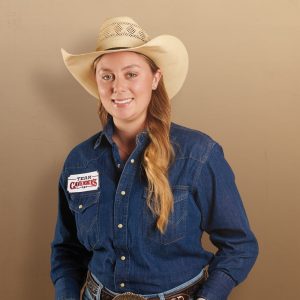
      As the second oldest of six siblings, Louisiana cowgirl Grace Dubois said rodeo runs in the family. Following in their
      parents’ footsteps, all of the Dubois kids compete in rodeo. “My dad ropes, and my mom did high school rodeos,” she
      said. “All of us rodeo all the way from youth rodeos to high school.”

      She said her father, Shel Dubois, has had the biggest influence on her rodeo career. “My dad has helped me my
      whole life. He’s taught me everything I know,” she said. “He’s always out there, every day, helping me get better.”
      Dubois said she had never played any sports outside of rodeo. For her, it has always been rodeo and roping. She
      competed in youth, junior high, and high school rodeos. “Rodeo is kind of my whole life,” she said. I don’t do much
      outside of it.”

      Dubois said she is a member of the Catholic Church, and she and her classmates in her church finished confirmation. Confirmation is one of the seven sacraments of the Catholic Church. These seven sacraments are baptism,confirmation, Eucharist, penance, anointing of the sick, marriage, and holy orders. They are categorized into three groups: sacraments of initiation, sacraments of healing, and sacraments of service.

      “Recently, I did my confirmation, which was my last sacrament I had to do for the church,” she said. She also recently completed the last of her homeschooling curriculum and has now officially graduated from high school. She said she is soon to be 19 years old, and as of right now, she plans to pursue a career that will keep her in the equine workforce.
      “I was looking at going to college, but I think I’ve decided I’m going to learn massage therapy for horses and then go more in-depth with osteopath,” she said. “I’m just going to amateur rodeo for now while I do that.

      “But I also went to a clinic with Jake Barnes a few weeks ago, and he told me I could do well training horses,” she added. “So, I think I want to try out training futurity horses also.”

      The young cowgirl is originally from Church Point, in southern Louisiana, but says she plans to move eventually, though she’s more certain where to. “I’m still trying to figure out where I want to go and what I want to do,” she said. “I maybe am thinking I want to go to Texas.”

      Dubois mentioned she wants to wait to hit the ProRodeo road until she is financially stable enough to handle everything the Women’s Professional Rodeo Association has in store.

      “Since I was 15, I’ve been on my own financially for rodeo,” she said. “I bought my own truck and everything like that, so I have to think about the money in it. Eventually, once I have money and a new trailer and am prepared, I want to do pro rodeo,” she said. “But I think it’ll be a couple of years.”

      She said she has enjoyed being a member of Team Cavender’s for the last three years. She said she will miss the experiences she has had moving forward. She highlighted Cavender’s as her biggest sponsor and supporter.

      “They have supported me and advertised me a lot,” she said. “They’ve gotten my name out there too, not just the other way.”

      She said that she hopes to maintain a relationship with Cavender’s and other team members moving forward.

    • Look Good, Feel Good, Do Good

      Look Good, Feel Good, Do Good

      For Shelby Lovelace, the true essence of Western fashion transcends clothing. The message at the core of her boutique brand, The Good Babes, is that true sophistication emerges from an inner beauty that women can then choose to reflect through what they choose to wear. The Good Babes blend stylish Western fashion with a touch of corporate flair, with a vision rooted in the idea that women of all backgrounds can feel stronger and more confident when they look their best.

      It’s a message that resonates with Western fashion enthusiasts across America. These are women who might work corporate 9-to-5 jobs but quickly shift gears to tend to their horses or help out around the ranch in the evening. The Good Babes celebrate the modern cowgirl, offering a range of affordable options in an aesthetic she calls “cowgirl chic,” with looks that work “from the office to the arena.”

      “The backbone of my reason for starting a boutique was having great quality stuff that makes you feel good at an affordable price,” Lovelace says.

      Her foray into fashion deviates from the life she thought she wanted while studying animal science at Texas A&M. Growing up on a cattle ranch, she always had a deep-seated love of fashion, but she sought an animal science degree to pursue horse husbandry. But life doesn’t always turn out the way we expect, and sometimes, that can be a great thing.

      After college, Lovelace interned at a horse ranch before quickly deciding it wasn’t for her. So, she moved into the corporate world while she built a side business painting furniture for extra cash. However, Lovelace’s roots in the Western lifestyle never faded, and her furniture-painting venture would form the basis for the company that became The Good Babes.

      The brand’s aesthetic aims to mix stylish Western fashion with a bit of a corporate feel, cultivating outfits a gal can wear with heels or boots. It represents an homage to Lovelace’s unconventional journey, offering high-quality, affordable clothing that empowers women to embrace their unique style. Her curated selection of attire caters to the woman who might have to be professional for her job throughout the day but who chips her nails and wears out her jeans training horses the moment she’s off the clock. You’ll find traces of the West in every piece of attire, with patterned linen blouses and a collection of belts that offer a twist on the classic belt buckle.

      “Our main goal is to keep the class in the Western industry,” she says, an ethos that culminates in sophisticated looks that won’t break the bank. Few items cost over $100, and The Good Babes website features a tab for items under $40 with dozens of tops, skirts and accessories to carefully craft a look for any occasion. The company sources inventory from vendors throughout the US, and Lovelace suggests it can be a push-and-pull. But ultimately, she’ll barter and do whatever else it takes to ensure she can sell quality goods at reasonable prices.

      Her idea to bring reasonably priced Western wear to women across America continues to take off. But more so, the brand’s overall essence resonates with the modern cowgirl.

      The Good Babes is named so because it reflects Western values such as kindness, family and faith. A company puts these ideas into action, creating a brand that doesn’t just sell clothing but represents an entire way of life.

      For example, Lovelace donates a portion of company proceeds to animal shelters, an initiative that harkens back to her lifelong love of animals. The company is also committed to supporting and empowering women by donating any clothes it can’t sell to local charities. For example, clothes that get a small amount of makeup on them during photo shoots can’t be sold to customers, so The Good Babes will donate them to battered women’s shelters and organizations that provide support for foster children.

      “The thing that I always say is ‘Look good, feel good, do good,’” she says.

      Lovelace believes that choosing flattering and sophisticated outfits can make a person feel more confident and collected. This can inspire positive interactions, be it a friendly chat with a stranger at the grocery store or feeling more energized to help a friend in need.

      “You can always help people out. And you may not even know you’re helping them out, but you are because you’re trying to spread positivity and being kind,” she says.

      The company’s social media channels often share quotes that inspire women, offering support and encouragement for people who might just be scrolling through Instagram looking for a pick-me-up after a hard day. A recent post reminds you to “be picky with your clothes, friends and time,” which is excellent advice for the busy modern woman.

      But ultimately, it all comes back to the idea that when a person feels good in whatever they’ve chosen to wear, it also allows them to spread that positive energy to others.

      “No matter what size you are, no matter what color your eyes are, no matter what color your hair is, no matter what color your skin is — anything of that nature — if you feel good in what you’re in, you can walk into the room like God sent you there to take on whatever it is, and you can just keep moving forward,” Lovelace says.

      Learn more about The Good Babes by visiting the company website at www.thegoodbabes.com and following on Instagram at @thegoodbabesco.

    • Carrie Ann Sattler – Reno Rodeo’s First Female President

      Carrie Ann Sattler – Reno Rodeo’s First Female President

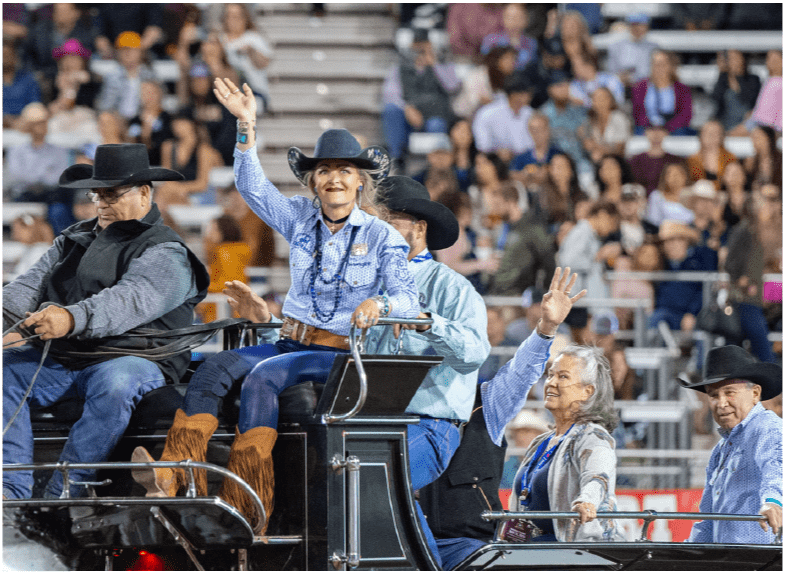
      Carrie Ann Sattler was only 16 when she knew she wanted to volunteer for the Reno Rodeo, one of the nation’s most revered Western sports events rooted in 105 years of tradition. As a young girl, she went to the rodeo each year with her family and found herself drawn to the excitement of the large crowds and festive atmosphere. “When I turned 16, I called and asked if I could volunteer. They said you had to be 18 if you didn’t have a connection inside the association already. So, I told the gal that I would call back on my 18th birthday,” Sattler says. “I called her back on my birthday in 2004 and became a volunteer. Now I’ve been doing it for 20 years.”

      That sense of unbridled enthusiasm and loyalty to the organization has served her well. Sattler’s hard work and passion led her to become the Reno Rodeo’s first female president—not to mention its youngest-ever president. She now oversees a volunteer base of around 800 people, making up 65 independent committees that work diligently to put on the annual rodeo in Reno, Nevada. The rodeo draws some of the biggest names in the Western world and spectators from all over the country. “In an association like Reno Rodeo, something that’s so special is just the amount of passion that gets poured into creating a single 10-day event,” she says. “I am one of many, many volunteers that contribute a major portion of their lives to the betterment of the association and our initiatives as a rodeo.”

      The Reno Rodeo is ranked seventh among nearly 700 rodeos nationwide. Each year, the organization’s volunteers and committee members donate thousands of hours of their time to produce one of the most elite events in Western sports. To some, it may seem uncanny that so many people would be willing to spend so much time and effort to put on a single event. But for Sattler and the others who keep the show going strong year after year, it’s hard to imagine not being part of such an iconic event. “There’s a quote that, from the outside looking in, you can’t really understand it. But from the inside looking out, you can’t really explain it,” Sattler says, summing up what drives so many people to become dedicated to developing the best event possible. Because of their hard work, the Reno Rodeo has become a must-see event that pays homage to rodeo’s storied history and the legacy of the West. “There’s something so rewarding about seeing the fruits of your labor. Knowing that you’re one small part of such a big machine is incredibly moving,” she says.

      It’s not just the rodeo itself that inspires these volunteers to come out in droves to support the event. Another big part of the Reno Rodeo’s overall mission is community involvement, which includes charitable initiatives that give back to various causes in the region while also helping to ensure that the thousands of visitors who flock to the area for the big event have an incredible guest experience.

      “The event itself is pretty significant in its impact,” she says. “We have about a $50 million economic impact in our region. On average, we donate about $250,000 a year to the Reno Rodeo Foundation, a foundation that was created to be the charitable arm for giving back. Beyond that, we donate hundreds of thousands of dollars back to the community through donations and charitable contributions. And in addition, we’re producing one of the largest attractions and events in our state and our region through the Professional Rodeo Cowboys Association.”
      And while the local community benefits from tangible effects such as spikes in regional tourism that benefit the local economy, the true beauty of getting involved is that it offers people the chance to be part of something much bigger than the sum of its parts. As has always been the case with the presidents before her, her primary goal is to organize a bigger and better event each year. She takes this mission seriously as the leader of a rodeo with a legacy dating back over a century.

      Adhering to tradition while remaining adaptable to the changes of the modern landscape can be a complicated balancing act. Sattler describes this balance as “incredibly delicate” but is proud of how the Reno Rodeo has come to honor its legacy and tradition while continuing to move the needle in rodeo sports.
      With the organization so profoundly rooted in tradition, Sattler understands the importance of paying it forward to the broader community. That’s why the organization will host its first-ever Reno Rodeo Scalability Conference this year, inviting representatives from rodeos nationwide to learn how to grow their own rodeos bigger and better.
      “We think that in our position, it’s really important to share the formula that we’ve been working on for 105 years and have now grown to feel pretty stable and very successful,” she says. “We want to share some of that industry knowledge with others.”

      Smaller rodeos don’t always have the luxury of massive pots or the inherent prestige associated with longer-running events. Therefore, their organizers must find creative ways to draw the best ropers and riders to their arenas if they want to sell out the grandstands. The conference aims to give the representatives from these rodeos a chance to learn how to scale based on Reno Rodeo’s success in growing to become one of the most revered events in the Western world.
      “I think it’s going to be great, and I’m excited that we’re doing it,” she says.
      Rodeo may be all about the blood, sweat, and tears of an American pastime, but Sattler understands there’s something deeper at the intersection of rodeo sports and the Western world. Since its earliest days, rodeo has been a celebration of Western heritage, honoring the traditions of the West and the cowboys and cowgirls of generations past. She thinks it’s essential to grow rodeo sports to keep those traditions alive by teaching future generations about rodeo’s historical importance and embodiment of that Western spirit.

      “Once you get involved, you just understand that it’s about family. It’s about values. It’s about hard work and tenacity. It’s about grit. It takes a lot of fortitude, both physically and mentally, to live a lifestyle of Western tradition. And I think that’s what makes it so worthwhile, and the juice worth the squeeze,” she says.