Rodeo Life

Author: Rodeo LIFE

  • The Making of Riley Webb

    The Making of Riley Webb

    By Lori Bizzell
    Photos courtesy of American Hat Co.

    In an arena where speed is celebrated and pressure is unforgiving, Riley Webb has built his career on something quieter: steadiness, not just in his hands or his timing, but in his heart. At a remarkably young age, Webb has become a three-time PRCA World Champion in tie-down roping, not by chasing moments, but by honoring a process shaped by faith, family, and an unwavering respect for his horses.

    Riley Webb didn’t grow up learning how to win fast. He grew up learning how to do things right. In Texas, surrounded by roping, livestock, and long days that reward consistency more than flash, he learned early that rodeo doesn’t hand anything out. You earn it quietly, over time. And along the way, you learn something else: in a sport built on trust, what you wear and who you ride for matters. In that spirit, Webb has aligned with brands that earn it. He is an American Hat Company athlete, riding with a brand known for upholding the highest standards of craftsmanship and character.

    Riley’s foundation was built long before he ever stepped into a PRCA arena. He comes out of Denton, Texas, and even early on, he wasn’t only focused on tie-down roping. He also has experience as a team roping header, which speaks to the depth of his roping background and the way he’s been shaped by multiple disciplines. Behind that is a family deeply woven into the rodeo world. His parents, Dirk and Jennifer Webb, operate Webb Roping Productions, producing sanctioned cattle for major youth events, including breakaway and tie-down qualifiers connected to the Junior World Finals. And the rodeo influence doesn’t stop there. With Dirk serving in leadership at The American Rodeo and Jennifer supporting in an official capacity, Riley grew up around real operations, real standards, and real expectations. That kind of environment doesn’t guarantee success, but it does cultivate a competitor who understands professionalism, pressure, and what it takes to consistently show up and deliver. It’s no surprise, then, that even early in his pro rise, he was already sitting inside the world’s top tier, proving he wasn’t just talented, but prepared.

    Family played a defining role. Expectations mattered. Work ethic wasn’t optional. Accountability wasn’t something you feared. It was something that sharpened you. That foundation shows in Webb today, in how he handles wins without arrogance and losses without unraveling. There’s a maturity to him that goes beyond age, rooted in being raised by people who understood that character lasts longer than trophies.

    Rodeo can tempt competitors into riding on adrenaline alone. Webb rides on something deeper. While he doesn’t make a show of it, there’s a faith-shaped restraint in the way he competes. It looks like believing preparation matters, humility protects you, and pressure doesn’t have to steal your peace.

    You see it in his runs. Clean. Controlled. Intentional. He doesn’t rush moments that don’t need rushing, and he doesn’t force what isn’t there. That kind of patience doesn’t come from confidence alone. It comes from trusting that your job is to be faithful to the work, not obsessed with the outcome.

    When Webb entered the professional ranks, he didn’t arrive loudly. He arrived ready. His rookie season hinted at something special, but it was his composure that caught attention.

    While others fought the nerves of the big stage, Webb treated it like an extension of the practice pen.

    That mindset carried him into his first world title, then his second, then a third. It’s a feat that demands more than talent. Winning once takes ability. Winning three times requires mental endurance, emotional control, and the humility to stay teachable when you’re already on top.

    Tie-down roping is often reduced to times and scores, but Webb understands the truth: the run starts long before the barrier. His success is inseparable from his partnership with his horses. He rides with feel, awareness, and respect, never asking for more than the moment calls for.

    To Webb, a rope horse isn’t equipment. It’s a teammate, one with instincts, limits, and a need for trust. His horsemanship reflects patience and gratitude, the kind that produces consistency under pressure. Something is reassuring about a constant in a world that runs hard. That respect for what’s earned also shows up in what he puts his name beside. American Hat Company represents craftsmanship that’s made to be worked in,not just worn, and you can understand why a champion would value that kind of steady presence on the road.

    The Wrangler National Finals Rodeo has a way of exposing who you really are. Ten nights. Ten chances. No room for excuses. Webb doesn’t change under that weight. He becomes clearer. He manages pressure rather than reacting to it, understanding that championships aren’t won by heroics, but by protecting your average, your mindset, and your horse.

    Despite the accolades, Webb carries himself with humility that resonates deeply in the rodeo world. He speaks with gratitude, credits his circle, and never forgets the horses and people who made the wins possible. That posture has quietly made him a role model, not just for young ropers, but for anyone learning how to carry success without being consumed by it.

    Three world titles would mark a finish line for many. For Riley Webb, they feel more like mile markers. His career is still unfolding, his approach still grounded, and his priorities still intact.

    Faith in the process. Family at the center. Horses first. That’s the formula, and it’s why Riley Webb isn’t just winning championships. He’s building a legacy that will last long after the arena lights go dark.

    Riley Webb | Accolades & Earnings Snapshot

    • Three-time PRCA World Champion (Tie-Down Roping)

    A rare three-peat at the top of the sport.

    • Career earnings (PRCA): $1,443,890

    Reported as of December 4, 2025.

    • Record-setting season earnings (example): $475,214 in 2024

    A season total reported after his second straight world title.

    • 2025 NFR Average Champion: 82.3 seconds on 10 head

    Earned $94,036 for the average title and finished the 2025 NFR with $240,412 in NFR earnings.

    • Go-round wins on rodeo’s biggest stage

    Including a Round 3 win at the 2025 NFR (7.0 seconds; $36,668).

    • Not just wins, but high finishes under pressure

    Example: a second-place finish in Round 7 at the 2025 NFR that added $28,980 to his NFR earnings.

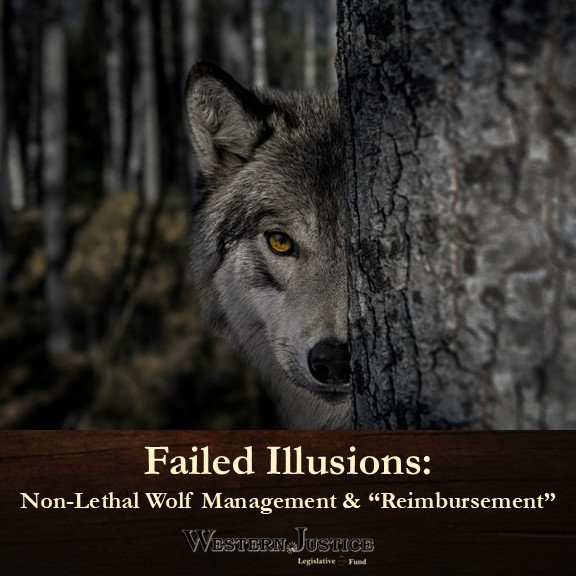
  • Failed Illusions


    For years, pro-wolf activists have insisted that ranchers have nothing to complain about. When wolves kill cattle, “you get compensated.” When calves come up missing, “get range riders.” According to the urban fantasy version of wolf management, a handful of people riding around vast expanses of mountainous livestock range can prevent predation, and whatever they can’t prevent, the government will pay back.

    But the people who actually work in wolf country know that both of these promises, range riding as prevention and compensation as cure, are nothing more than carefully crafted political illusions.

    Wolf-conflict specialist Jeff Flood has spent more than a decade on the ground in Washington, and he is brutally clear: range riding does not stop wolf depredation, and compensation does not fix the damage. Together, they form a system that looks good on paper while quietly dismantling rural families, cattle herds, ranching legacies, and the agricultural economy of the region.

    The Myth of Range Riding Is the First Lie Ranchers Are Told

    The public imagines range riders galloping across the landscape, intercepting wolves just in time, heroically pushing predators away from cattle. In reality, Flood says, that never happens. Wolves kill at night, in timber, in ravines, in “some old dark hole.” Riders simply cannot be everywhere at once, and wolves know it. Range riding is not predator deterrence; it is extra labor. Riders check cattle, find carcasses, document kills, and push scattered cows back together. These tasks matter, but they do nothing to prevent wolves from killing. And even the one thing riders can do, find carcasses early, only feeds into the next failure in the system: the compensation maze.

    The Second Lie: Compensation Will Make Ranchers Whole

    When a rider or rancher finds a dead calf quickly enough and there is still sufficient evidence left to examine, the state may confirm a depredation. But even then, payment rarely matches the true economic loss. Flood works with a producer who already has more than $30,000 in confirmed wolf kills, while Washington’s entire statewide compensation budget for 2025 is also $30,000. That’s for all ranchers, all depredations, all year. Meanwhile, the open (not pregnant) cows, missing calves, lightweight calves, and cows run to exhaustion are not compensable at all.

    The program covers only what the rider finds soon enough to be documented, and wolves are incredibly good at eliminating the evidence.

    Flood says what ranchers whisper to each other privately:

    “When this gets bad, the dead ones are the least of your worries.”

    Range Riders Can’t Stop Wolves, but They Do Help Wolves Learn

    In states without public wolf hunting and trapping, wolves quickly habituate to human presence. Without lethal consequences, the highly intelligent wolf learns that range riders are just another predictable feature of the landscape. Wolves smell them, watch them, hide from them, and then go right back to killing cattle the moment the rider is over the ridge. 

    Flood warns that range riding often makes wolves bolder:

    “All we’re doing is habituating wolves to humans.”

    A wolf that repeatedly experiences human scent, sound, and presence without lethal consequences becomes more confident, not less. And a confident wolf is a killing wolf.

    But even worse, range riding, which is touted as a mandatory step before the state will authorize lethal removal, delays decisive action, allowing wolf packs to become fully habituated to non-threatening human presence and to livestock as easy, plentiful prey.

    That delay is catastrophic because once one or two wolves learn to kill cattle, the entire pack quickly follows.

    Flood has seen this pattern countless times.

    And that is exactly where the compensation trap snaps shut.

    Compensation Is Not a Safety Net, It Is a Shackle

    Once the pack has learned to kill cattle, the rancher is losing calves, losing cows, losing condition, losing pregnancies, and losing money and morale every single day. Yet instead of removing the problem wolves early, the state requires more range riding, more documentation, and more checking of meaningless bureaucratic boxes.

    Meanwhile, the wolves continue killing.

    And then the state says, “Don’t worry, you’ll be compensated.”

    Except:

    • You won’t be compensated fully

    • You won’t be compensated for indirect losses

    • You won’t be compensated for stress-induced abortions

    • You won’t be compensated for weight loss

    • You won’t be compensated for calves that simply disappear

    • You won’t be compensated for the long-term change in herd behavior and hardiness

    And worst of all, Flood warns, compensation is a political muzzle:

    “We can make you rich for a year or two, but you’ve got to keep your mouth shut.”

    Once a rancher accepts compensation dollars, they become targets for harassment and outright threats from activist groups. Because of this, and the bureaucratic procedural quagmire, some ranchers with plenty of verifiable wolf depredations simply quit seeking compensation. And by seeking compensation, they effectively lose their public voice. They are viewed as “paid off.” And when compensation funds run dry, which they always do, the rancher is still left dealing with a wolf pack now fully trained to kill cattle.

    Compensation doesn’t save ranching operations. It buys time for the state to avoid making decisions, while the situation on the ground grows unmanageable.  The ultimate decision quite often ends up being lethal removal of entire packs.  In contrast, states that allow the public to hunt and trap wolves have very little trouble with wolves killing livestock.

    Together, Range Riding and Compensation Create the Perfect Storm

    The public is told that nonlethal deterrent methods and compensation somehow create a utopian coexistence. Flood’s experience says otherwise. Without lethal management methods, the highly intelligent wolf quickly learns that there are no real consequences to preying on livestock. Compensation simply allows the state to postpone making hard decisions. It kicks the can down the road until a pack becomes so deeply habituated to killing cattle that lethal removal, full pack removal, often becomes the only remaining option. 

    This isn’t coexistence.  It’s irresponsible management that produces more conflict, more cattle killed, and ultimately more wolves killed.

    Flood sees the tragedy clearly:

    “This isn’t a wolf problem. It’s a management problem.”

    Neither non-lethal deterrent programs or compensation programs prevent depredation. Neither protects ranchers. Neither improves coexistence. In fact, Flood argues that they produce the opposite result:

    • Wolves become habituated to non-lethal deterrents.

    • Beyond the confirmed kills, cattle become stressed and unproductive.

    • Ranch families become financially crippled.

    • Entire wolf packs eventually must be removed because the problem has escalated too far.

    When ranchers finally reach their breaking point, emotionally, financially, or both, they sell off land that they have preserved as open rangeland for generations. And when that land becomes housing developments and ranchettes, it is wolves, deer, elk, and every other wild species that lose.

    The very people who claim to be “protecting wilderness” by pushing wolves onto ranchers are the ones accelerating the destruction of open space.

    The Truth No One in Power Wants to Admit

    Range riding does not prevent wolf conflict. Compensation does not repair wolf conflict. Combined, they institutionalize wolf conflict.

    They are not designed to solve the problem; they are designed to delay responsibility while ranch families absorb the cost in silence.

    Flood’s warning cuts through the political fog:

    “I’ll help you get compensation if you want it, but I’m telling you, it’ll be the end of you.”

    Range riding won’t save a ranch. Compensation won’t save a ranch. Only honest, timely, decisive wolf management will.

    WOLF Coalition Info

    Join the Coalition

    Western Justice Legislative Fund is a Non-Profit, 501(c)(4) Organization
    Internal Revenue Code: EIN # 85-1738984 Registered in Wyoming.
    Mailing address ~ P.O. Box 454 Hermiston, OR 97838

    Disclaimer: Contributions to WJLF are not deductible as charitable contributions for federal income tax purposes. They may be deductible as trade or business expenses, if ordinary and necessary in the conduct of the taxpayer’s business. Please consult with your tax adviser.

  • Prescott Frontier Days – World’s Oldest Rodeo

    Prescott Frontier Days – World’s Oldest Rodeo

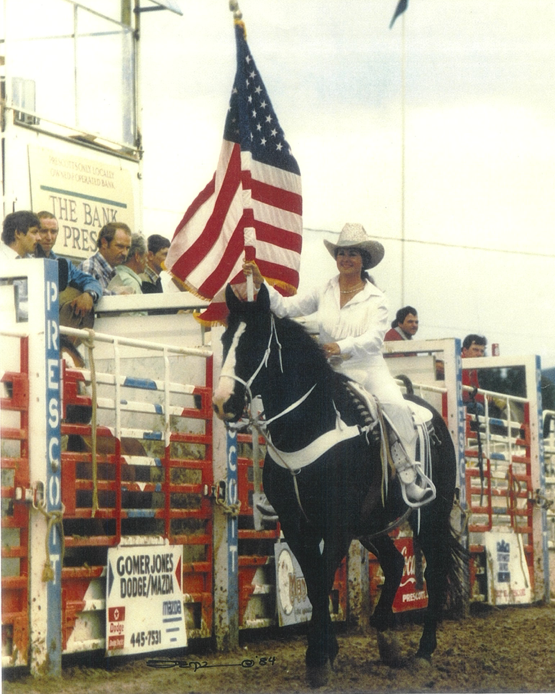
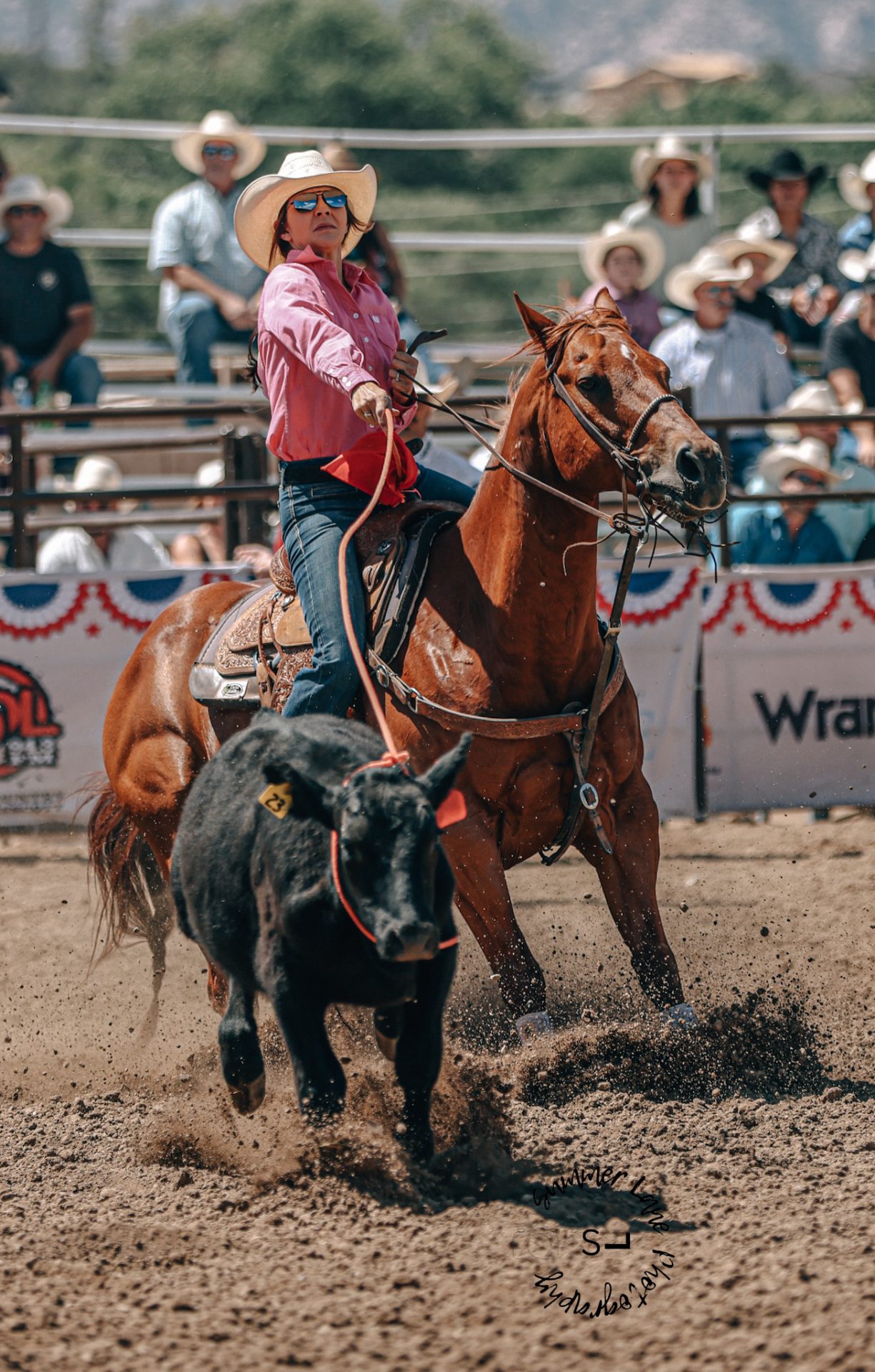
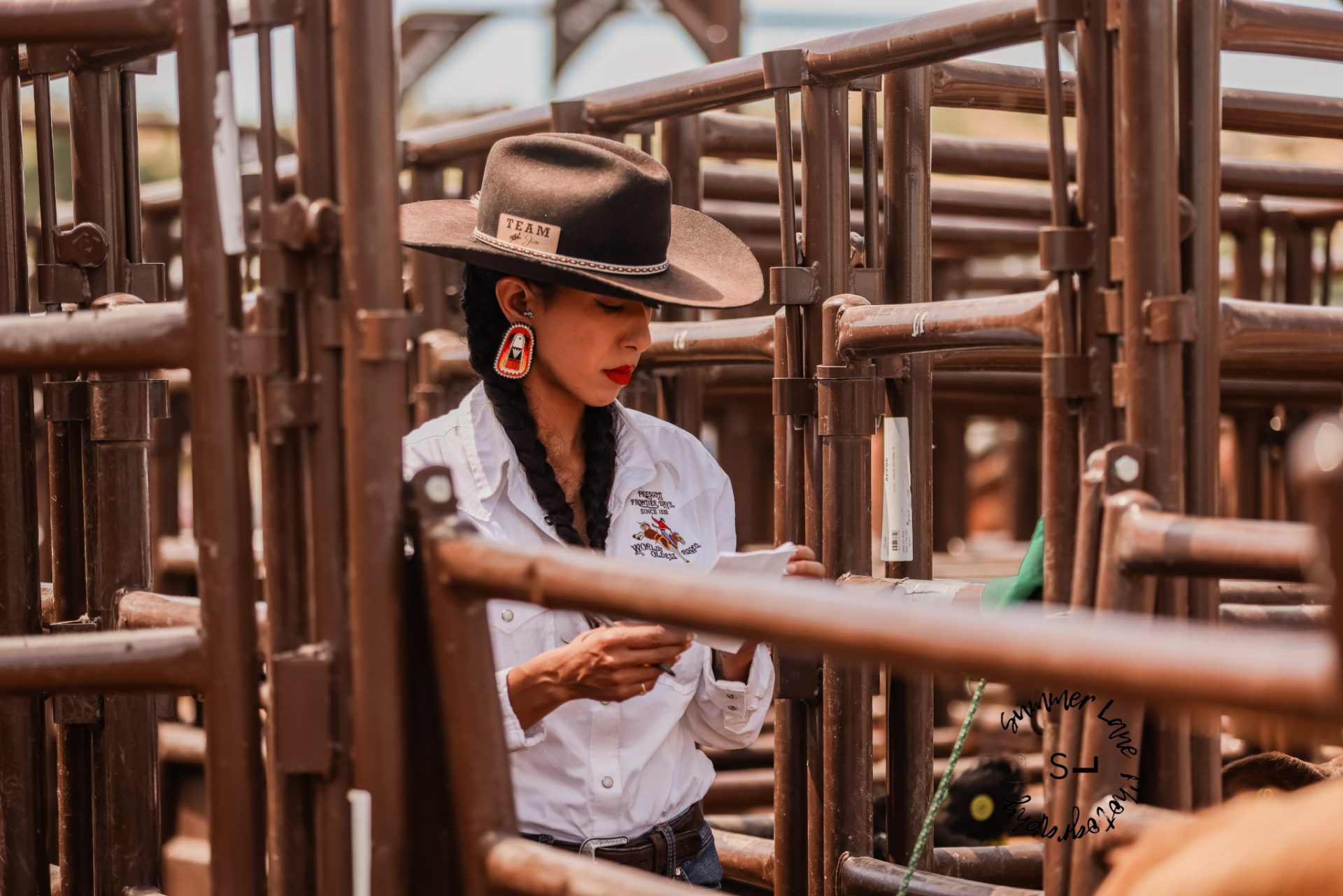
    Prescott Frontier Days, famously known as the “World’s Oldest Rodeo,” celebrates more than a century of honest cowboy competition this Fourth of July in the historic town of Prescott, Arizona. What began in 1888 as a modest cowboy gathering in the center of the Arizona Territory has evolved from its informal ranch competition into a nationally televised and highly anticipated professional event featuring the modern-day cowboy and cowgirl. This event features elite rodeo athletes from the professional ranks, thousands of spectators and a historical appeal unlike any other, all while maintaining the rugged spirit of the Arizona rancher and the Western heritage that originally brought cowboys to compete in the arena. The Prescott Frontier Days is a living tribute to the grit, tradition and heart of the American West in a modernized version of spirited competition. June 30 – July 6, 2025, will celebrate 137 years of rodeo in Prescott, Arizona, and mark its continued showcase of rodeo excellence and heritage at the Prescott Rodeo Grounds.

    Many rodeos across the nation claim to be the oldest, most continuous or most historical event to establish the sport of rodeo. However, the Prescott Rodeo has a more unique attribute to its historical relevance. July 4, 1888 was the day a group of professional businessmen organized the first formal “cowboy tournament” and offered a cash prize, which birthed rodeo as we know it today in terms of value, earnings and prestige. The Prescott Rodeo is widely recognized as the first organized and advertised event with paid admission, judges and prizes. These “cowboy contests” would continue throughout the years and be promoted, planned, and carried out by local committees and chairmen of the area. Early rodeo was a way for the American cowboy to test their skills and earn bragging rights amongst their community. Often held at ranches, roundups or community celebrations, primary events included bronc riding, steer roping and bull riding. All events that were staples in the life of daily ranching and prelude to the sanctioned events seen in today’s modern rodeo competitions. As time went on, these events would grow in spectators and draw larger crowds, setting the stage for rodeos such as the Prescott Frontier Days, and their showcase of a cowboy’s rough and ready display of grit and talent.

    In the early years of the Prescott Frontier Days rodeo, the appeal and draw of competition stemmed from the local cowboys and ranchers’ ability to demonstrate their ranch-bred skills for the local townspeople to see. The Prescott rodeo viewed in the late 1800s and early 1900s was enacted on a simple strip of land in what was called Forbing Park, with roped-off areas to contain the broncs after unseating their riders. The name Prescott Frontier Days would come to fruition beginning in 1913, the year the Fourth of July celebration began at its present location – formally the Yavapai County Fairgrounds, today the Prescott Rodeo Grounds. It would not be until the mid-1930s that the grandstands seen in today’s modern arena would be constructed, often viewed as the primary structures that make up the rodeo facility and contribute to the grandeur of rodeo in Prescott.

    Photos by Summer Lane Photography

    Rodeo would continue to be revolutionized and grow throughout the years as the event went on. Thanks to die-hard lovers of the sport, such as Gordon Koch, Danny Freeman, Fred Schemer and Andy Jauregui, the 40s and 50s of rodeo in Prescott would see a much-needed increase in support from local and county members for years. It was during this time that purses would grow astronomically, often exceeding $20,000, and the expectations of quality rodeo stock would begin to evolve into what is more recognized in today’s competition. The 60s and 70s marked a pivotal moment for the rodeo, as the event held to its historical roots while embracing the modern rodeo circuit and its correlating expectations. During this era, the rodeo saw an increase in participation from women in the barrel racing event with a greater push for recognition of their role in the sport. Despite the social changes, the rodeo would preserve the historical, symbolic continuity that has defined it since its formation in 1888.

    Today’s version of the Prescott Frontier Days rodeo has not deviated from its roots or founding ethics. Rather, it has built upon the legacy of over 100 years of rodeo and continued the standards and tradition the committee of 1888 established. The current General Manager of the Prescott Frontier Days, Jim Dewey Brown, has worked to ensure its continued legacy and future through both his experience in rodeo and resolve to see a successful production. When asked what the position requires, Brown stated, “Anything and everything.” Brown continued with the knowledge that it takes a tribe to produce a production of this magnitude and that the committee is instrumental in its prosperity. Brown has competed and worked amongst professional cowboys his entire career and has implemented improvements that aid in the growth of both the sport of rodeo and Prescott Frontier Days as an organization. However, the committee and Brown still pay tribute to the historical side of the rodeo, and this year’s rodeo is no different. Brown elaborated, “This year, we are honoring women in rodeo” by inviting legendary ladies of the industry and celebrating their contributions to both the Prescott rodeo and the sport.

    Former 2023 Miss Rodeo Arizona and current committee member Katie Ramos has borne witness to both Prescott’s historical contributions and current rodeo undertakings. When asked about what makes the Prescott Frontier Days unique, Ramos stated, “the leadership and community of those involved. We are so blessed to have an amazing GM who not only wants to preserve and honor the history of [the rodeo] but also educate the future contributors.”

    Ramos continued, “You don’t have to look far to find history within the rodeo. One of my personal favorites is listening to generations of rodeo fans return to watch generations of rodeo athletes.”

    The involvement of Prescott’s community and their commitment to the rodeo is evident in every aspect of their lives. According to Ramos, “Prescott is a town known as ‘everyone’s hometown,’ and with that mentality, the community takes personal pride in being the World’s Oldest Rodeo’s hometown and welcoming them with open arms.”

    One hundred thirty-seven years after the event’s first production, the Prescott Frontier Days remains a powerful symbol of tradition, endurance and community spirit. The event honors the cowboy gathering of 1888 and the contest of a cowboy’s skill, and above all, retains its roots and knowledge of the American frontier with the spirit to survive. It has grown into a nationally covered event and prime stopping point for NFR-driven cowboys and cowgirls while simultaneously honoring its rich legacy echoing of the American West. Each July, the stomp of hooves and cheers of the crowd reminds us that while the times may have changed, the values of courage, competition and camaraderie endure. The World’s Oldest Rodeo is more than just a Fourth of July celebration; it’s a living tradition carried forward by every contestant, spectator, committee man and resident who passes through their gates. 137 years of rodeo down, many, many more yet to come!

    Photo by Summer Lane Photography
  • Taylor Broussard – Stronger than the Struggle

    Taylor Broussard – Stronger than the Struggle

    Addiction is a powerful force – one that must be confronted. It is a disease that can take root in one’s life and wreak havoc on more than just themselves. Gradually, if left unchecked, it can consume every aspect of a person’s well-being and turn into a relentless cycle of struggle, denial and, occasionally, overwhelming times of despair – an era of dependence that temps you to stray from the path intended for you. It often begins as a moment of escape or pain that transforms into something far more dangerous and destructive. However, with the right support, courage and understanding, the road to healing and recovery can be transformative and awe-inspiring. This is a telling of one such story that is about more than the grip of addiction, but about the strength it takes to overcome and prevail despite your demons.

    Photo by Sam-Sin Photography

    Taylor Broussard, age 31, of Estherwood, Louisiana, is well known for his prowess on a bareback horse within the professional ranks of rodeo. The cowboy has three qualifications for the Wrangler National Finals Rodeo (NFR) starting in 2019, 2021, and 2024; he has achieved numerous career highlights from NFR round wins, circuit championships, and other various rodeo titles. Broussard is a loving family man with his wife, Alishea, and has a deep passion for the sport of rodeo. His family owns a crawfish business, and outside of bareback horses, Broussard enjoys roping and breaking colts. However, within this mirage of happiness lives a secret that was slowly eating the talented cowboy alive. That secret was alcohol addiction and abuse.

    It all began with large family gatherings and events during his youth. Social drinking was a normal function and simply part of Louisiana culture. The accessibility of alcohol and the ease with which it could be attained laid the foundation for what would turn into a lifelong struggle with addiction. Broussard stated, “The way it started, I would open a beer for my cousins and sneak a sip here and there.” He continued with the knowledge that “I grew up in a good family; there was just a lot of partying.” The exposure to alcohol and its eventual abuse would not only disrupt Broussard’s life but would affect his well-being and career. “I started drinking beer when I was 12 years old like a man and got help when I was 29…” By the age of 19, Broussard began to recognize that he might have a problem but, at the time, could not see a way past it.

    In his early rodeo career, Broussard expressed there was a great deal of alcohol abuse. The temptation to party, drink and care poorly for oneself is intense when on the road. While riding full-time, he believed his friends and fellow competitors primarily saw his drinking as casual, with no one recognizing the underlying problem. Broussard thought he could run under the radar while competing and disassociated himself from the issue at hand. However, during his second NFR in 2021, Broussard suffered an injury that removed him from competition for a period.

    “I went on a downward slope from there because I was a little depressed about not being able to rodeo. I started drinking by myself, using it as a pain reliever.” According to Broussard, it was an excuse that would evolve into drinking in the morning by himself and would lead to his self-isolation due to his behavior. His drinking would lead to car accidents and mistakes that would ultimately feed his addiction. A tipping point came soon after he was cleared to start working out and getting prepared to rodeo again. One day, on his drive home, “I couldn’t help myself… I stopped at five stores that didn’t sell beer and finally caught one that did.” He explained that he did not know the reason for stopping or buying the alcohol in the first place.

    “I asked God for help. I don’t want to keep doing this.” The next day, his brother, who is 11 years sober, contacted him and asked if he was ready to receive support. To Broussard, it was a message from God saying, “It’s time… so I listened.”

    Forty-five days in rehab and going on three years sober and in active recovery, Broussard is a changed man and a better competitor for it.

    In reflection on how his addiction affected family and friends, Broussard stated, “It was affecting my relationships because I was putting drinking first instead of my marriage.” Today, his outlook is healthier and mirrors the changes he made in his life. The first step to recovery is to admit you have a problem and then to seek help. Broussard expressed that the aid is available; you must only seek the help and be prepared to accept it. A strong community to stand behind you is vital to maintaining sobriety and being aware of your surroundings is key to finding success. Broussard stated, “Surround yourself with champions and the people you want to be like.” Alcohol and temptation are everywhere; being conscious of the people, influences and beliefs can make the difference between being in active recovery or finding yourself reverting to addiction.

    Photo by Sam-Sin Photography

     “Don’t be afraid to ask for help because there are a lot of people out there willing to provide aid and went through the same struggles as you.” He continued with, “Just talking to someone might help just a little bit…”

    Today, Broussard’s rodeo career is flourishing thanks to the positive influences, life changes and support received after his plea for aid. His outlook on riding bareback horses and his physical health have improved immensely, along with his desire to win. “I’ve been on a lot of bucking horses since I’ve been sober… now I feel like I should win on them all.” In a comparison of his health during active addiction versus active recovery, Broussard can feel a physical and spiritual strength that was not always present before. A 31-year-old bareback rider is seasoned in more ways than one. Going into this year’s rodeos, the bareback rider can confidently say he has never felt better or more fit to compete. Broussard is nothing if not humble regarding his past decisions or thankful to the people who stepped up to be the supporters he needed. Longtime friend, traveling partner, and fellow NFR qualifier Trenton Montero – who sadly passed away after a rodeo accident in August of 2023 – was a “good buddy” and a positive example of both character and faith. Montero’s life reflected moral conviction and was grounded in integrity and devotion. His relationship with Broussard was critical to his recovery as he was his “wingman.”

    Photo by Wild Red Rodeo Photography

    When reflecting on his relationship with Montero, Broussard stated, “I think that is what kept me sober, how proud he was of me.”

    Recovery is possible for anyone. It is often deeply personal and a journey taken over one’s lifetime. There is no cure for addiction, but it is treatable, and long-term healing is more than possible. The path to active recovery is marked by courage, vulnerability and resilience, and it begins by recognizing that a change is needed. Broussard’s lasting remarks on addiction were, “Set reachable goals in both life and recovery.” The path is rarely straight or without bumps; setbacks may come, but every step forward is a victory. To take the time to rediscover one’s identity and learn to live with purpose and peace will only open the doors back into the community we all seek to be part of. Through community, accountability and inner strength, those in recovery can find the hope that was never lost but simply waiting to be held.

  • Where Rodeo Meets Rock: The 2025 Kid Rock’s Rock N Rodeo

    Where Rodeo Meets Rock: The 2025 Kid Rock’s Rock N Rodeo

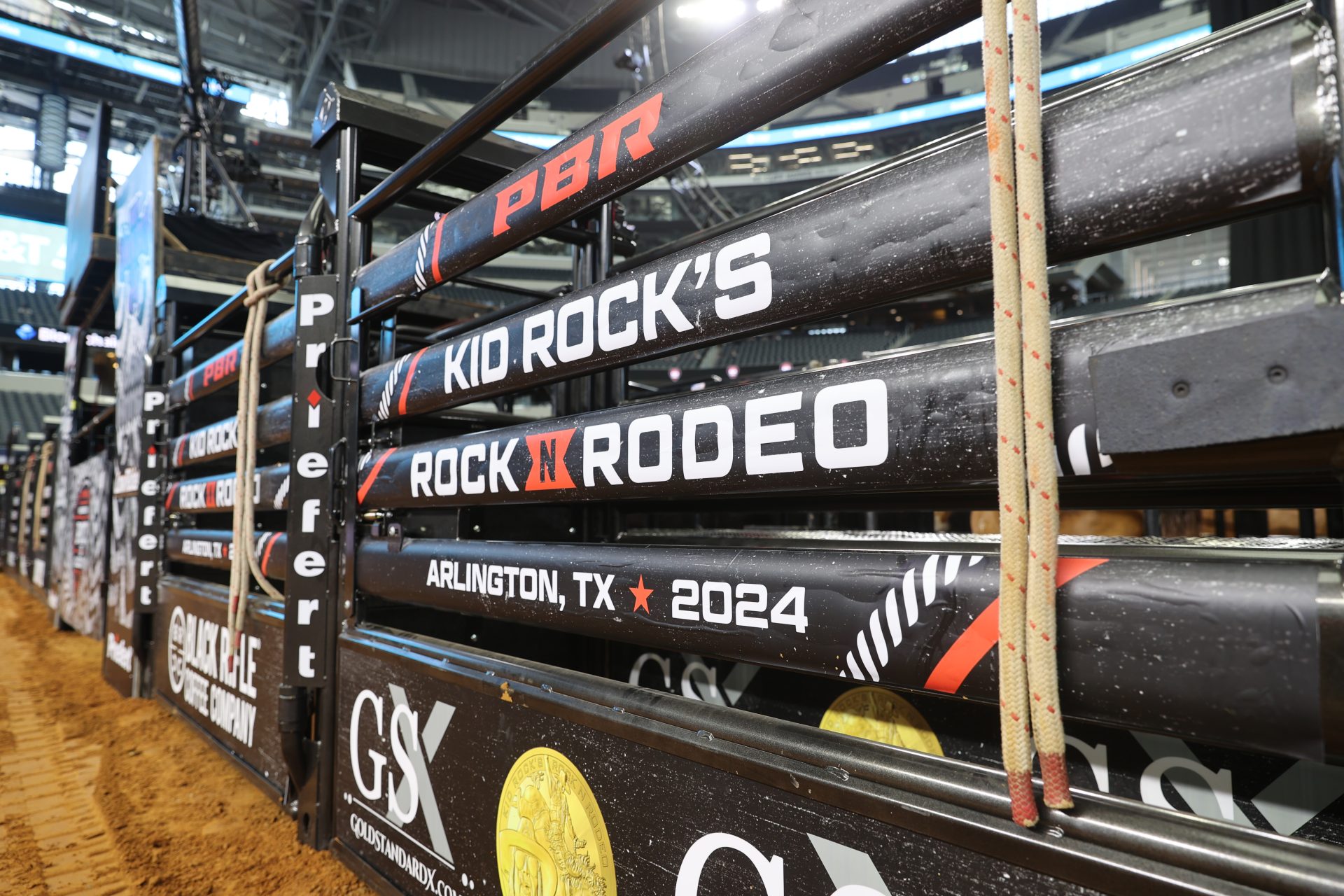
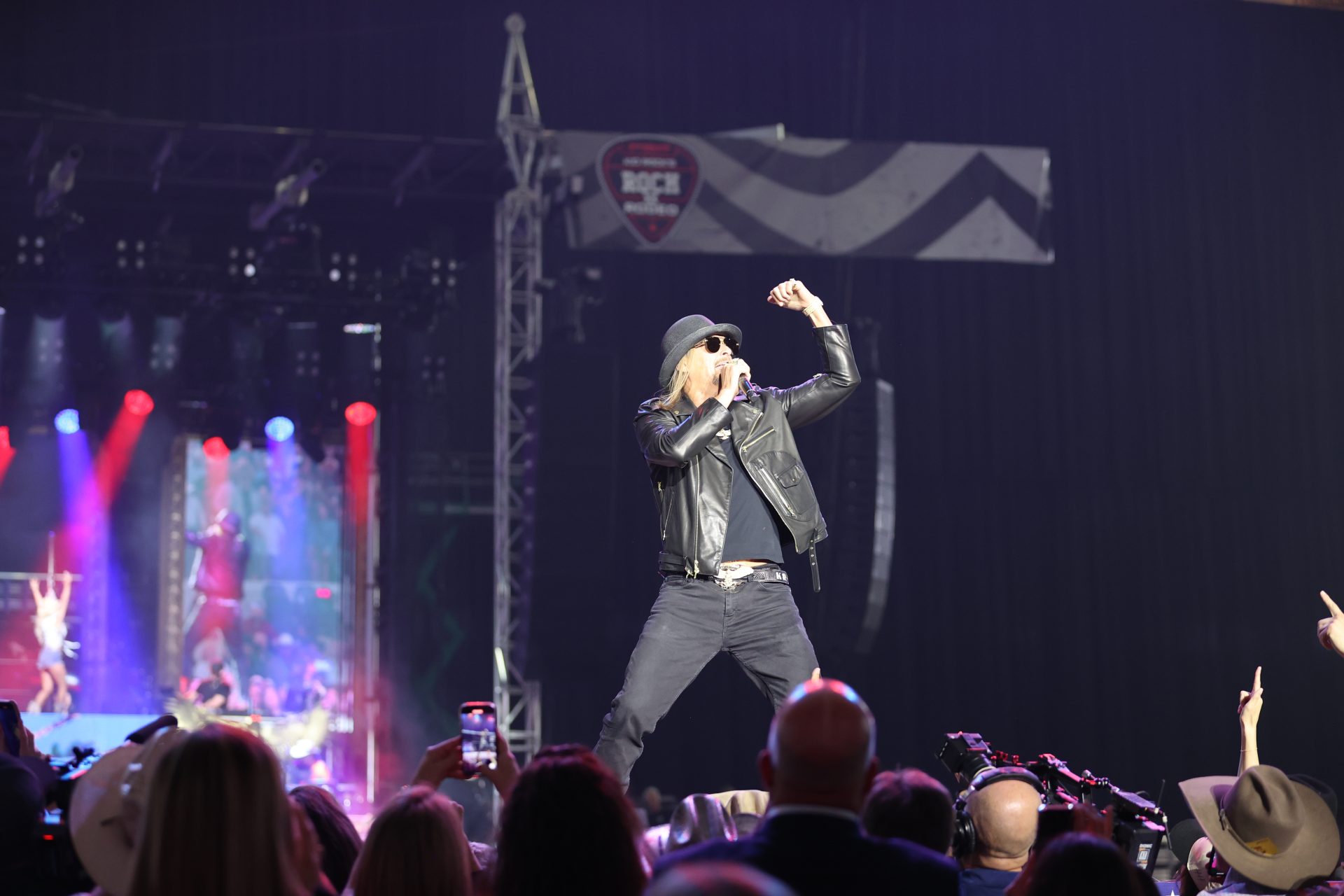
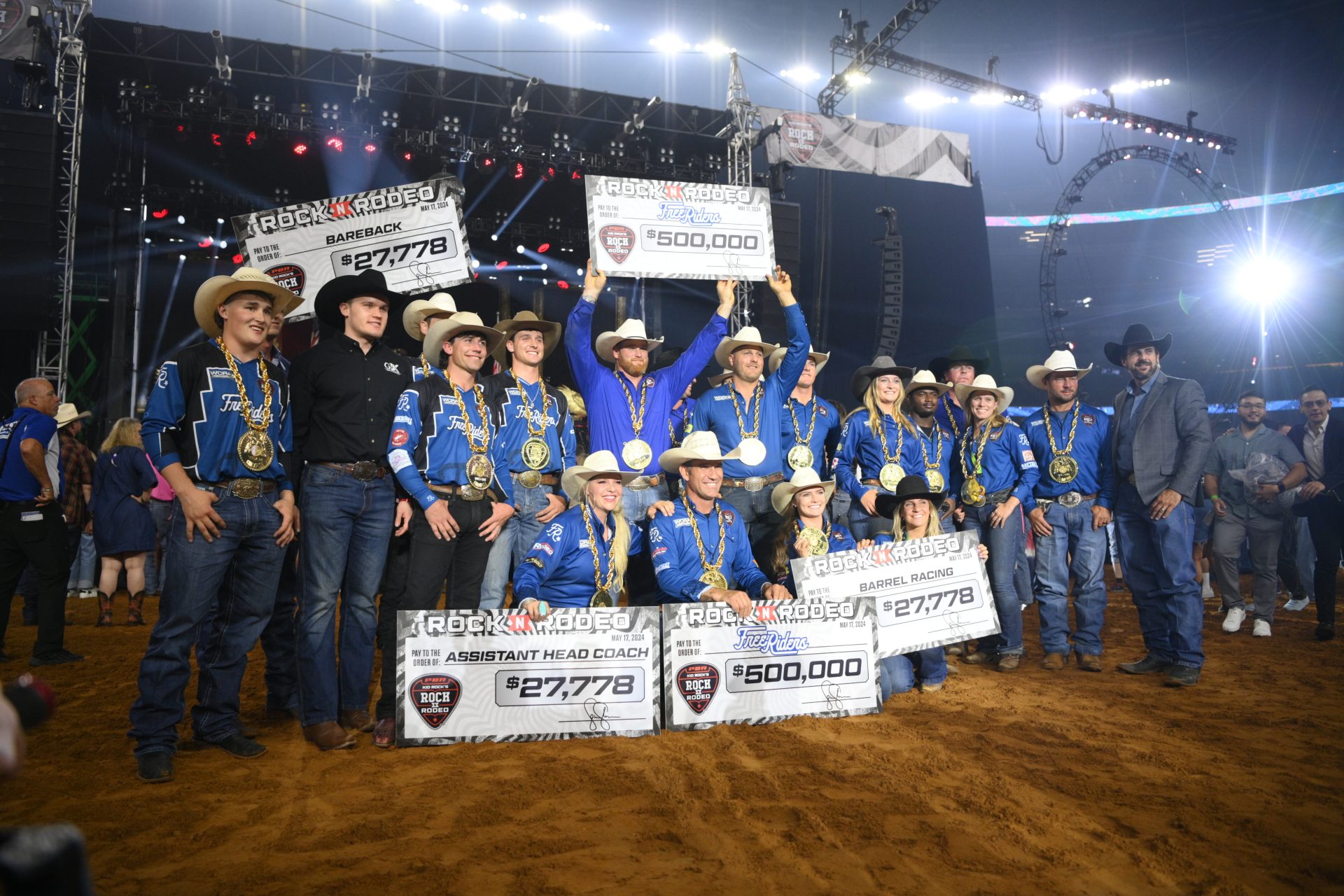
    Legendary artist Kid Rock, known for his electrifying musical craft and unique rendition of rock, county, and hip hop, kicks off the PBR World Finals at AT&T Stadium with the 2nd annual Rock N Rodeo to be held on May 16, 2025. The event was dubbed “The Ultimate Rodeo Showdown” due to its electrifying mix of rodeo athletes, coaches, and event structure – not to mention the event’s name’s sake and concert front liner, Mr. Kid Rock himself. Six rodeo legends will lead six teams of professional athletes in a head-to-head match over three rounds, with the winning team walking away with the title. Each team was inspired by classic rock and hit R&B artist Kid Rock and his nameworthy tracts: Team Convoy, headed by the six-time world champion tie-down roper and 2001 All-Around Champion Cody Ohl. The Jokers, Co-Head-Coach Joe Beaver, a five-time world champion tie-down roper and twenty-two-time NFR qualifier, backed up by Co-Head Coach Sid Steiner, the 2002 World Champion Steer Wrestler and 4th generation member of the Steiner Rodeo Company. The Free Riders, Head Coach Bobby Mote, fifteen-time NFR qualifier, and four-time world champion bareback rider and all-around cowboy competing in both the rough stock and timed events. The Low Riders, Head Coach Trevor Brazil, also known as the “King of the Cowboys” and arguably the greatest all-around cowboy with 31 trips to the NFR and 26 world championship titles. Misty Mountain Hop, Head Coach Charmayne James, eleven-time WPRA world champion barrel racer and nineteen-time NFR qualifier, most notably known for her equine partner Scamper. Finally, the Sledge Hammers, coached by Fred Whitfield, is a seven-time world champion tie-down roper with an all-around title and numerous NFR average championships.

    These six teams, headed by historical rodeo legends, will face off in a bracket-tournament-style rodeo for a share of the purse. Each team will face off head-to-head to earn medals through three rounds of competition, with each bracket facing a starting-light competition style. Gone are the days of calling for your cattle or the start of the ride; rather, contestants will face a traffic light countdown and compete simultaneously for the medal. The winning team of each bracket will earn one gold medal, with the two teams who accumulated the most medals facing off in the championship match. This head-to-head competition across all seven rodeo disciplines determines the winner and which team will ultimately claim the 2025 Rock N Rodeo title. The defending 2024 champions, the Free Riders, do not plan to shy away from the task at hand. Head coach Bobby Mote is headed into the Rock N Rodeo with the mindset that his team is already “on a roll” after competing at the World Champions Rodeo Alliance (WCRA) event in Corpus Christi under the same rodeo conditions and format. The head-to-head format and stop-light sequence addition to the rodeo will make the event’s competition both unique and exhilarating for the contestants and spectators. The winners of the WCRA Corpus Christi on team Free Riders will have the advantage of already competing under those conditions and the bonus of being seasoned to the rodeo format. According to Motes, his team will have already “won under similar conditions” and be more prepared for the event. When asked how the competitor’s competitive nature and drive for success plays into the team aspect of the Rock N Rodeo, Motes stated, “It doesn’t matter what the individual does, it matters what the team [accomplishes],” continuing with the ideology of how each athlete plays a role and the “unselfish way they carry themselves” in favor of the team they represent. As a former world champion and athlete of both the rough stock and timed events, Mote stated, “We feel like we’re competing” alongside our athletes. The energy at AT&T stadium is unparalleled and is an “amazing environment.” Given the event format, competitors simply must “hope they’re faster than the person [beside them],” and coaches must consider their lineup based on strengths, stock draw, and overall team decisiveness. Aspects of the competition add an element of suspense that is expected to be crowd favorites and exhilarating for spectators in attendance. All elements aid in the theme “unleash the beat with Kid Rock” and the revolutionary take on the sport of rodeo.

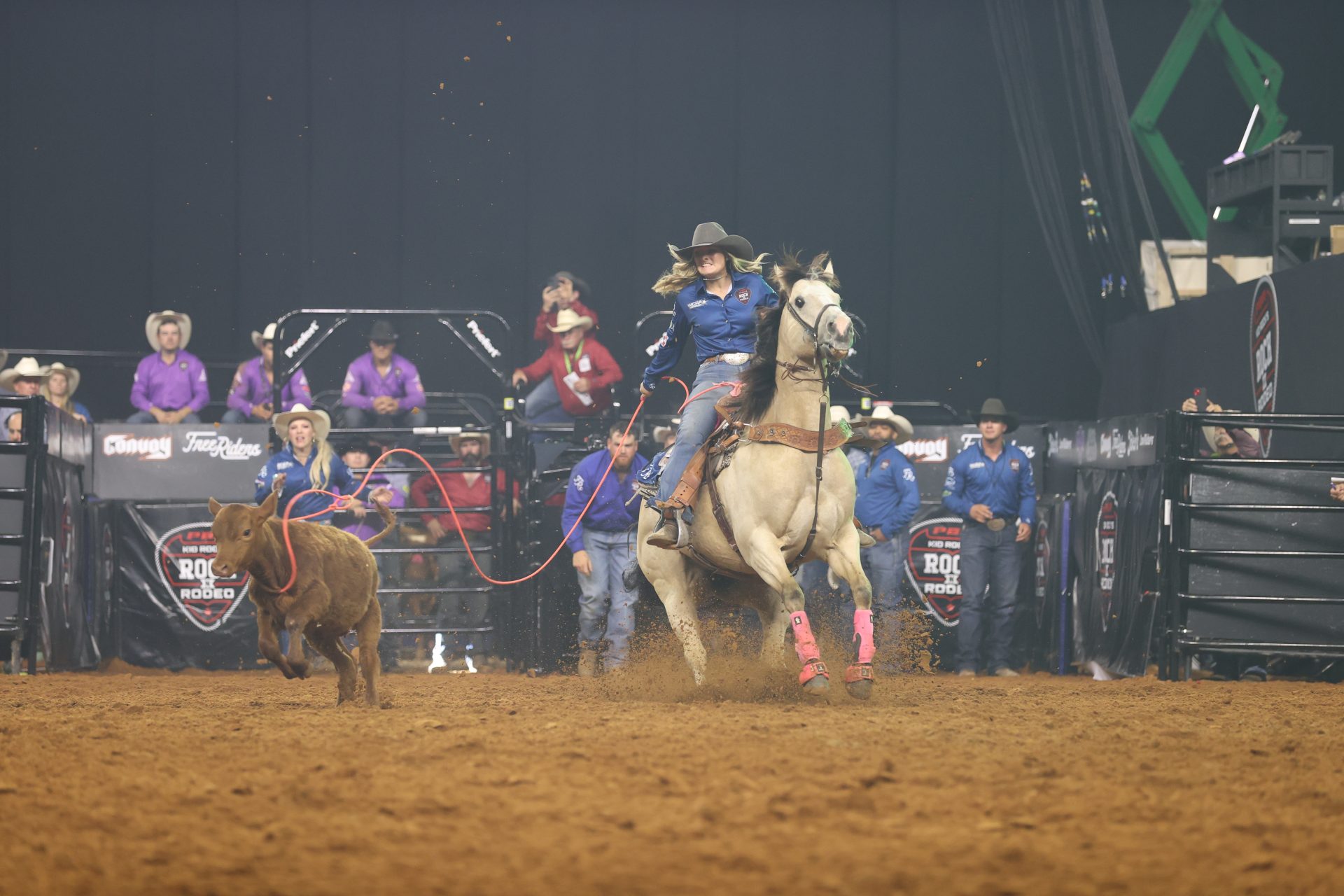
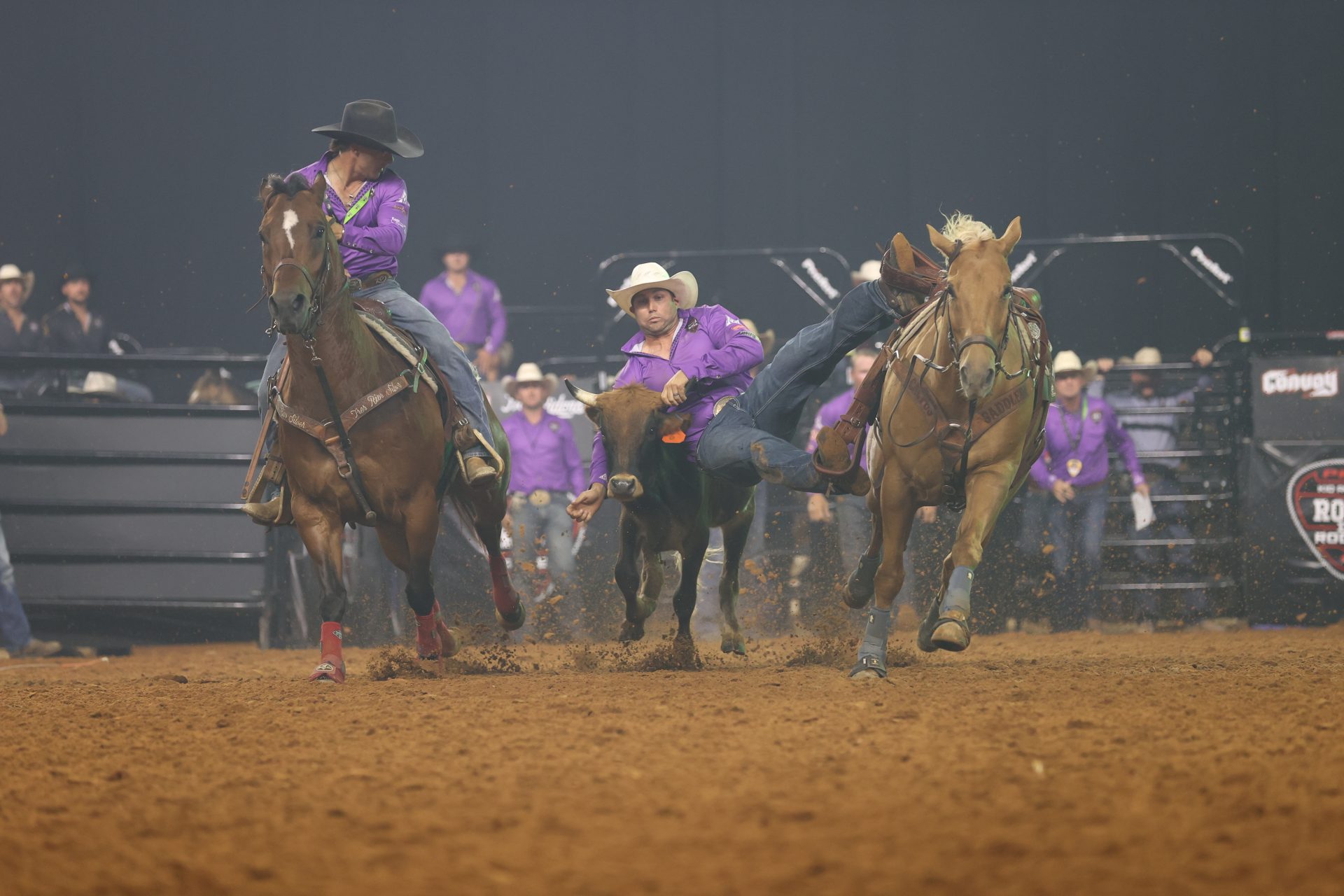
    Cowboys and cowgirls expected to compete at the Rock N Rodeo include many nameworthy NFR athletes such as professional breakaway roper Shelby Boisjoli-Meged, calf roper Riley Webb, and steer wrestler Dirk Tavenner, representing team Convoy. Crowd favorites such as bareback riders Rocker Steiner and Jess Pope, barrel racer Brittany Pozzi Tonozzi, and calf roper Tuf Cooper are expected to compete alongside household rodeo names like Sherry Cervi, Tyler Waguespack, and Junior Nogueira, to name a few. According to the five-time steer wrestling world champion and ten-time NFR qualifier, Tyler Waguespack, this rodeo is beyond unique and exhilarating. When asked how this event differed from typical PRCA rodeos, Waguespack stated, “We normally go to the regular rodeo, and we’re just focusing on our event and our job.” However, this event had Waguespack helping teammates in the bucking horse events and pushing cattle for the other timed events. Fans of rodeo “won’t be pulling for one particular person; they need the entire team to do good to win.” He continued with the idea that the addition of the traffic light starting sequence would be “great for the fan base” by adding energy to each rodeo discipline and making the rodeo fast-paced and exciting. Waguespack concluded that he truly enjoyed the event’s inaugural year and that he felt as though “it was a great thing for the rodeo as far as building new fans and bringing new attention to the sport.”

    The 2nd annual Kid Rock Rock N Rodeo is scheduled for May 16, 2025, at the AT&T Stadium in Arlington, Texas, and is expected to be a surreal and memorable event for both the fans of rodeo and the competitors that eat, sleep, and breath for the competition. Athletes, coaches, and spectators can all agree that the event will be a show-stopper and one for the books in terms of talent, grit, and above all teamwork. The unique take on the sport of rodeo in terms of its team structure and event bracket format can only pay tribute to the event’s living inspiration, Kid Rock, and his undeniable reputation as one of music’s most dynamic and enduring superstars. A legacy that each legendary coach carries into their teams and their unquenchable need to succeed. It will be a night worth taking stock of and one that the true fans of rodeo won’t want to miss.

  • It’s a Man’s World of Couture

    It’s a Man’s World of Couture

                The “Western way of life” is a statement derived from long, hard days at work, traditional customs, and the determination to see a job finished. Men and women alike can look upon the cowboys and cowgirls of the industry and see the practicality and tradition that make up their day-to-day uniform. While the clothing decisions of the Western community may seem cut and dry, the reality is its history, inspiration, and evolution are far more intriguing than what initially meets the eye. It is more than just a cowboy hat and pearl snap shirt; it’s a means to an end, a statement of who they are at their core and the values that shape their chosen lifestyle. While historically, the women of the industry receive the spotlight for the latest fashions, styles and trends, the men have a thing or two to brag about in terms of their ingenuity, toughness, class, and rugged lifestyles. It is a truly unique blend of inspiration drawn from the American frontier and combined with the practicality of the modern-day cowboy.

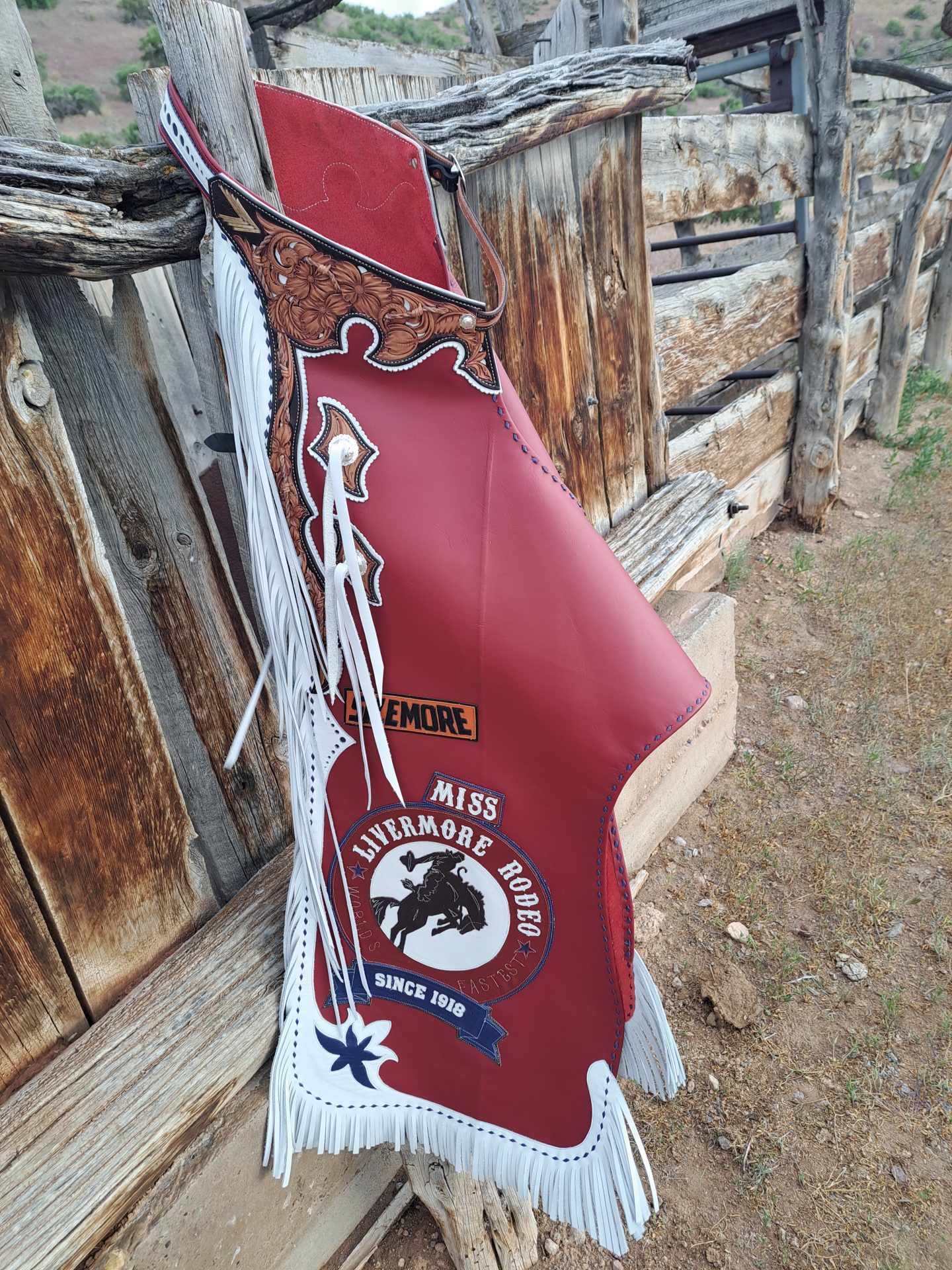
                From the traditional hat shielding them from the summer sun to the stitched long-sleeve collared shirt and sturdy heeled boots made of beautiful leathers, skins, and fabrics. To the intricate leather works and designs making up the cowboy’s belts, boots, cuffs, and chaps that protect the working cowboy from the wear and tear of the industry. All aspects of Western fashion contribute to the man’s working way of life and desire to leave a lasting remark. The rodeo cowboy is no different. His fashion contributes to his lifestyle, masculinity, and rugged individualism. A statement of toughness and resilience, the rodeo chaps often seen proudly displayed by the rough stock cowboy are a direct result of their expression and style. Made of durable leather and featuring decorative elements such as fringe, intricate tooling, and studded designs, these “tools of the trade” are more than just protective gear but also, in a broader fashion context, are an expression of each man’s connection to the cowboy culture and rodeo lifestyle.

    Pictured: Schussler with 6x NFR Saddle Bronc Rider Chase Brooks holding his new chaps by Schussler. |  Photo Courtesy of Joe Schussler

                Idaho native Joe Schussler, a leather professional and chap-maker for 20 years, has been active in the rodeo leather fashion scene and is a well-known contributor to many of its competitors. Schussler stated in connection to his design features and business, he aims to “refine [his] craft and art.” When asked how his creations play into the cowboy’s ride and ability to compete, Schussler expressed the idea that the colors and design features could play into the flashiness and potential score of the ride, not to mention the statement bold colors have on those in attendance. Favorite design elements of late included metallic colors and intriguing plays on fringe and leather carvings. Schussler stated, “I have my own style, but I’ve really gotten into using different color combinations to be unique in that aspect.” He continued, “I redraw all my designs; I don’t reuse patterns,” adding both a unique and specific element to each piece he creates. However, despite the fashion and bold statements each set of chaps illicit, Schussler’s designs remain functional and serve its original purpose. The leather maker primarily deals in bronc riding chaps, and as such, expressed the fact that the event requires quality equipment to both achieve a scorable ride and protect your legs. “You want to use heavier leather and ensure the fit is correct” so the cowboy can maintain his grip, keeping in mind that “the main goal is functionality [before] going on to designs.” More recently, the leather enthusiast has branched out into the business fashion end of Western culture. Schussler designs and creates briefcases and other trendy leather accessories, all with beautiful and elaborate patterns that are unique to each piece and worth taking note of.

    Photo Courtesy of Ty Skiver

                Bootmaker and leather crafter Ty Skiver is no stranger to the rodeo world and the statements each Western piece can make. Skiver has worked in the leather business since 1996 and is an artisan of many a cowboy’s attire, primarily the boot and chap business. His style is “a throwback to the old cowboy days” and emphasizes the art of creating a piece with prominence on tradition and quality material. Each piece is a true tribute to the Western way of life, the morals it was founded upon, and a statement of their style. Skiver is a connoisseur of the leather business and the artwork it entails, stating he prefers a variety of leathers, skins, and designs for his leather pieces. Skiver stated, “There is a method to my patterns and the [designs] on my chaps,” continuing with the idea, “It does affect how good a guy does look while riding.” Functionality and practicality remain key features in all of Skiver’s designs, with many clients expressing that more flare is given due to the layout and elements of each piece. According to Skiver, “I like my stuff being a throwback” in recognition of the cultural, historical, and fashion elements that reflect the cowboy way of life – a fundamental traditionalist who embodies a cowboy’s grit, style, and class in each component of his work.

                Western fashion goes beyond the women of the world and their choices in hair, makeup, and fur. Rather, it is embodied in the styles of the men, the craftsmanship of their clothes and equipment, and above all, the diverse purpose each item represents. It is a rugged and functional world that has evolved from the original needs of the cowboys and ranchers. Today, the roots of those needs can still be seen and felt in connection to the declarations made by the modern-day cowboy. The bold patterns and colors, in conjunction with the art and design, make for a truly unique take on Western couture. Influenced by many walks of life, cultures, and designs the Western world of fashion remains ever-evolving and on a constant status of change. However, that change is suffused deeply in its historical roots, traditions, and always – its functionality. A beautiful and effective statement for the men and women striving to leave a lasting effect and legacy for the industry.

  • The 2025 San Diego Rodeo: Through the Lens of a First-Time Rodeo Photographer

    The 2025 San Diego Rodeo: Through the Lens of a First-Time Rodeo Photographer

    A rodeo to remember through imagery. My experience capturing all angles of this deep Western tradition was like no other. While the photos best tell the story, the writing paints the pictures.

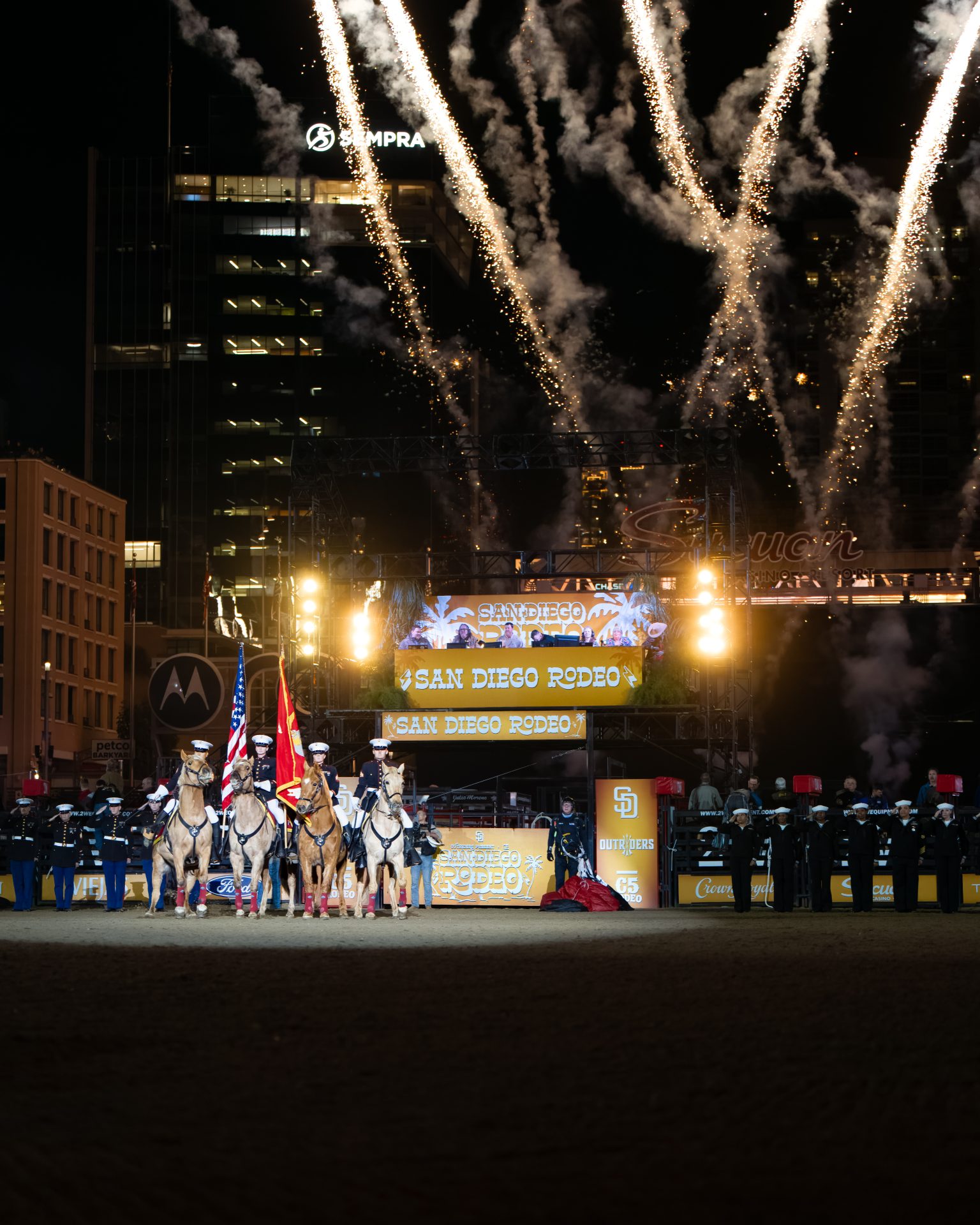
    I didn’t know what exactly to expect walking into Petco Park, home of the San Diego Padres, on Friday, January 10 at 5 p.m. A chameleon of a stadium, the field had been filled with dirt. It transformed into a makeshift rodeo arena for three days, looking entirely different from a concert I had shot on the same grounds just a week prior. Being the first rodeo I’ve ever been to, let alone photographed, this assignment was such a fun challenge.


    The opening ceremony commenced with skydiving, the Pledge of Allegiance, and an amazing fireworks display. I spent that first day relatively stationary, focused on dialing in camera settings while looking for when to anticipate the best moments. The loud pounding of hooves rushed by me continuously, only feet away from the gate, as dust and dirt were thrown at my camera lens.

    Saturday went a lot smoother. I utilized a monopod for stability to keep the fast-moving subjects in focus. Bareback riding, tie-down roping, breakaway roping, saddle bronc riding, steer wrestling, team roping, barrel racing, and bull riding – the many events of the rodeo that I learned about through each photo taken.

    Upon entering the arena on Sunday, I overheard another photographer mention that animal rights activists were outside the entrance. Having never taken photos of a protest either, and very much wanting to, I immediately headed that way. A 5-minute walk around the stadium later, I found a bustling intersection of people holding signs and yelling emotionally charged chants at the long line of rodeo fans entering the venue.

    Repetitive chats were exclaimed over a megaphone. The protesters approached me with some hostility after seeing my camera pointed at them. They wanted opinions; I simply wanted to take photos. As a documentary photographer and photojournalist, I am merely a revealer, a fly on the wall of reality. Once they realized I was friendly and indifferent toward their attack of questions, I was able to easily blend into the scene. Peering between the buildings, natural light perfectly illuminated faces, signs, and those in line. At 2 o’clock, the rodeo had just begun, and it was time for me to get back inside, leaving the quarrel behind.

    At this point, I had a much better understanding of the sporting events and where to ideally position myself for them. The rodeo started earlier in the day, allowing me to play with the sunlight casting down on the subjects in the middle of the stadium. This also made for great opportunities to capture the excitement of crowd reactions at golden hour. Trick-roping acts, trick riding, and rodeo clown antics made for great entertainment between the harrowing competition.

    Later that evening, the champions of each event posed for portraits with their awards. This year’s winners are:

    Bareback Riding – Bradlee Miller

    Tie-Down Roping – Riley Webb

    Breakaway Roping – Jackie Crawford

    Saddle Bronc Riding – Ryder Wright

    Steer Wrestling – Will Lummus

    Team Roping – Rhen Richard & Jeremy Buhler

    Barrel Racing – Jordan Driver

    Bull Riding – Jordan Spears

    This has been one of my most thrilling photo projects to date. I’m very grateful for the opportunity to cover my first rodeo. I have hopes to do more soon. Many thanks to Outriders, C5 Rodeo, and Petco Park for an outstanding San Diego Rodeo!

    You can see more of Logan’s work at:

    https://logangrahamphoto.com/

    Instagram: @logangrahamphoto

  • Brewing Wisdom: The Babylonian Captivity – How Then Shall We Live? Part 1

    Captivity:  A condition of restricted freedom of movement or thought caused by personal choice or due to forces beyond one preference; to be under the control of something or someone, and or under the control of an impregnable condition by a power or agency outside of ones’ own ability to alleviate; a condition whereby ones’ personal freedom of movement or choices, are limited if not absolutely denied.


    The Divided Kingdom

    The Old Testament books of Samuel, Kings, and the Chronicles record Jewish life under the leadership of their first sitting king, King Saul, followed by King David, then David’s son Solomon, and subsequent kings, all of whom led Israel into continuous victorious battles against their enemies, the enemies of the Lord God, Jehovah.

    Notwithstanding God’s faithfulness to Israel for all He had done for His people, Israel often turned against the Lord and even against one another and eventually formed two separate “kingdoms.” The division began when the tribe of Judah, from whom King David was descended and included the small tribe of Benjamin, allied together, forming the “Southern Kingdom,” also referred to as “Judah.” Then, nine tribes formed the “Northern Kingdom” and appointed their own “king.” The lone tribe of Levi that God had appointed to be the “Levitical Priesthood” were scattered throughout both kingdoms; however, they only exercised a failing, compromised, weak form of ministry as “priests” of the Lord. This sad situation in Israel’s history is referred to as the era of “The Divided Kingdom.” The Southern Kingdom, under King David, followed by his son Solomon, remained faithful to the Lord. Unfortunately, however, there were subsequent kings who failed to whole-heartedly follow the Lord God by committing much idolatry. The Northern Kingdom, in particular, comingled with some of their former enemies and worshipped the gods of the very enemies they had defeated and whom God had deposed from Cannan Land – the very land given by God to Abraham and his descendants forever! After many years and with many prophetic warnings for the Israelites to repent and turn back to the Lord, the Lord raised up one more man, the Prophet Jeremiah, who for some 23 years continued pleading with the Jews to cease their idolatrous ways. God finally instructed Jeremiah to cease His warnings, and God, having no alternative, brought forth His judgment upon His people, Israel.

    The Judgement of Captivity Announced

    Babylon: One of the most famous cities of early civilization and the capital of southern Mesopotamia, including Assyria. It was located on the Euphrates River about 55 miles (88 km) south of Baghdad, near the modern town of Al-Hillah in the present country of Iraq. While under the Nebuchadnezzar dynasty, it was the largest city in the world, covering approximately four square miles (10 square km.) In 539 B.C., the Persian Dynasties, under Cyrus II, attacked Babylon, which fell quickly and almost without resistance.

    Jeremiah 25:1-21 gives us the prophecy concerning the “captivity,” while in 2 Kings chapters 17 & 25, we find the background and the events leading to what has been typically referred to as “The Seventy Years Babylonian Captivity.” We read in Jeremiah 23:1-8 of God’s great love and compassion for Israel and His intention to restore them to their land once He had chastened them. Even more wonderful news was included in the future restoration in that a King, a Ruler of His people, would come through the linage of the tribe of Judah (King David) and referred to as “The Righteous Branch,” as also recorded by Isaiah chapters 4, 11, & 53; Acts 13; Romans 15:12; Revelations 22:16, Jesus Christ the Lord!

    God used both the treacherous and highly feared Babylonian Empire – the Chaldeans – and then the Assyrian Nation to chasten and bring judgment upon Israel. The Babylonians entered Jerusalem, where the Temple of the Lord had been built by David and his son Solomon, and they completely destroyed it. They removed all the precious valuables, including the golden utensils and accessories in the Temple that were used by the priests in service to the Lord, and placed them in the temples of their own heathen gods. They leveled Jerusalem to the ground, burning it with fire and killing men, women, and children, as well as all livestock. The Jews who remained alive and strong enough were taken into captivity while leaving only the incredibly old and feeble behind. Thereafter, and for the next 70 years, men, women, and children were held captive in the capital city of Babylon.

    Interestingly enough, one of those children taken captive was named Daniel, yes, the same Daniel of the book of Daniel!

  • From Miss Rodeo Canada to NFR Sideline Reporter: Meet Katy Lucas

    From Miss Rodeo Canada to NFR Sideline Reporter: Meet Katy Lucas

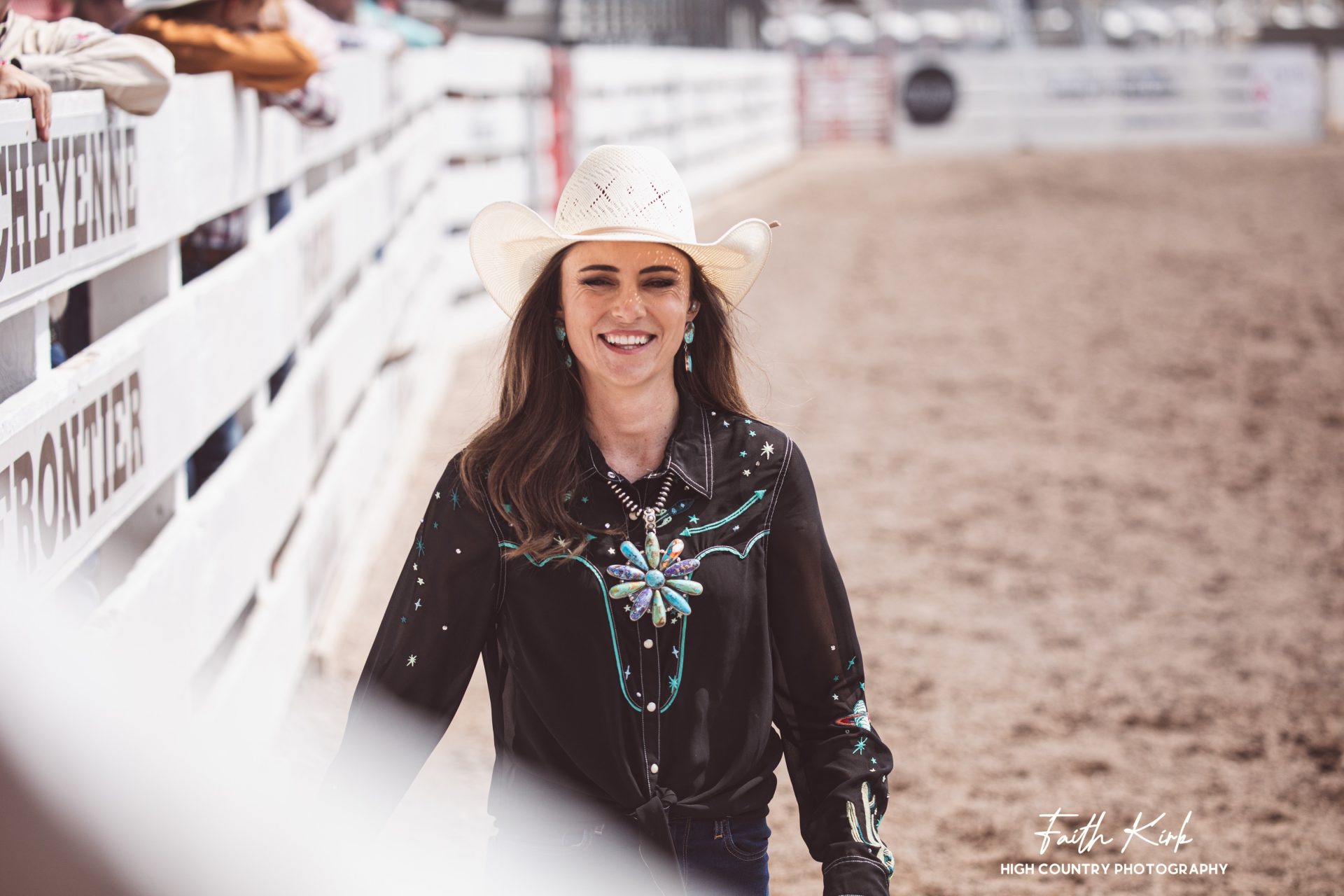
    Photo by Roseanna Sales

    This Canadian cowgirl is living a full-circle life. Her first rodeo was at 11 days old, and years later, she’s one of the leaders promoting the industry that is everything she embodies, both on and off the air. She embodies grit and grace, from roping at the Ponoka Stampede while she was Miss Ponoka Stampede to waving to fans during her time as Miss Rodeo Canada, and now, interviewing athletes on The Cowboy Channel. Katy Lucas is the definition of a true cowgirl.

    Looking back on her childhood, she reflected on fond memories that started her love of listening to rodeo stories and wanting to share them with others. This passion began in their family home around the kitchen table.

    “One of my favorite memories growing up was during the summertime when people would stop by the house in between rodeos, park their trailers, and keep their horses at our place – after dinner, they’d all sit around the table and share these awesome stories,” shared Lucas, “I used to beg my mom to let me stay up late so I could listen to them.”

    Growing up in a deeply rooted rodeo family sparked her love and knowledge of the sport.

    “Our parents never pushed my brother or me to the rodeo, but as soon as we said we wanted to, they were behind us, ready to support us 100% of the time, and still are to this day with any decision we make.”

    Rodeo journalism and broadcasting have been her passions since high school when Lucas had a regular feature in the Canadian Pro Rodeo News Magazine. While she loves sharing pieces from the rodeo trail through writing, she has always wanted to conduct interviews.

    In 2010, the Lucas family was invited to the 100th anniversary of the Pendleton Round-Up to participate in the festivities and celebrate the milestone of an iconic rodeo. Knowing this, Lucas bought a $30 Walmart recorder and packed it in her bag just in case an opportunity presented itself. As a shy teenager, she asked her dad for help finding an athlete to interview.

    “My dad said, ‘OK, I’ll get you someone good.’ I was sitting on the grass watching the rodeo when my dad walked up with Trevor Brazile,” explained Lucas, “So my first interview was Trevor Brazile. He was patient and gave me the professionalism he would have given any experienced broadcaster. It was a great first experience.”

    Not knowing but having complete faith that something like The Cowboy Channel would exist one day is what pushed Lucas to pursue broadcasting and journalism in college, hoping it would all work out.

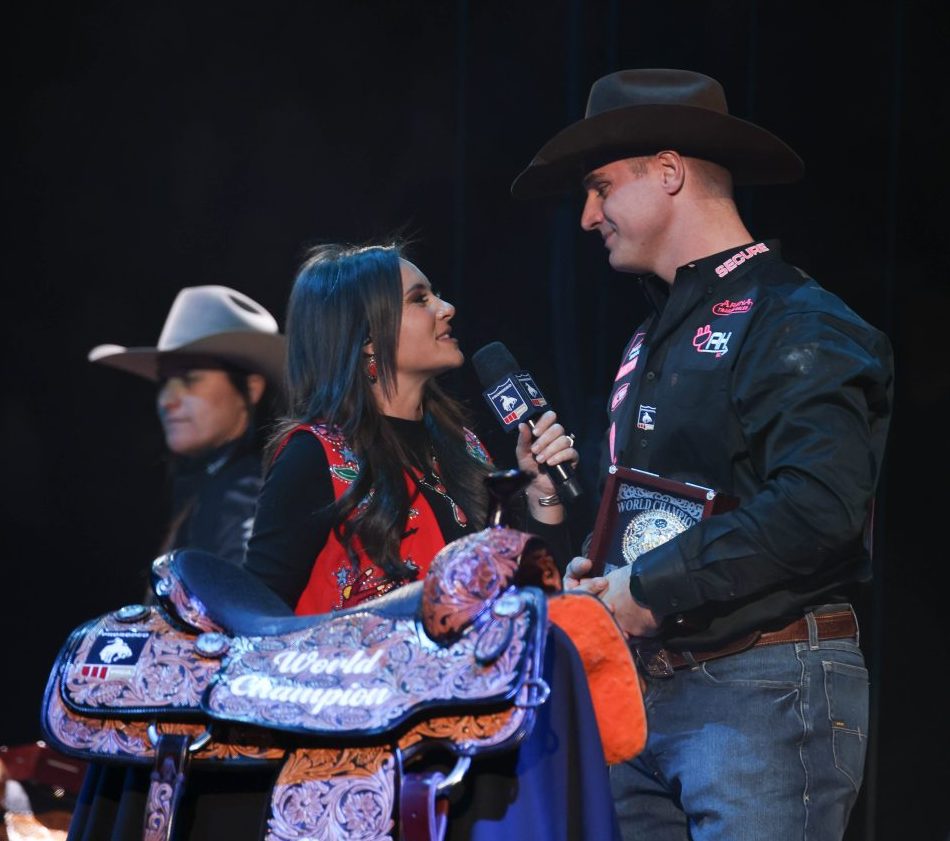
    She’s seen world champions retire and the next wave of world champions start their careers, conducted on-air interviews at historic rodeos like the Pendleton Round-Up and Cheyenne Frontier Days, reported on Western Sports Round-up, and during the 2024 National Finals Rodeo, her lifelong dream came true. Lucas conducted interviews in the tunnel for each timed event go-round champion and asked each newly crowned world champion one question as they took their place to receive their gold buckle.

    Photo by Faith Kirk | High Country Photography

    “I get to see things from a fan’s perspective. I’ll never pretend to know what these athletes go through or fully understand how hard they work. But I get to see from a fan’s perspective, from the outside looking in, and appreciate their progression,” explained Lucas, “I haven’t been there while they’ve been grinding, but I see the big moments and the milestones along the way, and that’s pretty amazing.”


    Whether you know Lucas personally or see her interviewing your favorite athletes on air, one thing is sure: her passion for broadcasting, love for rodeo, and her warm, kind nature leave a lasting impression on everyone she meets.

  • Bridging the Gap: The Smarty Rodeo Collegiate Team

    Bridging the Gap: The Smarty Rodeo Collegiate Team

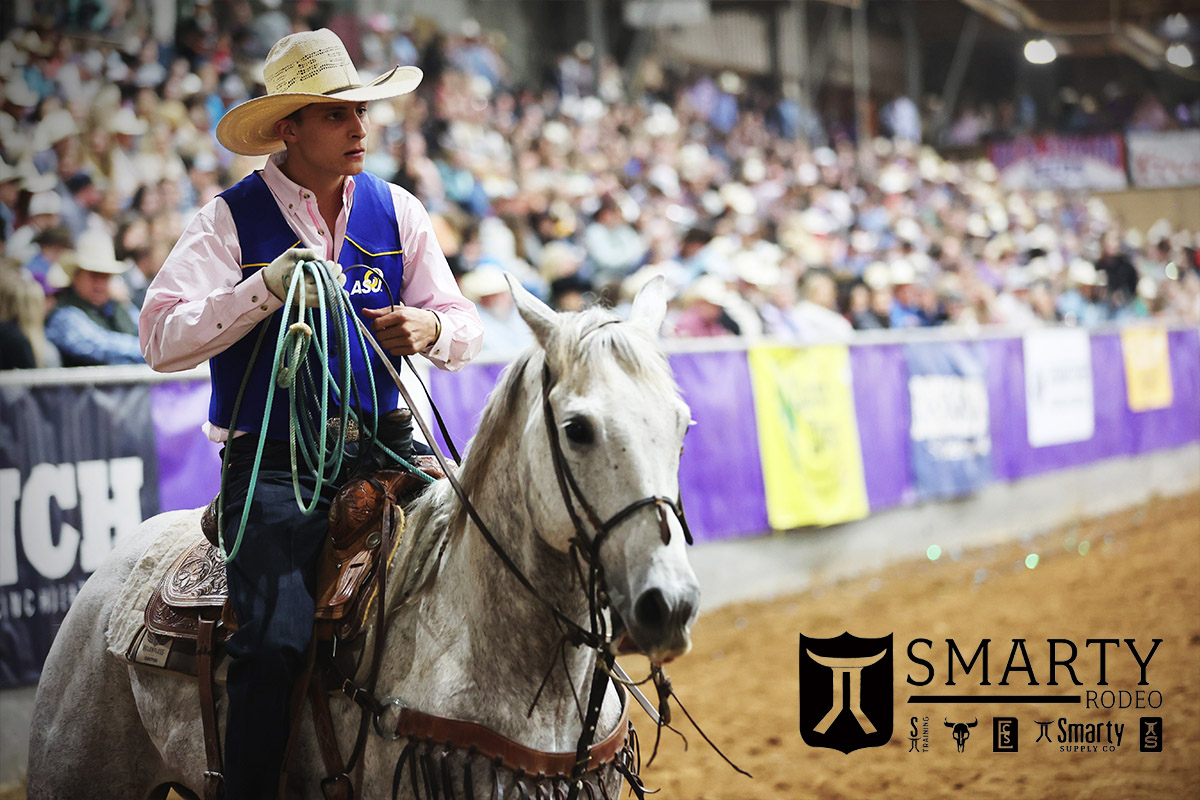
    For years, the Smarty Rodeo Young Pro Program has equipped high school rodeo athletes with the tools, connections, and knowledge to thrive inside and outside the arena. These young athletes attend a faith-based camp, receiving hands-on guidance from industry leaders, including World Champions, Performance Enhancement Coaches, and TV personalities. This experience not only strengthens their skills but also instills values and a winning mindset. 

    Recognizing a gap between high school rodeo and the professional ranks, we launched the Smarty Rodeo Collegiate Team in Fall 2024. This program provides structured mentorship, helping college athletes elevate their careers while maintaining academic and personal growth. 

    A New Era of Support for Collegiate Athletes 

    The Smarty Rodeo Collegiate Team is more than just a sponsorship—it’s a commitment to the future of rodeo. Selected through nominations from collegiate coaches, team members exemplify leadership, dedication, and work ethic, representing both Smarty Rodeo and their schools with professionalism. 

    Our inaugural team includes athletes from diverse backgrounds, reflecting Smarty Rodeo’s growing impact on collegiate rodeo. Currently, our team members represent 15 different rodeo teams, with three members being Young Pro Alumni who have been with our program from the beginning. Looking ahead, our goal for the next team is to have representatives from each region, ensuring we cover more ground and provide even greater support for collegiate rodeo athletes. 

    Smarty Rodeo is an official National Intercollegiate Rodeo Association (NIRA) sponsor and collaborates with Rodeo Life for comprehensive collegiate coverage in their digital and print magazine, enhancing our support for college athletes. Collegiate rodeo holds a unique place in the sport’s legacy, with many family traditions beginning at this level. For young athletes, college rodeo offers a sense of community and stability during a pivotal stage of their lives. Smarty Rodeo’s partnership with NIRA aims to support students’ personal and professional growth. 

    NIRA Commissioner Jim Dewey Brown stated, “The NIRA is pleased to have Smarty Rodeo partner with us in our mission to foster and develop rodeo at the collegiate level. Smarty Rodeo’s innovative products provide athletes and coaches valuable tools to refine their skills. We look forward to a long-lasting partnership that will continue cultivating champions.” 

    Providing Resources for Success & Expanding Opportunities for Collegiate Athletes 

    A key aspect of the Collegiate Team is monthly video calls with industry professionals, covering topics such as mental performance strategies, branding and sponsorship education, financial literacy, time management, and leadership development. These sessions provide invaluable insights, helping athletes navigate their careers with confidence. 

    Our commitment to nurturing talent extends beyond the youth programs. The Smarty Rodeo Collegiate Team offers a platform for young rodeo athletes to transition smoothly into a professional environment. By fostering relationships and providing mentorship from seasoned rodeo athletes and industry professionals, we aim to bridge the gap between aspiring young rodeo athletes and western industry leaders, ensuring a continuous development pathway for future champions. 

    Chancey Wright (ETAMU) shares, “I appreciate the opportunities Smarty Rodeo has created for rodeo athletes. The resources and mentorship we receive are helping me develop the skills I need to succeed at the next level.” 

    The Smarty Rodeo Collegiate Team is a one-year commitment requiring participation in monthly calls and promotions. Students will represent both Heel-O-Matic and Smarty Training, as well as the Smarty Supply Co. brands. Members must maintain a 3.0 GPA and be enrolled in a college, university, junior college, or trade school during the 2025 Spring and Fall semesters. 

    Building Leaders for the Future 

    At Smarty Rodeo, we believe success extends beyond competition—it’s about leadership, integrity, and growth. Our collegiate athletes are encouraged to be role models for other athletes, represent their schools with professionalism, and contribute to the sport’s development. 

    Cameron Haumea (SRU) shares, “I love being a part of a group of individuals who want to better themselves. Being surrounded by like-minded athletes pushes me to grow, both in and out of the arena.” 

    Transitioning from high school to college can be challenging, especially for rodeo athletes balancing school, competition, and personal responsibilities. The Smarty Rodeo Collegiate Team offers a built-in support system, ensuring they navigate this critical stage successfully. 

    A Commitment to the Next Generation 

    Our mission is clear: to bridge the gap between youth and professional rodeo by providing opportunities for growth, education, and mentorship. With the addition of the collegiate team, our support extends beyond high school, reinforcing the values that will carry these athletes into their professional careers. 

    If you’re looking to be part of something bigger—to join a team shaping the future of rodeo—the Smarty Rodeo Collegiate Team is where it begins. Applications open in the summer of 2025—stay connected with Smarty Rodeo on social media for updates! 

  • Steve Kenyon Podcast : The American Hero Celebration featuring Trey Johnson

    Steve Kenyon Podcast : The American Hero Celebration featuring Trey Johnson

    CLICK THE LINKS BELOW TO LISTEN ON APPLE AND SPOTIFY
    Rodeo Life is thrilled to announce a new partnership with renowned rodeo announcer and TV personality Steve Kenyon, bringing his acclaimed “Steve Kenyon Podcast” to our publication. Kenyon will share insider perspectives on top rodeo events, contestants, and news from the rodeo community. With his extensive knowledge of the sport and exceptional interviewing skills, this addition will captivate rodeo fans everywhere. Last month, the American Hero Celebration with Charly Crawford came to Cowtown Coliseum in Fort Worth, Texas. Spanning from November 8-10, the event consisted of an open roping, a team roping in which first responders and military members are paired with a professional team roper, a military and first responders exclusive team roping, the ThirdAnnual Heroes Gala, and the Imus Ranch NFR Showdown presented by JP Morgan Chase. The weekend-produced by Liberty and Loyalty Foundation, a nonprofit organization committed to uplifting military members, first responders, and their families through Western lifestyle events and ropings-honors the men and women who sacrifice to keep Americans safe and protected. Earlier in the week, the Horns and Heroes Clinic took place in Decatur, Texas, at the NRS Arena. Kenyon sat down with clinic instructor, team roper, and cowboy preacher Trey Johnson to discuss the foundation’s reach and effect, not only its recipients but the rodeo community as a whole.

    Q&A with Trey Johnson

    SK: You’ve been involved in this program that Charlie’s put together since the beginning, right?

    TJ: Yes, sir. He called me the first year he did it, just wanting to honor our men and women who have served our country and asked if I wanted to come and do the heeling side. And itwas a no-brainer for me. You know, it’s just a privilege.

    SK: November 5 at NRS Arena up in Decatur all the way through November 9, then November 10, which is the day before Veterans Day at the Cowtown Coliseum in Fort Worth, a big team roping will take place. The top 15 in the world will be there at that roping. Plus, some of these guys will get a chance to rope alongside those guys who get to rope in a professional–amateur. Trey, it’s going to sound corny for me to say this because you’re the minister, not me-the roping is almost a vessel whereby Charly gets a chance to reach out to these people and give back to them, right?

    TJ: Oh, for sure. Yeah, it’s just a tool that attracts the guys, and they have fun; we have fun. You know, it’s cool because they feel so honored to get to come spend time with us. But like we tell them, we don’t have words to express how honored we are to be in their presence and just to get to spend a few days with them, honor them, bless them, and add value to their life.

    SK: Charly told me that some guys will come up and find Junior Nogueira, Kaleb Driggers, or somebody like that and thank them for what they do. The guys are immediately and rightfully ready to say, “Hey, wait a minute, you’re the one who fought for my freedom.”TJ: Yeah, that’s right. Without what they do, we couldn’t do what we do, for sure.

    SK: Tell me about the school and the events that will happen at NRS on November 5 and 6. You’re going to be there, you’re going to be teaching, you’re going to be helping. Tell me about all of that.

    TJ: The [November] fifth, they’ll kick it off that evening, but then the sixth and seventh, Charly will do the heading side, and I’ll do the heeling side. It’s just a great two days of helping them with their roping. But usually, every day, whether at lunch or at the end of the day, I’ll do teachings just to add value to their life. It’s been really neat to see what God’s done in their lives. There’s been so many guys accepting the Lord through our couple of days together this year. There are some guys who want to get baptized. We’ve just made some divine connections. We’ve seen families restored. We’ve seen their bodies healed. Their mind set free, stuff that only God could do. It’s neat because God uses a rope to get them there, but then they have an encounter with God, and God brings freedom to them. It’s just really a neat process. An encounter with God and God brings freedom to them. It’s just really a neat process.

    SK: Charly’s told me you’ve ended up doing a few baptisms out of this. So you’ve had some guys give their lives over to Christ as a result of this event.

    TJ: Yeah, I don’t even know. We’ve had a lot over the years. It’s just neat because these are big, tough men and women that have fought. They’ve seen a lot, and they have a lot of questions. God’s okay with that. If we can help any of them take one step closer to knowing God, to getting peace, to walking in freedom, to discovering what God has for them now that they’re out because they still have that heart of a leader, they have that heart of a warrior, and that’s in them by God. Now, it’s a different phase of life. There’s a different grace upon their life, and God still wants them to add value to our country. If we can create an environment where they can hear the voice of the Lord, and they get free, and they go back to their families revived and full of faith and fresh, then, man, that’s awesome.

    SK: From talking to Charly, it sounds like more people wanted to get involved in this than you guys physically had the ability to take, which is kind of a good thing, in a way.

    TJ: It is a great thing. Every year, as soon as the entries open up on it, they’ve got to shut it off pretty quick because we have people on the waiting list from all over the country. It’s just a great several days. It’s been fun to see how God has used Charly to add value to so many people and to raise money to build homes. So, if anybody wants to come out and just
    experience it, just watch what’s going on; they’re welcome because it’s a life-changing event.

    SK: November 8 and 9, the Hillwood Land and Cattle Company American Hero Celebration, join us in celebrating the hard work and effort of the Horns and Heroes Roping Clinic participants as they compete in the Military/First Responders/Professional Roping. Talk about that a little bit because there are some guys that really don’t have a lot of history, certainly with a rope in their hand or maybe even with a horse. All of a sudden, they become team ropers.

    TJ: It’s fun to see them kind of scratch that competitive itch, so to say, because all of them have so much to try. Then they get to compete against one another. They get to do the pro-am, where they get to rope with the pros. They get to see their heroes and watch their heroes compete. All of us look at them as our heroes. It’s great too, because you have the top cowboys in the world getting to rub elbows with our military. I know the cowboys feel more honored or just as honored as the military people do. I think it’s just a win-win for our industry. It’s a win-win for the cowboys and the military. It’s neat to see all the divine relationships that have been built out of this.

    SK: Have some of the guys that are the best ropers in the world, the guys that will be at the
    big roping on Sunday, November 10 – we’ll be watching starting December 5 in Las Vegas at the National Finals Rodeo– and you had a chance to develop some long-term friendships and relationships with some of the people who come to the roping that are not just military but first responders?

    TJ: For sure. It’s fun to see us helping one another. I’ve had the privilege of going to different places and different outreaches that are doing stuff with our military because of this. Even this week, I’ve been talking to several of the military guys trying to get help. Some of the guys that are struggling with their mind, maybe their family. They’re hurting. They don’t know what to do. It’s an ongoing, all-year-long relationship-building process just to addvalue to our industry and to our heroes.

    SK: These are men and women who have been through the fire. I’ve heard a lot of organizations, and I’ve talked to entities that are taking advantage of the opportunity to be involved with horses as a way of providing therapy to men and women who maybe are suffering, dealing with PTSD, things like that. Have you seen that, Trey?

    TJ: Oh yeah. I had the privilege, earlier this year, of going up, and I flew into Oklahoma, went over to Kansas, and had a chance to spend some time and to speak life into some of the guys and do some leadership development. They bring these guys in that might be hurting or tough and have a lot going on in their lives. They put them in this round pen with this horse. To see the men and women develop a relationship with the horse. Their guard comes down, and the horse’s guard comes down. Just to see the change that takes place is life-changing because the horses are so sensitive, and they feed off of us. These men and women have given their lives for us. To see God use an animal to bring softening and healing, it’s just a beautiful thing.

    SK: Somebody really smart once said, “The best thing for the inside of a man is the outside of a horse. “I think that person was right. There are a lot of stories about that, and there are other organizations that are involved, as you mentioned. Tell me about Trey Johnson Ministries. What do you guys do?

    TJ: My purpose and everything that I do is I want people to know God. I want them to be the best they can be. When I first gave my life to the Lord when I was in college, I was asking the Lord, “What does success look like?” To some people, it’s money, a gold buckle, or a saddle. Just on the inside of me, He said, “Trey, true success is a person being in the process of knowing Him, the One who made us and created us and wired us.” When we step out and we’re operating in our gifts, our strengths, then we start becoming the best version of ourselves, the best person we can be. So, my three main areas of influence areministry, leadership, and roping. When I’m doing any of these roping clinics or competing or doing leadership conferences or development, I just got back from Africa for 16 days. In the mornings, we would do pastor conferences, then we’d do crusades in the evening, then we’d feed the widows and go to orphanages-so I’m always asking, “Does this help people know God more?” and “Can it help them be the best them that they can be?” I think last month, I probably preached 60 times. It’s not always like that. But it’s probably at least 25 to 30 times a month, I’m speaking. I’m doing leadership. I’m doing roping clinics. When I do get a chance to compete at the top level, I just want to add value to people. We’re getting ready to go to Las Vegas, and I’ll preach in the morning after South Point Casino. Then, every night before the rodeo, I do what we call a “power-up time” with all of our contestants before they ride down into the Thomas and Mack. I just want to make a difference. I want to add value to people, and if I can be a small part of doing that, then I want to do it.

    SK: There’s an image of the rough and tough, independent cowboy that you know “is on his own” and “doesn’t need any help.” Occasionally, the image has been creative of the hard-partying, hard-living kind of person in our industry. Would people be shocked if they found out how many people of deep faith compete in the sport of rodeo?

    TJ: I believe it would change their perspective, and I think that’s happening. In the beginning, when I first started competing, there was only a handful of guys. I won the Rookie of the Year in 2000 and that’s been some years ago. I think I even had hair back then, and my whiskers sure weren’t great. There weren’t a lot of guys who just took a stand that really loved God and wanted to know how to walk with Him. But that’s not the case today. There are so many men and women who want to add value, who want to be who they’re created to be, and who want to use their gifts to reach people because they realize that they have influence and that they’re leaders in our industry.

    SK: I’m frequently asked to-I’m not sure I’m the right guy that should be doing this, but I sure do enjoy it-say a prayer before a rodeo I’m announcing. I’m always amazed when I look down behind the bucking chutes or if there’s a bunch of bull riders lined up in the arena; how many were on a knee at that point. Again, some smart person, I think, once upon a time said, “There are no atheists inside those bucking chutes.” It really is interesting to see how many people are taking advantage of that opportunity to reach out to the guy upstairs.

    TJ: Yeah, for sure. It’s real to most of them because when you’re dealing with horses and cattle and people and circumstances, you realize that there is a Creator, and this just didn’t happen. What I enjoy so much about our industry is that there is still an honor for God. There’s still an honor for our flag, for just what God has done for our country, and it’s not
    just lip service. There’s just a reality of the power of God, the life of God in our Western industry. It’s just a great thing to be a part of.

    SK: Did I see you getting a little emotional when you were talking about some of the relationships you’ve developed with these guys that you’ve met through Charly’s roping and through the American Heroes Celebration?

    TJ: It’s hard not to get emotional. Some of them got really mad at me when they came to the clinics, and I started to teach God’s Word and share God’s heart with them. They get emotional. Some of them haven’t cried since they’ve been on the battlefield. To see God start healing their heart and for them not to have words because once you have an encounter with God, nobody can take that from you. I know it’s only God’s goodness that brings healing to their heart. It’s only God’s goodness that restores their marriage, their family, and their sense of purpose and destiny. This is very special to me. I’m very thankful to be a part of it.

    SK: What’s it like to teach a guy who has, maybe, a little bit of experience with a horse or none at all and who doesn’t have very much experience with a rope or none at all? What’s it like to be able to teach him how to rope?

    TJ: Well, the rope is about relationships. Because everybody’s wired differently and everybody understands differently, taking somebody that’s never ridden or roped or maybe they’re just starting and they want to do this and see them progress, taking leaps and bounds within a couple of days. To see life and joy and excitement just to go off on the inside of them, and that’s fun. That’s exciting because all of us desire that. Every one of us desires to be fulfilled, satisfied, enjoy life, and have fun. So, when you see that come alive on the inside of people, it’s like, wow! This is why, with all the years of working at what I’ve done and my craft, being able to add value to these guys and girls is just an honor.

    SK: November 10, the Imus Ranch NFR showdown presented by JP Morgan Chase. The event finale is held in the historic Cowtown Coliseum. The top 15 team roping teams in the PRCA will be there for a pre-NFR showdown, including the Military/First Responders/Professionals, and there’s a stray gathering ranch rodeo, which is a kick. Things get a little Western in that deal. You’ve roped and preached in front of big crowds and in front of small crowds. I’ve announced in front of big crowds and small crowds. It would be fun to fill that place up. It would be a little kick to have Cowtown Coliseum full
    when that thing’s taken place on that Sunday afternoon.

    TJ: Oh, they would come alive. If anybody wants to come, please come out and join the event because you will have so much fun and just the cheering and encouraging our men and women. You’ll see some stuff that you won’t see just anywhere.

    SK: That’s a good way of describing it, especially in that ranch rodeo part that gets Western in a hurry. I know you’re expanding your outreach constantly. I’d love to know more about that trip you just took to Africa. I don’t know if you’ve done that before or not. Is that a once-in-a-lifetime or a first-in-a-lifetime? Tell me about that.

    TJ: It was the first. I talked to some of the people on the ground over there in Africa. Right now, we’re looking for me to go back in February. I won’t go as long this time. I’ll just go for 10 days, but I’ll just preach as many times as I can, go to as many places as I can. It waslife-changing to go into the orphanages and feed the widows. We’ve had close to 600 widows. I just saw the lifestyle that they lived and the privileges that we have. I could go on for hours and tell you story after story of what all God did while we were over there. Maybe we can do that another time or in the near future, or we can do it now; it’s totally up to you.

    SK: Give me a little synopsis. We’ll preview an upcoming show sometime soon; how’s that?

    TJ: The first orphanage I went into when I was a minister, and there are probably 125 junior high and high school kids in this orphanage. I’m just talking about the power of belief and how believing in God and believing in ourselves always lifts us to the next level. By the time I got done ministering, I had led over 50 of them to Jesus because they realized that Jesus was for them, He was good, and He wanted to help them no matter where they were. From there, I was praying for this one widow. She had blind eyes, and I laid my hands upon the eyes. The Bible says to lay hands upon the sick, and they will recover. I just asked the Lord to open her eyes. Her eyes opened, and she had never seen. My interpreter said, “If you can see, reach out and grab his nose.” She just reached out and grabbed my nose. I’m thinking, “You should have told her to grab your nose.” But there was just story after story after story of just seeing God show up because they’re so hungry. They’re willing. God looks for that. God shows up in an environment where people are hungry. It’s not about religion or denomination or all these rules and rituals. I mean, these pastors would walk for hours and hours to these pastor conferences we were doing. They would stay the night in the church on the floor so they would be there the next day. They would worship for hours and hours, from little kids to 70-year-old people. They didn’t care what anybody thought about them.And it was beautiful. They would worship and praise God. The sound system would go out because of the electricity, and they would never stop. They just kept going. They kept giving God their best. I had some of them tell me, “We worship like this because we know that
    without God, we might not have our next breath.” It’s just real to them. They don’t play church over there. They’re not just going through the motions. They know they have to have God in order to move forward in life. If we brought that same hunger over here, the sky’s the limit of what we can do with God.

    SK: I can’t imagine that that could be anything but life-changing, Trey.

    TJ: It was. Yes, sir. We’re looking to go back and do great things over there for the Kingdom and add value to as many people as we can. We’re looking at getting together with a lot of the college kids the next time I go back over. I’m trying to reach as many of them as we can as well at some of the universities.

    SK: One of the beneficial side effects of doing what you do for a living is you get to see a lot of people’s lives change.

    TJ: You get to see a lot of people’s lives changed. But there’s always more pressure at the front of the spear than there is the shaft. So, when you’re at the forefront, there are a lot of things to overcome. But I wouldn’t have it any other way. I never set out to be a preacher. I just want to know God. I want it to be real. I want to know Him for myself, and that’s my heart every day. Now, I get to stand in front of leaders of countries, teaching leadership and adding value to people, and I still get to rope. After I won the Rookie of the Year, I laid my roping down for almost nine years and started churches and pastored churches. Now, to see what God’s doing. We have our TV show on Cowboy Channel and RFD TV every Sunday morning. We’re on a lot of different networks. We’re reaching millions of people a week around the world. And I’m just so honored that God would let me be a part of that. That’s what I get to do, which is add value to people, and I’m just very thankful.

    SK: I believe it. Trey Johnson, thanks for being a part of the American Hero Celebration, and thank you for your time. I know that you are very, very busy, and giving me a few minutes means a lot to me. You and I talked about doing this two years ago, and I never got around to getting it done. I am so thankful for your time, for all the people that you’ve reached, and
    for the message that you deliver. Enjoy the heck out of this American Heroes Celebration. I like the fact that Charly included not just the military but, you know, our first responders and the people who serve us here at home as well. They deserve way more credit than they’ve been getting lately, don’t they?

    TJ: Yeah, they do. They do. They’re so important to what God’s doing in our country. The value they add to people and the strength they have; we are so thankful that they’re able to be a part of this and come and enjoy it with us. But anybody who’s watching can go to treyjohnsonministries.com on the website. We write daily devotions, my wife, Heather, and I. We have a podcast, “Being Your Best with Trey Johnson.” We have a YouTube channel. Of course, we have TV shows on a lot of different networks. We just want to add as much value as we can. Steve, thanks for letting me be on this. Once again, I want to invite everybody to come out and watch what takes place during these four or five days with our heroes and our military and first responders coming in. I just appreciate Charly and the whole team for what they’re doing. It’s making a difference in the lives of people, for sure.

    If you want to join the 2025 American Heroes Celebration, you can find more information at libertyandloyaltyfoundation.com. If you want to hear more from the accredited Steve Kenyon, subscribe to the Steve Kenyon Podcast on Spotify and Apple Podcasts.
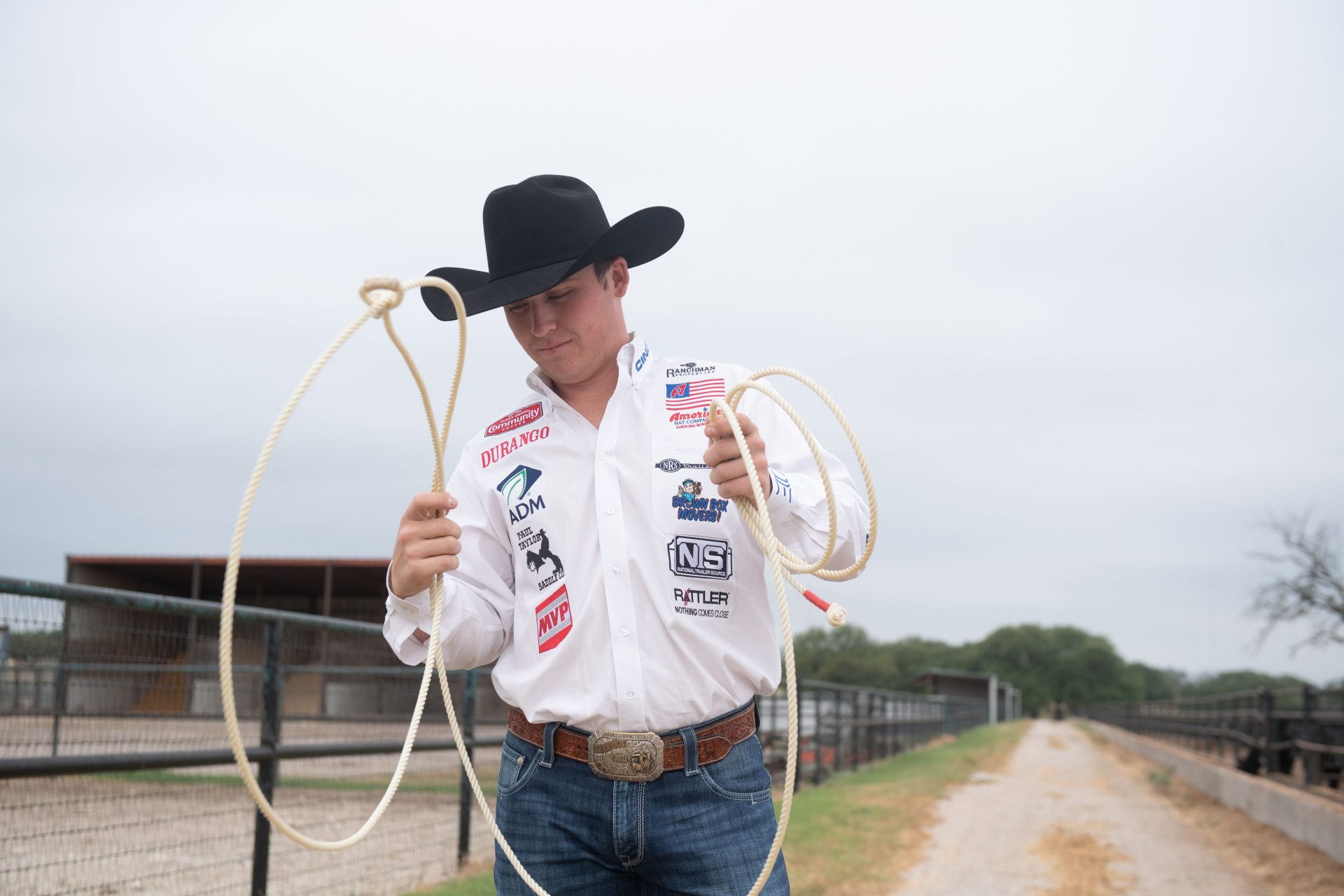
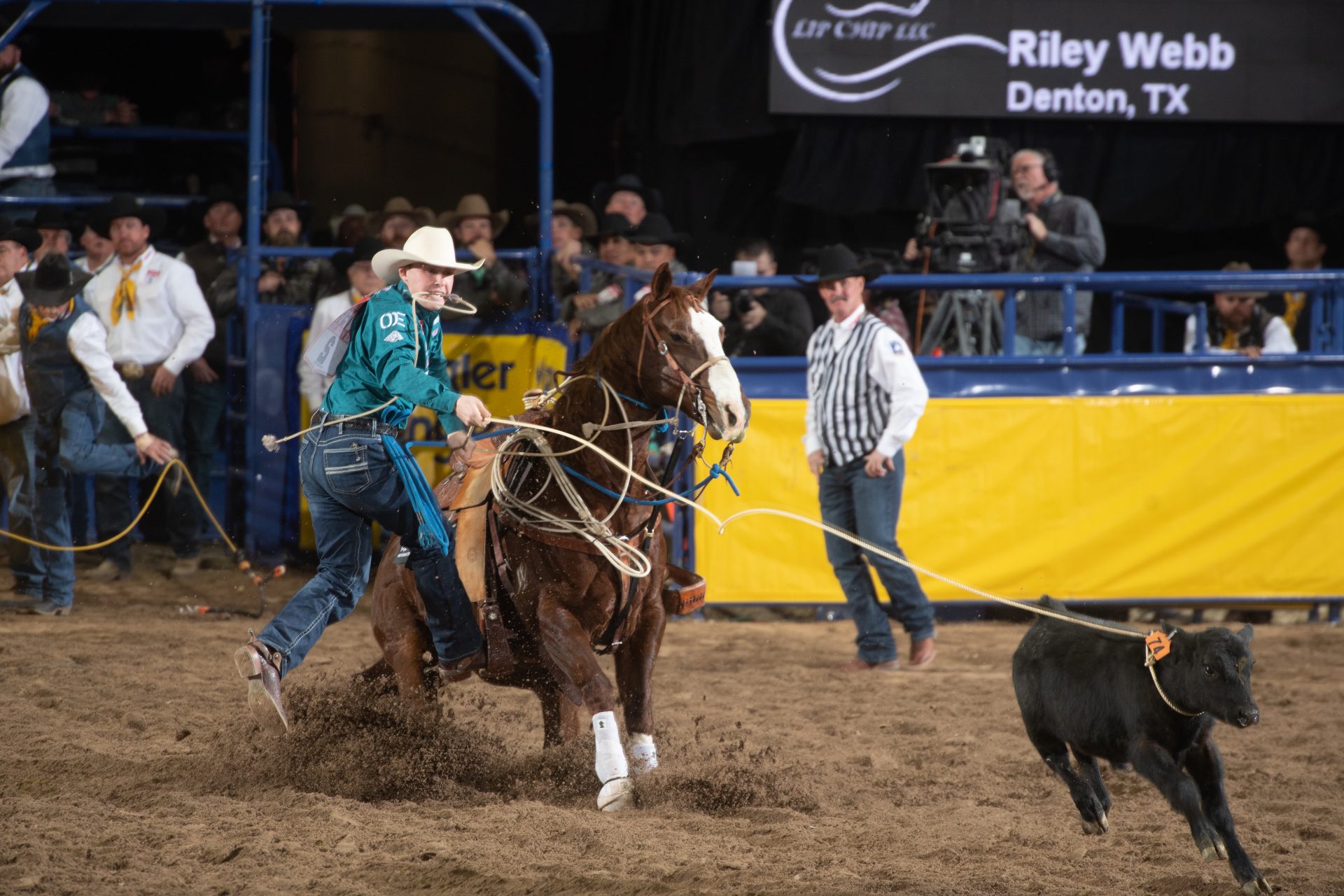


  • Smarty Rodeo Collegiate Rodeo Scholars

    Smarty Rodeo Collegiate Rodeo Scholars

    At Smarty Rodeo, we’re more than just a brand—we’re a collaboration of products, services, and values committed to cultivating champions both in and out of the rodeo arena. Our goal is to preserve the western way of life while supporting athletes as they transition from high school rodeo into the professional ranks. To do that, we’ve built several programs, including our Smarty Rodeo Collegiate Training Program, which we launched in 2022 to enhance the collegiate rodeo experience and support young athletes.

    We started the Collegiate Training Program with one key goal in mind: to give every rodeo team within the National Intercollegiate Rodeo Association (NIRA) the opportunity to access Smarty and Heel-O-Matic training products at discounted rates. We aimed to make sure these students had the right tools to succeed in their rodeo careers. Initially, the program focused on offering discounted roping dummies and bronc riding simulators, but as we progressed, our vision expanded. We realized that with our internal resources, we could do much more. We could help schools market their rodeo programs and build more awareness for this often-under-recognized sport.

    As the program grew, we began forming strong relationships with coaches and teams across the country, such as Tarleton and Cal Poly. We quickly found ourselves thinking outside the box, creating new ways to support athletes. It wasn’t just about selling equipment anymore; we wanted to offer mentorship and guidance, helping these college students navigate the tricky transition from high school to adulthood. Our program became a resource where athletes could find the support they needed to not only continue their passion for rodeo but also thrive as young adults.

    One of the main reasons we created this program was to help keep the western way of life alive. Rodeo is a sport rich in heritage, but as the costs of horses, rigs, and training rise, it’s becoming harder for young athletes to pursue their dreams. College rodeo is a critical stepping stone for these passionate young adults, providing them the opportunity to continue developing their skills. But rodeo also teaches life lessons like hard work, commitment, and teamwork—values we believe should carry through both in and out of the arena.

    We see collegiate rodeo as a key part of the future of our sport. As our team says, “You can never get comfortable or status quo with anything we do.” We recognize that traditional western values are fading, and we are committed to making college rodeo a platform that helps young adults transition into future professional careers—whether in rodeo or in other walks of life. Our program is about more than rodeo; it’s about personal growth and offering mentorship that goes beyond the arena.

    Transitioning from high school to college can be tough. Many of these young athletes are leaving behind structured environments—family support and the guidance of high school coaches—and entering a world where they must make their own decisions. We’ve already built a strong reputation with our Young Pro Program and Pro Team, but we saw a real need to bridge the gap for students just starting their college careers. That’s why we created the Collegiate Training Program—to give students the resources they need not only to succeed in rodeo but to thrive as young adults.

    Our goal is to partner with NIRA and work directly with college rodeo coaches to help these athletes develop both their competitive skills and their understanding of life after college. By working together, we foster an environment where athletes and supporters benefit from mutual education and collaboration. It’s a shared effort to ensure the future of rodeo remains strong.

    While the Smarty and Heel-O-Matic dummies are a staple of our program, what we offer goes far beyond products. We’re invested in building long-term relationships with collegiate rodeo teams. Our commitment to promoting rodeo has led to creative ways of highlighting the sport. Whether it’s social media coverage of practices, showcasing facilities, or spotlighting athletes, we want to ensure the hard work and dedication of college rodeo athletes doesn’t go unnoticed.

    We don’t see this program as a seasonal initiative. It’s an ongoing effort that we continue to expand throughout the year. Our network is growing, and our exposure in the collegiate rodeo space is increasing. We even have two full-time collegiate program managers whose role is to make sure we’re constantly connecting with schools, coaches, and students to deliver the services and products they need.

    Additionally, we make it a point to physically visit every school that participates in the program. This gives us the chance to gather real feedback from students and coaches while showing our commitment to improving the sport. These interactions strengthen our relationships and give us valuable insights into how we can continue to make a positive impact on the future of collegiate rodeo.

    The success of our Collegiate Training Program is just one example of our commitment to innovation. We started with humble beginnings, creating anatomically accurate roping dummies, and have since grown into a global leader in roping products. Acquiring Heel-O-Matic in 2022 strengthened our presence in the industry even further, while our Elite Custom Saddles and Smarty Saddlery brands provide athletes with both premium and cost-effective saddle options.

    Beyond our products, we’ve always been dedicated to giving back to the rodeo community. We support youth programs, high school and college rodeos, and numerous charitable initiatives each year. Our partnerships with professional athletes and our commitment to maintaining a small business mentality have allowed us to stay true to our roots, even as we continue to grow.

    As we look ahead, we’re excited about the future of the Collegiate Training Program. We’re committed to expanding our network and enhancing our impact, working closely with coaches and students to reach more athletes. At the end of the day, our passion is about more than just rodeo—it’s about helping young athletes transition into adulthood, achieve their goals, and embrace the western way of life. Whether through roping dummies, mentorship, or simply fostering a love of the sport, we remain dedicated to cultivating champions both in and out of the arena.

    Find Out More About Smarty Rodeo!