Rodeo Life

Author: Courtesy

  • WCRA Crowns its First Event Champions at Debut $400,000 Rodeo in Las Vegas

    WCRA Crowns its First Event Champions at Debut $400,000 Rodeo in Las Vegas

    LAS VEGAS – As Sunday afternoon came to a close and the dust settled at the Thomas & Mack Center in Las Vegas, the WCRA (World Champions Rodeo Alliance) crowned its first event champions at its inaugural $400,000 rodeo in Las Vegas.

    Top bull riders, steer wrestlers, team ropers, saddle and bareback bronc riders, barrel racers and tie-down ropers converged for the all-new WCRA Rodeo Showdown. Following tight competition among the world’s best western athletes during Saturday’s opening round, the top four in each discipline hit the dirt to battle their way to the final round where the top two faced off. In an unprecedented format, the athletes picked either their animal or their position in the final round draft.


    BULL RIDING:

    It came down to two bull riders as the WCRA’s first major rodeo rolled to a close inside Thomas & Mack Center. Claudio Montanha Junior and Jose Vitor Leme (2017 PBR Rookie of the Year) were the last men standing in the final round of the bull riding. In the end, a monster 90-point score aboard Bottoms Up (TNT Bucking Bulls/Hart Cattle Co) earlier in Round 2 sent Leme into the winner’s circle as the inaugural WCRA bull riding champion.


    Leme had made his PBR debut in Las Vegas last November, going a perfect 6 for 6 at the PBR World Finals to win the event and rookie of the year honors. “The first time I set my feet in the U.S., it was here (in Las Vegas),” said the Brazilian cowboy, who played semi-pro soccer and is coming back from a torn ACL. “Every time I come here I feel like a new man.”


    Place – Name Hometown

    1st Jose Vitor Leme – Ribas do Rio Pardo, Brazil

    2nd Claudio Montanha Junior – Ribeirao Dos Indiox, Brazil


    STEER WRESTLING:

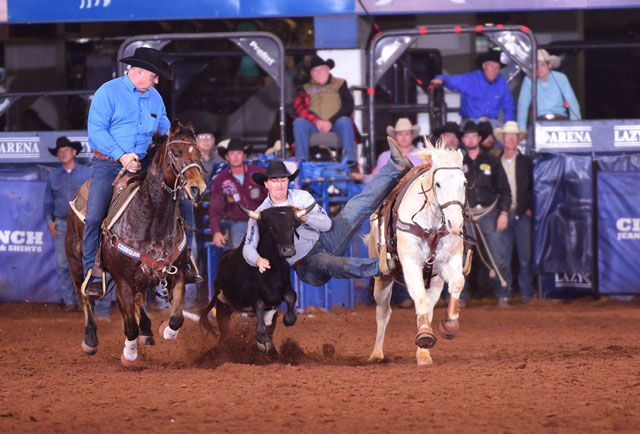
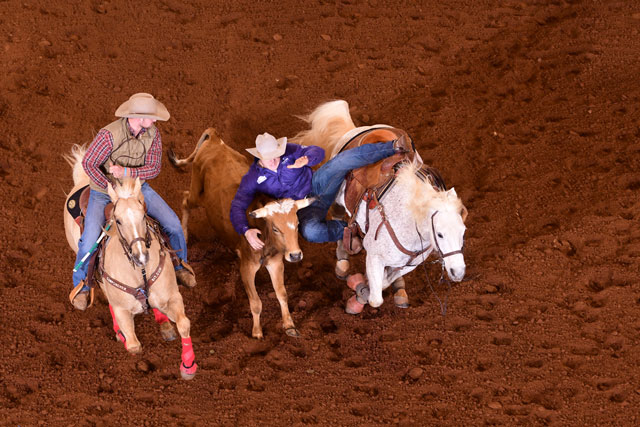
    Alabama cowboy Kyle Irwin brought the crowd to its feet on Sunday as he recorded a 5.49-second score after throwing his steer and proving that hustle matters. Irwin went up against Idaho’s own Olin Hannum in the final round, but walked away the champion.


    Place – Name – Hometown – Score

    1st Kyle Irwin – Robersdale, AL – 5.49 seconds

    2nd Olin Hannum – Malad, ID – 10.21 seconds


    TEAM ROPING:

    Clay Smith and Paul Eaves were not messing around during their run as Sunday’s event came down to the wire. After a consistent weekend Smith, a new dad, was excited to walk to the winner’s circle for his belt buckle and check presentation with his partner Eaves. The brotherly duo of the night Riley and Brady Minor were consistent and fast, but fell short of the win in the final round.


    Place – Name – Hometown – Score                                                                                                                                 

    1st Smith/Eaves – Broken Bow, OK /Lonedell, MO – 4.04 seconds

    2nd Minor / Minor – Ellensburg, WA – 8.79 seconds


    SADDLE BRONC:

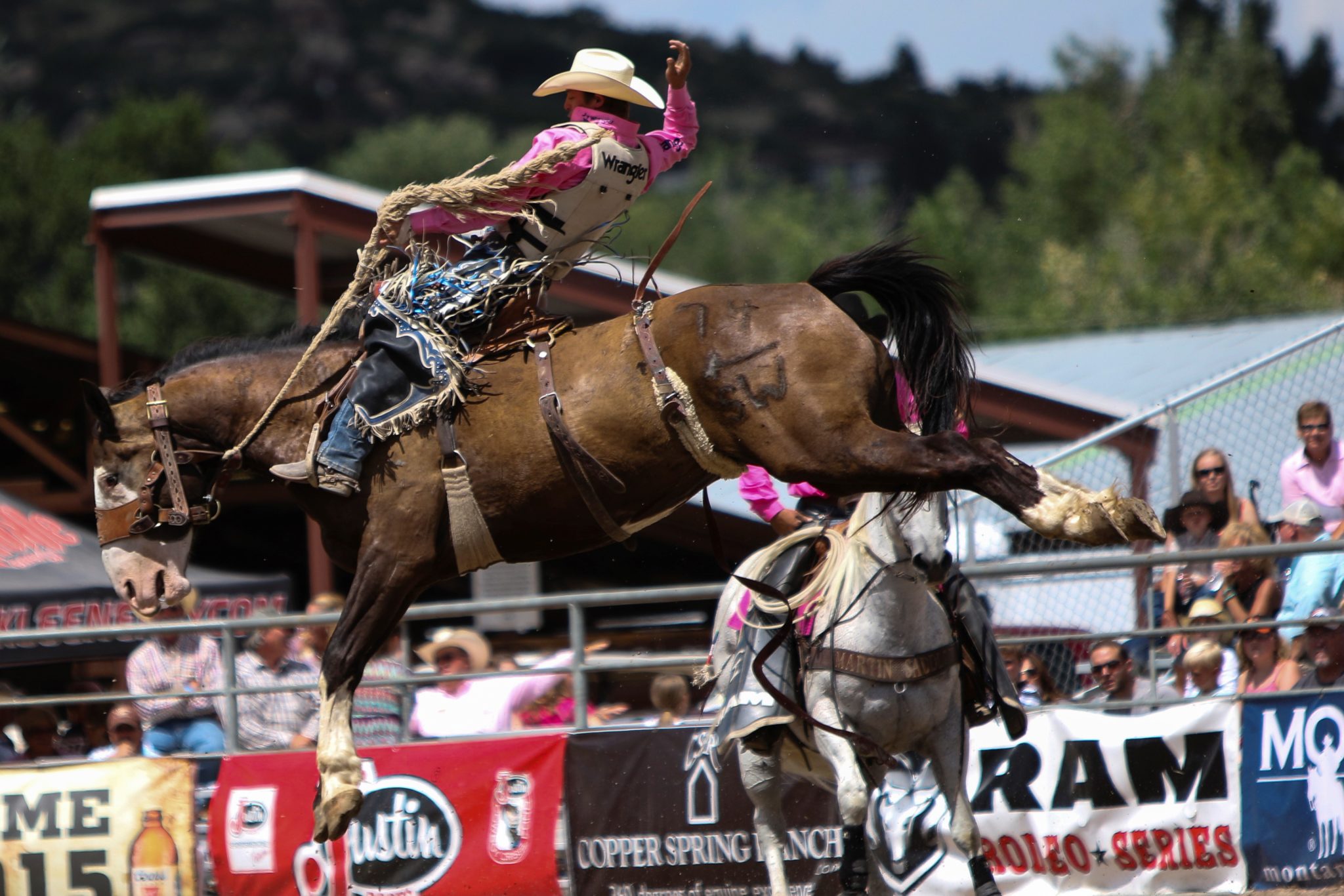
    Nebraskan cowboy Cort Scheer was the only man to ride in the final round on Sunday with an impressive score of 89.5, including his patented classic dismount. Wyoming’s Brody Cress, who took the Round 1 win on Saturday was bucked off leaving Scheer to stand in the winner’s circle.


    Place – Name – Hometown – Stock – Score

    1st Cort Scheer – Elsmere, NE – Get Smart – 89.5

    2nd Brody Cress – Hillsdale, WY – Owen’s Mistake – Bucked Off


    BARREL RACING:

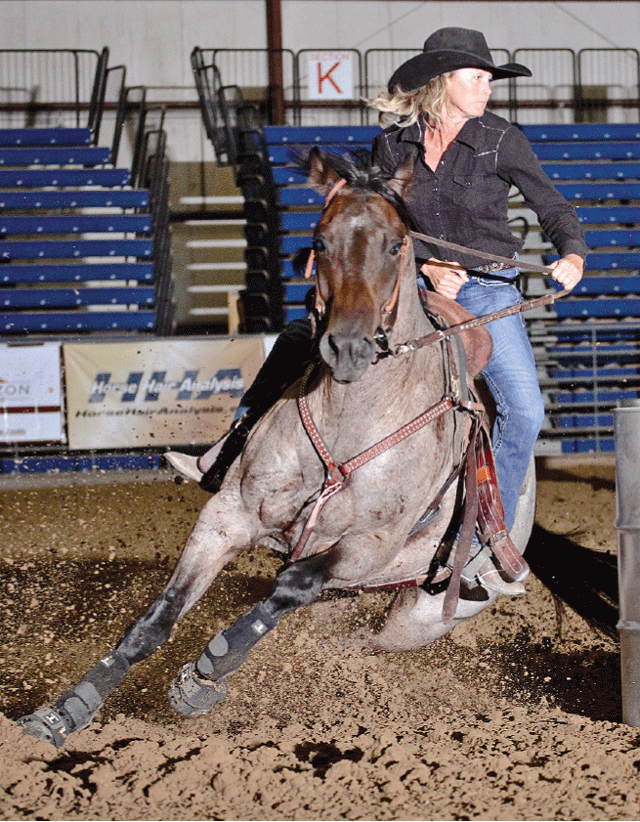
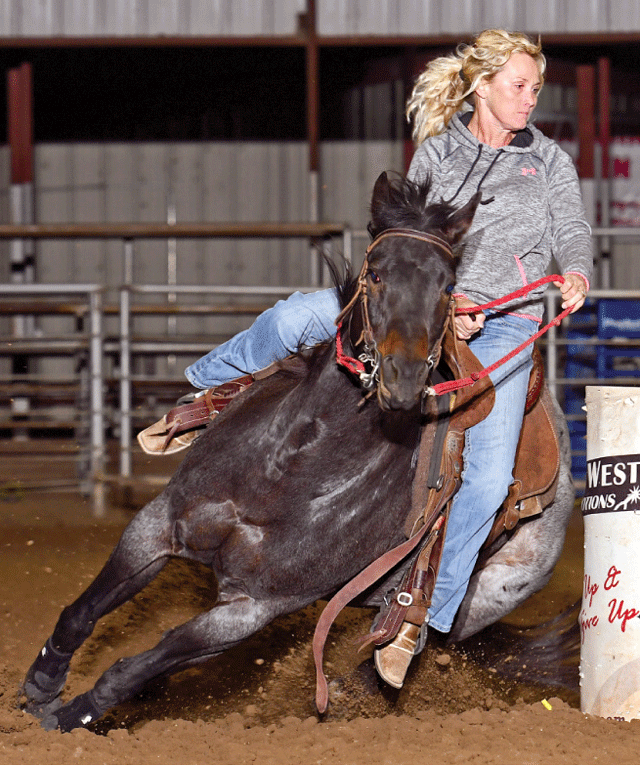
    Hailey Kinsel, seemingly can’t be stopped. The 23-year old just keeps knocking down big wins including the San Antonio Stockshow and Rodeo this year prior to today’s inaugural WCRA. Kinsel and her horse, Sister, have an impressive history in Las Vegas including four round wins during the WNFR at the Thomas & Mack in 2017, topping off a season during which she won at prestigious rodeos Days of ’47 and The American.

    Place – Name – HometownScore

    1st Hailey Kinsel – Cotulla, TX – 13.937

    2nd Lisa Lockhart- Oelrichs, SD – 19.121


    TIE-DOWN ROPING:

    Marty Yates is a gambling man; instead of playing it safe to beat his opponent Tuf Cooper’s score, he put one wrap on the calf and called it a day.


    Place – Name – Hometown – Score

    1st Marty Yates – Stephenville, TX – 8.59

    2nd Tuf Cooper – Decatur, TX – 10.05


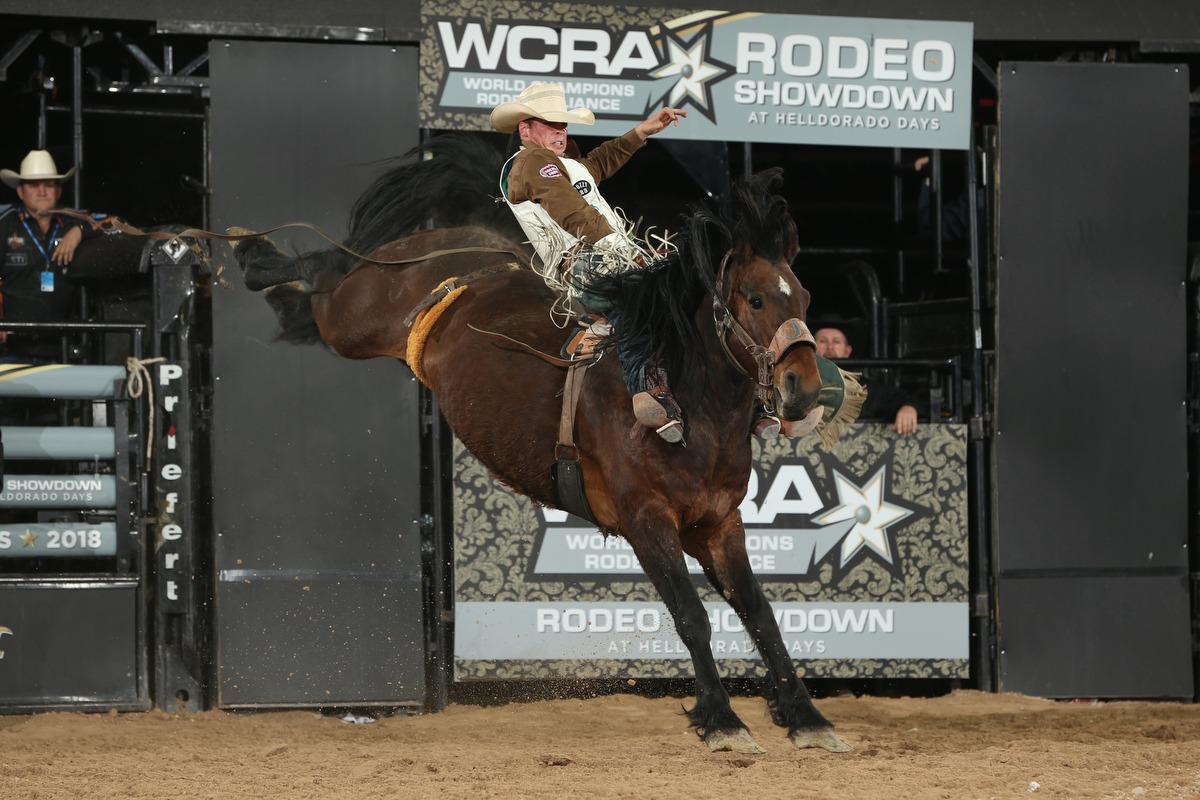
    BAREBACK:

    Richmond Champion, no stranger to big wins, was the original champion of The American. When the heat is on, he knows how to buckle down, ride to huge scores and live up to his surname.


    Place – Name – Hometown – Stock – Score

    1st Richmond Champion – The Woodlands, TX – Straight Jacket – 90

    2nd J.R. Vezain – Cowley, WY – Spilled Perfume – 87.5


    “I’m very proud of this inaugural WCRA rodeo. The atmosphere was fast-paced and electric, and the competition world-class,” said WCRA CEO Gary McKinney. “I want to thank PBR for a great production and the fans for coming out. This weekend proves our alliance is working, and we look forward to our next event.”


    About WCRA

    WCRA is a professional sport and entertainment entity, created to develop and advance the sport of rodeo by aligning all levels of competition. In association with PBR, WCRA produces major rodeo events, developing additional opportunities for rodeo industry competitors, stakeholders and fans. To learn more visit worldchampionsrodeoalliance.com.

  • Dr. Getty’s Four Favorite Calming Ingredients

    With travel and competition season just around the corner, “show nerves” are common. Agitated, nervous horses that are normally well behaved may benefit from nutritional calming. But before deciding, make sure your horse isn’t stressed by things that you can control. Restricting forage where the stomach becomes empty is the main cause of behavioral issues. Forage (hay and/or pasture) should be available 24/7, all day and all night, if you intend to feed in sync with the way horses are meant to eat.[i] This will help your horse maintain a healthy weight,[ii] reduce inflammation, and prevent ulcerations.[iii]  Therefore, it would be unwise to rely on a calming supplement, when with a little effort, you can identify the underlying causes of your horse’s excitable behavior.

    The number of calming supplements on the market is daunting

    Each contains specific nutraceuticals designed to calm your horse, but it is difficult to know which one to choose. There are four specific ingredients that I find effective. You can use them individually, or in combination with each other. But my goal is to ease the confusion and help you make the best choice for your horse’s individual needs.

    Start with magnesium

    A borderline magnesium deficiency may be the issue, since most horses don’t get enough of this mineral. Poor absorption rates from forages has a lot to do competition from calcium. Therefore, magnesium from natural sources is not as well absorbed as the popular inorganic magnesium oxide.[iv] Organic versions, such as magnesium citrate, malate, and proteinate, are also well absorbed, comparably to inorganic sources.[v]

    Magnesium is involved in relaxation of the muscles and nervous system and has been studied extensively using laboratory animals and horses.[vi] Not enough magnesium can induce anxiety.[vii] Typically, such horses will appear “sensitive” where they may spook easily, avert their attention away from you, become irritable, or are uncomfortable and nervous.

    When supplementing magnesium, it is best to bring it in line with the calcium content of the diet. A 2:1 ratio of Ca: Mg is appropriate and can be as high as 1:1, but magnesium should never exceed calcium. Typically, supplementing 5,000 mg of magnesium per 500 lbs of body weight will make a positive change in your horse’s demeanor. And the nice thing about adding magnesium to the diet is that you will see results within a few days. If you do not, then you know that a magnesium deficiency is not the issue.

    B vitamins

    There are eight B vitamins that work in concert with one another to assist with a variety of functions including the health of the nervous system. The hindgut microbial population is responsible for producing enough B vitamins to meet your horse’s needs. But when their numbers are compromised by stress, high starch diets, illness, or antibiotics, B vitamin production may decrease.[viii] To assist with more B vitamin production, adding a potent probiotic can replace what is lost, especially from antibiotics, while adding a prebiotic will feed existing microbes.

    Thiamin, vitamin B1, is particularly interesting. Supplemented at high doses (1 mg per pound of body weight) will help your horse keep up with the demands of working and performing.[ix] Racehorses, for example, can become lethargic, depressed, and develop a dull attitude. Since thiamin is part of an enzyme needed for energy metabolism, horses with unusually high energy requirements seem to bounce back with spirit and vigor when this B vitamin is added to the diet.

    Ashwagandha

    Ashwagandha (Withania somnifera) is a valued herb of the Indian Ayurvedic system of medicine. This is an adaptogenic herb, meaning that it adapts to the horse’s experience and balances the mood. It serves as an anti-depressant and has been used extensively in humans and animals. While we typically do not talk about depression in horses, it can occur more often than we realize.[x]

    Ashwaganda is truly extraordinary.[xi] It can alleviate the impact of a stressful lifestyle including habits such as cribbing and weaving. It may even reduce effect of tension that horses experience from intense activity by increasing physical endurance and stamina, while at the same time, reducing the cortisol response.[xii]

    Interestingly, this herb also reduces pain.[xiii] Pain can be a significant stressor for horses recovering from athletic injuries or suffering progressively worsening aging-related arthritis. By offering Ashwagandha, you may be able to ease your horse’s distress as well as improve recovery time from injury or surgery. An appropriate dose would be 1000 to 1500 mg for a full-sized horse.

    L-Theanine

    Not to be confused with the essential amino acid, L-threonine, L-theanine is an amino acid derivative, not commonly found in the diet but is contained in green tea. It increases the level of serotonin and dopamine to promote calm and relaxation, without sedation. It is highly effective against anxiety. While horses don’t typically drink tea, it may be helpful to find a supplement[xiv] that contains adding L-theanine to quiet any nervous behavior.

    Chemically, L-theanine blocks the binding of L-glutamic acid to the glutamate receptors within the brain, creating a relaxed state. Researchers in Japan performed multiple studies with humans[xv] and with mice[xvi] and found remarkable benefits of L-theanine supplementation in reducing stress responses. While no studies, to date, have been done with horses, this amino acid is starting to show up in equine supplements and the anecdotal evidence suggests that it is helpful in helping horses cope with anxiety-producing situations.

    Two studies in particular[xvii], revealed that L-theanine increases the release of dopamine in the brain. However, there are questions left unanswered regarding these findings and thus far, L-theanine cannot be called a dopaminergic substance with any certainty. However, it could be an interesting factor in the future management of cushingoid horses.

    Most products are a combination of ingredients

    L-tryptophan is a popular ingredient. It is an essential amino acid that leads to serotonin synthesis in the brain and can be useful in soothing a nervous horse. For this effect to occur, it is best to offer tryptophan as a paste between meals. If added directly to a meal, other amino acids from the meal’s protein content will compete with tryptophan to cross the blood-brain barrier. Consequently, most of the tryptophan may not be used for serotonin production and the calming effect will be significantly diminished.

    Although it does appear to reduce cortisol levels in stressful situations, the research is inconclusive.[xviii] However, full-sized horses seem to be made relaxed and even sleepy when given 500 mg or more of tryptophan.

    A variety of herbs are commonly added to calming preparations. These can include Rhodiola rosea, Magnolia officinalis, Chamomile, raspberry leaf, valerian, and passion flower, among others. Most calming supplements, however, include magnesium and perhaps some vitamin B1, since these are tried and true ingredients.

    Bottom line

    Behavioral issues that involve a nutritional component can generally be resolved by providing adequate magnesium. A horse’s history, as well as his current environment, can significantly influence behavior, so care in tending to remove stressors from your horse’s life may be the best calming agent of all. If a calming supplement is needed for particularly difficult circumstances, it may be “trial and error” before you find what works well. Fortunately, there are excellent approaches to consider.

    ________________________________________

    [i] Getty, J.M, 2017. Respect the power of the horse’s instincts. http://gettyequinenutrition.biz/library/respectthepowerofthehorsesinstincts.htm

    [ii] Getty, J.M., 2017. Forage deprivation keeps your horse fat. http://gettyequinenutrition.biz/Library/Foragedeprivationkeepsyourhorsefat.htm

    [iii] Getty, J.M., 2015. Don’t let your horse develop an ulcer. http://gettyequinenutrition.biz/library/dontletyourhorsedevelopanulcer.htm

    [iv]  Harrington, D.D., and J.J. Walsh. 1980. Equine magnesium supplements: evaluation of magnesium sulphate and magnesium carbonate in foals fed purified diets. Equine Veterinary Journal, 12, 32-33.

    [v] Richards, N., 2011. Which form of magnesium is best? Feed XL Newsletter #36. http://www.ahuroa-feed.co.nz/uploads/8/8/3/4/8834018/__newsletter_36_-_which_form_of_magnesium_is_best.pdf

    [vi] Dodd, J.A., Doran, G., Harris, P., and Noble, G.K., 2015. Magnesium aspartate supplementation and reaction speed response in horses. Journal of Equine Veterinary Science, 35, 401.

    [vii] Sartori, S.B., Whittle, N., Hetzenauer, A., and Singewald, N., 2012. Magnesium deficiency induces anxiety and HPA axis dysregulation: Modulation by therapeutic drug treatment. Neuropharmacology, 62(1), 304-312.

    [viii] Barnhart, K., Reddish, J.M., and Cole, K., Influence of probiotic supplementation on microbial diversity in the gastrointestinal tract of Miniature horses. Journal of Equine Veterinary Science 35, 413/

    [ix] Topliff, D. R., Potter, G. D., Dutson, T.R., Kreider, J.L., and Jessup, G.T., 1983. Diet manipulation and muscle glycogen in the equine. Proceedings of the 8th Equine Nutrition Physiology Symposium, 119. And, Wolter, R., 1987. La nutrition de l’animal de sport. Science Sports, (2)2, 63.-73.

    [x] McCluskey, M., 2016. Spotting signs of equine depression. Equus Magazine. https://equusmagazine.com/behavior/spotting-signs-equine-depression-52913

    [xi] CurOst EQ Adapt & Calm by Nouvelle Research is available at http://horsesupplements.gettyequinenutrition.biz

    [xii] Singh, N., Bhalla, M., de Jager, P., and Gilca, M., 2011. An overview on Ashwagandha: A rasayana (rejuvenator) of Ayurveda. African Journal of Traditional, Complementary and Alternative Medicines, 8(5 Suppl), 208-213.

    [xiii] Twaij, H.A.A., Elisha, E.E., and Khalid, R.M., 1989. Analgesic studies on some Iraqi medicinal plants. International Journal of Crude Research, 27, 109-112.

    [xiv] ForeCalm by Forefront Equine is available at http://horsesupplements.gettyequinenutrition.biz

    [xv] Kimura, K., Ozeki, M., Juneja, L.R., and Ohira, H., 2007. L-Theanine reduces psychological and physiological stress responses. Biological Psychology, 74, 39-45.

    [xvi] Wakabayashi, C., Numakawa, T., Ninomiya, M., Chiba, S. and Kunugi, H., 2012. Behavioral and molecular evidence for psychotropic effects in L-theanine. Psychopharmacology, 219, 1099-1109.

    [xvii] Yokogoshi, H., and Terashima, T., 2000. Effect of theanine, r-glutamylethylamide, on brain monoamines, striatal dopamine release and some kinds of behavior in rats. Nutrition, 16(9), editorial pages. And, Li, C., Tong, H., Yan, Q, et. al., 2016. L-theanine improves immunity by altering TH2/TH1 cytokine balance, brain neurotransmitters, and expression of phospholipase C in rat hearts. Medical Science Monitor: International Medical Journal of Experimental and Clinical Research, 22, http://www.medscimonit.com/abstract/index/idArt/897077

    [xviii] Davis, B.P., Engle, T.E., Ransom, J.I., and Grandin, T., 2017. Preliminary evaluation on the effectiveness of varying doses of supplemental tryptophan as a calmative in horses. Applied Animal Behaviour Science, 188, 34.41.
     

  • The Douglas County Fair & Rodeo

    The Douglas County Fair & Rodeo

    The Douglas County Fair & Rodeo (DCF&R) in Castle Rock, CO Committee and Commissioners are pleased to announce as part of their 100th Celebration, to offer an additional $11,000 added to the purse TOTALING $44,000 for 2018.  Rough stock events featured, equal in Team and an outstanding Contestant Hospitality, DCF&R hosts Xtreme Bulls Thurs, Aug 2nd, and three PRCA perfs Aug 3rd, 4th and 5th.  Exciting entertainment is also in store with red dirt sensation Cody Johnson, up close and personal on the new Performance Platform overlooking the award-winning facility and arena.  Voted Most Improved two years running; make us part of your summer run – Rock the Stock in Castle Rock!  DouglasCountyFairandRodeo.com 720/231-5657

  • PBR Inflatabull™ Rodeo Bull Ride On Float

    PBR Inflatabull™ Rodeo Bull Ride On Float

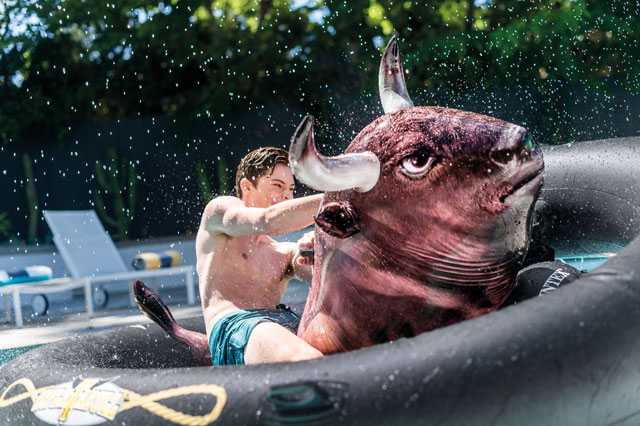
    Long gone are the lazy days of the dull pool noodle and the boring, simple innertube. This is the pool float renaissance, and they’ve since been replaced by inflatable pizzas, colorful unicorns, and now – Official Rodeo Bulls! Go ahead and leave the cowboy/girl hats, chaps, and most of all, spurs, at home. All you’ll need to take on this bucking bull is your bathing suit, and some courage!

    Intex® invites you to climb aboard the New Official PBR Inflatabull™ Rodeo Bull Ride On Float and put your skills to the test! Providing endless hours of challenging excitement for the whole backyard, the PBR Inflatabull, designed for riders 9+, provides a fun test of skill for all competitors. Take on friends, family, and your own best times, to see who’s the top bull rider of the pool party!

    Donning the official seal of the Professional Bull Riders (PBR), the Inflatabull is built tough – just like the photo-realistic printed animal it’s inspired by. Made of 18-gauge vinyl construction and with three separate air chambers, the Inflatabull is sure to handle even the toughest of riders with ease. A great accessory outside the pool too, the durability of the Inflatabull gives you the ability to set-up your own rodeo in ponds, lakes, and rivers with ease. But be forewarned, this beast is designed for anything but a relaxing ride down the lazy river!


  • Wendy Suhn

    Wendy Suhn

    article by Maesa Kummer

    Each day, Wendy Suhn, works to keep her roles as wife, mother, and barrel racer in balance. When she does get time to herself, you’ll find Wendy Suhn working with her horses and preparing for the next race. Sometimes just getting to the races is a victory. She is married to Todd Suhn and they have 2 children, Slate (10) and Zoey (7). They split their time between their residences in Weatherford, TX and Hermosa, SD. She raises, trains, and runs her own horses for barrel racing competition at the futurities, jackpots and rodeos.

    Wendy – courtesy of Fulton Family Performance Horses

    Currently she is running two horses by A Streak of Fling and has an estimated $50k in earnings between them. “She B Astreakin aka ‘Sheba’ (A Streak of Fling x Wild Fast Bar Girl ) is out of a mare that I used to run barrels on. When we decided to breed her, I was still running her so we wanted to do an embryo transfer. We tried to flush an embryo but when it was implanted in the ‘recip’, we were told that it didn’t take. I continued to run my mare until around March and I took her to the vet because I wanted to rebreed her to A Streak of Fling in the spring and I jokingly remarked about the fact that she looked bred already. It turns out, she was bred and had her baby (She B Astreakin) in May! ‘Sheba’ was my ‘mistake’ baby and it turns out she was the only foal we got out of that mare, so she will probably never leave the place. She has a lot of grit and try like all the ‘Streakers’ have. ‘Sheba’ has her own opinions and strong personality and when you ride her outside, it’s one hand on the horn with her because every now and then she’ll jump in the air and spin around. She is all of 14.2 and I joke that she is as wide as she is tall but she’s a catty little thing and loves to run on harder ground. Right now, at twelve years old, she is running as good as ever!”
    “We bought HLH Streakin A Fling aka ‘Redbeer’ (A Streak of Fling x Tinys Gay Jet) as a yearling and he is 9 years old now. He has had to overcome some injuries including most recently, a medial collateral tear on a front leg but since he is so tough, his injury wasn’t easy to determine initially. He runs best in deeper ground and is a bigger, powerful type horse. He has a stiffer style of turning and doesn’t like his face pulled on. We also own his full brother who I am excited to start running.”
    “I think the ‘Streakers’ have heart, grit and try and they have the ability to do anything. I’m thinking about getting my WPRA card again this year and hauling both of my horses.”

  • Ketscher catches big check

    Ketscher catches big check

    Courtesy of Lazy E Arena

    California cowboy claims prestigious CINCH Timed Event Championship

    March 4, 2018 / Guthrie, Oklahoma – Jordan Ketscher is the 14th man in the 34-year history of the CINCH Timed Event Championship to claim the prestigious title.

    With it, he became the first Californian in five years to win the “Ironman of ProRodeo.”

    “I’ve always watched this event, and just to be here and be part of the greats – Trevor (Brazile), Cash (Myers) and Kyle (Lockett) – is a dream come true,” said Ketscher, 28, of Squaw Valley, Calif.

    He roped, wrestled and tied 25 animals in a cumulative time of 324.3 seconds to win the title, finishing 19.1 seconds faster than the runner-up, Clayton Hass of Stephenville, Texas; the three-time National Finals Rodeo qualifier in steer wrestling had his best run at the Timed Event after many years competing at the Lazy E Arena the opening weekend of March.

    “This meant a lot, because I didn’t get to come here last year because of a conflict with a Champions Challenge event,” Hass said, referring to a PRCA event in which he was contractually obligated to compete. “I got a chance to come back and prove that I’m supposed to be here.

    “This is a bit of redemption I’ve placed here a few times, and to stay solid through all 25 head means a lot.”

    Ketscher entered Sunday’s fifth and final round as the No. 1 man, but he had just a 7.1-second lead on Myers, who moved to third after the first discipline of the day, heading. Brazile, the Timed Event’s only seven-time winner, posted a 6.7-second run to move into the runner-up position.

    Myers then fell all the way to sixth after suffering a 60-second penalty in tie-down roping when his calf got up from the tie before the required 6 seconds – a 60 is equivalent to a no-time at a traditional rodeo. An event later, Brazile joined him after losing his dally in heeling.

    The standings shuffle continued through the final performance of the five-round affair. When the competition ended, the top two men took the biggest prizes.

    “It always helps to have $25,000,” Hass said, referring to his substantial second-place earnings. “The winter has been pretty good, but it could always be better. Now I’m just trying to move on throughout the year and make the NFR.”

    So, what brought the Texan the most pride in his performance over the weekend?

    “The fact that I used my head, and I feel like I stayed focused,” he said. “Even when I had hiccups, I didn’t back off. I just roped my game.”

    Ketscher has never been to the NFR, but he performed at an optimum level through the three days of competition, where cowboys battle the mental and physical challenges that come with the “Ironman.”

    “This is just so awesome,” he said of the event. “Everybody specializes in different events, so you’ve got to come here and do something you’re not comfortable with. It’s just a marathon.”

    He held the lead through much of the three-day championship and showed just why consistency is important in this game. And on the final day, when the thoughts of that big check came into his mind, he had to push them away and focus on the task at hand.

    “I was trying not to overthink things, and I was just wanting to make every run like I had done the four previous rounds,” Ketscher said. “I wanted to trust myself and trust my horses to make it happen.”

    He will return a year from now as the reigning champion.

    “I’m going to go home and work on a few things,” he said. “It’s going to be just as tough next year. There’s no need to slack off.

    “Things happen here, and that’s what the Timed Event is all about. Anytime, as a cowboy, that you get a chance at $100,000, you have to love the opportunity.”

    Myers did pick up a nice prize. His horse, Diesel, was named the AQHA CINCH Timed Event Championship Top Horse.

    The 2018 CINCH Timed Event Championship partners include CINCH – Jeans and Shirts, Priefert – Farm, Ranch & Rodeo, YETI Coolers, Montana Silversmiths, ABI Equine, RAM, RIDE TV, Carroll Original Wear, Big Tex Trailers, P&K Equipment, Cavender’s, Nutrena, The Team Roping Journal,  MacroAir, Bio S.I., National Saddlery, Cross Bar Gallery, John Vance Auto Group, Pendleton Whisky, CSI Saddle Pads, Formula 1 Noni, Guthrie CVB, Made In Oklahoma Coalition, J.W. Brooks Hat Co., Hilton Garden Inn – Edmond, America’s Best Value Inn – Guthrie,  Sherwin-Williams, Anderson Bean Boot Co., Chris Neal’s Future Stars and Rising Stars Calf Ropings, and the National Little Britches Rodeo Association.

    The 2018 CINCH Timed Event Championship is a Lazy E Production. For more information on the CINCH Timed Event Championship or other Lazy E events, contact the Lazy E Arena, 9600 Lazy E Drive, Guthrie, OK  73044, (405) 282-RIDE, (800) 595-RIDE or visit www.lazye.com.


    RESULTS

    First round: 1. Cash Myers, 51.8 seconds, $3,000; 2. Trevor Brazile, 65.1, $2,000; 3. Russell Cardoza, 67.7, $1,000.

    Second round: 1. Erich Rogers, 55.0 seconds, $3,000; 2. JoJo LeMond, 59, $2,000; 3. Jordan Ketscher, $1,000.
    Third round: 1. Jordan Ketscher, 56.0 seconds, $3,000; 2. Trevor Brazile, 57.6, $2,000; 3. Clayton Hass, 57.9, $1,000.

    Fourth round: 1. Cash Myers, 51.0 seconds, $3,000; 2. Marcus Theriot, 51.3, $2,000; 3. Clayton Hass, 55.0, $1,000.
    Fifth round: 1. Russell Cardoza, 53.3 seconds, $3,000; 2. Shank Edwards, $2,000; 3. Lane Karney, 60.1, $1,000.
    Average leaders: 1. Jordan Ketscher, 324.3 seconds on 25 runs, $100,000; 2. Clayton Hass, 343.4, $25,000; 3. Marcus Theriot, 379.9, $15,000; 4. Lane Karney, 386.1, $10,000; 5. JoJo LeMond, 398.9, $7,500; 6. Kyle Lockett, 403.4, $5,000; 7. Cash Myers, 406.9, $4,500; 8. Trevor Brazile, 408.3, $3,000.

  • Neighbors takes the Title

    Neighbors takes the Title

    Courtesy of Lazy E Arena

    Arkansas cowboy earns $11,000 while claiming the Jr. Ironman Championship

    Guthrie, Oklahoma – The biggest attribute for cowboys competing in multiple events is being consistent through the contest.

    Myles Neighbors was the most consistent through his three days at the Jr. Ironman Championship, which led to his title and the first-place check worth $10,000. He roped, wrestled and tied 12 animals in 167.8 seconds to claim the title.

    “This is a marathon, not a sprint,” said Neighbors, 19, of Benton, Ark., repeating the adage passed on by longtime contestants of the CINCH Timed Event Championship. “You’ve got to keep knocking them down. Even if you break a barrier, you just don’t take a 60. If you don’t take a 60, you’ll be the champ.”

    In this unique competition – where the 10 cowboys compete in heading, heeling, tie-down roping and steer wrestling in each round – a 60-second run is equivalent to a no-time at a traditional rodeo. The Arkansas cowboy was the only man in the field who didn’t suffer that penalty. In fact, his longest run came Sunday morning’s final round, when he stopped the clock in 31.1 seconds in heeling.

    “I think the key was my horsepower and consistency,” he said. “You’ve got to have horsepower here. You’ve got the score them, you’ve got to run them down, and you’ve got to be consistent. You’ve got to catch everything.”

    He also needed things to go his way. Heading into the final event of the weekend, Neighbors was in second lace and trailed leader Wyatt Hansen of Oakdale, Calif., by 30.4 seconds. But Hansen struggled in steer wrestling and suffered his first 60 of the weekend.

    That pushed Neighbors to the top spot when it counted most. Hansen fell to second place, while the reigning champion, Bo Yaussi of Udall, Kan., finished third.

    A year ago, Neighbors won the opening round but fell off the pace through the end. He took the lessons gained 12 months ago into account while chasing the championship.

    “I found out I needed to start reading my cattle a lot better, knowing what my cattle are supposed to do,” said Neighbors, who is attending Northeast Texas Community College on a rodeo scholarship. “This is easily the biggest thing I’ve ever won. This is an opportunity we don’t have very often. This is a one-of-a-kind deal for us. We don’t get to run at $10,000 every day.”

    In all, he pocketed $11,000, adding the $1,000 prize for winning Saturday’s second round. Yaussi won the first round, while Ryder Ladner of Kiln, Miss., posted the fastest round of the weekend, 36.6 seconds, to win Sunday.

    For the second straight year, Chance, the steer wrestling horse owned by J.D. Draper of Oakley, Kan., earned the AQHA Jr. Ironman Top Horse Award.

    The 2018 CINCH Timed Event Championship partners include CINCH – Jeans and Shirts, Priefert – Farm, Ranch & Rodeo, YETI Coolers, Montana Silversmiths, ABI Equine, RAM, RIDE TV, Carroll Original Wear, Big Tex Trailers, P&K Equipment, Cavender’s, Nutrena, The Team Roping Journal,  MacroAir, Bio S.I., National Saddlery, Cross Bar Gallery, John Vance Auto Group, Pendleton Whisky, CSI Saddle Pads, Formula 1 Noni, Guthrie CVB, Made In Oklahoma Coalition, J.W. Brooks Hat Co., Hilton Garden Inn – Edmond, America’s Best Value Inn – Guthrie,  Sherwin-Williams, Anderson Bean Boot Co., Chris Neal’s Future Stars and Rising Stars Calf Ropings, and the National Little Britches Rodeo Association.

    The 2018 CINCH Timed Event Championship is a Lazy E Production. For more information on the CINCH Timed Event Championship or other Lazy E events, contact the Lazy E Arena, 9600 Lazy E Drive, Guthrie, OK  73044, (405) 282-RIDE, (800) 595-RIDE or visit www.lazye.com.


    RESULTS
    Jr. Ironman first round:
    1. Bo Yaussi, 42.3 seconds, $1,000.

    Jr. Ironman second round: 1. Myles Neighbors, 42.3 seconds, $1,000.

    Jr. Ironman third round: 1. Ryder Ladner, 36.6 seconds, $1,000

    Jr. Ironman average leaders: 1. Myles Neighbors, 167.8 seconds, $10,000; 2. Wyatt Hansen, 193.2, $5,000; 3. Bo Yaussi, 197.1, $2,000.

  • EHM case in Sheridan County reported to Wyoming State Veterinarian’s Office

    EHM case in Sheridan County reported to Wyoming State Veterinarian’s Office

    Laboratory confirmation of a horse infected with Equine Herpesvirus (EHV1) Myeloencephalopathy in Sheridan County was received by Wyoming Livestock Board (WLSB) staff veterinarians on Wednesday, March 14. The horse has been quarantined to its premise in Sheridan County with 12 other horses.

    EHV1 is the very common Rhinopneumonitis virus which typically causes mild respiratory symptoms in infected horses. In rare cases, the virus may cause neurologic symptoms.

    The affected horse began showing neurologic signs on Sunday, March 11 while competing at a barrel racing event at the Cam-plex facility in Gillette. Owners of any horses attending that event should consult with their veterinarians and take precautions regarding exposure risk. At a minimum, these precautions should include close monitoring of the horses and checking their temperatures at least twice daily. If any of the horses show neurologic signs or fever, the owner needs to contact his/her veterinarian and the Wyoming Livestock Board.

    The source of the infection in the quarantined horse is unknown; however, this horse did compete at two other earlier events, including one at the Central Wyoming Fairgrounds in Casper on Thursday, March 1, and one at Laramie County Community College, Friday, March 2 – Sunday, March 4. “Horses at those events may have been exposed,” explained Wyoming assistant state field veterinarian Dr. Thach Winslow, “but keep in mind that the incubation period [time from exposure to exhibiting signs] for the disease is less than 14 days, in which case clinical signs should have already been apparent if horses were exposed at either of those events.”

    More information on Equine Herpes Virus can be obtained by contacting the Wyoming Livestock Board Field Office at 307-857-4140.

  • Super Shootout

    Super Shootout

    Courtesy of HLSR

    Five Champions LEft STanding After the RODEOHOUSTON Super shootout: North America’s Champions®, Presented by Crown ROyal — MARCH 18, 2018 — HOUSTON — FOR IMMEDIATE RELEASE Champions from the top rodeos in the US and Canada gathered in NRG Stadium, Sunday, March 18, to compete in the RODEOHOUSTON Super Shootout: North America’s Champions, for their chance to win $25,000 and bragging rights as the best of the best.

    With a total purse of $250,000, the RODEOHOUSTON Super Shootout is one of the richest one-day rodeo events in the world. Each rodeo athlete competed as an individual as well as with a team. Each champion received a $25,000 payout, and the winning team received a $12,500 payout. The teams consisted of the champion athletes from the following eight rodeos: Calgary Stampede, Cheyenne Frontier Days, Fort Worth Stock Show & Rodeo, National Western Stock Show, Reno Rodeo, Rodeo Austin, RODEOHOUSTON, and San Angelo Stock Show and Rodeo.

    Tonight’s high point team was Reno Rodeo. The winning team consisted of bareback rider Wyatt Bloom, steer wrestler Dakota Eldridge, saddle bronc rider Heith Demoss, barrel racer Nellie Williams-Miller and bull rider Brady Portenier.

    BAREBACK RIDING

    JR Vezain of Melstone, Montana, claimed the RODEOHOUSTON Super Shootout Bareback Riding Championship title with a 90-point ride. Vezain said he had been on the horse, Special Delivery, but still did not know what to expect.


    “I’ve been on him four or five times,” Vezain said. “Thank God it worked out tonight.”

    JR Vezain – courtesy of Houston Livestock Show and Rodeo

    Top Four

    JR Vezain: Melstone, Montana — $25,000

    David Peeples: Powell Butte, Oregon — $10,000

    Clint Laye: Pocatello, Idaho — $5,500

    Richie Champion: The Woodlands, Texas — $3,500


    STEER WRESTLING

    Tyler Waguespack of Gonzales, Louisiana, took the lead to win the RODEOHOUSTON Super Shootout Steer Wrestling Championship with a time of 4 seconds. Waguespack said he was super pumped to win here after winning the RODEOHOUSTON Championship in 2017.


    “It is incredible,” Waguespack said. “Growing up you want to win here, and winning last year and now is amazing.”


    Top Four
    Tyler Waguespack: Gonzales, Louisiana — $25,000
    Dakota Eldridge: Elko, Nevada — $10,000
    Cody Cassidy: Donalda, Alberta, Canada — $5,500

    Tommy Cook: McAlester, Oklahoma — $3,500


    SADDLE BRONC RIDING

    Heith Demoss of Heflin, Louisiana, secured the win for RODEOHOUSTON Super Shootout Saddle Bronc Riding with an 89-point ride. Demoss said family is everything, and having his whole family at such a great rodeo is a blessing.


    “I feel like I won a million bucks,” Demoss said. “It is a great day between me and Cody [Demoss’ brother].


    Top Four
    Heith Demoss: Heflin, Louisiana — $25,000

    Brody Cress: Hillsdale, Wyoming — $10,000

    Ryder Wright: Beaver, Utah – $5,500

    Zeke Thurston: Big Valley, Alberta, Canada – $3,500


    BARREL RACING

    Nellie Williams-Miller of Cottonwood, California, won the RODEOHOUSTON Super Shootout Barrel Racing Championship, a night after winning the RODEOHOUSTON Super Shootout. Nellie said she wouldn’t be able to win RODEOHOUSTON without her family.

    “It’s a fun thing to look up in the stands and see so many fans,” she said. “It’s a huge win, it’s life changing.”

    Top Four

    Nellie Williams-Miller: Cottonwood, California — $25,000
    Tammy Fischer: Ledbetter, Texas — $10,000
    Kellie Collier: Hereford, Texas — $5,500
    Stevi Hillman: Weatherford, Texas — $3,500

    BULL RIDING

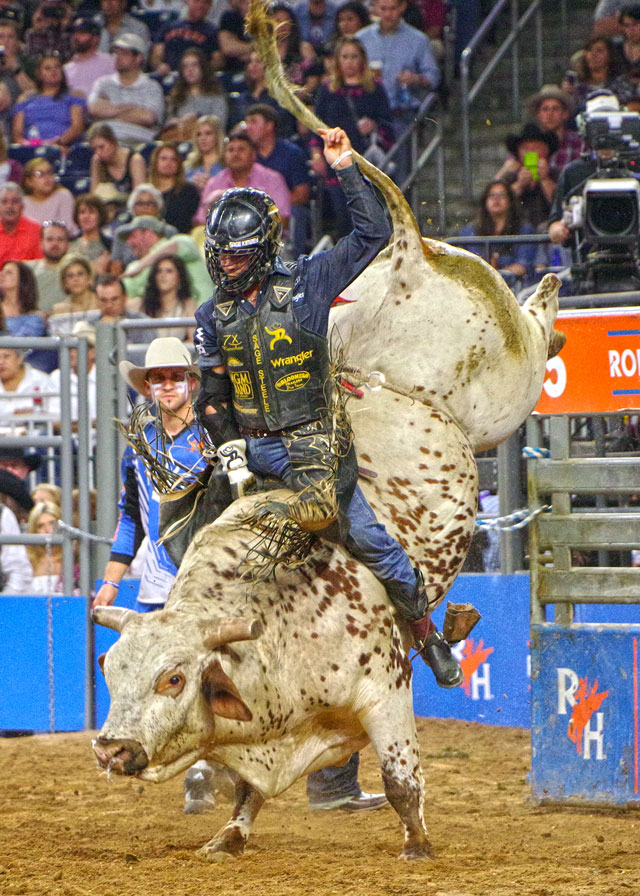
    Sage Steele Kimzey of Strong City, Oklahoma, won the RODEOHOUSTON Super Shootout Bull Riding Championship with a 90-point ride. Sage arrived in Houston at 3 a.m. this morning and said he’s a little bit of a wreck, but winning feels great.


    “RODEOHOUSTON is one-of-a-kind,” he said. “It doesn’t matter how beat up or sore you are. It never gets old, and that’s because of the fans.”


    Top Four

    Sage Steele Kimzey: Strong City, Oklahoma — $25,000
    Shane Proctor: Grand Coulee, Washington— $10,000

    Brady Portenier: Caldwell, Idaho — $4,500
    Riker Carter: Stone, Idaho — $4,500

  • New Junior BFI scheduled in Reno

    New Junior BFI scheduled in Reno

    High-stakes team roping for kids 17 and under will also be a Jr. NFR qualifier.


    PHOENIX, Arizona, March 21, 2018 – For more than 40 years, kids throwing loops at roping dummies have pretended they were the high-call team at the Bob Feist Invitational. Now, those kids can actually back in the box on Wrangler BFI Week, in the same arena as the pros at the world’s richest Open team roping – to compete in their own BFI.

    The inaugural Hooey BFI Junior Championships are scheduled for June 20, 2018, in Reno, Nevada – just two days after the 41st BFI. The ropings start Wednesday at 1:30 p.m. following the #12 High Desert Showdown at the Livestock Events Center.

    The Hooey BFI Junior Championship Open is open to any classification and limited to 50 teams with entry fees of $500 per roper, enter twice. The roping is a four-steer average, progressive after three, and the pot is 80 percent payback. Contestants must be 17 or younger as of January 1, 2018, and must be pre-entered by June 1 or when all 50 teams have been entered, whichever comes first.

    The same format will be used in the Hooey BFI Junior Championship #10, which is capped at a 6-Elite. With 50 teams in either roping, the winning team is expected to earn $15,000 cash, plus Cactus saddles, Gist buckles, YETI prizes, Resistol hats and Heel-O-Matic prizes, and more. Second place will pay $10,000, on down to sixth place, and each go-round will pay at least two places.

    Both ropings will serve as qualifiers for the annual Junior NFR in December, and will offer more than double the points of other qualifiers around the country. A couple of days later, on Friday, June 22, there will be more Junior NFR qualifiers in tie-down and breakaway roping at the Reno Livestock Events Center.

    Entries for the Hooey BFI Junior Championships must be postmarked by May 30. For an entry form or more information, visit www.BFIWeek.com or www.Facebook.com/BobFeistInvitational.

  • ProFile: Brazos Heck

    ProFile: Brazos Heck

    story by Ted Harbin

    [ Brazos wins all-around championship at Jr.NFR in Las Vegas ]

    Brazos Heck is quite driven and focused.
    He knows exactly what he wants in his future to be. He’s a cowboy in every sense of the word, and in rodeo, he competes on the backs of bucking bovines and bucking broncs.
    “I want to ranch here in Oklahoma,” he said. “I think I can ride all three (roughstock) events, and it would just be a dream come true to win 10 all-around world titles.”
    Driven. Focused. Oh, and he’s only 9 years old.
    “I do this because I love to do it, and I think it’s my passion,” said Brazos, the son of Odie Heck and Shasta Yost.
    He’s also pretty good at it. In early December, he competed at the Jr.NFR in Las Vegas. He finished several days of competition as the No. 2 man in mini bareback riding, where he won two rounds. He also finished third in the middle saddle bronc riding.
    Because of his success, he earned the pee wee division all-around championship. No matter the age group, it is the most cherished prize in the sport.
    “This is a once-in-a-lifetime thing,” he said. “I’m hoping to win more.”
    He stands a good chance, thanks in large part to his work ethic, his study of the game and having a couple of the best-known cowboys as friends and mentors. His father is a cowboy in Tupelo, Okla., and is close friends with Jet and Cord McCoy, two all-around champs who made their names on CBS-TV’s “The Amazing Race.”
    The McCoys have been rodeo champs since they were youngsters, too.
    “In a lot of ways, he does remind me of me,” Jet McCoy said. “He’s pretty special. I’ve been pretty impressed with him.”
    Brazos’ list of accomplishments is long. He’s been riding since age 5, and he’s progressed fairly rapidly, too

    “He started out wanting to get on sheep,” Odie Heck said. “He’d been at a rodeo, and they had mutton busting. He was always around Cord and Jet, so he wanted to ride. Then we were at a rodeo, and kids were riding little ponies in bareback riding. He wanted to get a rigging and enter the bareback riding.”
    Heck has been around rodeo all his life, but he was a timed-event cowboy. Roping and steer wrestling were good fits for the athletically built, 6-foot cowboy.
    “Brazos’ athletic ability is a little different than mine,” he said. “He’s a bucking horse guy.”
    In fact, Brazos craves it. When he’s not riding, he’s thinking about it, and he watches a ton of videos to help with those thoughts, from the bronc riding Wright family – brothers Cody, Jesse and Spencer have won world titles, as has Cody’s second-oldest son, the 2017 champ, Ryder – to the McCoys, to bareback riding world champions Kaycee Feild and Bobby Mote and world champion bull riders Cody Custer, J.B. Mauney and Cody Custer.
    “They just make me feel like I ride really good,” said Brazos, who is sponsored by the American Hat Co. and Oklahoma Ag Transports. “I watch them over and over again, and I want to ride like them.”
    Those are the types of champions he looks up to and wants to emulate. Even at his young age, he understands the need for constructive criticism if he is to improve. That’s why he looks to the McCoys for assistance. Both were five-time International Professional Rodeo Association world champions who competed in all three roughstock events.
    “I almost make him ask me for help before I offer any,” said Cord McCoy, a 2005 Wrangler National Finals Rodeo qualifier in bull riding and a six-time competitor at the PBR World Finals. “If he wants to come to the house and train in our arena, I step back and let it be his idea. I let him show the desire.
    “I think all of us have our own natural style. He’s pretty natural. I know he’s been watching every rodeo in the area and on TV. That’s all he craves.”
    He knew Brazos was pretty good but admitted that there may have been some bias because of his relationship to the youngster.
    “Then they had the Jr.NFR, which was all the kids who qualify from across the country, and he’s the all-around champion,” Cord McCoy said. “He’s got raw talent. If he keeps the desire he has today, he’s going to be a contender when he gets older.
    “It was pretty inspirational to go to the Jr.NFR and see Billy (Etbauer), Ty (Murray) and Larry Mahan there. The superstars of rodeo got to watch the next generation compete.”
    Jet McCoy likened the Jr.NFR as the Little League World Series, and that young cowboys and cowgirls who compete at the pinnacle of their sport are taking the steps necessary to excel as teens and adults.
    “If you want to compete at the highest level, you’ve got to start early,” he said. “To have the opportunity to go to Vegas and spend three or four days to see what it’s like, it gives them something to visualize and something to shoot for.”
    For now, though, those closest to him support and believe in what Brazos Heck is doing because they see his passion for the sport.
    “You’ve got to have the want-to, and I don’t think anybody’s forced it on him,” Cord McCoy said. “When you nod your head, you’ve got to have the eye of the tiger.
    “He’s got that winning attitude to go along with the talent.”

  • Wyoming Livestock Import Requirements

    Wyoming Livestock Import Requirements

    CHAPTER 8

    IMPORT RULES

    Section 7. General import requirements.

    (a)All Animals imported into Wyoming shall be accompanied by a paper or digital Interstate Certificate of Veterinary Inspection, and an Import Permit or Shipping Number when required, issued in compliance with these Rules and all applicable state and federal Animal health regulations,


    Section 8.Interstate Certificates of Veterinary Inspections (ICVI) & Permits.

    (a)ICVIs shall only be valid if properly issued by an Accredited Veterinarian or USDA/APHIS/VS veterinarian.

    (b)ICVIs shall only be issued after a visual examination of all Animals intended for importation into Wyoming has been completed and all other requirements for identification, testing, treatment, vaccinations, and declarations are met.

    (c)ICVIs are valid for thirty (30) days following proper examination of the Animal(s), unless otherwise specified by these Rules or by order of the Wyoming State Veterinarian.


    Section 18.Requirements for the importation of Horses.

    (a)An ICVI is required on all Horses entering Wyoming, unless excepted in Section 7(a)(i), (ii), (iii) or (iv).

    (b)A negative Equine Infectious Anemia test performed within twelve (12) months prior to importation is required, except for foals six (6) months of age and less, accompanying and not yet weaned from their birth mothers.


    Note: Wyoming is a Brand Inspection State, be prepared to meet all Inspection requirements.


    EHV1 Fact Sheet

    Developed by Dr Jim Logan and Dr Thach Winslow, WLSB veterinarians


    Equine herpesviruses are very common DNA viruses in horse populations worldwide. We have had EHV1 (and other equine herpes viruses) in Wyoming for decades. Since 1998 we have had at least 20 isolated cases of EHV1/EHM.

    The great majority of horses are exposed to equine herpes viruses early in life and will become lifelong latently infected (showing no signs of illness).

    By 2 years of age, almost all horses have been infected with EHV1. The initial exposure generally occurs in foals from contact with their dams. The virus can then become latent setting up a carrier state that is life-long.  Horses of any age that are carriers of EHV1 do not show any external signs of disease when the virus is in a latent form. The virus can be reactivated during times of stress, such as strenuous exercise, over exertion, long-distance transport, or at weaning.

    EHV1 (equine herpesvirus-1) is one of a large group of DNA viruses causing potentially serious disease in equine species. EHV1 can cause four manifestations of disease in horses, including a neurological form known as Equine Herpes Myeloencephalopathy (EHM), respiratory disease, abortion, and neonatal death.

    EHV1 is the primary cause of EHM which is most often due to mutant or neuropathogenic strains of EHV1, so called because of a particular mutation in the genome.

    Another strain of Equine Herpes virus,EHV4 causes a nonfatal upper respiratory tract disease in foals and is uncommonly associated with abortion and rarely with neurologic disease.

    In recent years, there has been a marked increase in the number of EHV1 cases, especially EHM, reported in the United States. There have also been several outbreaks of EHM at large horse facilities and events—at racetracks, horse show grounds, veterinary clinics, and boarding stables. The large number of horses that can be exposed on such premises and the serious nature of the disease have caused significant concern within the animal health community and the U.S. horse industry.

    EHV1 is contagious and is spread by direct horse-to-horse contact, by contaminated hands, equipment and tack, and, for a short time, through aerosol dissemination of the virus within the environment of the stall and stable. Horses may appear to be perfectly healthy yet spread the virus via the secretions from their nostrils.

    The initial clinical signs of the infection may be nonspecific and include fever of 101.5°F or greater. Fever may be the only abnormality observed. Other presenting signs may be combinations of fever and respiratory symptoms of nasal discharge and cough. Some horses have reddish mucous membranes.

    Horses with neurological disease caused by EHV1 infection can soon become uncoordinated and weak and have trouble standing. Difficulty urinating and/or defecating may also occur. Often the rear limbs are more severely affected than the front. Signs of brain dysfunction may occur as well, including extreme lethargy and a coma-like state.

    The incubation period of EHV-1 infection is HIGHLY VARIABLE, depending on the host, on the virulence of the virus, and on environmental and other factors such as stress. The AVERAGE incubation period is 4 to 7 days, with the majority of cases being 3 to 8 days, but with some taking up to 14 days. When neurological disease occurs, it is typically 8 to 12 days after the primary infection involving fever. In most cases, horses exposed to EHV1 will develop a fever and possibly nasal discharge and then go on to recover without developing more serious symptoms.

    There are many steps horse owners can take to help prevent the spread of EHV-1.

    • Stop horse movement if your animals may be infected with EHV1. This is the most important first step horse owners can take. Horses should neither enter nor leave a premises where EHM has been diagnosed until cleared by the veterinarian.
    • Do not allow horses exposed to EHM case(s) to have contact with unexposed horses on the premises.
    • Isolate sick horses. Horses that have aborted or shown signs of fever, respiratory disease, or neurologic disease should be separated from healthy horses. Ideally, the sick horse(s) should be moved into a separate building or paddock on the premises, or be transported to a veterinary hospital with an isolation facility.
    • Do not share equipment among horses on the facility. Since this virus can be spread from horse to horse via contaminated objects such as water/feed buckets or bridles, equipment  should not be shared among horses.
    • Practice proper biosecurity measures to prevent spreading the virus.


    **The WLSB has produced and distributed an educational brochure entitled Equine Herpes Virus; Prevention Tips for Exhibitors & Event Managers to help horse owners and event managers understand the disease and ways to help prevent it.


    For more information, contact the Wyoming Livestock Board: 307-777-7515